
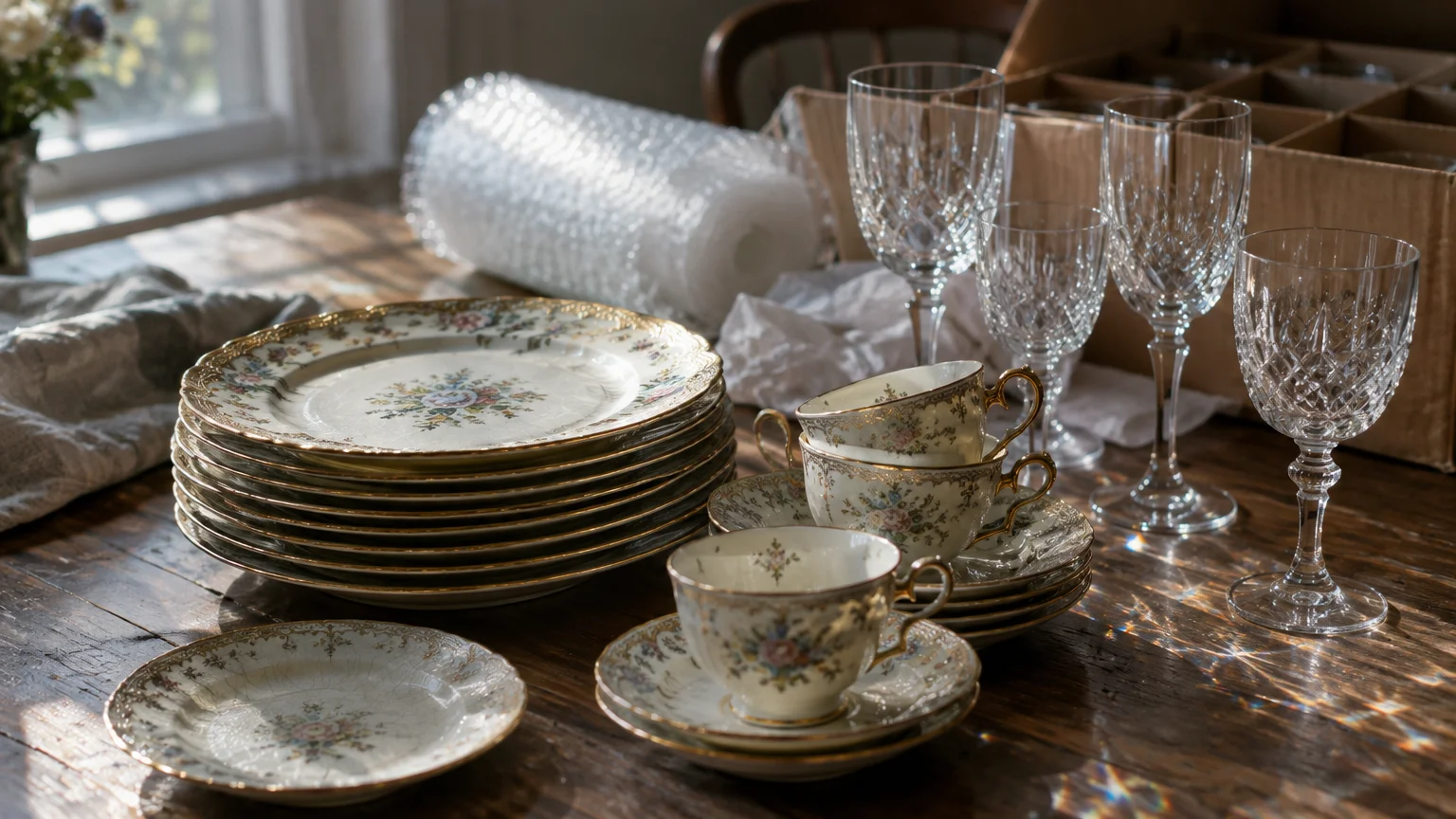
2. Formal Fine China and Crystal Stemware
Many seniors received porcelain dinnerware and lead crystal glasses as wedding gifts. You likely saved them for special holiday dinners and hand-washed each delicate piece.
Today, adult children host casual gatherings centered around kitchen islands and patio tables. They want durable tableware that is completely dishwasher and microwave safe.
Gold-rimmed china cannot go into a microwave, and fine crystal clouds in automatic dishwashers. Because formal entertaining has declined, complete china sets often sit untouched for decades.
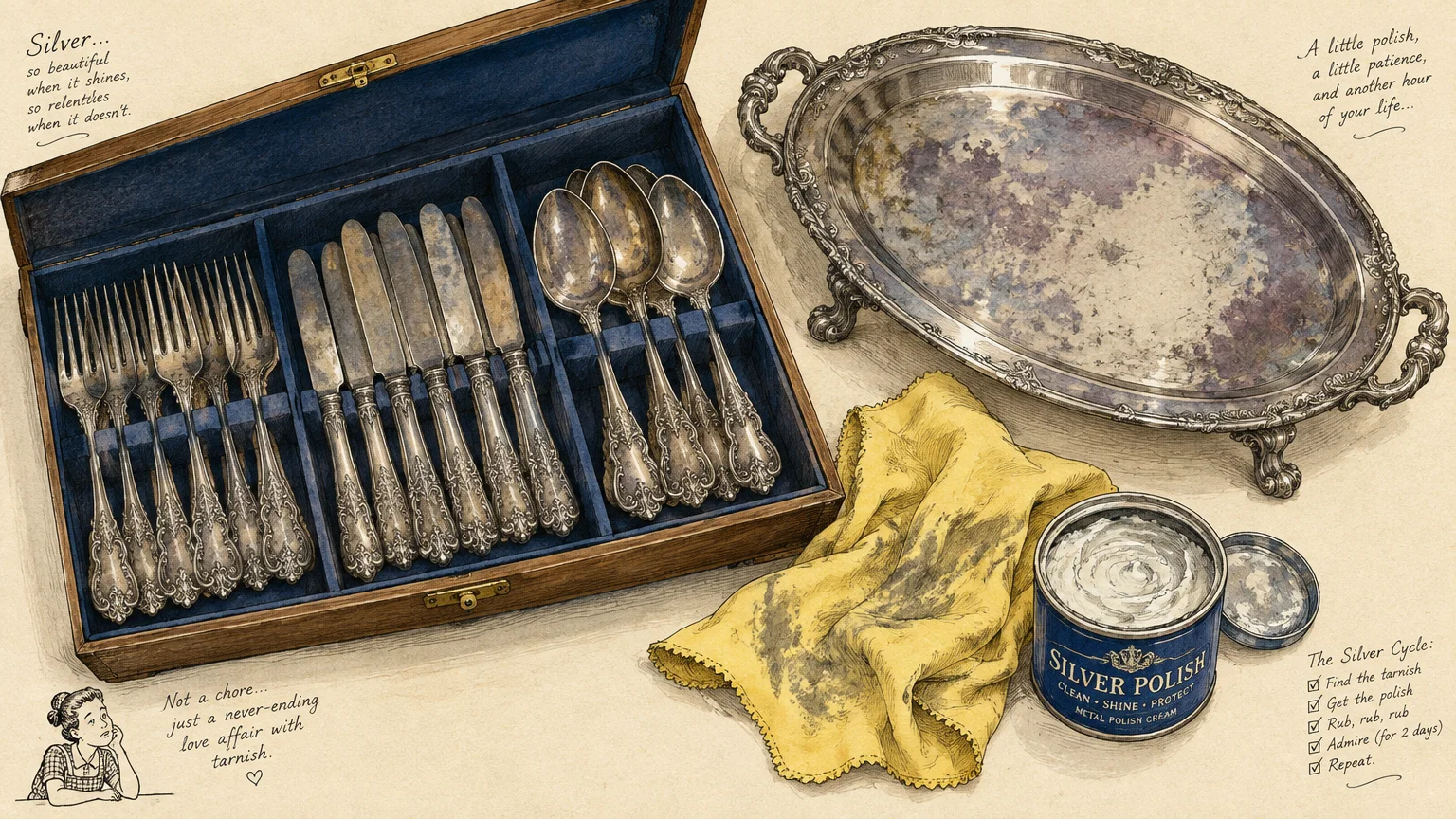
3. Silver-Plated Flatware and Serving Trays
Polishing silver before Thanksgiving was once a beloved holiday ritual. For busy adult children, maintaining tarnished metal feels like an unnecessary chore.
Most household silver is silverplate—marked with stamps such as “EPNS” or “Quadruple Plate”—which contains less than 1 percent pure silver. These pieces carry virtually no precious metal scrap value.
Thrift stores routinely sell entire silver-plated tea sets and serving platters for under $20. Unless your flatware is stamped “Sterling” or “925,” your children will likely decline the maintenance.
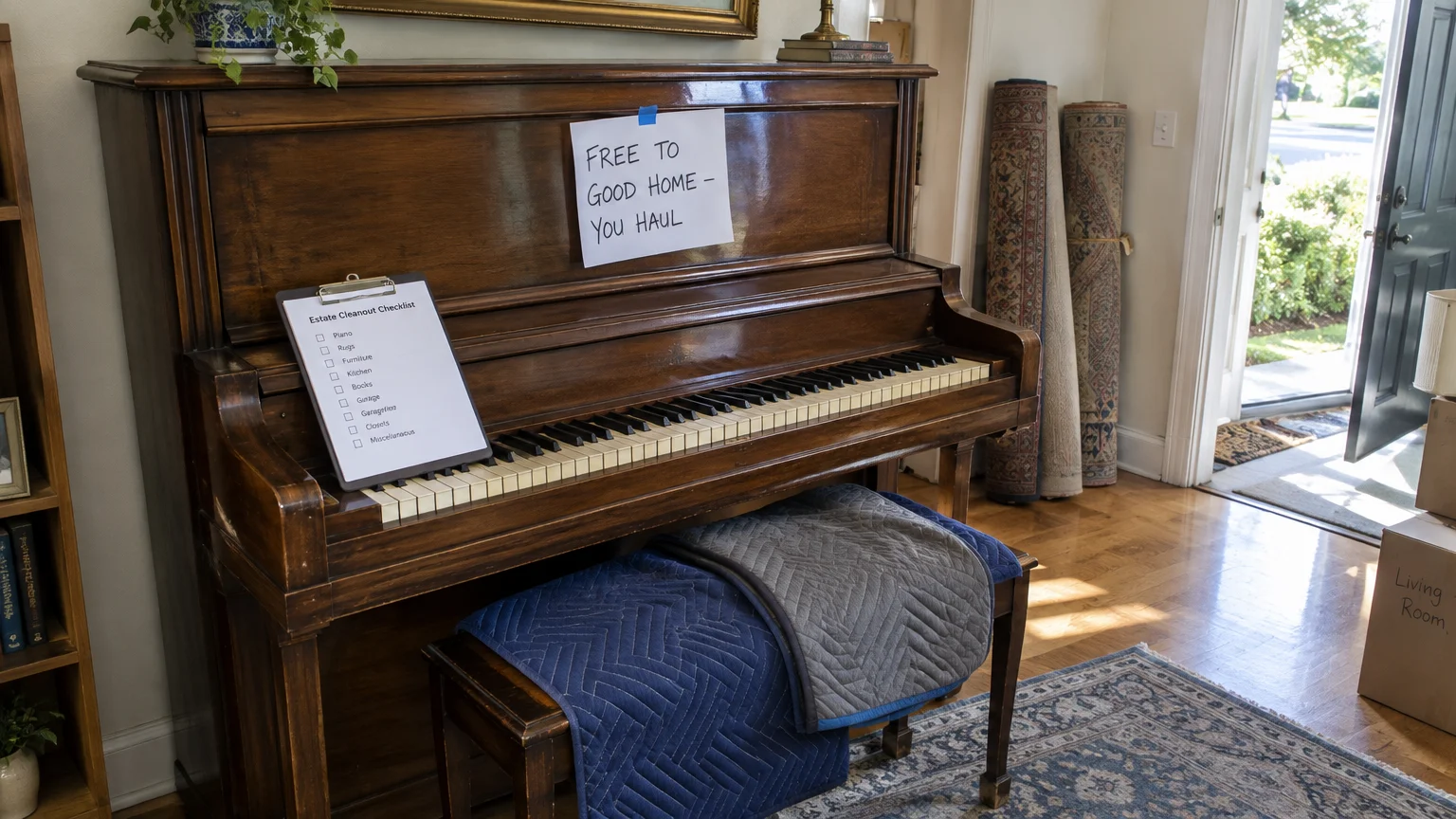
4. Upright Acoustic Pianos and Organs
Generations of families gathered around upright pianos for singalongs and music lessons. Today, these instruments have turned from prized assets into expensive logistical liabilities.
A standard upright piano weighs between 300 and 500 pounds and requires specialized movers. Junk haulers typically charge between $150 and $550 just to remove and dispose of one.
Most schools, churches, and charities refuse piano donations due to high transport and ongoing tuning expenses. Younger musicians generally prefer compact electronic keyboards with headphone jacks.
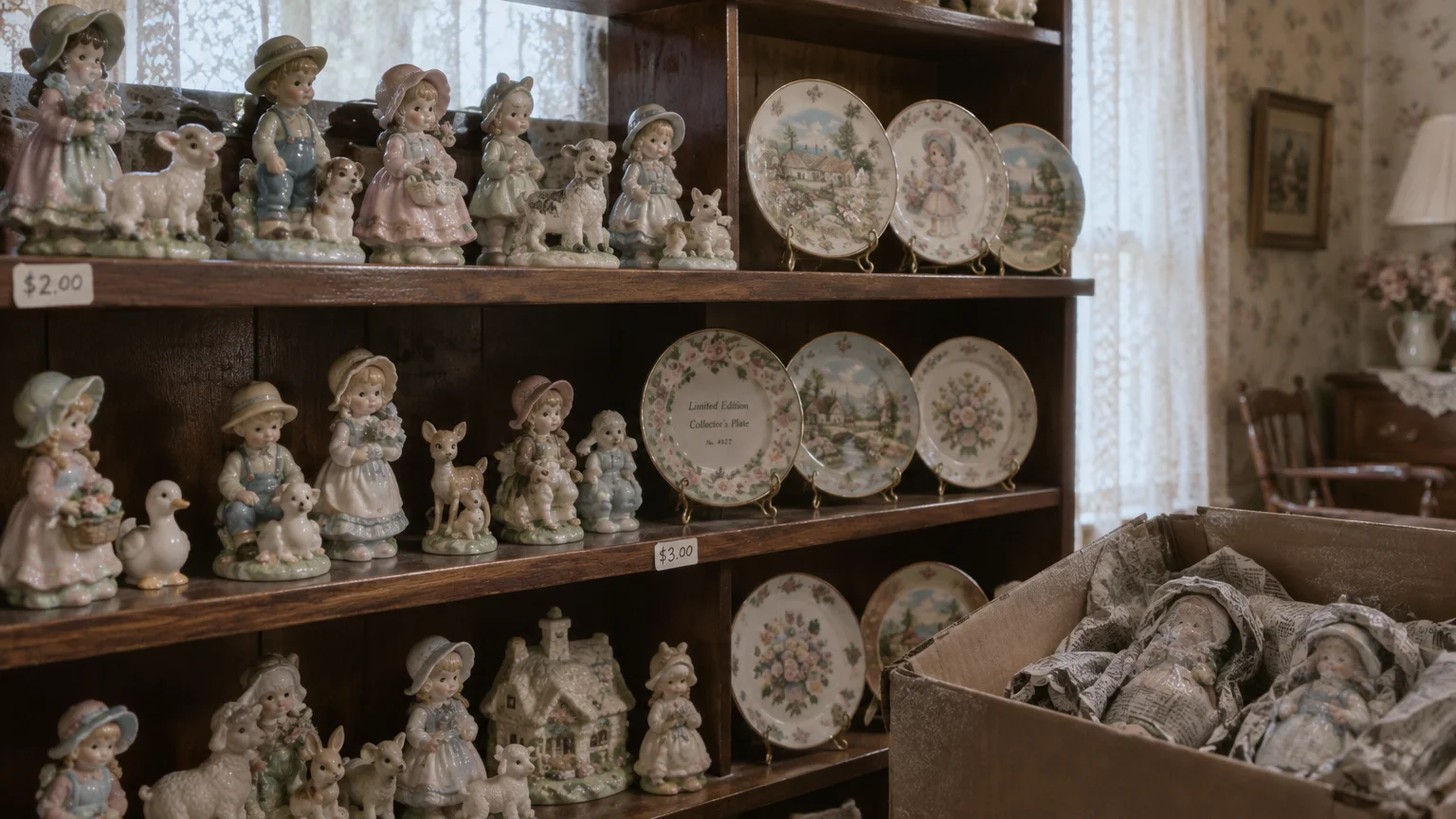
5. Porcelain Figurines and Collectible Plates
Millions of collectors purchased Hummel figurines, Precious Moments, and limited-edition plates as financial investments. Unfortunately, the secondary market for these items has largely collapsed.
Resale values for mass-produced 20th-century collectibles have dropped by 70 to 90 percent from their peak prices. Younger generations view these items as dust collectors rather than valuable decor.
Unless a piece is exceptionally rare and verified by an independent appraiser, decorative knickknacks rarely generate significant returns. Your kids will rarely display them on open shelving.