6. Multi-Volume Encyclopedias and Reference Sets
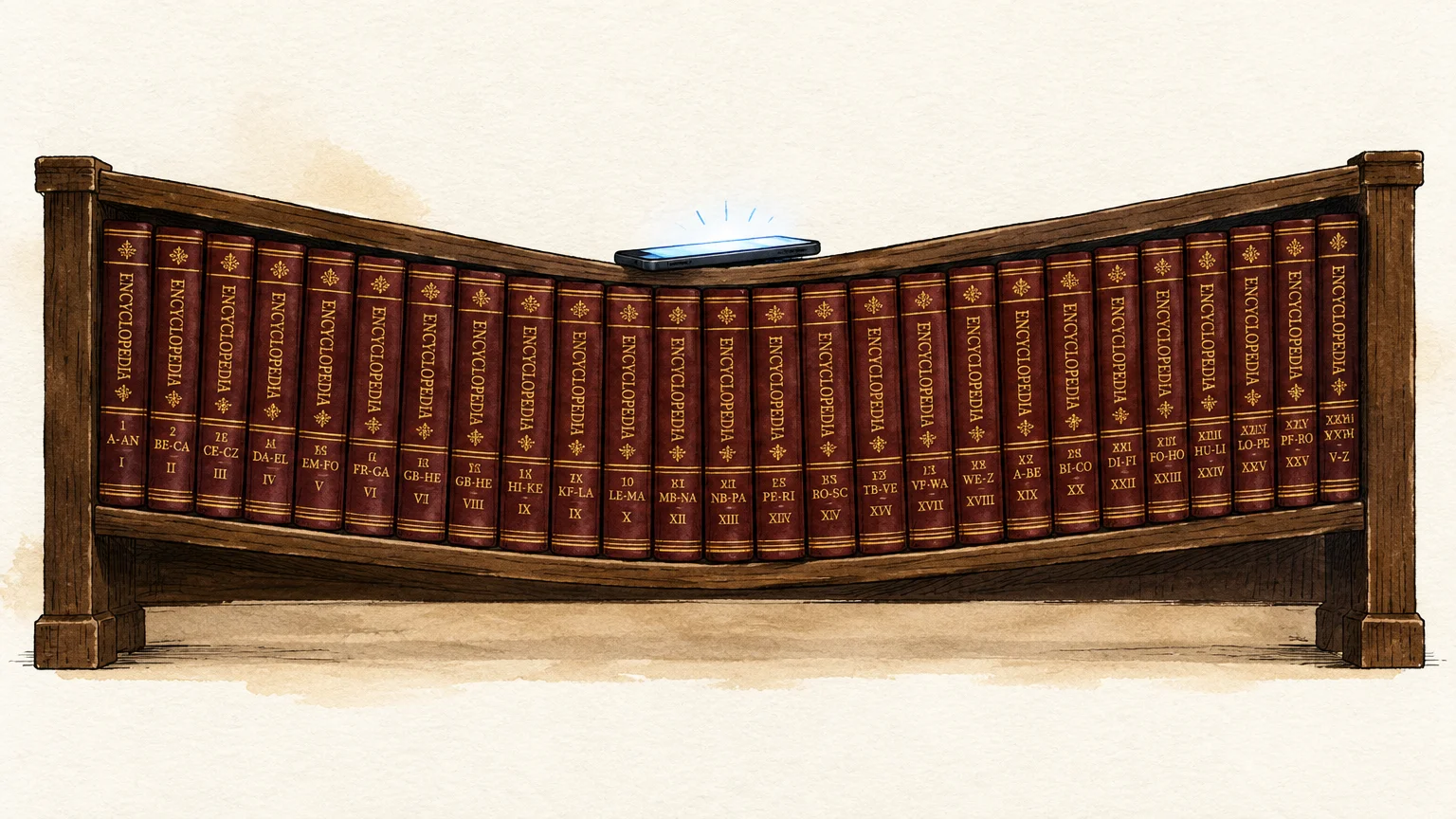
A complete set of hardcover encyclopedias once formed the intellectual heart of a family study. Parents invested hundreds of dollars so their children could finish school research projects.
The internet has made printed general reference books completely obsolete. Scientific, geographical, and historical entries in older volumes are out of date and physically cumbersome.
Libraries and used bookstores no longer accept older encyclopedia donations. These dense books are best directed toward local paper recycling programs or creative craft upcycling projects.
7. Vintage Sewing Machines and Bulky Craft Stashes
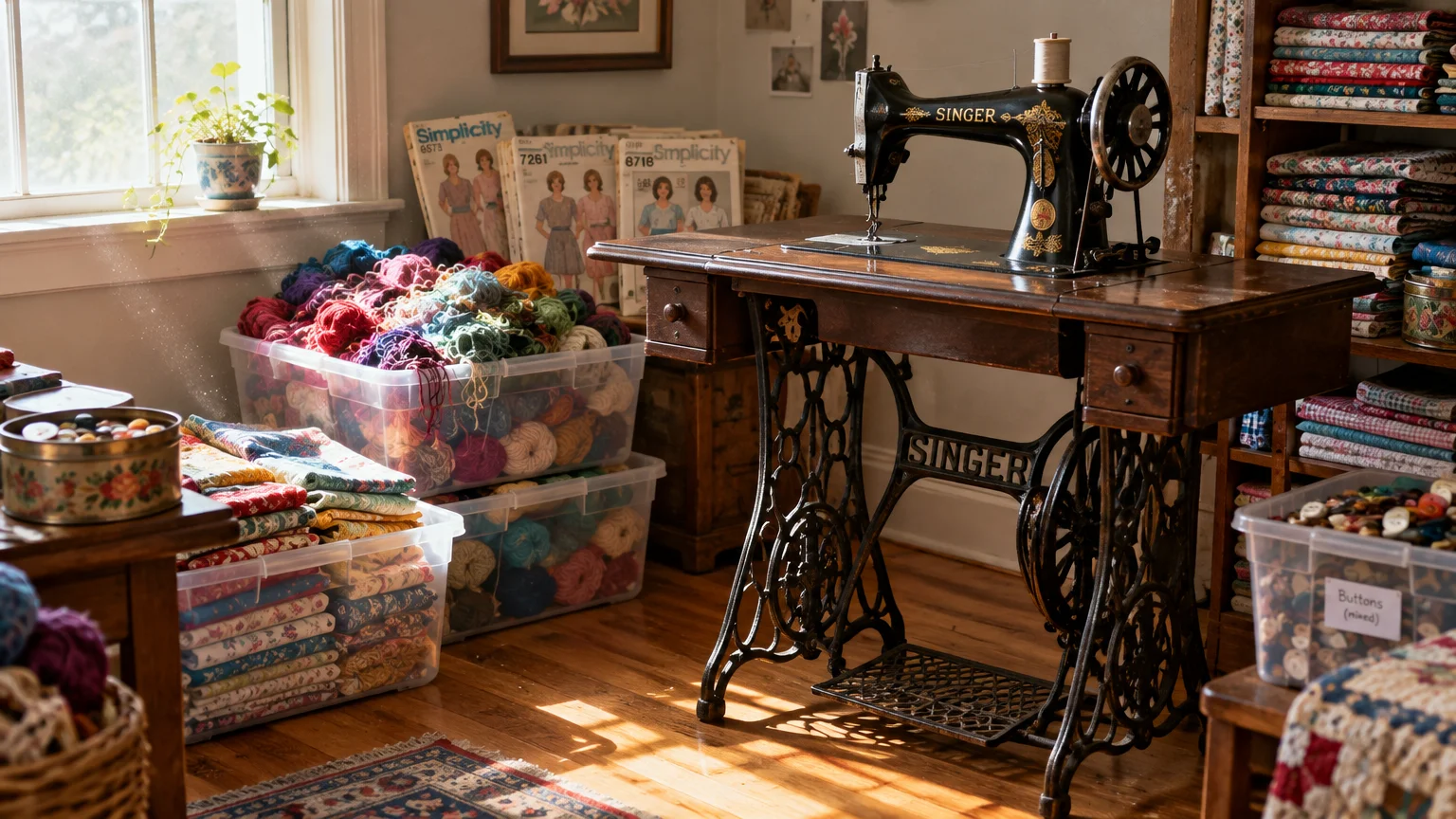
Cast-iron sewing machines in wooden cabinets were essential appliances for previous generations. However, modern sewing enthusiasts prefer computer-guided machines with specialized stitches.
Similarly, massive collections of leftover fabric scraps, yarn skeins, and unfinished craft patterns overwhelm adult children. Crafting trends change, and synthetic materials degrade over time.
Unless your machine is a rare antique in working condition, it occupies valuable floor space. Consider donating craft supplies directly to community centers or senior living activity programs.
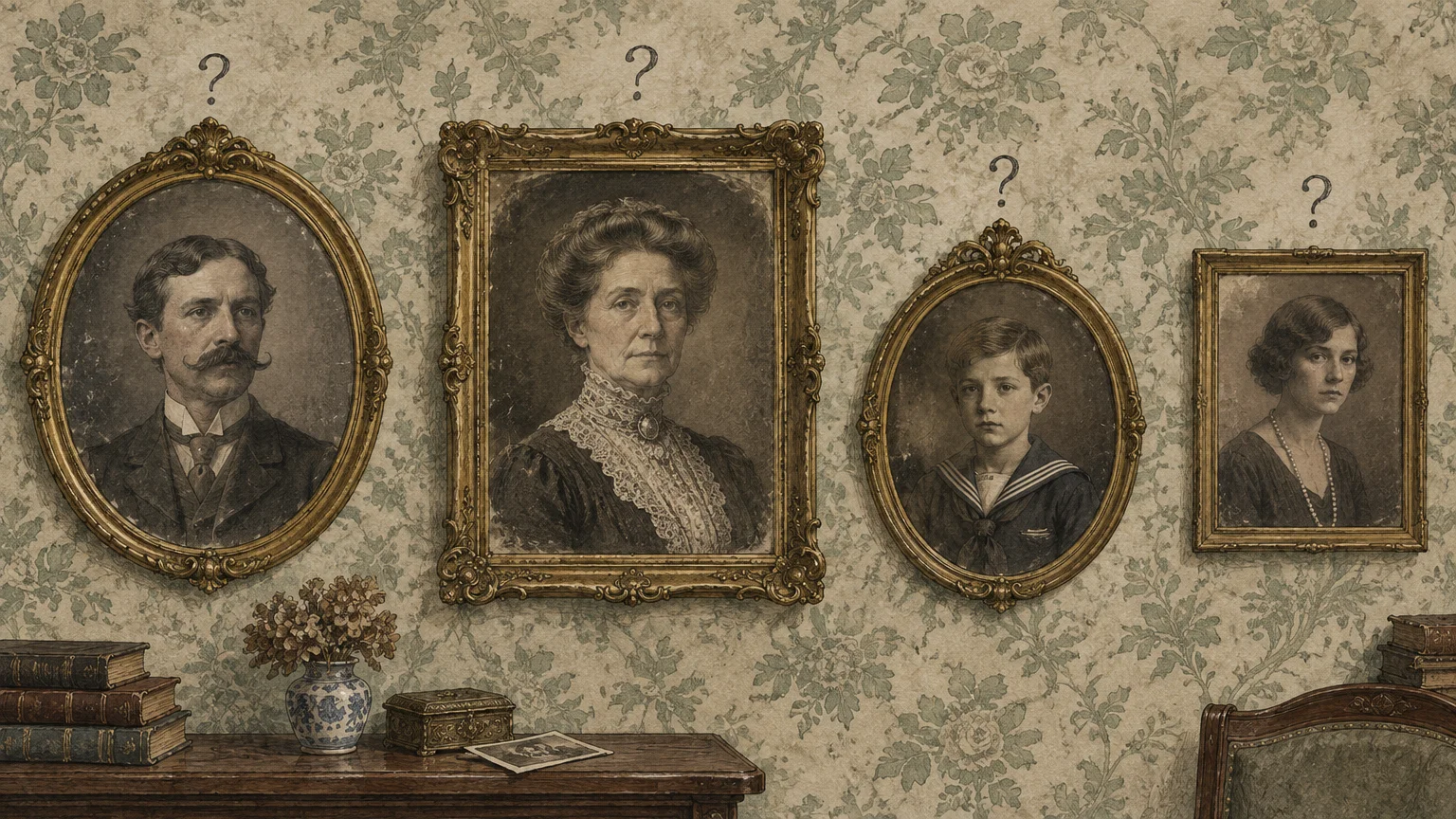
8. Unidentified Framed Portraits and Distant Relatives
You may cherish framed black-and-white portraits of great-aunts, distant cousins, and ancestral homesteads. However, your children likely cannot identify the faces staring back at them.
Unlabeled family photos create emotional confusion rather than deep connection. Adult kids feel guilty discarding them, yet they have no desire to hang strangers on their walls.
Preserve your true family history by scanning important photographs and adding digital labels with names and dates. You can then safely discard duplicate prints and damaged frames.
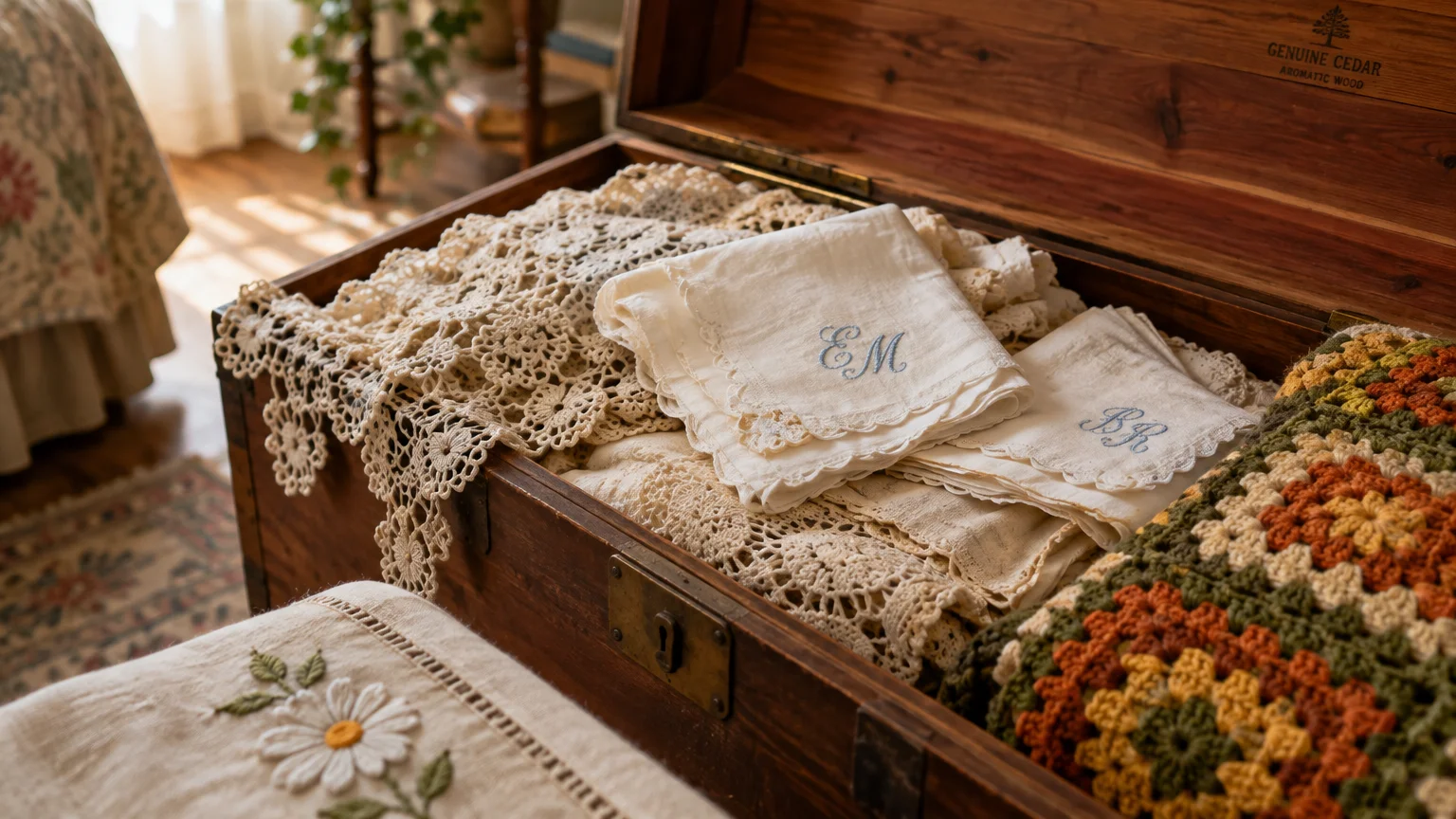
9. Hand-Embroidered Linens, Doilies, and Crocheted Blankets
Intricate lace doilies, embroidered tablecloths, and hand-stitched quilts showcase remarkable artistic dedication. Regrettably, modern lifestyles leave little room for high-maintenance textiles.
Linen tablecloths require hand washing, gentle bleaching, and tedious ironing to look presentable. Most adult children use bare wood, stone, or stain-resistant surfaces for daily dining.
While a family might keep one special quilt, stacks of yellowing bureau scarves often sit forgotten in cedar chests. Fabric fibers naturally weaken and discolor after decades in storage.