In this guide5 sections
Hello, and welcome. It’s wonderful that you’re taking a moment for yourself today.
Life, especially as we navigate our later years, can present its own unique set of stressors. From managing health concerns and appointments to adapting to changes in our daily routines, it’s easy to feel overwhelmed at times.
The good news is that you hold a powerful, built-in tool for finding calm and clarity: your own breath.
You might be surprised to learn that how we breathe has a direct and immediate impact on our nervous system. When we are stressed, our breathing often becomes shallow, rapid, and sits high in our chest.
This signals to our body that it’s in “fight or flight” mode, keeping us tense and on edge. By consciously shifting to slower, deeper breathing, we can activate our body’s “rest and digest” system—also known as the parasympathetic nervous system.
This is our natural relaxation response. It can help lower your heart rate, reduce blood pressure, and ease feelings of anxiety almost instantly.
Think of these breathing techniques not as complicated chores, but as small, kind gestures you can offer yourself throughout the day. They require no equipment, cost nothing, and can be done almost anywhere.
In this guide, we will walk through five simple yet profound breathing exercises designed for instant relaxation. They are safe, easy to learn, and can become a trusted friend in your journey toward greater well-being.
A friendly reminder before we begin: Your comfort and safety are the top priorities. None of these exercises should ever feel forced or cause dizziness. It’s always a good idea to speak with your doctor before starting any new wellness practice, especially if you have underlying respiratory or cardiovascular conditions.
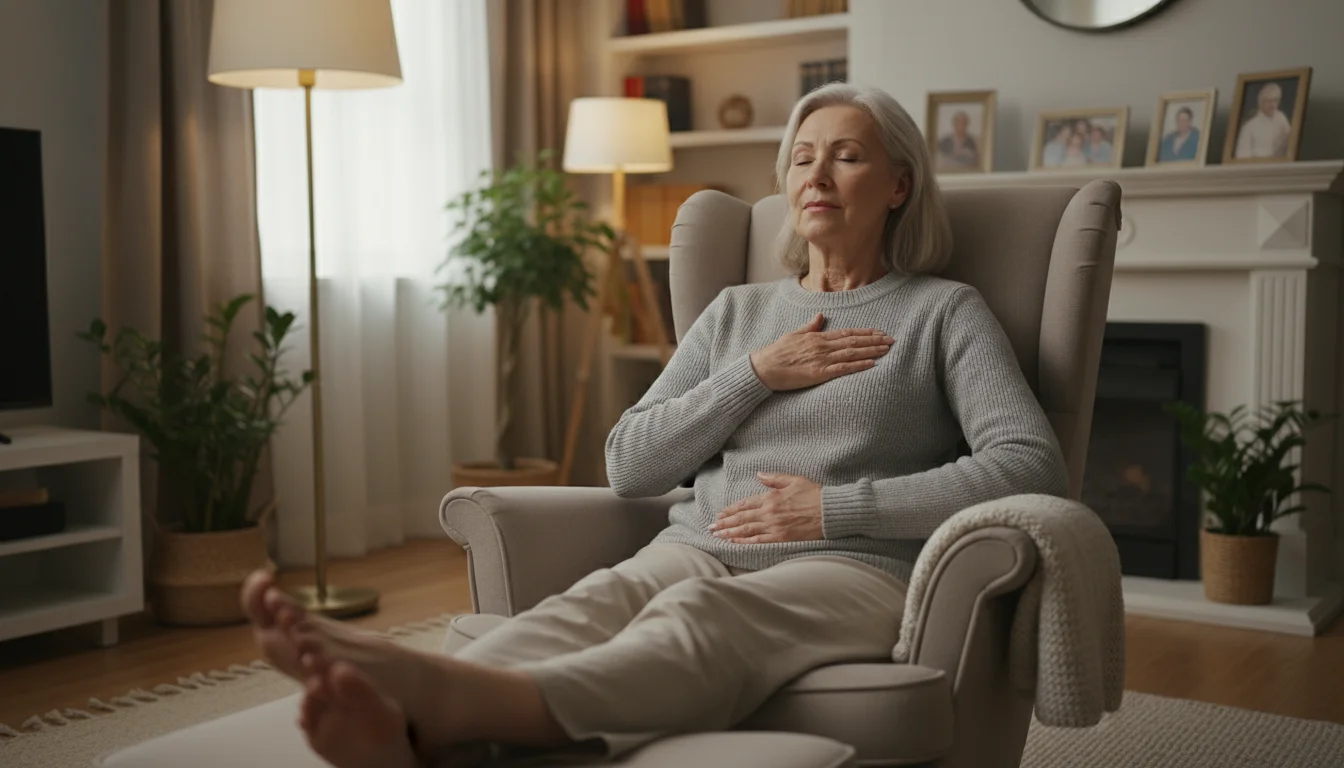
Technique #1: Foundational Belly Breathing (Diaphragmatic Breathing)
The ‘Why’: This is the cornerstone of all stress relief breathing. As we age, or when we are stressed, we often fall into the habit of shallow “chest breathing.”
This pattern is inefficient and can actually increase tension. Belly breathing, on the other hand, engages your diaphragm—the large, dome-shaped muscle at the base of your lungs.
Using this muscle properly allows for a much deeper, more oxygenating breath, which sends a powerful signal to your brain to relax. Mastering this technique can help improve lung function, lower your heart rate, and create a profound sense of calm.
The ‘How’:
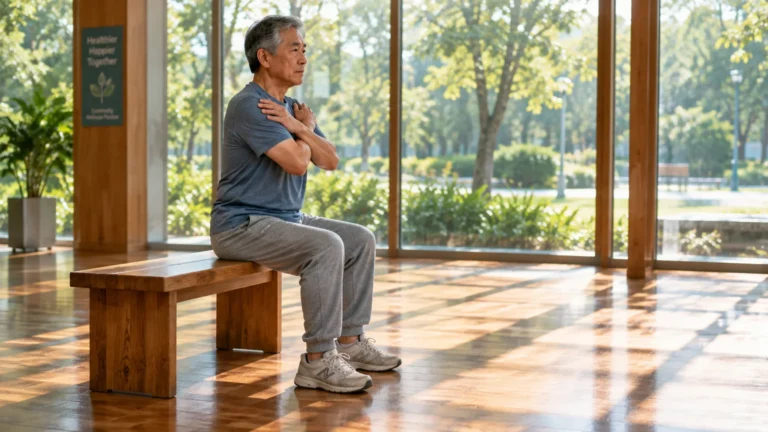
– Find a comfortable position. We recommend starting by sitting in a supportive chair with your feet flat on the floor and your back straight but relaxed.
You can also lie down on your back with a pillow under your head and knees.
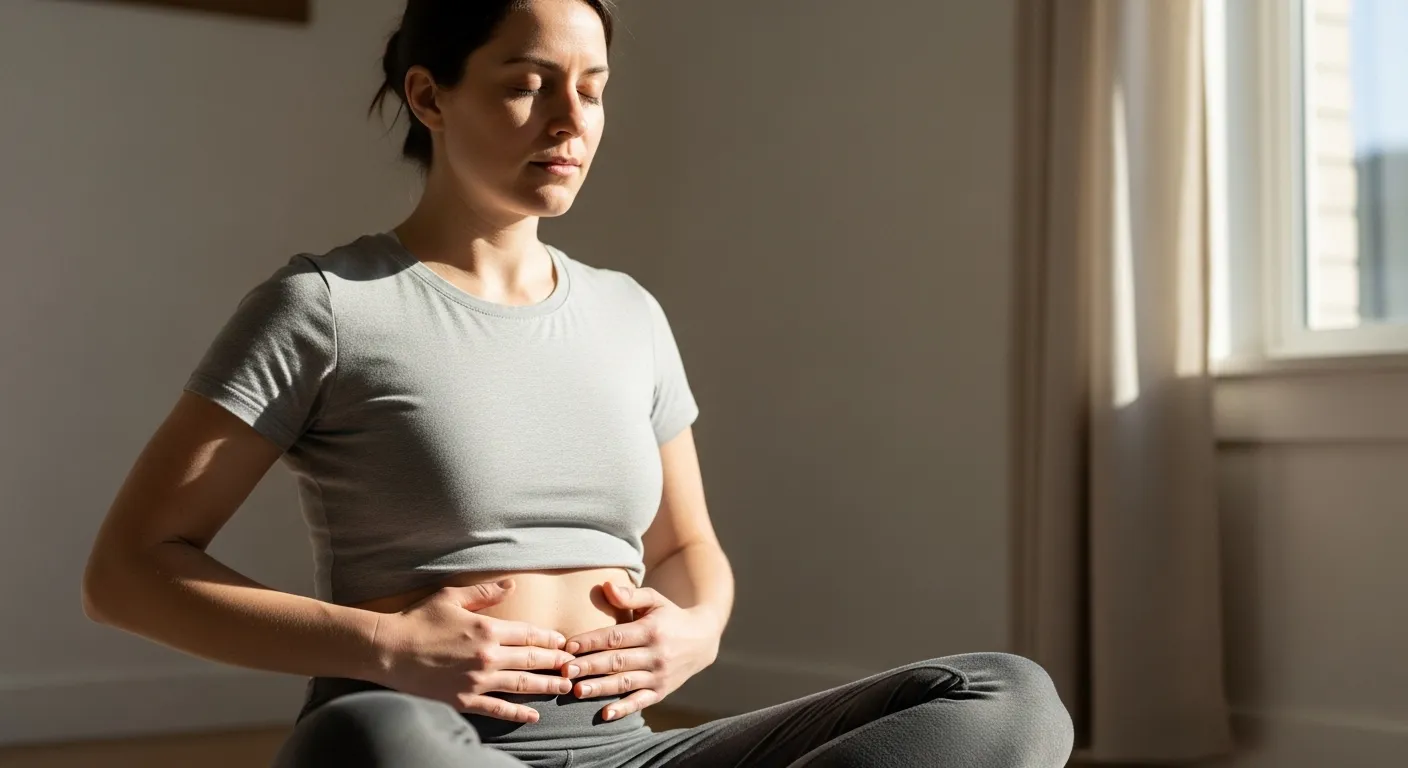
– Place one hand gently on your upper chest and the other hand on your belly, just below your rib cage. This will help you feel the movement of your breath.
– Close your eyes if it feels comfortable, or soften your gaze toward the floor.
– Take a slow, deep breath in through your nose for a count of three or four. As you inhale, focus on letting your belly expand and rise, pushing your bottom hand outward.
Try to keep the hand on your chest as still as possible.
– Pause for a moment at the top of your breath.
– Exhale slowly and gently through your mouth or nose for a count of four or five. Feel your belly fall as you release the air.
The hand on your belly should move inward.
– Continue this gentle rhythm for 2 to 5 minutes. Notice the calm, wave-like motion of your belly rising and falling with each breath.
Expert Tip: Try practicing this for a few minutes each morning before you get out of bed or each night before you go to sleep. This helps set a calm tone for the day and can significantly improve your quality of sleep.

Technique #2: The 4-7-8 Calming Breath
The ‘Why’: Developed by Dr. Andrew Weil, the 4-7-8 breathing technique is sometimes called the “relaxing breath” because of its remarkable ability to soothe a racing mind and a tense body. The magic of this exercise lies in the extended exhale.
Holding the breath allows your body to fully absorb the oxygen, and the long, intentional exhale stimulates the vagus nerve, which is the command center for your relaxation response.
This technique is particularly helpful when you feel a wave of anxiety or have trouble quieting your thoughts before bedtime.
The ‘How’:
– Sit up straight in a comfortable chair, with your feet on the floor. Place the tip of your tongue against the ridge of tissue just behind your upper front teeth, and keep it there for the entire exercise.
– Exhale completely through your mouth, making a gentle whooshing sound.
– Close your mouth and inhale quietly through your nose to a mental count of four.
– Hold your breath for a count of seven.
– Exhale completely through your mouth, making that whooshing sound again, for a count of eight.
– This completes one full breath. Inhale again and repeat the cycle three more times for a total of four breaths.
Safety First: If holding your breath for seven seconds feels too long or causes any discomfort, please don’t force it. Start with a shorter hold (like 3 or 4 seconds) and a shorter exhale (like 5 or 6 seconds). The most important part is making the exhale longer than the inhale. You can work your way up to the full 4-7-8 count as you become more comfortable. Stop immediately if you feel lightheaded.

Technique #3: Box Breathing for Focus and Grounding
The ‘Why’: Box breathing, also known as square breathing, is a simple yet powerful technique used by everyone from U.S. Navy SEALs to yoga practitioners to manage stress and improve concentration. The name comes from visualizing the four equal sides of a box.
This structured, rhythmic pattern is incredibly effective at halting a cycle of anxious thoughts. By giving your mind a simple, symmetrical task to focus on—counting to four over and over—you interrupt the stress loop and bring your awareness back to the present moment.
It’s a perfect exercise for when you feel scattered or overwhelmed by a long to-do list.
The ‘How’:
– Find a quiet spot and sit comfortably in a chair, with your spine tall and your shoulders relaxed.
– Gently exhale all the air from your lungs.
– Step 1 (Inhale): Inhale slowly through your nose to a mental count of four. Feel the air fill your lungs.
– Step 2 (Hold): Hold your breath for a count of four. Try not to clamp down or create tension; just pause.
– Step 3 (Exhale): Exhale slowly and steadily through your mouth or nose for a count of four.
– Step 4 (Hold): Hold your breath with your lungs empty for a count of four.
– Repeat this four-sided pattern for 1 to 3 minutes, or until you feel your mind settle and your body relax. You can even trace a square in the air with your finger as you go.
Expert Tip: This is a wonderful technique to use while waiting—for example, at a doctor’s office, in line at the pharmacy, or while the kettle boils. It’s discreet and can transform a moment of impatient waiting into an opportunity for instant relaxation.
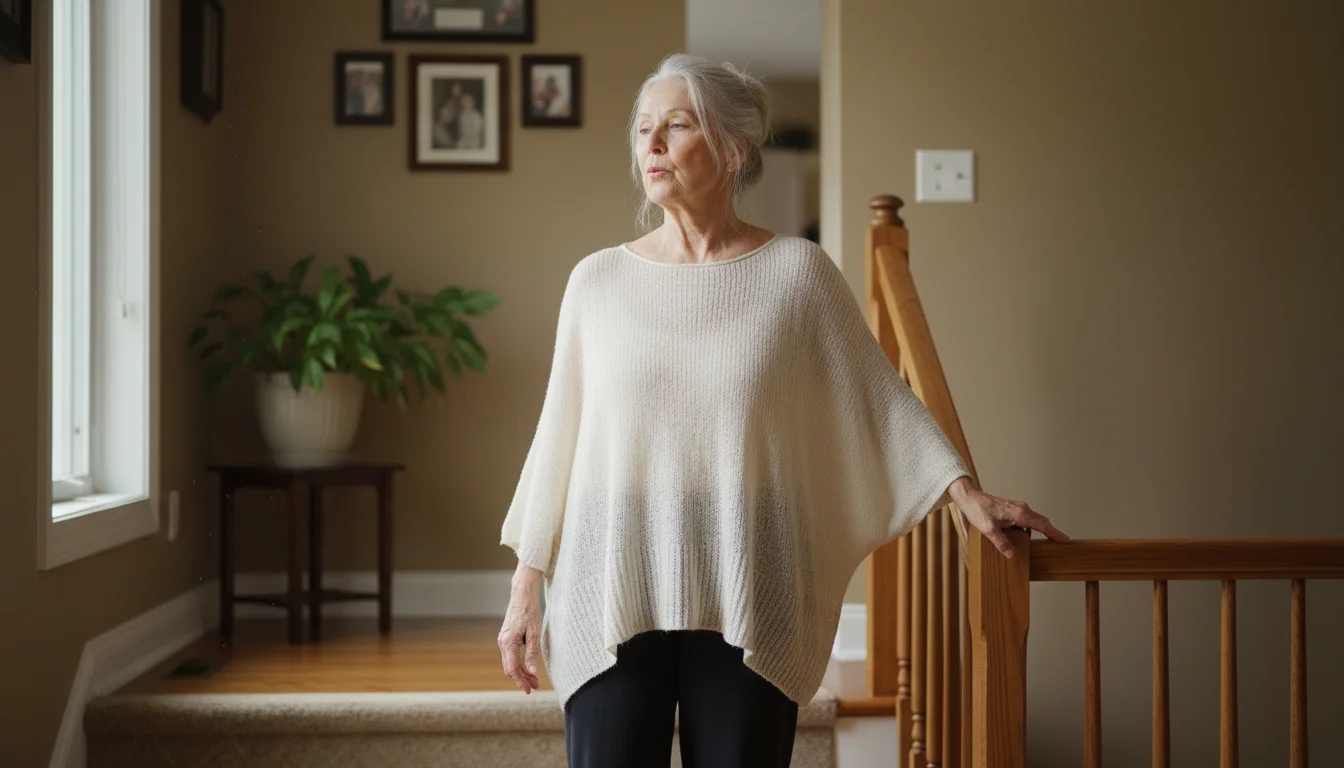
Technique #4: Pursed-Lip Breathing for Gaining Control
The ‘Why’: Pursed-lip breathing is an excellent technique for slowing your breathing pace, and it is especially beneficial for anyone who sometimes feels short of breath.
By creating gentle resistance on the exhale, this method helps keep your airways open longer, allowing you to release more stale, trapped air from your lungs. This makes your next breath more efficient and effective.
It provides a powerful sense of control over your breathing, which can be incredibly reassuring during moments of physical exertion (like climbing stairs) or emotional stress.
The ‘How’:
– Relax your neck and shoulders. You can do this sitting or standing.
– Breathe in slowly through your nose for a count of two, keeping your mouth closed.
– Purse your lips as if you were about to gently blow out a candle or whistle.
– Breathe out slowly and gently through your pursed lips for a count of four (or longer). Make the exhale at least twice as long as the inhale.
– Repeat this pattern until you feel your breathing slow down and your body relax. The key is a slow, gentle, and controlled exhale.
A Gentle Note: While this technique is often recommended for individuals with conditions like COPD or asthma, it is a wonderful stress management tool for everyone. It helps reset your respiratory rhythm and is very easy to do anytime you feel your breath becoming quick or shallow. As always, manage any diagnosed respiratory condition under the guidance of your physician.
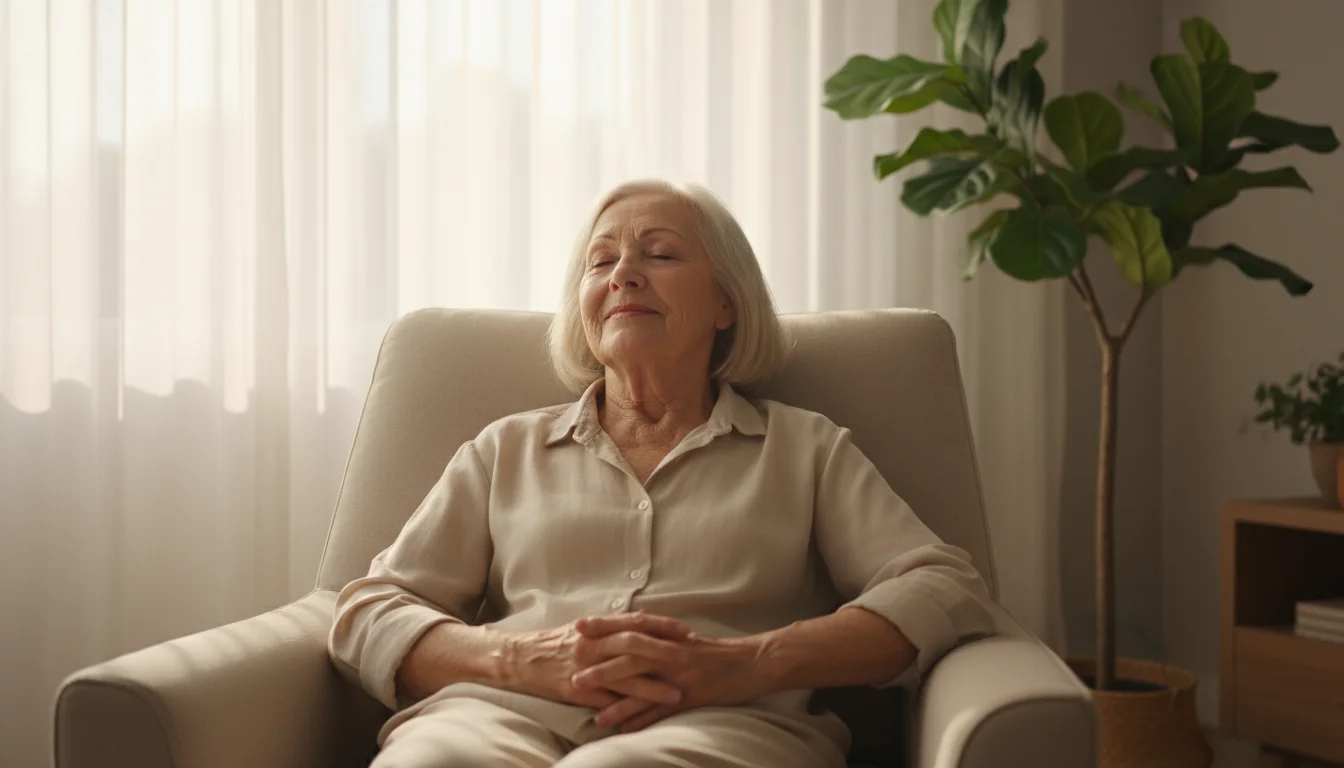
Technique #5: Coherent Breathing for Rhythmic Calm
The ‘Why’: This technique is all about finding a smooth, balanced rhythm.
Research has shown that when we breathe at a rate of about five to six breaths per minute (a 5-second inhale and a 5-second exhale), it creates a state of “coherence” in the body.
This means your heart rate, blood pressure, and breathing rhythm all synchronize, promoting a state of deep physiological and mental calm. It’s less about strict counts and more about finding a gentle, flowing pace that feels naturally soothing to your system.
It’s an excellent way to balance your energy and ease general tension.
The ‘How’:
– Sit comfortably with your back supported and your eyes gently closed.
– For the first minute, simply observe your natural breath without trying to change it. Just notice its pace and depth.
– Now, begin to gently lengthen your breath. Inhale smoothly through your nose for a count of five.
– Without pausing, exhale smoothly through your nose for a count of five.
– Continue this easy, balanced rhythm—inhaling for five, exhaling for five. The breath should feel like a gentle, continuous circle.
– If a five-second count feels too long, start with a four-second inhale and a four-second exhale. The goal is to find a rhythm that feels sustainable and relaxing for you.
– Practice for 3 to 5 minutes. You may notice a pleasant feeling of balance and tranquility washing over you.
Expert Tip: This is a fantastic “anytime” practice. You can do it while sitting in your favorite chair, listening to soft music, or even while enjoying a quiet moment in your garden. The steady rhythm is incredibly centering and restorative.
Your Path to Instant Calm
Stress is an unavoidable part of life, but it doesn’t have to control your day. By familiarizing yourself with these five simple breathing techniques, you are empowering yourself with a toolkit for instant relaxation and greater resilience.
The more you practice, the more natural they will become, and you’ll find you can call upon them whenever you need a moment of peace.
Start small. Choose one technique that resonates with you and try it for just a few minutes each day.
Be patient and kind to yourself as you learn. Remember, this is a practice of self-care and a wonderful investment in your long-term health, safety, and quality of life.
Most importantly, always listen to your body and consult with your healthcare provider to ensure these or any new practices are right for you. Your well-being is worth it.
For expert guidance on senior health and finance, visit Benefits.gov, National Institute on Aging (NIA), Centers for Disease Control and Prevention (CDC) and Medicare.gov.
|
Fact-Checked Content
Our editorial team reviews all content for accuracy and updates it regularly. Learn about our editorial process →
|