
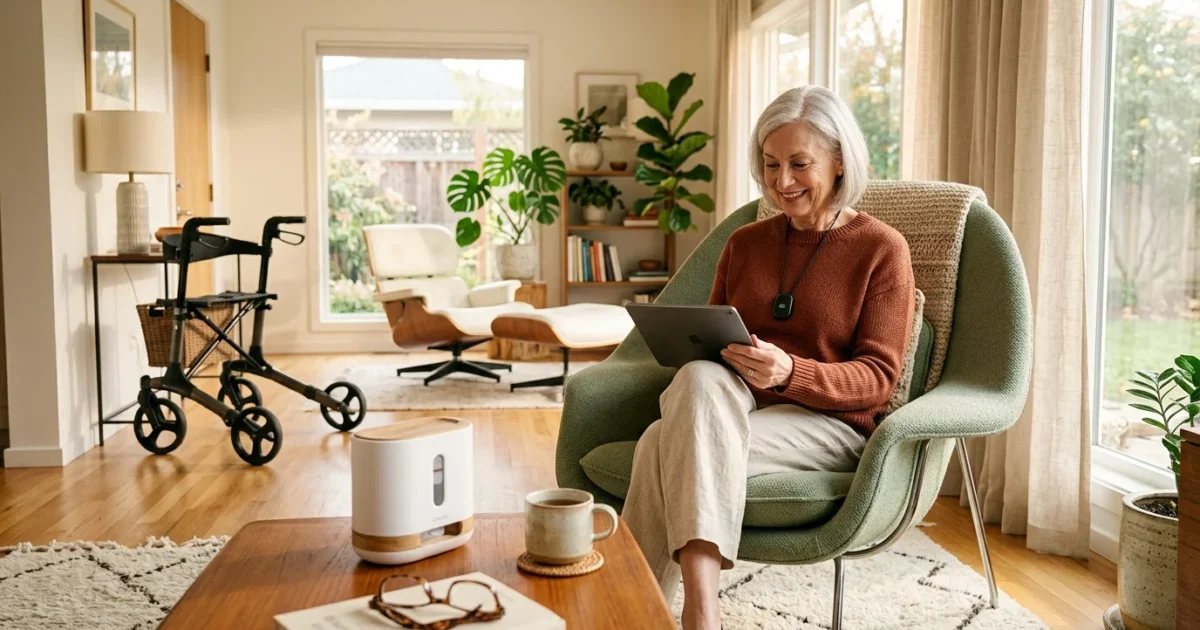
Maintaining your independence at home requires the right support. Practical tools can protect your safety, simplify daily routines, and give your family total peace of mind.
Modern technology and adaptive gear now solve everyday challenges faster and cheaper than ever. You do not need complicated setups to make your home significantly safer.
From smart dispensers to voice assistants, these devices help you stay in control of your life. Here are eight essential tools every older adult should explore today.

1. Medical Alert Systems with Fall Detection
According to data from the Centers for Disease Control and Prevention (CDC), more than 14 million older adults fall each year. Furthermore, one out of every five falls causes a serious injury like a broken bone or head trauma.
Medical alert systems provide immediate access to emergency dispatchers at the touch of a button. Modern wearable pendants also feature built-in sensors that detect sudden falls and summon help automatically.
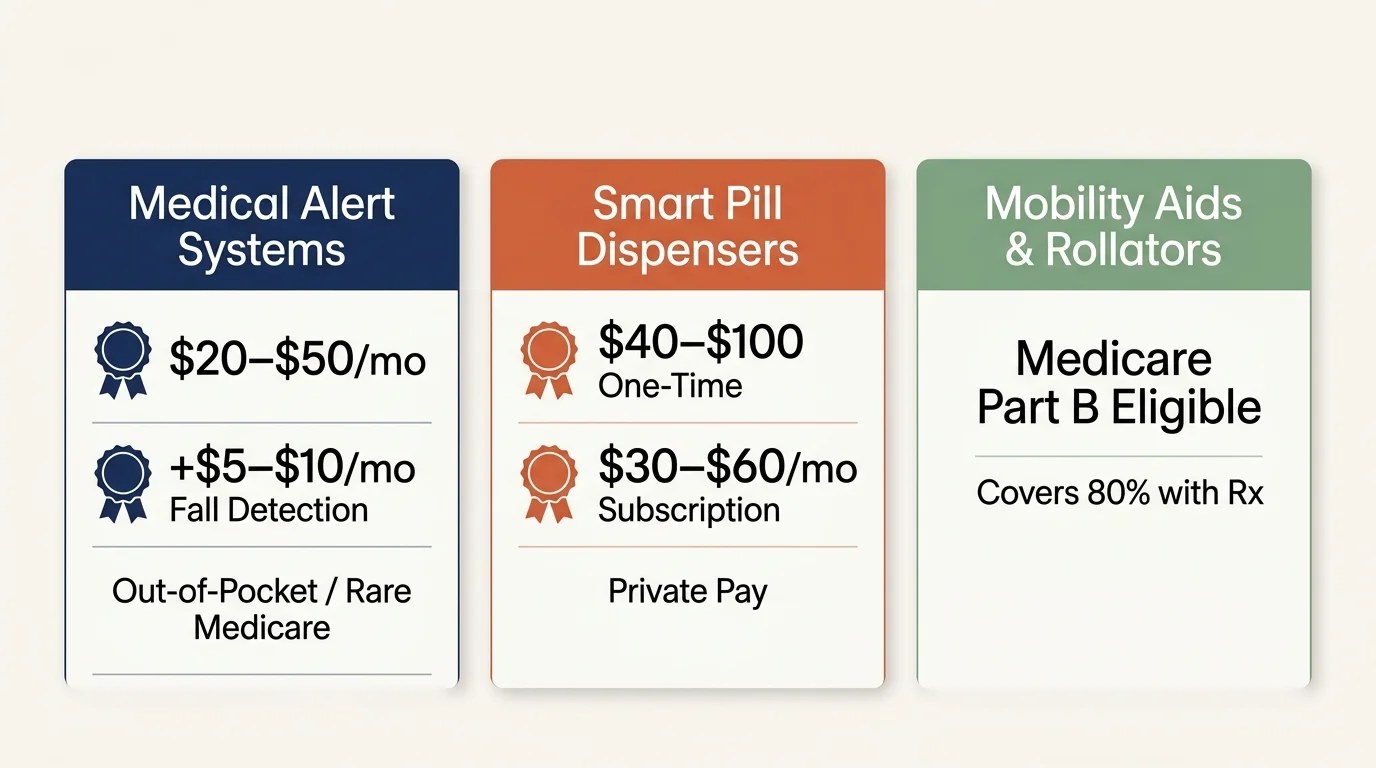
Standard 24/7 monitored medical alert systems typically cost between $20 and $50 per month. Adding automatic fall-detection features generally adds an extra $5 to $10 per month to your plan.
These senior assistive devices work wherever you go; mobile cellular models protect you outside the house as well as in the shower.
Key features to prioritize include:
- Water-resistant wristbands or neck pendants that you can wear in the shower
- Built-in GPS tracking for reliable location pinpointing during neighborhood walks
- Two-way voice communication directly through the wearable device
- Backup battery systems that maintain power during local electrical outages
Wear your pendant constantly to ensure immediate protection during unexpected emergencies.
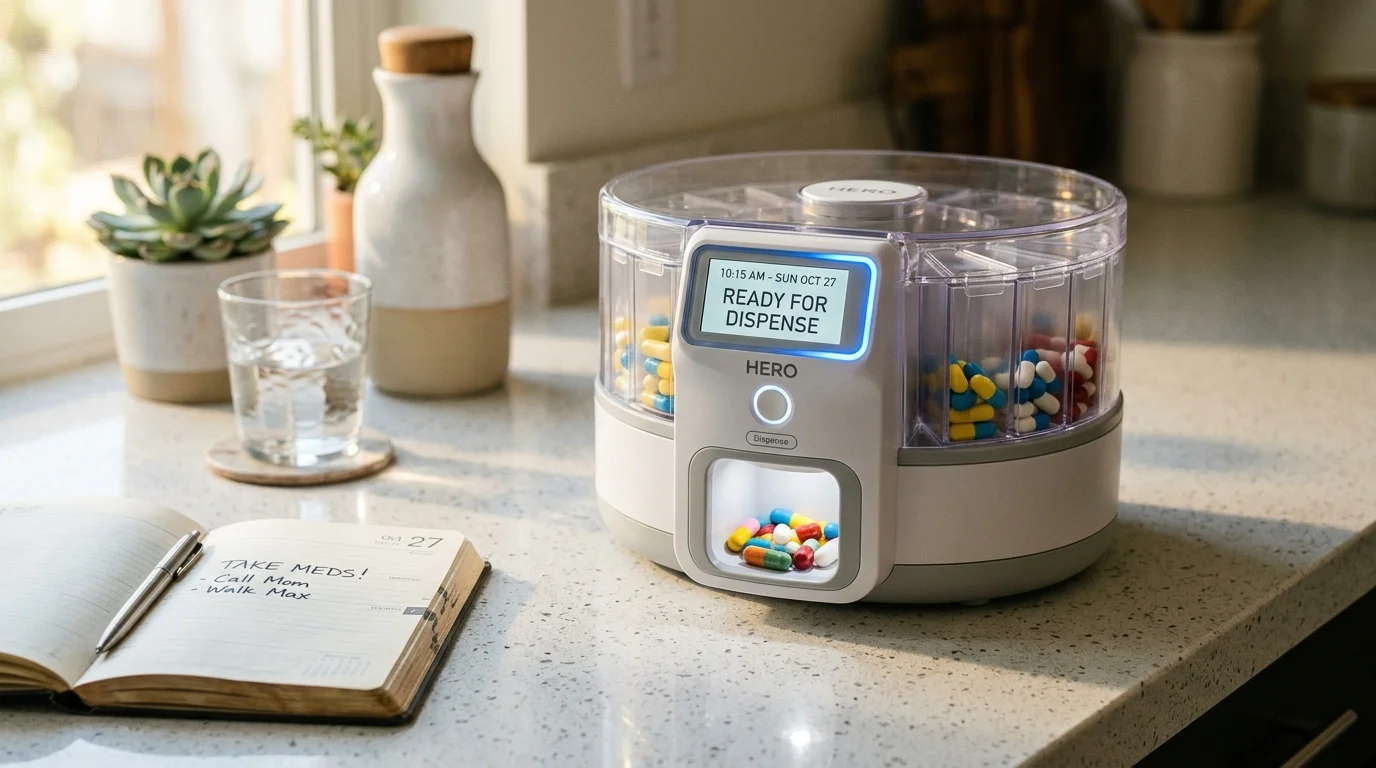
2. Smart Medication Dispensers and Timers
Managing multiple prescriptions can quickly become overwhelming. An estimated 50% of patients with chronic illnesses do not take their medications as prescribed, contributing to roughly 125,000 preventable deaths annually.
Medication non-adherence leads to avoidable hospital visits and substantial medical expenses. Smart dispensers solve this problem by organizing pills into secure, motorized compartments.
Basic timed dispensers with audible alarms cost between $40 and $100 as a one-time purchase. Advanced cellular models send notifications directly to family members if you miss a scheduled dose.
These monthly subscription dispensers, which run $30 to $60 per month, provide crucial peace of mind for both you and your caregivers.
Helpful features to look for include:
- Tamper-proof locking mechanisms that prevent accidental double-dosing
- Flashing visual lights paired with loud sound alerts for heavy sleepers
- Smartphone connectivity that logs daily compliance for your doctor
- Capacity for at least 28 to 90 days of sorted medication doses
Using automated dispensers removes the daily guesswork from your prescription schedule.

3. Over-the-Counter (OTC) Hearing Aids
Untreated hearing loss makes social conversations exhausting and increases the risk of cognitive decline. Fortunately, purchasing high-quality hearing support has become much simpler and significantly more affordable.
Under a landmark Food and Drug Administration rule, adults with perceived mild-to-moderate hearing loss can purchase hearing aids over the counter. You no longer need a medical exam, prescription, or audiologist fitting.
According to the National Institute on Aging (NIA), addressing hearing loss early keeps you actively engaged with friends, family, and community activities.
OTC hearing aids generally range from $200 to $1,500 per pair. In contrast, traditional prescription hearing aids average between $2,000 and $7,000.
Consider these practical advantages when shopping for OTC models:
- Bluetooth audio streaming directly from your smartphone or television
- Rechargeable cases that eliminate the need to handle tiny button batteries
- Smartphone adjustment apps that let you fine-tune sound profiles for noisy restaurants
- Discreet, nearly invisible designs that fit comfortably inside your ear canal
Investing in your hearing helps you stay engaged in conversations and alert to everyday sounds.

4. Ergonomic Reachers and Grabber Tools
Reaching for high pantry shelves or picking up dropped items strains your back and knees. Overreaching while standing on unstable step stools also creates a severe fall hazard.
A lightweight, ergonomic reacher extends your physical reach by 26 to 32 inches. Suction cups or textured rubber jaws grip everyday items firmly without slipping.
Look for models featuring 360-degree rotating heads and magnetic tips for retrieving dropped keys or needles.
These helpful tools for seniors cost under $25 and save you from risky bending and stretching.
Essential qualities of a reliable reaching tool include:
- Padded pistol-grip triggers that require minimal squeeze strength to close
- Durable aluminum shafts that remain rigid when lifting cans or jars
- Locking ratchet mechanisms that hold heavy objects without continuous grip pressure
- Foldable center hinges that fit neatly into bags or mobility walker baskets
Keep one reacher in your kitchen and another in your bedroom for effortless daily access.

5. Adaptive Kitchen and Daily Living Gadgets
Arthritis and reduced grip strength can turn simple meal preparation into a painful chore. Specialized adaptive kitchen tools restore your confidence and ease in the kitchen.
Electric jar openers and rocker knives require minimal joint pressure to operate smoothly. Contoured silicone handles on utensils also reduce hand fatigue during meals.
Non-slip silicone mats placed beneath cutting boards and plates prevent dangerous sliding across smooth countertops.
These affordable gadgets for elderly adults protect your joints while letting you cook your favorite homemade meals.
Helpful adaptive kitchen tools include:
- One-touch automatic can openers that eliminate sharp lid edges completely
- Ergonomic vegetable peelers with wide, cushioned handles
- Lightweight silicone cookware that reduces wrist strain when lifting hot pots
- High-contrast cutting boards that improve visibility when slicing vegetables
Small adaptations in your kitchen help you prepare meals safely without joint discomfort.
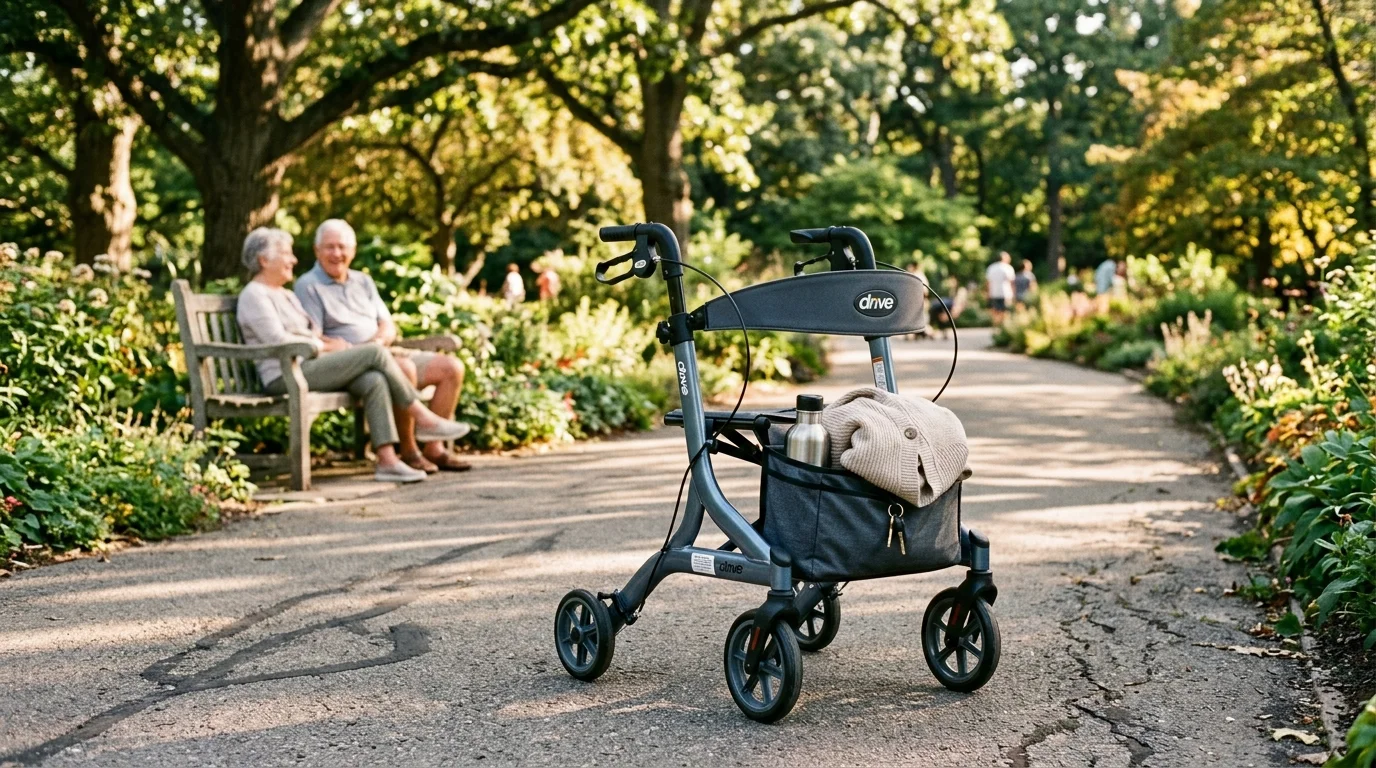
6. Prescribed Mobility Aids and Rollators
A sturdy walking cane or four-wheeled rollator provides steady balance support whenever you walk. Modern rollators feature padded seats, locking hand brakes, and under-seat storage baskets for groceries.
According to guidelines from Medicare.gov, Medicare Part B covers 80% of approved durable medical equipment costs after you meet your annual deductible.
Your physician must write a formal prescription certifying that you require the mobility aid inside your home.
Properly fitted rollators encourage regular physical activity by giving you a safe place to rest whenever you feel fatigued.
Look for these mobility features before selecting a rollator:
- Height-adjustable handles that align naturally with the crease of your wrist
- Large 8-inch rubber wheels that glide smoothly over outdoor sidewalks and grass
- Ergonomic loop hand brakes that lock securely into parking position
- Compact cross-folding frames that lift easily into vehicle trunks
Always have a physical therapist measure your walking aid to ensure proper posture and stability.
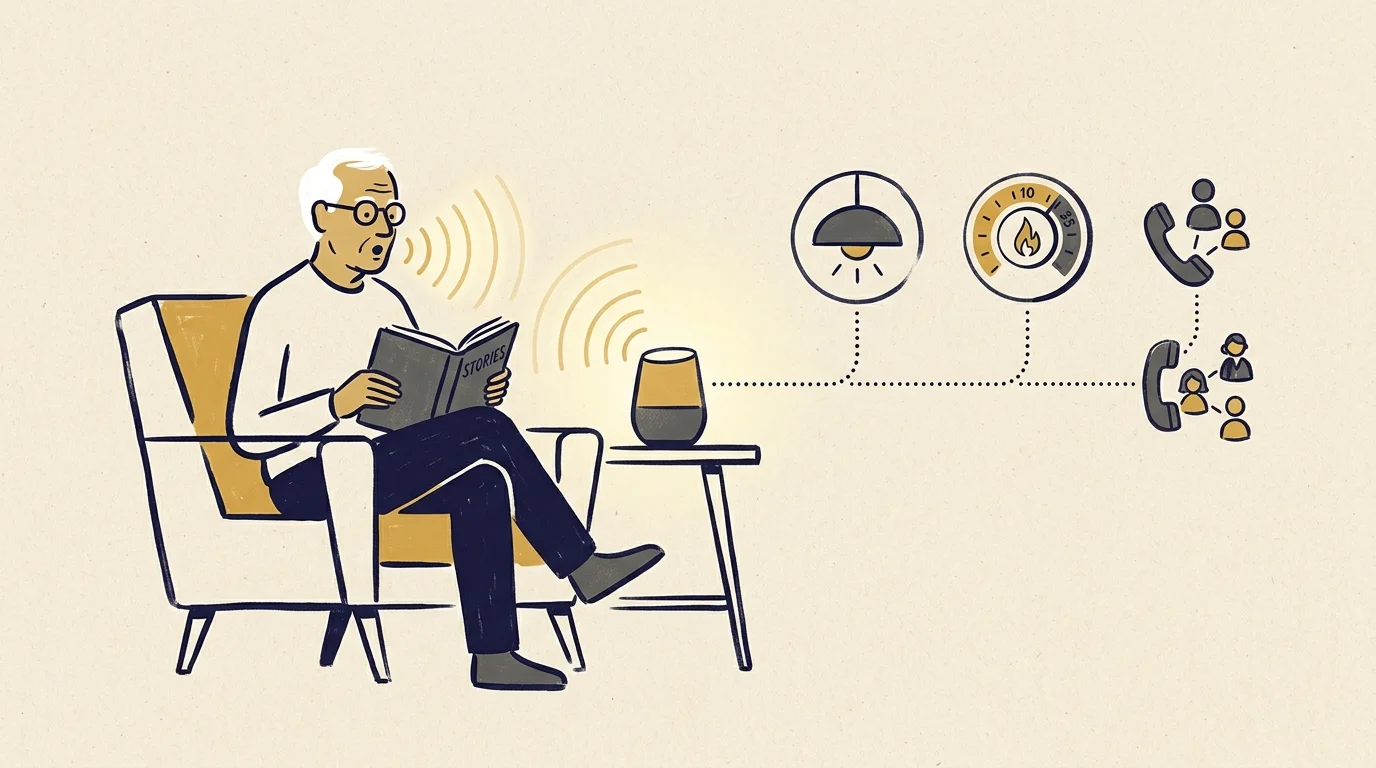
7. Voice-Activated Smart Home Assistants
Smart speakers and displays represent some of the most versatile technology for older adults available today. You can operate them entirely with hands-free voice commands.
Use simple voice prompts to turn off lights, adjust the thermostat, or set reminders for taking your daily medications.
Smart hubs also let you make hands-free phone calls to family members if you cannot reach your telephone.
Setting up family routines allows your adult children to drop in via video or check daily activity status remotely.
Valuable voice-assistant capabilities include:
- Automated morning routines that read weather updates, reminders, and news headlines
- Voice-controlled smart plugs that turn lamps on before you get out of bed
- Emergency contact broadcasting that alerts designated family members during distress
- Interactive audiobooks and brain-stimulating trivia games to keep your mind sharp
Voice-activated hubs simplify everyday household tasks while keeping you connected to loved ones.
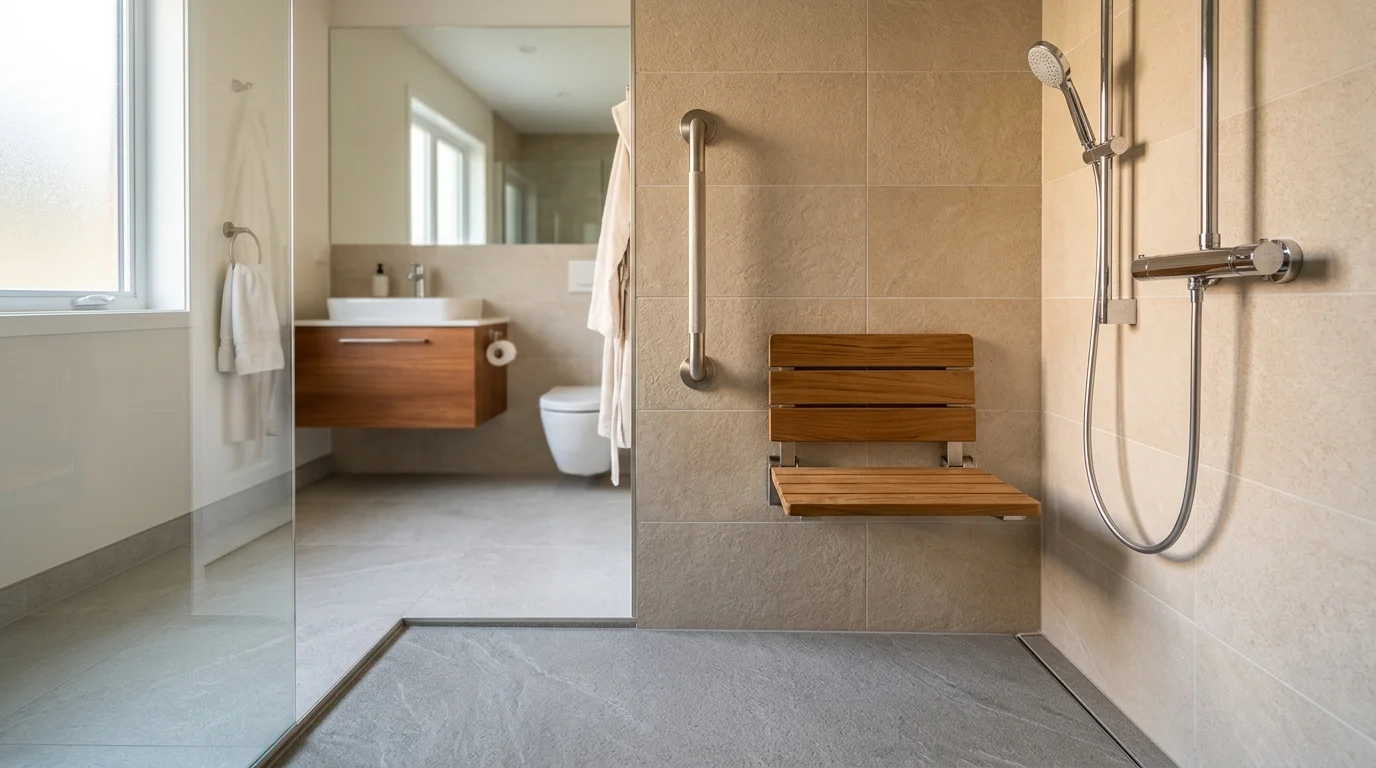
8. Non-Slip Bathroom Safety Hardware
Bathrooms represent the most hazardous room in any home due to wet, slick surfaces. Installing dedicated safety hardware dramatically lowers your risk of slipping.
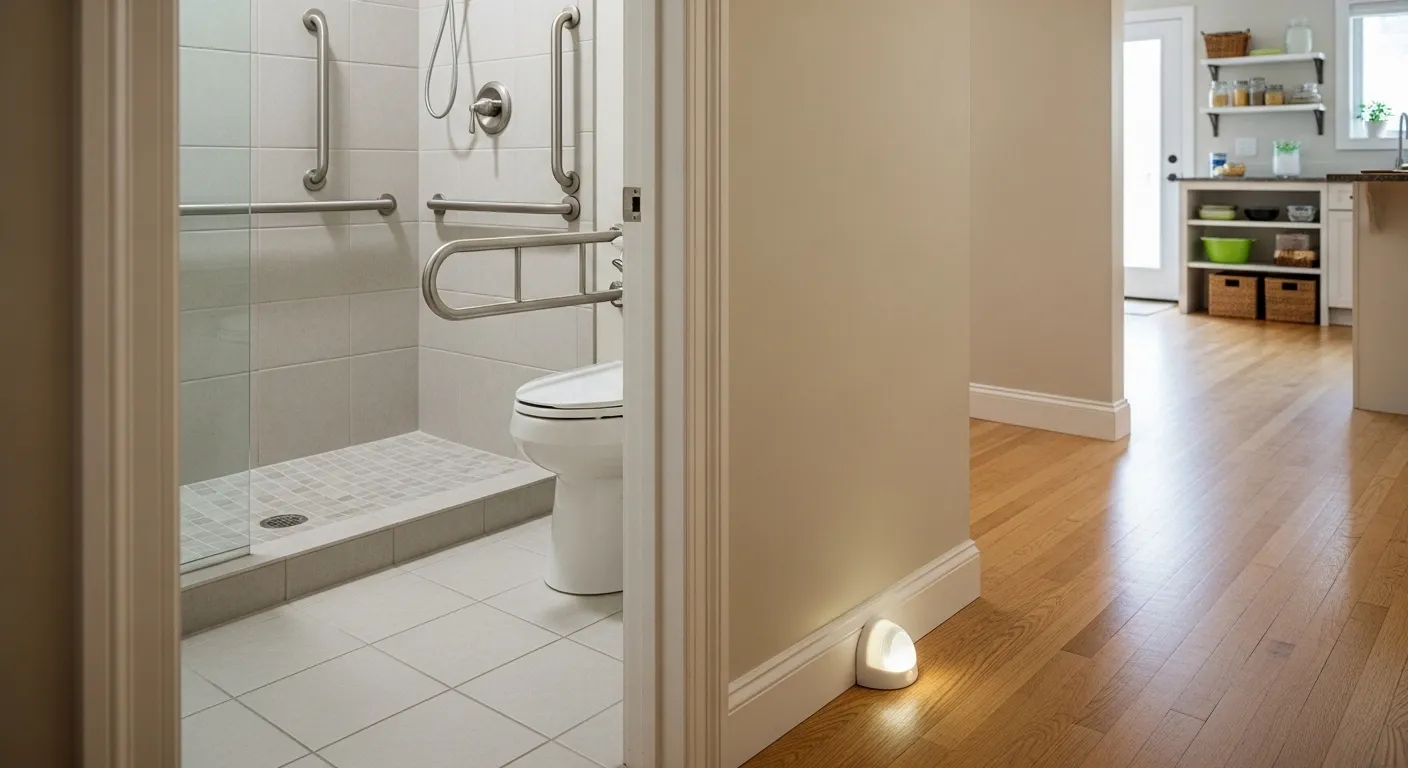
Wall-mounted grab bars anchored into wall studs provide essential leverage when stepping into bathtubs or rising from the toilet.
Add a slip-resistant shower chair and a handheld showerhead to bathe comfortably while seated.
While standard Medicare rarely covers bathroom modifications, local community programs identified through the Eldercare Locator often provide installation assistance.
Essential bathroom upgrades include:
- Textured stainless steel grab bars mounted inside the shower and beside the toilet
- Height-adjustable shower benches with drainage holes and rubber foot grips
- Raised toilet seat attachments that reduce knee strain when sitting and standing
- Heavy-duty rubber suction mats placed inside the shower and tub basin
Securing your bathroom creates a safe, private space where you can bathe with complete confidence.
Comparing Costs and Insurance Coverage
Understanding how to pay for senior living tools helps you budget effectively on a fixed retirement income. Some items qualify for insurance reimbursement, while others require out-of-pocket spending.
Original Medicare distinguishes between medically necessary diagnostic devices and general personal safety tools. While Part B pays for mobility aids, it excludes medical alert buttons and basic grab bars.
Many Medicare Advantage (Part C) plans now provide supplemental allowances for home safety modifications and over-the-counter wellness supplies.
| Assistive Tool | Typical Retail Cost | Original Medicare Part B | Medicare Advantage (Part C) |
|---|---|---|---|
| Medical Alert System | $20 to $50 per month | Not Covered | Often Covered (Wellness Benefit) |
| Fall-Detection Add-On | $5 to $10 per month | Not Covered | Plan Dependent |
| OTC Hearing Aids | $200 to $1,500 per pair | Not Covered | Select Plans Offer Allowances |
| Prescription Rollator | $100 to $250 | Covers 80% (After Deductible) | Covers 80% to 100% (In-Network) |
| Smart Pill Dispenser | $40 to $100 (or $30/mo) | Not Covered | Occasional Caregiver Benefit |
| Bathroom Grab Bars | $15 to $40 per bar | Not Covered | Select Home Safety Benefits |
Check with your specific insurance plan administrator before purchasing expensive equipment to maximize your available benefits.
Avoiding Senior Equipment Scams and Common Mistakes
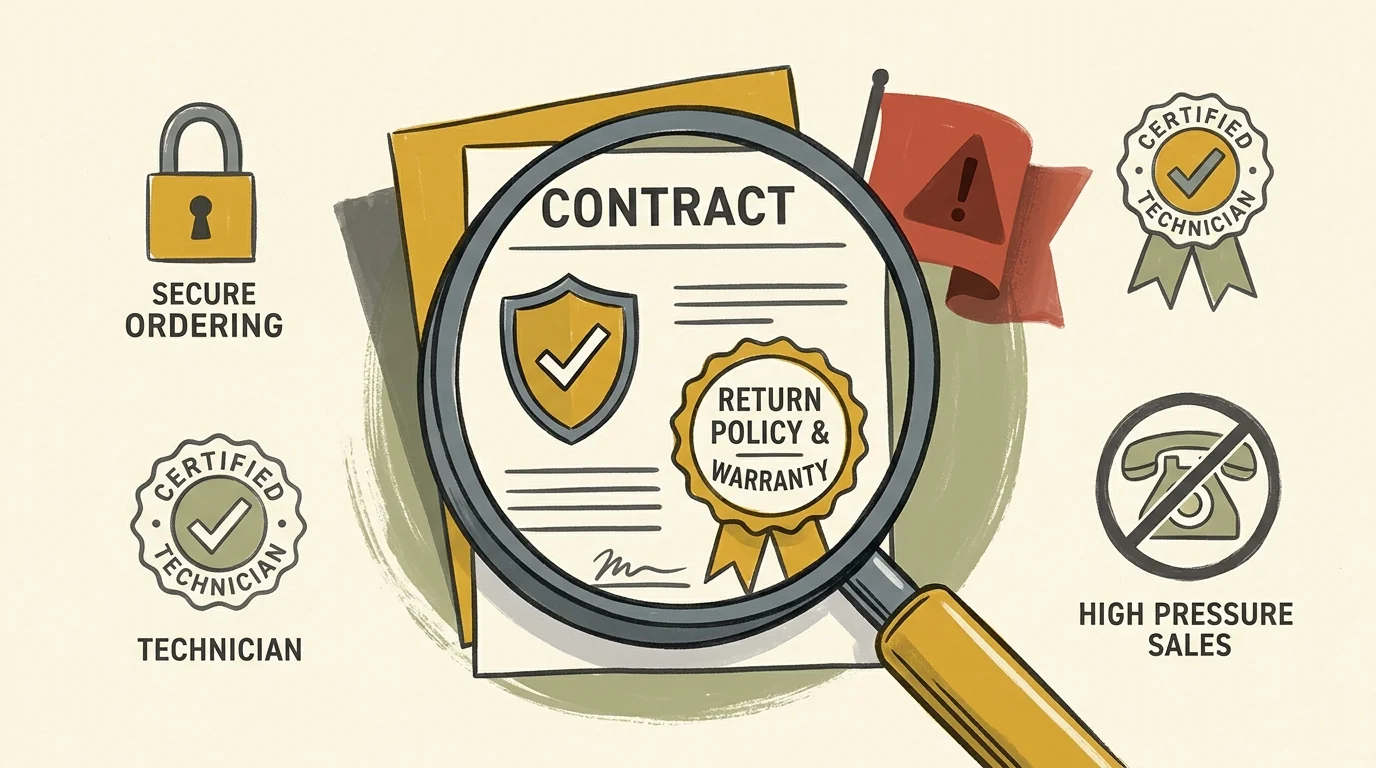
Unscrupulous vendors frequently target seniors with overpriced contracts or counterfeit assistive equipment. Learning to spot these deceptive practices protects your wallet and personal safety.
Never sign long-term multi-year contracts for medical alert systems that charge steep cancellation penalties. Reputable companies offer transparent month-to-month billing with free equipment return policies.
Be cautious of telemarketing calls offering “free” back braces or medical monitors billed directly to Medicare. Dishonest companies use these schemes to bill insurance fraudulently while sending substandard plastic products.
Avoid suction-cup grab bars in the shower; they frequently lose suction over time and fail under full body weight.
Always choose professional screw-mounted grab bars installed into structural wall studs for genuine fall protection.
Keep these safety precautions in mind when shopping:
- Verify return windows and restocking fees before purchasing expensive assistive items
- Check manufacturer warranties to ensure devices carry at least a one-year protection plan
- Read user reviews specifically written by other seniors or family caregivers
- Refuse to give Medicare or banking numbers to unsolicited phone callers
Careful evaluation prevents costly mistakes and ensures you get dependable equipment.
How to Choose the Right Tools for Your Home
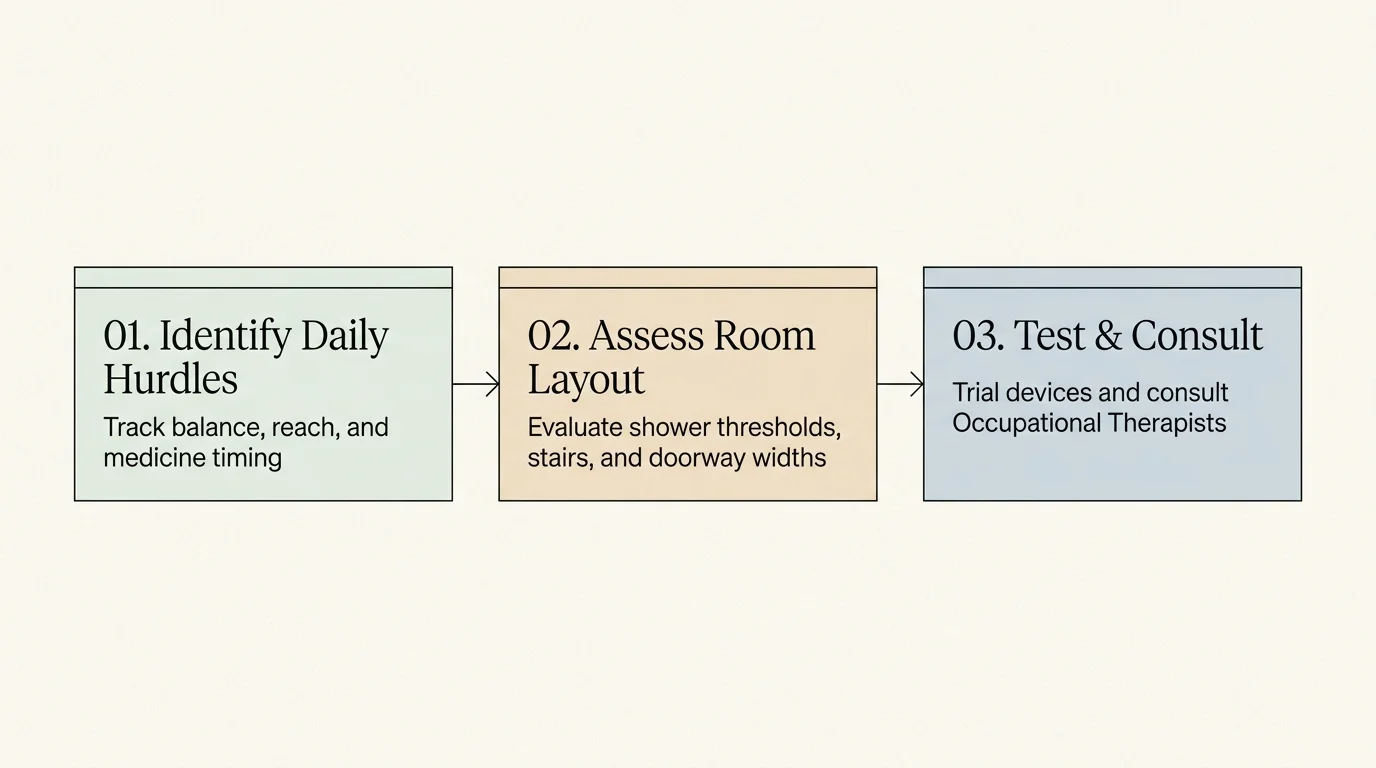
Selecting the right assistive gear starts with assessing your daily routines and physical living spaces. Focus on your most challenging daily tasks before buying multiple gadgets at once.
Consult an occupational therapist or physical therapist for a personalized in-home safety evaluation. These professionals identify trip hazards and recommend custom tool sizes.
Test equipment in person whenever possible to ensure grip sizes and button interfaces feel comfortable in your hands.
Involve your family members or primary caregivers in your selection process so everyone understands how the devices operate.
Follow these steps to build an effective home safety plan:
- Walk through every room and list tasks that cause fatigue or balance concerns.
- Prioritize safety-critical areas like the bathroom, stairways, and kitchen.
- Review your insurance policy to determine which items qualify for reimbursement.
- Install one or two tools at a time to give yourself time to adapt to each device.
Taking a gradual, step-by-step approach ensures your new tools fit smoothly into your daily lifestyle.
Frequently Asked Questions
Does Original Medicare pay for medical alert systems?
No, Original Medicare (Parts A and B) does not cover medical alert systems or fall-detection pendants. Medicare classifies them as personal convenience items rather than medically necessary durable medical equipment.
What is the difference between OTC and prescription hearing aids?
OTC hearing aids are designed for adults with mild-to-moderate hearing loss and do not require a prescription or hearing exam. Prescription hearing aids treat severe hearing loss and require professional fitting by a licensed audiologist.
Are suction-cup grab bars safe for shower walls?
No, suction grab bars can detach suddenly when subjected to full body weight on slick bathroom tiles. You should always install wall-anchored grab bars securely screwed directly into structural wall studs.
How do I find financial assistance for home safety modifications?
Contact your local Area Agency on Aging through the Eldercare Locator to discover regional grant programs. Low-income seniors and veterans may qualify for state-funded assistance or VA home modification grants.
Can smart home speakers call 911 directly during an emergency?
Most standard smart speakers cannot dial 911 directly unless linked to a specialized landline or subscription monitoring service. However, they can instantly call designated family members, neighbors, or caregivers via hands-free voice commands.
For additional senior resources, visit
Social Security Administration (SSA), Consumer Financial Protection Bureau (CFPB) and Administration for Community Living (ACL).
Disclaimer: The information in this article is for educational purposes only and is not intended to be a substitute for professional financial, legal, or medical advice. Always consult with a qualified expert for advice tailored to your personal situation.








Leave a Reply