

In this guide6 sections
Have you ever had a day where you just felt “off,” and perhaps your digestion was a little unsettled, too? It’s a common experience, and it’s no coincidence.
As we journey through our senior years, we become more aware of our bodies, but one of the most powerful connections we can nurture is one we can’t even see: the link between our gut and our brain.
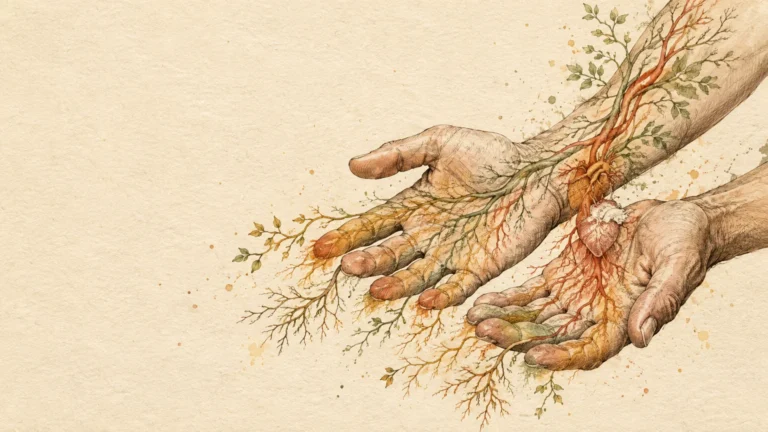
Think of it as a busy, two-way highway. This connection, often called the gut-brain axis, is a constant communication system between your digestive tract and your central nervous system.
The health of your gut—home to trillions of tiny microorganisms—can directly influence your mood, your stress levels, and even your cognitive clarity. For seniors, understanding and supporting this relationship is a powerful tool for maintaining both physical vitality and emotional well-being.
Changes in diet, activity levels, sleep patterns, and medications can all shift the balance of our gut health as we age. The good news is that you have a tremendous amount of control over this.
With a few simple, consistent habits, you can nourish your gut, which in turn can help lift your spirits and improve your overall quality of life. Let’s explore six practical ways you can strengthen the connection between your gut health and your mood.

01 Gently Increase Your Fiber Intake
The ‘Why’: Fiber is the preferred food for the beneficial bacteria living in your gut. When you feed these “good guys,” they thrive and create compounds that help reduce inflammation throughout your body, including in your brain.
A well-fed gut microbiome is linked to the production of neurotransmitters like serotonin, often called the “feel-good” chemical, a large portion of which is actually made in your gut.
For seniors, a high-fiber diet is also essential for promoting regular bowel movements, which prevents the discomfort and low mood that can come with constipation.
The ‘How’: The key is to increase your fiber intake slowly and gently to allow your digestive system to adapt. A sudden jump can cause bloating and gas.
-
Start by adding one new fiber source to your day. For example, switch from white bread to 100% whole-wheat bread for your sandwich.
Incorporate soft, soluble fibers that are easy to digest. Think of oatmeal for breakfast, a handful of berries in your yogurt, or a side of mashed sweet potato with dinner.
Cooked vegetables are often gentler on the stomach than raw ones. Try steamed green beans, roasted carrots, or boiled peas.
Lentil or bean soups are a wonderful, comforting way to get a boost of fiber and protein. Start with a small half-cup serving.
Important: As you increase fiber, you must also increase your water intake. Fiber needs water to work properly and prevent constipation.

02 Introduce Probiotic-Rich Foods
The ‘Why’: While fiber feeds the good bacteria you already have, probiotics are live, beneficial bacteria that you can add directly to your gut community. They help maintain a healthy balance, pushing out potentially harmful bacteria.
A balanced gut microbiome is crucial for proper nutrient absorption and a strong immune system. For older adults, a healthy gut flora can significantly impact the gut-brain axis, helping to regulate mood and lower feelings of anxiety.
The ‘How’: Introducing probiotics for older adults should be done with care. You don’t need to consume large quantities to see a benefit.
A little bit goes a long way.
-
Yogurt: Look for plain yogurt (unsweetened) that says “live and active cultures” on the label. This is a classic, gentle source of probiotics. A few spoonfuls a day is a great start.
Kefir: This is a fermented milk drink, similar to a thin yogurt. It often contains a wider variety of probiotic strains. You can drink a small glass or add it to a smoothie. Start with just a quarter of a cup.
Sauerkraut: Choose refrigerated sauerkraut, as the shelf-stable canned versions have been heat-treated, which kills the beneficial bacteria. Start with just one teaspoon as a side dish to see how your system tolerates it.
Supplements: Probiotic supplements are also an option, but it is essential to talk to your doctor or a registered dietitian first. They can help you choose a strain and dosage that is safe and appropriate for your specific needs.

03 Prioritize Consistent Hydration
The ‘Why’: Water is a foundational element of good health that is often overlooked in the context of mood and digestion. Dehydration can lead to constipation, which can make you feel sluggish, uncomfortable, and irritable.
Furthermore, your brain needs to be well-hydrated to function optimally. Even mild dehydration can affect your concentration, cause headaches, and dampen your mood.
For seniors, the sense of thirst can diminish, making it even more important to be mindful of fluid intake throughout the day.
The ‘How’: “Drinking more water” is simple advice, but it can be hard to remember. Try these strategies to make it a seamless part of your routine.
-
Keep a dedicated water bottle or pitcher on your kitchen counter or next to your favorite chair. Seeing it will serve as a constant, gentle reminder.
“Link” your water intake to other daily activities. For example, drink a small glass of water after you brush your teeth, before you prepare each meal, or after you return from a walk.
If you find plain water boring, infuse it with flavor. Add a few slices of lemon, cucumber, or a sprig of mint.
Herbal teas (like peppermint, chamomile, or ginger) count towards your fluid intake and can also have calming, gut-soothing properties. Be sure to check with your doctor about any herbal teas if you are on medication.
Eat your water! Foods like cucumbers, celery, melons, and soups have high water content and contribute to your overall hydration.

04 Engage in Gentle, Regular Movement
The ‘Why’: Physical activity is a win-win for both your gut and your brain. Movement helps stimulate the natural contractions of your intestinal muscles, promoting regularity and preventing stagnation in your digestive system.
At the same time, exercise is a well-known mood booster. It releases endorphins, which are natural mood-lifters, and it can help reduce levels of the stress hormone cortisol, which can negatively affect your gut bacteria.
The ‘How’: The goal is not to run a marathon but to build consistent, gentle movement into your daily life. Safety and comfort are paramount.
-
Walking: A daily walk, even for just 15-20 minutes, is one of the best activities for gut health in seniors. Find a safe, level path in your neighborhood or a local park.
Chair Yoga: This is a fantastic option for improving flexibility, circulation, and mindfulness without putting stress on your joints. Many gentle yoga poses and twists can also aid digestion. You can find many free, senior-friendly routines online.
Stretching: Start and end your day with a few simple stretches. Reaching your arms overhead, gently twisting your torso from side to side, and stretching your legs can awaken your body and your digestive system.
Gardening or Housework: Activities that keep you moving, like light gardening, sweeping, or tidying up, all count as beneficial movement.

05 Mindfully Manage Stress Levels
The ‘Why’: Remember that two-way highway? Stress is a major source of traffic jams.
When you feel stressed or anxious, your brain sends signals that can disrupt your gut’s normal function, sometimes leading to indigestion, heartburn, or changes in bowel habits.
Conversely, an unhappy gut can send signals back to the brain that can amplify feelings of stress and anxiety. Learning to manage stress is a direct way to care for your gut-brain axis.
The ‘How’: Stress management is a personal practice. Find what truly helps you feel calm and centered.
-
Deep Breathing: This is the fastest way to calm your nervous system. Sit comfortably in a chair. Close your eyes. Inhale slowly through your nose for a count of four, hold for a count of four, and then exhale slowly through your mouth for a count of six. Repeat 5-10 times.
Spend Time in Nature: If you are able, sit on a park bench, tend to a potted plant, or simply look out a window at the trees and birds. Connecting with the natural world is a proven stress-reducer.
Engage in a Hobby: Lose yourself in an activity you love, whether it’s reading, knitting, listening to music, doing a puzzle, or talking with a friend. These activities shift your focus away from worries.
Limit News Overload: While it’s good to stay informed, constant exposure to stressful news can take a toll. Designate specific times to check the news, and then turn it off.

06 Create a Restful Sleep Routine
The ‘Why’: Sleep is when your body and brain perform essential maintenance and repair work, and your gut is no exception. A lack of quality sleep can disrupt the healthy rhythm of your gut microbiome, potentially leading to an imbalance in bacteria and increased inflammation.
This, in turn, can negatively affect your mood the next day. A good night’s sleep is a cornerstone of both mental and digestive health.
The ‘How’: Improving sleep often comes down to creating strong, consistent signals that tell your body it’s time to wind down.
-
Stick to a Schedule: Try to go to bed and wake up around the same time each day, even on weekends. This helps regulate your body’s internal clock.
Create a Calming Pre-Sleep Ritual: For an hour before bed, avoid bright screens from TVs, computers, or phones. Instead, listen to calm music, read a book (a real one, not on a backlit screen), take a warm bath, or do some gentle stretches.
Optimize Your Bedroom: Make sure your bedroom is cool, dark, and quiet. Use blackout curtains or an eye mask if needed.
Watch Evening Meals: Try to finish your last large meal at least two to three hours before bedtime to give your digestion a head start. If you need a snack, choose something light, like a small banana or a few almonds.
Nurturing your gut is an act of self-care that pays dividends for your entire well-being. By taking these small, thoughtful steps, you are not just improving your digestion; you are actively supporting a brighter, more stable mood.
Be patient and kind with yourself, celebrate small victories, and remember that every healthy choice is a positive message sent along that vital gut-brain highway.
A friendly reminder: Always consult with your doctor or a registered dietitian before making any significant changes to your diet, exercise routine, or supplement regimen. They can provide personalized advice that is safe and effective for your unique health needs.
For expert guidance on senior health and finance, visit Eldercare Locator, AARP, Alzheimer’s Association, American Heart Association and Benefits.gov.
|
Fact-Checked Content
Our editorial team reviews all content for accuracy and updates it regularly. Learn about our editorial process →
|