
In this guide6 sections
If you had told me five years ago that I’d be writing about gratitude, I would have let out one of my signature grunts and gone back to reading my newspaper. Gratitude, I thought, was for greeting cards and feel-good television hosts.
I was a man of facts and figures, a retired civil engineer who believed in solvable problems and tangible results. My daily problems—the ache in my left knee, the rising cost of groceries, the endless parade of bad news on the television—felt unsolvable.
And my mood reflected that.
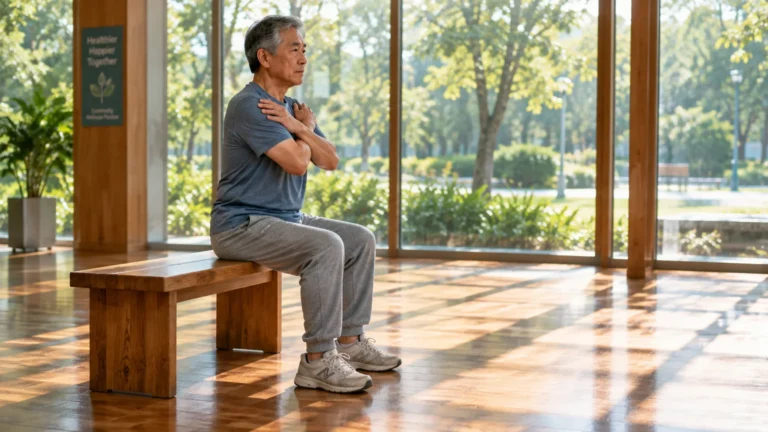
My name is Arthur, I’m 78 years young now, but at 73, I felt ancient. My world had become a small, gray room.
Each morning started not with a sense of possibility, but with a mental checklist of my ailments. I’d rise, my joints would protest, and I’d shuffle to the kitchen to make coffee that I barely tasted.
My conversations with my daughter usually revolved around my complaints. The world, as I saw it, was going downhill, and I was just a passenger on that final, bumpy descent.
I was, for lack of a better word, a world-class curmudgeon.
The Tyranny of the ‘Good Old Days’
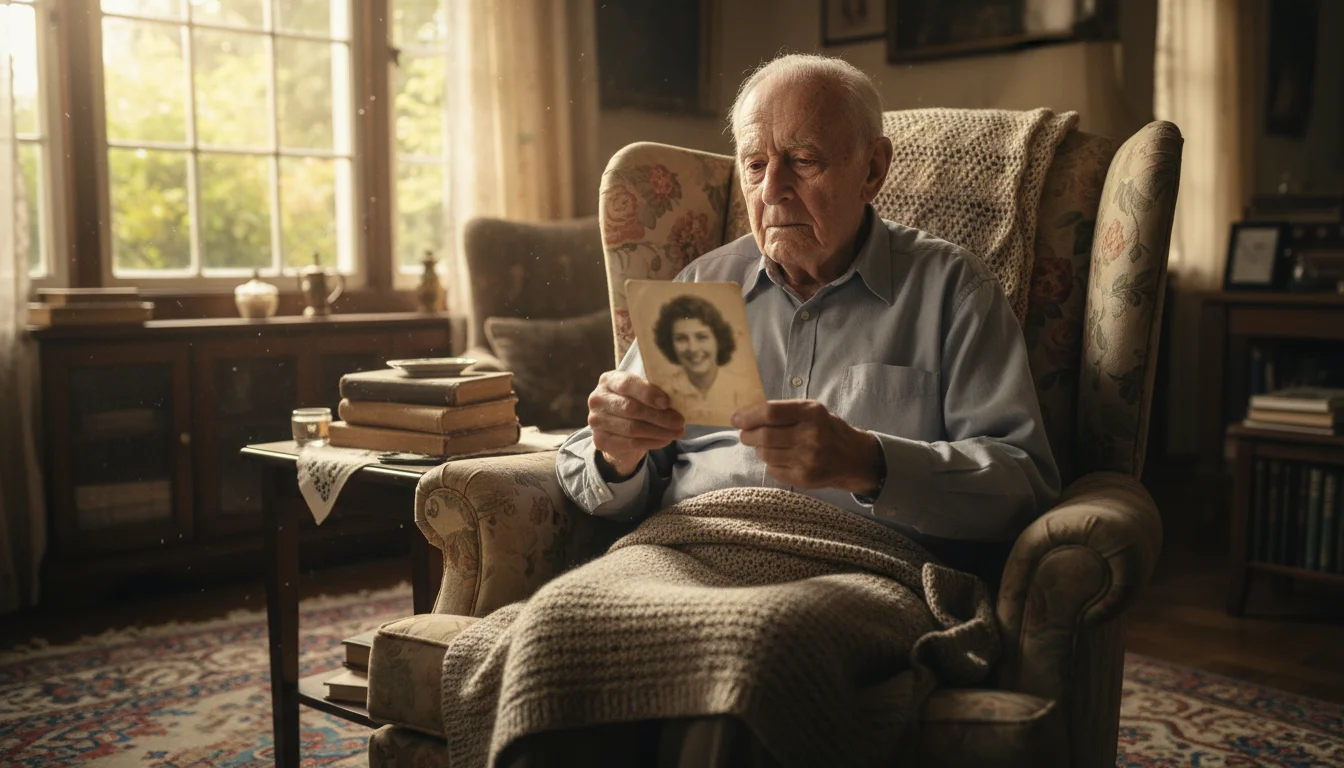
My wife, Eleanor, had been the light in our lives. She was the one who saw the silver lining, who found joy in a blooming rose or a child’s laugh.
After she passed, that light went out, and I didn’t know how to turn it back on. Instead, I retreated into the past.
The “good old days” became my refuge and my prison. Everything was better then—the music, the cars, the way people treated each other.
Or so I told myself.
This constant comparison robbed the present of any potential for joy. A sunny day was nice, but not as beautiful as the ones I remembered from my youth.
A friendly chat with a neighbor was pleasant, but people used to be friendlier. My focus was perpetually fixed on what was lost, what was lacking, what was wrong.
My doctor would gently mention the importance of a positive outlook for managing my blood pressure, but I’d wave it off. “Easy for you to say, doc,” I’d think.
“You’re not the one with this trick knee.” I was stuck, and honestly, I thought that was just a non-negotiable part of **aging well**—or rather, aging un-well.
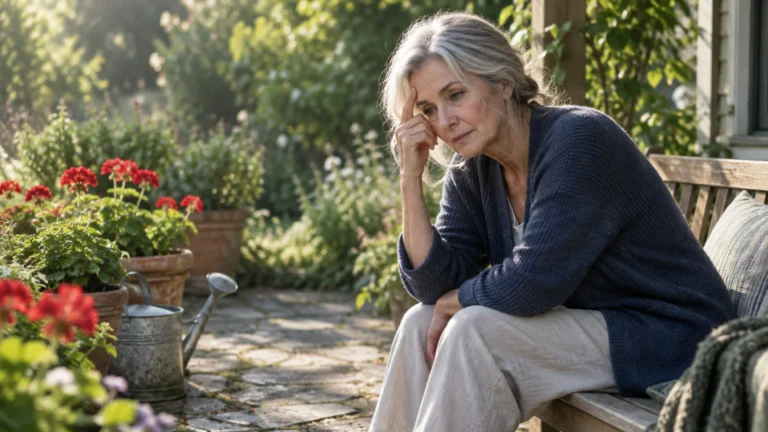
The truth is, I was lonely. Not just because Eleanor was gone, but because my own negativity was pushing everyone else away.
I was living in a fortress of my own making, and the walls were built with bricks of resentment and cynicism. I didn’t know it at the time, but this wasn’t just making me unhappy; it was actively harming my health.
The stress hormones that flooded my body every time I got worked up over the news were taking a toll. I was convinced this was just my life now, a slow fade into irrelevance and discomfort.
A Wake-Up Call from an Unexpected Source
The change didn’t come from a doctor or a self-help book, at least not at first. It came from my nine-year-old granddaughter, Lily.
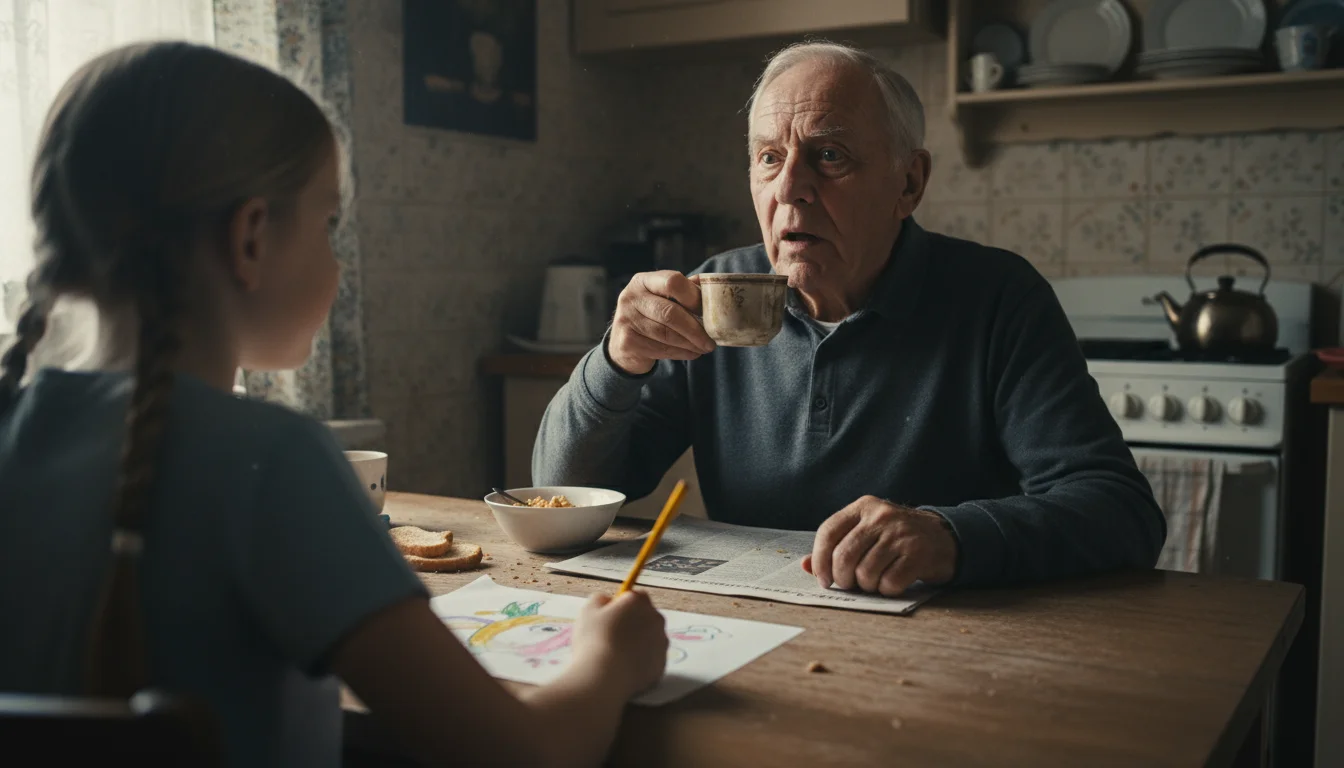
She was over for a visit one Saturday, sitting at my kitchen table and drawing while I grumbled about the weather. She looked up at me with her big, serious eyes and asked a question that stopped me in my tracks.
“Grandpa,” she said, pencil paused mid-air. “What’s one thing that made you happy today?”
I opened my mouth to answer and… nothing came out. Happy? Today? I searched my brain.
The coffee was bland, my knee hurt, and the news was terrible. I mumbled something about it being nice to see her, which was true, but the fact that I couldn’t pinpoint a single, simple moment of happiness was a profound shock.
It was like a flash of lightning that illuminated the dark, dusty room I’d been living in. In that moment, I saw myself through her eyes: a sad, old man who had forgotten how to be happy.
That question haunted me for days. A week later, unable to shake the feeling, I was scrolling online and saw an article.
It was about **positive psychology**, a term I’d never heard. It discussed how simple practices could literally rewire your brain for happiness.
It mentioned studies on how gratitude could lower stress, improve sleep, and even contribute to a longer life. The engineer in me was skeptical, but the grandfather who couldn’t answer Lily’s question was desperate.
The article talked about **longevity research** linking optimism and gratitude to healthier, longer lives. It wasn’t just fluff; there was science to it.
I decided, with great reluctance, to run a little experiment on myself.
My Awkward First Steps into Gratitude
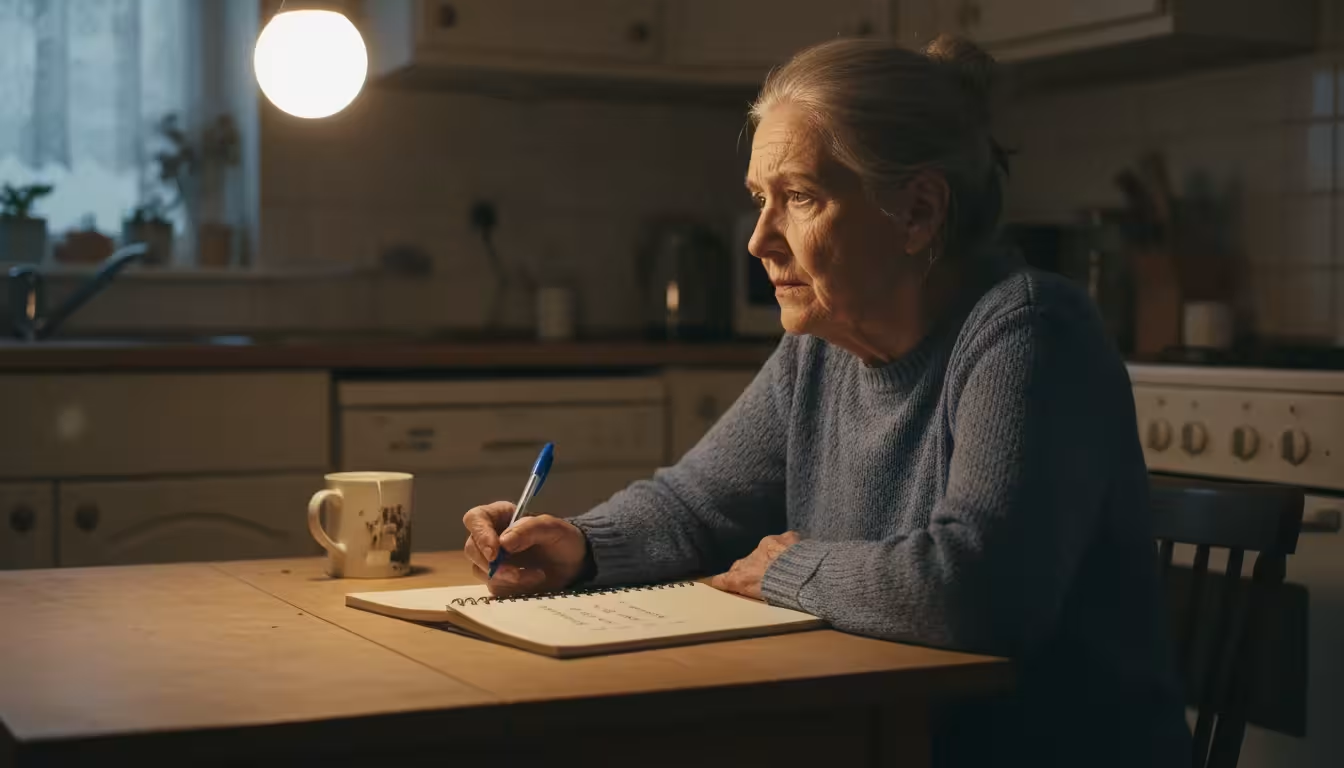
I went to the corner drugstore and bought the cheapest spiral notebook they had. That night, I sat down at the kitchen table, feeling utterly ridiculous.
My mission: write down three things I was grateful for. It felt like homework.
It felt phony.
My first entry read:
1. A roof over my head.
2. Food in the fridge.
3. My pension.
It was transactional, like I was taking inventory. I did this for a few nights, listing the same obvious things.
I almost gave up a dozen times. “This is stupid,” I’d say to the empty room.
“This isn’t changing anything.” I missed a few days, then felt guilty, then felt angry for feeling guilty about something so silly.
This journey into improving my **mental health and gratitude** was off to a very rocky start.
But I had made a silent promise to Lily, and to a part of myself I thought was long gone. So, I kept at it.
The turning point wasn’t a sudden epiphany, but a slow, almost imperceptible shift. One morning, about three weeks into my “experiment,” I was drinking my coffee.
I was about to write it off as “bland” like I always did, but I stopped. I really paid attention.
I noticed the rich, dark smell. The comforting warmth of the mug in my hands.
The quiet of the house in the early morning light. That night, my third entry was: “The taste of my morning coffee.” It was the first thing I had written that felt truly, deeply honest.
From a Chore to a Lifeline: Finding My Rhythm
That small entry cracked something open in me. It was like I had been colorblind and was starting to see a single shade of blue.
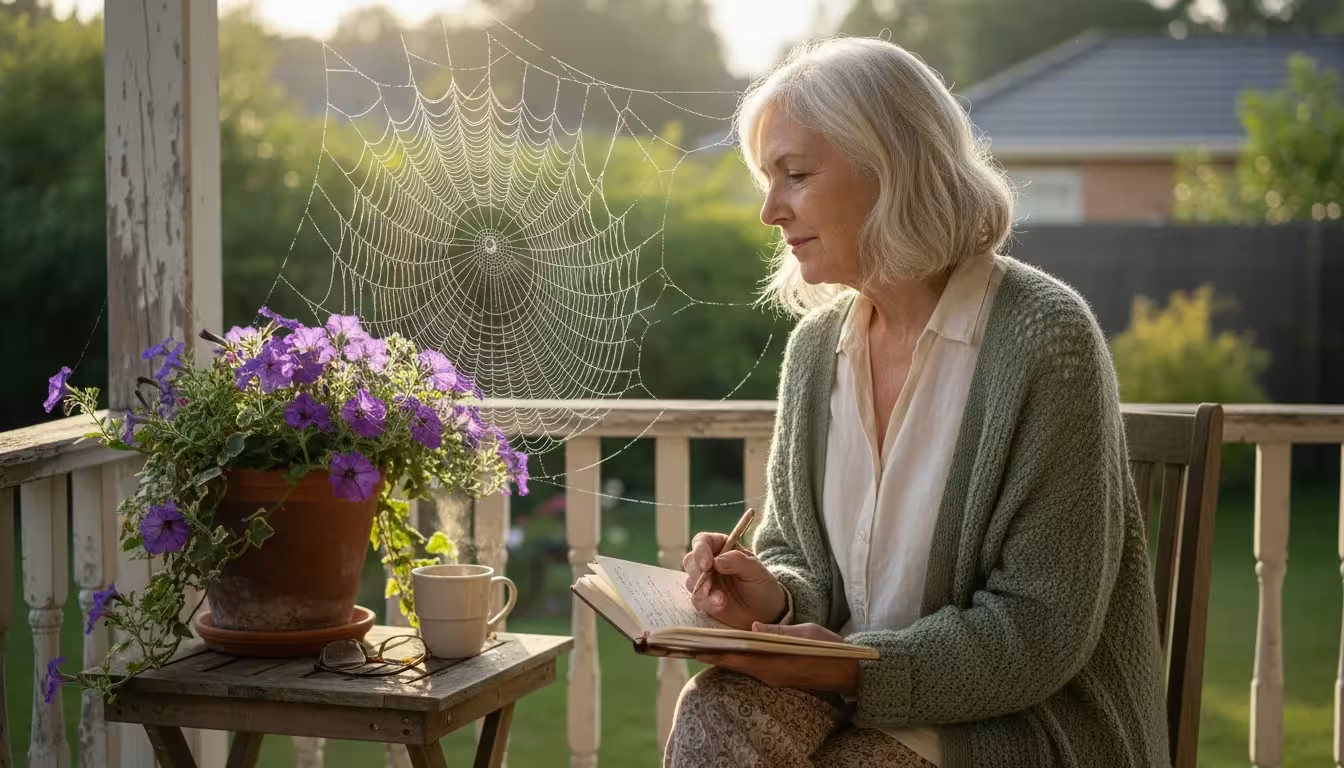
The next day, I noticed the perfect geometry of a spider’s web on the porch railing, glistening with dew. I wrote it down.
A few days later, I had a brief, cheerful chat with the mail carrier about her dog. I wrote that down, too.
“A friendly face.”
The practice changed. It went from a chore I did at night to a lens I used during the day.
I started actively looking for small moments of goodness. The awkwardness faded, replaced by a quiet curiosity.
What would I discover today? My notebook started filling up with things like, “The surprising sweetness of a tomato from my daughter’s garden,” “The satisfaction of fixing that wobbly chair leg,” and “Hearing an old favorite song on the radio.”
This simple habit was becoming a lifeline. It didn’t erase my problems.
My knee still ached on rainy days, and the world was still a complicated place. But these things no longer consumed my entire reality.
My focus was shifting from what was wrong to what was right. I was building a foundation of small joys that could hold the weight of my struggles.
I was experiencing the real, tangible **gratitude benefits** I had once been so cynical about. It wasn’t about ignoring the negative; it was about intentionally acknowledging the positive, no matter how small.

The Surprising Ripple Effect on My Health
Here’s the part that my inner engineer truly appreciates. After about six months of this practice, I started noticing physical changes.
I was sleeping more soundly. I woke up feeling less like I’d been in a wrestling match and more like I was actually rested.
I felt a general sense of calm that had been absent for years. The constant, low-level agitation that used to be my background noise had quieted down.
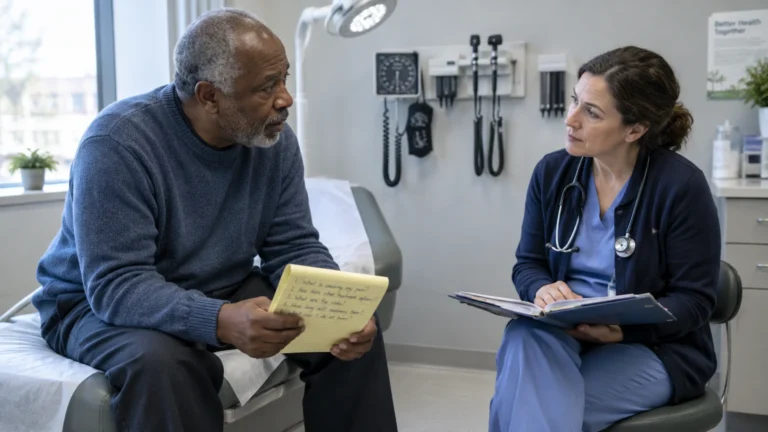
The real proof came at my annual check-up. As the nurse took my blood pressure, she raised her eyebrows.
She took it again. “Well, Arthur,” my doctor said, looking at the chart.
“Your blood pressure is the best it’s been in a decade. What have you been doing?”
I hesitated for a moment, feeling a bit sheepish. Then I told him.
I told him about Lily’s question, the notebook, and my daily practice of noticing the good. He didn’t laugh.
He nodded slowly and said, “That’s it. You’re reducing your chronic stress.
You’re proving what the research has been telling us for years. You’ve found a powerful tool for your health.”
My world began to expand again. I started calling old friends, not to complain, but just to catch up.
I took up woodworking again, finding immense satisfaction in the smell of sawdust and the feel of shaping wood with my hands. My conversations with my daughter became richer and more joyful.
We talked about her garden, my projects, and Lily’s latest adventures. She told me one day, her voice thick with emotion, “It’s so good to have you back, Dad.”
I hadn’t even realized I’d been gone.
A Final Word from a Recovering Curmudgeon
I still have my cheap spiral notebook, though I’ve filled up several since that first one. It’s not a magic cure.
I still have days where I feel grumpy or my knee acts up. But the difference is, I now have a tool.
I have a proven method for shifting my perspective and reminding myself that even on a difficult day, there is goodness to be found. There is warmth in a cup of tea.
There is beauty in the sunset. There is love in a phone call from a grandchild.
If you’re reading this and you see a bit of your old self in my story—the cynicism, the focus on aches and pains, the feeling that your best days are behind you—I want to offer you a word of encouragement.
I am not a special case. I am just a stubborn old engineer who stumbled upon a truth that poets and philosophers have known for centuries, and that science is now beginning to confirm: a grateful heart is a healthier heart.
You don’t need anything fancy. Just a pen, a piece of paper, and a willingness to try.
Start small. Feel silly.
Do it anyway. Look for one thing.
Just one. I promise you, it’s there.
And finding it might just be the first step on the most rewarding journey of your life. It certainly was for me.
For expert guidance on senior health and finance, visit Centers for Medicare & Medicaid Services (CMS), Social Security Administration (SSA), Consumer Financial Protection Bureau (CFPB), Administration for Community Living (ACL) and Eldercare Locator.
|
Fact-Checked Content
Our editorial team reviews all content for accuracy and updates it regularly. Learn about our editorial process →
|