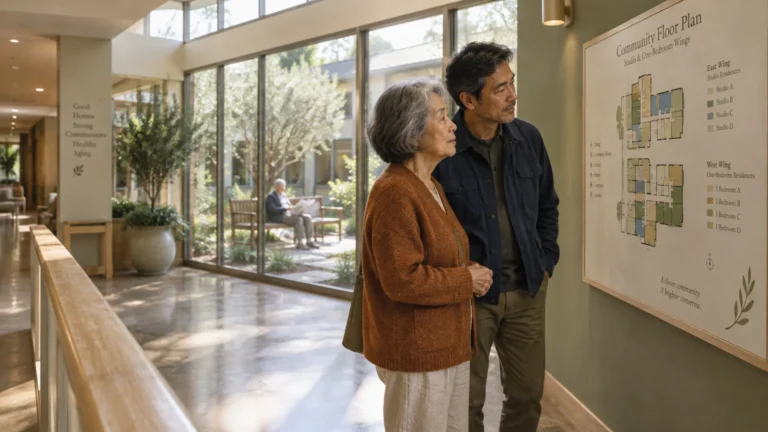

Moving to a smaller town can instantly slash your monthly expenses and stretch your retirement savings further than you imagined. A lower cost of living lets you preserve your nest egg without sacrificing your comfort.
When you leave crowded metropolitan centers, your hard-earned money buys significantly more space and everyday convenience. You can redirect thousands of dollars every year toward family, travel, or personal security.
Downsizing to a small town provides practical financial relief across nearly every major budget category. Understanding these specific price drops helps you make a confident relocation plan.
In this guide9 sections
- The Financial Impact of Small Town Living for Seniors
- Housing and Property Expenses
- Everyday Living and Utility Costs
- Transportation and Service Savings
- Lifestyle, Wellness, and Community Costs
- Metro Versus Small Town Cost Comparison
- Hidden Costs and Common Pitfalls to Avoid
- Practical Steps for Downsizing to a Small Town
- Frequently Asked Questions
The Financial Impact of Small Town Living for Seniors
Fixed incomes require careful budgeting, especially when inflation drives up basic necessities. When you rely primarily on fixed assets, every dollar saved directly reduces financial anxiety.
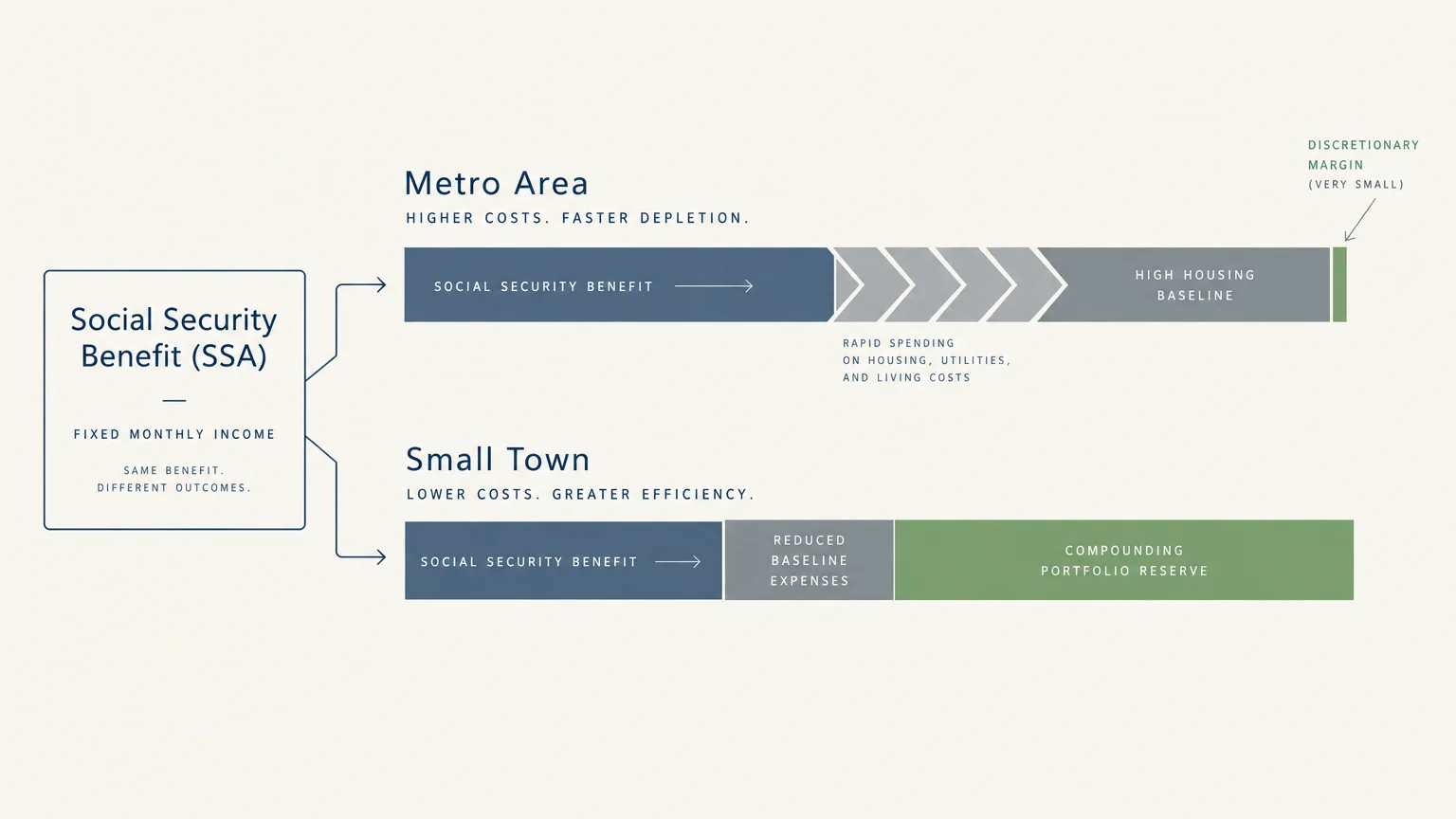
According to the Social Security Administration (SSA), monthly benefits represent the majority of cash income for most retired Americans. Relocating enables you to maximize that monthly check.
Cheaper living small towns offer an immediate buffer against rising healthcare and housing costs. You gain financial breathing room without needing to return to work or trim vital expenses.
Moving away from high-density suburbs creates opportunities for lasting lifestyle adjustments. You swap high overhead for simplified living and lower recurring bills.
Lower baseline expenses also give your investments more time to compound. You withdraw less principal from your retirement portfolios each year, extending your financial longevity.
Small town living helps safeguard against market downturns by keeping baseline expenses well below your guaranteed income floor. Relieving financial pressure transforms retirement into a truly relaxing chapter of life.
Housing and Property Expenses
Real estate stands as the single largest expense in most senior budgets. When you target smaller municipalities, you unlock dramatic reductions across your entire shelter budget.
1. Home Purchase and Rental Prices
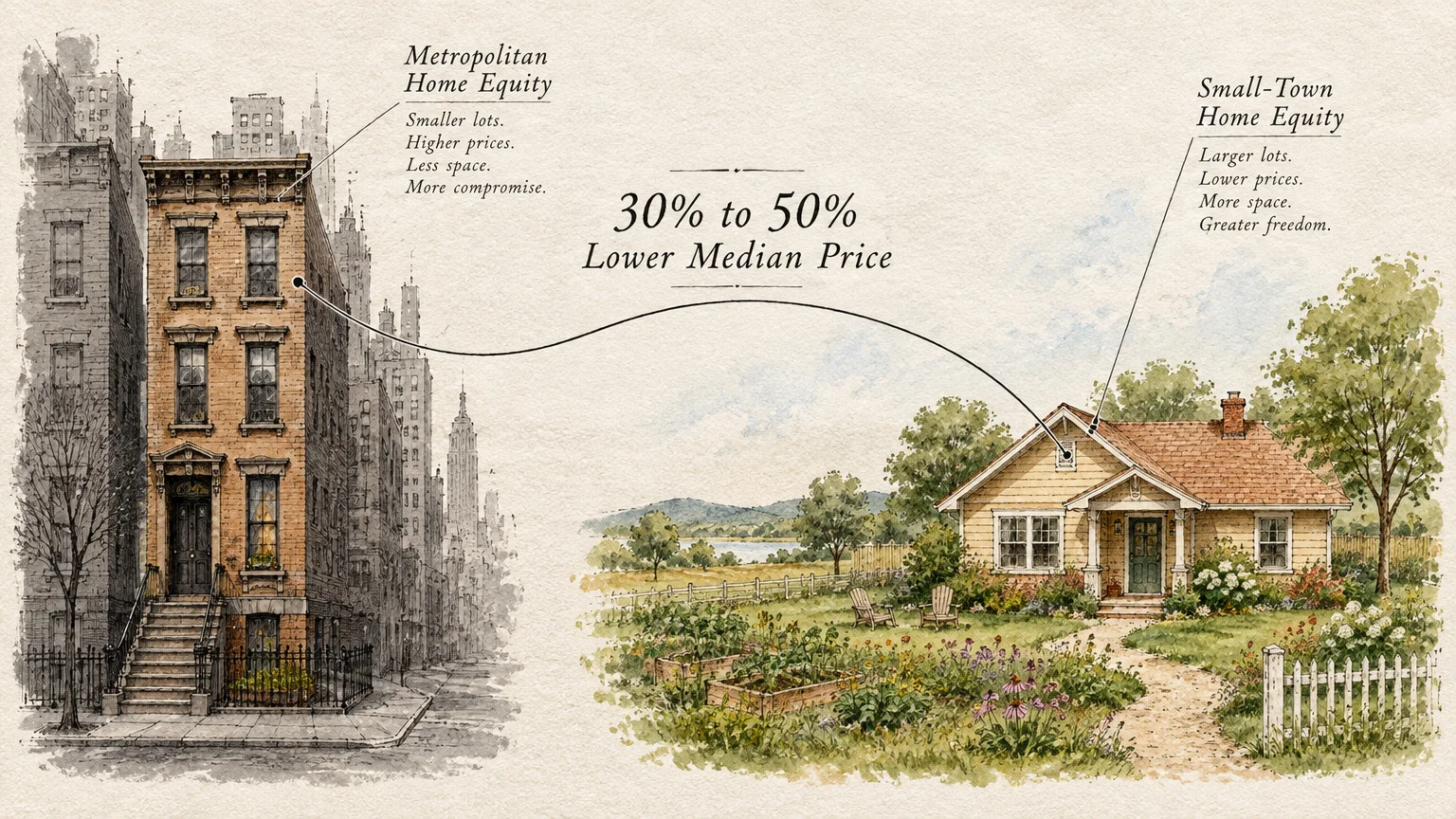
Median home prices in smaller rural or semi-rural towns often sit 30 to 50 percent lower than nearby major cities. That vast price gap allows you to purchase a home mortgage-free using existing equity.
Selling an expensive urban home lets you buy a comfortable single-story property with cash. You completely eliminate mortgage debt while retaining extra liquidity for future living costs.
When you buy a smaller home in a rural town, your closing costs and real estate fees also decrease proportionally. Lower purchase prices translate to thousands saved during the transaction itself.
If you prefer renting, monthly rates are equally favorable. Modest single-story cottages or senior apartment communities charge significantly less each month than suburban complexes.
Data from the Consumer Financial Protection Bureau (CFPB) shows that eliminating housing debt dramatically improves overall retirement stability. Eliminating a mortgage gives you instant cash flexibility.
2. Property Taxes
High property taxes eat into retirement savings every single year. Large metro districts impose hefty levies to support massive school systems, transit networks, and urban infrastructure.
Smaller municipalities typically assess real estate at much lower values. Consequently, your annual tax bill can drop from thousands of dollars to just a few hundred dollars.
In high-tax metropolitan areas, property tax hikes often outpace annual Social Security cost-of-living adjustments. Smaller towns offer stability, preventing sudden tax shocks that threaten your housing security.
Many rural counties also extend generous property tax freezes or homestead exemptions to homeowners aged 65 and older. These statutory protections guarantee that your local housing costs remain predictable.
Before choosing a location, check county assessor websites for local senior exemptions. Locking in low property tax rates shields you from unexpected municipal assessments down the road.
3. Homeowners Insurance Premiums
Insurance underwriters calculate premiums based on local crime rates, property values, and regional replacement costs. In smaller communities, lower crime rates and cheaper rebuild costs translate into cheaper policies.
Downsizing to a small town also means living in a more manageable home with fewer square feet to insure. Your policy discounts add up rapidly across every renewal period.
Bundle your homeowners policy with auto insurance to unlock additional multiline discounts. Small-town independent insurance agencies can often locate specialized regional underwriters that offer superior rates.
Choosing a home near a municipal fire department further lowers your annual premium. Always ask your insurance agent about regional safety discounts before finalizing your coverage.
Everyday Living and Utility Costs
Day-to-day spending determines how comfortable your monthly retirement lifestyle feels. Smaller communities offer relief on both municipal utility rates and routine grocery bills.
4. Utility Bills and Energy Rates
Heating and cooling a compact home requires substantially less electricity and natural gas. Smaller townhomes or ranch-style houses naturally hold temperature better than expansive suburban two-story houses.
Furthermore, many smaller regions operate consumer-owned public utility districts or electric cooperatives. These non-profit entities frequently provide power at lower kilowatt-hour rates than massive investor-owned corporate utilities.
Smaller municipal water systems also tend to bill simpler flat rates without tiered urban penalty structures. You avoid expensive city water fees during the summer months.
Many rural energy cooperatives also provide free home energy audits for older residents. Technicians inspect insulation, seal drafts, and recommend inexpensive weatherization improvements that lower seasonal heating costs.
5. Groceries and Fresh Local Produce
Grocery stores in major cities carry high overhead costs, from retail rent to commercial freight surcharges. Small town grocers pass their lower physical store overhead directly along to local consumers.
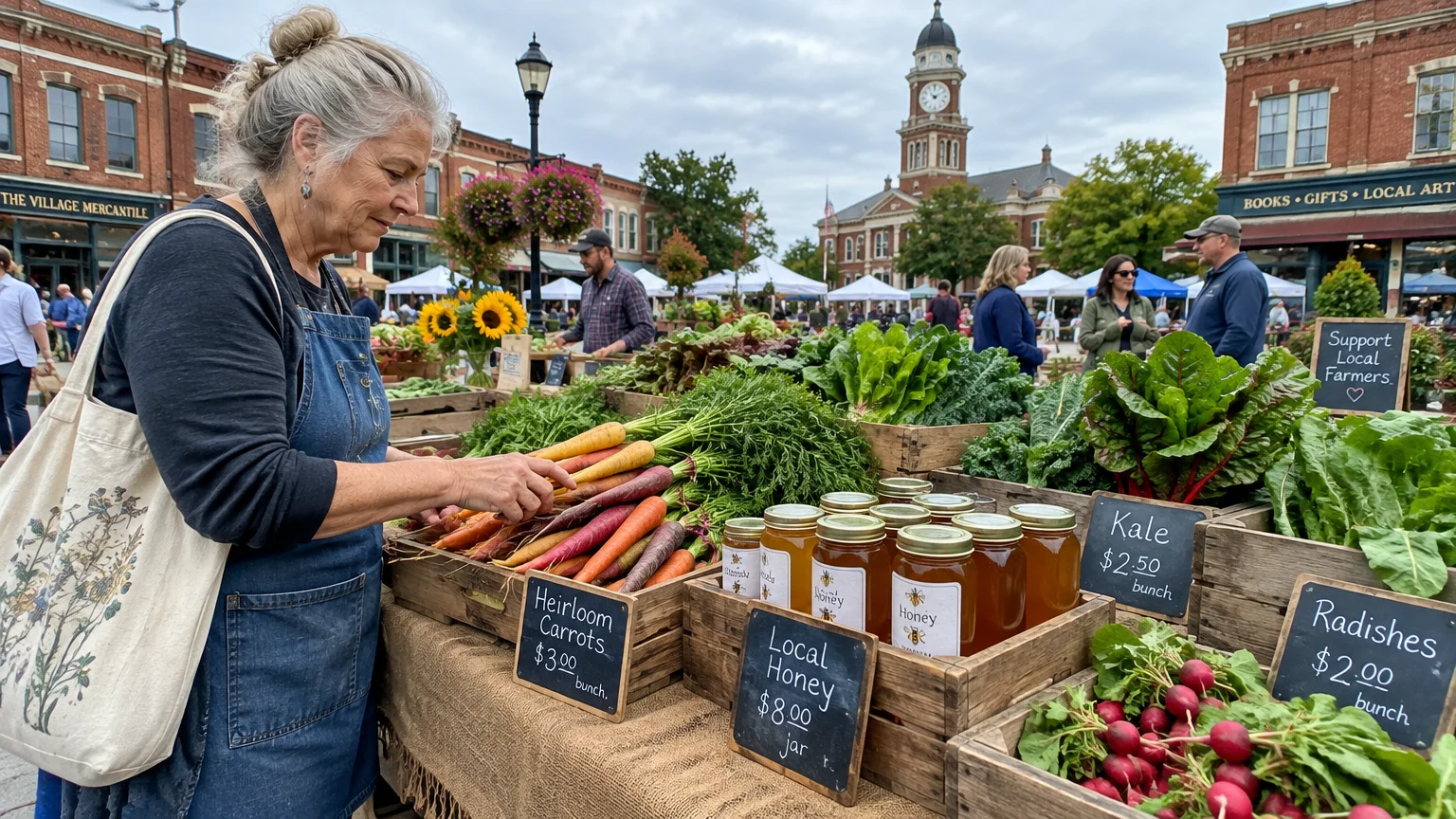
You will also find abundant farmers’ markets and community farm stands nearby. Purchasing seasonal produce and eggs directly from growers cuts out middlemen and keeps your kitchen well-stocked for less.
Joining a community-supported agriculture program can provide fresh organic vegetables for a fraction of supermarket costs. You eat healthier meals while supporting your neighboring family farms.
Smaller grocers often maintain weekly senior discount days, offering 5 to 10 percent off your entire purchase. Pairing those store discounts with locally sourced staples yields substantial cumulative savings.
6. Municipal Fees and Waste Services
City dwellers frequently pay substantial line-item charges on their water, sewer, and trash collection bills. These hidden fees fund complex urban treatment systems and administrative bureaucracies.
Small municipalities often manage municipal sanitation and basic public works through straightforward, affordable rates. In some townships, basic trash drop-off or recycling is completely free for local residents.
You also avoid municipal parking permits, residential street-sweeping tickets, and stormwater drainage utility surcharges. These small daily savings accumulate into hundreds of dollars saved annually.
You will also avoid regional public transit taxes and special business improvement district surcharges. These line items appear frequently on metro tax statements but rarely exist in small townships.
Transportation and Service Savings
Owning a vehicle in a major city involves constant nickel-and-dime fees. Relocating simplifies your driving routine and slashes transportation overhead.
7. Auto Insurance Premiums
Congested traffic grids lead to high accident rates, vehicle vandalism, and frequent insurance claims. Rural zip codes feature far fewer vehicles per square mile and substantially lower crash statistics.
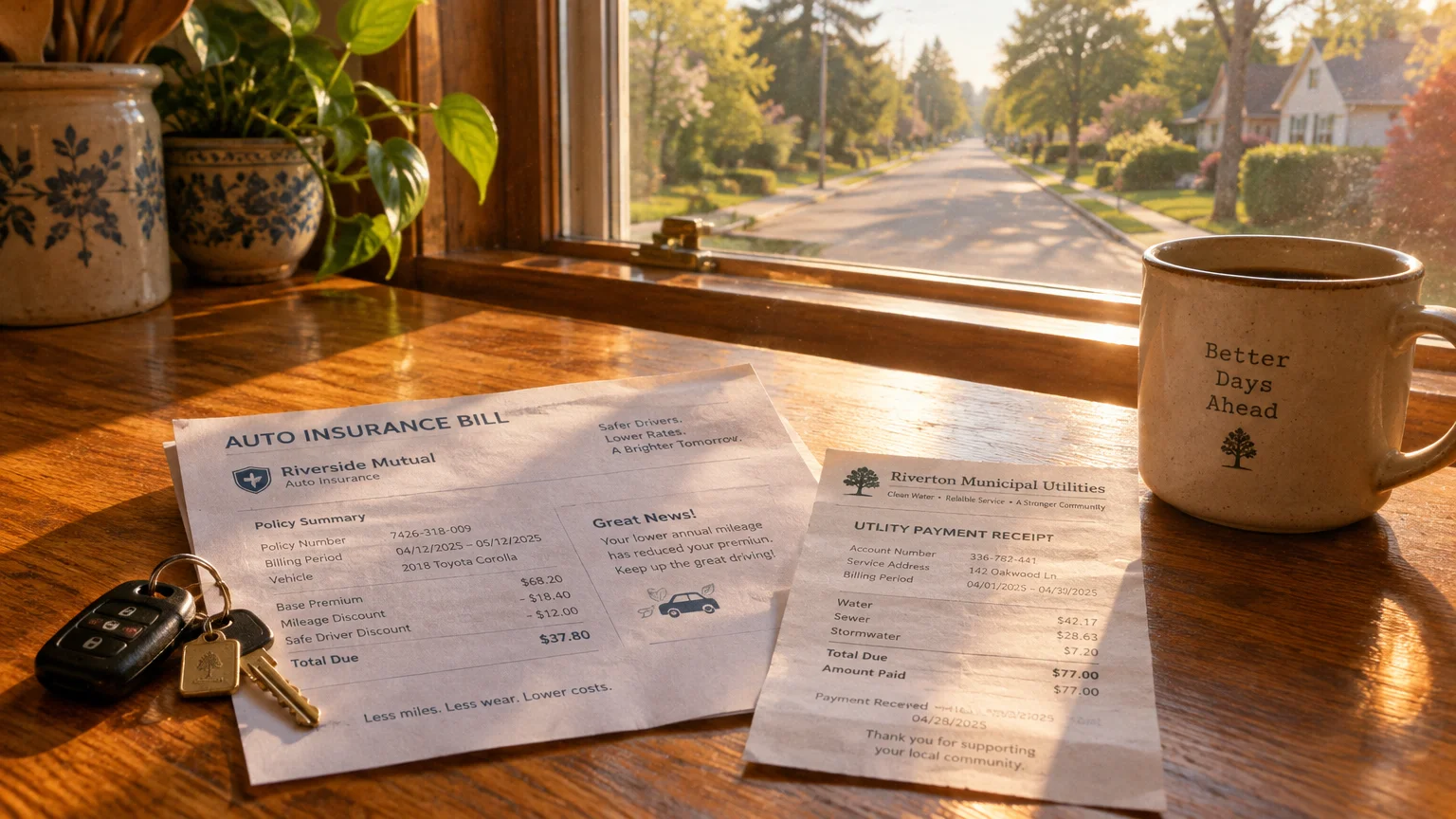
As a result, insurance companies reward small-town drivers with significantly discounted comprehensive and collision rates. Driving fewer annual miles will lower your vehicle premium even further.
You can also update your insurer about your reduced annual mileage after relocating. Fewer daily errands on quiet streets mean fewer chances for fender benders.
Safe driving courses—such as those approved for mature drivers—can yield an extra 5 to 10 percent discount on small-town auto policies. These simple courses provide easy savings with minimal time investment.
8. Home Maintenance and Contractor Labor
Hiring a licensed plumber, electrician, or handyman in an urban area often carries high trip fees and hourly minimums. City tradespeople must charge premium rates to cover their heavy business expenses.
In smaller towns, skilled local craftspeople operate with lower business overhead and fairer pricing models. You can address home maintenance projects without draining your emergency savings account.
Small-town culture also fosters a strong spirit of neighborly assistance. Fellow residents frequently lend lawnmowers, tools, or hands-on help for small tasks at no charge.
Developing personal relationships with local mechanics means you receive honest diagnostic assessments and straightforward repair estimates. You avoid high dealership labor rates and unnecessary upsells common in big-city auto shops.

Lifestyle, Wellness, and Community Costs
Socializing and staying active shouldn’t empty your wallet. Smaller towns foster community environments where leisure activities and wellness services remain remarkably economical.
9. Entertainment, Fitness, and Dining Out
Enjoying dinner with friends or catching a movie costs far less in a smaller town. Local diners and family-run restaurants offer hearty portions at prices rarely seen in metropolitan areas.
Municipal recreation centers and senior hubs often offer free or low-cost access to swimming pools, fitness classes, and pickleball courts. You can maintain vibrant social circles without paying expensive private club dues.
According to the National Institute on Aging (NIA), staying socially active promotes cognitive vitality and emotional well-being. Affordable community activities make regular participation accessible.
Public libraries in small communities serve as vibrant cultural centers. They host free lecture series, book clubs, and technology workshops tailored specifically for older adults.
Small-town civic theaters, historical societies, and community choirs frequently present low-cost or donation-based performances. You can experience rich cultural entertainment without paying expensive stadium or urban theater ticket prices.
10. Routine Healthcare and Personal Care Services
Routine personal care—such as haircuts, salon services, and pet grooming—costs substantially less outside big cities. Local stylists and groomers maintain loyal clientele through fair, modest pricing.
Out-of-pocket dental cleanings and basic optometry exams are also commonly priced below metropolitan averages. These routine appointments keep you healthy without derailing your monthly retirement budget.
Community health centers often host free blood pressure screenings, hearing clinics, and seasonal flu vaccination drives. You can monitor everyday wellness metrics without spending substantial out-of-pocket sums.
Routine veterinary care for pets also costs dramatically less in rural communities. Routine pet vaccinations, dental care, and annual exams cost a fraction of urban veterinary hospital fees.

Metro Versus Small Town Cost Comparison
Seeing the numbers side by side clarifies just how much you can save each year. The cumulative effect of lower cost of living categories provides significant financial security.
The following table outlines realistic monthly expenses for a retired couple living in a major metro area compared to a small town.
| Expense Category | Major Metro Area | Small Town | Estimated Monthly Savings |
|---|---|---|---|
| Housing (Mortgage or Rent) | $2,100 | $1,050 | $1,050 |
| Property Taxes | $550 | $175 | $375 |
| Homeowners Insurance | $190 | $110 | $80 |
| Auto Insurance (Two Vehicles) | $260 | $130 | $130 |
| Electricity and Heating Fuel | $280 | $170 | $110 |
| Water, Sewer, and Waste Removal | $140 | $70 | $70 |
| Groceries and Household Goods | $850 | $650 | $200 |
| Home Maintenance and Yard Care | $350 | $160 | $190 |
| Dining Out and Local Entertainment | $450 | $250 | $200 |
| Routine Personal and Wellness Care | $220 | $120 | $100 |
| Total Monthly Outlay | $5,390 | $2,885 | $2,505 |
As demonstrated above, small town savings can easily exceed $2,500 per month. That equals over $30,000 in annual savings that you can reinvest or keep in cash reserves.
This cash cushion protects you from unexpected expenses and reduces your required withdrawals from retirement investment portfolios. Preserving principal ensures your money lasts throughout retirement.
Many retirees use these surplus funds to support grandchildren’s education funds or explore domestic travel. Financial freedom gives you the flexibility to choose how you spend your time.
Hidden Costs and Common Pitfalls to Avoid
While smaller towns offer remarkable financial advantages, a move requires thoughtful preparation. Overlooking specific regional limitations can create unwelcome expenses later on.
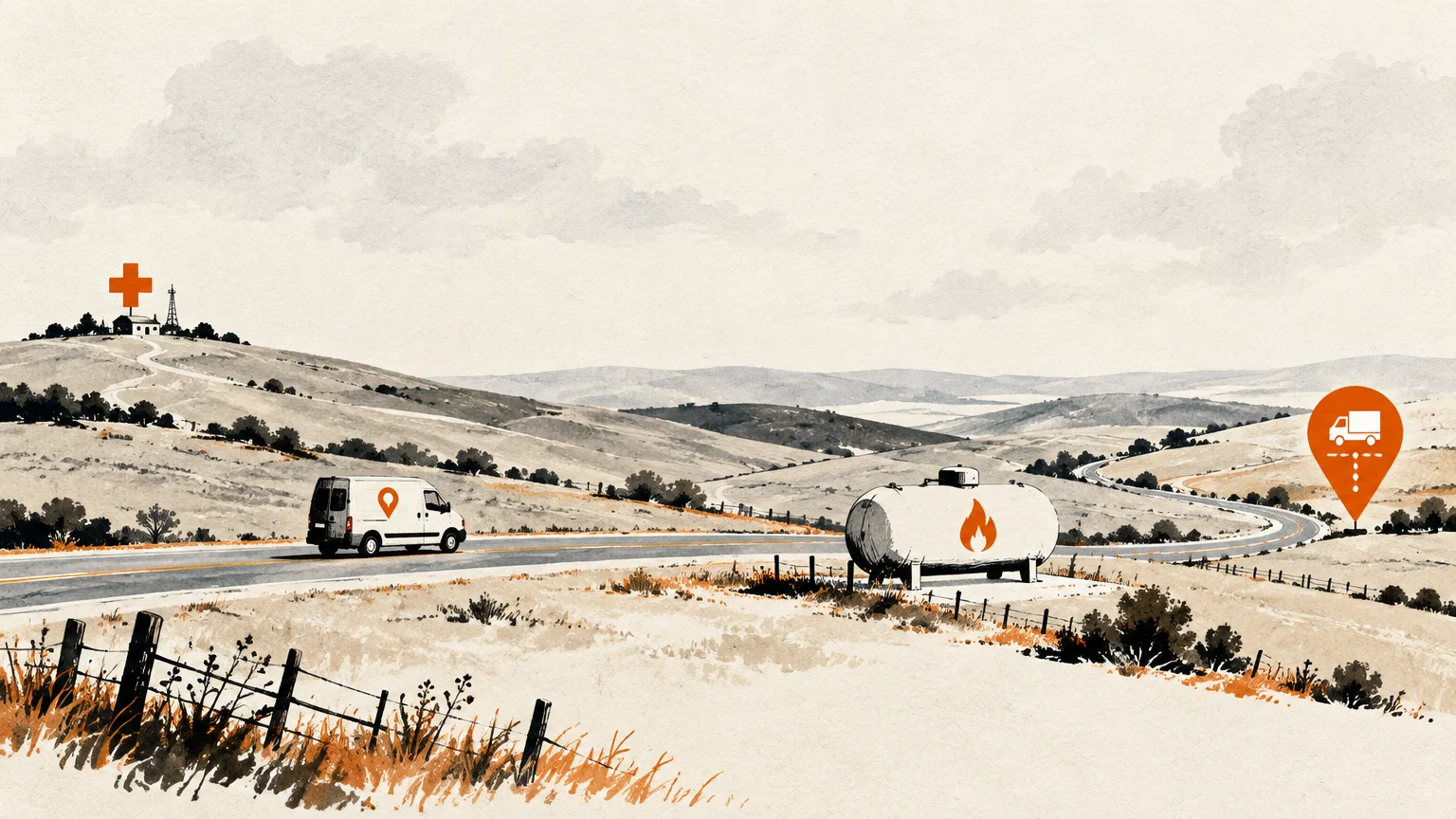
Healthcare accessibility requires your closest scrutiny before purchasing a new home. While routine doctor visits are affordable, specialized medical care might require driving long distances.
Before relocating, verify your coverage using Medicare.gov to ensure local doctors accept your Medicare Advantage or Medigap plan. Out-of-network costs can quickly erase other housing savings.
Transportation expenses can also climb if your town lacks essential amenities. If you must drive 30 miles for specialized care or shopping, fuel costs will rise.
Additionally, beware of older rural homes that require extensive, costly updates. A house with an aging septic system, private well, or failing roof can quickly turn into a financial burden.
Investigate heating fuel types before purchasing a small-town home. Properties heated by delivered heating oil or propane can experience price spikes during harsh winter cold snaps.
Always request the past twelve months of utility receipts from the home seller. Reviewing historical heating data prevents unpleasant surprises when winter arrives.
Reliable high-speed internet service is another essential consideration. Ensure that local broadband providers offer fast, dependable connections for telehealth appointments and remote communication.

Practical Steps for Downsizing to a Small Town
Executing a successful move to a small town requires methodical planning and clear timelines. Following structured steps ensures you protect your retirement equity every step of the way.
Use this practical checklist to guide your relocation process smoothly:
- Rent before you buy to test the community during different seasons.
- Audit your healthcare network to confirm convenient access to specialists and hospitals.
- Declutter your current home aggressively to reduce moving truck expenses and storage costs.
- Review county property tax rates and local senior homestead exemption rules.
- Check broadband internet availability to ensure seamless connection with family and telehealth providers.
- Connect with local civic groups and senior centers to evaluate social opportunities.
Renting a furnished cottage for a few weeks lets you experience daily small-town rhythms firsthand. You can test drive times, visit local grocery stores, and meet potential neighbors.
Downsizing possessions before you hire movers saves thousands on packing and transport. Sell or donate furniture that will not fit into a smaller, more efficient floor plan.
Engage with local civic leaders or visit a town council meeting during your research trips. Observing local governance firsthand gives you valuable insight into municipal priorities and community culture.
Thorough preparation eliminates relocation surprises and ensures your new home aligns perfectly with your retirement lifestyle goals. Careful planning protects your budget and your peace of mind.
Frequently Asked Questions
Does moving to a small town always lower your cost of living?
For most retirees, moving to a small town significantly reduces major recurring expenses like housing, taxes, and auto insurance. However, you must factor in potential travel costs for healthcare and personal shopping.
How does small town living impact Medicare coverage?
Original Medicare covers approved services nationwide at any provider that accepts Medicare assignment. However, if you enroll in a Medicare Advantage plan, your local network of doctors and hospitals may be smaller.
Will my social life suffer after moving to a smaller community?
Smaller communities frequently boast tight-knit social networks, active senior centers, and welcoming civic clubs. Many retirees report forging deeper, more meaningful friendships in small towns than in bustling suburbs.
What should seniors look for when touring a small town?
Look for proximity to primary care clinics, easy supermarket access, and safe walking areas. Also evaluate whether the community offers volunteer opportunities and active hobby groups.
How much money can you save by downsizing to a small town?
Most retirees save between $15,000 and $30,000 annually by moving from an expensive metro area to a small town. The exact amount depends on housing choices and personal spending habits.
For additional senior resources, visit
Administration for Community Living (ACL), Eldercare Locator and AARP.
Disclaimer: The information in this article is for educational purposes only and is not intended to be a substitute for professional financial, legal, or medical advice. Always consult with a qualified expert for advice tailored to your personal situation.