

You can slash hundreds of dollars from your monthly living costs simply by claiming bill discounts designed specifically for older adults. Most retirees pay full price for utilities, insurance, and municipal services without realizing these reductions exist.
Many companies and government agencies do not advertise these programs openly. You must actively ask for them or submit a brief verification form to lower your rates.
This guide reveals 13 lesser known senior discounts that protect your retirement budget. Learn how to secure your lower monthly payments starting today.

Essential Housing and Property Tax Relief
Housing expenses represent the largest line item in most retirement budgets. Local governments offer specific relief programs to help long-time residents remain in their homes comfortably.
1. Municipal Water, Trash, and Sewer Rate Waivers
City utility departments often provide senior discounts on bills that reduce recurring water and sanitation charges. These programs typically trim 10% to 30% from your monthly consumption fees.
Some municipalities go a step further by waiving mandatory base meter connection fees entirely. Because these billing credits do not apply automatically, you must submit proof of age to your local water authority.
Contact your municipal service office directly to ask about senior lifeline utility rates. A short application can produce instant, recurring savings on every billing cycle.
2. Senior Property Tax Freezes and Homestead Exemptions
Surging home values often lead to sharp increases in county real estate taxes. Many jurisdictions offer property tax freezes for homeowners aged 65 and older to prevent displacement.
A tax freeze locks the school district or county portion of your bill at a set dollar ceiling. Even if local home values rise dramatically, your assessed tax bill remains stable.
States like Texas provide an additional $60,000 residence homestead exemption for seniors alongside school tax freezes. Check with your local county appraisal district to file your exemption paperwork before annual deadlines.
Utility and Home Energy Grant Programs
Heating and cooling costs can strain a fixed monthly income during extreme summer and winter weather. Federal and state initiatives step in to lower these burdens for eligible older adults.
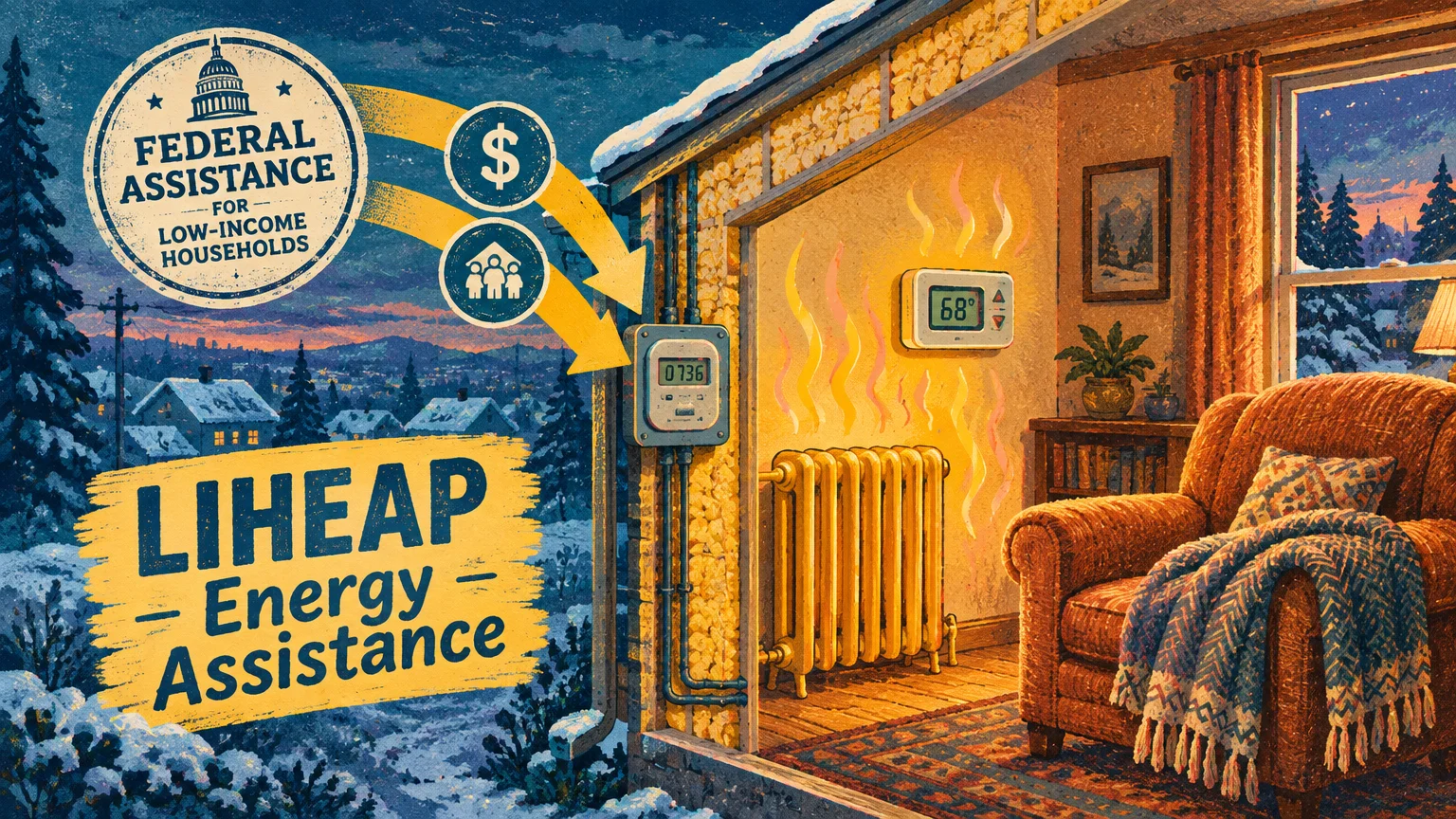
3. Low-Income Home Energy Assistance Program (LIHEAP)
LIHEAP is a federally funded program that provides direct utility assistance grants to help manage energy costs. These non-repayable grants go directly to your electric or natural gas utility provider.
Income qualification limits generally cap at 150% of the federal poverty guideline or 60% of your state median income. Seniors receiving Supplemental Security Income (SSI) frequently qualify for fast-track approval.
According to Benefits.gov, these energy grants help vulnerable households prevent service disconnections during extreme weather events. You can submit applications through local community action agencies every autumn.
4. Weatherization Assistance Program (WAP) Home Upgrades
Drafty windows, aging furnaces, and poor attic insulation quietly drive up power bills every month. The federal Weatherization Assistance Program provides completely free home energy upgrades to qualifying retirees.
Certified contractors inspect your residence to find air leaks and thermal inefficiencies. They install free insulation, seal ductwork, and repair or replace inefficient heating and cooling equipment.
These improvements lower long-term household energy bills by hundreds of dollars each year. Priority enrollment is given to households with members aged 60 and older.

Telecommunications and Cellular Bill Reductions
Staying connected with family and healthcare providers is vital for your safety and well-being. Several bill discounts for retirees cut communication costs significantly.
5. The Federal Lifeline Internet and Phone Subsidy
While the temporary Affordable Connectivity Program ended in 2024, the federal Lifeline program remains fully operational. Lifeline provides an ongoing monthly bill credit of up to $9.25 for standard households.
If you live on federally recognized Tribal lands, that monthly subsidy increases up to $34.25. You can apply the credit toward residential broadband, mobile wireless data, or home landline service.
You qualify if your household income sits at or below 135% of federal poverty guidelines or if you participate in Medicaid. Apply directly through the National Verifier portal online or by mail.
6. Unadvertised 55+ Wireless Plans and Carrier Discounts
Major cellular carriers quietly maintain specialized rate plans that cater to adults aged 55 and older. These rate packages offer the exact same 5G network speeds and unlimited talk features for less money.
T-Mobile offers dedicated 55+ unlimited plans starting around $30 to $40 per line for two lines. These promotional plans save couples upwards of $500 each year compared to standard consumer tiers.
Providers like AT&T offer bill discounts of up to $10 per line for affiliated organization members. Reach out to your wireless carrier’s retention department and ask them to switch you to a mature driver or senior rate plan.

Transportation and Auto Insurance Discounts
Retirement changes your everyday driving habits, which should immediately lower your vehicle operating expenses. You can leverage state laws and mileage drops to slash policy premiums.
7. Defensive Driving Insurance Reductions
More than 34 states plus Washington, D.C., have statutory mandates that require auto insurers to give premium reductions to mature drivers. Drivers aged 50 to 55 and older who finish an approved safety course automatically qualify.
These state-mandated discounts typically range from 5% to 15% off your liability and collision coverage. In most states, your discount remains active for three full years before requiring a brief refresher.
Research from AARP shows that completing the Smart Driver course online or in a local classroom delivers immediate savings on vehicle insurance premiums. Submit your course completion certificate to your insurance agent to activate the discount.
8. Low-Mileage Auto Insurance Adjustments
When you stop commuting to a daily workplace, your annual driving mileage drops substantially. Insurers price their rates on road exposure, meaning fewer miles driven equals a lower risk of accidents.
If you drive fewer than 5,000 to 7,500 miles annually, notify your insurance company immediately. Switching your vehicle status from “commuter” to “pleasure” can cut your premiums by 10% to 30%.
You can also explore pay-per-mile auto policies that charge a small base rate plus a few cents per mile driven. This billing model works exceptionally well for retirees who only drive for local errands.
9. Public Transit Senior Subsidies and Off-Peak Fares
Federal transit regulations require all federally funded public transportation systems to provide half-fare rates for riders aged 65 and older. This rule applies to buses, subways, and commuter light-rail networks across the nation.
Many metropolitan transit authorities waive fares entirely for local seniors during off-peak daytime hours. Some cities issue specialized tap cards that allow free travel across regional bus networks.
Visit your regional transit office with a state-issued photo ID to obtain your senior rider card. Taking public transit for local doctor appointments or shopping trips eliminates gas, parking, and vehicle maintenance bills.

Healthcare and Prescription Cost Protections
Out-of-pocket medical bills represent a major concern for anyone living on a fixed retirement budget. Recent federal changes have introduced historic caps and billing flexibility for prescription drugs.
10. Medicare Part D Prescription Out-of-Pocket Capping
Federal legislation has fundamentally transformed Medicare Part D prescription drug coverage. Starting in 2025, an annual out-of-pocket spending cap of $2,000 took effect for all covered prescription medications.
This annual cap is scheduled to adjust to $2,100 in 2026, completely eliminating the catastrophic “donut hole” coverage gap. Once you meet this annual ceiling, your Part D plan pays 100% of covered drug costs for the rest of the year.
As noted on Medicare.gov, the Medicare Prescription Payment Plan allows enrollees to spread cost-sharing expenses into capped monthly installment payments. This structure prevents huge pharmacy bills early in the calendar year.
11. Zero-Dollar Preventive Health Screenings and Vaccines
Many retirees pay for medical services out of pocket because they assume every clinic visit carries a co-pay. Medicare Part B covers an extensive list of preventive screenings with zero deductible or co-insurance requirements.
You pay nothing for your Annual Wellness Visit, cardiovascular blood screenings, diabetes monitoring, and mammograms from participating doctors. Furthermore, Part D plans now cover critical adult vaccines at $0 cost-sharing.
This policy means you pay absolutely nothing out of pocket for the shingles vaccine series, tetanus boosters, or pneumonia shots. Confirm that your clinic processes these services strictly as preventive care to avoid unexpected billing.

Banking Fee Waivers and Recreation Perks
Everyday financial management and leisure activities should not chip away at your retirement savings. Simple age verifications unlock substantial waivers across retail banking and national parks.
12. Senior Checking and Banking Service Waivers
Traditional financial institutions routinely charge $10 to $25 each month in checking maintenance fees if balances dip below arbitrary minimums. Many regional and national banks maintain specialized 55+ or 62+ checking accounts that waive these fees entirely.
Senior-tier checking packages frequently include free standard paper check orders, which saves money for retirees who prefer physical checks. They also waive fees for cashier’s checks, bank money orders, and out-of-network ATM withdrawals.
According to guidance from the Consumer Financial Protection Bureau (CFPB), consumers should regularly review bank fee schedules and request fee-free account alternatives. Call your branch manager to convert your existing account into a mature checking relationship.
13. The America the Beautiful Senior Pass
Staying physically active and spending time in nature supports long-term physical and emotional health. The National Park Service offers an exceptional discount program for U.S. citizens and permanent residents aged 62 and older.
You can purchase an annual Senior Pass for $20 or a Lifetime Senior Pass for an $80 one-time fee. The pass grants free access to more than 2,000 national parks, wildlife refuges, and national recreation sites.
In addition to free entrance, the pass provides a 50% discount on federal user fees for camping, boat launches, and guided tours. If you camp or fish frequently, this single pass can save you hundreds of dollars each season.
Monthly Bill Savings Breakdown
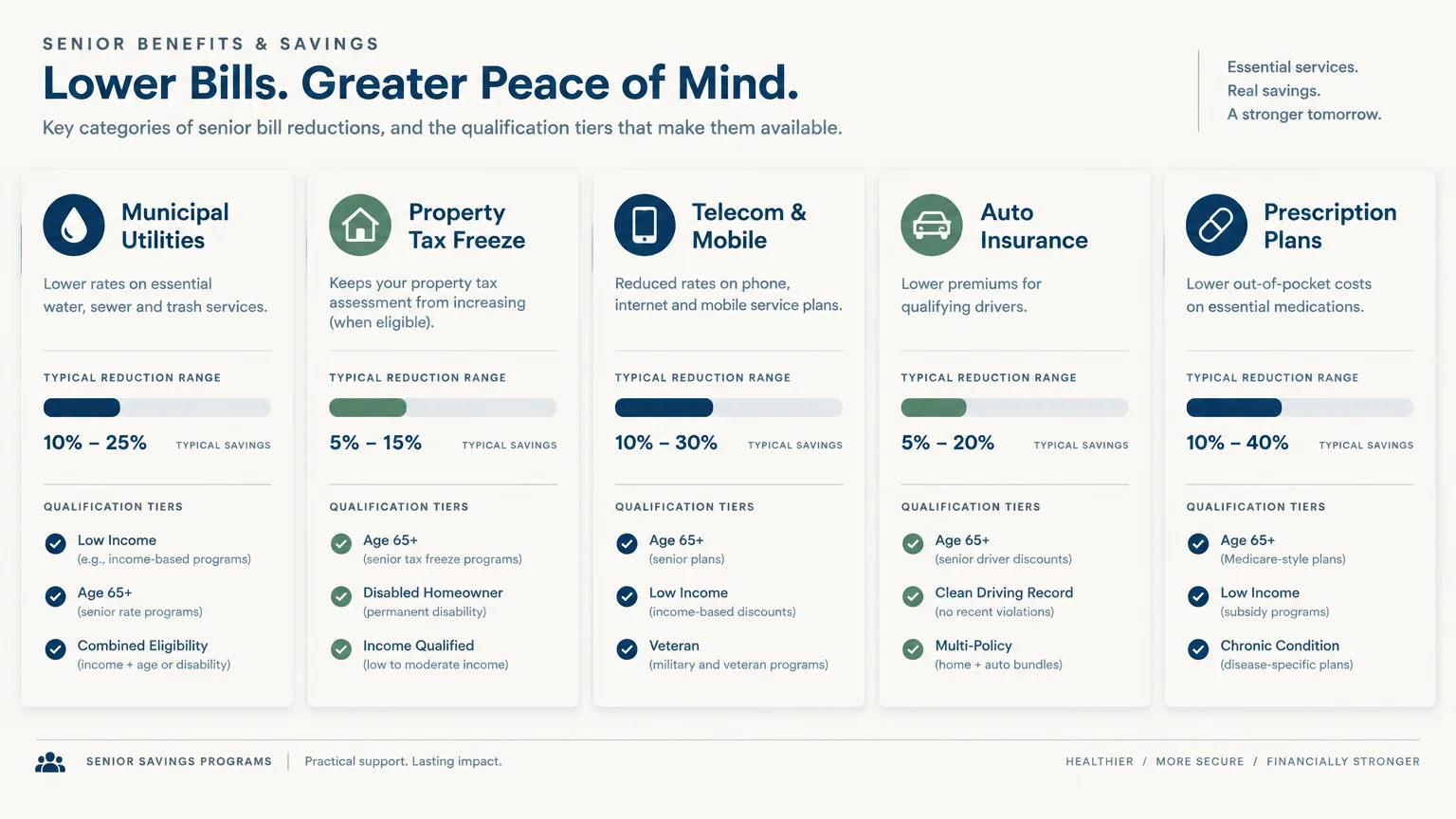
Review the table below to see how these senior discount programs lower your ongoing household expenses across common billing categories.
| Expense Category | Program Name | Typical Savings | Eligibility Requirement |
|---|---|---|---|
| Home Utilities | Municipal Lifeline Water/Sewer | 10% to 30% off monthly bills | Age 60 to 65+ (varies by city) |
| Property Tax | Over-65 Tax Ceiling / Exemption | $500 to $2,500+ per year | Age 65+ and primary residence |
| Home Heating | LIHEAP Energy Grants | $200 to $1,000 annual credit | Income ≤ 150% poverty line |
| Broadband | Federal Lifeline Program | $9.25 to $34.25 per month | Income ≤ 135% FPL or Medicaid |
| Mobile Phone | Carrier 55+ Wireless Plans | $15 to $40 monthly savings | Account holder age 55+ |
| Car Insurance | Mature Driver Safety Course | 5% to 15% policy reduction | Age 50 to 55+; course completion |
| Prescriptions | Medicare Part D Out-of-Pocket Cap | Capped at $2,000 to $2,100/yr | Enrolled in Medicare Part D |
| Retail Banking | Senior Checking Fee Waivers | $120 to $300 per year | Age 55 to 62+ (varies by bank) |
How to Audit Your Monthly Bills for Immediate Savings
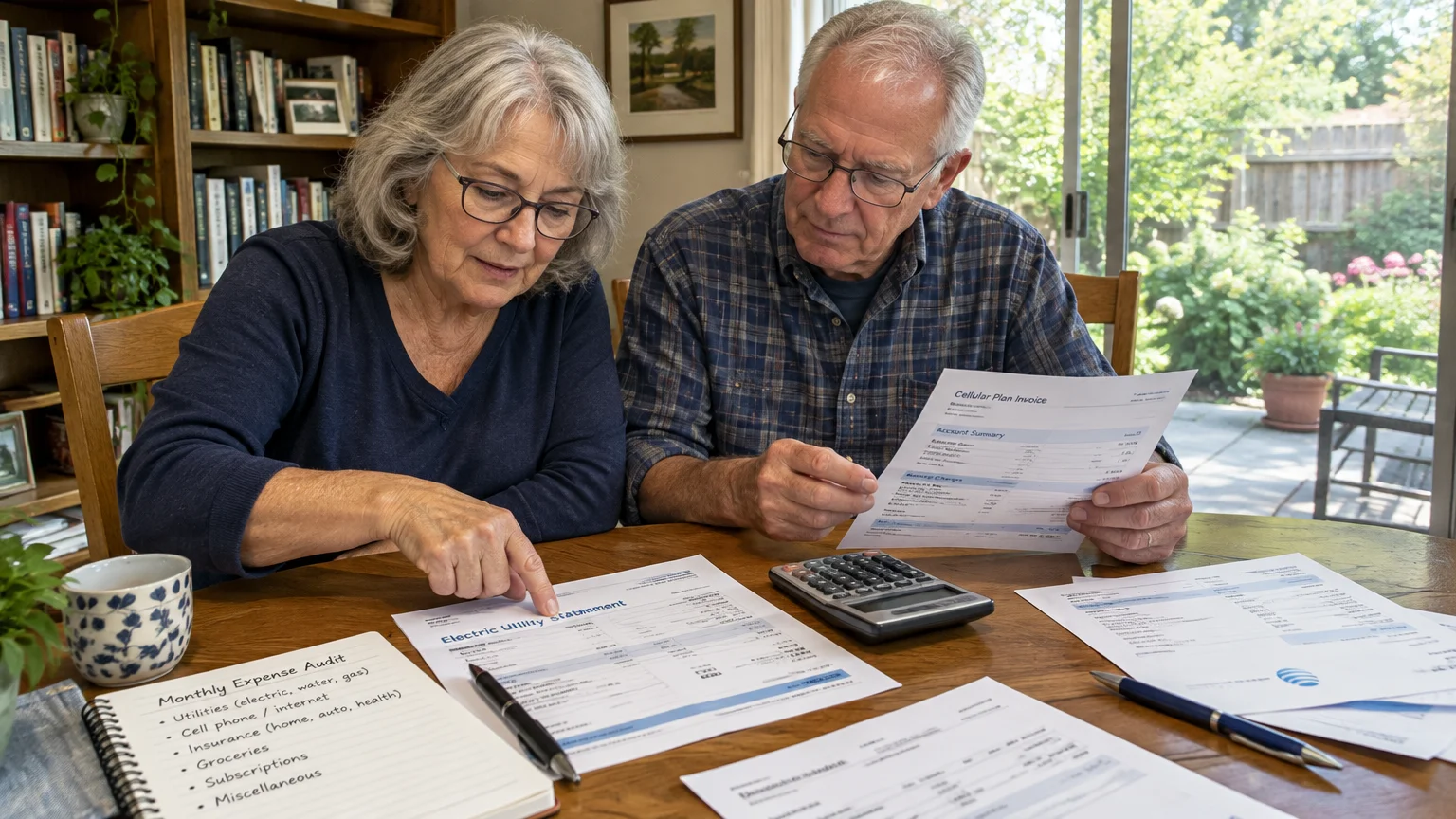
Taking control of your finances requires a structured review of your recurring bank statements and utility invoices. Follow this simple three-step audit process to save money on monthly bills senior households often overpay.
- Gather and Categorize Your Statements: Pull together your last three months of invoices for electric, water, cell phone, internet, and insurance services. Highlight every recurring administrative charge, base meter fee, and service surcharge.
- Contact Each Service Provider Directly: Call your customer service representatives and use a direct script. State clearly: “I am a retired customer on a fixed income; what mature driver, senior citizen, or loyalty discounts can you apply to my account?”
- Submit Required Verification Forms Promptly: Keep digital or paper copies of your driver’s license, utility bills, and proof of income handy. Some city offices require an initial form and photo ID before they adjust your account billing code.
Conducting this bill review once each year ensures you never leave money on the table. Small adjustments across multiple accounts accumulate into thousands of dollars in permanent savings.
Avoiding Discount Application Scams and Pitfalls
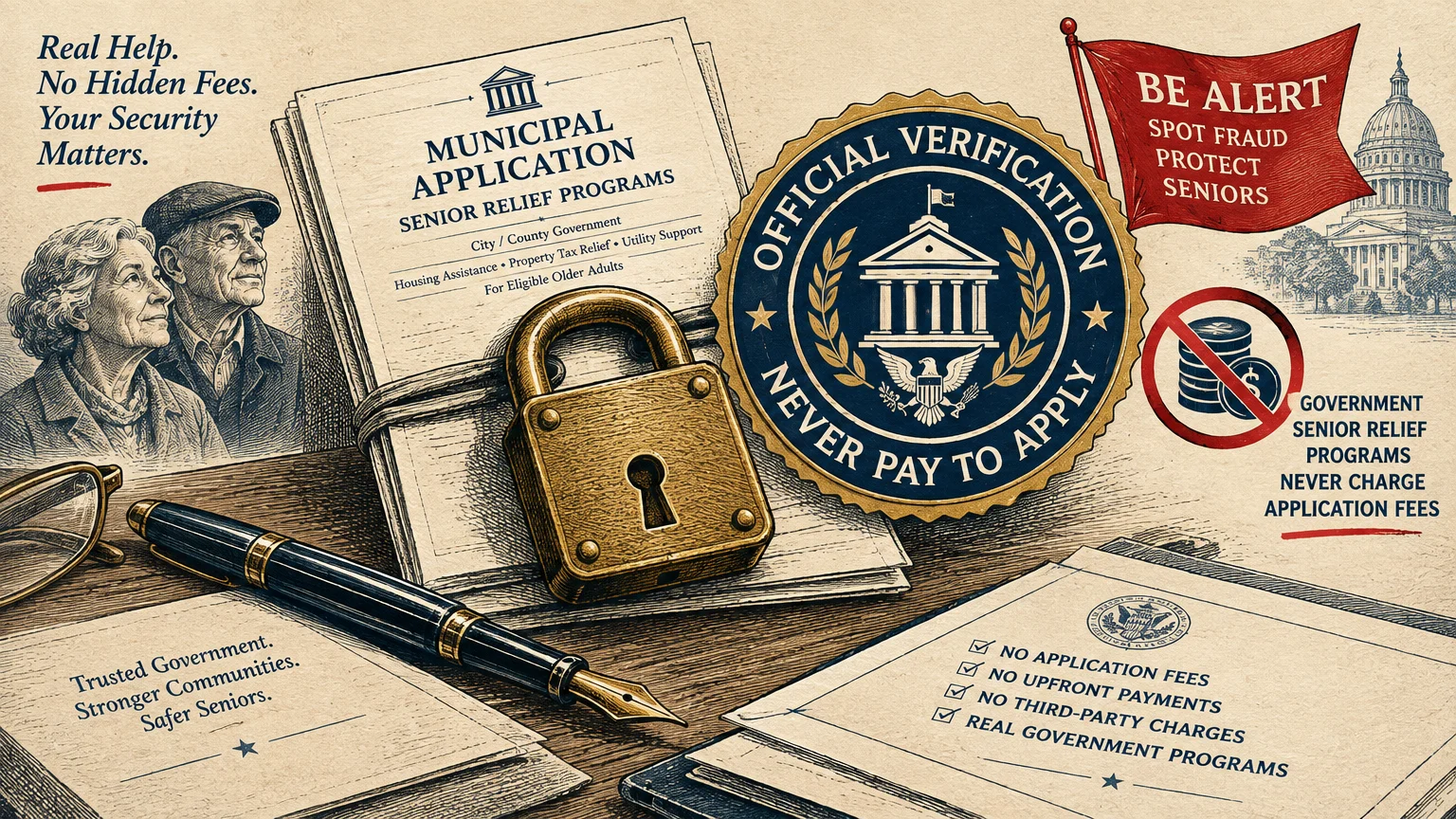
While genuine discount programs provide critical financial relief, fraudulent actors frequently target older adults searching for bill assistance. Protect yourself by recognizing common red flags and predatory practices.
Legitimate federal, state, and municipal assistance programs never charge an application fee. If a website or caller demands payment to process a LIHEAP grant, property tax freeze, or Lifeline subsidy, it is a scam.
Never share your Social Security number, banking details, or Medicare number with unsolicited callers offering utility discounts. Utility providers communicate about formal discount options through official monthly statements, not unannounced text messages.
Be cautious when signing up for private utility aggregators promising cheaper electricity supply rates. These companies often lure seniors with short promotional discounts before rolling them into exorbitant variable-rate contracts.
Frequently Asked Questions
What is the minimum age to qualify for most senior bill discounts?
Eligibility varies widely depending on the provider and industry. Wireless carriers often start discount tiers at age 55, while public transit and state defensive driving cuts begin between 50 and 65. Municipal utility waivers and property tax freezes almost universally require you to be 62 or 65.
Do senior utility discounts apply automatically when I turn 65?
No, utility companies and local tax authorities do not monitor your birth date. You must proactively contact each provider, request their senior discount programs, and submit proof of age or residency. Once approved, the discount will appear on subsequent billing statements.
Can I receive senior bill discounts if I am still working part-time?
Yes, many senior discounts depend strictly on your age rather than your employment status. Wireless carrier 55+ plans, auto insurance defensive driving cuts, and national park passes do not evaluate your income. Only federal assistance programs like LIHEAP or Lifeline enforce specific income thresholds.
Does completing an online driving course really reduce car insurance rates?
Yes, in more than 34 states and Washington, D.C., insurance companies are legally mandated to lower your rates upon course completion. Ensure you register for a state-approved mature driver safety course, such as those run by AAA or AARP. Send the resulting certificate to your carrier to lock in three years of discounts.
How does the Medicare prescription payment plan help with high pharmacy bills?
The Medicare Prescription Payment Plan does not lower the total cost of your medications, but it spreads your cost-sharing evenly across the calendar year. Instead of paying hundreds of dollars at the pharmacy counter in January, your Part D plan bills you in predictable monthly installments capped under the annual out-of-pocket maximum.
For additional senior resources, visit
Social Security Administration (SSA), Consumer Financial Protection Bureau (CFPB), Administration for Community Living (ACL) and Eldercare Locator.
Disclaimer: The information in this article is for educational purposes only and is not intended to be a substitute for professional financial, legal, or medical advice. Always consult with a qualified expert for advice tailored to your personal situation.









Leave a Reply