

You can slash your out-of-pocket health and household costs by using the right retail pharmacy strategies. Navigating retail drugstores like Walgreens and CVS requires knowing how their store policies, digital programs, and pharmacy systems operate.
Managing prescription expenses and daily necessities on a fixed retirement income often feels overwhelming. Everyday essentials add up fast, yet thousands of older adults overpay every single week simply because retail discounts remain unadvertised.
You can keep more money in your pocket starting on your very next shopping trip. These nine actionable pharmacy savings tricks will help you maximize your retirement budget across both retail giants.
In this guide12 sections
- Trick 1: Time Your Shopping for Walgreens Seniors Day
- Trick 2: Maximize myWalgreens Rewards on Store Brands
- Trick 3: Tap into the Walgreens Rx Savings Finder
- Trick 4: Optimize Free CVS ExtraCare and Pharmacy Rewards
- Trick 5: Unlock CVS ExtraCare Plus and Free Aetna Perks
- Trick 6: Leverage New Medicare Part D Caps and Installment Plans
- Trick 7: Know When to Bypass Insurance with Cash Discount Cards
- Trick 8: Exhaust Your Medicare Advantage OTC Allowances
- Trick 9: Stack Digital Coupons and Store Loyalty Offers
- Walgreens vs. CVS Senior Savings Comparison
- Common Retail Pharmacy Traps to Avoid
- Frequently Asked Questions
Trick 1: Time Your Shopping for Walgreens Seniors Day
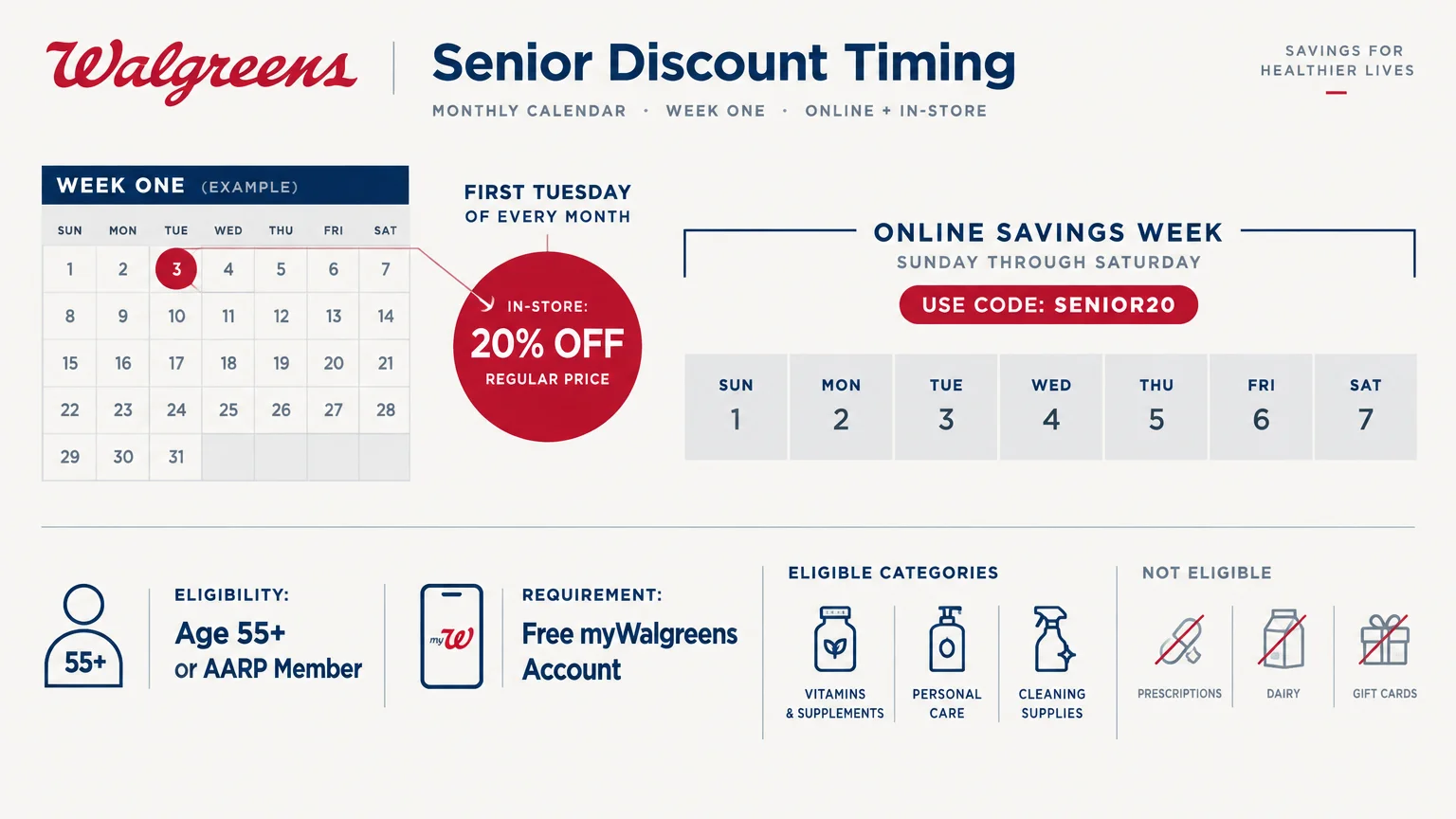
Walgreens provides one of the most generous age-based retail promotions among national drugstore chains. You can save 20% on eligible, regular-priced merchandise during their designated senior discount events.
The in-store promotion takes place exclusively on the first Tuesday of every month. Mark this recurring date on your physical wall calendar or digital phone reminders so you never miss it.
You do not have to leave your home to secure these savings. Walgreens extends the 20% discount online for a full week, running from Sunday through Saturday during that first week of the month.
To redeem the discount online, enter the promotional code SENIOR20 at checkout. Ensure you log into your digital account before applying the coupon code to receive your deduction.
You must meet clear eligibility criteria to claim this benefit. Shoppers must be at least 55 years of age or hold an active membership with an older adult advocacy group.
According to AARP, presenting your valid membership card confirms your eligibility at checkout. Cashiers will gladly apply the discount once you show your physical card or digital app credential.
You must also enroll in the free myWalgreens loyalty program to activate the promotional pricing. The cashier can scan your digital barcode or look up your account using your mobile phone number.
Be aware of specific product exclusions before filling your physical shopping cart. The 20% discount does not apply to prescription medications, clinic services, dairy items, alcohol, tobacco products, stamps, or gift cards.
You cannot combine this senior discount with “Buy One, Get One” (BOGO) sales or clearance markdowns. Plan your monthly stock-up purchases around high-margin personal care products, vitamins, and cleaning supplies to maximize your overall savings.
Trick 2: Maximize myWalgreens Rewards on Store Brands
The free myWalgreens customer loyalty program provides steady cash-back earnings on everyday household purchases. Understanding the program’s reward tiers helps you build up substantial store credit quickly.
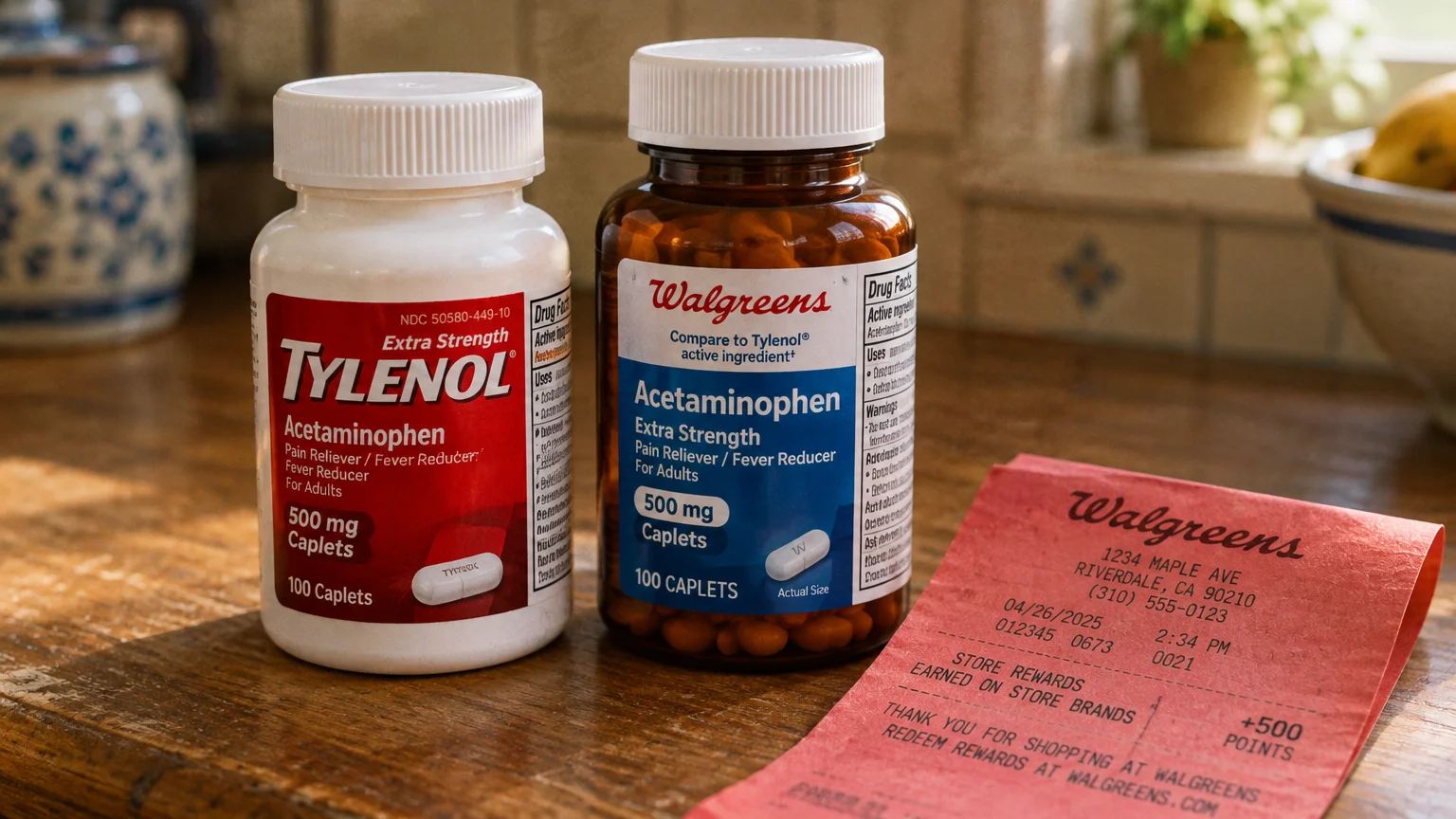
You earn 1% Walgreens Cash rewards storewide on eligible purchases across the entire retail inventory. However, buying Walgreens-branded merchandise accelerates your earnings dramatically.
You earn an impressive 5% back in Walgreens Cash whenever you purchase Walgreens-branded products. These items include over-the-counter pain relievers, allergy tablets, digestive aids, bandages, and basic personal hygiene supplies.
Store-brand health items contain the exact same active pharmaceutical ingredients as costly national brand names. Swapping brand names for store brands delivers immediate shelf-price savings while boosting your reward balance.
Research from the National Institute on Aging underscores that keeping daily health products affordable directly improves long-term medication adherence and well-being. Opting for reliable generic formulations protects your personal health and preserves your monthly budget.
Keep redemption limits in mind when you prepare to spend your accumulated rewards balance. Walgreens allows you to redeem rewards in preset increments at the register.
You can redeem up to $50 in Walgreens Cash in a single shopping transaction. Furthermore, the retail chain caps total daily redemptions at $100 per loyalty account.
Inform the sales associate before they finalize your purchase that you wish to spend your rewards. The checkout terminal will prompt you to confirm the dollar deduction directly on the electronic payment keypad.
Trick 3: Tap into the Walgreens Rx Savings Finder
Many older adults remember paying for the traditional Walgreens Prescription Savings Club membership years ago. That paid membership program was permanently discontinued in 2024 following extensive regulatory updates.
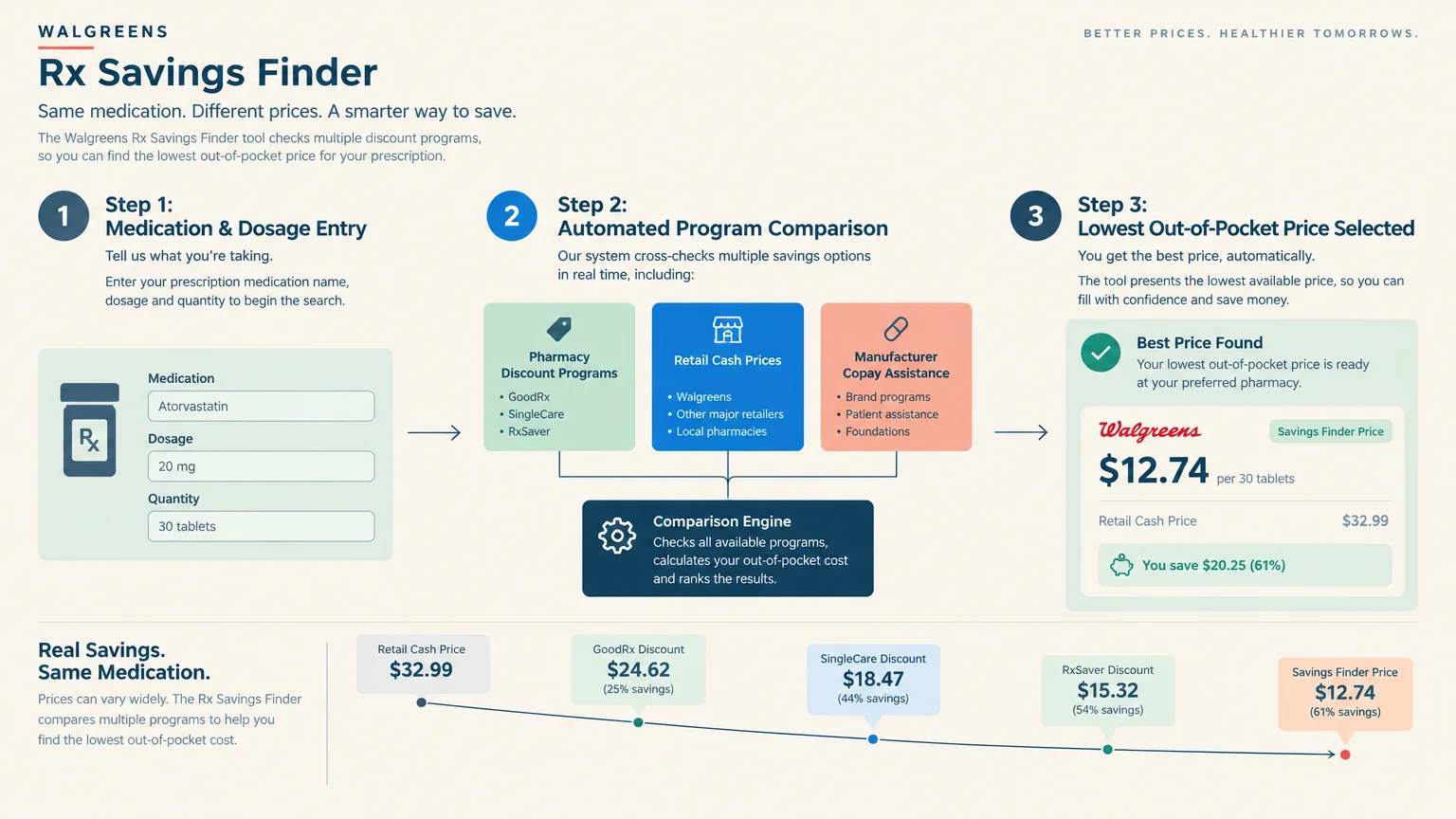
Do not attempt to renew or purchase that legacy paid prescription club. Walgreens now offers a completely free digital service called the Walgreens Rx Savings Finder.
Powered by modern digital pricing technology, this free tool searches third-party prescription discount programs across the country. It scans available coupon rates within seconds to find you the lowest retail cash price.
Cash-paying customers can save up to 80% off standard retail medication prices by using this digital resource. You do not need to pay any upfront subscription fees to access these lower drug prices.
This tool proves exceptionally helpful if your prescribed medication lacks coverage under your current insurance formulary. It also helps when a high-deductible phase makes your standard retail copay feel unmanageable.
Visit the official Walgreens website or ask your local pharmacy team to search the database on your behalf. The pharmacy staff can pull up your medication profile and apply the lowest available rate immediately.
Trick 4: Optimize Free CVS ExtraCare and Pharmacy Rewards
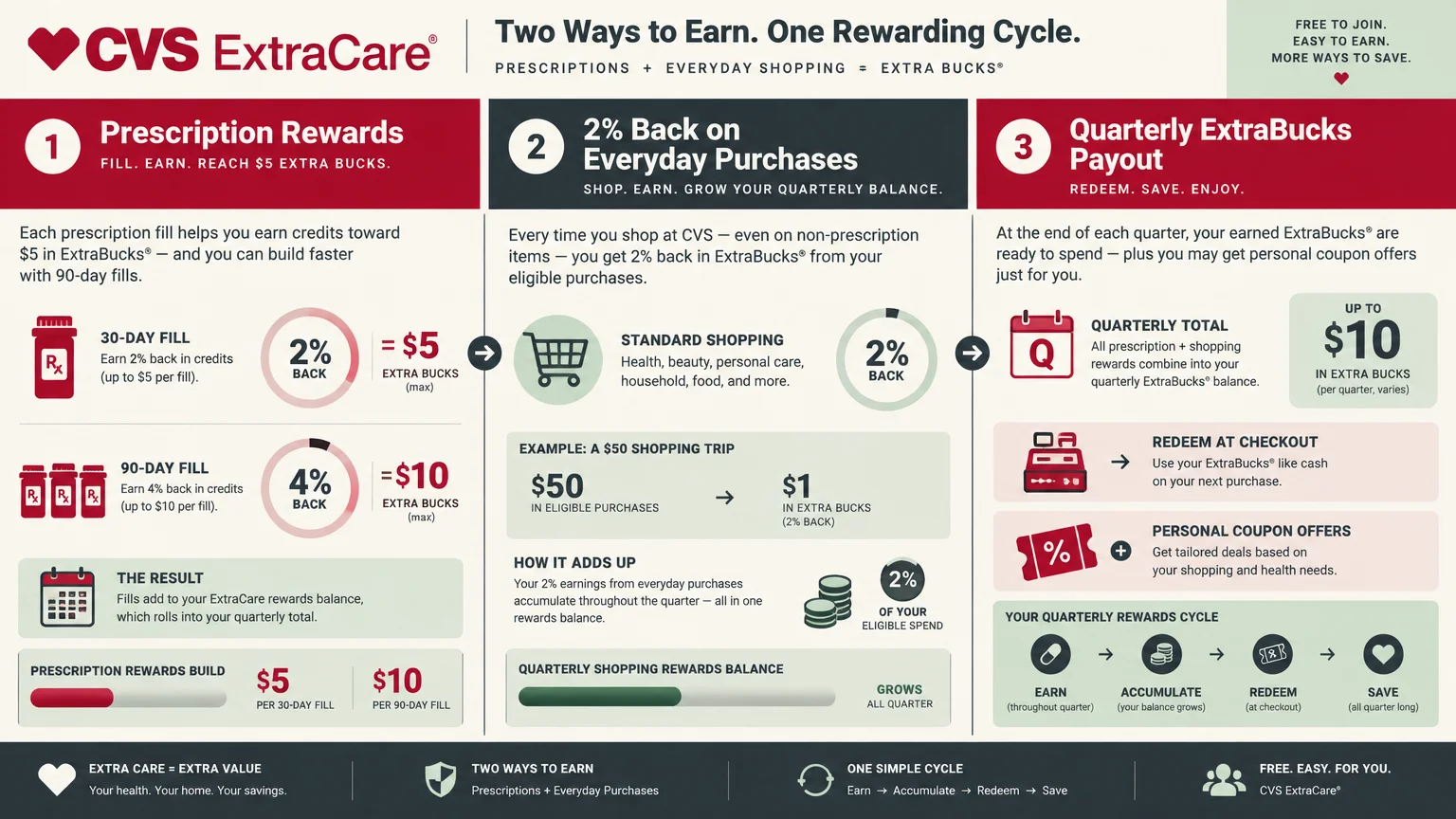
Unlike its primary retail competitor, CVS does not offer a designated, age-based weekly senior discount day. Older adults who shop at CVS must leverage the free ExtraCare loyalty program to generate meaningful savings.
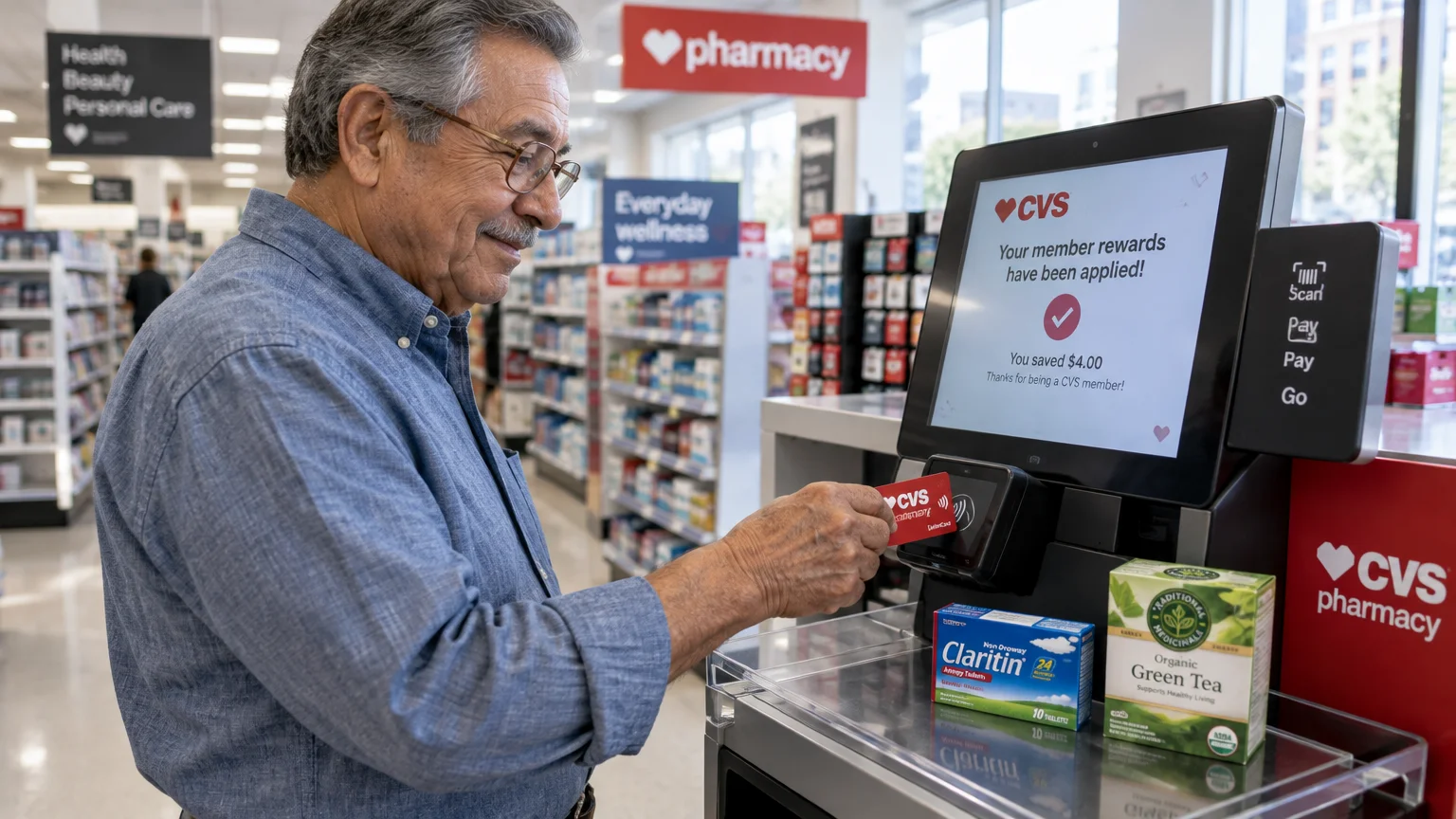
The standard ExtraCare program awards you 2% back in ExtraBucks Rewards on eligible out-of-pocket spending. CVS deposits these reward funds directly into your digital account immediately after each qualifying transaction.
You no longer have to wait for quarterly printouts to spend your accumulated cash rewards. You can earn up to $5 in ExtraBucks per individual transaction and up to $25 per day.
CVS also celebrates your special day by depositing a $3 birthday reward into your account each year. You can spend this birthday credit on nearly any regular-priced convenience or wellness item in the store.
Make sure you manually opt into the ExtraCare Pharmacy & Health Rewards sub-program inside your online profile. This free add-on feature transforms routine prescription pickups into store spending credits.
You earn $2 in ExtraBucks Rewards for every four prescriptions you fill at a CVS pharmacy counter. You can earn up to $50 in ExtraBucks per calendar year through this single pharmacy feature.
The program also rewards you for prioritizing your seasonal preventative healthcare. Receiving your annual flu shot, COVID-19 booster, or shingles vaccination at the CVS pharmacy counter earns extra credit toward that reward threshold.
Link every family member’s medication profile to your master ExtraCare barcode to accelerate your progress. Routine maintenance medications for two people can quickly max out that $50 annual credit.
Trick 5: Unlock CVS ExtraCare Plus and Free Aetna Perks
Frequent CVS shoppers can consider upgrading to the premium ExtraCare Plus program, formerly called CarePass. This optional membership tier costs $5 per month or $48 if you choose an annual subscription.
The program pays for itself immediately through its primary financial perk. CVS deposits a $10 promotional bonus reward into your ExtraCare account every single month.
That monthly voucher totals $120 in spending credits each year, easily surpassing the $48 annual membership cost. You must spend the monthly $10 reward within that specific calendar cycle, as unused credits expire.
ExtraCare Plus members also receive an automatic 20% discount on all CVS Health-branded merchandise. This discount applies automatically at checkout without needing separate paper coupons or digital clips.
The premium program includes free prescription delivery directly from your local pharmacy counter to your front porch. This service eliminates stressful driving trips in bad weather or heavy urban traffic.
You also receive free same-day retail delivery or free shipping on retail orders totaling $10 or more. Furthermore, members enjoy continuous 24/7 access to a dedicated Pharmacist Helpline for urgent medication questions.
Check your health insurance card before paying for this service out of your own pocket. CVS Health owns Aetna, creating valuable financial synergies for policyholders.
Many Aetna Medicare Advantage and individual health plans include an ExtraCare Plus membership at no extra charge. Eligible members receive the entire premium benefit suite without paying the standard monthly fee.
Log into your personal Aetna member portal or mobile app to verify whether your policy includes this perk. Activating it takes just two minutes and unlocks instant monthly savings.
Trick 6: Leverage New Medicare Part D Caps and Installment Plans
Recent federal legislative reforms have fundamentally transformed how older adults pay for life-saving prescription drugs. Knowing these updated regulations helps you manage large out-of-pocket pharmacy expenses far more effectively.
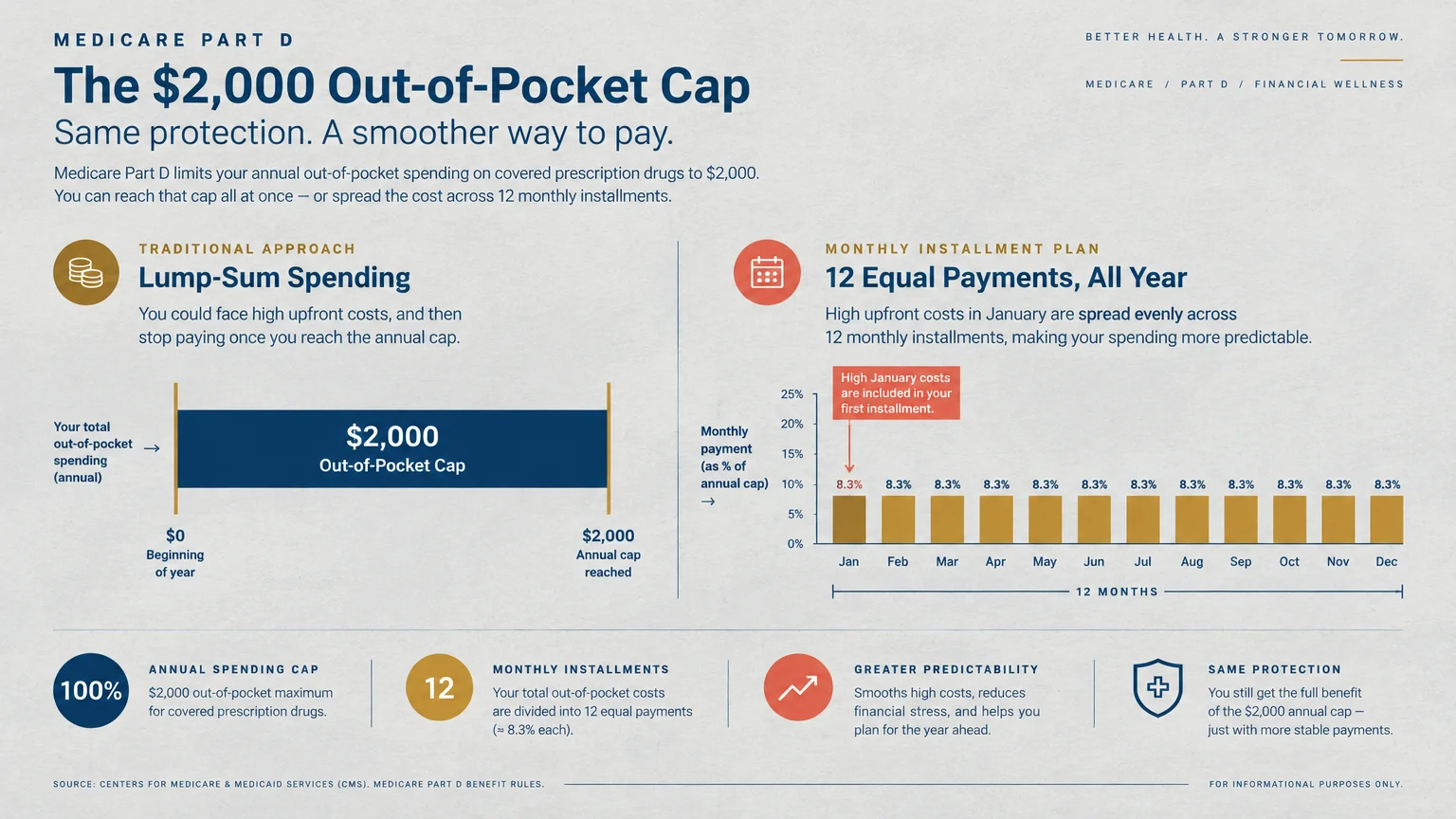
According to Medicare.gov, the annual out-of-pocket spending cap for covered Part D prescription drugs is $2,100. Once your eligible spending hits this legal threshold, covered prescriptions cost you $0 for the rest of the year.
The maximum standard annual Part D deductible is $615. You must pay this deductible amount upfront before standard insurance cost-sharing percentages kick into effect.
Lifesaving diabetes medications enjoy special federal protections regardless of your general deductible status. As noted by the Centers for Medicare & Medicaid Services, covered insulin copays are strictly capped at $35 per month with no deductible required.
Managing high medication expenses early in the calendar year can strain a modest fixed retirement income. Both Walgreens and CVS participate in the federal Medicare Prescription Payment Plan, commonly known as M3P.
This program allows Part D enrollees to spread large out-of-pocket prescription expenses across manageable, interest-free monthly installments. Instead of paying a massive $500 copay at the counter in January, you spread that obligation across the entire year.
Guidance from the Consumer Financial Protection Bureau emphasizes comparing healthcare payment options to protect your retirement savings from unexpected collection actions. Spreading your drug copays over predictable monthly intervals prevents disruptive budget emergencies.
Ask your pharmacy manager or call your Medicare Part D plan sponsor directly to enroll in M3P. Enrollment is completely free and shields you from sudden financial shocks at the prescription checkout window.
Trick 7: Know When to Bypass Insurance with Cash Discount Cards
Commercial prescription discount cards and tools like the Walgreens Rx Savings Finder can lower retail prices substantially. However, using these discount cards alongside federal health coverage requires smart financial navigation.
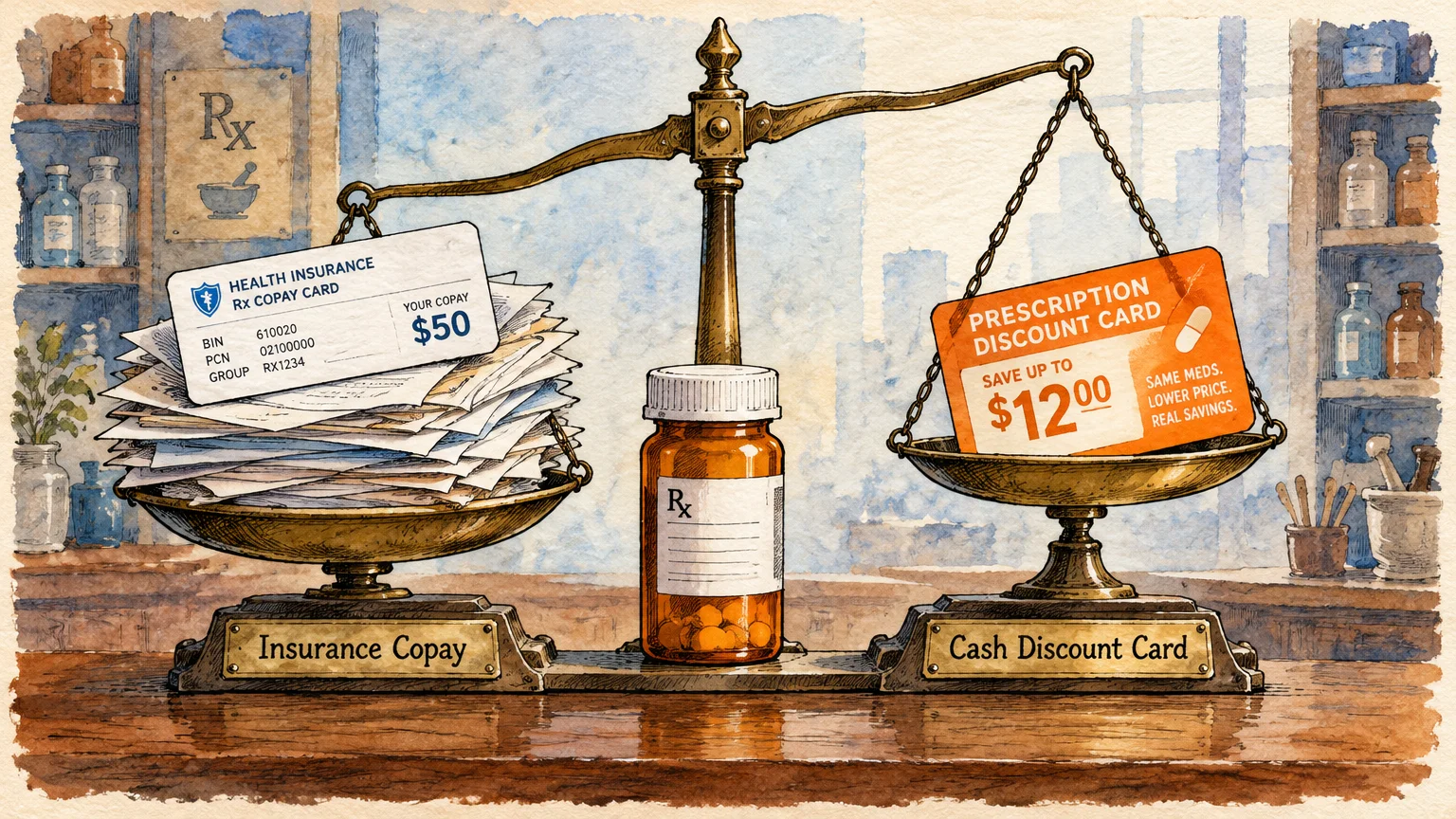
Federal regulations strictly prohibit combining commercial discount coupons with Medicare Part D coverage on the same transaction. You must choose between running the medication through your insurance plan or paying pure cash with a coupon card.
In many instances, the cash discount price for generic maintenance drugs proves cheaper than your required insurance copay. Paying $8 through a discount program beats paying a $25 plan copay for the identical pill bottle.
However, paying cash carries a hidden long-term disadvantage that you must calculate carefully. Any dollar spent using an independent cash discount card does not count toward your annual Medicare Part D deductible.
Cash purchases also fail to accumulate toward your $2,100 annual out-of-pocket Medicare spending limit. Bypassing your insurance delays the date when your plan covers all your medications at 100%.
Use cash discount cards strategically if you take only one or two inexpensive generic pills each year. In that scenario, you would never spend enough to reach the $2,100 out-of-pocket threshold anyway.
If you take costly brand-name medications, run every single prescription through your Medicare Part D plan. Hitting that out-of-pocket cap as early in the year as possible unlocks free covered medications for the remainder of the year.
Trick 8: Exhaust Your Medicare Advantage OTC Allowances
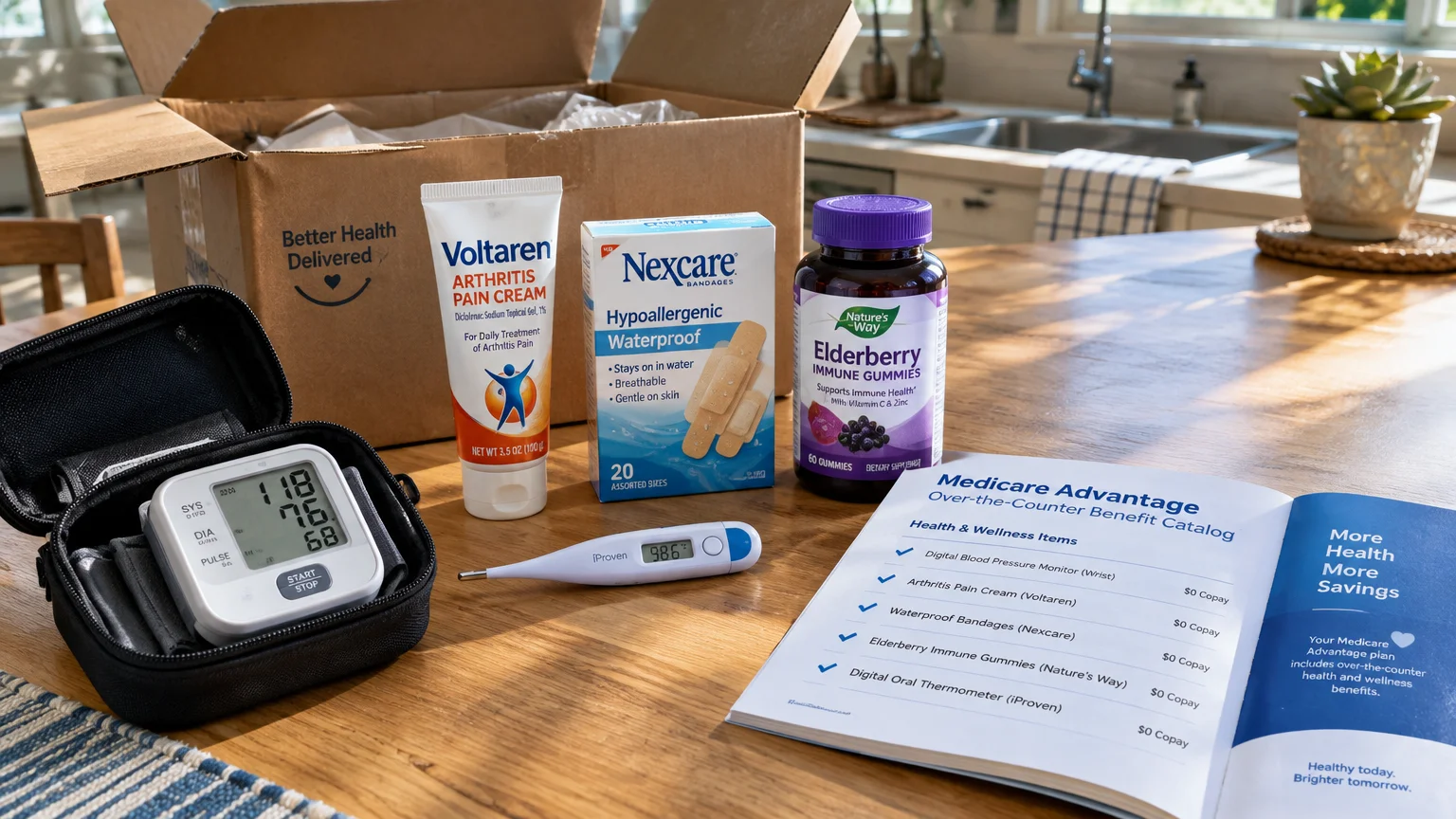
Millions of older adults leave free healthcare money on the table each year by neglecting their supplemental insurance benefits. Many Medicare Advantage plans provide dedicated Over-the-Counter (OTC) benefit allowances to help members afford daily wellness items.
These prepaid health allowances typically range from $300 to $3,060 per year, depending on your carrier and location. Benefit funds are generally disbursed on a monthly or quarterly schedule using a dedicated physical debit card.
Both Walgreens and CVS accept these supplemental insurance payment cards at retail registers and online checkout portals. Blue shelf labels and digital icons highlight which retail products qualify for OTC spending.
You can purchase hundreds of daily essentials without spending a penny of your personal retirement cash. Eligible categories include incontinence products, hearing aid batteries, pain relief gels, diagnostic testing supplies, dental cleaners, and eye drops.
Check the expiration rules governing your specific Medicare Advantage card to avoid losing your funds. Most plan allowances operate under a strict “use it or lose it” quarterly policy that does not roll over.
If you have unspent allowance funds toward the end of a calendar quarter, stock your medicine cabinet with shelf-stable goods. Purchasing extra first-aid kits, heating pads, and blood pressure monitors ensures no allowance money goes to waste.
Walgreens makes spending your supplemental allowance even simpler for homebound seniors or those with limited transportation. They provide free 1-hour delivery on eligible OTC benefit orders totaling $35 or more.
Trick 9: Stack Digital Coupons and Store Loyalty Offers
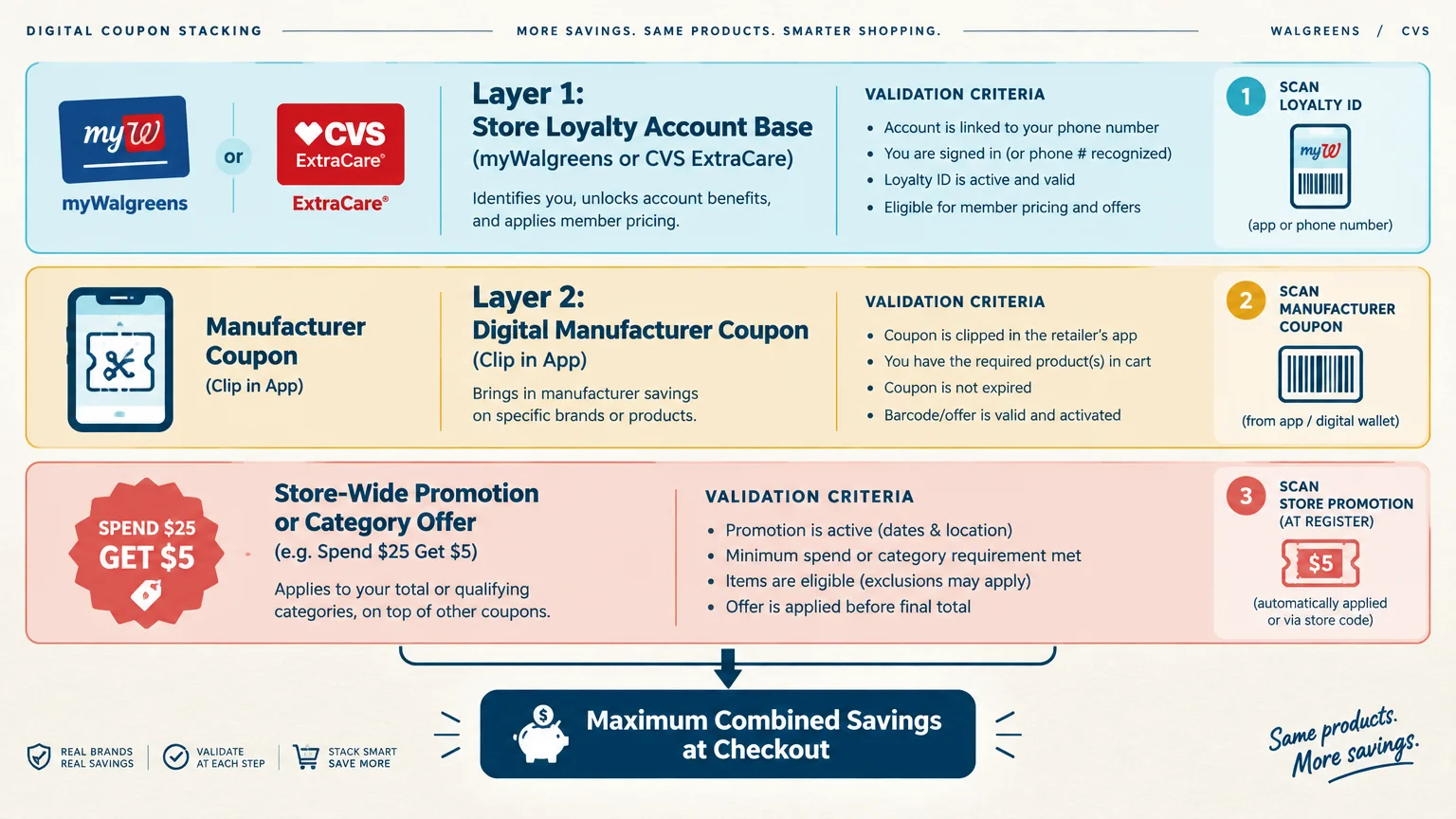
Coupon stacking represents the fastest way to minimize your out-of-pocket costs on drugstore household goods. Stacking involves pairing store loyalty incentives with manufacturer discounts on the exact same product.
Download the free smartphone application for both Walgreens and CVS onto your mobile device. These apps allow you to clip digital manufacturer coupons directly to your customer account with a single screen tap.
When shopping at CVS, scan your physical card or mobile app at the red in-store ExtraCare Coupon Center kiosk. The red machine regularly prints customized paper vouchers, including $4 off a $20 health purchase or $3 off vitamins.
You can combine that CVS store coupon with a digital manufacturer coupon clipped inside your mobile app. Finally, pay with your accumulated ExtraBucks to walk away paying virtually nothing out of your checking account.
Walgreens enables similar compounding savings through its digital “clip-to-card” coupons and promotional spend boosters. You might find a digital booster offering $5 in Walgreens Cash when you spend $20 on dental care.
Pair that reward booster with a Walgreens Seniors Day 20% discount on the first Tuesday of the month. You will collect valuable reward cash while securing substantial initial discounts at the register.
Always inspect the clearance end-caps situated along the perimeter walls of both retail chains. Digital coupons frequently apply to items already discounted by 50% or 75%, resulting in exceptional bargains.
Walgreens vs. CVS Senior Savings Comparison
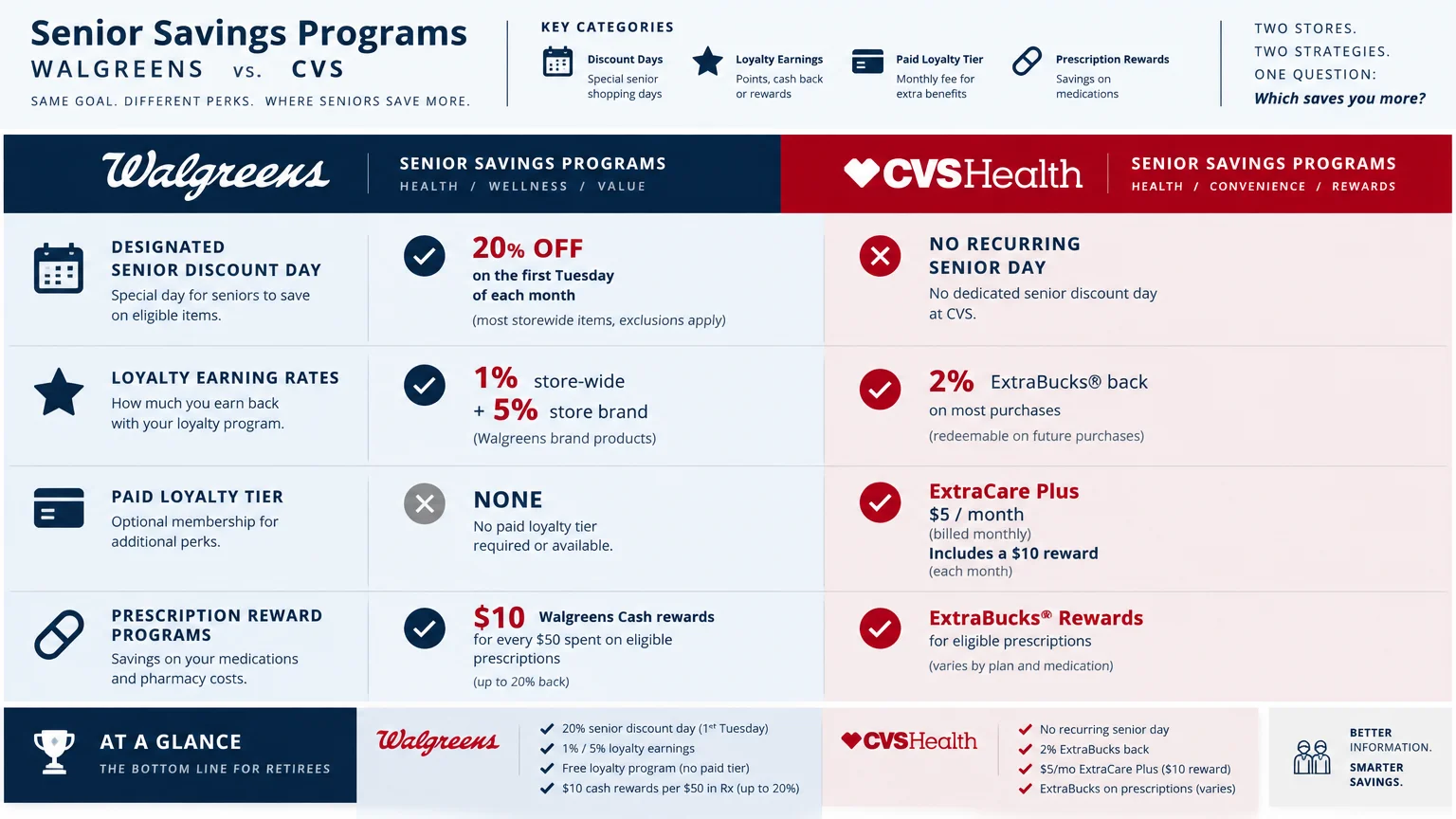
Comparing loyalty perks and pharmacy rules side-by-side helps you decide where to direct your weekly spending. The table below details key program differences between Walgreens and CVS.
| Feature or Benefit | Walgreens Policies | CVS Pharmacy Policies |
|---|---|---|
| Age-Based Senior Day | First Tuesday monthly (20% off regular items; age 55+ or AARP). | None. Savings depend strictly on ExtraCare programs. |
| Base Loyalty Earnings | 1% back storewide; 5% back on Walgreens brand items. | 2% back instantly in ExtraBucks on eligible out-of-pocket spend. |
| Prescription Perks | Free Rx Savings Finder searches discounts (up to 80% off). | Earn $2 in ExtraBucks per 4 fills (up to $50 annually). |
| Premium Member Option | None. Legacy Prescription Savings Club discontinued in 2024. | ExtraCare Plus ($5/mo or $48/yr) gives $10 monthly bonus. |
| Medicare Alignment | Accepts M3P installment plans; Part D out-of-pocket cap applies. | Accepts M3P installment plans; Part D out-of-pocket cap applies. |
| Medicare Advantage OTC | Accepts OTC cards; free 1-hr delivery on orders $35+. | Accepts OTC cards in-store and online for approved goods. |
| Special Insurance Tie-Ins | AARP member discount validation on Seniors Day. | Many Aetna plan members receive ExtraCare Plus for $0. |
Review this comparison when deciding where to fill ongoing maintenance prescriptions versus where to buy household goods. Splitting your routine purchases across both stores can help you extract the maximum financial benefit.

Common Retail Pharmacy Traps to Avoid
Retail pharmacies design their loyalty programs and store layouts to encourage impulsive, high-margin spending. Staying alert to several common pitfalls ensures your hard-earned retirement dollars stay protected.
Watch out for short expiration windows on accumulated store rewards. CVS ExtraBucks and promotional coupons often expire within 30 to 90 days if left unspent.
Walgreens Cash rewards also expire if your account sits dormant without qualifying activity. Check the expiration dates listed at the bottom of your receipts or inside your mobile app weekly.
Never assume your pharmacy automatically tracks your rewards without your active participation. You must manually enroll in CVS ExtraCare Pharmacy & Health Rewards online before prescription counts begin accumulating.
Beware of purchasing convenience grocery items, such as milk, bread, or canned soup, at retail drugstores. These convenience foods carry significant markups compared to conventional local supermarket prices.
Do not let third-party discount cards distract you from your broader Medicare Part D strategy. Paying cash to save $5 today could cost you hundreds if it delays reaching your annual out-of-pocket spending cap.
Finally, always review the register receipt before leaving the parking lot. Register scanners occasionally miss digital coupon clips, requiring a swift correction by customer service.
Frequently Asked Questions
Does CVS offer a weekly or monthly senior discount day?
No, CVS does not host a dedicated age-based senior discount day. Older shoppers must use the free ExtraCare program, digital coupon stacking, or the ExtraCare Plus subscription to lower their purchase totals.
What happened to the Walgreens Prescription Savings Club?
Walgreens permanently discontinued the paid Prescription Savings Club in 2024. It has been replaced by the free Walgreens Rx Savings Finder, which checks third-party cash discount programs at no charge.
Can I combine GoodRx or discount cards with my Medicare Part D coverage?
No, federal law prohibits combining commercial prescription discount cards with Medicare Part D on the same transaction. You must decide whether to bill your insurance or pay the cash discount rate out of pocket.
How does the Medicare Prescription Payment Plan help on fixed incomes?
The Medicare Prescription Payment Plan spreads your annual out-of-pocket prescription expenses into capped, interest-free monthly installments. This prevents seniors from facing massive copays during the early months of the plan year.
Do unspent Medicare Advantage OTC card balances carry over into the next quarter?
Most Medicare Advantage OTC allowances operate on a strict “use it or lose it” schedule that expires at the end of each quarter. Check your plan’s specific evidence of coverage to avoid forfeiting your wellness funds.
For additional senior resources, visit
AARP, Alzheimer’s Association, American Heart Association and Benefits.gov.
Disclaimer: The information in this article is for educational purposes only and is not intended to be a substitute for professional financial, legal, or medical advice. Always consult with a qualified expert for advice tailored to your personal situation.