
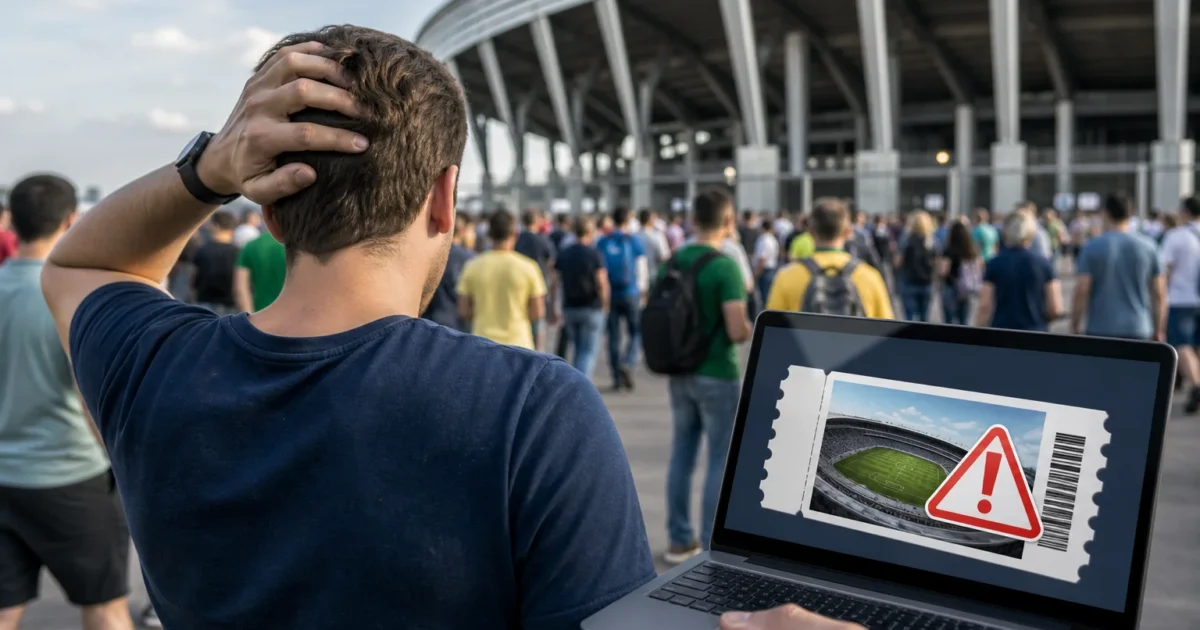
The 2026 FIFA World Cup is coming to North America, bringing immense excitement and a surge of sophisticated ticket scams. The FBI recently issued a nationwide warning about cybercriminals spoofing official ticketing websites to steal your personal information and hard-earned money. If you are hoping to purchase seats for yourself or gift them to your grandchildren, knowing how to spot these fraudulent schemes is essential. Criminals are exploiting high ticket prices and the fear of missing out by creating fake domains that look exactly like the real ones. By understanding their tactics, you can protect your savings and enjoy the historic tournament without falling victim to fraud.
Understanding the FBI’s Ticket Scam Alert
The upcoming 2026 World Cup is unprecedented in its scale, taking place across the United States, Canada, and Mexico. Millions of fans are competing for a limited number of seats, creating a highly competitive and expensive market. The FBI’s Internet Crime Complaint Center (IC3) issued a specific public service announcement warning fans that cyber threat actors are actively spoofing the official FIFA website.
Spoofing is a technique where criminals build a website that is a pixel-perfect replica of a legitimate brand. These fake sites feature the exact same colors, logos, fonts, and checkout pages as the real FIFA portal. To direct you to these fraudulent sites, scammers rely on a tactic called typo-squatting. They register web addresses that look almost identical to the official address but contain a minor misspelling, an extra word, or a different ending—such as .org or .net instead of .com.
Because the design looks professional and the web address appears reasonably accurate at first glance, many buyers feel comfortable proceeding with a purchase. Unfortunately, submitting a payment on one of these sites sends your money directly to a criminal syndicate, leaving you empty-handed and exposing your financial details to further abuse.
How Scammers Harvest Your Personal Information
While stealing your money through a fake ticket sale is the primary goal, cybercriminals have a lucrative secondary objective: data harvesting. The FBI warns that these spoofed websites are designed to collect your Personally Identifiable Information (PII) before you even reach the payment screen.
When you attempt to create an account or verify your identity on a fraudulent site, you are prompted to enter sensitive details. This often includes your full legal name, home address, phone number, email address, and occasionally even your driver’s license or passport number under the guise of security verification. Scammers collect this data to build a comprehensive profile of your identity.
Once they possess your PII, criminals can sell it on the dark web or use it to open new lines of credit in your name. They might also use your email address and phone number to target you with highly personalized phishing attacks in the future. Protecting your information requires treating your personal data with the same level of caution as your physical wallet.

Why Seniors Are Prime Targets for Sports Fraud
Scammers cast a wide net, but older adults frequently find themselves in the crosshairs of specialized ticket fraud. Many seniors view major sporting events as the perfect opportunity to create lasting memories with their families. You might be planning to purchase World Cup tickets as a high-value milestone gift for a child or grandchild. Scammers know that buyers looking for family gifts are highly motivated and willing to spend significant amounts of money.
Furthermore, the soaring cost of official tickets naturally pushes buyers to search for better deals. When you are managing your life on a fixed retirement income, a website offering a steep discount feels like a stroke of luck. Scammers exploit this desire for financial prudence by advertising seats that are priced just low enough to be appealing, but high enough to seem legitimate.
There is also a technological barrier at play. The ticketing industry has shifted entirely to digital platforms over the last decade. Navigating digital queues, mobile-only ticket transfers, and dynamic pricing models can be overwhelming if you are accustomed to buying paper tickets at a box office. Criminals take advantage of this unfamiliarity by offering seemingly simple, straightforward transaction methods that bypass the confusing official channels.
The Psychological Tactics Scammers Use
Cybercriminals are masters of emotional manipulation. They design their scams to bypass your logical reasoning by triggering an immediate emotional response. In the context of the World Cup, the primary emotion they weaponize is the fear of missing out, commonly known as FOMO.
Fraudulent websites and social media sellers frequently use high-pressure sales tactics. They might display a fake countdown timer indicating that you only have five minutes to complete your purchase, or they may show a deceptive pop-up claiming that dozens of other people are currently looking at the exact same seats. These elements are entirely fabricated, but they create a profound sense of artificial urgency.
The stress of potentially losing the tickets causes panic, which clouds your judgment. According to the National Institute of Mental Health (NIMH), heightened stress and anxiety can impair cognitive flexibility and decision-making. Scammers rely on this biological response. By forcing you to make a split-second decision, they ensure you do not have the time to inspect the website address, read the fine print, or consult a family member.
Recognizing the Red Flags of Fake World Cup Tickets
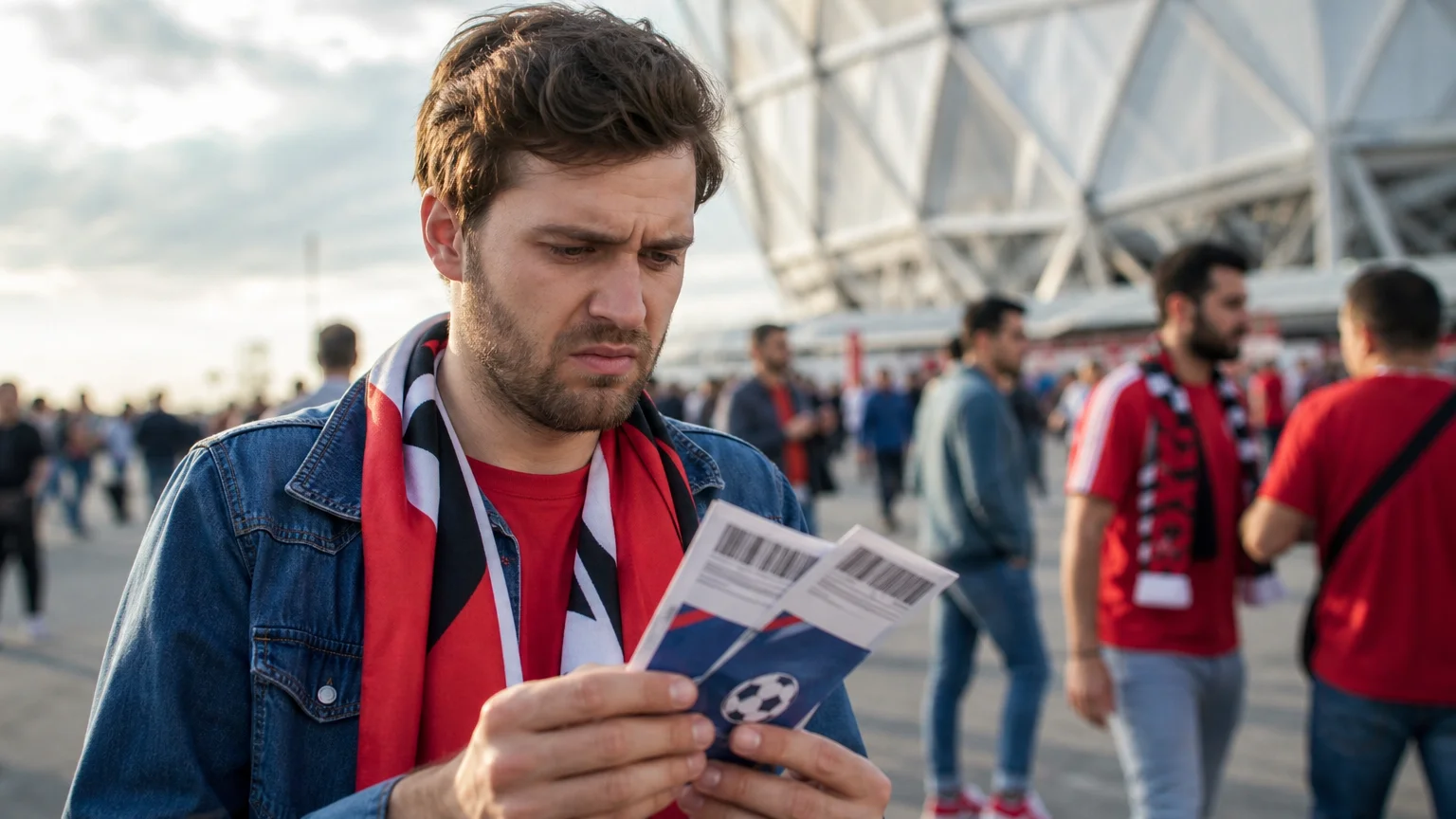
Protecting yourself begins with learning how to identify the subtle warning signs of a scam. While the websites themselves might look authentic, the underlying mechanics of a fraudulent transaction always reveal the criminal intent. Always pause your purchase if you notice any of the following red flags:
- Unconventional Payment Requests: Legitimate ticketing platforms will always process payments through a secure, encrypted credit card portal. If a seller asks you to pay using a peer-to-peer app like Zelle, Venmo, CashApp, a wire transfer, or cryptocurrency, it is a scam. These payment methods offer zero buyer protection and act just like handing over cash.
- Slightly Misspelled Web Addresses: Look closely at the URL bar at the top of your browser. Scammers use typo-squatting domains like fifaworldcup26.sale, fiffa.com, or fifa-tickets-online.org. The only safe and official portal will be hosted directly on the primary, correctly spelled domain.
- Prices That Defy Logic: The World Cup is a premium global event. Due to high demand and dynamic pricing, official tickets often run into the thousands of dollars. If you find a website or social media post offering front-row seats for a fraction of the market value, you are looking at a counterfeit offer.
- Promises of Paper Tickets: The 2026 World Cup, like almost all modern stadium events, relies exclusively on digital ticketing accessed through a secure smartphone application. Anyone offering to mail you physical, printed tickets is attempting to defraud you.
- Direct Solicitation: Official ticketing agencies do not reach out to fans individually via direct messages on Facebook, WhatsApp, or Instagram to offer exclusive deals. If a stranger messages you with a “special offer” because their friend can no longer attend the game, block the user immediately.
Official vs. Fraudulent Ticket Sources: A Comparison
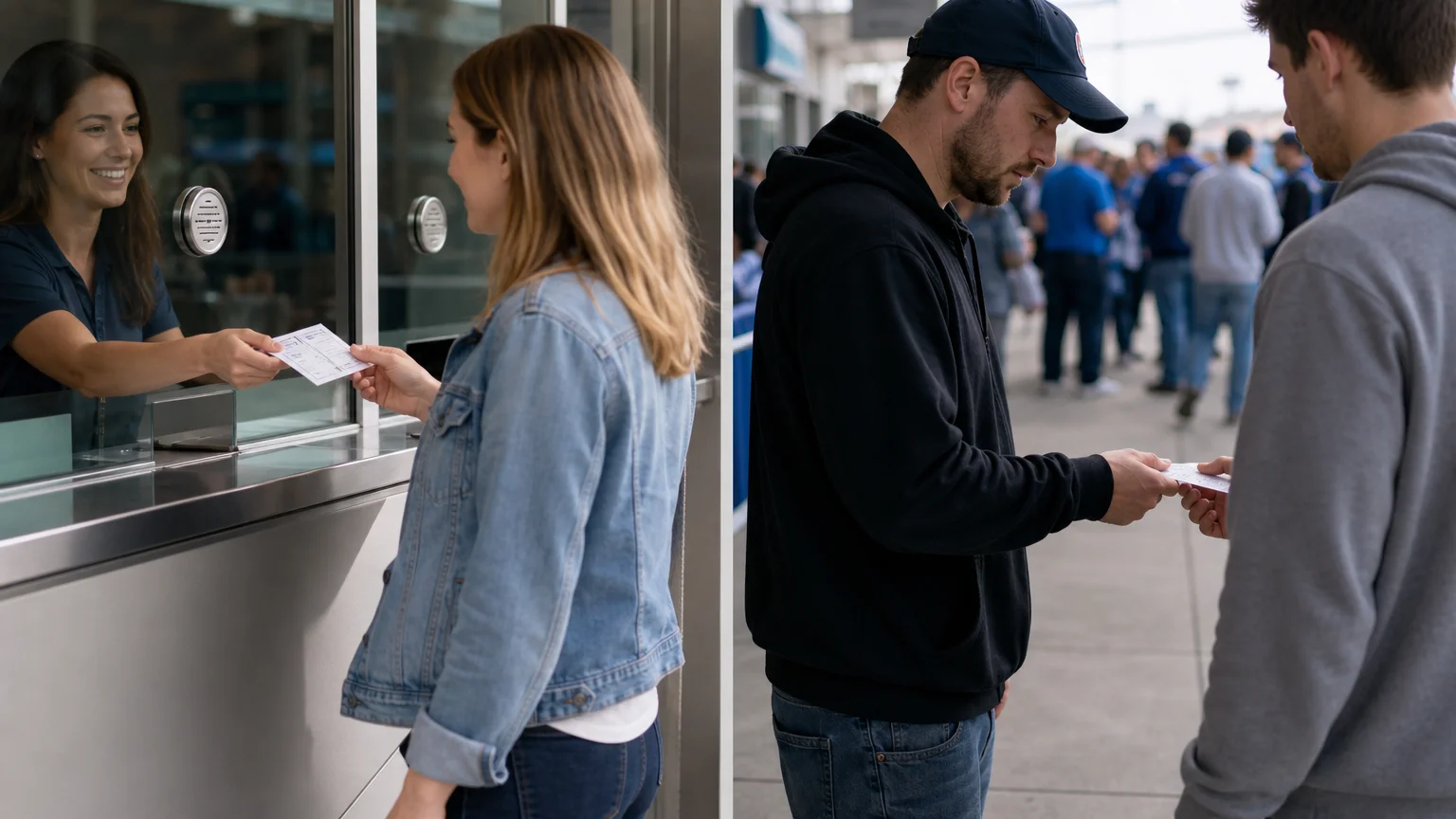
To help you quickly differentiate between a legitimate purchasing environment and a scam, review the comparison table below. Keeping these distinct differences in mind will help anchor your expectations when shopping online.
| Feature | Official Ticketing Channels | Scam Websites & Sellers |
|---|---|---|
| Web Address | Exact, correct spelling (e.g., fifa.com) | Typos, extra words, or unusual endings (.site, .sale) |
| Payment Method | Major credit cards via secure checkout portal | Zelle, Venmo, Crypto, Wire Transfers, or Gift Cards |
| Sales Tactics | Standard digital waiting rooms; transparent pricing | Fake countdown timers; aggressive pressure to buy quickly |
| Ticket Delivery | Digital transfer to official mobile app only | Promises of mailed paper tickets or printable PDFs |
| Customer Contact | Automated confirmation emails from the official domain | Direct messages on social media or texts from unknown numbers |
Navigating the Complexities of Digital Ticketing
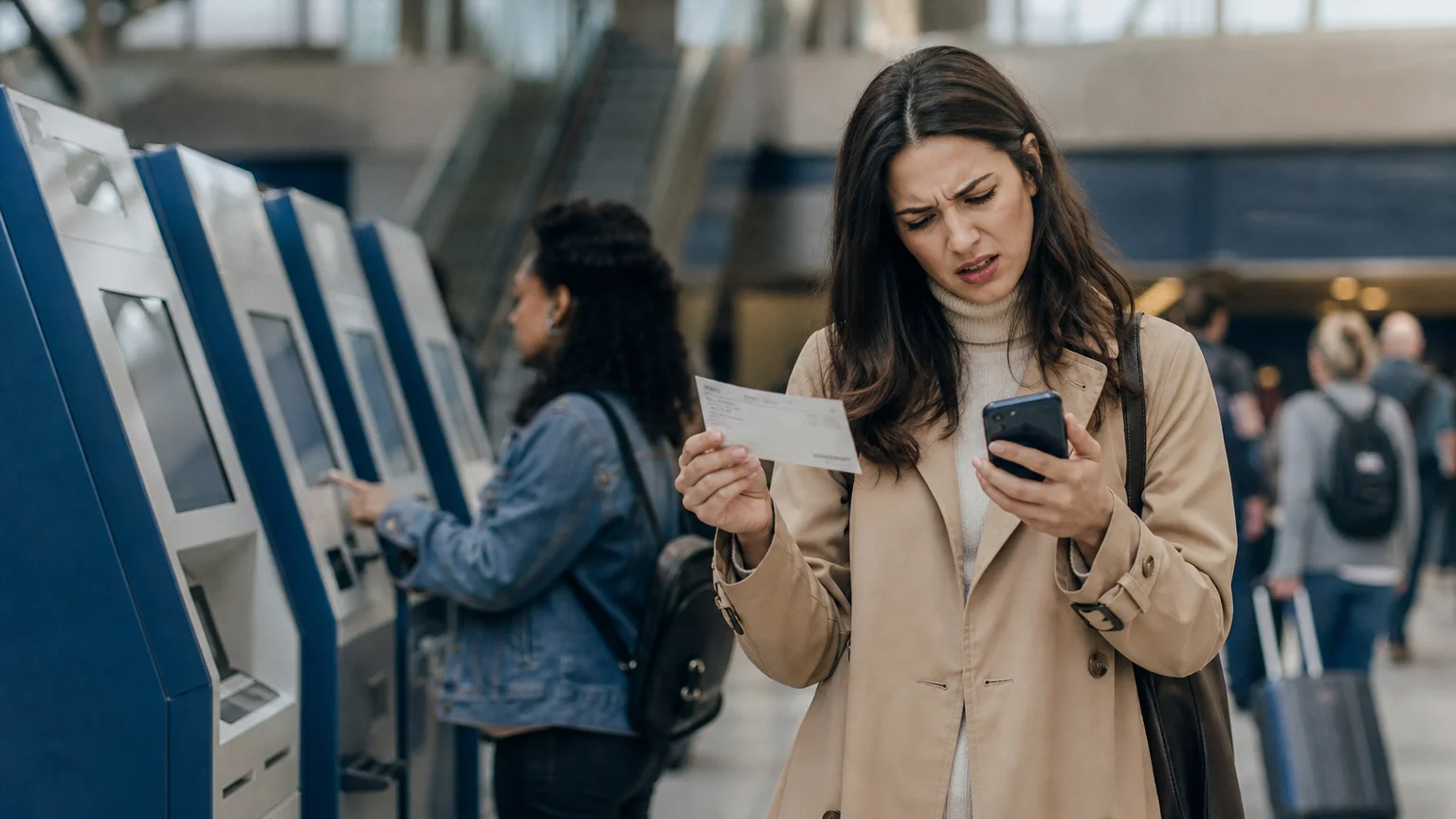
One of the biggest hurdles for seniors is simply understanding how modern ticketing works. The days of walking up to a stadium box office or printing a PDF ticket at home are largely over. Today, events like the World Cup utilize complex digital systems designed to prevent counterfeiting, but these same systems can be confusing to navigate.
When you attempt to buy legitimate tickets on the day they are released, you will likely be placed in a digital waiting room. This is a normal process where the website holds you in a queue to prevent the servers from crashing. Scammers, on the other hand, promise immediate access without the wait, exploiting your frustration with the official process.
Staying informed about these digital shifts is vital for your financial security. As noted by experts at AARP, criminals frequently exploit unfamiliarity with new technology, using confusing digital platforms and social media marketplaces to find and isolate their targets. Take the time to familiarize yourself with the official mobile application long before the tickets go on sale. If the process feels overwhelming, ask a tech-savvy family member or trusted friend to sit with you and help navigate the official portal. Never accept technical help from a stranger online.
Safe Purchasing Practices for Big Events
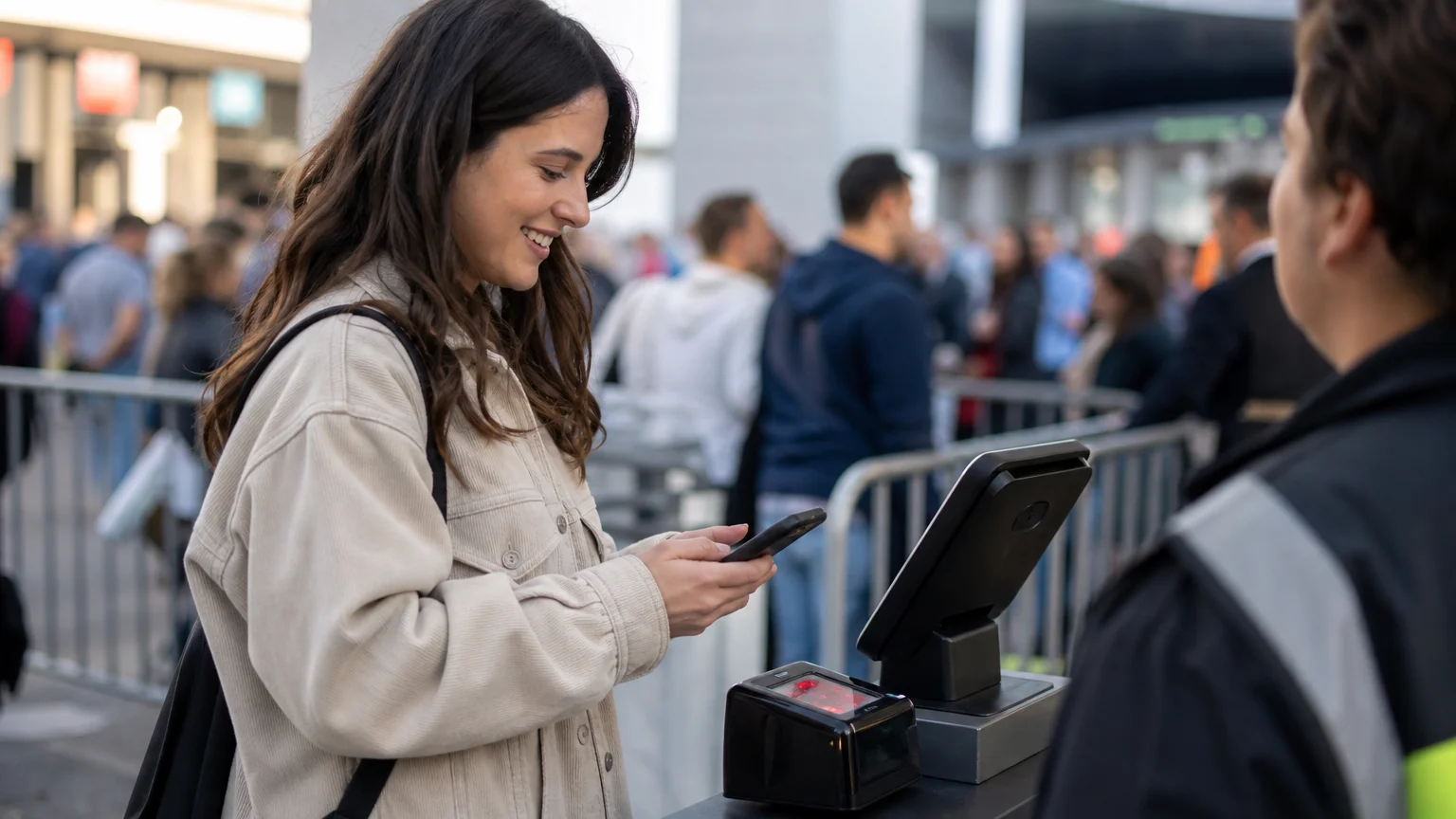
Adopting safe online browsing habits is your best defense against spoofed websites. The most effective step you can take is to bypass search engines altogether. Scammers frequently pay for sponsored advertisements on search engines, meaning their fake websites often appear at the very top of your search results, above the legitimate sites.
Instead of searching for “buy World Cup tickets,” manually type the official website address directly into your browser’s navigation bar. Additionally, ensure you are making your purchase from a secure, private internet connection. Avoid buying tickets while connected to public Wi-Fi at a coffee shop or library, as these networks can be intercepted by hackers.
When it comes time to pay, always use a credit card rather than a debit card or bank transfer. According to the Consumer Financial Protection Bureau (CFPB), federal law provides stronger consumer protections for credit card purchases, making it much easier to dispute fraudulent charges and recover your money if the tickets turn out to be fake. Debit cards pull cash directly from your checking account, and once that money is transferred to a scammer, it is exceptionally difficult to retrieve.
What to Do If You Spot or Fall Victim to a Scam
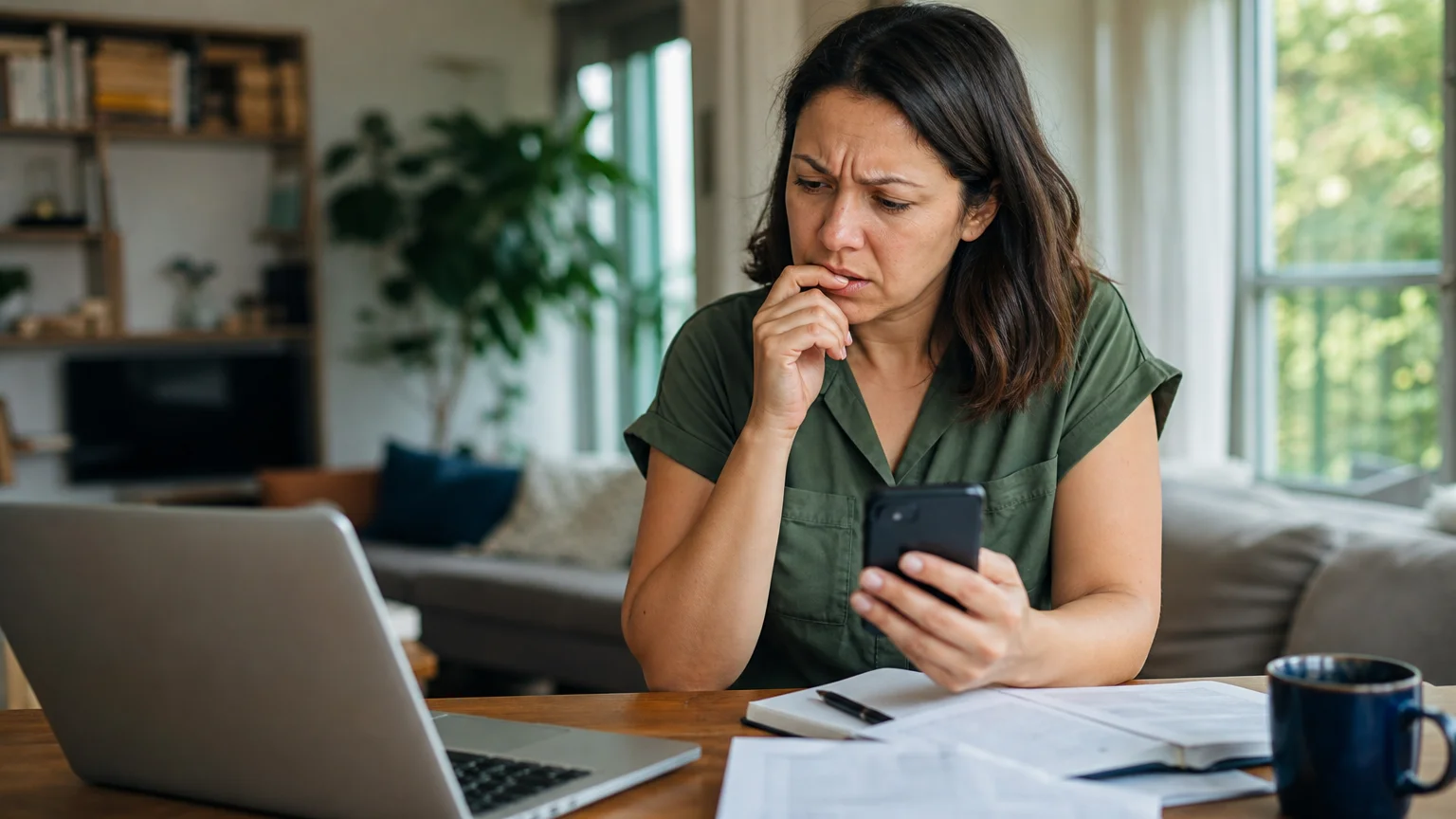
Realizing that you have been tricked is a stressful and upsetting experience, but acting quickly can significantly limit the damage. If you suspect you have purchased tickets from a spoofed website or sent money to a fraudulent seller, follow these steps immediately:
First, contact your credit card company or bank. Call the number on the back of your card, explain that you believe you have fallen victim to fraud, and ask them to freeze your account to prevent further unauthorized charges. You should then formally dispute the specific ticket charge.
Second, file a report with the FBI’s Internet Crime Complaint Center (IC3). Providing the FBI with the web address of the fake site and the details of the transaction helps law enforcement track down the cybercriminals and take the spoofed websites offline, protecting others from falling into the same trap.
Finally, monitor your identity. If you entered your personal information into a fake portal, keep a close eye on your credit reports for any new accounts opened in your name. If you or a loved one experiences severe financial exploitation, you do not have to handle the fallout alone. Resources from the Administration for Community Living (ACL) can connect older adults with local elder justice programs and legal assistance designed to help victims navigate the aftermath of complex financial fraud.
Frequently Asked Questions
Can I buy traditional paper tickets for the 2026 World Cup?
No. Almost all major sporting events, including the FIFA World Cup, have transitioned entirely to digital ticketing. Your tickets will be securely stored on your smartphone inside an official mobile application. Anyone offering to mail you a physical paper ticket or sell you a printed PDF is attempting to scam you.
I clicked a sponsored link on a search engine for cheap tickets. Is it safe?
You should be highly skeptical of sponsored search results offering cheap tickets. Scammers frequently purchase advertising space on search engines so their spoofed websites appear at the top of the page. It is always safer to manually type the official website address into your browser rather than relying on search results.
What should I do if a seller asks me to pay via Zelle or Venmo?
You should immediately cancel the transaction and cut off contact with the seller. Peer-to-peer payment applications like Zelle, Venmo, and CashApp are designed for sending money to friends and family, not for purchasing goods from strangers. These services do not offer buyer protection, and money sent this way is almost impossible to recover.
Why are legitimate tickets so expensive, and why do prices change?
Official ticketing platforms often use a system called dynamic pricing, which means the cost of a ticket fluctuates in real-time based on public demand. Because the World Cup is a massive global event, demand is incredibly high, driving prices upward. While the high costs are frustrating, significantly lower prices on third-party sites are a major red flag for fraud.
How can I verify that a ticketing website is the real one?
Check the website address carefully for typos, extra words, or unusual domain endings. Look for the padlock icon in the address bar, which indicates a secure connection. Most importantly, trust your instincts; if the site is employing high-pressure countdown timers or offering deals that seem too good to be true, close the browser immediately.
For additional senior resources, visit National Institutes of Health (NIH), Centers for Medicare & Medicaid Services (CMS) and Social Security Administration (SSA).
Disclaimer: The information in this article is for educational purposes only and is not intended to be a substitute for professional financial, legal, or medical advice. Always consult with a qualified expert for advice tailored to your personal situation.








Leave a Reply