

02 Unlock Essential Health Savings With Medicare Allowances
Healthcare costs consistently rank as the highest expense for older adults. Once you turn 65, Medicare provides substantial coverage, but standard premiums and out-of-pocket costs still strain fixed budgets.
Fortunately, numerous supplemental programs exist to absorb these financial blows.
Medicare Savings Programs (MSPs) help pay your Part A and Part B premiums, deductibles, coinsurance, and copayments if you meet certain income and resource limits. Furthermore, the Extra Help program specifically lowers the cost of prescription drugs under Medicare Part D.
Qualifying for Extra Help can save you thousands of dollars annually on vital medications.
Many seniors fail to apply for these programs because they assume their income is too high. However, income limits adjust annually, and certain deductions apply.
As noted by experts at Medicare.gov, you should actively review your eligibility for Extra Help and MSPs every year during the Open Enrollment period, as subtle shifts in your financial situation might suddenly qualify you for massive savings.
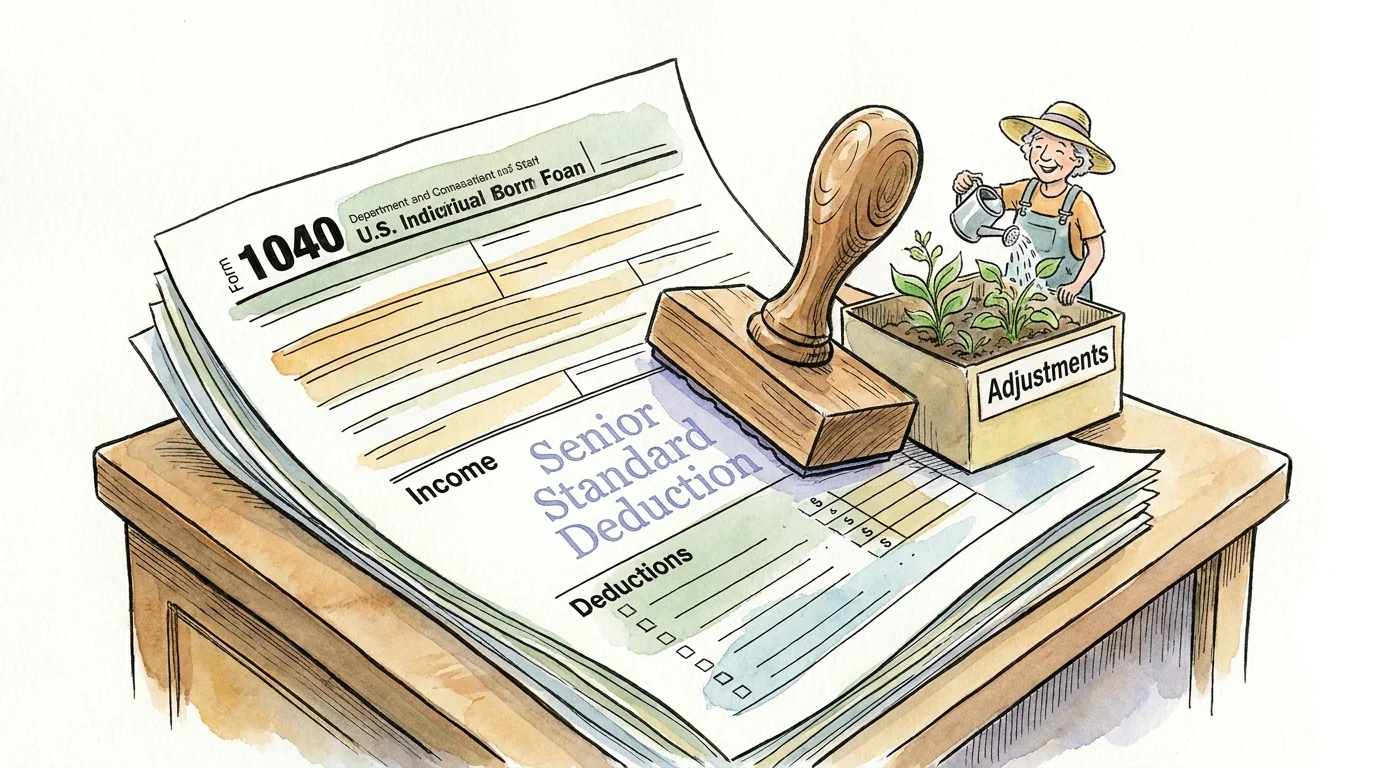
03 Reduce Tax Burdens With the Senior Standard Deduction
Filing taxes changes significantly as you age. The IRS offers a higher standard deduction for individuals who are 65 or older by the end of the tax year.
This simple benefit directly reduces your taxable income, leaving more money in your bank account.
If you use commercial tax preparation software, ensure you check the specific box confirming your age. Many people rush through their filings and rely on the software’s defaults, inadvertently claiming the standard deduction for younger adults.
If you are legally blind, the IRS provides an additional deduction amount, which you can stack on top of the age-based increase.
Beyond the federal level, investigate your state tax codes. Many states do not tax Social Security income, and several offer specific retirement income exclusions for pensions and 401(k) distributions.
Taking advantage of these provisions minimizes the amount of your retirement savings going back to the government.





my age is 65 property tax freezes for delaware