

January brings a fresh calendar, but it often delivers unwelcome financial surprises to older adults. Rising prices and shifting service fees can quietly erode your monthly retirement income.
You can safeguard your hard-earned savings by reviewing specific household accounts before the new year arrives. Spotting unexpected billing adjustments early keeps your money where it belongs.
Preparing now gives you control over your winter cash flow and eliminates stressful post-holiday shocks. Here are the six critical bills you should check immediately to protect your wallet.
In this guide10 sections
- Why January Brings Unpleasant Financial Surprises
- 1. Medicare Part B and Healthcare Coverage Costs
- 2. Medicare Part D Prescription Drug Expenses
- 3. Winter Heating and Home Utility Charges
- 4. Assisted Living and In-Home Care Fees
- 5. Post-Holiday Credit Card Balances
- 6. Property Taxes and Homeowners Insurance Premiums
- Common Traps and Scams Targeting Seniors in January
- Action Plan: How to Audit Your January Budget Right Now
- Frequently Asked Questions
Why January Brings Unpleasant Financial Surprises
The start of a new calendar year triggers contract renewals, tax adjustments, and utility rate changes. Service providers and healthcare networks routinely roll out their price increases on January 1.
Meanwhile, post-holiday expenses arrive just as winter weather increases your home energy usage. This timing creates a compounding financial squeeze for older adults living on fixed incomes.
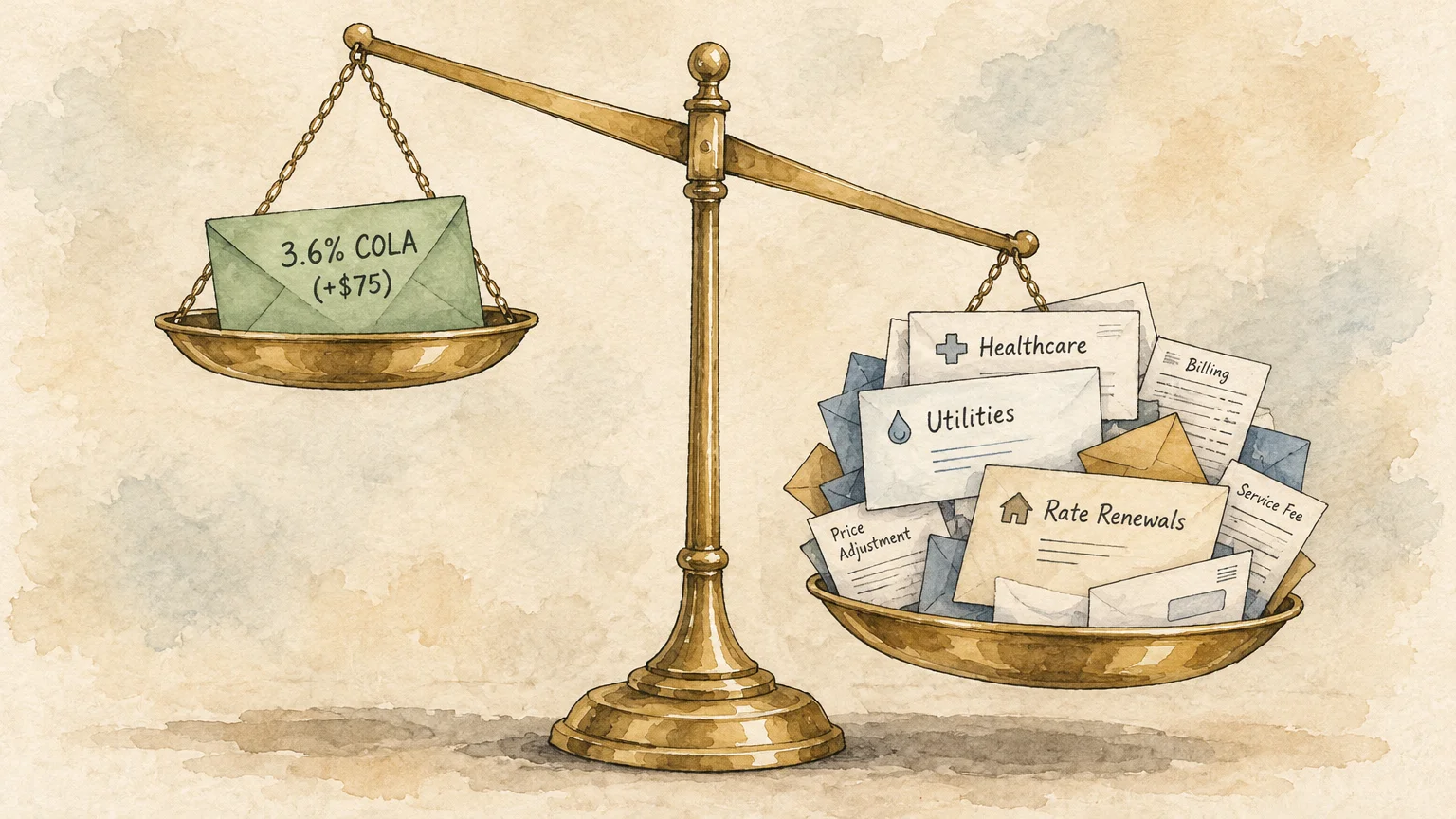
You might expect your annual cost-of-living adjustment to cover these rising household expenses. Unfortunately, net benefit increases often fall short of sudden price spikes.
According to the Social Security Administration (SSA), the 2027 Cost-of-Living Adjustment (COLA) is 3.6%. That raises the average monthly retirement benefit by roughly $75 starting in January 2027.
Supplemental Security Income recipients receive their increased 2027 payments slightly early on December 31, 2026. However, rising healthcare premiums and service fees quickly claim those extra dollars.
When multiple household expenses rise at the same time, your purchasing power drops quietly. Reviewing your monthly bills before January arrives prevents unexpected budget shortfalls.
Proactive planning gives you time to challenge questionable fees, adjust service tiers, or switch providers. Small adjustments made today will safeguard your financial independence throughout the coming year.
01 Medicare Part B and Healthcare Coverage Costs
Healthcare remains one of the largest ongoing expenses for retirees. Several major Medicare adjustments take effect in January that will directly influence your monthly healthcare spending.
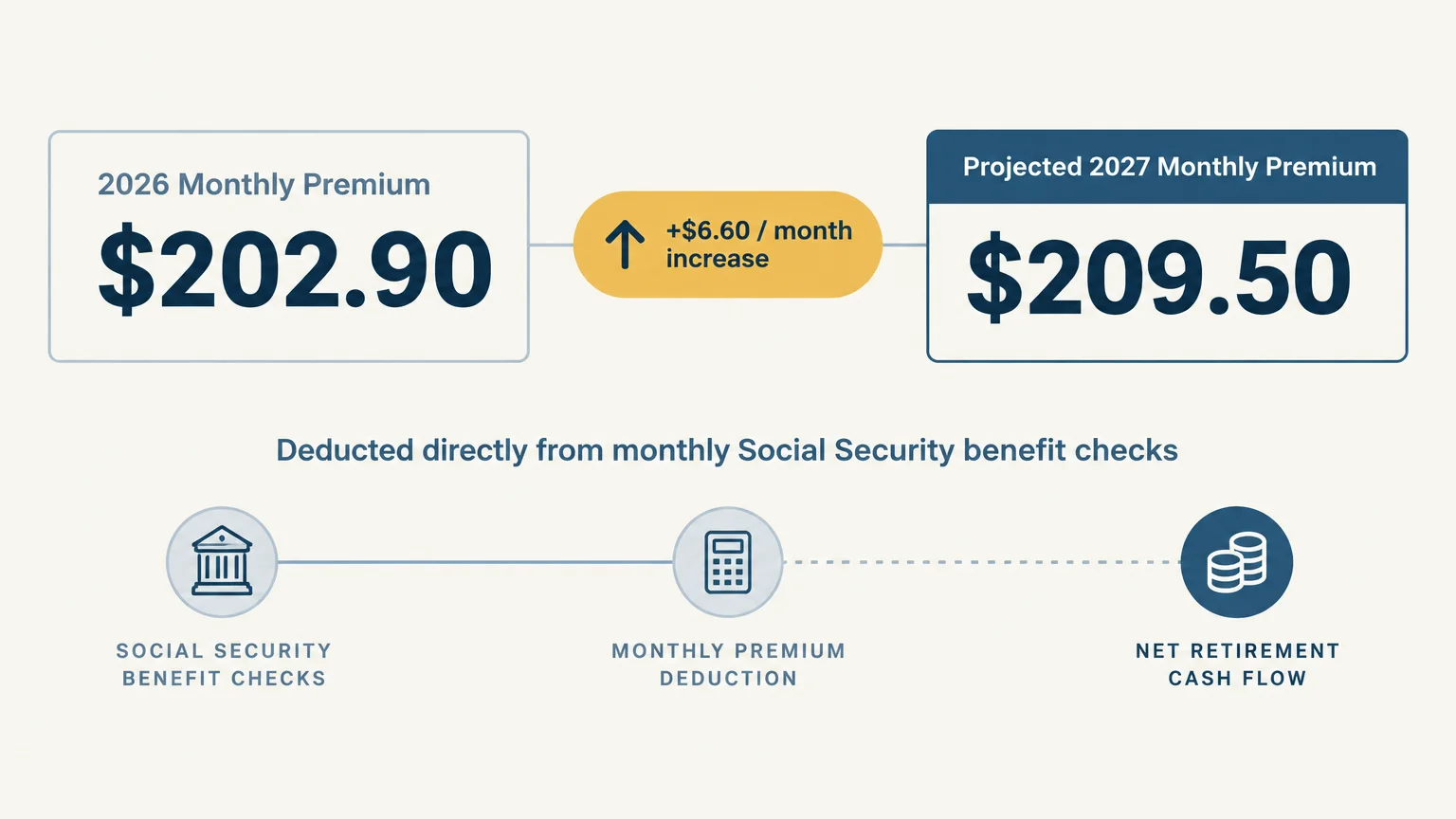
According to Medicare.gov, the standard Medicare Part B monthly premium is projected to reach $209.50 in January 2027. This represents a $6.60 increase from the 2026 premium of $202.90.
Because Social Security automatically deducts Part B premiums from monthly benefit checks, your net deposit may rise less than anticipated. The annual Part B deductible also climbs.
The projected 2027 Medicare Part B deductible increases to $292 per year, up from $257 in 2026. You must pay this entire amount out of pocket before coverage begins for outpatient medical services.
Retirees with higher retirement incomes face additional monthly surcharges known as the Income-Related Monthly Adjustment Amount, or IRMAA. These surcharges apply to both Part B and Part D plans.
Social Security calculates your 2027 IRMAA surcharge using tax data from your 2025 federal tax return. A temporary financial spike two years ago can trigger unexpected healthcare surcharges today.
If your household income dropped significantly during 2026 due to retirement, marriage, or the loss of a spouse, you can appeal. Submit Form SSA-44 with supporting documentation to request an immediate surcharge reassessment.
Medicare Advantage plan members also face policy adjustments when the calendar turns. Changes selected during the fall Annual Enrollment Period officially take effect on January 1, 2027.
If your new plan alters your copayments or removes preferred physicians from its network, you are not trapped. The Medicare Advantage Open Enrollment Period runs from January 1 to March 31.
During this three-month window, you can switch to another Medicare Advantage plan or return to Original Medicare. Use this opportunity if your early January medical bills reveal unwanted coverage surprises.
02 Medicare Part D Prescription Drug Expenses
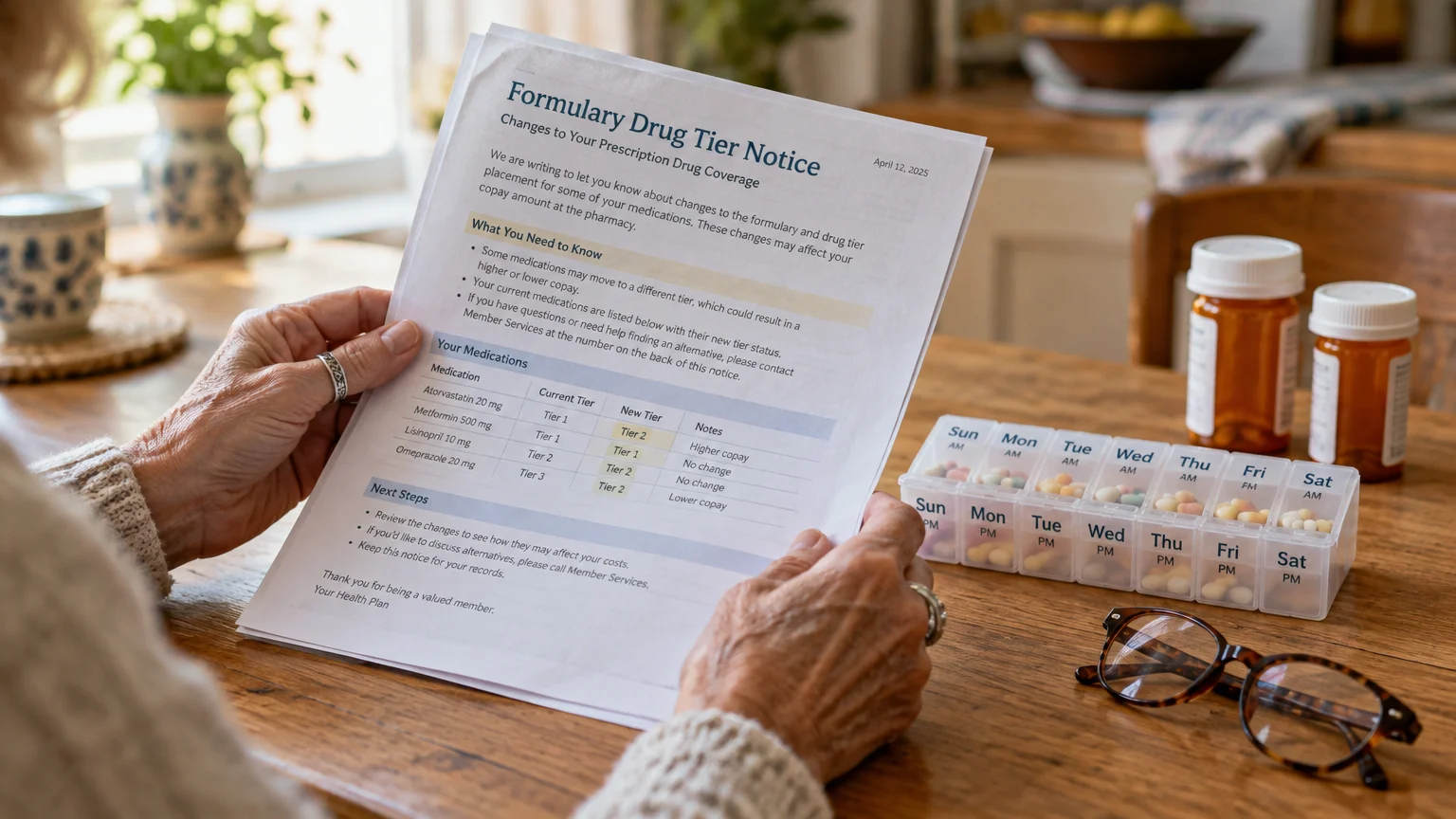
Prescription medications represent another critical area where January resets alter your out-of-pocket costs. Pharmacy plan deductibles reset to zero on January 1, requiring you to pay full drug costs initially.
For 2027, the maximum standard Part D deductible climbs to $700, up from $615 in 2026. If your plan incorporates this deductible, your prescription bills will feel unusually heavy during the first few weeks.
Fortunately, positive federal reforms provide vital relief against catastrophic medication costs. The annual out-of-pocket spending cap on prescription drugs rises to $2,400 on January 1, 2027, up from $2,100 in 2026.
Once your covered pharmacy spending hits that $2,400 threshold, you pay nothing for covered prescription medications for the rest of the calendar year. This cap protects retirees taking expensive specialty drugs.
Monthly drug plan premiums require your urgent attention right now. While federal projections show average stand-alone Part D premiums around $36 per month, seniors who stayed in existing plans may see major rate increases.
Enrollees who did not actively compare and switch plans could see average premiums jump from $34 in 2026 to $51 in 2027. This 50% jump occurs as temporary federal premium-stabilization subsidies wind down.
Inspect your first January pharmacy receipt and premium statement carefully. Check that your medications remain in their expected cost tiers and verify that prior authorization rules have not changed.
Welcome relief arrives for patients taking certain popular brand-name medications. Beginning January 1, 2027, new Medicare-negotiated lower prices take effect for 15 additional Part D drugs.
These lower prices cover vital treatments including Ozempic, Rybelsus, Wegovy, Trelegy Ellipta, and Janumet. Contact your pharmacist to confirm how these negotiated rates will lower your specific copayments.
03 Winter Heating and Home Utility Charges
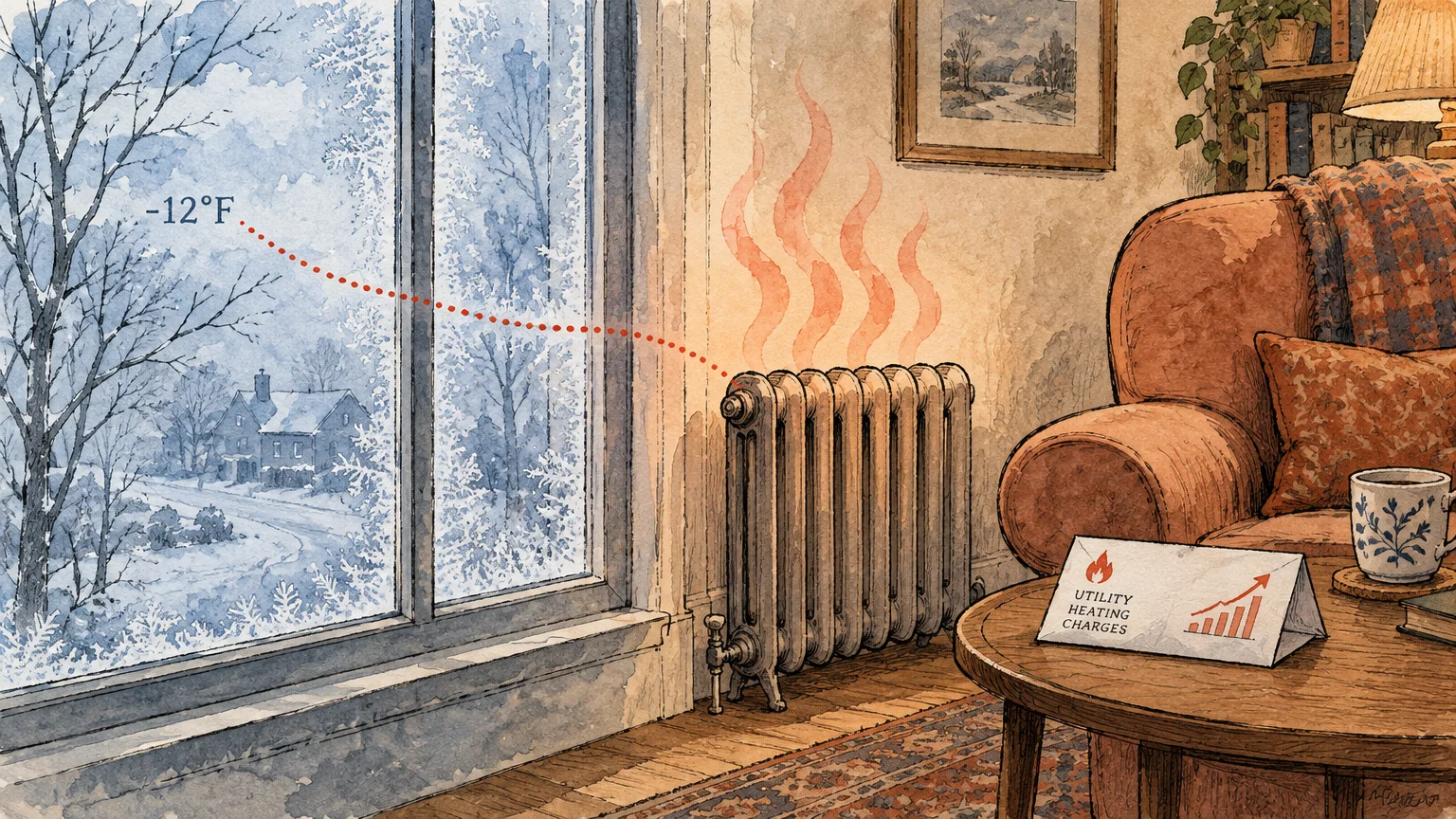
Cold winter weather drives energy consumption to peak levels across the country throughout January. Your heating bills this winter will depend significantly on your fuel source and location.
Households heating with heating oil face the steepest cost increase this winter. The U.S. Energy Information Administration projects heating oil bills will jump 21% over last winter to an average of $2,115.
A 34% price surge to $5.26 per gallon drives this dramatic heating oil expense. If your home depends on oil heat, inspect your tank levels and review delivery contracts immediately.
Homes heating primarily with electricity will also see higher winter energy bills. Wholesale electricity prices rose 11% in 2026, leading utility providers to increase standard residential rates heading into January.
Natural gas customers face a much more favorable outlook this season. Natural gas heating bills are projected to decline 9% nationally compared to last winter, offering welcome breathing room for many seniors.
However, regional weather patterns create notable exceptions to this national trend. Households in western states should prepare for natural gas heating bills to rise approximately 7%.
You can protect your monthly budget from erratic weather swings by contacting your utility company today. Ask customer service to enroll your account in a budget billing or levelized payment plan.
Budget billing divides your expected annual heating and electric costs into 12 predictable monthly payments. This prevents massive January spikes by spreading winter heating costs across milder spring and autumn months.
If you struggle to pay rising heating costs, look into local energy assistance programs. Most states offer federally funded heating grants through the Low-Income Home Energy Assistance Program to help qualifying seniors.

04 Assisted Living and In-Home Care Fees
Long-term senior care represents one of the largest ongoing expenses for older adults and their families. Many senior living communities and home care agencies implement their annual rate increases on January 1.
Facility contracts commonly permit annual rate adjustments between 1% and 5%. Because baseline senior care costs are already high, even a modest percentage increase adds substantial dollars to monthly bills.
The national median cost for assisted living currently reaches roughly $5,900 per month. Meanwhile, a private room in a skilled nursing facility averages $10,965 per month.
Families utilizing professional in-home caregivers face similar rising care costs. The national median rate for a non-medical in-home caregiver rose 3% to $35 per hour.
That hourly rate translates to roughly $80,080 annually for 44 hours of weekly care. If your care plan requires private duty skilled nursing at home, median rates average $90 per hour.
According to the Eldercare Locator, finding community-based financial assistance and care resources early helps families manage steep cost increases. Local Area Agencies on Aging often connect seniors with supportive respite and relief grants.
When your January senior care invoice arrives, review every itemized charge with care. Facilities frequently introduce new administrative surcharges or increase fees for basic laundry and meal delivery services.
Beware of level-of-care tier creep on assisted living statements. Facilities sometimes move residents into more expensive care tiers without conducting a formal physical assessment or consulting family members.
If you see unannounced tier increases, request an immediate care plan meeting with facility administrators. You have the right to review the evaluation that justified the higher monthly fee.

05 Post-Holiday Credit Card Balances
Purchasing gifts, entertaining family, and traveling during the holidays often leads to credit card balances. When January billing statements arrive, the true financial cost of holiday generosity becomes clear.
Carrying credit card balances into the new year is exceptionally expensive right now. Federal Reserve data indicates the average APR on credit card accounts assessed interest reached 22.36%.
New consumer credit card offers carry even higher interest rates, averaging 24.88% APR. High interest rates cause unpaid balances to balloon rapidly through aggressive daily compounding.
Paying only the minimum amount requested on your monthly statement traps you in a cycle of debt. The bulk of your minimum payment goes toward interest charges rather than reducing principal debt.
According to the Consumer Financial Protection Bureau (CFPB), paying just the minimum balance on high-interest credit cards can keep consumers paying for decades. Minimum payments protect credit card profits, not your retirement nest egg.
Stop using interest-charging credit cards immediately while you repay existing holiday balances. Transition to a debit card or cash for daily grocery and fuel purchases to halt debt growth.
Adopt the debt avalanche repayment strategy by directing extra monthly funds toward the card with the highest APR. This approach saves the maximum amount of money in compounding finance charges.
If you prefer psychological momentum, consider the debt snowball method instead. Pay off your smallest balance first to score a fast victory, then apply that payment toward the next card.
If holiday debt threatens your monthly solvency, contact your credit card company right away. Ask their customer assistance department if you qualify for a temporary hardship program with reduced interest rates.

06 Property Taxes and Homeowners Insurance Premiums
Housing expenses extend well beyond your basic utility bills and monthly mortgage payments. January frequently brings significant revisions to property tax assessments and property insurance escrow requirements.
If you have an active mortgage, your lender reviews your escrow account around the new year. If municipal property taxes or insurance premiums rose during 2026, you will face an escrow shortage.
Mortgage servicers adjust for escrow shortages by raising your required monthly payment starting in January. This unexpected hike covers both past deficits and higher anticipated future payments.
Even if you own your home mortgage-free, local property tax assessments often update in January. Inspect your assessment notice carefully to verify that your municipality did not overvalue your property.
Many older homeowners miss out on valuable senior property tax exemption programs. Most county tax offices offer senior citizen homestead exemptions, property tax freezes, or income-qualified property tax credits.
These tax relief programs do not apply automatically; you must file an application with your local assessor. Contact your county property tax office this month to verify your eligibility for senior discounts.
Examine your annual homeowners insurance policy declaration page alongside your tax bills. Severe weather trends have driven insurance premiums higher nationwide, making annual policy reviews essential.
Contact an independent insurance agent to compare rates across multiple reputable carriers. Raising your deductible slightly or bundling home and auto policies can instantly lower your annual insurance bills.
Common Traps and Scams Targeting Seniors in January
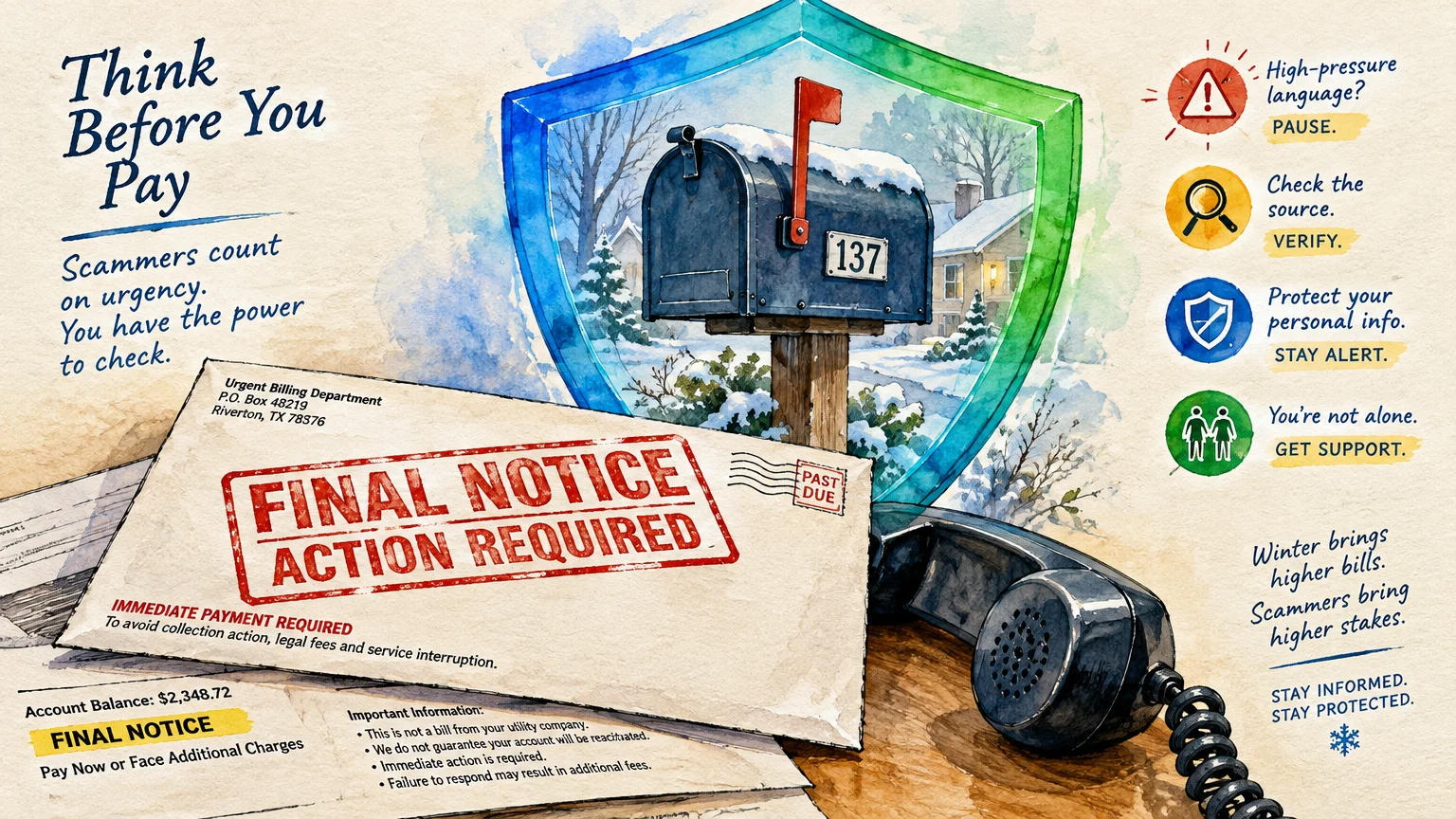
Fraudsters actively exploit the confusion that accompanies January billing adjustments and benefit updates. Criminal networks recognize that older adults receive multiple revised statements early in the year.
Utility imposter scams surge during freezing January weather. Scammers call seniors claiming power or heating gas will be cut off within hours unless you provide immediate payment over the phone.
The caller often instructs you to buy prepaid gift cards or send an instant wire transfer. Legitimate utility companies never demand payment through gift cards and provide extensive written notice before shutoffs.
If you receive a threatening utility phone call, hang up immediately without providing personal information. Call the customer service number printed directly on your official monthly statement to verify your account status.
Phony Medicare representatives also ramp up fraudulent outreach when the calendar changes. Criminals call claiming that your Medicare card expired or that you must pay a fee to activate 2027 benefits.
Genuine Medicare representatives will never call you unsolicited to demand personal financial information or fee payments. Never share your Medicare number, banking details, or Social Security number with an unexpected caller.
Deceptive renewal notices represent another common hazard arriving in January mailboxes. Unscrupulous companies mail forms designed to look like urgent invoices for home warranties, magazines, or antivirus software.
Always check your past bank and credit card statements before paying any renewal invoice. Confirm that you actually purchased the service and verify that it has not already renewed automatically.
Action Plan: How to Audit Your January Budget Right Now
Taking charge of your financial well-being requires a clear and organized strategy. A systematic review of your recurring bills takes only a few hours but yields substantial long-term savings.
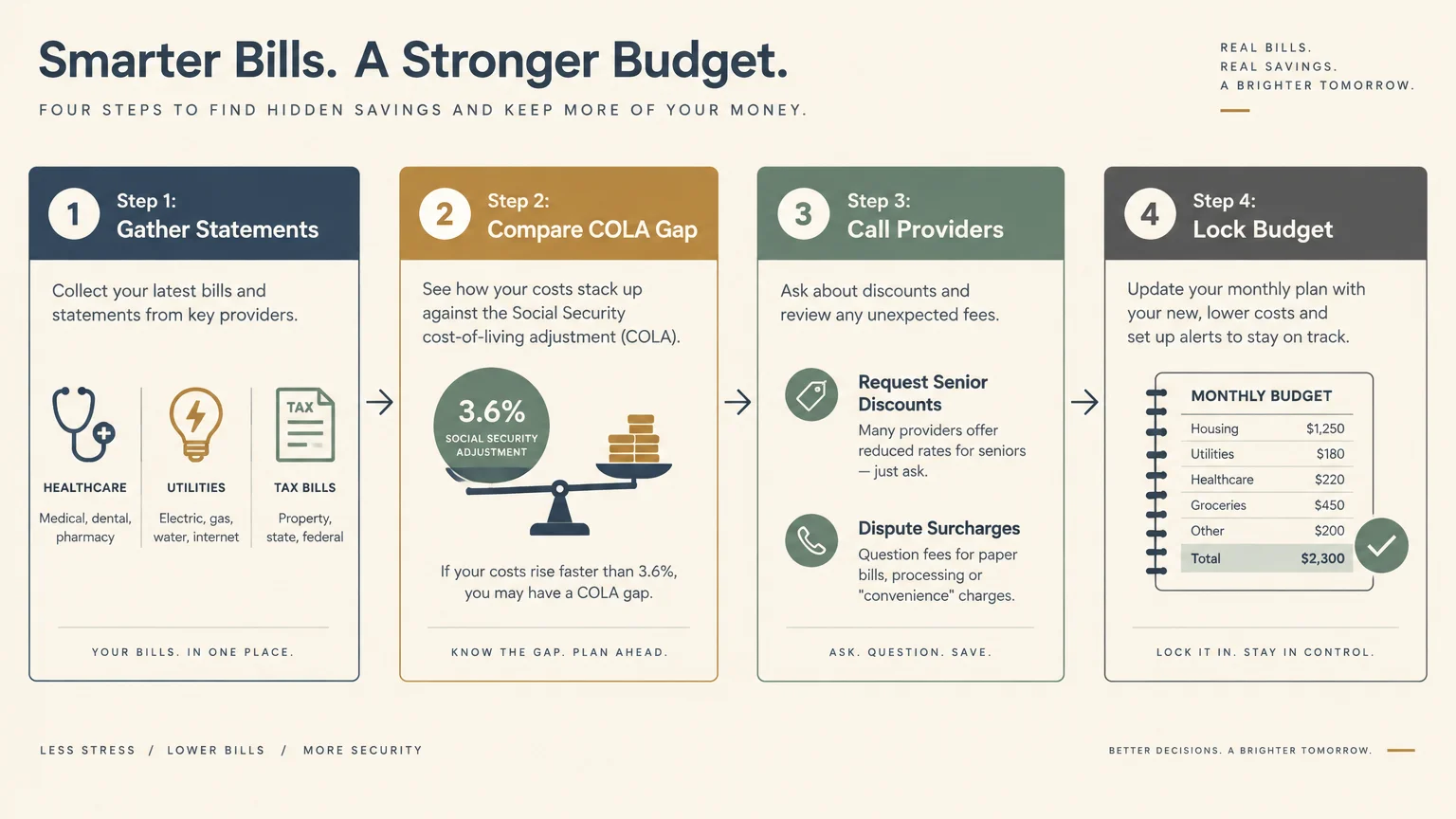
Use this structured four-step action plan to inspect and optimize your household expenses:
- Collect All December Statements: Gather billing statements for utilities, healthcare, senior care, credit cards, and property taxes to establish your current baseline costs.
- Identify Price Increases: Compare incoming January invoices line-by-line against your December statements to highlight fee hikes, tier changes, or unauthorized recurring charges.
- Contact Service Providers Directly: Call utility providers, insurers, and care agencies to request senior discounts, levelized billing plans, or fee waivers.
- Update Automatic Bank Withdrawals: Adjust your checking account calendar to ensure sufficient funds cover updated payment amounts and prevent costly overdraft penalties.
Understanding the key financial shifts between 2026 and 2027 simplifies your auditing process. The comparison table below highlights the critical rate adjustments affecting your January budget:
| Financial Category | 2026 Baseline | 2027 Adjustment | Key Impact on Seniors |
|---|---|---|---|
| Medicare Part B Premium | $202.90 per month | $209.50 per month | $6.60 monthly increase deducted from Social Security |
| Medicare Part B Deductible | $257 per year | $292 per year | $35 increase in out-of-pocket costs before outpatient coverage begins |
| Medicare Part D Out-of-Pocket Cap | $2,100 per year | $2,400 per year | Caps catastrophic prescription drug costs for the full year |
| Medicare Part D Maximum Deductible | $615 per year | $700 per year | Pharmacy deductible resets to zero on January 1 |
| Social Security COLA | Varies by recipient | 3.6% increase | Boosts average monthly retirement checks by roughly $75 |
| Heating Oil Expenses | Standard winter rates | 21% average increase | Bills average $2,115 for the season ($5.26 per gallon) |
| Credit Card Interest | High APR environment | 22.36% average assessed APR | Carrying holiday debt into January triggers costly finance fees |
| In-Home Caregiver Median | $35 per hour | $35 per hour | Annual cost reaches $80,080 for 44 weekly hours of non-medical care |
Maintain a written log of every phone conversation you have with service providers. Record the date, representative name, reference number, and promised adjustments for your personal records.
If a customer service agent cannot resolve an unexpected fee, ask politely to speak with a supervisor or retention specialist. Many companies empower retention teams to offer fee waivers and loyalty discounts.
Schedule a recurring calendar reminder for mid-January to complete this annual review. Staying organized ensures you catch unauthorized rate increases before they compound into major financial burdens.
Frequently Asked Questions
Will the Medicare Part B increase erase my Social Security raise?
For most retirees, the 2027 Social Security COLA will provide more money than the Part B premium increase consumes. The 3.6% COLA boosts average benefits by approximately $75 per month.
The Part B premium increase of $6.60 per month leaves most seniors with a net benefit gain. However, seniors with very low monthly benefits may see a larger proportion of their raise absorbed.
Can I switch Medicare plans in January if my drug costs jump?
If you are enrolled in a Medicare Advantage plan, you can make changes during the Medicare Advantage Open Enrollment Period from January 1 through March 31.
During this period, you can switch to another Medicare Advantage plan or transition back to Original Medicare with a stand-alone Part D plan. Your new coverage begins the first day of the following month.
How can I tell if an assisted living rate increase is legitimate?
Review your initial residency contract to determine whether the facility followed proper notification protocols. Most contracts require facilities to provide 30 to 60 days of written notice before raising monthly rates.
If the community failed to provide proper advance notice, you can dispute the January increase with management. You can also contact your local Long-Term Care Ombudsman for independent advocacy and contract assistance.
What immediate steps should I take if I cannot afford my heating bill?
Contact your utility provider immediately to request protection under your state’s winter utility shut-off moratorium. Most states legally prohibit utility disconnections for vulnerable older adults during extreme cold weather periods.
Next, apply for emergency fuel grants through the federal Low-Income Home Energy Assistance Program or local charitable fuel funds. Many community action agencies provide fast emergency assistance to keep home heat running.
Does disputing a billing increase hurt my credit score?
Disputing an erroneous charge directly with a utility company, medical provider, or care facility does not impact your credit score. Creditors only report delinquent accounts after payments remain unpaid past 30 days.
Always pay the undisputed portion of your monthly statement on time while challenging questionable charges. This simple step keeps your account in good standing and shields your credit report from negative marks.
For additional senior resources, visit
American Heart Association, Benefits.gov and National Institute on Aging (NIA).
Disclaimer: The information in this article is for educational purposes only and is not intended to be a substitute for professional financial, legal, or medical advice. Always consult with a qualified expert for advice tailored to your personal situation.