
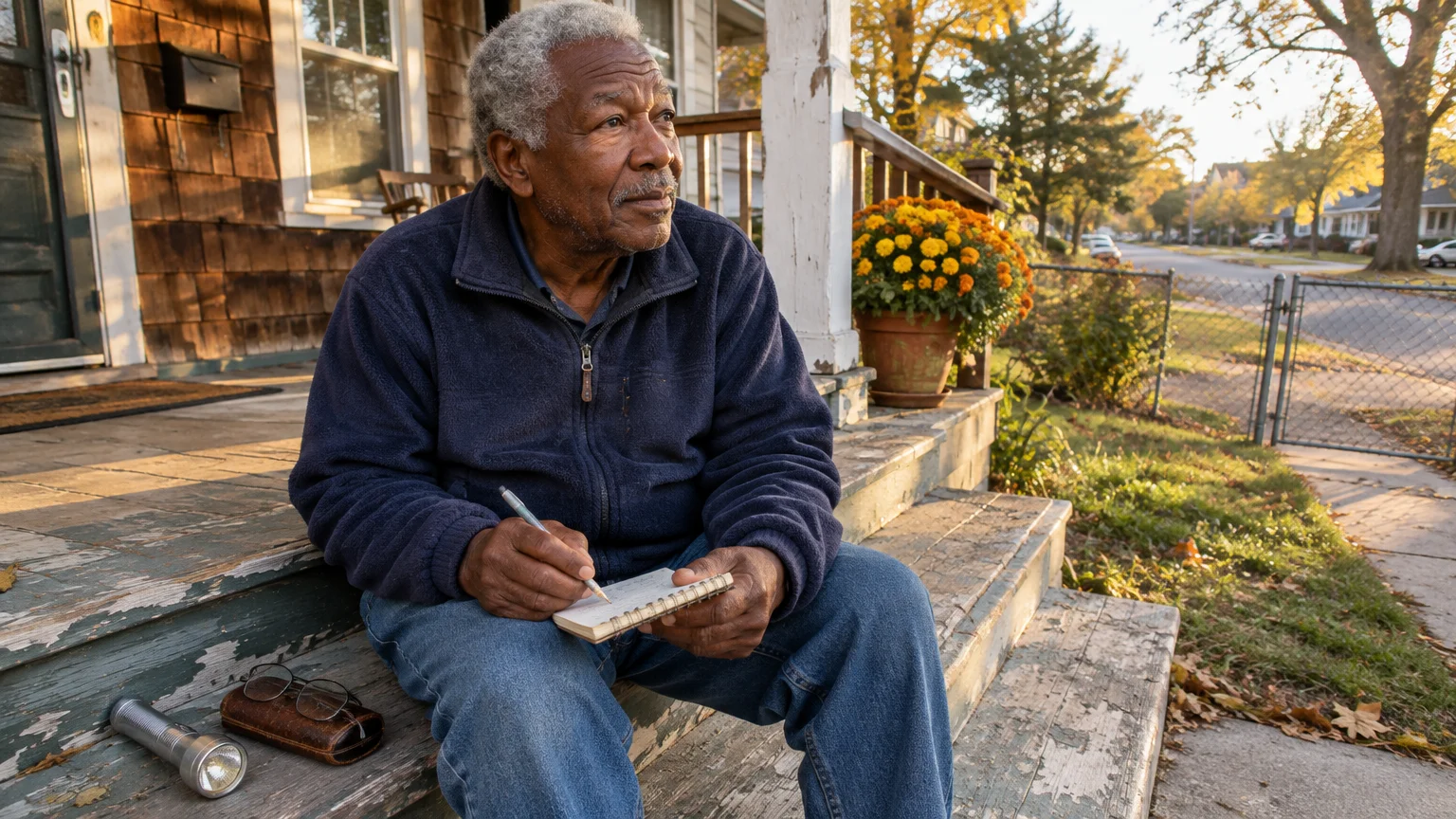
Recent Census data reveals that approximately 6.6 million retiree households—nearly one in five—live on less than $2,000 each month. Knowing these figures helps you benchmark your monthly budget and locate vital assistance programs designed to protect your household independence.
While traditional retirement guides suggest that every retiree needs millions saved, millions of seniors navigate daily expenses on fixed, modest amounts. Understanding the economic reality behind these numbers gives you actionable clarity for managing your own retirement finances.
Stretching a monthly budget requires practical methods, including claiming underused public benefits and renegotiating recurring household bills. Here is what the latest research proves about retirement income today, along with reliable tools you can use immediately.
In this guide10 sections
- What the Census Data Reveals About Sub-$2,000 Retiree Incomes
- The Solitary Senior: Why Living Alone Drives Retirement Shortfalls
- Social Security Reality: Averages Mask the Median Struggle
- The Real Cost of Living: Comparing $2,000 Budgets to Senior Expenses
- Poverty Measures and Senior Economic Insecurity
- Practical Action Plan: Unlocking Benefits and Financial Relief
- Housing and Healthcare Tactics to Free Up Monthly Cash
- Critical Pitfalls and Scams Targeting Cash-Strapped Seniors
- Action Steps for Financial Stability in Retirement
- Frequently Asked Questions
What the Census Data Reveals About Sub-$2,000 Retiree Incomes
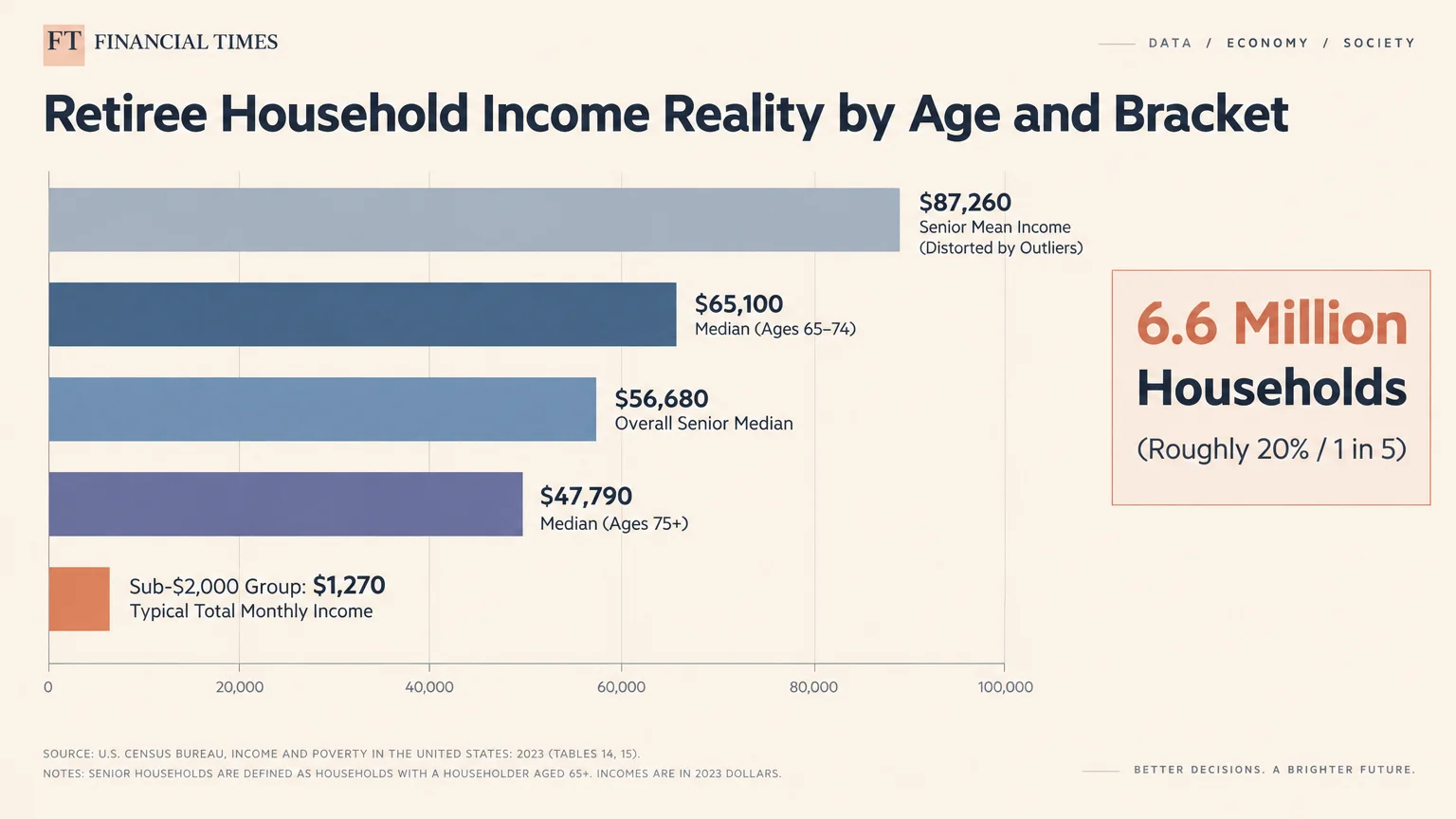
Recent analysis from the U.S. Census Bureau’s Current Population Survey exposes the financial reality facing millions of older Americans. Approximately 6.6 million retiree-headed households in the United States live on less than $2,000 per month.
This population represents roughly 20% of all retired households across the nation. That means one out of every five retired households manages all living costs on under $24,000 per year.
These findings challenge the common assumption that most seniors retire with substantial investments. In reality, millions of older adults navigate daily expenses on a strictly limited monthly cash flow.
Looking at broader demographics, the median annual income for all U.S. households aged 65 and older reaches $56,680. However, household income declines sharply as seniors advance in age.
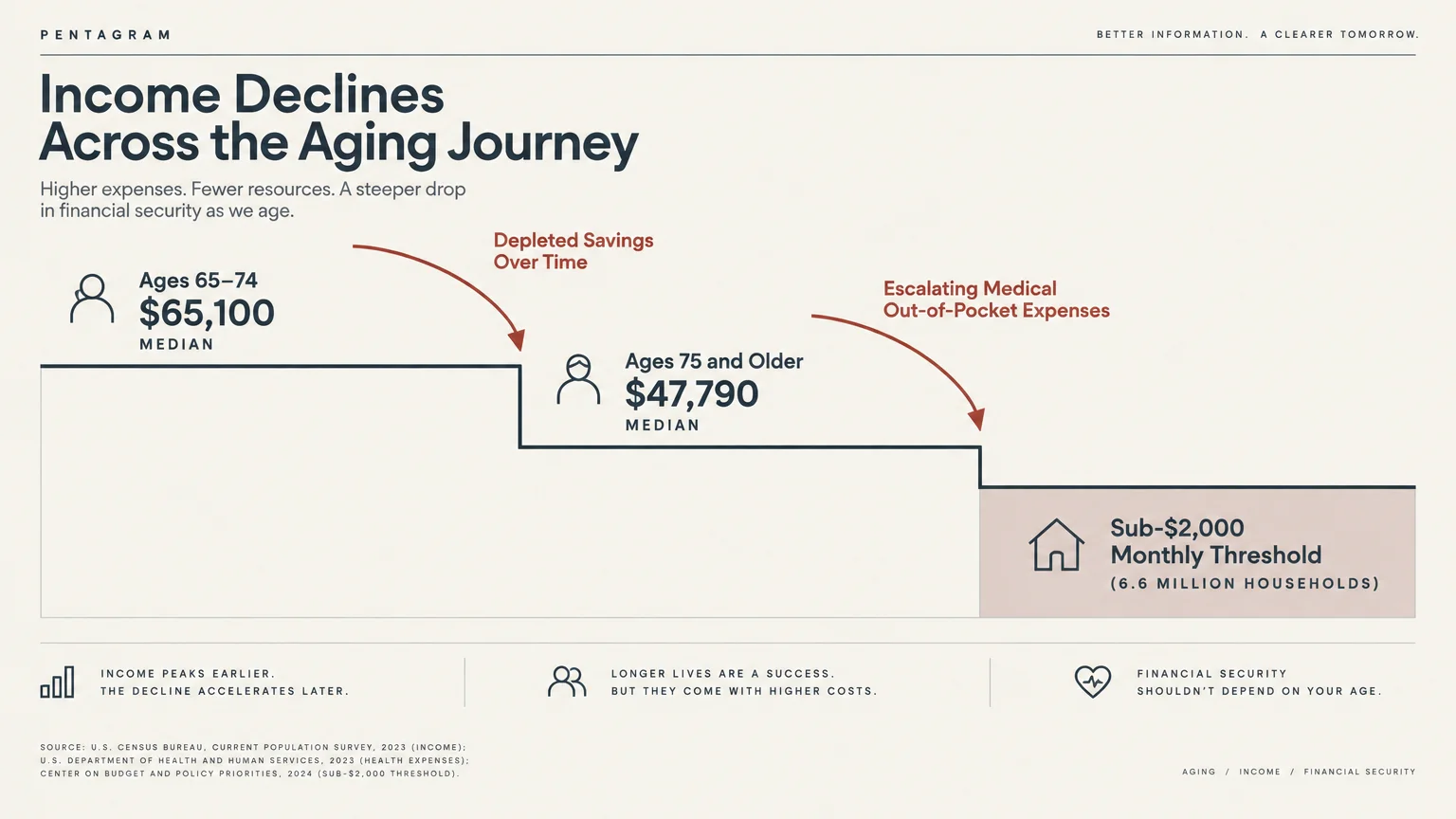
For households aged 65 to 74, median earnings stand at $65,100 annually. That number drops to $47,790 for households headed by adults aged 75 and older.
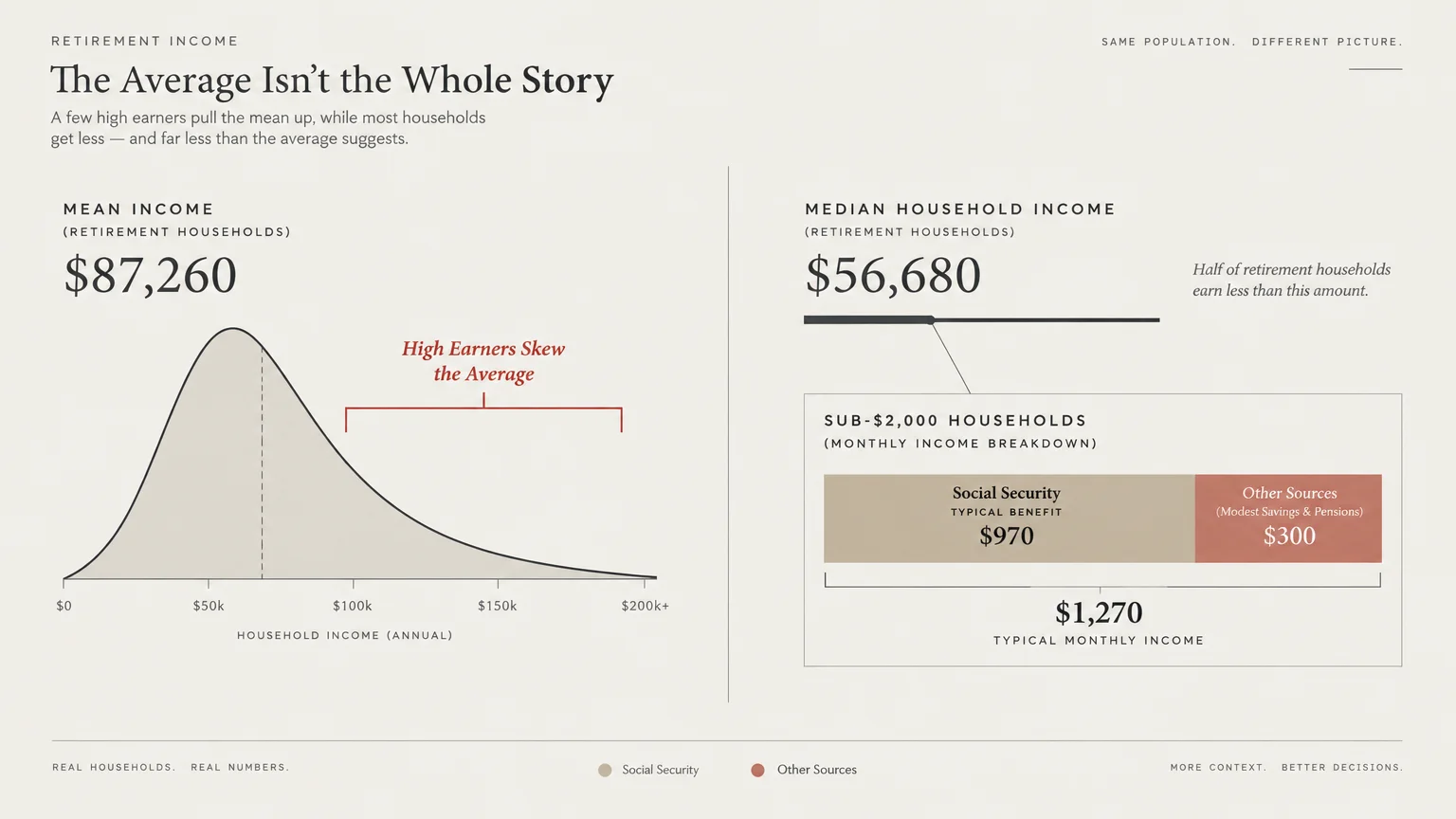
The mean income for senior households reaches $87,260, but wealthy outliers heavily distort this average. The everyday experience of typical retirees looks vastly different.
Among households getting by on under $2,000 each month, resources remain exceptionally tight. The typical total monthly income for households in this group is just $1,270.
Social Security provides the foundation for this group, delivering a typical benefit of about $970 per month. The remaining balance comes from small pensions, modest savings withdrawals, or family help.
As retirees grow older, savings balances diminish and medical expenditures often rise. This combination causes many households to slip into lower income brackets over time.
Understanding that you are not alone in managing a modest budget removes unnecessary embarrassment. It also reinforces the importance of locating community and federal resources to maintain your stability.

The Solitary Senior: Why Living Alone Drives Retirement Shortfalls
Living arrangements serve as a powerful indicator of financial security in later life. Census data reveals that nearly four in five households living on under $2,000 a month are single individuals living alone.
The gap between single seniors and married couples is stark. More than one-third of retirees living on their own bring in less than $2,000 per month.
In contrast, only 7% of married retiree households fall below that monthly threshold. Married couples benefit from dual Social Security records and combined household resources.
When you live alone, you cannot split essential housing costs with another adult. You must pay the full rent, utility bills, and property maintenance charges from a single check.
Losing a spouse often creates an abrupt financial shock. When a partner passes away, the household loses the smaller Social Security check entirely.
Nondisabled widow and widower beneficiaries receive an average monthly check of $1,935.32. This income reduction happens while fundamental household costs, such as rent and property taxes, remain unchanged.
Spouses of retired workers receive an average of only $986.68 per month. Single and widowed seniors therefore shoulder heavier economic burdens than their married peers.
Studies by the Administration for Community Living (ACL) highlight how living alone increases the risk of financial vulnerability and social isolation.
To reduce solo living costs, some seniors consider shared housing arrangements. Sharing a home with a peer allows both individuals to reduce rent, utilities, and grocery bills significantly.
Community home-sharing programs match older adults with compatible roommates. These arrangements protect independence while cutting living expenses in half.
Social Security Reality: Averages Mask the Median Struggle
Government reports often highlight rising average payments, but those figures can mislead families. According to the Social Security Administration (SSA), the average retired worker benefit reached $2,088.79 per month.
While that average crossed the $2,000 threshold in May 2025 at $2,002.39, top-tier wage earners elevate the statistical mean. Median numbers reflect the true midpoint of senior income.
The median monthly Social Security check for retired workers is approximately $1,990. This means that exactly half of all retired workers receive less than $1,990 each month.
The distribution of monthly payments reveals substantial disparity across the beneficiary pool. The 25th percentile of retired workers receives only about $1,370 each month.
Higher earners in the 75th percentile collect roughly $2,645 per month. This vast difference demonstrates why blanket retirement advice fails to help low-income households.
Annual cost-of-living adjustments help prevent benefits from losing purchasing power. The 2026 Social Security COLA provided a 2.8% boost to monthly payments.
Yet rising costs for groceries, insurance premiums, and utilities frequently outpace these annual adjustments. For millions of seniors, monthly increases disappear into routine utility bill spikes.
Claiming age plays a profound role in your final monthly payment amount. Claiming early at age 62 permanently locks in a reduced monthly benefit.
Those who delayed claiming until full retirement age or age 70 receive significantly higher payments. Unfortunately, health problems or sudden job losses often force older workers into claiming benefits early.
Recognizing your exact income tier allows you to target supplemental aid programs effectively. Knowing where you stand is the first step toward reclaiming financial control.
The Real Cost of Living: Comparing $2,000 Budgets to Senior Expenses
Evaluating national spending averages shows why managing on $2,000 requires exceptional diligence. Data from the Bureau of Labor Statistics indicates that households aged 65 and older spend an average of $61,432 per year.
That spending pace equals $5,119 per month across all household categories. For households where the head identifies as retired, annual spending averages $59,616 against $57,622 in pre-tax income.
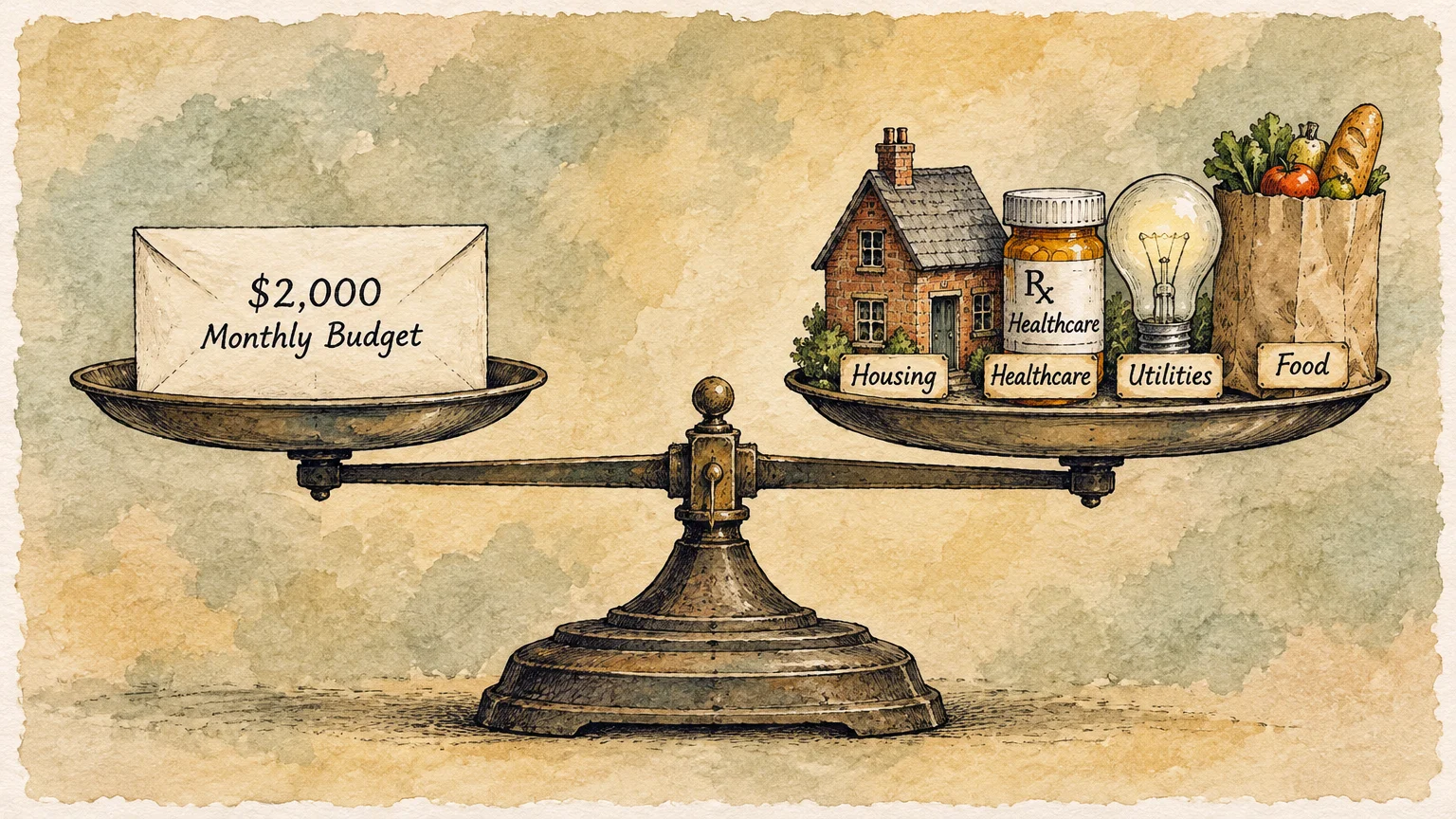
Comparing typical senior expenditures against a strict $2,000 monthly ceiling clarifies the daily trade-offs seniors must make.
| Expense Category | National Average Monthly Cost | Target Budget Under $2,000 | Monthly Spending Gap |
|---|---|---|---|
| Housing and Utilities | $1,849 | $700 | $1,149 |
| Transportation | $795 | $250 | $545 |
| Food and Groceries | $662 | $300 | $362 |
| Healthcare and Medical | $650 | $350 | $300 |
| Personal and Miscellaneous | $1,163 | $400 | $763 |
| Total Monthly Outlay | $5,119 | $2,000 | $3,119 |
Housing represents the largest obstacle for older adults on fixed incomes. The national average senior household spends $22,193 annually, or about $1,850 per month, on shelter.
To survive on under $2,000 monthly, you must keep housing costs beneath $700. Achieving that low threshold usually requires living mortgage-free, sharing costs, or utilizing subsidized senior apartments.
Healthcare presents another significant financial pressure point. Older households spend an average of $7,799 annually, which translates to roughly $650 every single month.
Transportation demands an average of $9,538 annually, while food requires about $7,940 per year. These fixed obligations leave virtually no margin for unforeseen home repairs or emergency medical copays.
Public transit passes and local volunteer driver networks can cut vehicle insurance and maintenance costs. Trimming vehicle expenses frees up critical dollars for nutrition and medical needs.
When unavoidable costs exceed monthly incoming checks, older adults must find practical ways to reduce bills. Public support programs fill this critical spending gap.
Poverty Measures and Senior Economic Insecurity
Traditional poverty guidelines often fail to capture the true financial strain facing older adults. Under the Supplemental Poverty Measure (SPM), the senior poverty rate stands at 15.4%.
This metric reveals that over 10 million older adults lived in poverty in 2025, rising from 9.5 million in 2024. The SPM accounts for necessary out-of-pocket medical expenses and regional housing prices.
Economic insecurity extends far beyond the official poverty threshold. Over 17 million adults aged 65 and older live at or below 200% of the Federal Poverty Level.
That 200% threshold equals $31,920 annually, or $2,660 per month, for a single individual in 2026. Roughly one in three older Americans lives in this precarious economic zone.
Demographic data reveals substantial disparities among older Americans. Senior poverty affects 27.6% of Latino older adults and 25.9% of Black older adults under the SPM.
Furthermore, poverty impacts 23.9% of American Indian and Alaska Native seniors, as well as 19.2% of Asian seniors. Lifetime earnings inequalities directly depress baseline Social Security calculations.
These figures demonstrate that getting by on a modest income reflects systemic economic realities rather than personal mismanagement. Millions of Americans share these same budgetary hurdles every day.
The Official Poverty Measure often overlooks significant out-of-pocket medical co-pays and prescription costs. The SPM paints a much more accurate portrait of older adult vulnerability.
Recognizing these patterns helps remove the stigma associated with seeking financial relief. Knowing your rights ensures you access every dollar of public support available to you.
Practical Action Plan: Unlocking Benefits and Financial Relief
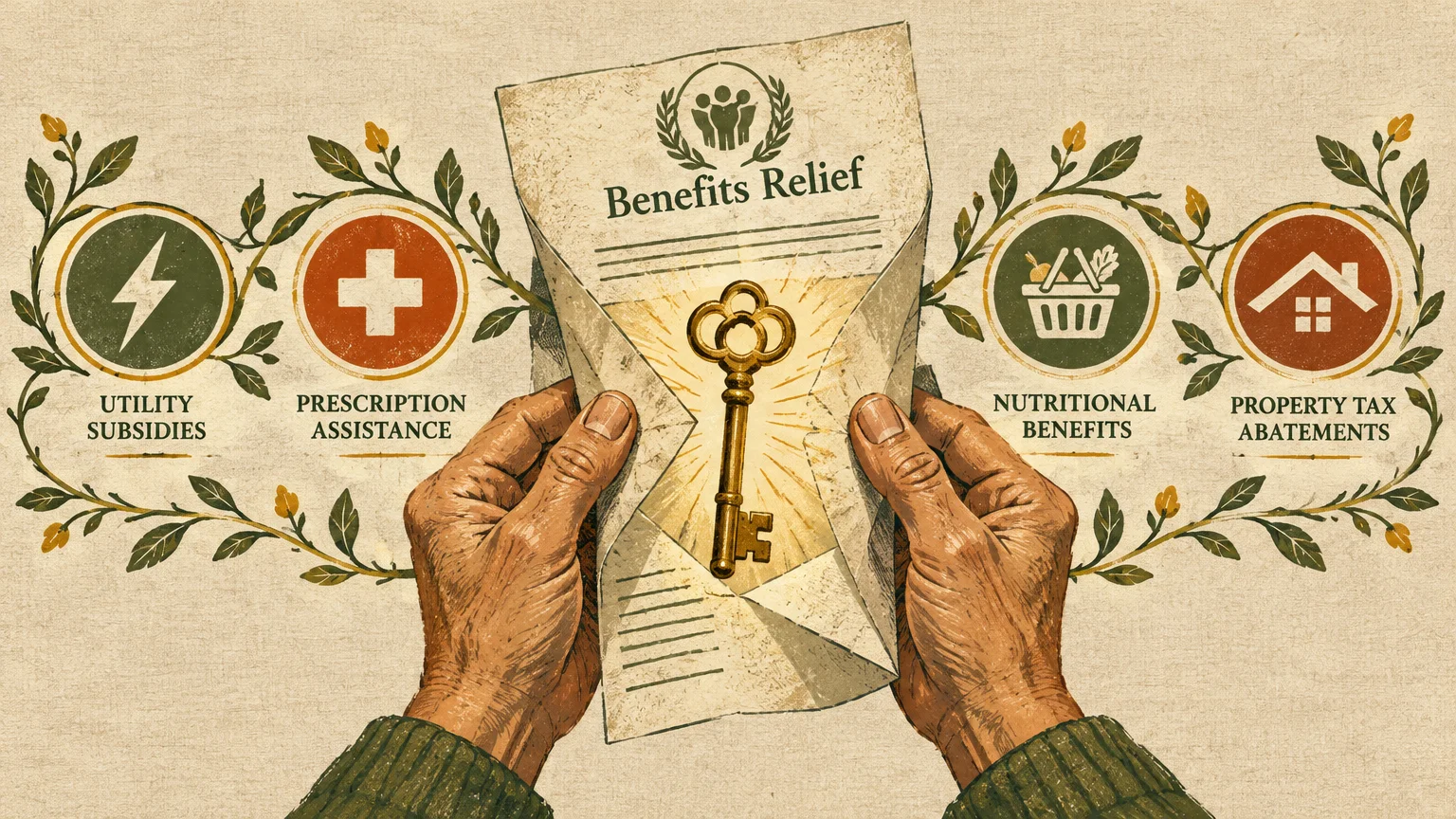
Millions of older adults qualify for federal and state assistance programs but never enroll. According to Benefits.gov, countless seniors leave substantial financial assistance unclaimed every year.
You can begin by evaluating your eligibility for key support initiatives:
- Supplemental Nutrition Assistance Program (SNAP): Delivers monthly nutritional funds directly onto an Electronic Benefit Transfer card for grocery purchases.
- Low-Income Home Energy Assistance Program (LIHEAP): Covers substantial seasonal heating and cooling costs by paying utility companies directly.
- Medicare Savings Programs (MSPs): Pays monthly Medicare Part B premiums, preserving over $170 in your monthly Social Security check.
- Extra Help Program: Subsidizes prescription drug costs, lowering copayments on vital brand-name and generic medications.
- Supplemental Security Income (SSI): Provides monthly cash payments to seniors who have minimal lifetime earnings and limited assets.
Even modest food assistance from SNAP frees up valuable discretionary income for prescription medications or household repairs. Never assume your income is slightly too high to qualify.
State income limits for utility and nutritional aid frequently change based on updated federal poverty metrics. Checking your eligibility annually ensures you do not miss new benefits.
Applying for multiple benefits at once streamlines paperwork. Many state human services departments use combined application forms for nutrition, medical, and utility relief.
As noted by the Consumer Financial Protection Bureau (CFPB), reducing recurring living expenses preserves financial stability on fixed incomes.
Gather your documentation early, including tax returns, bank statements, proof of rent, and medical receipts. Having organized paperwork accelerates the approval process significantly.
Local Area Agencies on Aging employ trained counselors who help you complete applications without charge. They guide you through the required documentation and submit materials on your behalf.
Housing and Healthcare Tactics to Free Up Monthly Cash
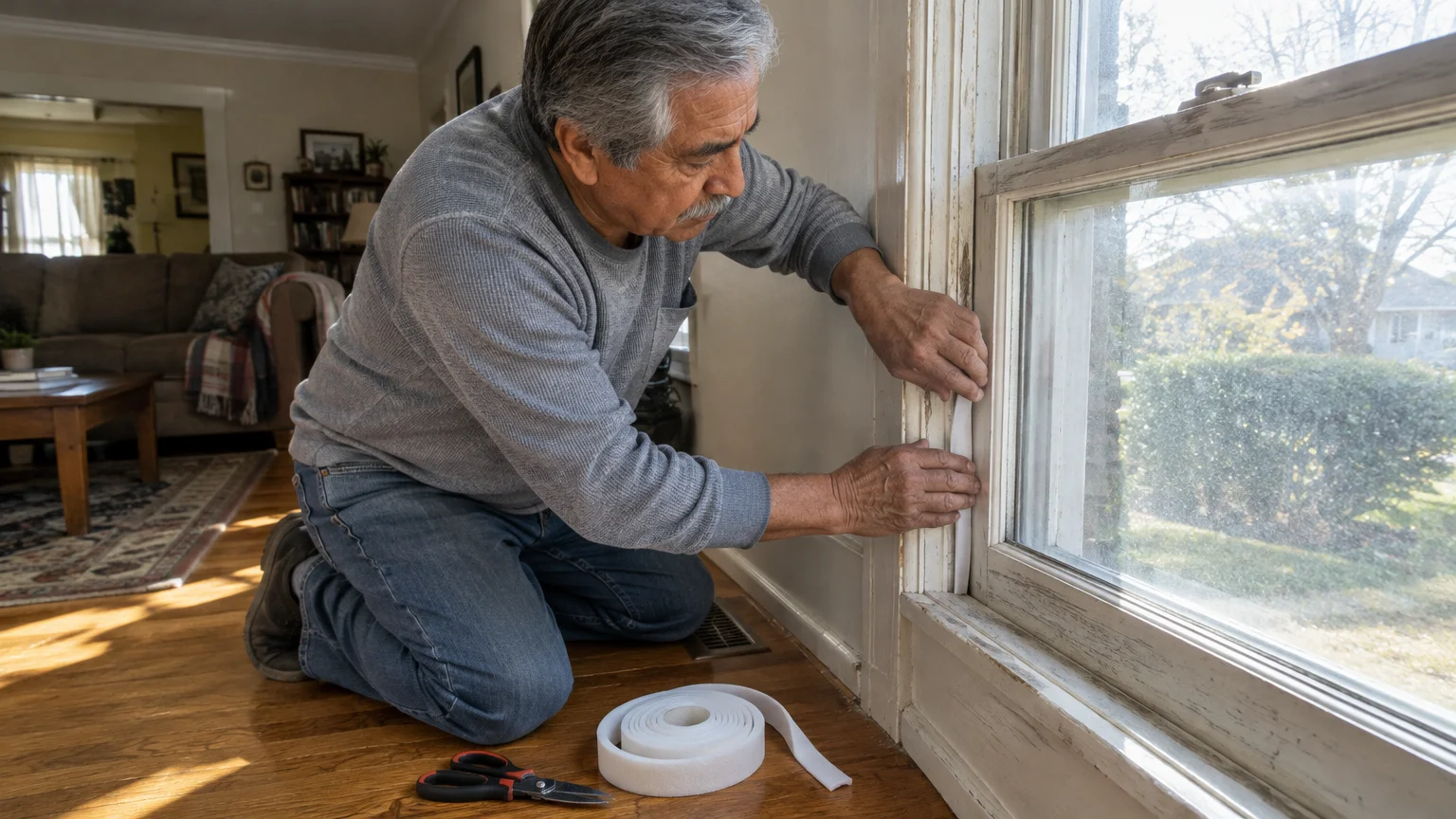
Housing and medical care represent the two heaviest drains on a $2,000 monthly retirement budget. Taking proactive measures in both areas protects your cash reserves.
If you own your home, check with your local county tax assessor about senior property tax exemptions. Many jurisdictions offer property tax freezes, homestead rebates, or senior discounts that lower annual bills.
Some communities allow older homeowners to defer property taxes until the residence is sold. This option prevents fixed-income seniors from being taxed out of their family homes.
For senior renters, subsidized housing programs under HUD Section 202 provide safe, affordable community living. These apartments cap your rent at exactly 30% of your adjusted monthly income.
While Section 202 housing communities often maintain waiting lists, placing your name on waitlists early is critical. Applying across multiple properties increases your chances of securing an affordable apartment.
Healthcare expenses also demand consistent oversight. Research your annual coverage options on Medicare.gov during the open enrollment period each fall.
Comparing Medicare Advantage plans and standalone Part D prescription plans can yield hundreds of dollars in annual savings. Formularies change every year, altering what you pay for daily prescriptions.
Ask your physician if equivalent generic medications can replace expensive brand-name drugs. Generic prescriptions contain the exact same active ingredients at a fraction of the retail cost.
State Pharmaceutical Assistance Programs in select states offer additional medication subsidies for seniors. You can also explore patient assistance programs established directly by major pharmaceutical manufacturers.
Take full advantage of Medicare preventive care services, including annual wellness exams, cardiovascular screenings, and bone density tests. Catching health issues early prevents costly medical emergencies later.
Critical Pitfalls and Scams Targeting Cash-Strapped Seniors
Managing tight finances creates understandable worry, making seniors prime targets for predatory businesses. Con artists specifically target retirees living on fixed incomes with deceptive promises of quick wealth.
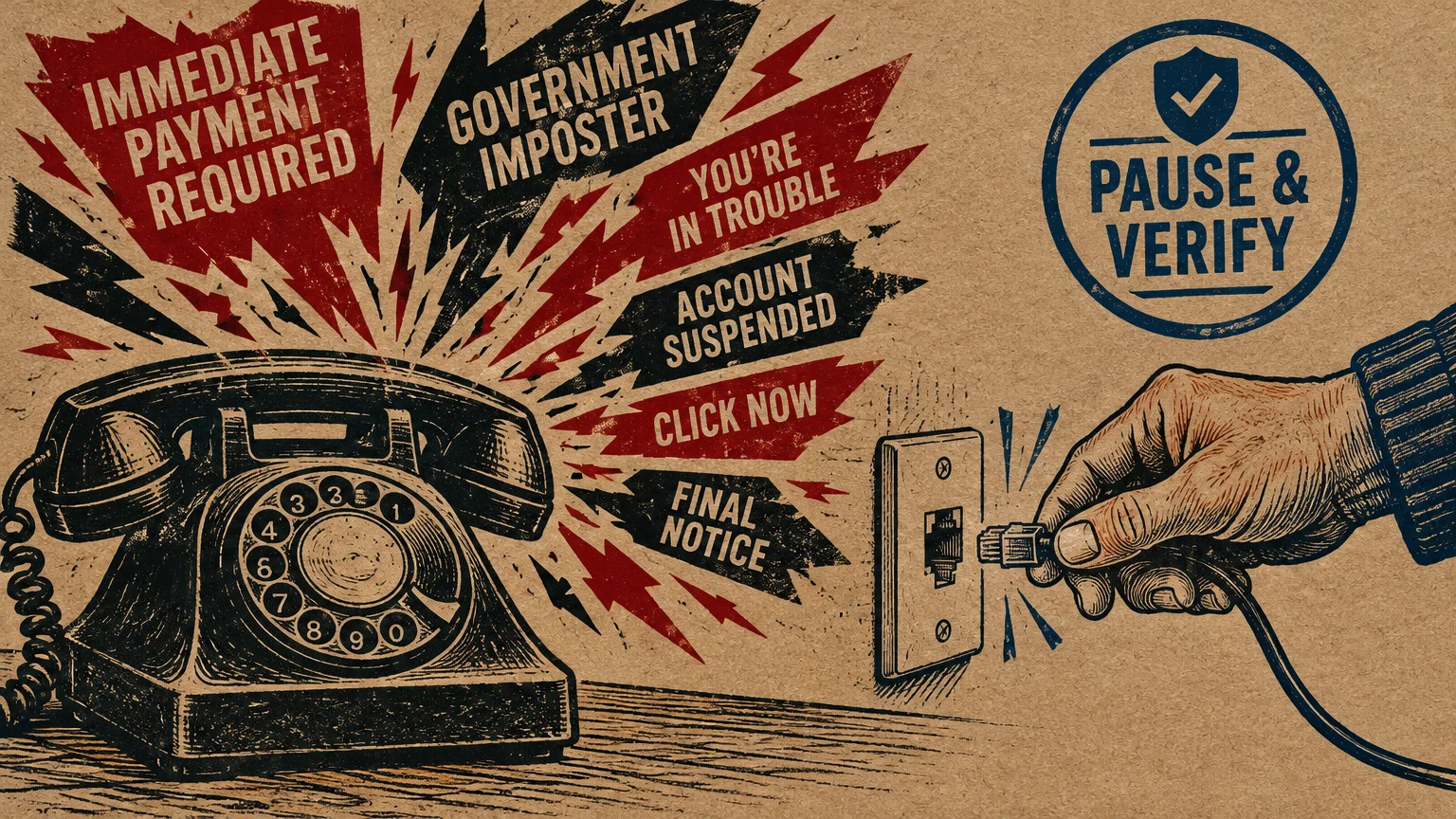
Watch out for phone scams claiming your Social Security benefits will be canceled or frozen. The Social Security Administration never calls unprompted to demand payments or prepaid gift cards.
Hang up immediately if an unknown caller insists you wire money to protect your retirement check. Real government agencies correspond primarily through official mail delivered by the postal service.
Avoid high-cost payday loans or car title loans to bridge short-term cash crunches. These lending products carry exorbitant interest rates that can trap you in mounting cycles of debt.
If you need emergency funds, consult local credit unions about low-interest personal loans. Non-profit charitable organizations and faith-based groups also provide one-time emergency grants for rent or power bills.
Be cautious of aggressive sales representatives pushing costly final expense insurance or unnecessary burial policies. Always review the policy details, exclusions, and waiting periods with a trusted family member.
Examine reverse mortgage offers with extreme scrutiny before signing agreements. While a reverse mortgage can help certain homeowners, closing costs and interest charges can rapidly consume home equity.
Watch out for computer pop-ups warning that your device contains dangerous viruses. These technical support scams demand hundreds of dollars to fix non-existent problems on your machine.
Never pay private companies for assistance in filing government benefit applications. Public agencies, senior centers, and certified non-profit groups offer these application services completely free of charge.
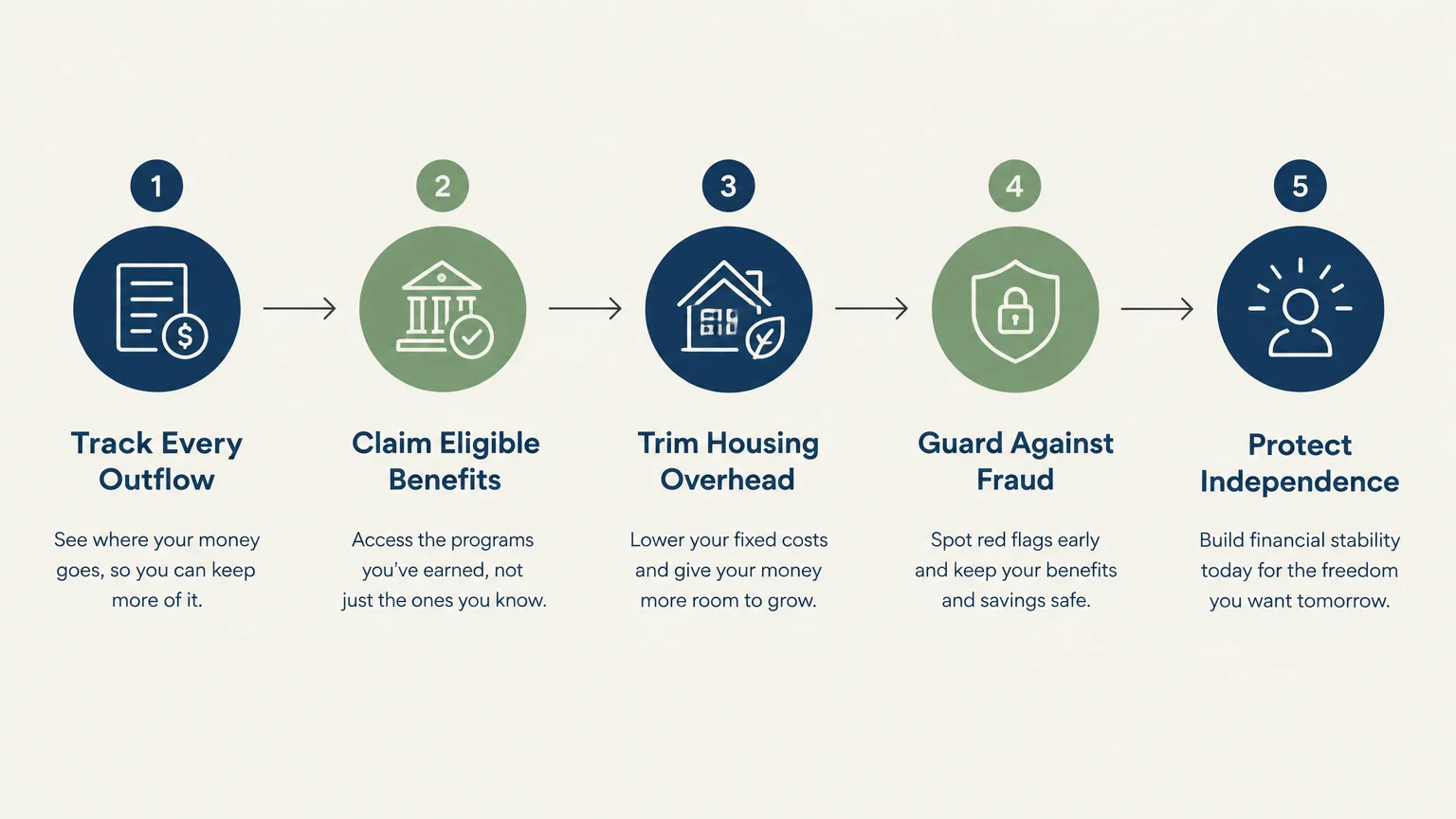
Action Steps for Financial Stability in Retirement
Building long-term financial peace on a modest income requires steady, incremental steps. You can regain control of your monthly cash flow with a structured approach.
Start by tracking every penny spent over a thirty-day period. Identifying minor leaks, like unused subscriptions or bank maintenance fees, saves money immediately.
Use a simple notebook or a basic ledger to record every cash purchase and debit card swipe. Reviewing your numbers each Sunday evening highlights spending trends and areas for reduction.
Contact your utility companies to enroll in level-pay or budget billing programs. These programs average your energy costs across twelve months, preventing punishing winter heating spikes.
Inquire about low-income telecommunication discounts through the Lifeline program. This federal program provides monthly discounts on home broadband or wireless telephone service.
Establish a modest emergency cushion by setting aside twenty or thirty dollars every month. Having several hundred dollars set aside protects you from unexpected car repairs or plumbing bills.
Consider adopting the cash envelope method for variable spending categories like groceries and entertainment. Placing physical cash into dedicated envelopes prevents overspending before the month concludes.
Visit your local senior center to discover free recreational activities, fitness classes, and nutritious community meals. Engaging with your community enriches your daily life while reducing personal entertainment spending.
Regularly review your budget to align your spending with your core priorities. Staying proactive gives you the confidence to manage a dignified and secure retirement.
Frequently Asked Questions
How many retirees in the U.S. live on under $2,000 a month?
Census Bureau data reveals that roughly 6.6 million retiree households live on less than $2,000 per month. This group comprises approximately 20% of all retired households in the United States.
Can a senior live solely on Social Security benefits?
While half of retired workers receive less than $1,990 monthly, living solely on benefits requires strict budgeting. Enrolling in programs like SNAP and Medicare Savings Programs makes this income sustainable.
What is the average Social Security benefit in 2026?
As of late 2026, the average monthly Social Security benefit for a retired worker is $2,088.79. However, the median benefit sits lower at approximately $1,990 per month.
Why are single retirees more vulnerable to living on low incomes?
Single seniors must cover rent, utilities, and insurance entirely on their own. Over one-third of single retirees live on under $2,000 a month, compared to just 7% of married couples.
Where can I get free help applying for senior assistance programs?
You can contact your local Area Agency on Aging or visit public portals like Benefits.gov. These resources connect you with trained specialists who assist with applications at no cost.
For additional senior resources, visit
Eldercare Locator, AARP, Alzheimer’s Association and American Heart Association.
Disclaimer: The information in this article is for educational purposes only and is not intended to be a substitute for professional financial, legal, or medical advice. Always consult with a qualified expert for advice tailored to your personal situation.