Protecting Yourself from Refund Scams Targeting Seniors
Whenever the federal government announces relief checks, dishonest individuals attempt to exploit seniors. Fraudsters understand that older adults follow healthcare policy announcements closely.
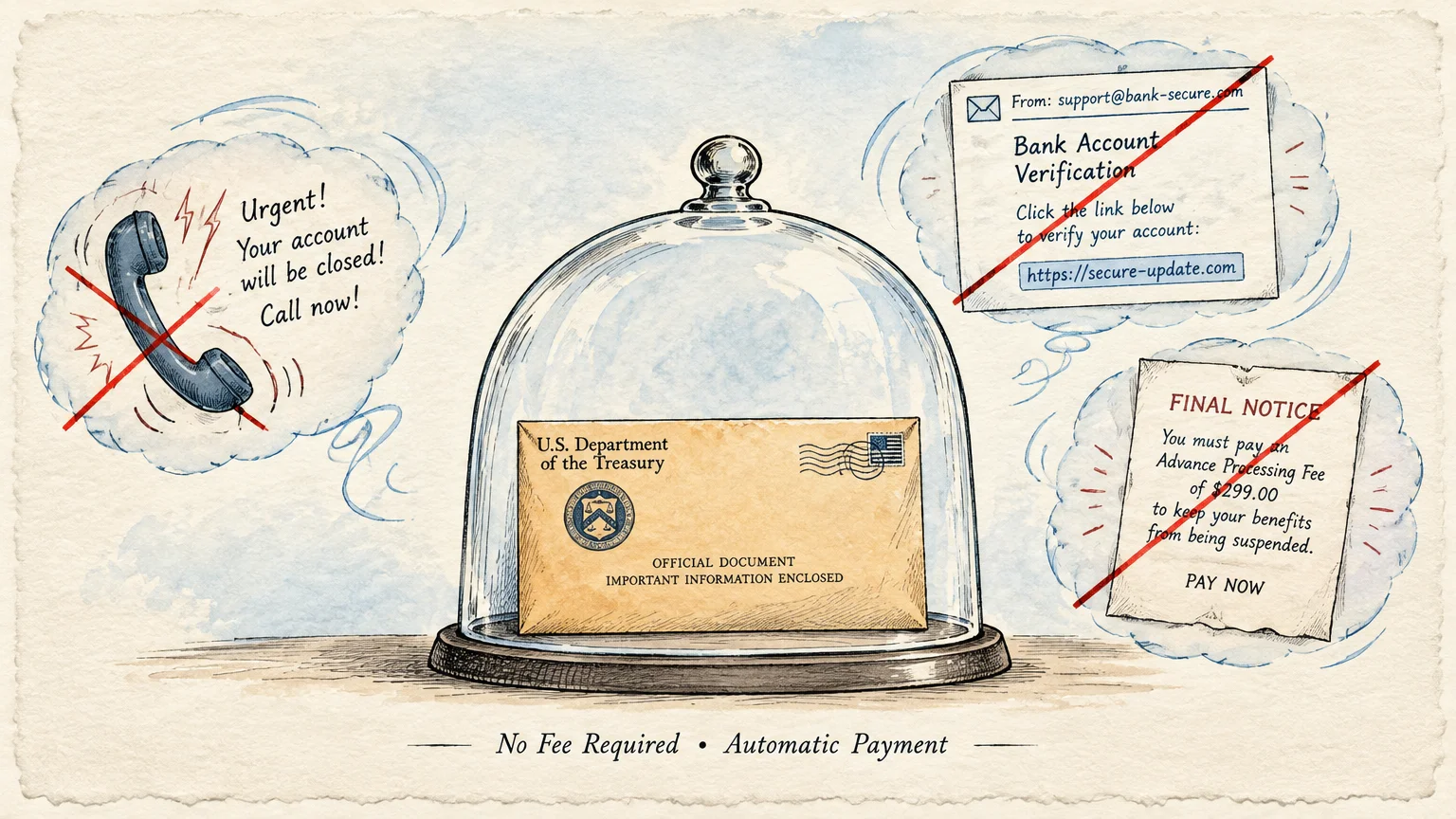
Scammers frequently send fraudulent text messages, emails, or direct mail pieces about healthcare relief. They often claim you must pay a fee to unlock your $500 check.
Other con artists call seniors claiming to represent the federal health exchange or the Treasury. They ask you to confirm your Social Security number or bank routing details over the phone.
Experts at the Consumer Financial Protection Bureau (CFPB) warn that authentic government agencies never require processing fees or gift cards to release money. Anyone demanding payment before releasing your refund is an active criminal.
Keep these essential safety practices in mind to safeguard your personal identity and retirement assets:
- Never disclose your Social Security number, Medicare number, or bank details to unsolicited callers.
- Remember that the federal government never charges application or processing fees for official relief funds.
- Ignore text messages containing links that promise to claim your healthcare rebate.
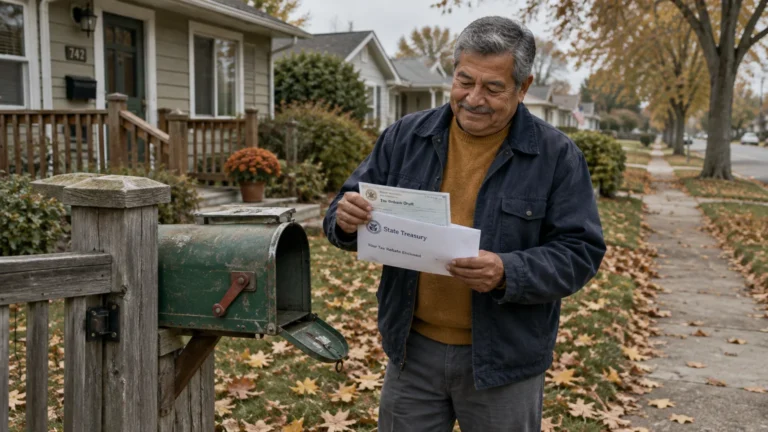
- Check your paper mail carefully for official U.S. Treasury watermarks before depositing any physical check.
- Hang up immediately on automated robocalls claiming your healthcare account faces suspension.
If a suspicious individual contacts you about your refund, terminate the conversation immediately. Report the incident directly to your local law enforcement agency or state attorney general.
Protecting your personal financial information preserves your retirement security. Authentic federal payments arrive quietly without aggressive demands for private information.