

Creating a home that is not only comfortable but also safe and easy to navigate is a wonderful act of self-care. As we age, our relationship with our living space can change, and what once worked perfectly might now present a few challenges, especially when mobility is a concern. The good news is that organizing your home isn’t about striving for perfection; it’s about enhancing your independence, safety, and enjoyment of daily life.
Think of home organization as a way to reclaim your space, making it work for you, not against you. With a few thoughtful adjustments, you can reduce physical strain, minimize fall risks, and create a serene environment where everything you need is right where you want it. These practical, mobility-friendly organization tips are designed to empower you to create a home that is a true sanctuary.
Start With One Small, Manageable Zone
The ‘Why’: The idea of organizing an entire house can feel overwhelming, often leading to a state of paralysis where nothing gets done. By focusing on a single, small area, you make the task approachable. This strategy provides a quick and visible victory, which builds confidence and momentum to continue without causing physical or emotional exhaustion.
The ‘How’:
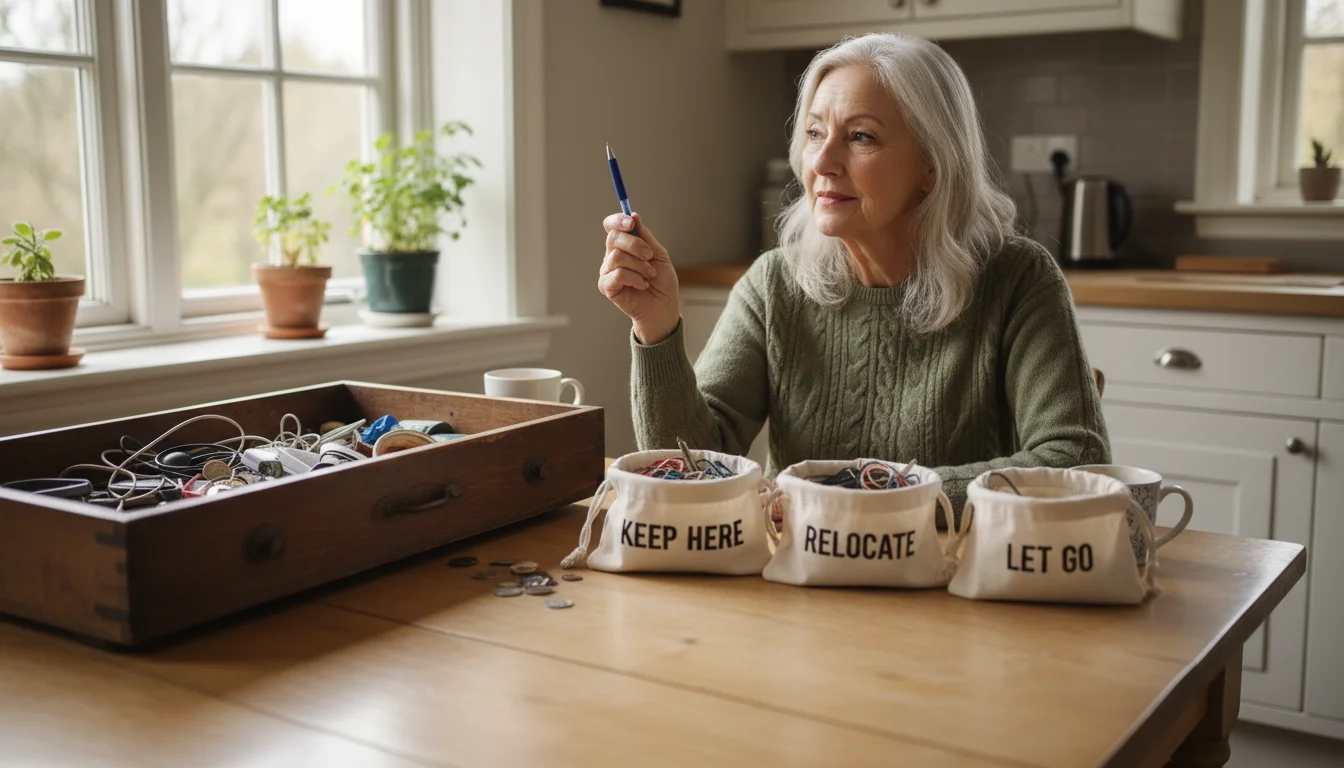
- Pick a “low-stakes” area that doesn’t hold deep sentimental value. Great places to start are a kitchen junk drawer, a single bathroom cabinet, or the shelf where you keep your vitamins and medications.
- Set a timer for just 15 or 20 minutes. Committing to a short, defined period makes it easier to begin.
– Use three bins or bags labeled: Keep Here, Relocate, and Let Go (donate/trash). Touch each item once and make a swift decision. Don’t overthink it.
– When the timer rings, stop for the day. Immediately put the “Relocate” items where they belong and take the “Let Go” bag to your car or trash bin. Admire your newly cleared space and feel proud of your progress.

Adjust Storage to Your “Strike Zone”
The ‘Why’: One of the most important principles of mobility-friendly organization is reducing the need to bend down low or reach up high. Constantly stretching or using a step stool increases the risk of falls and strains. The “strike zone” is the area between your shoulders and your knees—the easiest and safest space for you to access.
The ‘How’:
- Go through your kitchen, bedroom, and bathroom to identify the items you use every single day. This includes your favorite coffee mug, daily dishes, medications, toiletries, and go-to clothing items.
- Move all of these essential items onto shelves or into drawers that fall within your personal strike zone. This might mean rearranging your kitchen cabinets so plates are on a waist-level shelf instead of an upper one.
- For items on higher or lower shelves that you use less frequently, consider using a sturdy, long-handled reacher tool to retrieve them safely. This is a perfect example of how accessible storage solutions can greatly improve senior home safety.
Create Clear, Unobstructed Pathways
The ‘Why’: Open floor space is paramount for safe movement, especially if you use a cane, walker, or wheelchair. Cluttered walkways are a leading cause of trips and falls in the home. Creating clear paths not only enhances safety but also makes your home feel larger and more peaceful.
The ‘How’:
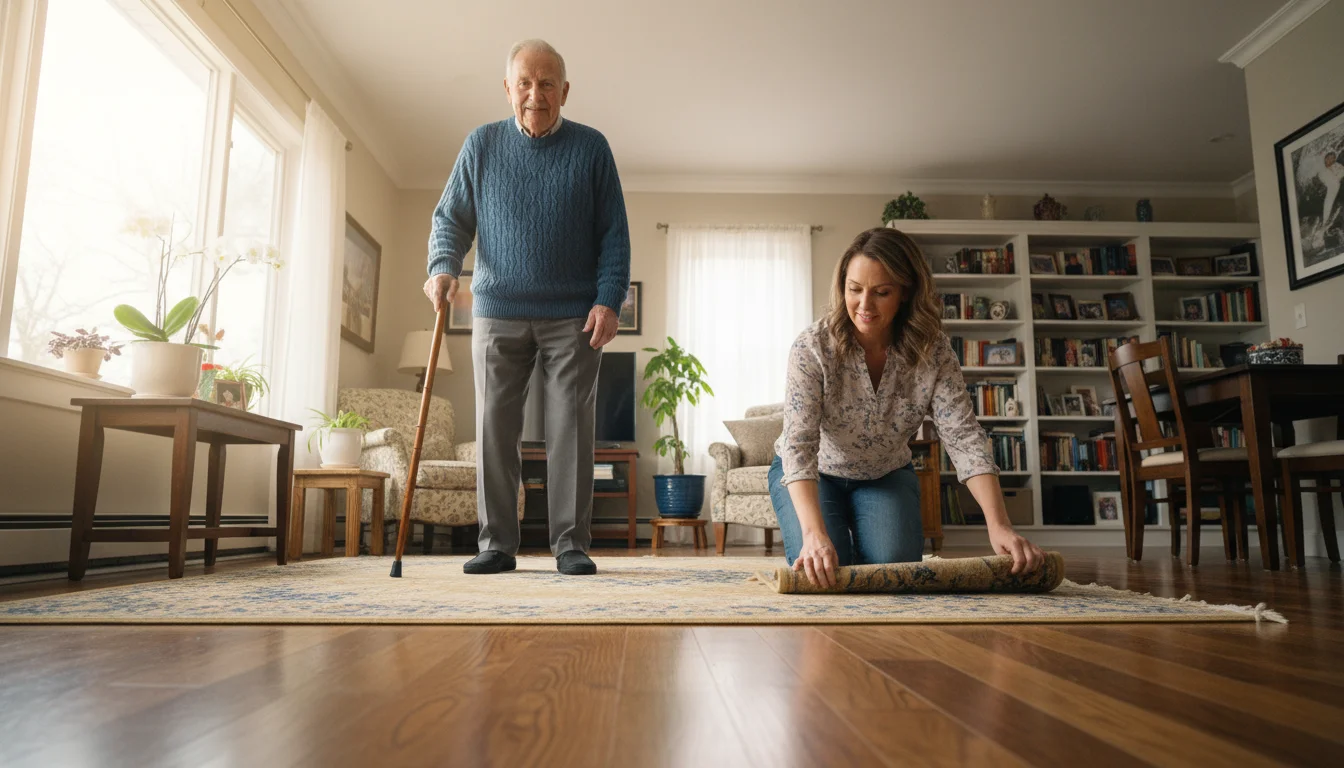
- Aim for pathways that are at least 36 inches wide in all major traffic areas, such as the route from your bedroom to the bathroom or from the living room to the kitchen.
- Rearrange furniture to open up these spaces. Sometimes simply moving a coffee table or an armchair a few inches can make a huge difference.
- Remove all clutter from the floor. This includes stacks of magazines, decorative baskets, and stray shoes. Find a designated “home” for these items off the floor.
- Address cords and rugs. Secure electrical and phone cords along baseboards using clips or cord covers. Remove small, slippery throw rugs entirely or secure them firmly to the floor with double-sided rug tape.
Improve Visibility with Good Lighting and Clear Labels
The ‘Why’: As we get older, our eyes need more light to see clearly. Dimly lit spaces can hide potential hazards and make simple tasks, like reading a medicine bottle, difficult and frustrating. Combining good lighting with clear labeling makes your environment safer and less stressful.
The ‘How’:
- Add task lighting in key areas. Place easy-to-install, battery-powered LED light strips under kitchen cabinets, inside dark closets, and above your favorite reading chair.
- Install motion-activated nightlights in hallways, bedrooms, and bathrooms. They provide gentle, automatic light for nighttime navigation without you having to fumble for a switch.
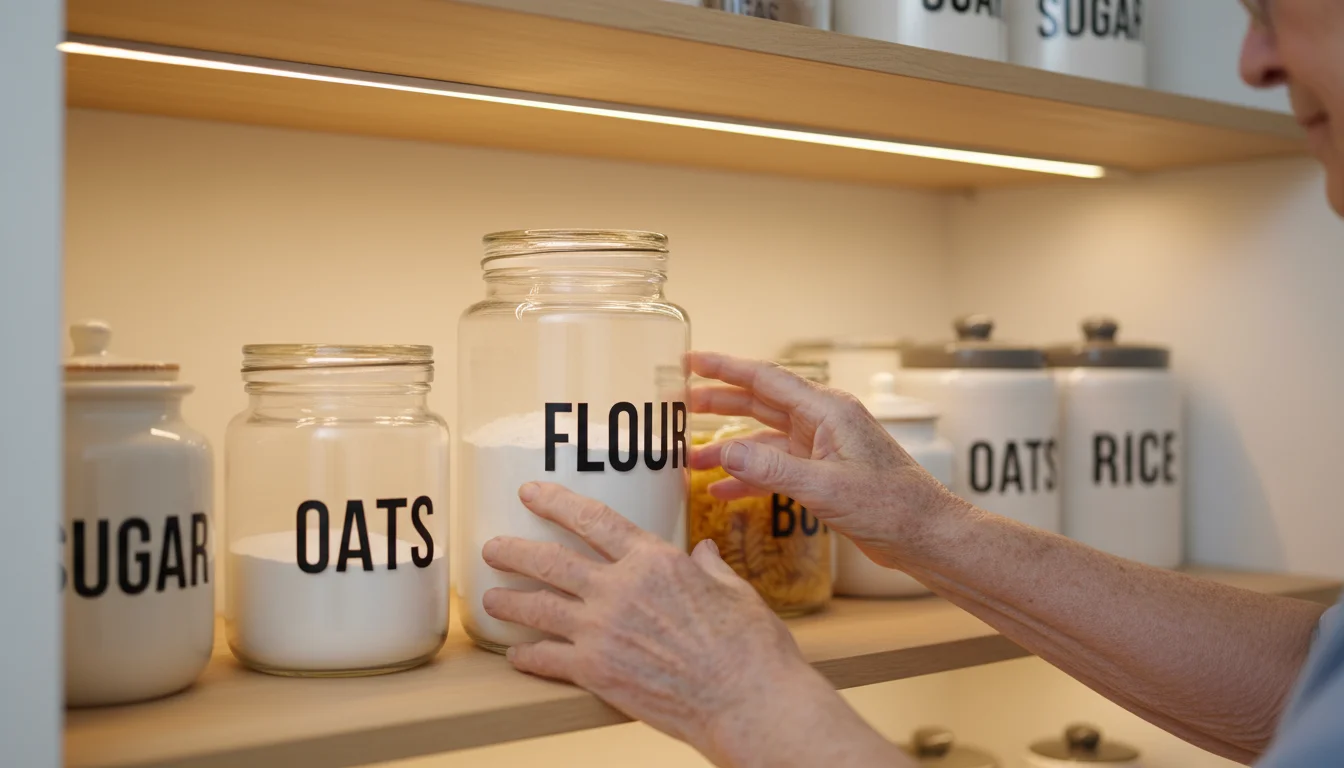
- Use a label maker with large, bold font to label pantry containers, spice jars, medicine bottles, and storage bins. This eliminates guesswork and ensures you grab the right item every time. Consider using color-coded labels for different categories (e.g., red for cleaning supplies, green for baking goods).
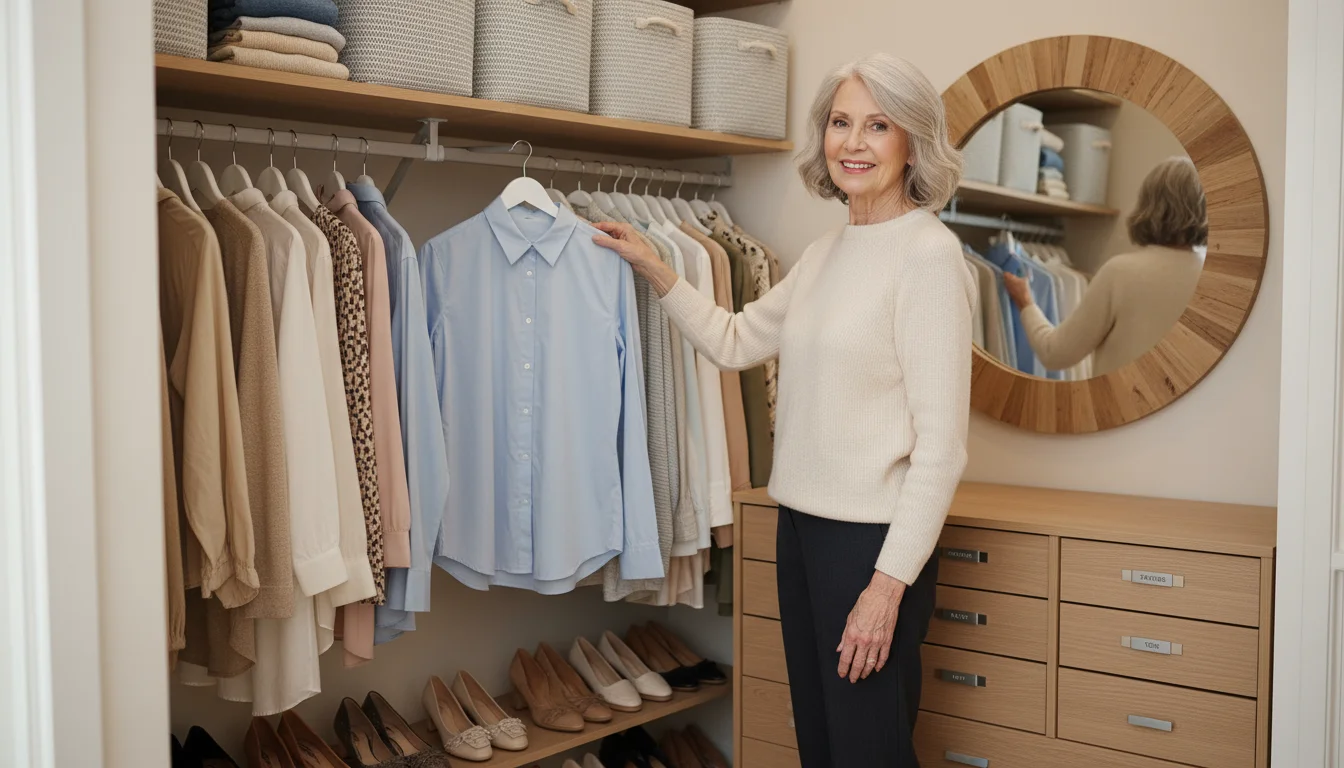
Reimagine Your Closet and Dresser for Easy Access
The ‘Why’: Getting dressed should be a simple start to your day, not a physical challenge. A disorganized closet with hard-to-reach items can be a source of daily frustration. These organizing tips for limited mobility will make your morning routine smoother and safer.
The ‘How’:
- If your closet rod is too high, consider having a handyman or family member install a lower one that is within easy reach.
- Replace hard-to-see stacks of folded sweaters with open-front bins on a shelf. This allows you to see what’s inside and pull out what you need without toppling the whole pile.
- Use drawer dividers to organize socks, undergarments, and accessories. This keeps everything neat and easy to find.
- Install a valet rod or a simple hook on the outside of your closet door to lay out the next day’s outfit. This simple step saves time and energy in the morning.
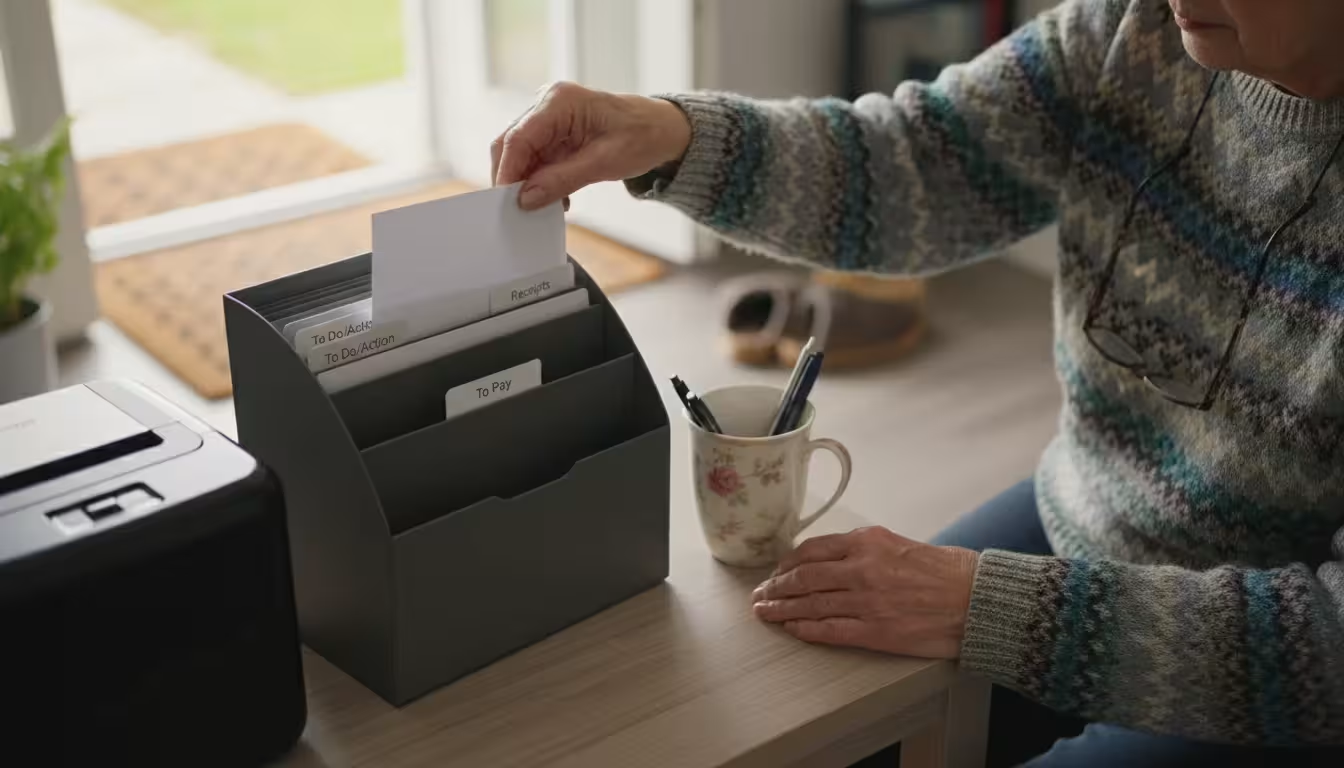
Establish a “Command Center” for Paperwork
The ‘Why’: Piles of mail, bills, and important documents can create visual clutter and mental stress. It’s easy for a critical piece of paper to get lost. Designating a single, organized spot for all incoming and outgoing paperwork can bring a sense of order and control.
The ‘How’:
– Choose one location to be your command center. This could be a small section of your kitchen counter, a drawer in a desk, or a small table in your entryway.
– Use a simple, upright file sorter with clear labels like: To Do / Action, To Pay, and To File.
- Keep a shredder, recycling bin, and trash can nearby. Process your mail as soon as it comes into the house. Immediately shred or recycle junk mail to prevent it from piling up.
- Schedule 15 minutes once a week to sit at your command center and pay bills, file documents, and clear out the “To Do” folder.
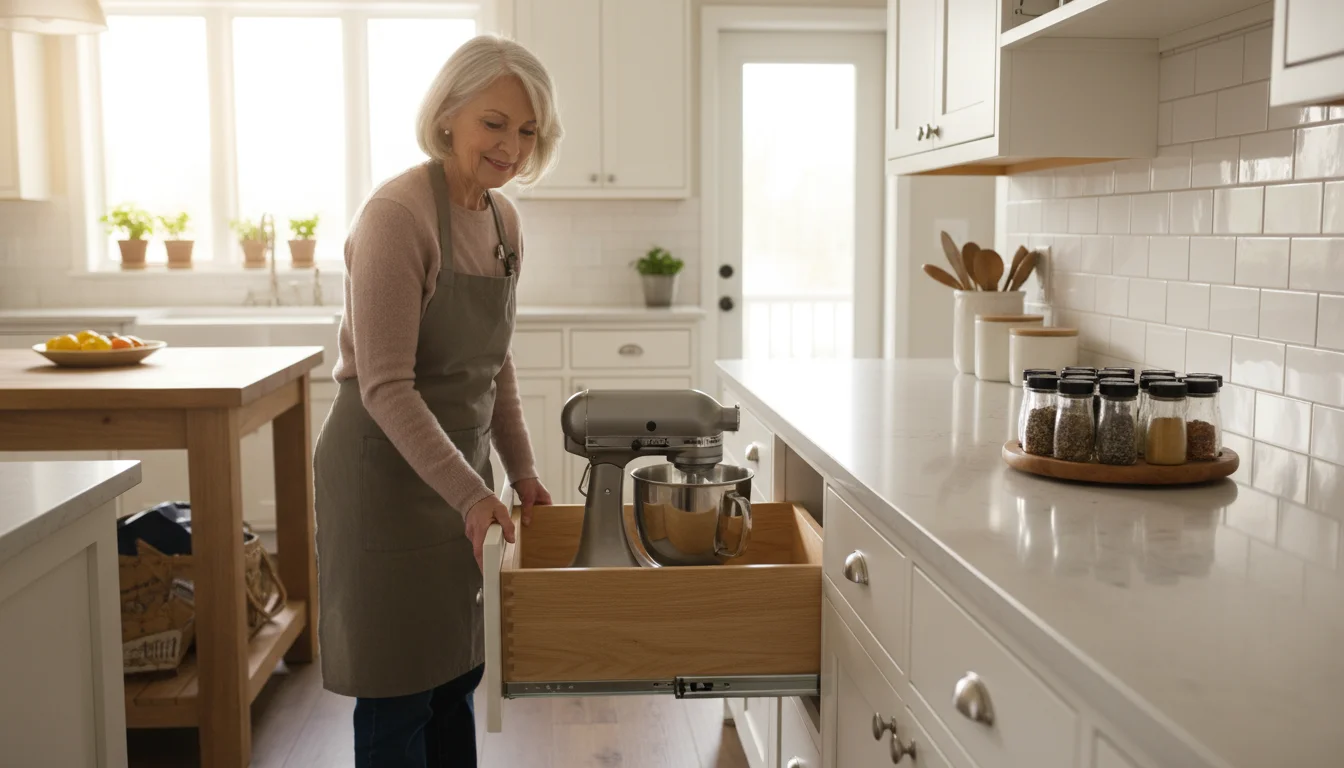
Optimize Your Kitchen for Cooking and Comfort
The ‘Why’: The kitchen is often called the heart of the home, but it can also be a place of potential hazards with heavy objects and sharp utensils. Smart, mobility-friendly organization makes cooking safer, more efficient, and more enjoyable.
The ‘How’:
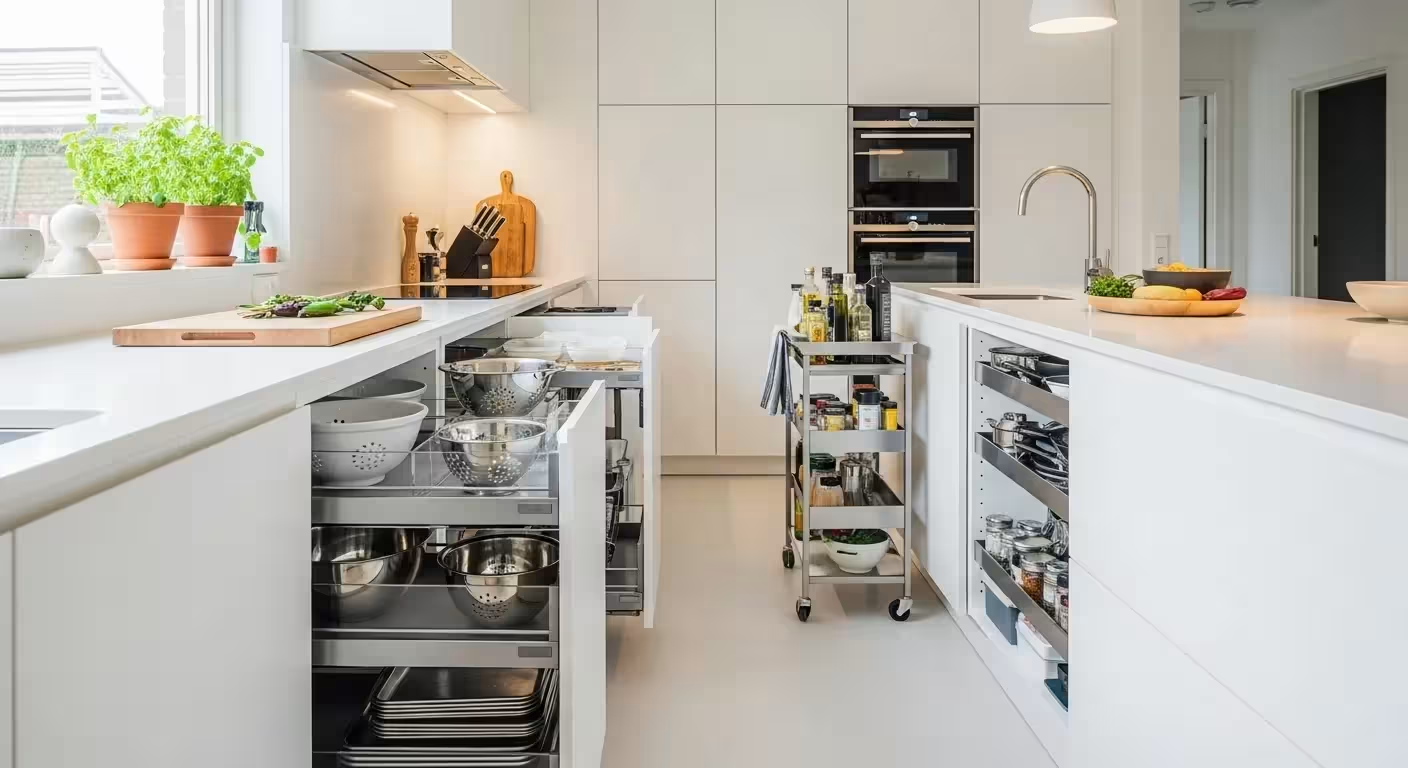
- Store heavy items like your stand mixer, slow cooker, and cast-iron pans on lower shelves or in deep drawers with pull-out organizers. Never store heavy items above shoulder height.
- Keep the things you use daily out in the open and within easy reach. Place utensils in a crock next to the stove, keep your most-used spices on a small lazy Susan, and store everyday dishes on a low, open shelf.
- Decant pantry staples like flour, sugar, and rice from large, heavy bags into smaller, lightweight, clear containers that are easier to lift and handle.
- Use a small, sturdy rolling utility cart. You can use it to transport ingredients from the pantry to your prep area or to bring your meal and a drink to the table in one safe trip.
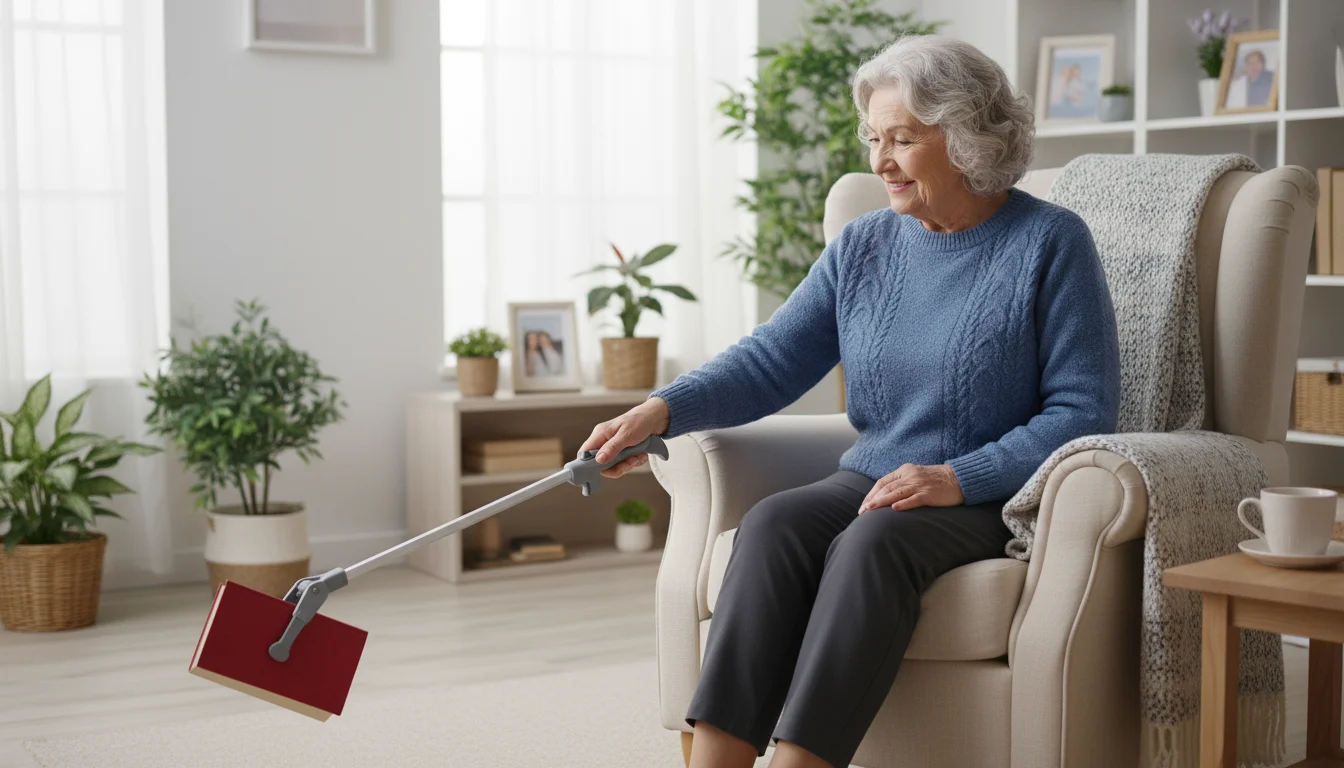
Invest in Simple Assistive Organizing Tools
The ‘Why’: Sometimes, the best organization tip isn’t about decluttering—it’s about having the right tool for the job. Simple assistive devices can act as an extension of your own body, allowing you to remain independent while preventing dangerous stretching or straining.
The ‘How’:
- Purchase a high-quality, lightweight reacher/grabber tool. Keep one in the kitchen to grab light items from high shelves and another in the living room or bedroom to pick things up off the floor without bending.
- A long-handled shoehorn can make putting on shoes an effortless task that you can do while seated.
- Bedside caddies that hang over the side of your bed or armchair are perfect for keeping essentials like glasses, remote controls, a book, and your phone within arm’s reach. This is a fantastic piece of accessible storage that keeps your nightstand clear.
Embrace the Freedom of Letting Go
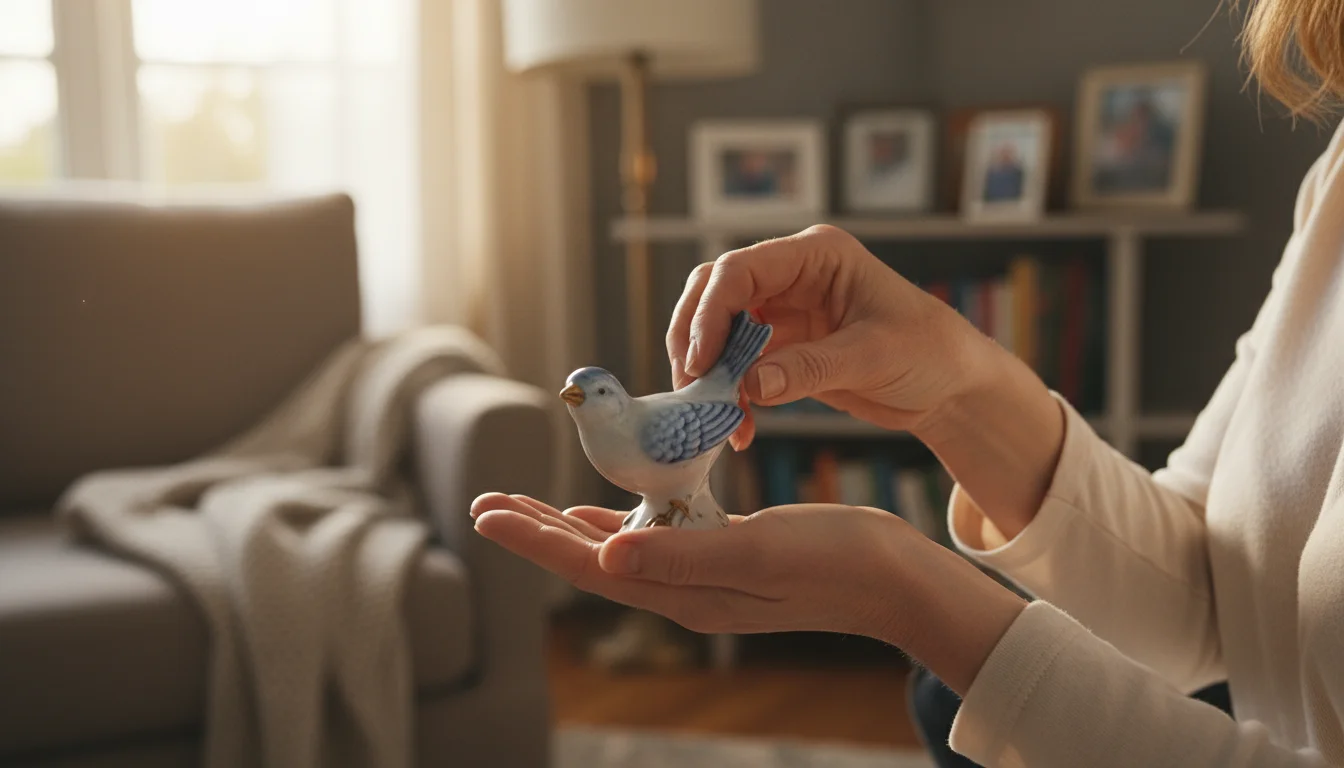
The ‘Why’: Over the years, we accumulate many possessions. While some hold precious memories, others may simply be taking up valuable space and collecting dust. Letting go of items you no longer need, use, or love is not about loss; it’s about making room for a safer, more comfortable present and future.
The ‘How’:
– As you organize each area, ask yourself honest questions: When was the last time I used this? Do I truly love it? Would someone else get more joy from it? Is it making my home safer or more cluttered?
- Consider gifting specific items to family members or friends who you know will cherish them. This can make parting with sentimental objects feel like a joyful act of giving.
- For items you wish to donate, call local charities or veterans’ groups to see if they offer a pickup service. This saves you the trouble of having to transport the items yourself.
Don’t Hesitate to Ask for a Helping Hand
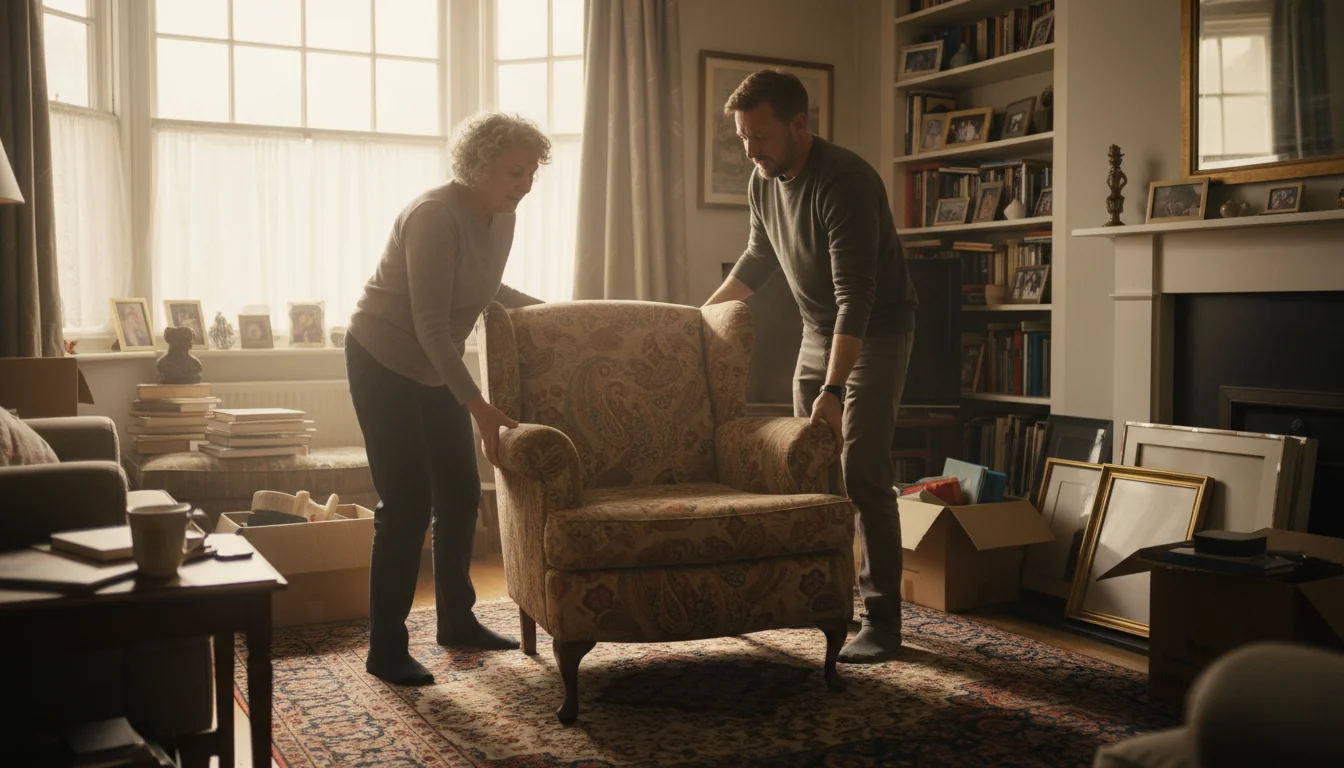
The ‘Why’: A home organization project, even a small one, can be physically demanding. There is tremendous strength in acknowledging when you need support. Involving others can make the process faster, safer, and much more enjoyable.
The ‘How’:
- Reach out to trusted family members, friends, or neighbors. Be specific with your request, such as, “Would you be able to help me for two hours next Saturday to move some boxes and rearrange the living room furniture?”
- Consider hiring a professional organizer, especially one who specializes in working with seniors or “aging in place.” They are experts in creating functional, safe spaces and can provide objective, non-judgmental assistance.
- Frame it as a positive project. Let your helpers know that their assistance is an investment in your long-term independence and senior home safety. People are often happy to help when they know they are making a real difference.
Remember, the goal of home organization for seniors is to create a living space that supports your lifestyle and well-being. Start small, be patient with yourself, and celebrate every step you take toward a safer, more comfortable, and more joyful home.
|
Fact-Checked Content
Our editorial team reviews all content for accuracy and updates it regularly. Learn about our editorial process →
|




Leave a Reply