Helpful Resources for Seniors
Helpful Resources for Seniors Navigate life's next chapter with confidence
  • Home
  • Lifestyle
  • Well-Being
  • Finance

Healthy Sleep Routines for Seniors: Wake Up Rested

September 8, 2025 · Well-Being

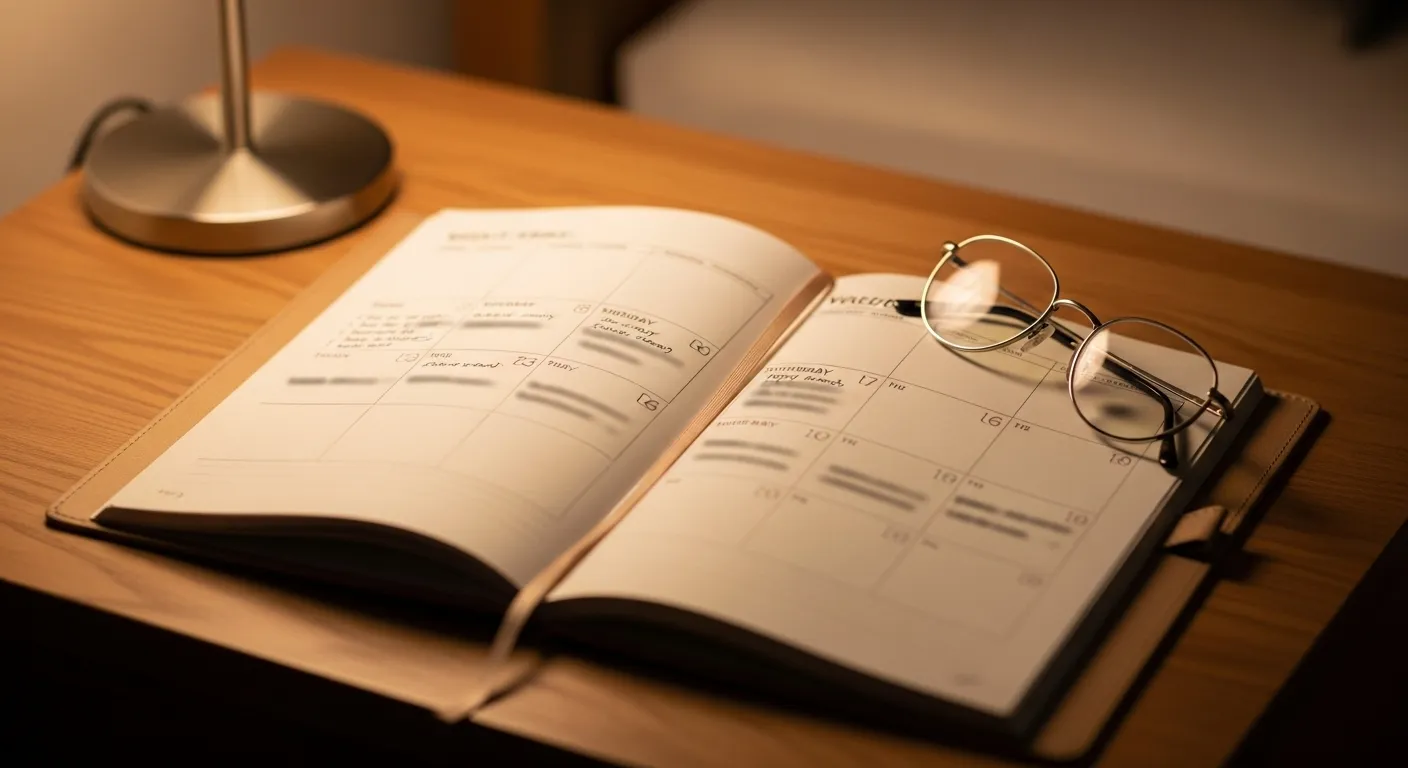
A close-up of a weekly planner and reading glasses on a nightstand, lit by a soft lamp, suggesting a consistent bedtime routine.

A Step-by-Step Guide to Building a Better Sleep Routine Safely

Creating a healthy sleep routine is about sending consistent signals to your body and brain that it’s time to wind down and rest. This doesn’t happen overnight, but with patience and a few simple adjustments, you can pave the way for more restful nights. Here are safe, practical steps you can take.
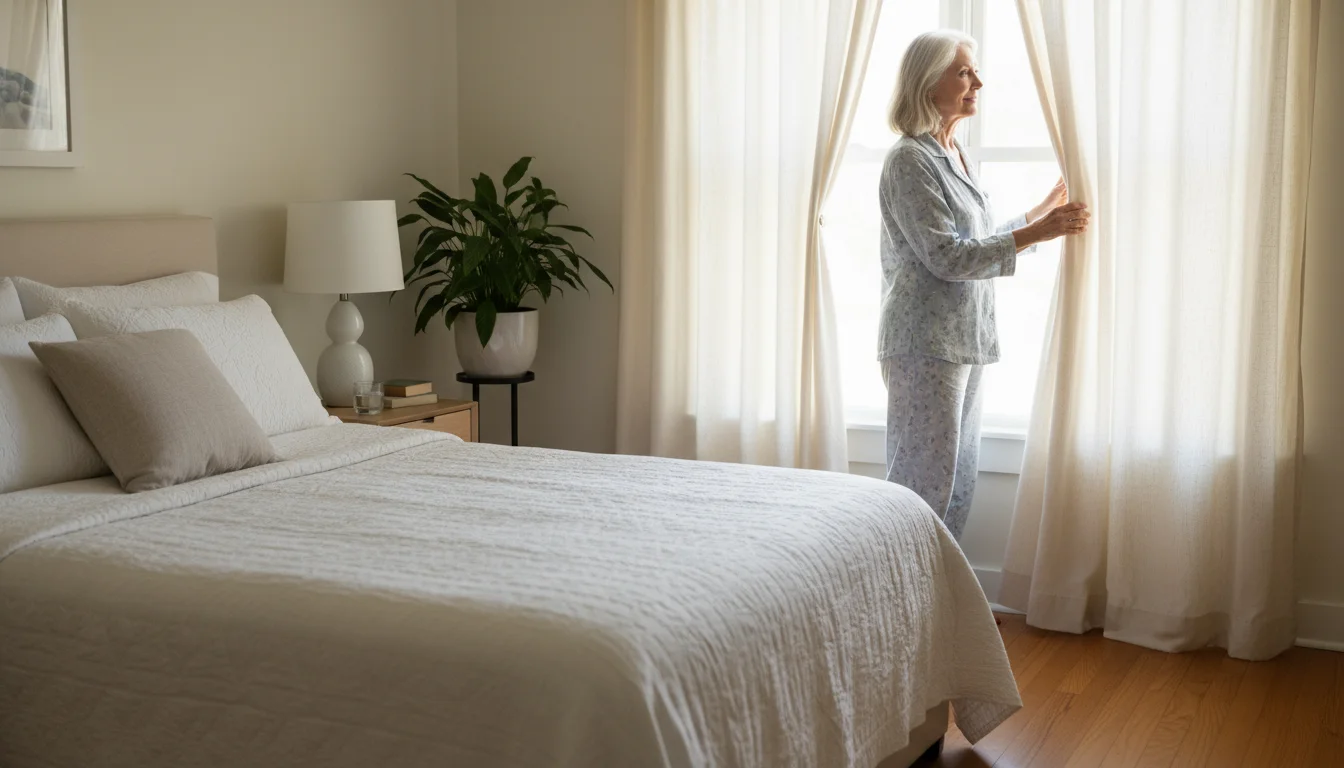
A senior woman in a sunlit bedroom, opening linen curtains, looking refreshed with a contented smile as morning light streams in.
Starting the day right with a consistent morning routine.

1. Set a Consistent Sleep Schedule

Your body has an internal 24-hour clock called the circadian rhythm, which thrives on consistency. Going to bed and waking up at the same time every day—even on weekends—is the single most important step you can take to regulate this clock.

  • Choose Your Times: Pick a bedtime and wake-up time that allows for 7-9 hours of sleep.
  • Stick to It: Try to stay within a 30-minute window of these times each day. If you stay up late one night, it’s better to get up at your usual time the next morning rather than sleeping in, as this helps reset your clock faster.
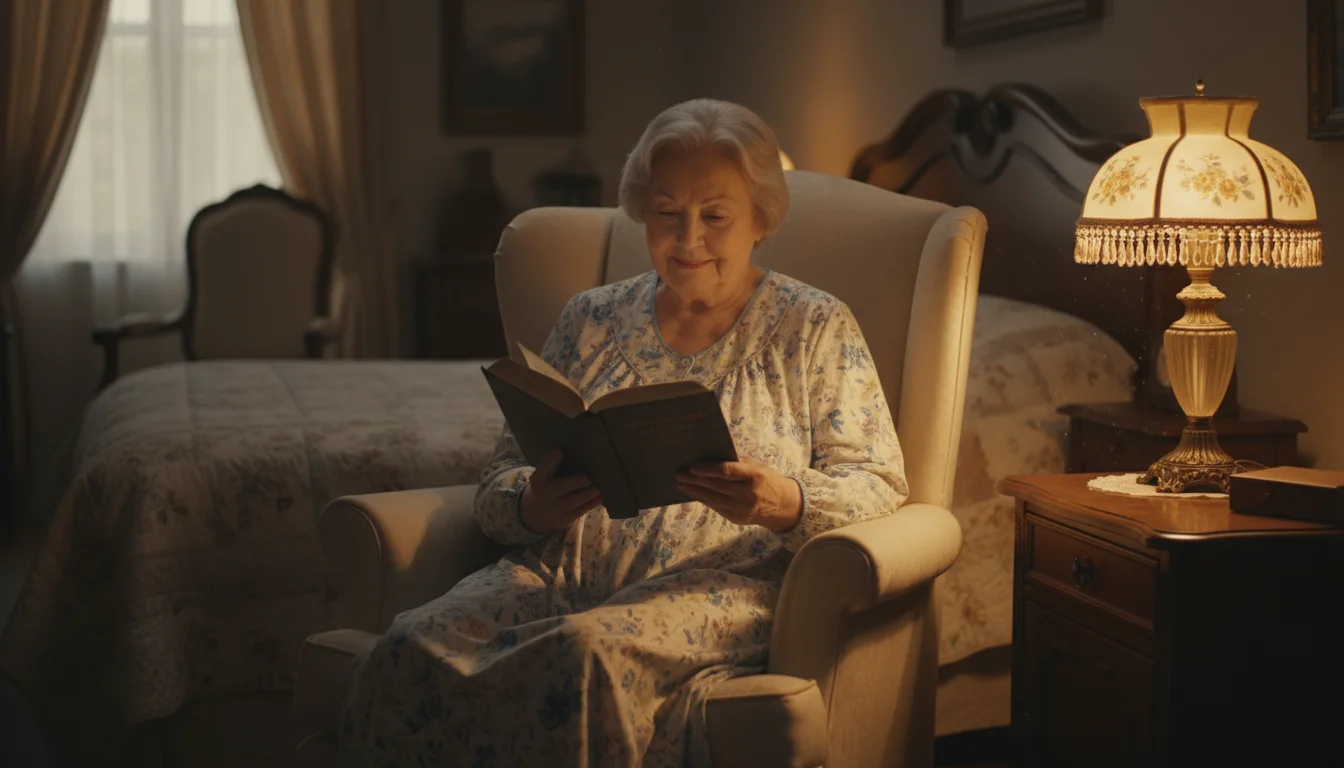
An older woman in a nightgown reads a physical book by a soft lamp in a cozy, dimly lit bedroom. A turned-off smartphone is on the nightstand.
Enjoying a quiet read, winding down before a restful night’s sleep.

2. Create a Relaxing Bedtime Ritual

A bedtime ritual is a set of activities you do in the 30-60 minutes before bed to signal to your body that it’s time to transition from an active state to a restful one. This ritual should be calming and enjoyable.

  • Unplug from Screens: The blue light from TVs, computers, tablets, and smartphones can suppress melatonin, the hormone that controls your sleep-wake cycle. Turn them off at least an hour before bed.
  • Take a Warm Bath: A warm bath or shower can be very relaxing. The subsequent drop in your body temperature after you get out also helps trigger sleepiness. Be sure your bathroom is safe with non-slip mats to prevent falls.
  • Read a Book: Choose a physical book or an e-reader without a bright backlight. Avoid thrillers or suspenseful stories that might be too stimulating.
  • Listen to Calming Music or an Audiobook: Soft, instrumental music, nature sounds, or a soothing audiobook can help quiet a busy mind.
  • Practice Gentle Stretches or Deep Breathing: Simple, gentle stretches can relieve muscle tension. Deep breathing exercises—inhaling slowly through your nose and exhaling slowly through your mouth—can calm your nervous system. Always check with your doctor before starting any new physical activity.
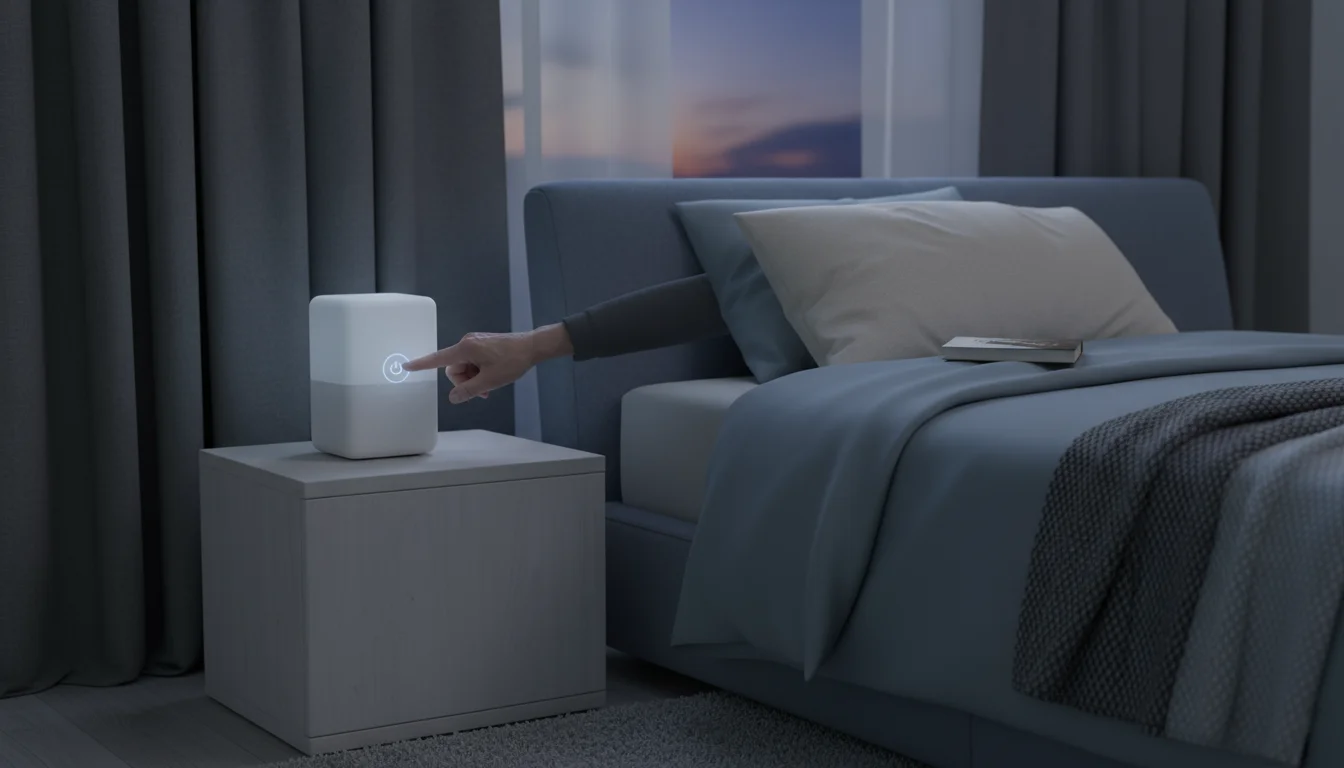
A senior hand activates a white noise machine on a nightstand in a dim bedroom with blackout curtains drawn.
Setting the scene for a perfectly quiet and dark night’s sleep.

3. Optimize Your Bedroom Environment

Your bedroom should be a sanctuary for sleep. This means making it cool, dark, quiet, and comfortable. These are powerful insomnia solutions that cost nothing.

  • Keep It Cool: Most people sleep best in a cool room, typically between 60 and 67 degrees Fahrenheit.
  • Make It Dark: Use blackout curtains, shades, or an eye mask to block out light. Even small amounts of light from streetlamps or digital clocks can disrupt sleep.
  • Ensure It’s Quiet: If noise is an issue, consider using a fan for white noise, earplugs, or a white noise machine to drown out disruptive sounds.
  • Reserve Your Bed for Sleep: Avoid working, eating, or watching TV in bed. This helps your brain associate your bed with sleep and intimacy only.

A senior woman in comfortable activewear takes a gentle morning walk on a sunlit park path, dappled by tree shadows.
Starting the day with a refreshing walk and sunshine.

4. Pay Attention to Daytime Habits

What you do during the day has a significant impact on how well you sleep at night.

  • Get Some Sunlight: Exposure to natural light, especially in the morning, helps keep your body’s internal clock on a healthy sleep-wake cycle. Try to spend at least 15-30 minutes outdoors each morning.
  • Be Physically Active: Regular physical activity can promote deeper sleep. However, try to avoid strenuous exercise within three hours of bedtime, as it can be stimulating. A gentle walk after dinner is a great option.
  • Watch What You Eat and Drink: Avoid large meals, caffeine (from coffee, tea, soda, and chocolate), and alcohol close to bedtime. Caffeine can stay in your system for many hours. While alcohol might make you feel sleepy at first, it disrupts sleep later in the night. A light, healthy snack like a banana or a small bowl of oatmeal is a better choice if you’re hungry.
  • Be Smart About Naps: If you need to nap, try to keep it short (20-30 minutes) and take it in the early afternoon. Napping for too long or too late in the day can interfere with your ability to fall asleep at night.


Pages: 1 2 3 4 5 6

Share this article

Facebook Twitter Pinterest LinkedIn Email

Leave a Reply Cancel reply

Your email address will not be published. Required fields are marked *

Search

Latest Posts

  • 10 Types of Fatigue That Need a Doctor's Look
  • 11 Retirement Spots Known for Their Local Breweries and Cafes
  • Shoppers browse fresh vegetables, flowers, and ceramic mugs at a sunlit outdoor farmers market in a town square. 12 Retirement Towns Known for Their Farmers and Craft Markets
  • A man leans against a stone balustrade overlooking a hillside village, next to a table with coffee, a book, and keys. 12 Countries Where a U.S. Pension Buys a House Outright
  • A smiling senior woman in a blazer holds a portfolio while speaking with passengers on a cruise ship deck at sunset. 8 Part-Time Jobs at Retirement Cruise Lines for Seniors
  • Senior couple sitting at a wooden table reviewing medical receipts, expense logs, and calculating bills. 9 Tax Breaks Retirees Often Miss on Medical Expenses
  • Senior couple relaxing on a sunny porch, with a woman reading a newspaper in a wicker chair and a man holding a mug. 10 Things That Get Cheaper When You Move to a Smaller Town
  • A red backpack stands open on a wooden table beside a clear pouch organizing identity, insurance, and banking papers. 9 Financial Documents to Keep in an Emergency Go-Bag
  • A woman sits at a wooden dining table reviewing a printed Social Security earnings record with a pencil in hand. 9 Signs Your Social Security Statement Has an Error
  • An older man with a satchel and scarf walks along a brick university campus path beneath autumn trees. 10 College Towns With Tuition Perks for Seniors

Newsletter

Get the latest posts delivered to your inbox.

Related Articles

A close-up of a smiling senior woman's face, looking healthy and happy in natural, soft lighting by a window in her home.

How to Build a Senior Emergency Preparedness Kit

Table of Contents Introduction: Prioritizing Your Health with an Emergency Kit Understanding the Health Benefits…

Read More →
An older woman thoughtfully examining a supplement bottle in a bright pharmacy.

3 Supplements Your Doctor Wishes You’d Stop Taking

Learn why doctors warn seniors against taking high-dose vitamin E, calcium pills, and St. John's…

Read More →
An older person sits at a table, enjoying breakfast with fresh fruit and a cup of tea, while sunlight streams in from a nearby window.

Building a Morning Routine That Works in Retirement

Table of Contents First, Understand Why a Routine Matters Now More Than Ever Step 1:…

Read More →
A brightly lit interior room with easy-to-navigate pathways, grab bars installed in a bathroom, and necessary items within easy reach on lower shelves.

Home Safety Checklist for Seniors Living Independently

Your home is your sanctuary—a place of comfort, memories, and familiarity. Choosing to live independently…

Read More →
A person sits in a chair with their eyes closed, practicing a deep breathing exercise.

5 Breathing Techniques to Reduce Stress Instantly

Table of Contents Technique #1: Foundational Belly Breathing (Diaphragmatic Breathing) Technique #2: The 4-7-8 Calming…

Read More →
Older woman kneeling comfortably, helping a young child stack blocks on a rug, soft window light.

The Best Strength Training Exercises for Bone Density After 60

The Best Strength Training Exercises for Bone Density After 60 As you navigate the vibrant…

Read More →
A bright kitchen counter in daylight, featuring a bowl of fresh berries next to a framed photo of a smiling senior.

Best Anti-Inflammatory Foods for Seniors

A Step-by-Step Guide to Eating Anti-Inflammatory Foods Safely Getting started with an anti-inflammatory diet doesn’t…

Read More →
A brightly lit bathroom with grab bars installed near the toilet and shower, non-slip mats on the floor, and a raised toilet seat.

Staying Safe: Fall Prevention Tips for Seniors Living Alone

Table of Contents 1. Conduct a Home Safety Audit 2. Brighten Your Environment 3. Make…

Read More →
A person practicing deep belly breathing, sitting in a chair with their eyes closed, hands resting on their abdomen.

5 Breathing Exercises That Calm the Mind and Body

Table of Contents 1. Master Deep Belly Breathing (Diaphragmatic Breathing) 2. Try the 4-7-8 Relaxing…

Read More →
Helpful Resources for Seniors Helpful Resources for Seniors

Navigate life's next chapter with confidence

Inedit Agency S.R.L.
Bucharest, Romania

contact@helpfulresourcesforseniors.com

Explore

  • Home
  • About Us
  • Editorial Policy
  • Privacy Policy
  • Terms and Conditions
  • Subscribe
  • Unsubscribe
  • Contact
  • Request to Know
  • Request to Delete
  • CA Private Policy

Categories

  • Finance
  • Lifestyle
  • Well-Being

© 2026 Helpful Resources for Seniors. All rights reserved.