
Helpful Resources for Seniors
Helpful Resources for Seniors Navigate life's next chapter with confidence
  • Home
  • Lifestyle
  • Well-Being
  • Finance

How to Maintain Healthy Joints as You Age

September 8, 2025 · Well-Being

A senior woman smiles contentedly while gardening on her patio in the evening, her face lit by a warm lamp.

A Step-by-Step Guide to Healthy Joints Safely

A proactive approach to joint health involves a combination of movement, nutrition, and smart lifestyle choices. The following steps are designed to be gentle, effective, and safe. Before starting any new exercise or diet plan, please consult with your doctor to ensure it aligns with your personal health needs.
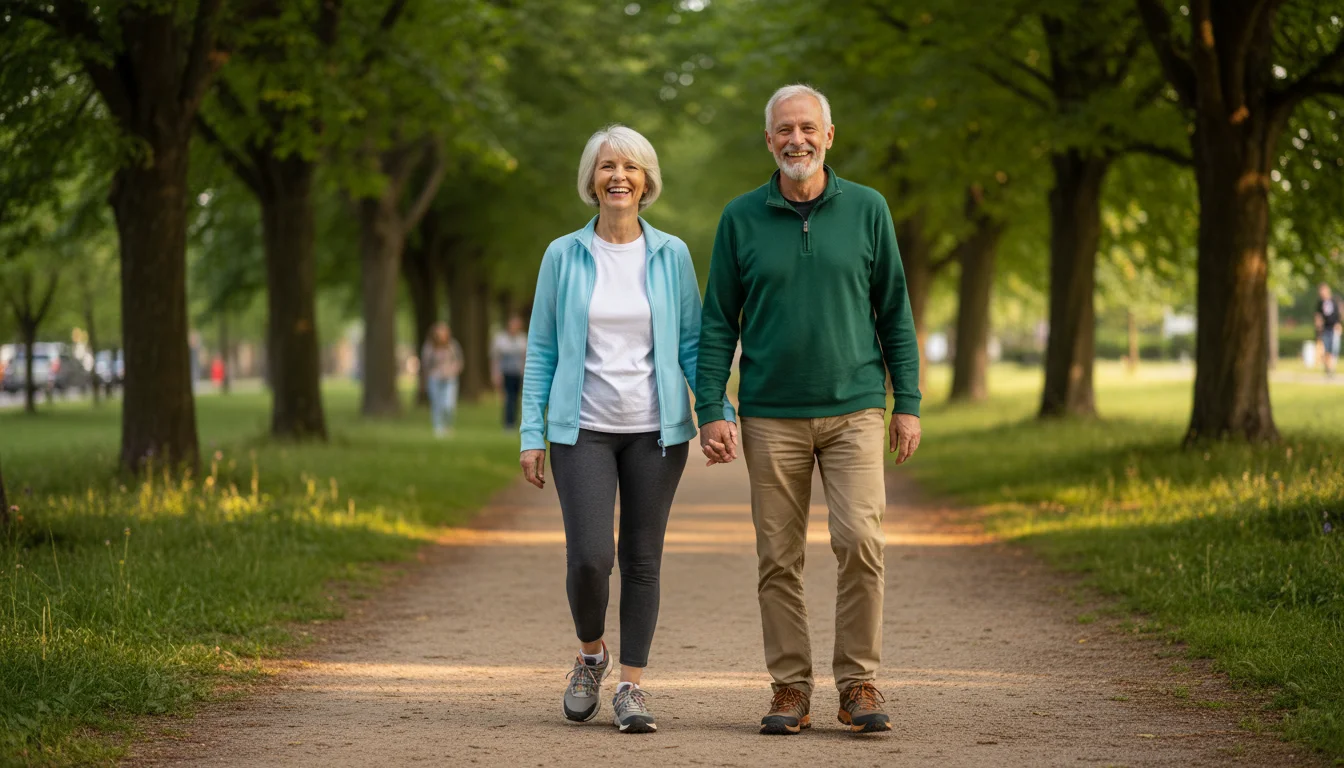
Two seniors, a man and a woman, walk briskly on a dirt park path, wearing athletic shoes and comfortable clothes, enjoying the outdoors.
Enjoying a gentle walk on a peaceful path helps keep joints moving.

1. Embrace Gentle, Low-Impact Exercise

The saying “motion is lotion” is particularly true for our joints. Movement helps circulate synovial fluid, which lubricates the joints and delivers nutrients to the cartilage. The key is to choose low-impact activities that build strength and flexibility without jarring or straining the joints.

Walking: One of the simplest and most accessible exercises. Start with 10-15 minute walks in a comfortable, supportive pair of shoes. Focus on good posture—stand tall with your shoulders back. As you get stronger, you can gradually increase the duration or pace. Walking on softer surfaces like a track or a dirt path can be gentler on the knees than hard pavement.

Swimming and Water Aerobics: Water is incredibly supportive for the body. Its buoyancy takes the pressure off your joints, allowing you to move freely and with a greater range of motion than you might on land. The water’s resistance also helps to build muscle strength gently. Many community centers offer water aerobics classes specifically designed for seniors.

Stretching: Gentle stretching helps maintain and improve your flexibility, reducing stiffness and making everyday movements easier. Never stretch a cold muscle, so it’s best to stretch after a short walk or at the end of your workout. Hold each stretch for 20-30 seconds without bouncing. Focus on major muscle groups that support your hips, knees, and back, such as your hamstrings and quadriceps.
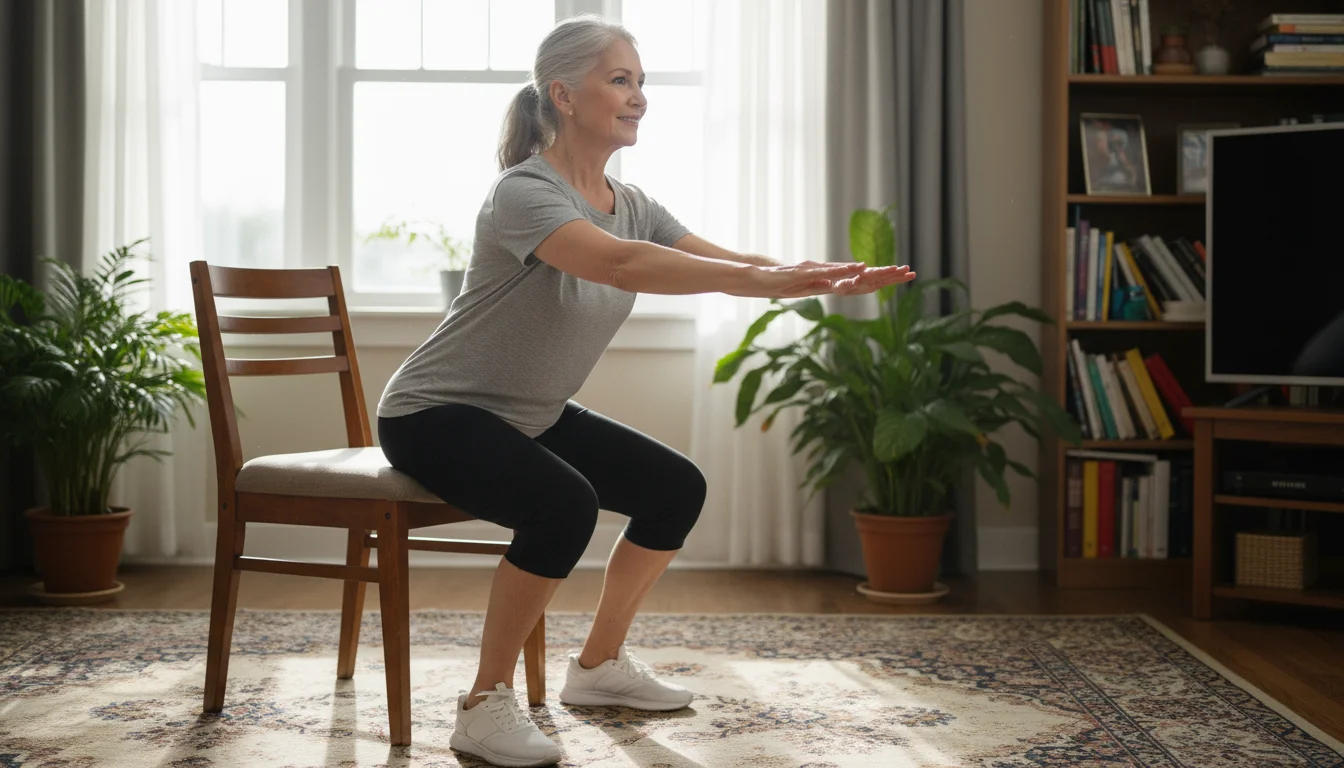
An active woman in her late 60s performs a chair squat exercise in a sunlit living room, lowering herself towards a wooden chair.
Chair squats help build leg strength to support your joints.

2. Build Strength to Support Your Joints

Strong muscles act as a support system for your joints. They absorb shock and reduce the stress placed on your cartilage and bones. You don’t need heavy weights to build strength; your own body weight and simple resistance bands can be very effective.

Chair Squats: Stand in front of a sturdy, armless chair with your feet shoulder-width apart. Slowly lower yourself as if you are about to sit down, keeping your back straight and your knees behind your toes. Go as low as you comfortably can, then slowly push back up to a standing position. You can lightly touch the chair for balance or sit down completely if needed. Aim for 8-12 repetitions.

Wall Push-ups: Stand facing a wall, about arm’s length away. Place your palms flat on the wall at shoulder height. Slowly bend your elbows and lean your body toward the wall, keeping your back straight. Push back to the starting position. This exercise strengthens your shoulders and chest without putting stress on your wrists or elbows.
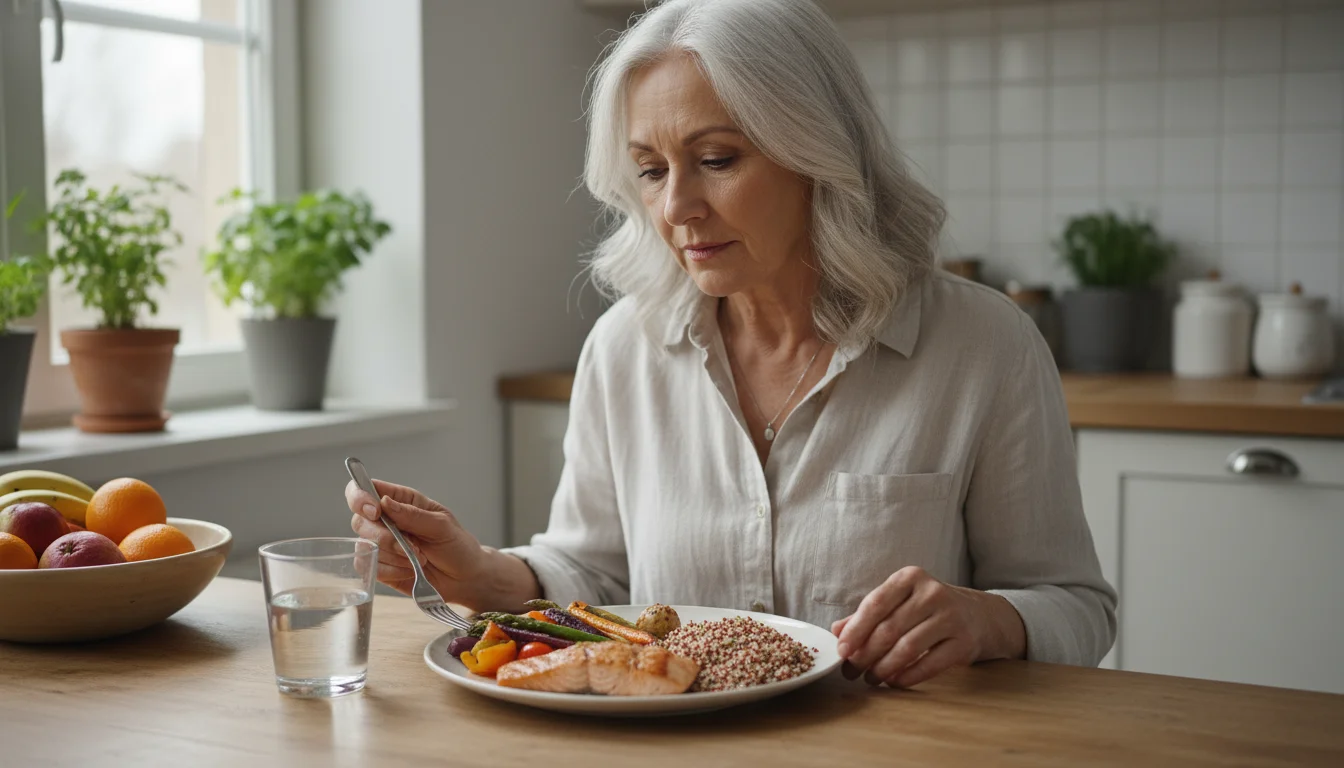
An older woman with a thoughtful expression looks at a plate of healthy food, including salmon, vegetables, and quinoa, on a table.
Mindful eating is a long-term commitment to joint health.

3. Maintain a Healthy Weight

Your body weight has a direct impact on your joints, particularly weight-bearing joints like your knees, hips, and back. For every pound of body weight you carry, your knees feel approximately four pounds of pressure when you walk. Therefore, even a modest amount of weight loss can significantly reduce the strain on your joints, easing pain and helping to prevent future damage. Think of it not as a diet, but as a long-term commitment to reducing the daily workload your joints have to manage. Partner with your doctor or a registered dietitian to create a healthy eating plan that is sustainable and meets your nutritional needs.
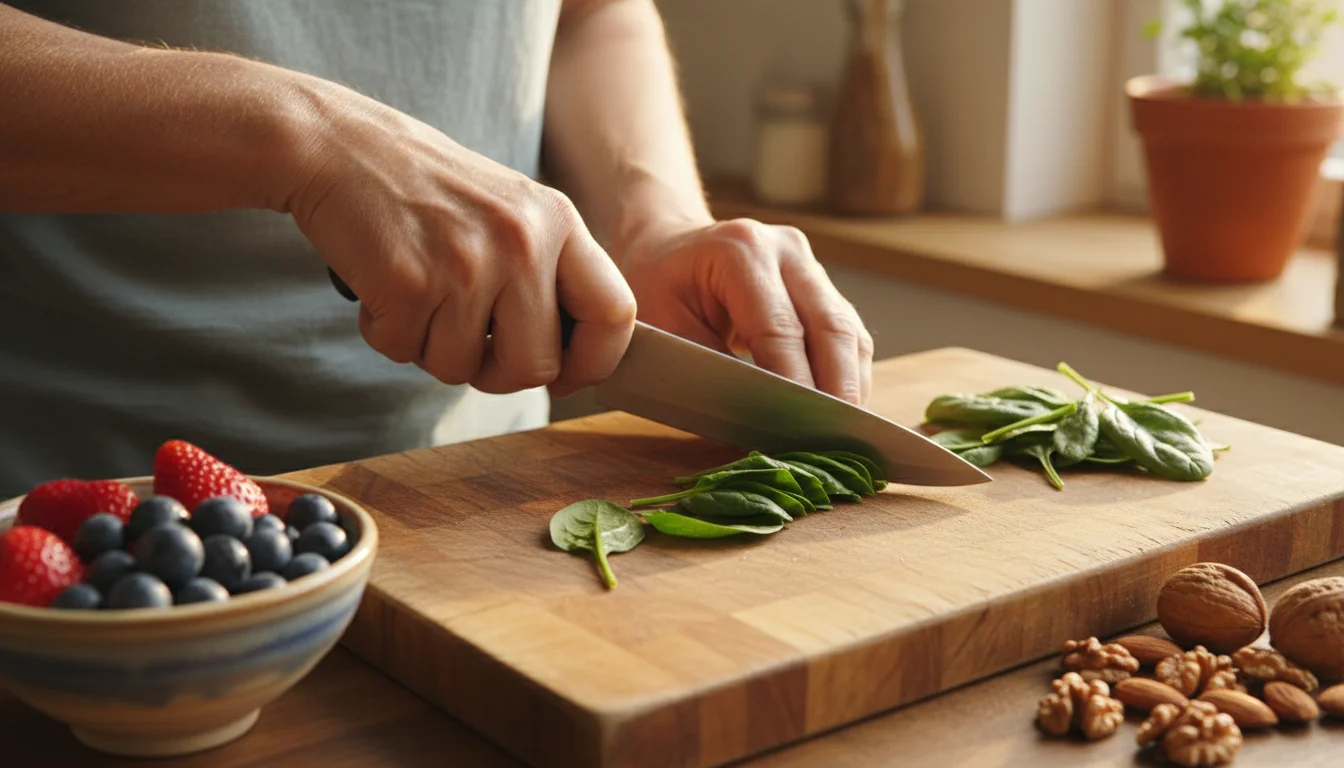
An older person's hands gently chop fresh spinach on a wooden board, surrounded by berries, nuts, and olive oil.
Fresh ingredients waiting to become a joint-friendly meal.

4. Adopt a Joint-Friendly Diet

Certain foods contain compounds that can help manage inflammation, a key contributor to joint pain and stiffness. Focusing on a diet rich in whole, unprocessed foods is a powerful tool for arthritis prevention.

Foods to Include:

Fatty Fish: Salmon, mackerel, and sardines are rich in omega-3 fatty acids, which have potent anti-inflammatory properties.

Berries and Dark Leafy Greens: Foods like strawberries, blueberries, spinach, and kale are packed with antioxidants that protect the body from cellular stress.

Nuts and Seeds: Walnuts, almonds, and flaxseeds provide a healthy dose of anti-inflammatory fats and nutrients.

Olive Oil: Extra virgin olive oil contains a compound called oleocanthal, which has effects similar to anti-inflammatory drugs.

Foods to Limit:

Try to reduce your intake of foods that can promote inflammation, such as sugary snacks and beverages, fried foods, and highly processed meals. These can contribute to weight gain and exacerbate joint discomfort.
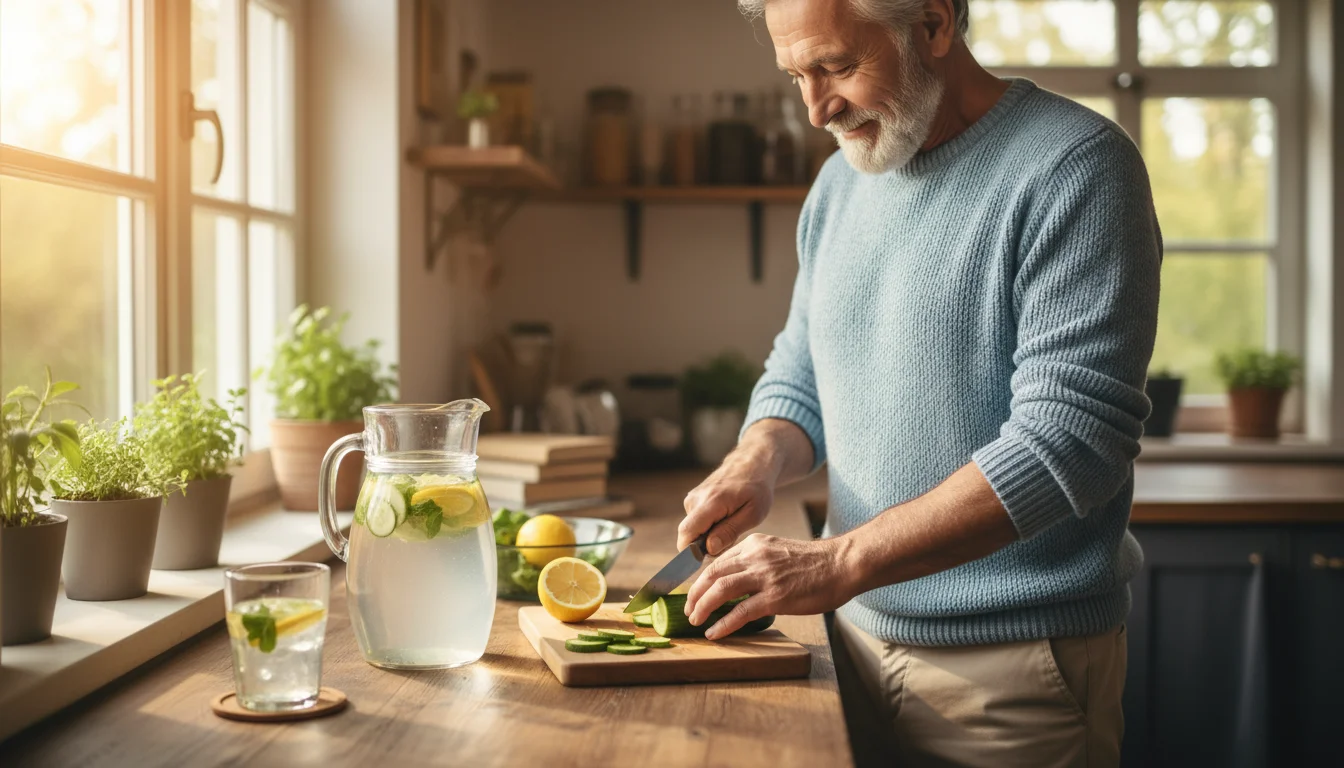
Older man in a bright kitchen slicing cucumber and lemon next to a pitcher of water and a full glass.
Simple acts like infusing water keep us feeling great.

5. Prioritize Hydration

Staying well-hydrated is essential for joint health. Your cartilage is made up of about 80% water, and the synovial fluid that lubricates your joints requires adequate water to maintain its proper consistency. When you are dehydrated, your body may pull water from cartilage, which can increase friction and discomfort. Aim to drink water throughout the day, even if you don’t feel thirsty. If you find plain water unappealing, try infusing it with lemon, cucumber, or mint.
Pages: 1 2 3 4 5 6

Share this article

Facebook Twitter Pinterest LinkedIn Email

Leave a Reply Cancel reply

Your email address will not be published. Required fields are marked *

Search

Latest Posts

  • States Where You Can Retire Without Paying State Taxes on Your Retirement Income
  • Average Social Security Benefit for Men: How Does Your Payment Compare?
  • 13 Things Every Retiree With a Pension Must Know About Taxes
  • 5 Regular Bills Retirees Can Prepay for Instant Savings
  • 7 States With the Cheapest Home Insurance
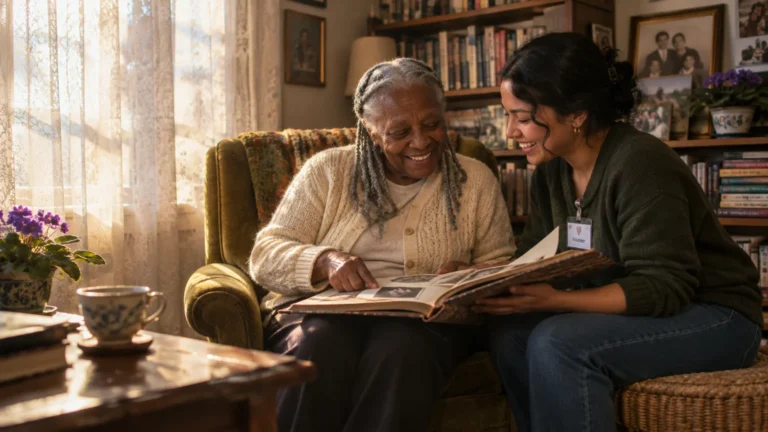
  • An older woman and a young female volunteer laugh together while potting green herbs on a sunny wooden porch. 9 Senior Companion Programs Worth Exploring
  • An ink and watercolor illustration of a senior woman looking out a window with a peaceful expression, holding a warm mug. 7 Emergency Financial Assistance Programs for Seniors
  • An older woman reads a book comfortably on a sunlit porch wearing glasses, representing clear vision and independence. 8 Free Vision Care Programs for Low-Income Seniors
  • An older woman speaks with a compassionate female ombudsman in a sunlit apartment, showcasing supportive advocacy. 9 Local Ombudsman Programs Protecting Senior Rights
  • An older couple smiling in relief at their kitchen table, looking over organized paperwork and a pill organizer in soft morning light. 7 Prescription Assistance Programs Beyond Medicare

Newsletter

Get the latest posts delivered to your inbox.

Related Articles

A brightly lit interior room with easy-to-navigate pathways, grab bars installed in a bathroom, and necessary items within easy reach on lower shelves.

Home Safety Checklist for Seniors Living Independently

Your home is your sanctuary—a place of comfort, memories, and familiarity. Choosing to live independently…

Read More →
An elderly man performs simple exercises, such as chair squats and arm stretches, in his living room near a window.

How I Stay Active Indoors During Harsh Weather

Table of Contents The Tyranny of the Thermometer A Frightening Wake-Up Call My First Awkward…

Read More →
An editorial illustration of an older adult sitting on a bed at night, with glowing amber lines in their legs representing Restless Leg Synd

7 Signs of Restless Leg Syndrome in Seniors That Are Seriously Underdiagnosed

Discover the seven underdiagnosed signs of Restless Leg Syndrome in seniors and learn how to…

Read More →
A detailed overhead view of a fresh spinach leaf, blueberries, and almonds on a white marble counter, symbolizing nutrient-rich foods.

Top Anti-Aging Superfoods Backed by Science

Table of Contents Introduction: Prioritizing Your Health with Nutrient-Rich Foods Understanding the Health Benefits (and…

Read More →
An older adult in a cozy kitchen receives a fresh, warm, nutritious meal, captured in soft golden sunlight.

8 Meal Delivery Assistance Programs for Homebound Seniors

Discover 8 dependable meal delivery assistance programs for homebound seniors, including free community resources, Medicare…

Read More →
A senior citizen performs gentle chair yoga exercises, seated comfortably in a chair.

The Best Exercises for Seniors With Arthritis

Living with arthritis can feel like a daily battle against stiffness, aches, and pain. It’s…

Read More →
A wide view of a kitchen table with a wellness planner, blood pressure monitor, and a framed photo of a smiling senior woman.

Mindfulness Practices to Lower Blood Pressure Naturally

Table of Contents Introduction: Prioritizing Your Health with Mindfulness Understanding the Health Benefits (and Any…

Read More →
A partially completed jigsaw puzzle and a pair of reading glasses on a wooden table in soft natural light.

Cognitive Health Boosters: 10 Fun Brain Activities for Seniors

10 Fun and Safe Brain Activities to Try Today Here are ten accessible and enjoyable…

Read More →
A photograph of various supplements and healthy foods, including fish, berries, and leafy greens, suggesting a healthy lifestyle for brain health.

Best Supplements for Brain Health After 65

Table of Contents 1. Omega-3 Fatty Acids (The Brain Builders) 2. Vitamin B12 (The Nerve…

Read More →
Helpful Resources for Seniors Helpful Resources for Seniors

Navigate life's next chapter with confidence

Inedit Agency S.R.L.
Bucharest, Romania

contact@helpfulresourcesforseniors.com

Explore

  • Home
  • About Us
  • Editorial Policy
  • Privacy Policy
  • Terms and Conditions
  • Subscribe
  • Unsubscribe
  • Contact
  • Request to Know
  • Request to Delete
  • CA Private Policy

Categories

  • Finance
  • Lifestyle
  • Well-Being

© 2026 Helpful Resources for Seniors. All rights reserved.