

Giving up the car keys does not mean giving up your independence or your social life. You can access numerous local and national initiatives designed to provide safe, reliable, and often free rides to the places you need to go. Finding senior transportation help transforms a potentially isolating phase of life into an opportunity for continued community engagement and freedom. Whether you need a lift to a medical appointment, a trip to the grocery store, or a ride to your local community center, these specialized elderly transportation programs offer practical solutions. We gathered the top nine options to secure the mobility help you deserve.
Table of Contents
- 1. Area Agencies on Aging (AAA) Transportation Services
- 2. Non-Emergency Medical Transportation (NEMT) Through Medicare and Medicaid
- 3. The Eldercare Locator Mobility Programs
- 4. Volunteer Driver Programs and ITNAmerica
- 5. Paratransit Services via the Americans with Disabilities Act (ADA)
- 6. Reduced Fare Programs on Public Transit Systems
- 7. Veterans Affairs (VA) Transportation Programs
- 8. PACE (Programs of All-Inclusive Care for the Elderly)
- 9. Rideshare Partnerships and GoGoGrandparent
- Comparing Your Transportation Options
- Practical Tips for Scheduling and Maximizing Your Rides
1. Area Agencies on Aging (AAA) Transportation Services
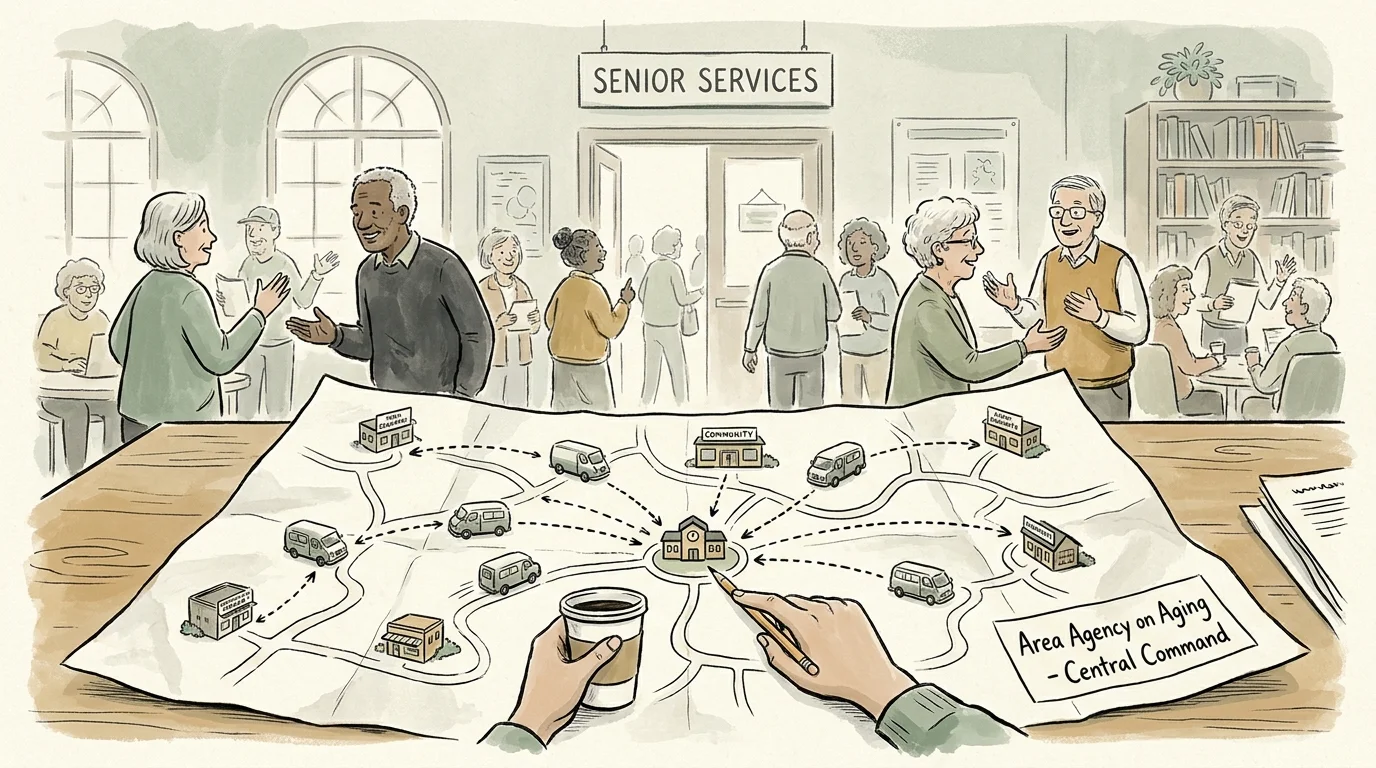
Your local Area Agency on Aging serves as the central command post for senior benefits in your county or region. Funded primarily through the Older Americans Act, these agencies coordinate a vast network of services designed to keep older adults living independently in their own homes. Transportation remains one of their most highly requested and heavily utilized services.
AAAs typically partner with local transit authorities, senior centers, and private van services to offer low-cost or entirely free rides seniors depend on for daily living. These rides usually operate on a “dial-a-ride” system. You call a dispatcher a few days in advance, request a pickup time, and a designated shuttle or van arrives at your home. Depending on your local agency’s specific funding, you might use this service to visit the pharmacy, attend a congregate meal at a senior center, or even go to the bank.
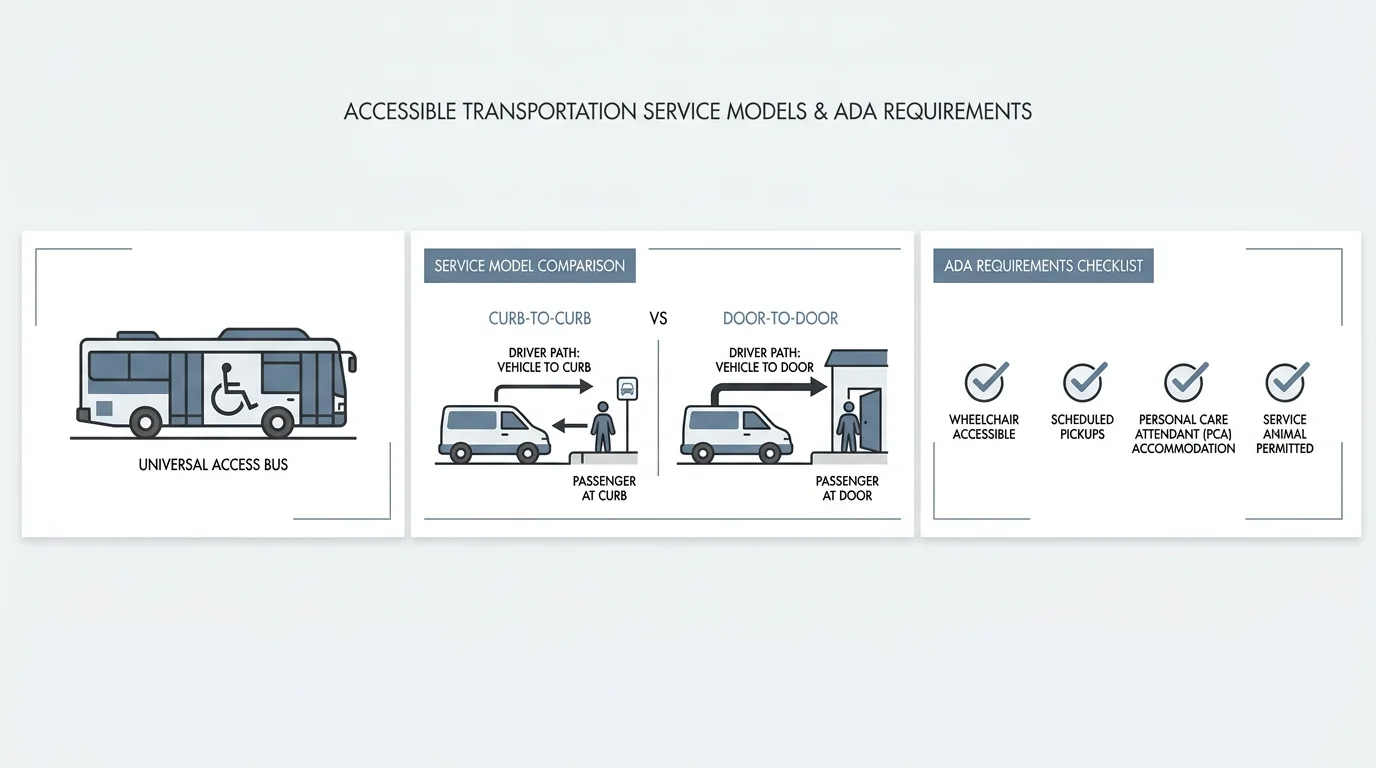
Because every county operates its AAA differently, the rules and routes vary. Some agencies offer door-to-door service—meaning the driver will physically help you from your front door to the vehicle—while others provide curb-to-curb service. Contacting your local AAA opens the door to discovering exactly what mobility help exists in your specific ZIP code.
2. Non-Emergency Medical Transportation (NEMT) Through Medicare and Medicaid
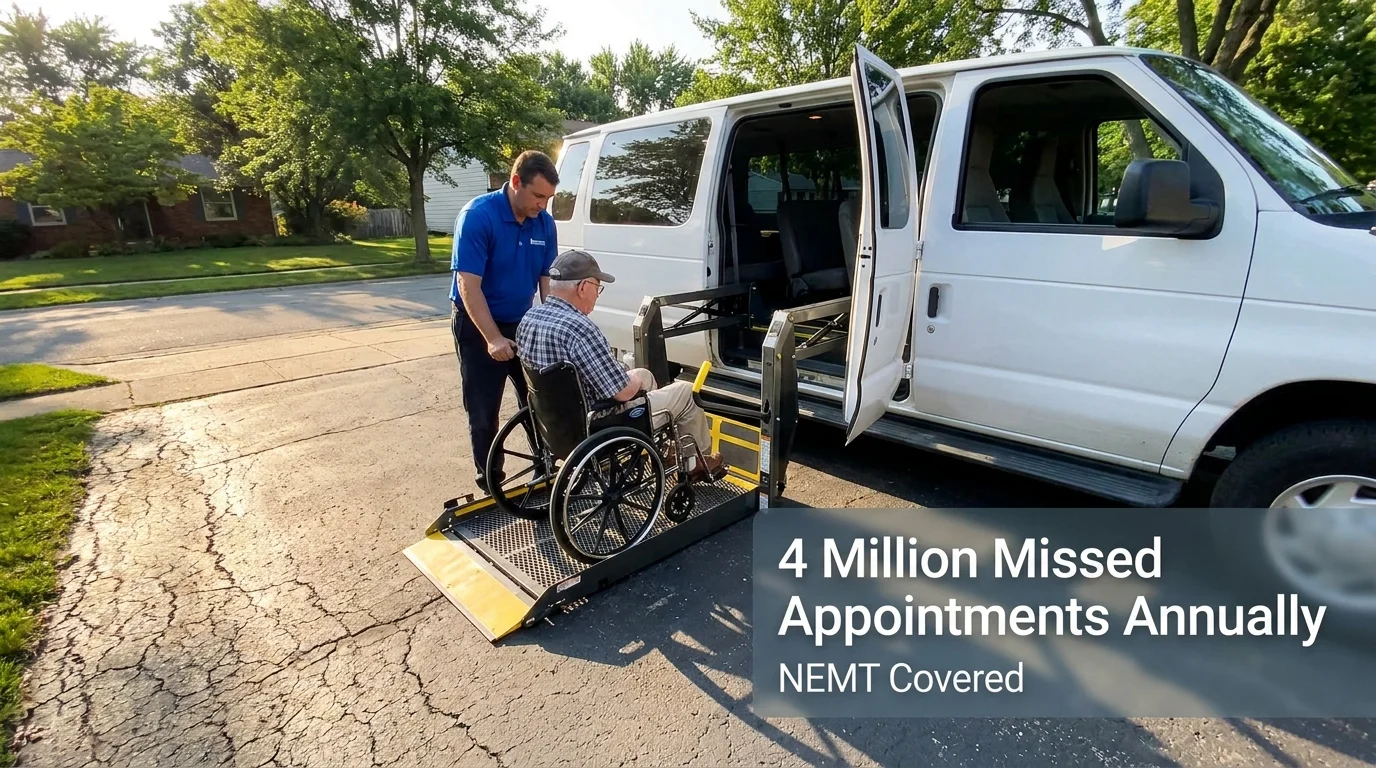
Missing a doctor’s appointment because you lack a ride stands as a major hurdle to maintaining your health. Data indicates that nearly four million Americans miss or delay medical care each year due to transportation barriers. To combat this, federal and state health insurance programs offer robust Non-Emergency Medical Transportation (NEMT) benefits.
If you receive Medicaid, NEMT is a mandatory federal benefit. Your state Medicaid program must provide rides to and from Medicaid-covered medical services if you have no other way to get there. This often includes wheelchair vans, taxis, or public transit passes, depending on your physical needs.
For Medicare beneficiaries, the situation requires a closer look at your specific plan. Original Medicare (Parts A and B) generally does not cover routine transportation to the doctor’s office. However, if you chose a Medicare Advantage plan (Part C), you likely have access to elderly transportation programs built right into your benefits. Many Medicare Advantage plans now cover a set number of round trips to pharmacies, doctor’s offices, and sometimes even grocery stores or fitness centers. Check your plan’s Summary of Benefits document to see how many rides you can claim each year.
3. The Eldercare Locator Mobility Programs
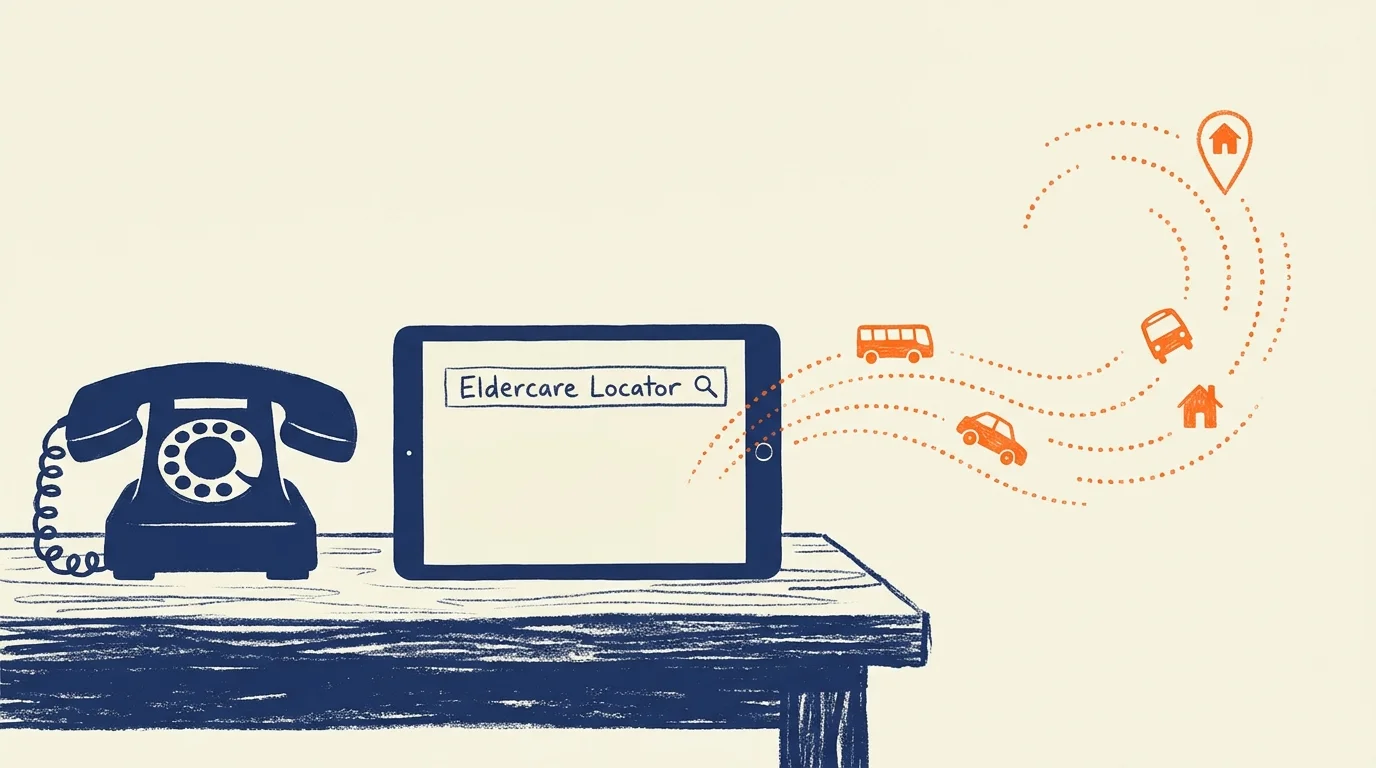
Sometimes the hardest part of securing senior transportation help is simply figuring out who to call. The Eldercare Locator acts as a bridge between you and local providers. A public service of the U.S. Administration on Aging, this national directory instantly connects you with community-based organizations that provide transit solutions.
You can access their database by visiting eldercare.acl.gov or calling their toll-free number. When you connect with an information specialist, you can explain your exact situation—for example, that you use a walker and need a ride to a specialist three towns over. The specialist will search their national database and provide you with the direct phone numbers and program names of local agencies equipped to handle your specific request.
This resource proves especially valuable if you live in a rural area where public transit options remain sparse. The Eldercare Locator frequently identifies niche, county-level grants and small community shuttle programs that do not advertise widely.

4. Volunteer Driver Programs and ITNAmerica
Across the country, networks of dedicated volunteers use their personal vehicles to provide rides for older adults. These grassroots organizations prioritize human connection alongside mobility. Unlike a standard taxi ride, a volunteer driver often provides “door-through-door” service. They will help you put your coat on, assist you down the porch steps, fold your walker into the trunk, and wait in the doctor’s waiting room until your appointment concludes.
One of the most innovative national models is the Independent Transportation Network (ITNAmerica). ITN operates through local community affiliates and utilizes a fascinating credit system. You can trade in your personal vehicle to pay for your future rides; the value of your car translates directly into an account balance. Furthermore, you or your family members can volunteer to drive others, banking ride credits for your own future use.
Local faith-based organizations and community nonprofits also run similar volunteer programs. They generally charge a nominal annual membership fee or calculate a heavily discounted per-mile rate. Because volunteers power these services, they require advance booking—usually a week’s notice—but they offer a level of personal care unmatched by traditional transit.
5. Paratransit Services via the Americans with Disabilities Act (ADA)
If a physical or cognitive disability prevents you from riding the standard city bus or subway, civil rights legislation guarantees your access to public transportation. The Americans with Disabilities Act mandates that all public transit agencies offering fixed-route services must also provide complementary paratransit services to eligible individuals.
Paratransit operates as a shared-ride, origin-to-destination service. Minibuses or specialized vans pick you up and drop you off at your requested locations. By law, this service must operate within three-quarters of a mile of an existing public transit route, and it must run during the exact same hours as the regular bus or train system.
To qualify, you must undergo an eligibility process through your local transit authority. This usually involves completing an application and having your physician verify your mobility limitations. Once approved, you pay a fare that cannot legally exceed twice the cost of a standard fixed-route fare. ADA paratransit offers an incredibly reliable safety net for seniors navigating significant physical limitations.
6. Reduced Fare Programs on Public Transit Systems
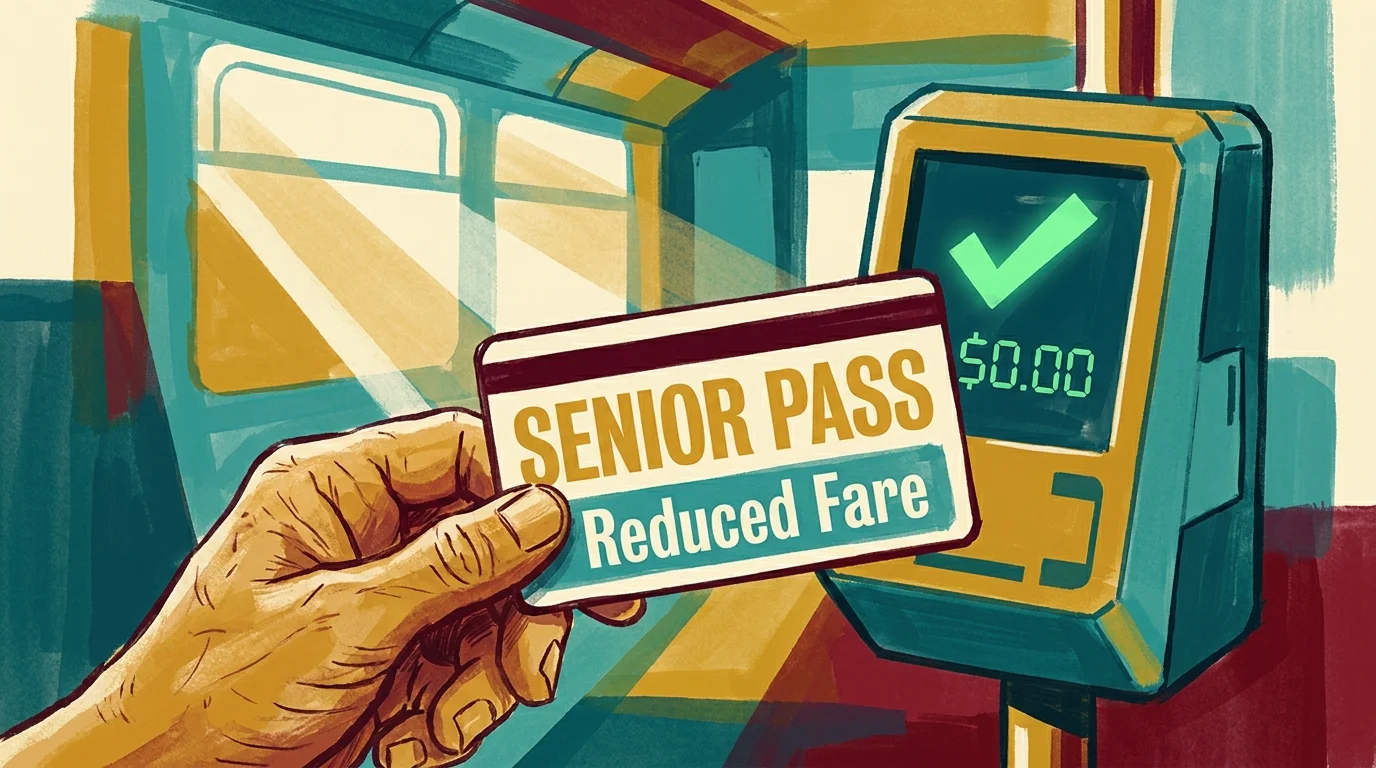
If you remain fully mobile and comfortable navigating bus routes or train platforms, standard public transit offers the most flexible and immediate way to travel. What many older adults miss, however, is the steep discount they legally qualify to receive.
Federal transit law requires that any transit agency receiving federal funding must offer a half-fare (or less) during off-peak hours to seniors and individuals with disabilities. In many major metropolitan areas, the local transit authorities go beyond this minimum requirement and offer completely free rides seniors can use at any time of day.
To access these senior benefits, you usually need to apply for a specialized senior transit card. The process typically requires visiting a transit office with a government-issued ID to prove your age—which is usually defined as 65 and older, though some systems set the threshold at 60 or 62. Once you have the card in your wallet, you unlock endless opportunities to explore your city, visit friends, or run errands for pennies on the dollar.
7. Veterans Affairs (VA) Transportation Programs
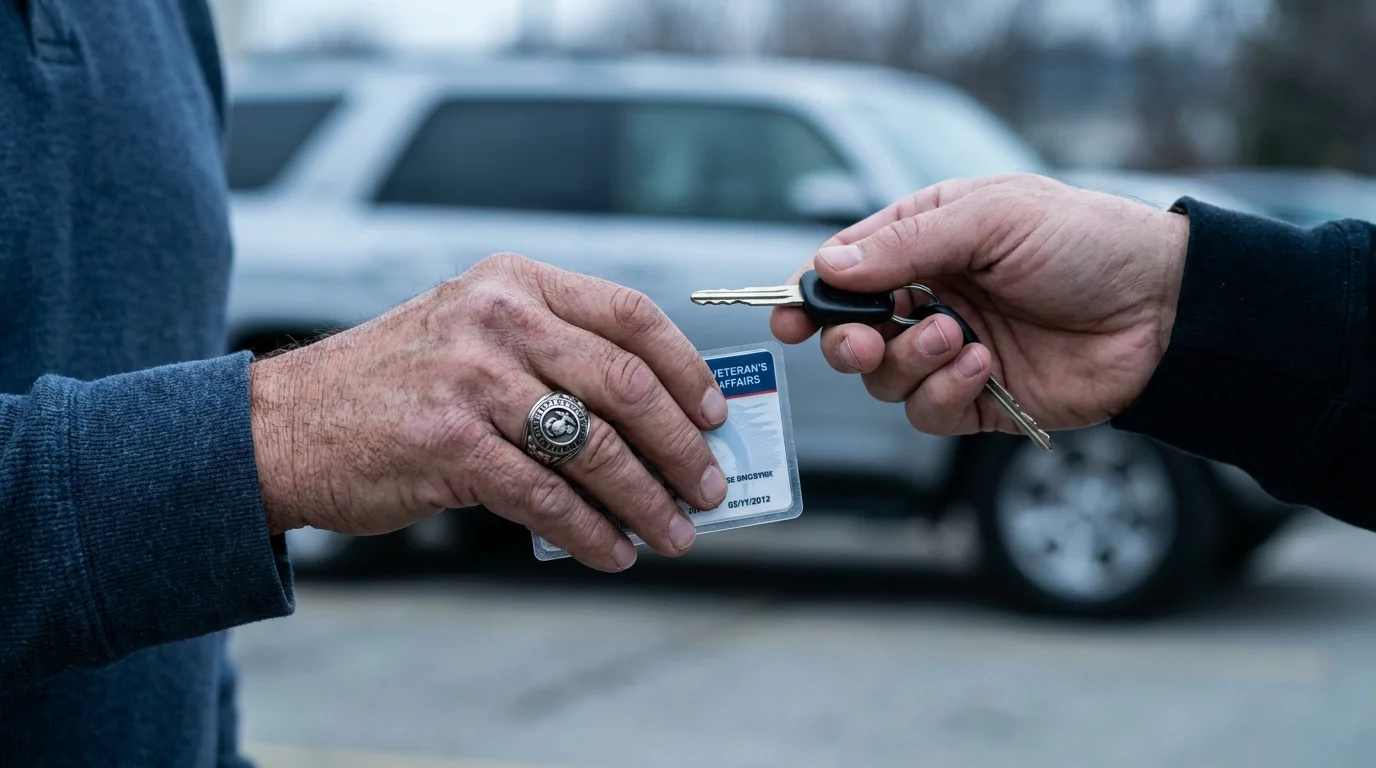
If you served in the military, the Department of Veterans Affairs offers a dedicated suite of transportation benefits designed to ensure you never miss a VA medical appointment. The VA recognizes that navigating vast medical campuses or traveling long distances to specialized VA clinics poses a major burden for aging veterans.
The primary program, the Veterans Transportation Service (VTS), provides safe and reliable transportation to veterans who require assistance traveling to and from VA health care facilities and authorized non-VA health care appointments. VTS utilizes specialized vans equipped with wheelchair lifts and employs trained mobility drivers.
Additionally, the Beneficiary Travel program reimburses eligible veterans for the mileage they incur driving to appointments, or it pays for specialized transit like wheelchair vans when medically necessary. If you qualify for VA health care, speaking with a social worker at your local VA facility about your transit needs will ensure you are enrolled in the appropriate travel benefit program.
8. PACE (Programs of All-Inclusive Care for the Elderly)
If you face complex medical needs and require comprehensive support to continue living at home, the Programs of All-Inclusive Care for the Elderly (PACE) offer a profound level of assistance. PACE operates as a Medicare and Medicaid program that provides all necessary medical and social services to frail older adults.
Transportation represents a core, non-negotiable component of the PACE model. When you enroll in PACE, the program takes full responsibility for getting you where you need to go. They operate their own fleet of specialized vehicles to transport you to the local PACE center for adult day care, meals, and social activities. They also drive you to every single medical specialist appointment, physical therapy session, and even the pharmacy if necessary.
According to the National Council on Aging, PACE serves as a gold standard for keeping nursing-home-eligible seniors safely in their communities. If a PACE center operates in your geographic area, and you meet the state’s clinical criteria for nursing facility level of care, this program entirely eliminates the burden of coordinating your own rides.
9. Rideshare Partnerships and GoGoGrandparent
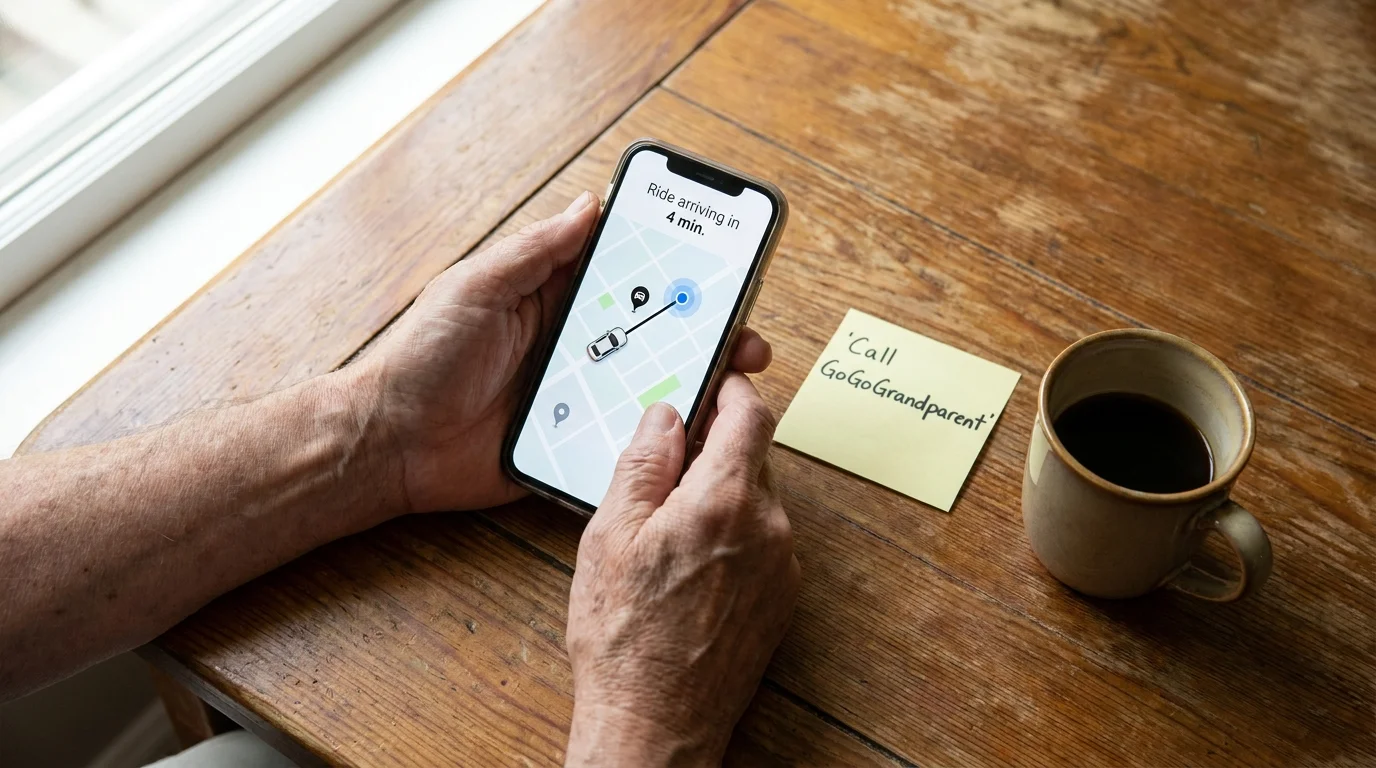
Smartphones revolutionized the way the world travels, but downloading an app and attaching a credit card feels daunting or entirely unappealing to many older adults. Fortunately, companies recognized this gap and created solutions specifically tailored for senior transportation help.
GoGoGrandparent acts as a concierge service that connects older adults to rideshare companies like Uber and Lyft without requiring a smartphone. You simply call a toll-free number from any phone—even a landline—and speak to a 24/7 operator. The operator books the ride for you, monitors the car’s progress on their end, and sends text updates to your family members so they know you arrived safely. GoGoGrandparent also screens the drivers, ensuring they match you with highly rated individuals whose vehicles can accommodate foldable walkers or wheelchairs.
Beyond concierge services, many local healthcare systems now partner directly with Uber Health and Lyft Healthcare. When you book a medical appointment, the clinic’s receptionist can simultaneously schedule a rideshare to pick you up. The cost is often billed directly to the healthcare provider or your insurance, offering a seamless, tech-enabled solution without you ever needing to open an app.

Comparing Your Transportation Options
With so many elderly transportation programs available, deciding which one to pursue first can feel overwhelming. Review the table below to quickly compare the primary features, costs, and ideal use cases for the programs we discussed.
| Program Name | Typical Cost | Advance Notice Required | Best Used For… |
|---|---|---|---|
| Area Agencies on Aging (AAA) | Free or small suggested donation | 3 to 7 days | Grocery shopping, senior center visits, general errands. |
| Medicaid / Medicare Advantage NEMT | Free (covered by insurance) | 2 to 3 days | Medical appointments, pharmacy visits, physical therapy. |
| Volunteer Driver Programs | Low annual fee or mileage rate | 5 to 7 days | Door-through-door assistance, highly personalized social or medical trips. |
| ADA Paratransit | Maximum twice the standard bus fare | 1 to 2 days | Seniors with disabilities needing reliable access across the city’s transit zone. |
| Public Transit Reduced Fares | Discounted up to 100% | None (immediate) | Independent seniors running daily errands or seeking leisure travel. |
| VA Transportation Service | Free for eligible veterans | Varies by VA facility | Reaching VA medical campuses and authorized community care clinics. |
| PACE | Included in program enrollment | Managed by care team | Comprehensive, all-inclusive medical and social transit for frail seniors. |
| GoGoGrandparent / Rideshare | Standard rideshare rate + concierge fee | None (on-demand) | Last-minute trips, evening travel, or immediate social outings. |
Practical Tips for Scheduling and Maximizing Your Rides
Finding the right program solves the first half of the mobility puzzle. Successfully managing your schedule and communicating with dispatchers ensures your travel remains stress-free and reliable. Treat your transportation logistics with the same care you apply to your medical records.
First, fully understand the pickup window. Most shared-ride and paratransit services operate on a 30-minute window. If your scheduled pickup time is 10:00 AM, the driver might arrive anywhere between 9:45 AM and 10:15 AM. You must be fully dressed, with your coat on and your mobility aids ready, by the start of that window. Missing the driver because you were still gathering your belongings often results in a “no-show” mark on your account, which can jeopardize your future riding privileges.
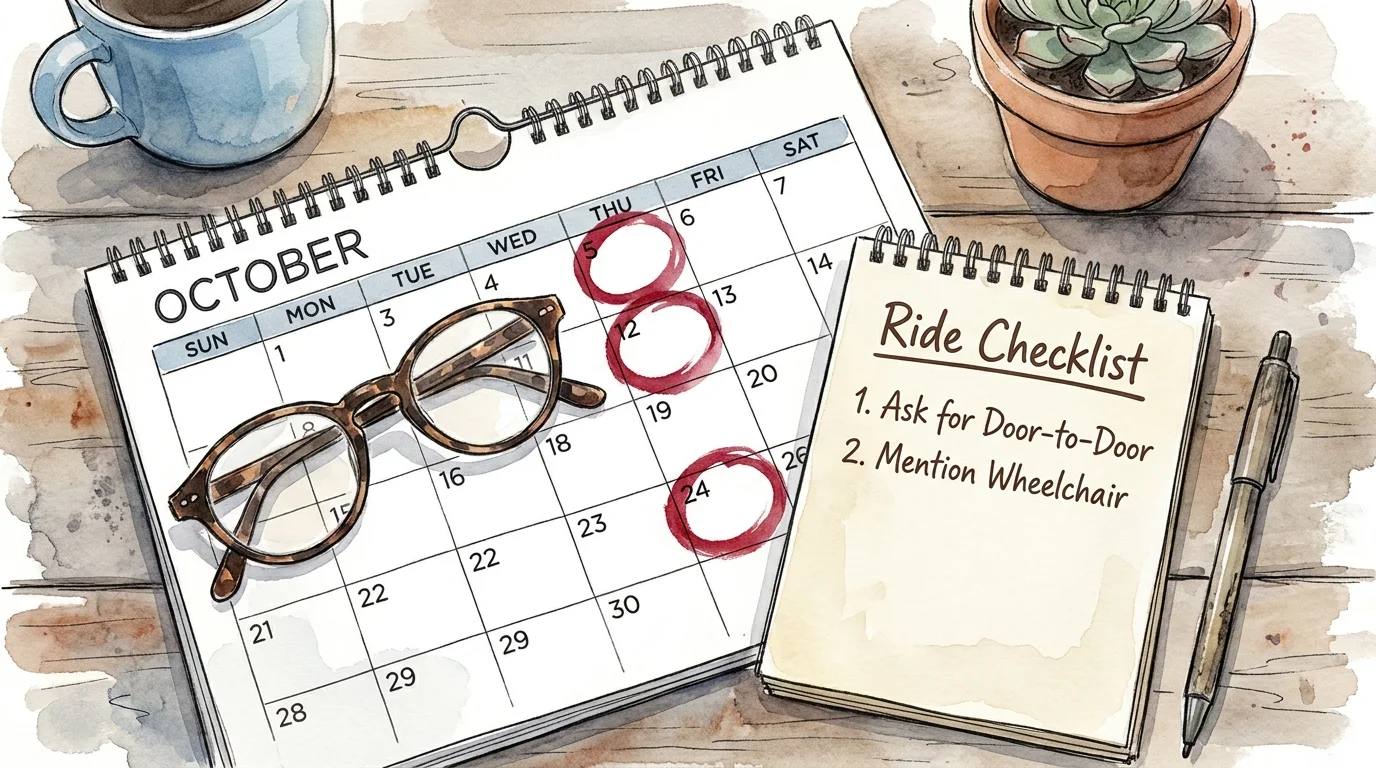
Second, clearly define your physical needs when booking the ride. Never assume the dispatcher knows you require a wheelchair-accessible vehicle. Specify whether you need curb-to-curb service (where you meet the vehicle at the street) or door-to-door service (where the driver assists you from your threshold). If you travel with an oxygen tank, a service animal, or a personal care attendant, you must declare this during the reservation process to ensure the sent vehicle can legally and safely accommodate you.
Create a dedicated transportation folder near your telephone. Inside, keep the direct dispatch numbers for your preferred senior benefits programs, your transit ID cards, and a stash of small bills. Even if a service advertises free rides seniors can use without cost, maintaining exact change for tips (where permitted) or small suggested donations makes the process smoother. Note that volunteer drivers and medical transit drivers often operate under strict policies prohibiting tips, but a heartfelt thank-you card goes a long way in building rapport.
Finally, plan for the weather. Winter storms and extreme summer heat frequently disrupt local transit schedules. If you live in an area prone to harsh weather, always ask the dispatcher about their inclement weather policy. Maintain a backup plan—like a rideshare account or a neighbor on standby—for critical medical appointments that cannot be rescheduled.
Staying engaged with your community, attending your medical appointments, and continuing to explore the world around you are essential components of a joyful retirement. By tapping into these nine transportation programs, you ensure that the journey remains just as accessible as the destination.









Leave a Reply