
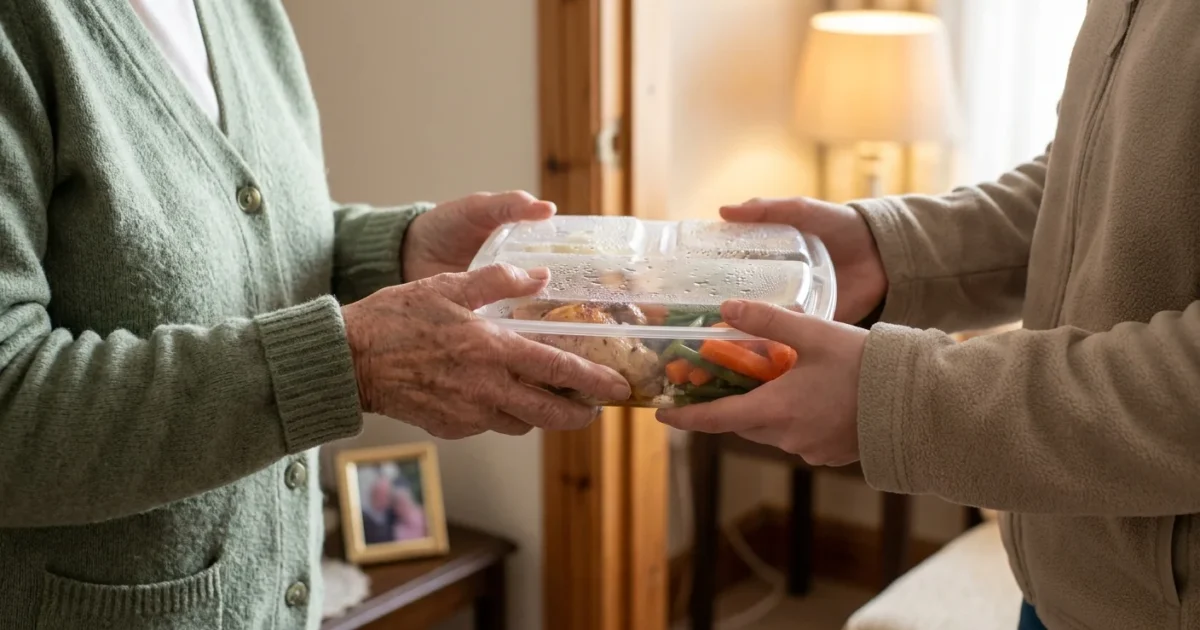
Proper nutrition is the foundation of good health and independence as you age, but shopping for groceries and cooking daily meals can become physically demanding. If mobility issues, surgical recovery, or a fixed income makes it difficult to prepare nutritious food, you have reliable options available right in your community. Local and national meal delivery programs are specifically designed to bring warm, balanced meals directly to the doors of homebound seniors, often at no cost. Securing these vital services ensures you maintain your well-being without the stress of meal preparation. Navigating these senior food assistance programs is straightforward, and community food help is often just a simple phone call away.

Understanding Senior Meal Delivery Programs
Maintaining a balanced diet becomes increasingly important—and sometimes increasingly difficult—as you enter your later years. Physical limitations, chronic pain, or a recent hospital stay can transform the simple task of cooking into an exhausting chore. Standing over a hot stove or carrying heavy bags of groceries may no longer be safe or practical. This is exactly why community meal delivery programs exist.
These programs bridge the gap between your nutritional needs and your physical capabilities. They operate on a simple premise: no senior should have to choose between going hungry and risking their safety to cook a meal. The impact of these services goes far beyond a full stomach. According to the Centers for Disease Control and Prevention (CDC), proper nutrition helps manage chronic diseases, preserves muscle strength, and significantly improves overall mobility in older adults. By receiving consistent, nutrient-dense meals, you give your body the fuel it needs to heal, maintain energy, and fight off illness.
Furthermore, meal delivery programs directly combat the hidden epidemic of senior isolation. For many homebound individuals, the volunteer who drops off the daily meal serves as a crucial social connection. This brief, friendly interaction provides something to look forward to and acts as a daily safety check, offering incredible peace of mind to both you and your loved ones.
Meals on Wheels: The Gold Standard of Senior Nutrition
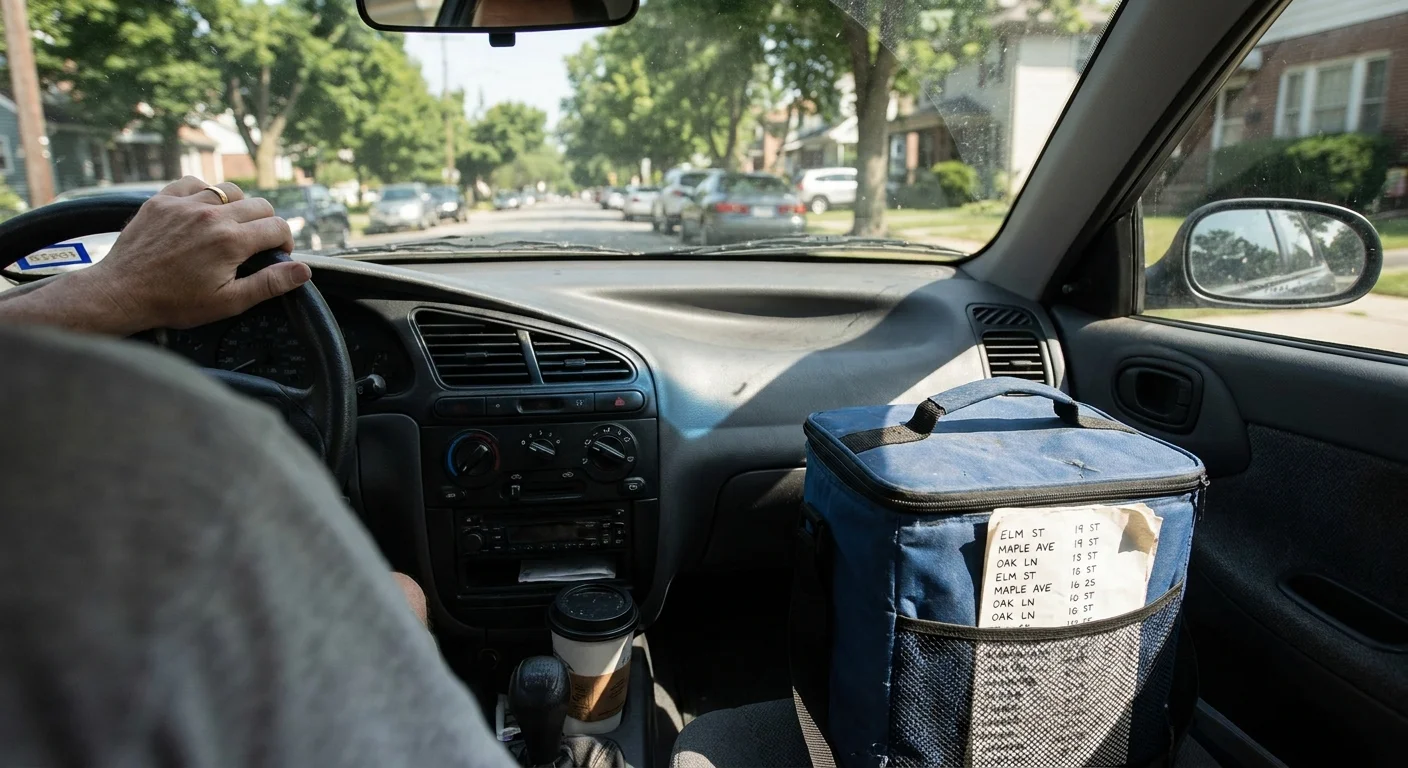
When you think of meal delivery programs for the elderly, Meals on Wheels is likely the first name that comes to mind. Operating for decades, this expansive network consists of thousands of local, community-based programs across the country. They share a unified mission: to support senior independence by providing nutritious meals, friendly visits, and safety checks.
Meals on Wheels operates locally, meaning the exact services vary depending on your specific county or city. However, the core structure remains consistent. Local volunteers or staff members prepare the meals in community kitchens and deliver them directly to your front door. The food meets specific dietary guidelines designed for older adults, ensuring you get adequate protein, vitamins, and minerals without excess sodium or sugar.
| Program Feature | What You Can Expect |
|---|---|
| Meal Quality | Meals meet at least one-third of the daily nutritional requirements for older adults. They typically include a lean protein, vegetables, a complex carbohydrate, and sometimes milk or fruit. |
| Delivery Frequency | Most local chapters offer hot meals delivered Monday through Friday around lunchtime. Some provide frozen meals for the weekend. |
| Dietary Customization | Many programs offer modified meals for specific health conditions, such as diabetic-friendly, heart-healthy (low sodium), renal, or soft-food diets. |
| Cost Structure | Services operate on a sliding scale. While many seniors receive meals for free, others are asked for a voluntary, confidential donation based on what they can afford (e.g., $2 to $4 per meal). You will not be denied food if you cannot pay. |
The secondary benefit of Meals on Wheels—the daily wellness check—cannot be overstated. The volunteer who brings your lunch is trained to look for potential safety hazards or signs of medical distress. If you do not answer the door, the program will contact your designated emergency contact to ensure you are safe. This built-in safety net allows countless seniors to remain in their own homes longer than they otherwise could.
Federal and State Assistance Options
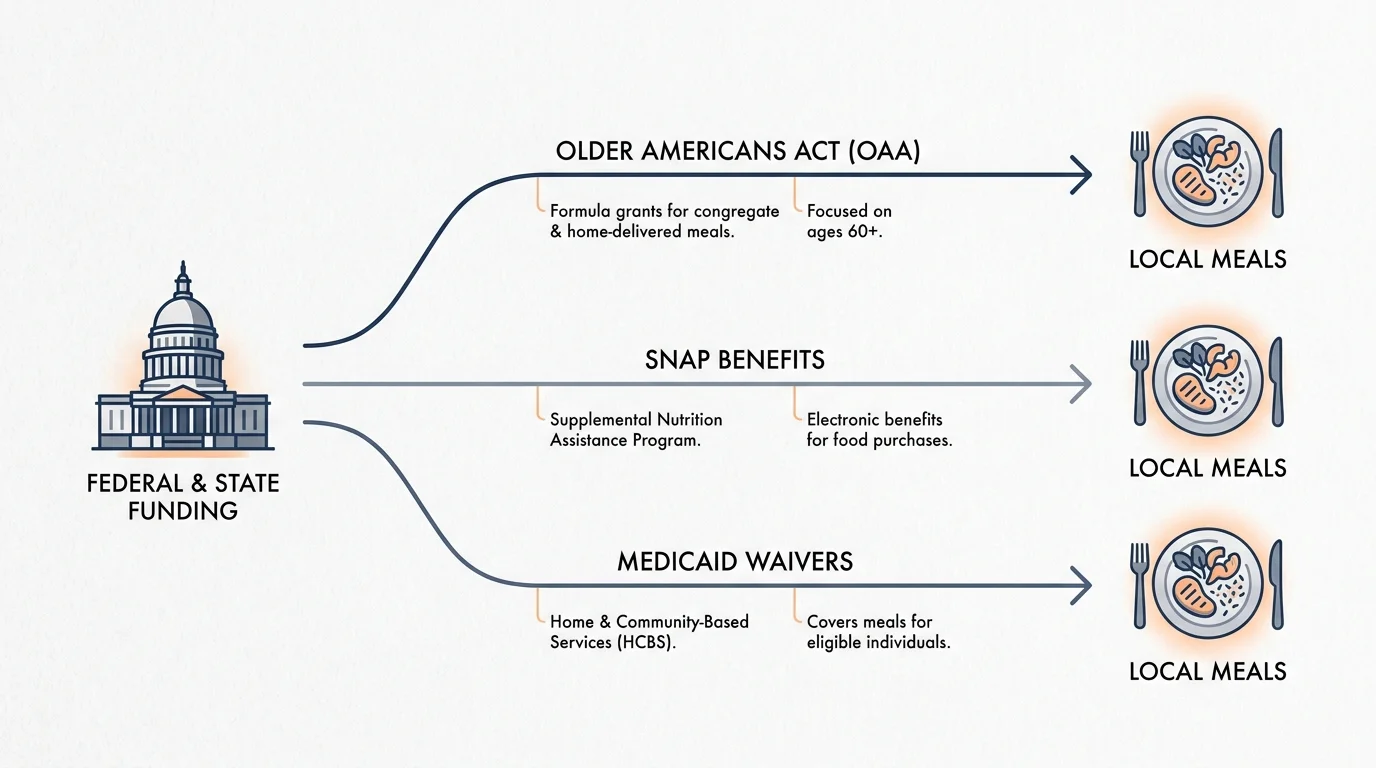
You might wonder how local community centers can afford to prepare and deliver thousands of meals every week. The backbone of these programs is often federal funding, primarily distributed through the Older Americans Act (OAA). Passed in 1965, the OAA established a national network of aging services designed to help seniors age in place.
Funding for many of these local initiatives comes through the Administration for Community Living (ACL), which supports community programs that help seniors stay independent. The ACL funnels resources down to your state, which then distributes the money to local Area Agencies on Aging (AAAs). Your local AAA is the central hub for aging resources in your county. They coordinate the funding for congregate meals (served at senior centers) and home-delivered meals for homebound individuals.
Because these programs receive federal and state funding, they are mandated to prioritize seniors with the greatest economic and social need. This guarantees that individuals living on very low fixed incomes, those living alone in isolated rural areas, and those with severe physical disabilities move to the front of the line for assistance.
Alternative Community Food Help for Seniors
While Meals on Wheels is the most prominent option, it is not the only resource available. Depending on your location, you might have access to several excellent alternatives that provide community food help for seniors.
Faith-Based Organizations: Many religious organizations, such as Catholic Charities, the Salvation Army, and local church coalitions, operate independent meal delivery services. You do not need to belong to a specific faith to receive their help. These organizations often step in to serve areas where traditional programs have long waitlists.
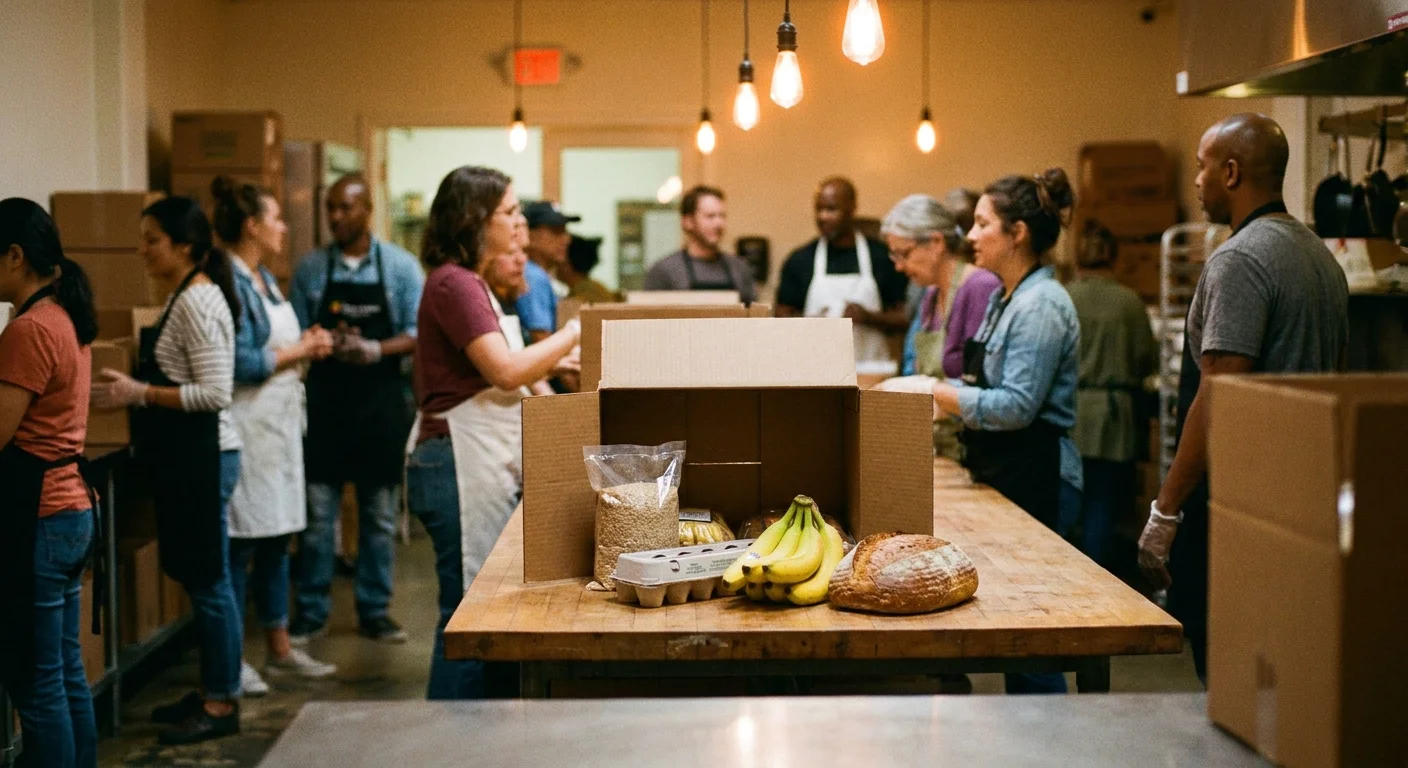
Food Pantries with Delivery Programs: Traditional food pantries historically required you to visit their location and carry heavy boxes of groceries home. Recognizing that this is impossible for homebound seniors, many regional food banks now offer “Senior Grocery Delivery.” Volunteers box up senior-friendly staples—like low-sodium canned soups, oatmeal, shelf-stable milk, and fresh produce—and drop them at your door once or twice a month.
Medicare Advantage Grocery Benefits: If you are enrolled in a Medicare Advantage (Part C) plan, you should review your benefits package immediately. Many health insurance companies have begun offering grocery allowances or post-discharge meal delivery services. If you recently had a hospital stay or manage a chronic condition like diabetes or congestive heart failure, your insurance plan might deliver two weeks of free, medically tailored meals straight to your home.
You can explore various local food and nutrition assistance programs by utilizing tools available through Benefits.gov. By answering a few simple questions, the site generates a list of federal and state benefits you may qualify for, ensuring you do not miss out on vital assistance.
How to Determine Your Eligibility
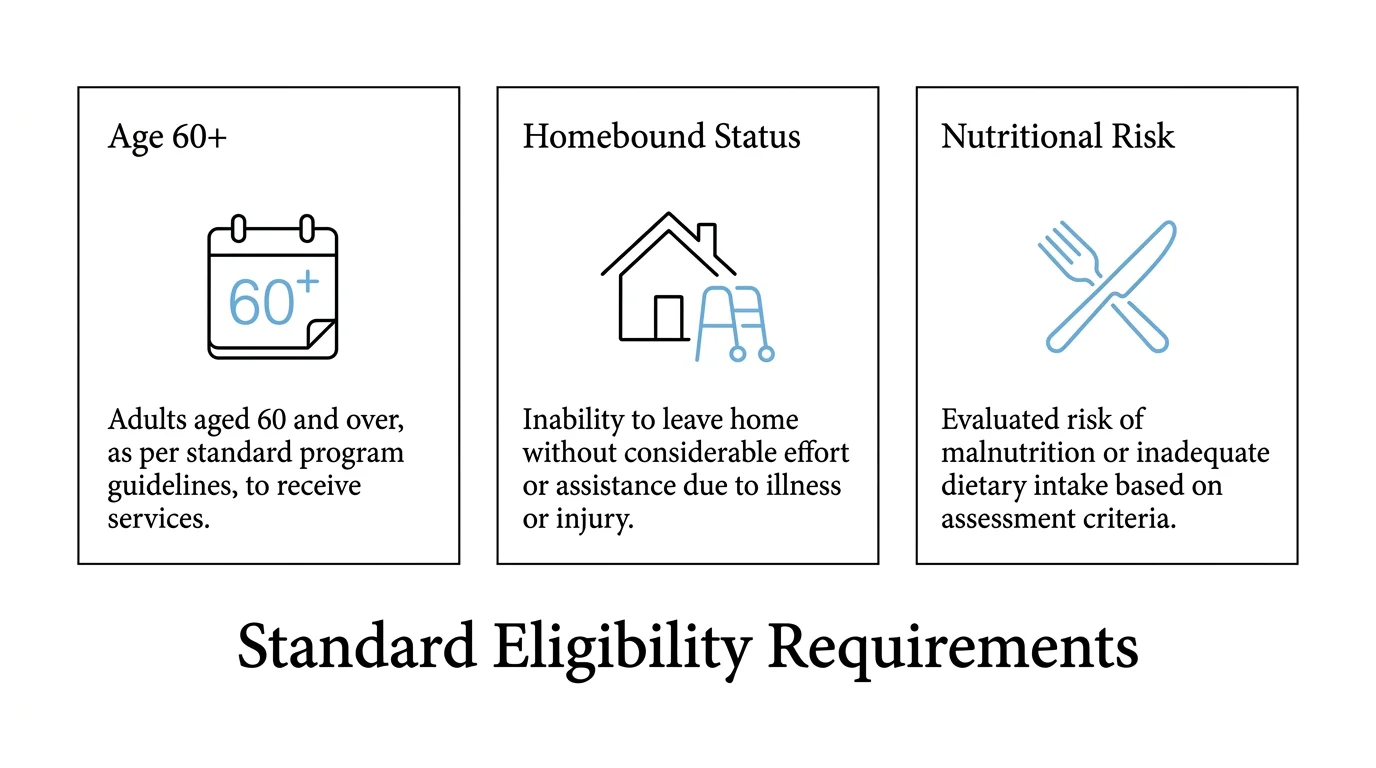
A common misconception stops many seniors from seeking help: the belief that you must be utterly destitute to receive free meal deliveries. This is simply not true. While programs prioritize those in severe financial hardship, the primary qualifying factor for home-delivered meals is your physical ability to acquire and prepare food.
To qualify for most senior food assistance programs, you generally need to meet the following criteria:
- Age Requirement: You must be 60 years of age or older. (In many cases, the spouse of a qualified senior may also receive a meal, regardless of the spouse’s age.)
- Homebound Status: You must be considered homebound. This does not mean you are confined to your bed. It means that leaving your home requires considerable and taxing effort. If you need a walker, wheelchair, or the assistance of another person to leave the house, or if you only leave for medical appointments, you are considered homebound.
- Inability to Prepare Meals: You must have physical or cognitive limitations that prevent you from safely shopping for groceries or cooking. This includes conditions like severe arthritis, vision loss, Alzheimer’s disease, or recovering from a recent surgery or stroke.
- Lack of Assistance: You typically qualify if you live alone or live with a spouse who is also physically unable to cook, and you do not have an able-bodied family member available during the day to prepare meals for you.
Program coordinators evaluate each person on a case-by-case basis. If you are struggling, never assume you will be denied. Reach out and let the assessment professionals make the determination.
Step-by-Step Guide to Applying for Free Meals
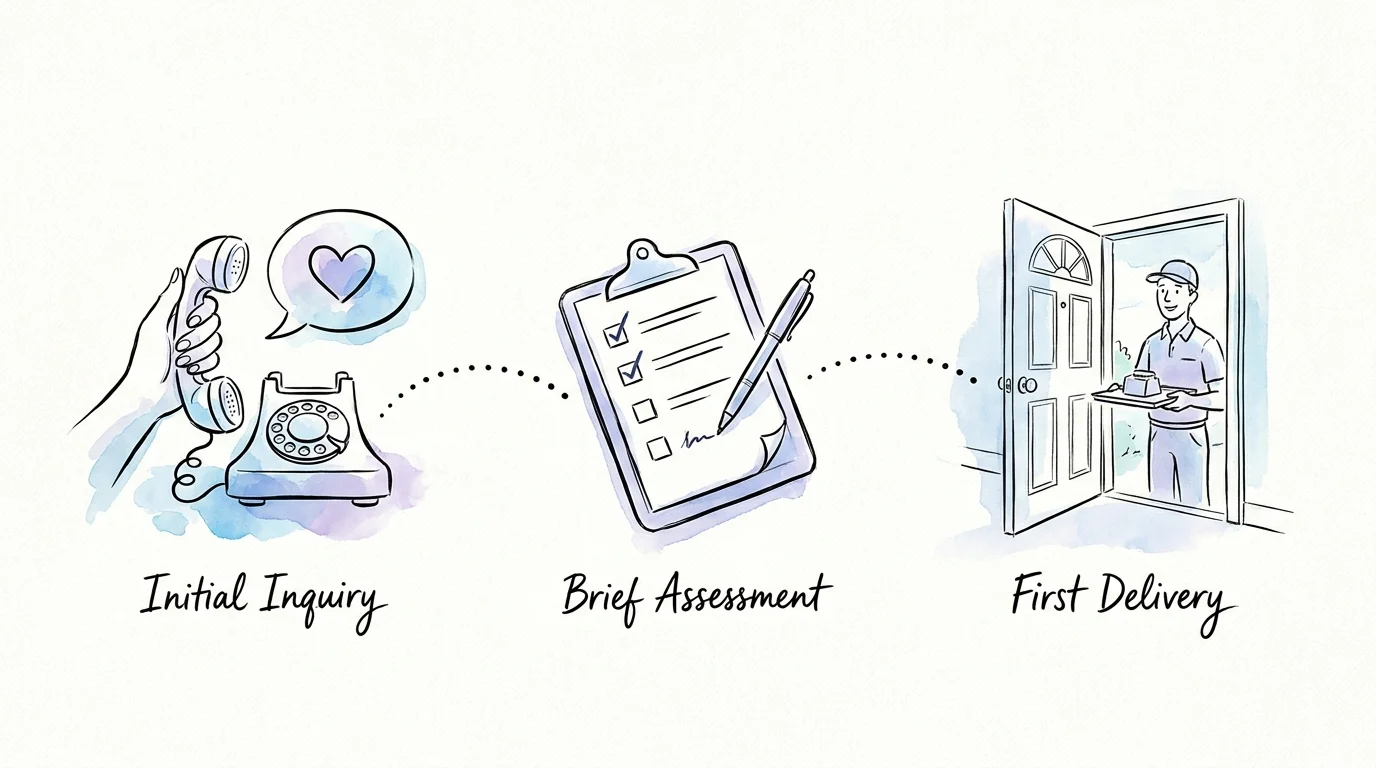
The application process for meal delivery programs is designed to be accessible. Program coordinators understand that you may have limited energy or mobility, so they handle most of the heavy lifting. Follow these steps to secure your meals:
- Locate Your Local Agency: Your first step should be contacting the Eldercare Locator, a free national service that connects you directly to local agencies providing meal services. You can call their toll-free number or use their website to find the exact phone number for the meal program in your zip code.
- Make the Initial Phone Call: Call your local Area Agency on Aging or the specific meal program number provided. State clearly: “I am a homebound senior looking to sign up for home-delivered meals.”
- Complete the Phone Screening: An intake coordinator will ask you basic questions about your age, living situation, and why you are having trouble cooking. They will also ask about any severe food allergies.
- Schedule an In-Home Assessment: Most programs require a brief in-home visit from a social worker or program coordinator. Do not worry about cleaning your house for this visit. The goal is simply to verify your living situation, discuss your nutritional needs, and finalize your enrollment.
- Set Up Your Delivery Schedule: Once approved, the coordinator will tell you which days your meals will arrive and the approximate time window. Make sure they have clear instructions on how to access your home if you live in a gated community or an apartment building.
Overcoming Common Application Hurdles and Scams
While the process is straightforward, the reality of high demand means you might encounter a few hurdles. The most common challenge is a waitlist. Because these programs rely heavily on local funding and volunteer availability, some regions have waitlists that can last weeks or months.
If you are placed on a waitlist, do not despair. Ask the intake coordinator if they triage cases based on urgency. If you have absolutely no food in the house or are recovering from surgery, tell them immediately—you may be bumped to the top of the list. Next, ask the coordinator for alternative resources. They often keep a list of local food pantries or church groups that can deliver emergency food boxes to tide you over while you wait for regular meal service.
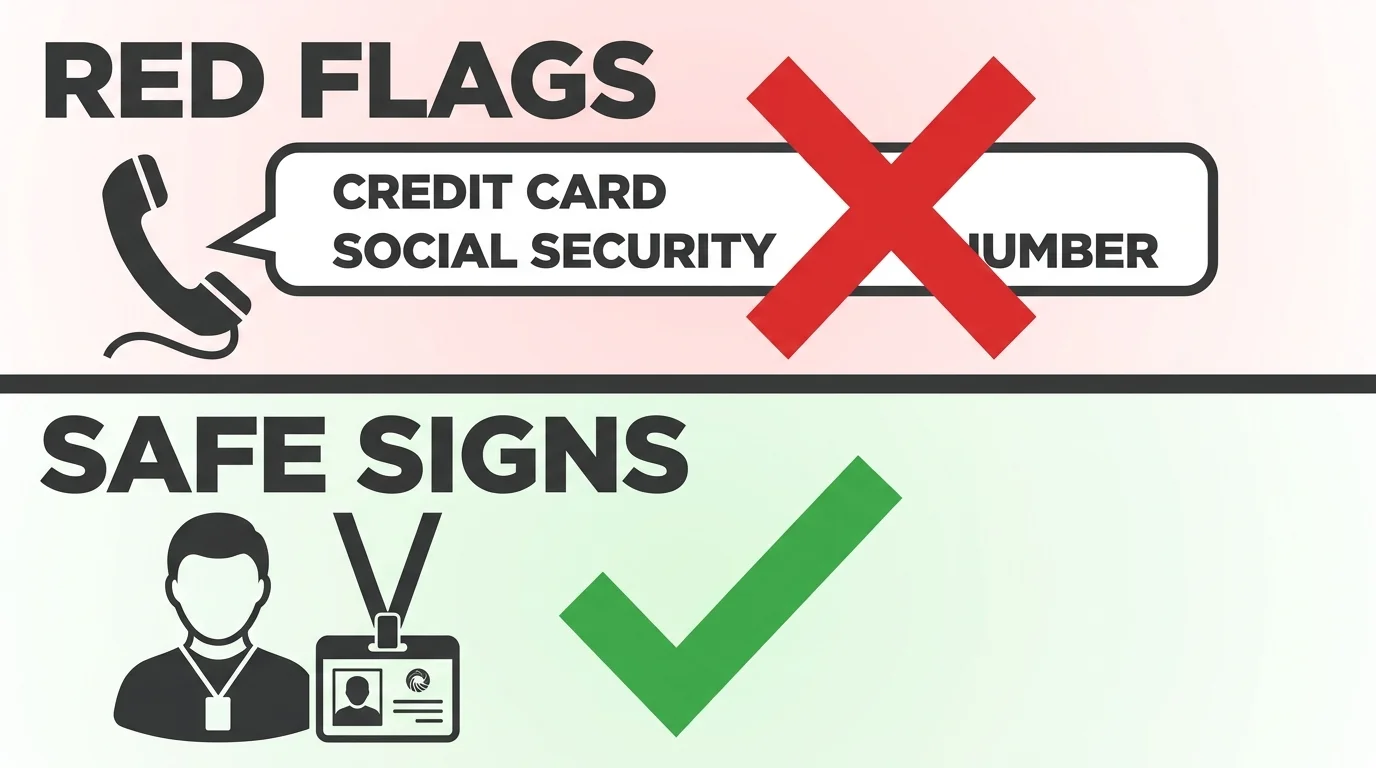
You must also stay vigilant against financial scams targeting seniors. Scammers frequently use the promise of “free government meals” to steal your identity or money. Protect yourself by remembering how these official programs operate. Legitimate meal delivery organizations will never call you out of the blue to offer services you did not request. Furthermore, they will never demand a credit card number to “activate” a free meal program.
Most importantly, guard your medical information. As a rule of thumb, legitimate community meal programs will never ask for your Medicare number over the phone. For guidance on protecting your identity, the official Medicare.gov website provides excellent resources on fraud prevention. If someone pressures you for personal numbers in exchange for food, hang up the phone immediately.
Frequently Asked Questions
Do I have to pay for Meals on Wheels?
No, you do not have to pay. Most home-delivered meal programs operate on a voluntary contribution basis. You will receive a monthly statement indicating the cost of the meals (usually a few dollars per meal) and an envelope to return a donation. If you cannot afford to contribute anything, you simply ignore the envelope. Your meal service will not be interrupted or canceled due to an inability to pay.
Can I get meals tailored to my medical diet?
In most cases, yes. The vast majority of senior meal programs offer modified diets to accommodate common health conditions. When you apply, you can request diabetic-friendly meals, low-sodium meals for heart health, or soft-food diets for those with chewing or swallowing difficulties. Always clearly communicate your medical needs during the initial intake interview.
What does “homebound” actually mean?
Being homebound means that leaving your home requires a considerable and taxing physical effort. It does not mean you are completely bedridden or forbidden from going outside. You can still attend necessary medical appointments, go to the pharmacy, or make rare, brief trips to the store with the help of a family member and still be officially classified as homebound.
Can my spouse also receive a meal?
Yes. If you are 60 or older and qualify for the program, your spouse can usually receive a meal as well, regardless of their age or physical condition. Programs recognize that it is highly impractical and emotionally distressing to deliver food to one hungry partner while ignoring the other.
How long does it take to start receiving meals?
The timeline varies significantly by location. In well-funded urban areas with plenty of volunteers, your meals could start within 48 hours of your application. In other areas facing volunteer shortages, it could take a few weeks to process your assessment and get you on a route. If your situation is a critical emergency, inform the agency immediately so they can expedite your request.
For additional senior resources, visit
Centers for Medicare & Medicaid Services (CMS),
Social Security Administration (SSA),
Consumer Financial Protection Bureau (CFPB),
Administration for Community Living (ACL) and
Eldercare Locator.
Disclaimer: The information in this article is for educational purposes only and is not intended to be a substitute for professional financial, legal, or medical advice. Always consult with a qualified expert for advice tailored to your personal situation.





Leave a Reply