

Facing new health issues can quickly overwhelm your daily routine and budget, but targeted support programs exist to ease the burden of medical costs and caregiving needs. You can access practical assistance for prescription drugs, home modifications, daily meals, and comprehensive medical coordination right in your community. Navigating the healthcare system feels daunting when dealing with chronic conditions or recovering from a recent hospitalization. Knowing exactly where to find reliable help makes all the difference in maintaining your independence. This guide breaks down seven essential programs tailored specifically for older adults; you will discover clear steps on how to apply and maximize the benefits available to protect your health and finances.
Program 1: Medicare Extra Help for Prescription Drugs
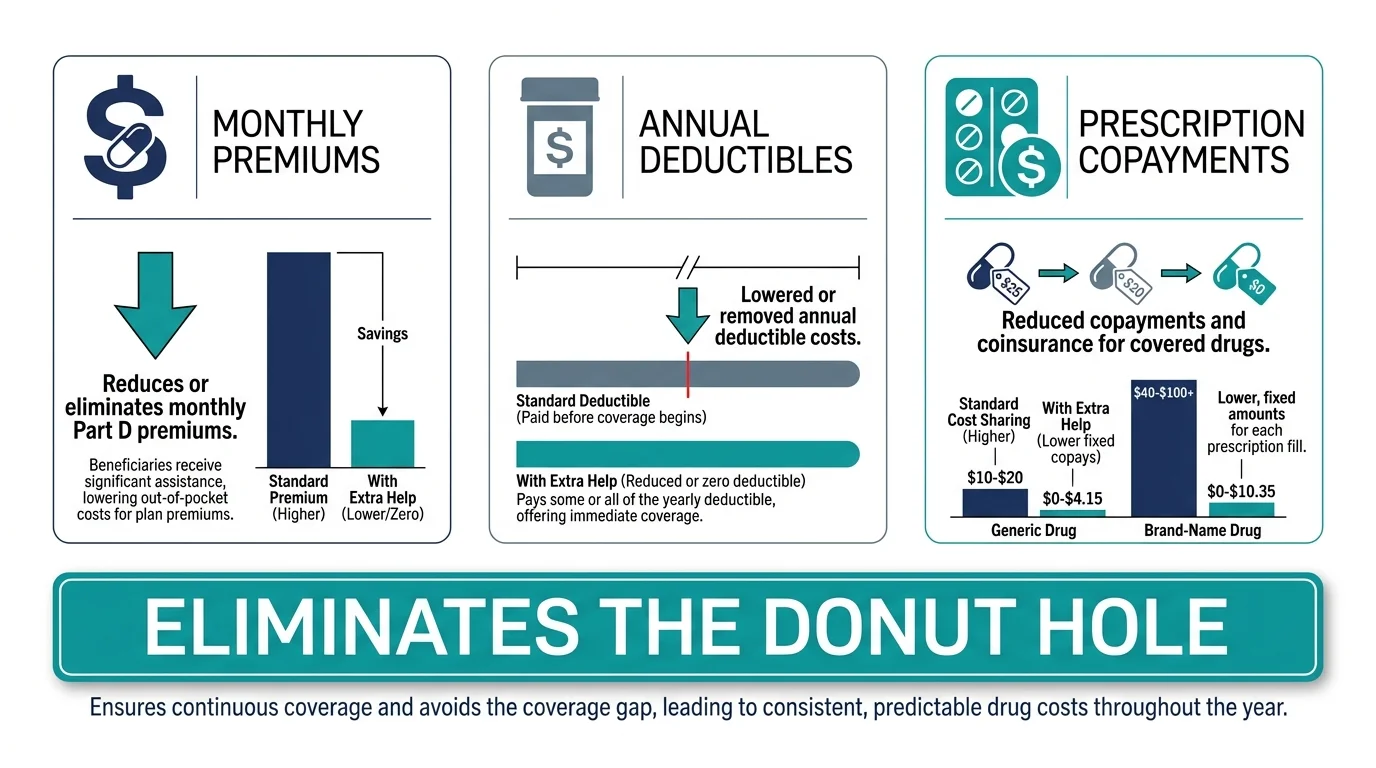
Managing chronic health issues often requires a daily regimen of medications, and the out-of-pocket costs can rapidly drain a fixed retirement income. The Medicare Extra Help program—also referred to as the Part D Low-Income Subsidy—is a federal assistance program specifically designed to relieve this financial pressure. If you meet the income and asset requirements, this program steps in to cover the gaps in your Medicare prescription drug coverage.
According to Medicare.gov, qualifying for the Extra Help program can save you thousands of dollars every year by paying for your monthly premiums, annual deductibles, and prescription copayments. Most importantly, enrolling in Extra Help entirely eliminates the dreaded Medicare coverage gap, commonly known as the “donut hole,” ensuring your medication costs remain predictably low throughout the entire year.
To determine if you qualify, you will need to review your current financial situation. The program evaluates your yearly income and your total resources, which include bank accounts, stocks, and bonds. However, your primary residence, vehicles, and personal belongings do not count against you. You can apply directly through the Social Security Administration via a straightforward online application, over the phone, or by scheduling an in-person appointment at your local office. Many seniors qualify for partial assistance even if they barely exceed the primary income limits, making it absolutely worthwhile to submit an application if you are struggling with pharmacy bills.

Program 2: Medicaid Home and Community-Based Services
When health issues make it difficult to perform daily tasks like bathing, dressing, or cooking, many seniors mistakenly assume that moving into a nursing home is their only option. Fortunately, Medicaid offers a powerful alternative known as Home and Community-Based Services (HCBS). These specialized waiver programs provide customized support directly to your doorstep, allowing you to age safely in the comfort of your own home.
Research from the National Institute on Aging (NIA) emphasizes that adapting your living environment and securing adequate home care are critical steps in managing chronic conditions safely. HCBS programs actively support this goal by funding a wide array of non-medical services that traditional health insurance ignores. Depending on the state you live in, an HCBS waiver might cover the cost of a home health aide, finance the installation of wheelchair ramps and bathroom grab bars, or provide temporary respite care to give your family caregivers a much-needed break.
Navigating Medicaid eligibility can feel complicated because the rules vary significantly from one state to another. Generally, you must demonstrate a medical need for the level of care typically provided in a nursing facility, alongside meeting strict financial criteria. If your income exceeds the standard Medicaid limits, many states allow you to “spend down” your excess income on medical expenses to qualify. Because waitlists for HCBS waivers are common in several states, you should begin the application process through your state’s Medicaid office as soon as you anticipate needing long-term assistance.
Program 3: The Program of All-Inclusive Care for the Elderly (PACE)
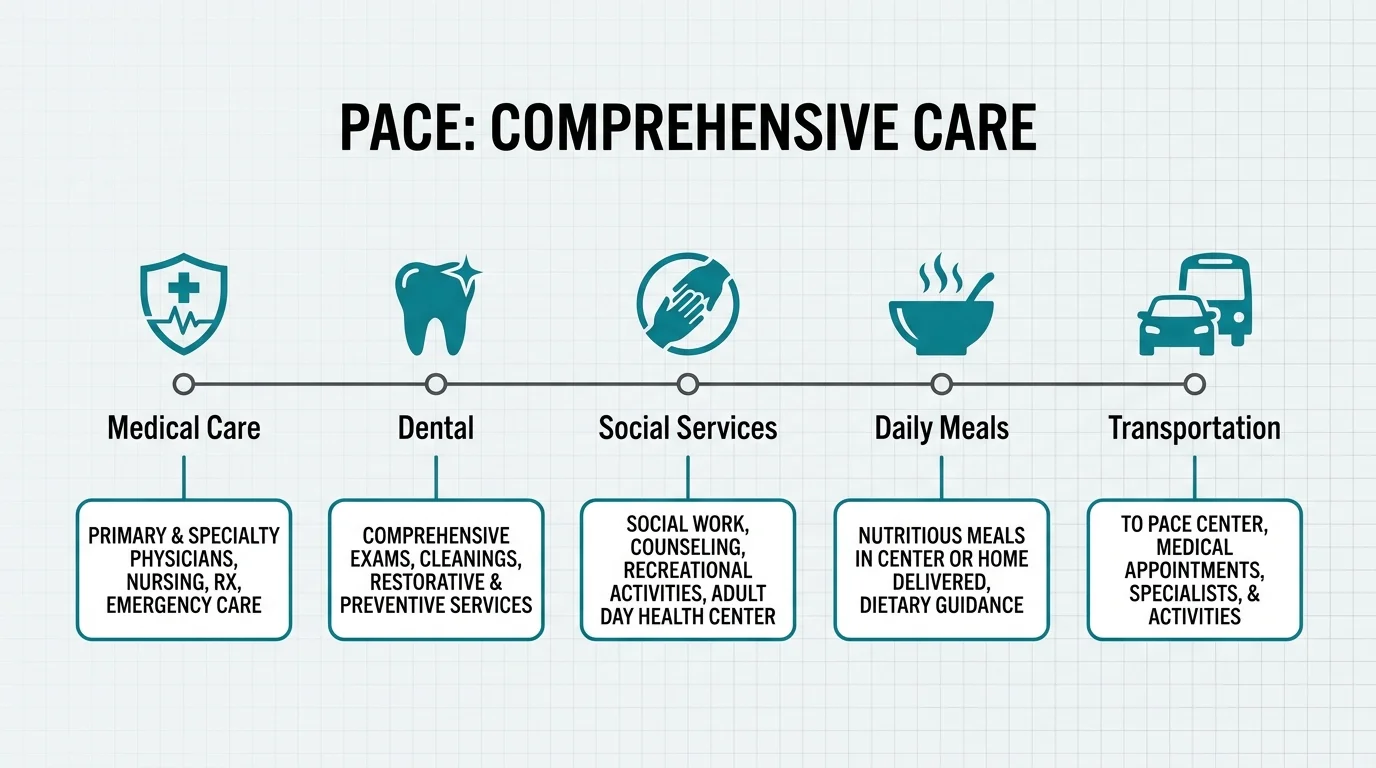
If you require a high level of medical care but wish to remain living in your community, the Program of All-Inclusive Care for the Elderly (PACE) offers a uniquely comprehensive solution. PACE completely changes the way healthcare is delivered by replacing the fragmented medical system with a highly coordinated, team-based approach. Rather than juggling appointments with different specialists who never speak to one another, PACE provides you with an interdisciplinary team of professionals who actively collaborate on your health.
When you enroll in PACE, your dedicated care team—which includes doctors, nurses, physical therapists, social workers, and dietitians—creates a personalized care plan tailored specifically to your physical and emotional needs. The program covers all Medicare and Medicaid-covered services, and it frequently includes additional benefits like adult day care, dentistry, nutritional counseling, and reliable transportation to and from your medical appointments.
To qualify for PACE, you must be at least 55 years old, live in the service area of a local PACE organization, and be certified by your state as needing a nursing home level of care. You must also be able to live safely in the community with the support of the PACE program. For seniors who qualify, PACE becomes their sole source of medical, social, and long-term care, providing immense relief to both the patient and their family caregivers.

Program 4: Area Agencies on Aging (AAAs)
When a sudden health issue arises—such as recovering from a severe fall or a major surgery—you may need immediate, practical help with daily living rather than complex medical intervention. This is exactly where your local Area Agency on Aging (AAA) proves invaluable. Funded primarily by the Older Americans Act, these local organizations serve as central hubs for senior support services in nearly every county across the United States.
AAAs do not provide direct medical care; instead, they focus on the vital social determinants of health. If your health condition prevents you from driving, your AAA can arrange accessible transportation to your doctor’s office or the grocery store. If you are struggling to prepare nutritious food, they coordinate home-delivered meal programs, famously known as Meals on Wheels, to ensure you receive a hot, healthy meal every day. They also offer robust support systems for family members, including caregiver education classes, support groups, and counseling.
Because AAAs operate at the community level, they possess deep knowledge of the specific grants, local charities, and volunteer networks active in your immediate area. A simple phone call to your local agency can connect you with a care coordinator who will assess your living situation, listen to your challenges, and help you build a personalized safety net of local services.

Program 5: The Eldercare Locator
Knowing that help exists is only half the battle; knowing exactly who to call is the other. The Eldercare Locator is a free, nationwide public service designed specifically to bridge this gap. Funded by the federal government, this service acts as a centralized directory to connect older adults and their families to trustworthy local support agencies.
According to the Eldercare Locator, finding the right community resources is the first step toward maintaining a safe and independent lifestyle at home. The service is incredibly simple to use. By calling their toll-free number or entering your zip code into their online database, you are instantly matched with the contact information for your local Area Agency on Aging, state health departments, and vetted community organizations.
This tool is particularly useful for family members who are managing a senior’s health issues from a distance. If you live in New York but your aging parent is facing health challenges in Ohio, you can use the Eldercare Locator to accurately identify and contact the specific agencies that serve your parent’s county, saving you hours of frustrating online research.
Program 6: State Health Insurance Assistance Programs (SHIP)
Receiving a new medical diagnosis often brings a flood of unexpected bills, insurance claim denials, and confusing coverage questions. Making sense of Medicare rules, supplemental policies, and out-of-pocket maximums can induce anxiety when you should be focusing on your recovery. The State Health Insurance Assistance Program (SHIP) exists to provide clarity and peace of mind during these confusing times.
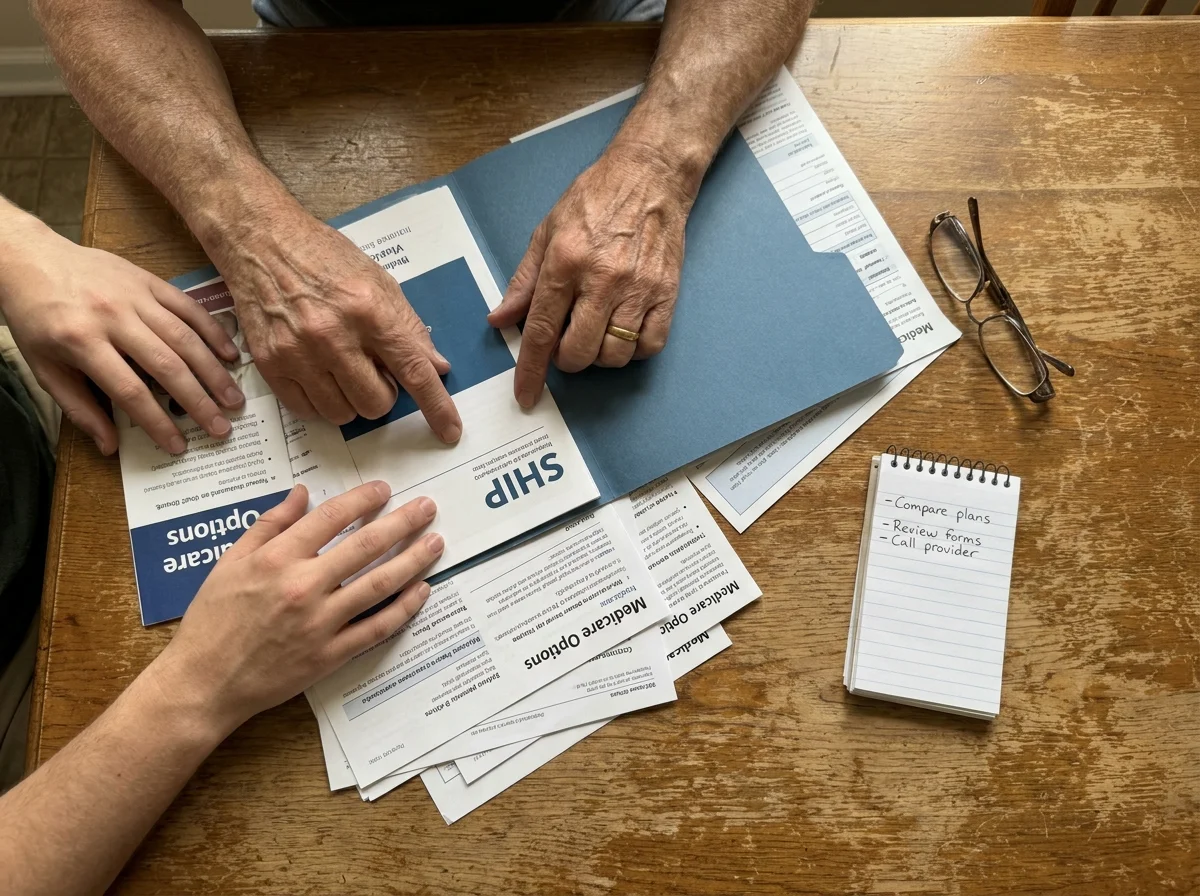
SHIP offers free, local, one-on-one counseling to people with Medicare and their families. Unlike insurance brokers who earn commissions for selling specific plans, SHIP counselors are highly trained volunteers and professionals who provide completely unbiased, objective advice. They work exclusively for your benefit, helping you compare Part D drug plans to find the lowest prices for your specific medications, explaining the differences between Medicare Advantage and Medigap policies, and assisting you with the appeals process if a necessary medical procedure is wrongfully denied.
If you are approaching your Medicare Open Enrollment period and your health needs have changed significantly over the past year, scheduling a comprehensive review with a SHIP counselor is one of the smartest financial moves you can make. They can identify overlapping coverage, eliminate wasteful premiums, and ensure your current doctors and hospitals remain in-network for the upcoming year.
Program 7: Comprehensive Benefits Navigation
Your health is deeply connected to your financial stability. When a large portion of your income goes toward medical bills, you might find yourself cutting back on essential needs like home heating, healthy groceries, or home maintenance. Federal and state governments offer hundreds of localized benefit programs to assist low-income seniors, but discovering the specific programs you qualify for can be tedious.
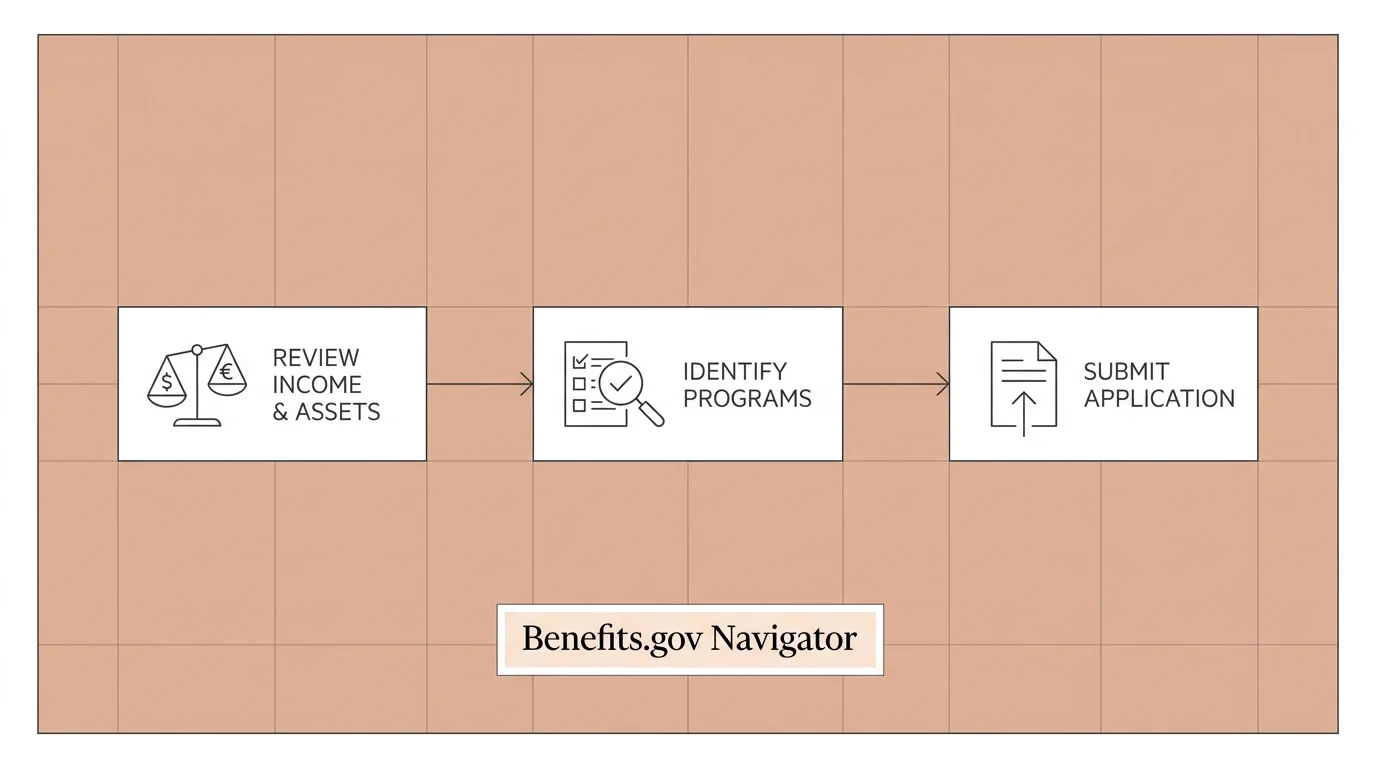
Using Benefits.gov allows you to bypass the confusion. This official federal website features an interactive tool called the Benefit Finder. By answering a series of confidential questions about your age, income, military service, and health status, the system generates a customized list of programs you are likely eligible to receive.
Through this portal, you might discover you qualify for the Low Income Home Energy Assistance Program (LIHEAP) to help pay your winter utility bills, or the Supplemental Nutrition Assistance Program (SNAP) to stretch your monthly grocery budget. By utilizing these adjacent support systems to cover your basic living expenses, you free up your personal funds to comfortably afford the specialized medical care and therapies your health condition requires.
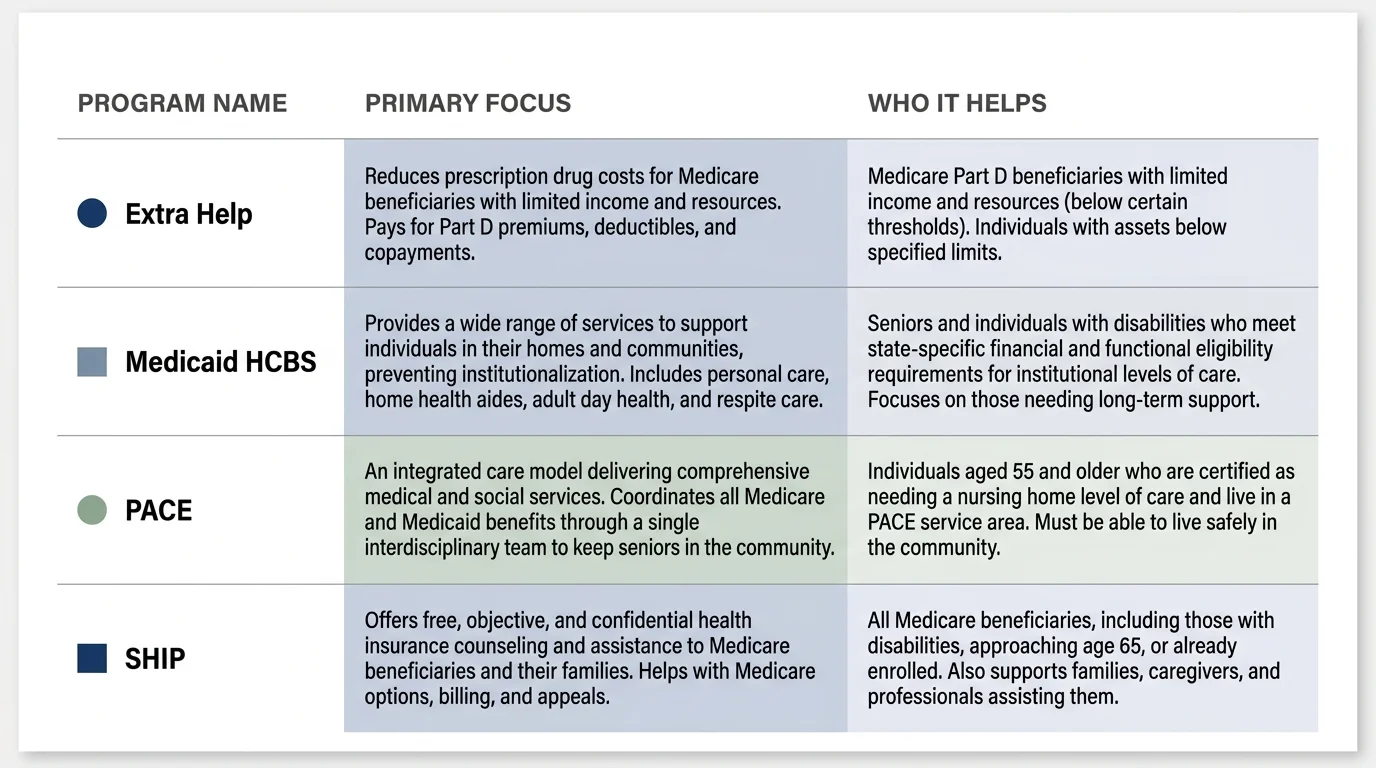
At-a-Glance Program Comparison
To help you determine which programs align best with your current situation, use the following comparison table. It highlights the primary focus of the most utilized healthcare assistance programs for seniors.
| Program Name | Primary Purpose | Who It Serves Best |
|---|---|---|
| Medicare Extra Help | Reduces prescription drug costs (premiums, deductibles, copays). | Seniors with limited income/assets taking multiple daily medications. |
| Medicaid HCBS | Funds in-home care, personal aides, and home modifications. | Seniors needing nursing-home level care who wish to safely age in place. |
| PACE | Provides a fully integrated, team-based medical and social care plan. | Frail seniors aged 55+ who need comprehensive daily care and coordination. |
| SHIP Counseling | Offers free, unbiased guidance on Medicare plans and insurance claims. | Seniors facing confusing medical bills or changing their coverage plans. |
Common Pitfalls and How to Avoid Assistance Scams
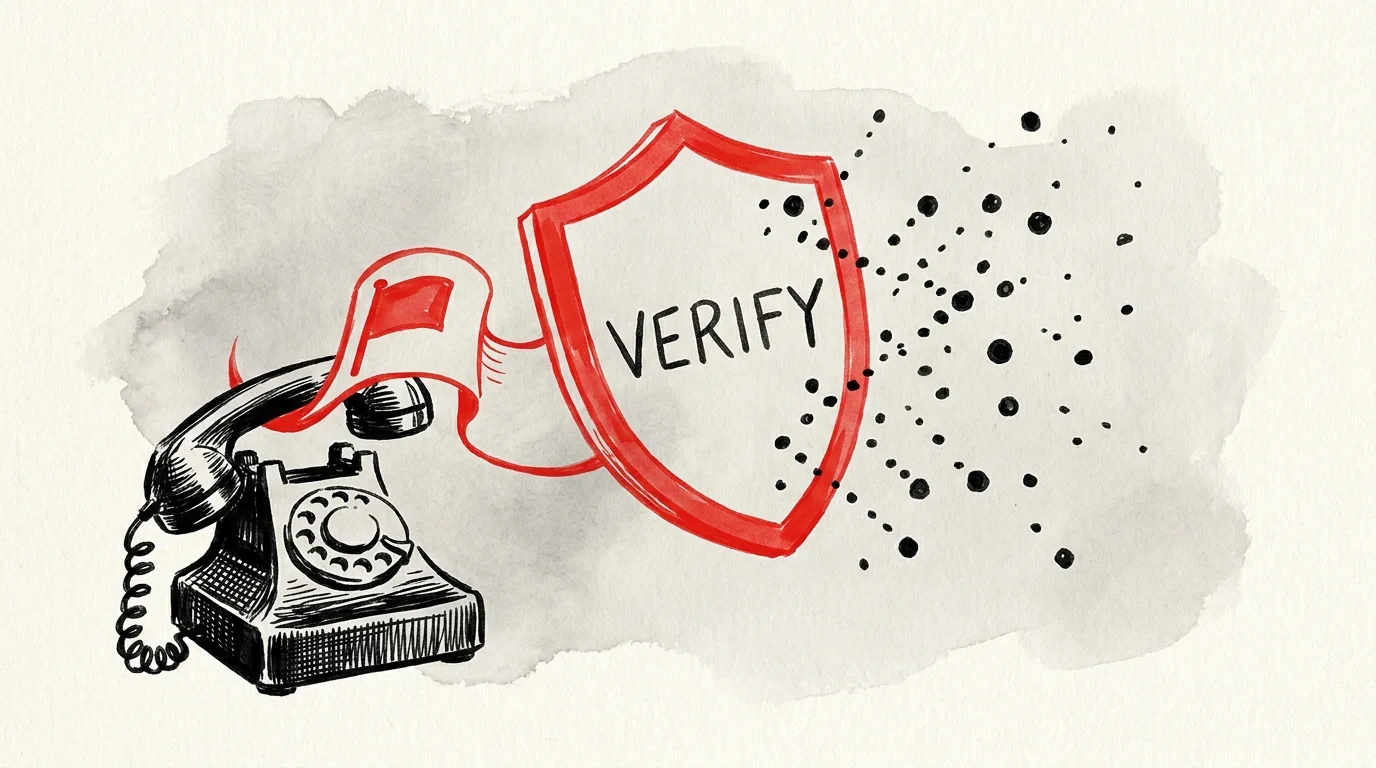
Unfortunately, scammers frequently target older adults by exploiting their genuine need for health assistance. Fraudsters often pose as helpful government representatives to steal sensitive personal information or drain bank accounts. Protecting yourself requires vigilance and an understanding of how legitimate programs operate.
Always keep these critical safety rules in mind when seeking help with your health issues:
- Legitimate programs are free to apply for: You should never have to pay a processing fee, an application fee, or a consultation charge to apply for Extra Help, Medicaid, or SHIP counseling. If someone demands payment to secure your benefits, it is a scam.
- The government will not call you unprompted: Representatives from Medicare and the Social Security Administration will not call you out of the blue to ask for your Medicare number, Social Security number, or bank details. They typically communicate through official mail unless you have explicitly requested a phone call.
- Beware of free medical equipment offers: Scammers often call offering “free” back braces, knee braces, or genetic testing kits, claiming Medicare will cover the cost. They use these tactics to bill Medicare fraudulently under your name. Always consult your primary care doctor before accepting any medical equipment.
- Verify the source: Whenever you search for program information online, ensure the website ends in “.gov” or “.org”. Commercial websites ending in “.com” are often lead-generation businesses attempting to sell you private insurance rather than connect you to free government aid.
If you suspect you have been contacted by a scammer, hang up the phone immediately and report the incident to the Senior Medicare Patrol (SMP), an organization dedicated to empowering seniors to prevent healthcare fraud.
Frequently Asked Questions
Can I receive both Medicare and Medicaid at the same time?
Yes, you absolutely can. Individuals who qualify for both programs are known as “dual eligibles.” In this arrangement, Medicare serves as your primary insurance for hospital visits and doctor appointments, while Medicaid acts as your secondary insurance. Medicaid steps in to cover the premiums, copayments, and long-term care services—like home health aides—that Medicare does not cover, providing you with nearly total protection against healthcare costs.
How do I know if my income is low enough to qualify for these programs?
Income limits vary significantly depending on the specific program, your marital status, and the state in which you live. Some programs look only at your monthly income, while others also factor in your total assets (like savings accounts and investments). Because rules frequently change and allowances are often made for high medical expenses, you should never assume you make too much money. Your local Area Agency on Aging or a SHIP counselor can run a precise eligibility screening based on your state’s current guidelines.
Will utilizing these health programs affect my Social Security retirement benefits?
No, enrolling in programs like Medicare Extra Help, Medicaid, or SNAP will not reduce your monthly Social Security retirement checks. In fact, these programs work synergistically to protect your Social Security income. By allowing the government to absorb the high costs of your prescription drugs and medical care, you get to keep more of your Social Security money for your personal use and daily living expenses.
What if I need help managing my daily personal care rather than complex medical treatments?
If your primary struggle involves activities of daily living—such as bathing, dressing, preparing meals, or doing laundry—you should look into Medicaid Home and Community-Based Services (HCBS) or contact your local Area Agency on Aging. Traditional Medicare does not pay for non-medical custodial care, but state waiver programs and local community grants are specifically designed to fund home health aides and meal deliveries to keep you independent.
Are these support programs available if I live in a rural area?
Yes, these federal and state programs are mandated to serve individuals regardless of their geographic location. However, accessing the services might look slightly different in rural communities. For instance, instead of a large PACE community center, you might rely more heavily on home-delivered services, telehealth appointments, and volunteer transportation networks coordinated by your regional Area Agency on Aging. The Eldercare Locator is the best tool to find the specific rural outreach programs operating in your county.
For additional senior resources, visit
Centers for Disease Control and Prevention (CDC),
Medicare.gov,
National Institute of Mental Health (NIMH),
National Institutes of Health (NIH) and
Centers for Medicare & Medicaid Services (CMS).
Disclaimer: The information in this article is for educational purposes only and is not intended to be a substitute for professional financial, legal, or medical advice. Always consult with a qualified expert for advice tailored to your personal situation.








Leave a Reply