
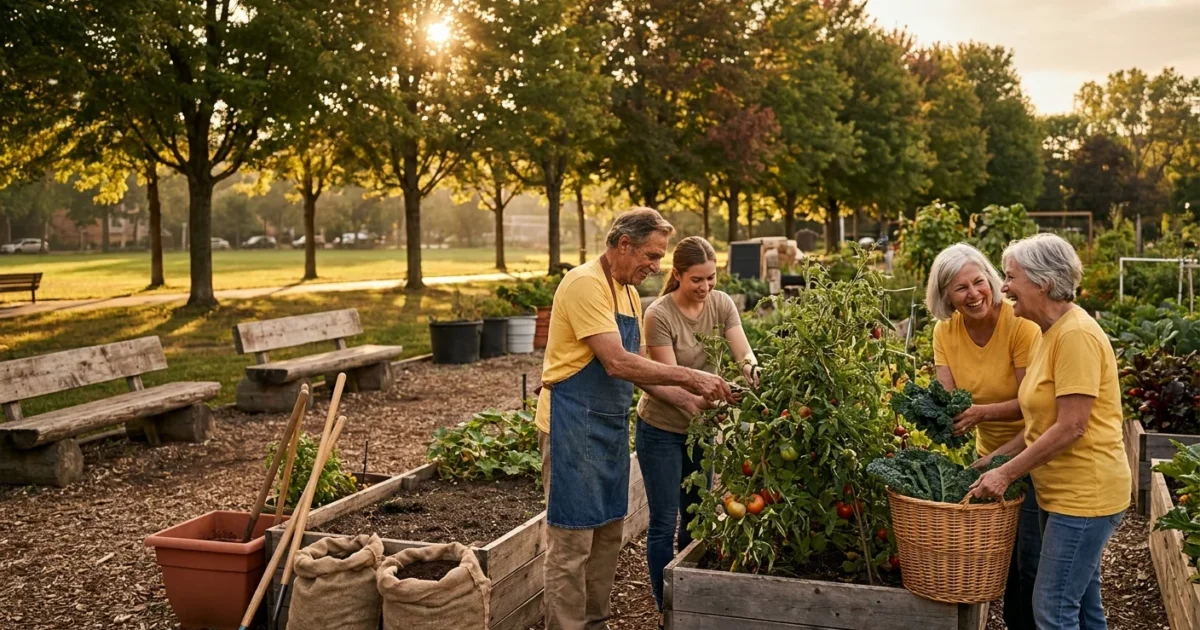
Finding a profound sense of purpose after leaving the workforce often requires looking beyond traditional hobbies and turning toward community service. Many retirees discover that donating their time, skills, and hard-earned wisdom brings unexpected joy and deepens their social connections. Volunteering not only structures your day but also offers remarkable physical and mental health benefits, keeping you active and engaged. Whether you want to mentor young students, support fellow seniors, or protect local nature reserves, countless organizations desperately need your life experience. By exploring the top programs tailored for older adults, you can find the perfect opportunity to make a lasting impact while enriching your own daily life.
Why Volunteering Matters for Your Health and Happiness
Retirement often brings a sudden abundance of free time. While the first few months of relaxation feel like a well-deserved vacation, many older adults eventually encounter a void where their career used to be. You miss the daily interactions, the challenges to solve, and the satisfying feeling of contributing to a larger goal.
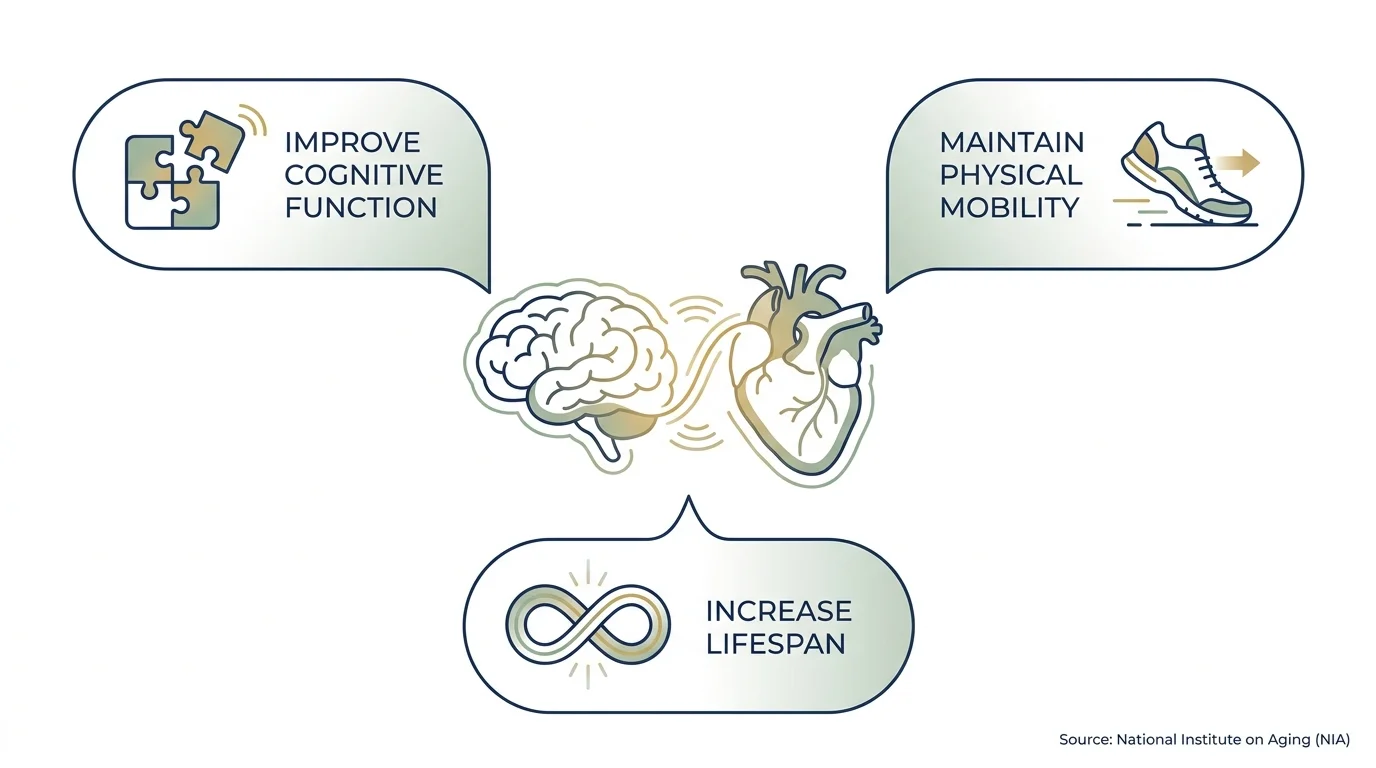
Stepping into a volunteer role actively fills that void. More importantly, it provides measurable health benefits. According to the National Institute on Aging (NIA), participating in meaningful social activities like volunteering can improve your cognitive function, lower your risk of developing certain health conditions, and even increase your lifespan. When you volunteer, you maintain physical mobility, sharpen your mental acuity, and forge deep connections that protect against loneliness and isolation.

1. AmeriCorps Seniors Foster Grandparent Program
If you love being around children and want to shape the next generation, the Foster Grandparent Program offers an incredibly rewarding path. You do not need formal teaching experience—just a patient demeanor and a willingness to care.
In this program, you serve as a role model and mentor to children in your community. You might help a struggling student learn to read, comfort an abused child, or simply provide a steady, loving presence for youths facing difficult circumstances. Volunteers usually serve in schools, hospitals, drug treatment centers, or juvenile justice facilities. The bond you create with these children often changes the trajectory of their lives—and yours.
2. Senior Companion Program
Aging in place comfortably is a priority for most older adults, but many struggle with daily tasks or suffer from severe isolation. By joining the Senior Companion Program, you step in to help your peers maintain their independence.
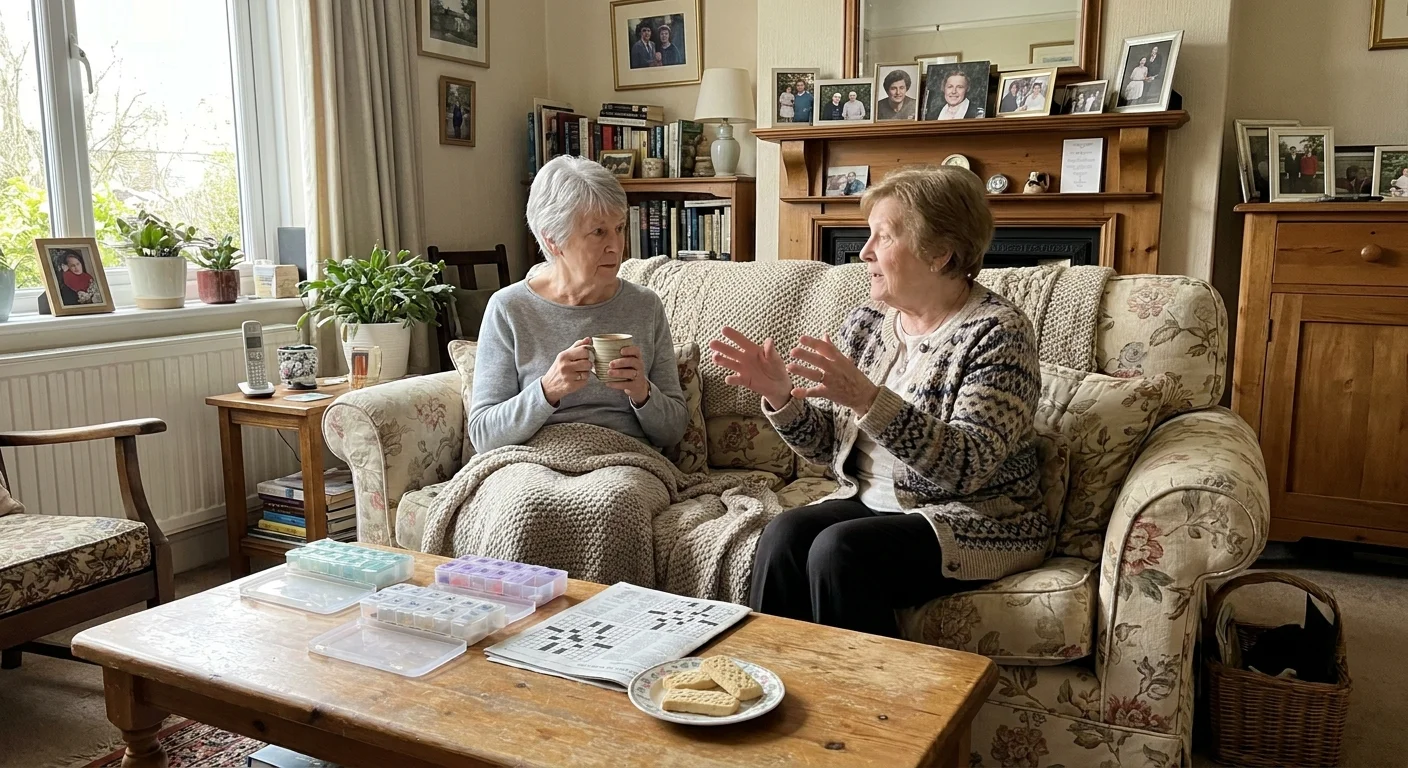
Your responsibilities might include helping a fellow senior shop for groceries, accompanying them to medical appointments, or just sitting down over a cup of coffee to share stories. This role serves a dual purpose: you combat your own potential loneliness while becoming a lifeline for someone else. To discover companionship programs operating in your specific area, the Eldercare Locator is an excellent government tool that connects you with local area agencies on aging.

3. SCORE Business Mentoring
Retiring from your career does not mean your professional expertise expires. If you spent decades navigating corporate management, running a small business, or mastering a specific industry, thousands of aspiring entrepreneurs desperately need your guidance.
SCORE (Service Corps of Retired Executives) matches seasoned professionals with local small business owners. As a volunteer mentor, you review business plans, offer strategic advice, and help new founders avoid costly mistakes. You can choose to meet with entrepreneurs in person or conduct virtual sessions from the comfort of your home office. This program allows you to keep your business acumen sharp while directly fueling your local economy.
4. National Park Service Volunteers-In-Parks
For nature enthusiasts, few opportunities rival the National Park Service (NPS) Volunteers-In-Parks program. If you want to spend your retirement outdoors, this program transforms America’s most beautiful landscapes into your new workplace.
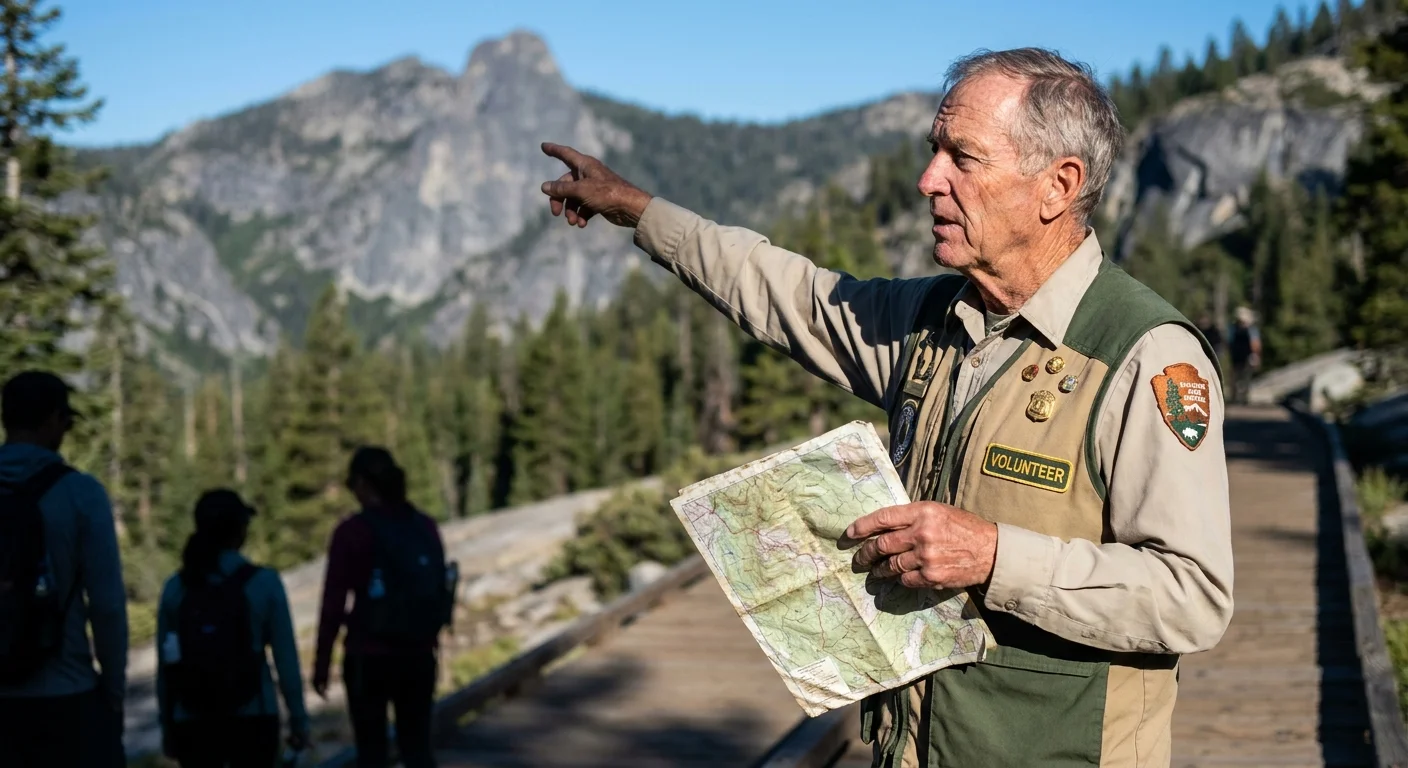
Roles vary widely depending on the park and your physical abilities. You might work at an information desk answering visitor questions, lead historical walking tours, participate in wildlife observation, or help maintain trail systems. Volunteering in natural spaces provides built-in exercise and fresh air, supporting cardiovascular health and reducing stress. Plus, you get to share your love of nature with families and tourists from around the world.

5. Habitat for Humanity
Habitat for Humanity offers a tangible way to see the immediate impact of your hard work. You help build affordable housing for families in need, ensuring they have a safe foundation to grow and thrive.
Many seniors worry they lack the physical stamina to swing a hammer or climb scaffolding. Fortunately, Habitat for Humanity needs volunteers for much more than heavy construction. You can volunteer at a local Habitat ReStore, which operates like a home improvement thrift store. In the ReStore, you organize inventory, assist customers, and ring up purchases. Alternatively, you can help with administrative tasks, coordinate meals for the construction crews, or serve on local planning committees.
6. Meals on Wheels
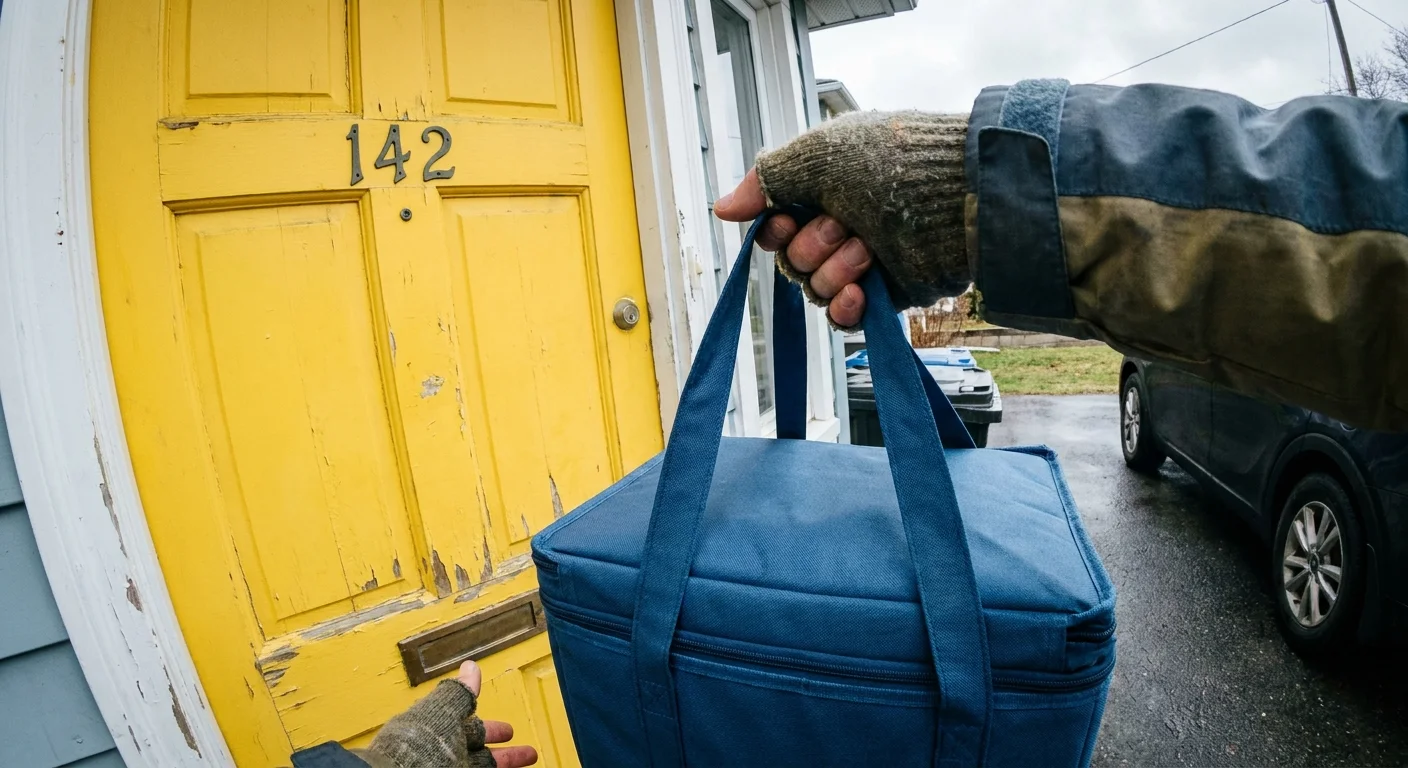
Delivering nutritious food to homebound seniors is the core mission of Meals on Wheels, but the food is only half the service. For many recipients, the volunteer dropping off their meal is the only person they will speak to all day.
The Centers for Disease Control and Prevention (CDC) identifies social isolation as a serious public health risk for older adults, rivaling the health risks of smoking or obesity. As a Meals on Wheels driver, you conduct brief but vital wellness checks. If a resident does not answer the door or appears unwell, you alert the organization to check on them. This straightforward volunteer role typically requires just a few hours a week but provides immense peace of mind to the families of homebound seniors.

7. Animal Rescue Organizations
If human interaction drains your energy, turn your attention to our four-legged friends. Local animal shelters and rescue groups constantly operate at maximum capacity and rely heavily on volunteer support to survive.
Walking dogs provides excellent daily exercise, while socializing timid cats helps them become more adoptable. If you have a quiet home and patience, you might consider fostering older animals that struggle in the noisy shelter environment. Studies continually show that interacting with animals lowers blood pressure and triggers the release of endorphins. Volunteering at a shelter allows you to enjoy all the health benefits of a pet without the long-term financial commitment of permanent ownership.

8. Experience Corps Literacy Tutoring
Reading proficiency by the third grade is one of the strongest indicators of a child’s future academic and financial success. Unfortunately, many underfunded school districts struggle to provide the one-on-one reading support that students need.
Programs like the AARP Foundation Experience Corps train older adults to become dedicated literacy tutors. You work with a specific child or small group over the school year, celebrating their progress as they master new words and gain confidence. The structured nature of this program gives you a reliable weekly schedule, making it an excellent anchor for your retirement routine.
9. Virtual Volunteering and Crisis Support
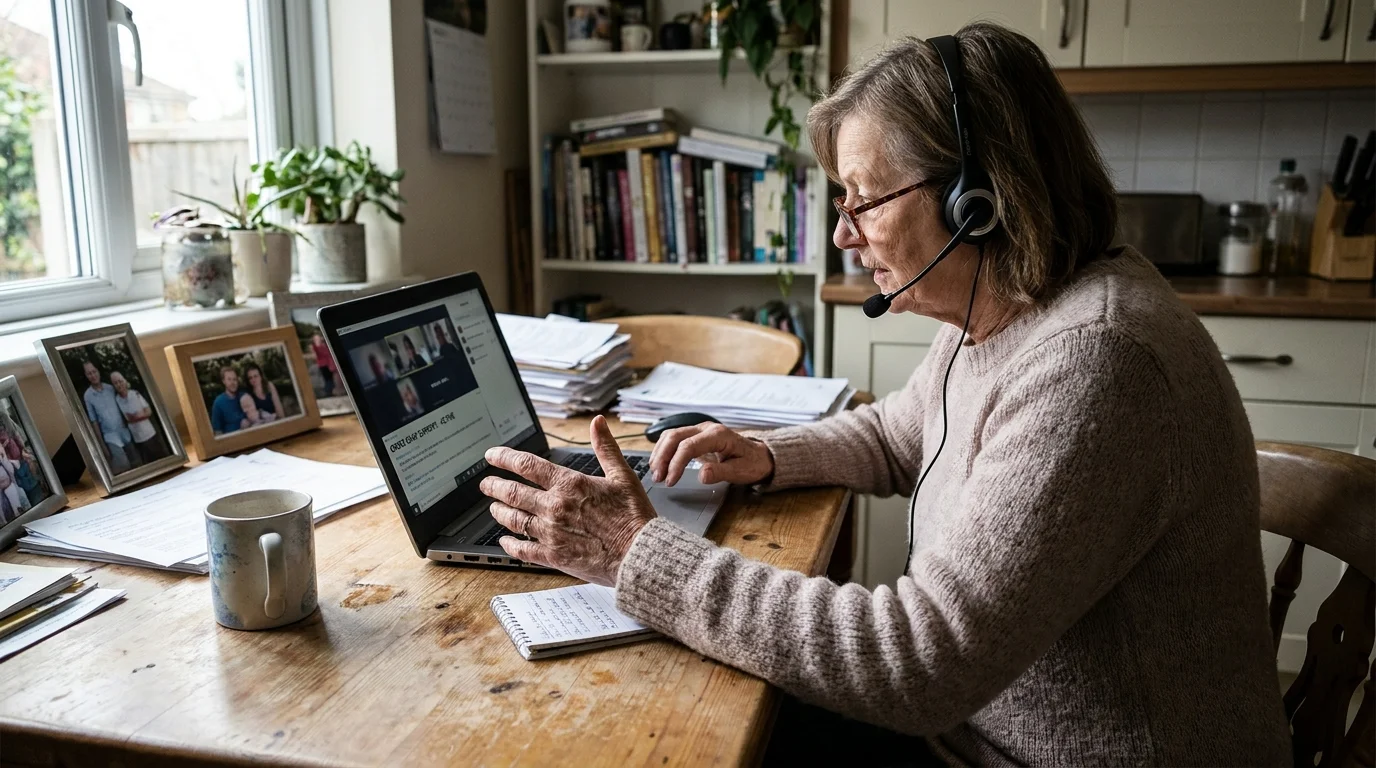
Physical mobility challenges, lack of reliable transportation, or living in a rural area should never stop you from giving back. Virtual volunteering has exploded in popularity, allowing you to make a global impact from your living room.
You can volunteer for crisis text lines, answering messages from individuals experiencing severe anxiety or mental health emergencies. Other virtual roles include transcribing historical documents for the Smithsonian, translating documents for international nonprofits, or managing social media for a local charity. Virtual volunteering offers the ultimate flexibility; you can contribute at 2:00 PM or 2:00 AM, making it entirely adaptable to your lifestyle and energy levels.
How to Choose the Right Volunteer Role
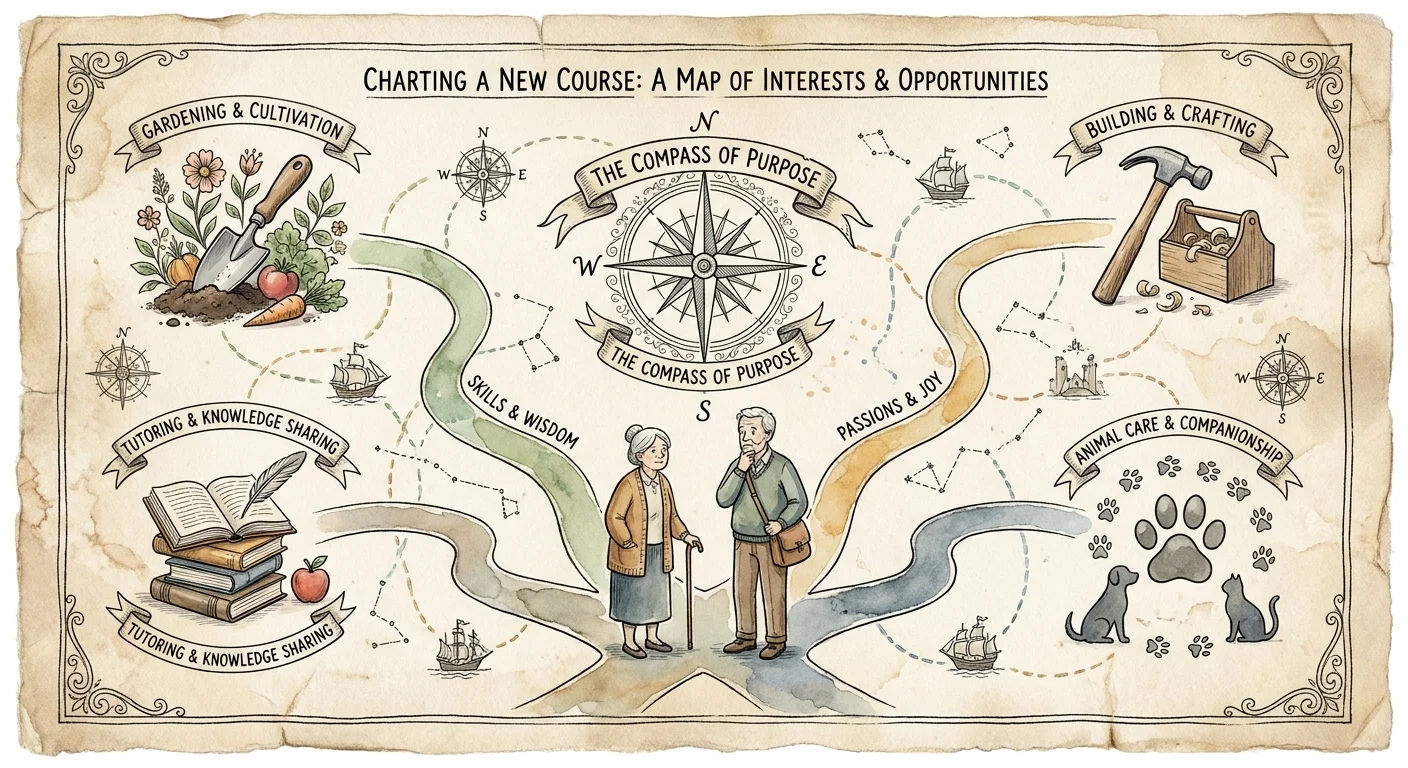
With so many options available, narrowing down your choices requires an honest assessment of your physical abilities, available time, and personal boundaries. Do not rush into a commitment. Take the time to evaluate what you actually want out of the experience.
Follow these steps to find your ideal match:
- Audit your skills: Do you want to use the skills from your career, or do you want to learn something completely new?
- Assess your physical stamina: Be realistic about your mobility, ability to stand for long periods, and lifting capacity.
- Determine your schedule: Decide if you want a rigid weekly schedule to get you out of the house, or a flexible arrangement you can pause during travel.
- Start small: Commit to a trial period of one month before taking on leadership roles or heavier schedules.
Use the table below to compare the typical demands of various volunteer environments:
| Volunteer Environment | Physical Demand | Social Interaction | Schedule Flexibility |
|---|---|---|---|
| National Parks / Outdoors | Moderate to High | Moderate | Low (Seasonal shifts) |
| Animal Shelters | Moderate | Low (Focus on animals) | High |
| Mentoring / Tutoring | Low | High | Low (Requires consistency) |
| Virtual Volunteering | Very Low | Varies (Digital only) | Very High |
| Habitat for Humanity (Build) | High | Moderate | Moderate (Project-based) |
Common Pitfalls and Volunteer Scams to Avoid
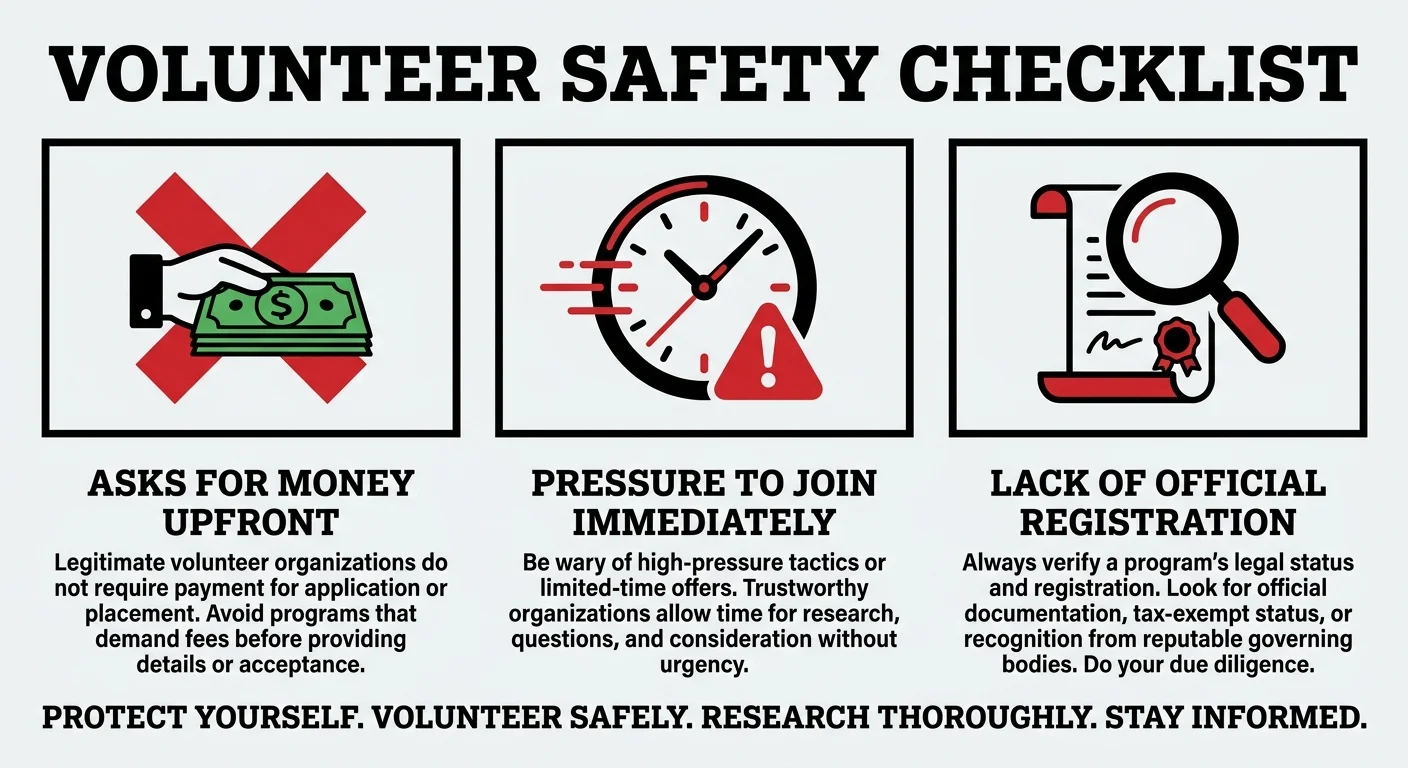
While the vast majority of nonprofits do incredible work, the charity sector unfortunately attracts bad actors who prey on the goodwill of older adults. You must protect your personal information and your wallet when exploring new opportunities.
The Consumer Financial Protection Bureau (CFPB) warns against organizations that pressure you for upfront “registration fees” or mandatory donations disguised as training costs. Legitimate volunteer programs may ask you to cover the cost of a basic uniform (like a t-shirt) or a background check, but you should never have to pay a substantial fee to donate your time.
To avoid scams and poorly managed programs, follow these rules:
- Verify the organization: Look up the charity on databases like Charity Navigator or GuideStar to ensure they are a registered 501(c)(3) nonprofit with transparent financials.
- Never give out your Social Security number immediately: While background checks are standard for programs working with children or vulnerable populations, only provide this information through secure, verified portals—never over a cold phone call.
- Avoid extreme pressure: If an organization uses guilt tactics or pressures you to start immediately without proper orientation, walk away. Good charities respect your time and boundaries.
Frequently Asked Questions
Does volunteering affect my Social Security or Medicare benefits?
No, standard unpaid volunteering does not affect your Social Security, Medicare, or pension benefits. However, some programs (like AmeriCorps Seniors) offer a small, tax-free stipend to low-income volunteers to offset the costs of serving. By law, these specific stipends are not counted as wages and will not reduce your federal benefits.
I have physical limitations. Can I still find meaningful volunteer work?
Absolutely. Physical limitations simply change the type of work you do; they do not erase your ability to contribute. Consider virtual volunteering, tutoring from a seated position, making phone calls for local political campaigns, or assisting with administrative tasks at a local museum or library.
Will I have to pay for my own background check?
It depends on the organization. Many large nonprofits cover the cost of background checks for their volunteers because they value your commitment. Smaller, underfunded local charities might ask you to cover the fee (usually between $15 and $40). If paying for the check presents a financial hardship, speak with the volunteer coordinator; they often have discretionary funds to cover it for you.
Can I deduct volunteer expenses on my taxes?
Yes, you can deduct certain out-of-pocket expenses directly related to your volunteer work if you itemize your deductions. This includes the cost of purchasing and cleaning required uniforms, supplies you buy for the charity, and mileage driven specifically for volunteer purposes. Keep meticulous receipts and track your mileage in a dedicated logbook.
What happens if I travel frequently during my retirement?
Many seniors live out of state for part of the year or take extended trips. Simply communicate your lifestyle to the volunteer coordinator upfront. Project-based volunteering (like a two-week Habitat for Humanity build or working an election polling station) is perfect for travelers. You can also look for virtual roles that you can perform from a laptop anywhere in the world.
For additional senior resources, visit
National Institutes of Health (NIH), Centers for Medicare & Medicaid Services (CMS) and Social Security Administration (SSA).
Disclaimer: The information in this article is for educational purposes only and is not intended to be a substitute for professional financial, legal, or medical advice. Always consult with a qualified expert for advice tailored to your personal situation.





Nice. I’ve been wanting to do something with purpose for a couple years and ran across this. Excited to look into volunteering.