
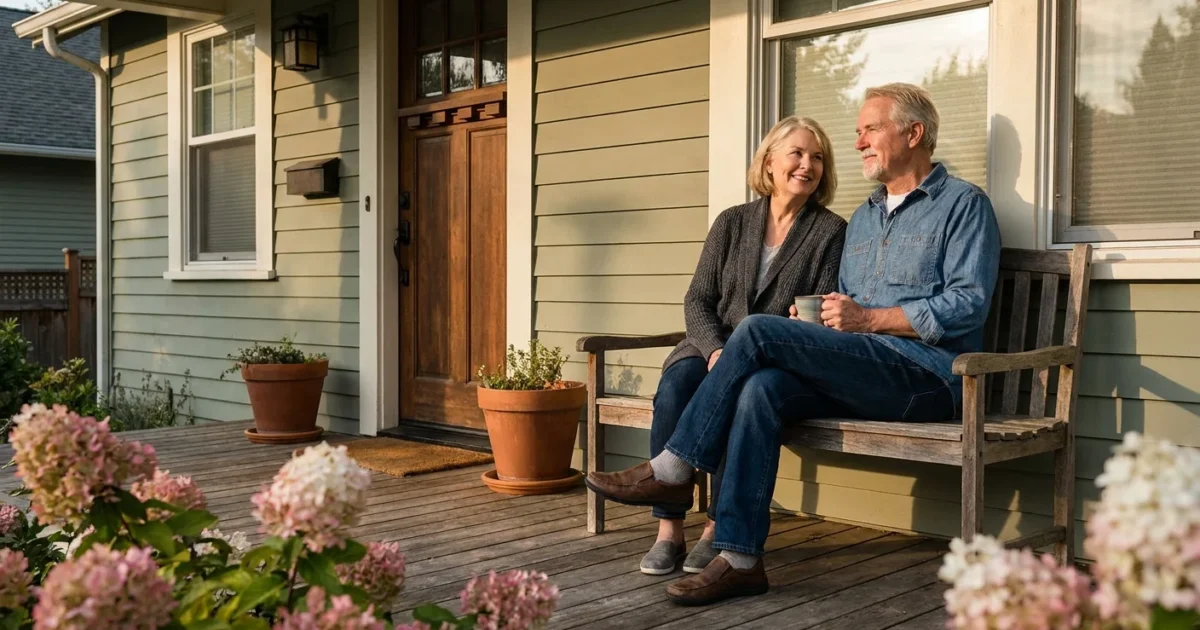
Maintaining a safe and comfortable home becomes incredibly important as you age, yet the rising costs of maintenance can easily overwhelm a fixed income. When unexpected leaks, failing furnaces, or accessibility challenges arise, you might feel forced to choose between your safety and your daily living expenses. Fortunately, multiple federal and state programs exist specifically to keep older adults safely housed. The government provides grants and assistance programs designed to cover essential home modifications and critical fixes for homeowners over 60. By tapping into these resources, you can secure vital upgrades without draining your retirement savings or compromising your independence.
Understanding Government Assistance for Senior Homeowners
Owning a home provides a sense of stability, but the financial burden of upkeep often shifts dramatically during retirement. As homes age right alongside their owners, the need for repairs increases precisely when your income becomes fixed. Local, state, and federal government entities recognize that keeping seniors safely in their own homes is far more cost-effective and humane than institutionalized care. According to the Administration for Community Living (ACL), providing support for aging in place promotes better health outcomes and preserves the dignity of older adults.
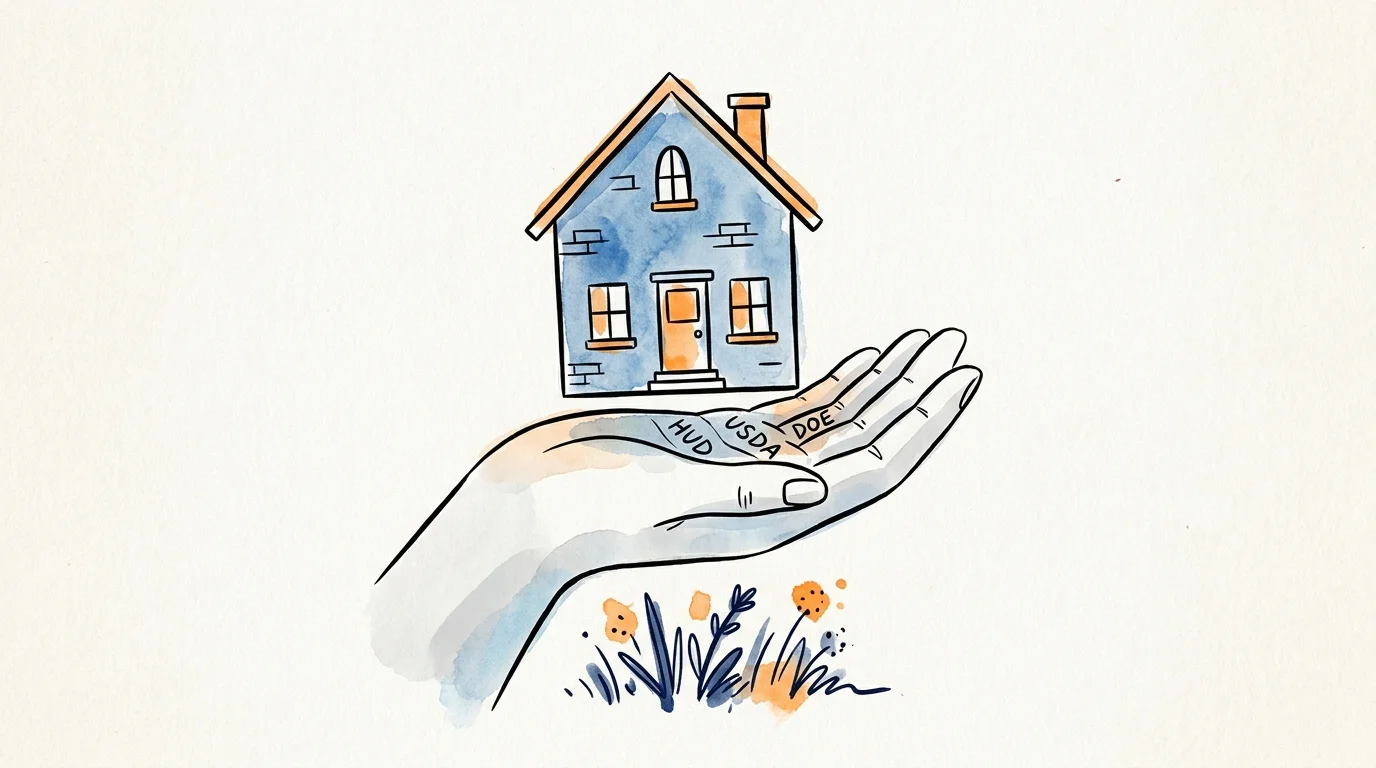
To support this goal, various departments—such as the Department of Housing and Urban Development (HUD), the Department of Agriculture (USDA), and the Department of Energy (DOE)—offer grants, forgivable loans, and subsidized repair programs. These initiatives specifically target health and safety hazards, ensuring your living environment supports your physical needs. While the bureaucratic process of applying for these programs requires patience, the financial relief and physical safety they provide are well worth the effort.
1. Roof Repairs and Replacements
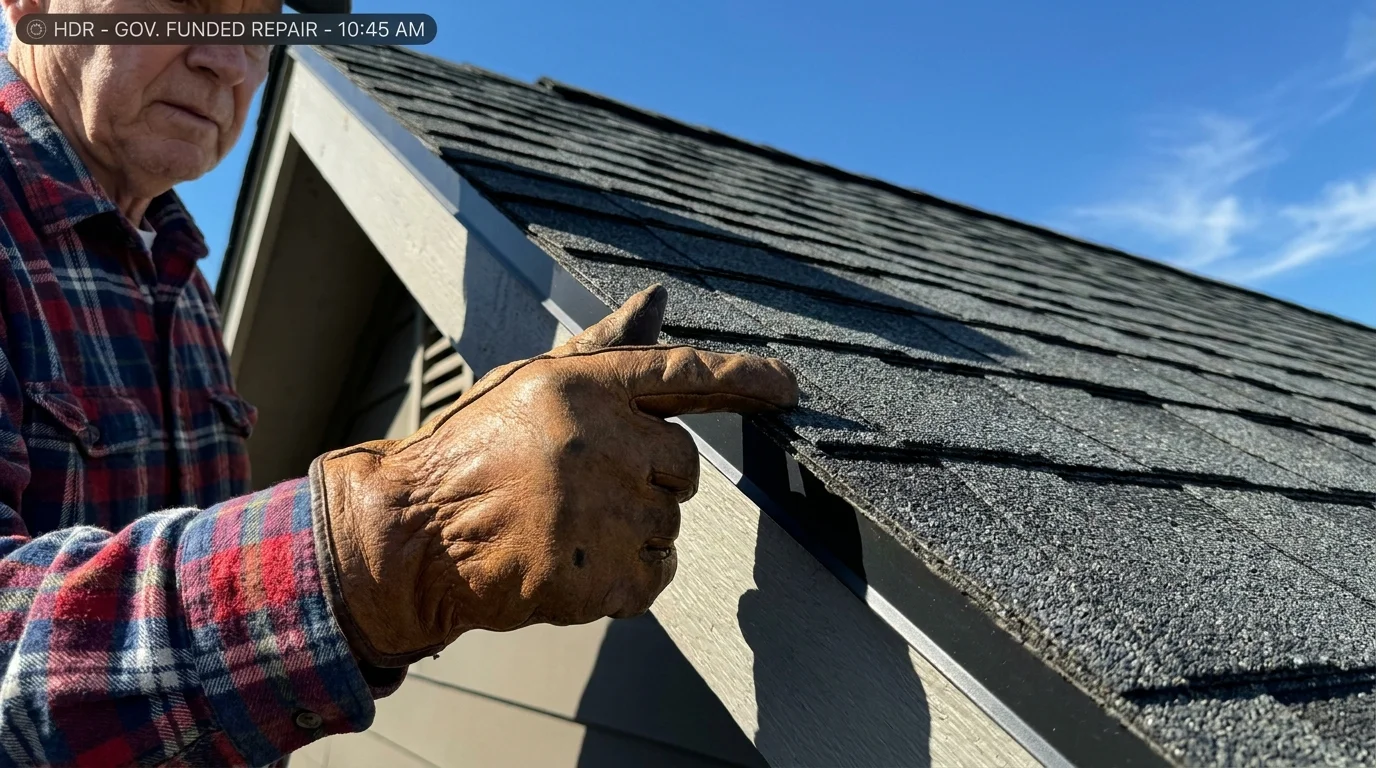
A compromised roof threatens the structural integrity of your entire house. Water intrusion can quickly lead to severe structural rot, electrical hazards, and toxic mold growth, all of which pose immediate risks to your health and safety. Because roof replacements are notoriously expensive, they are a primary focus for government grant programs designed for older adults.
If you live in a rural area, the USDA Section 504 Home Repair Program offers up to $10,000 in grants to seniors aged 62 and older to remove health and safety hazards, which explicitly includes roof replacement. For those in urban or suburban areas, HUD provides Community Development Block Grants (CDBG) to local municipalities. Cities and counties use these funds to run their own localized home repair programs for low-to-moderate-income seniors. These funds can completely cover the cost of tearing off old, damaged shingles and installing a brand-new, weather-resistant roofing system.
2. Heating and Cooling System (HVAC) Upgrades
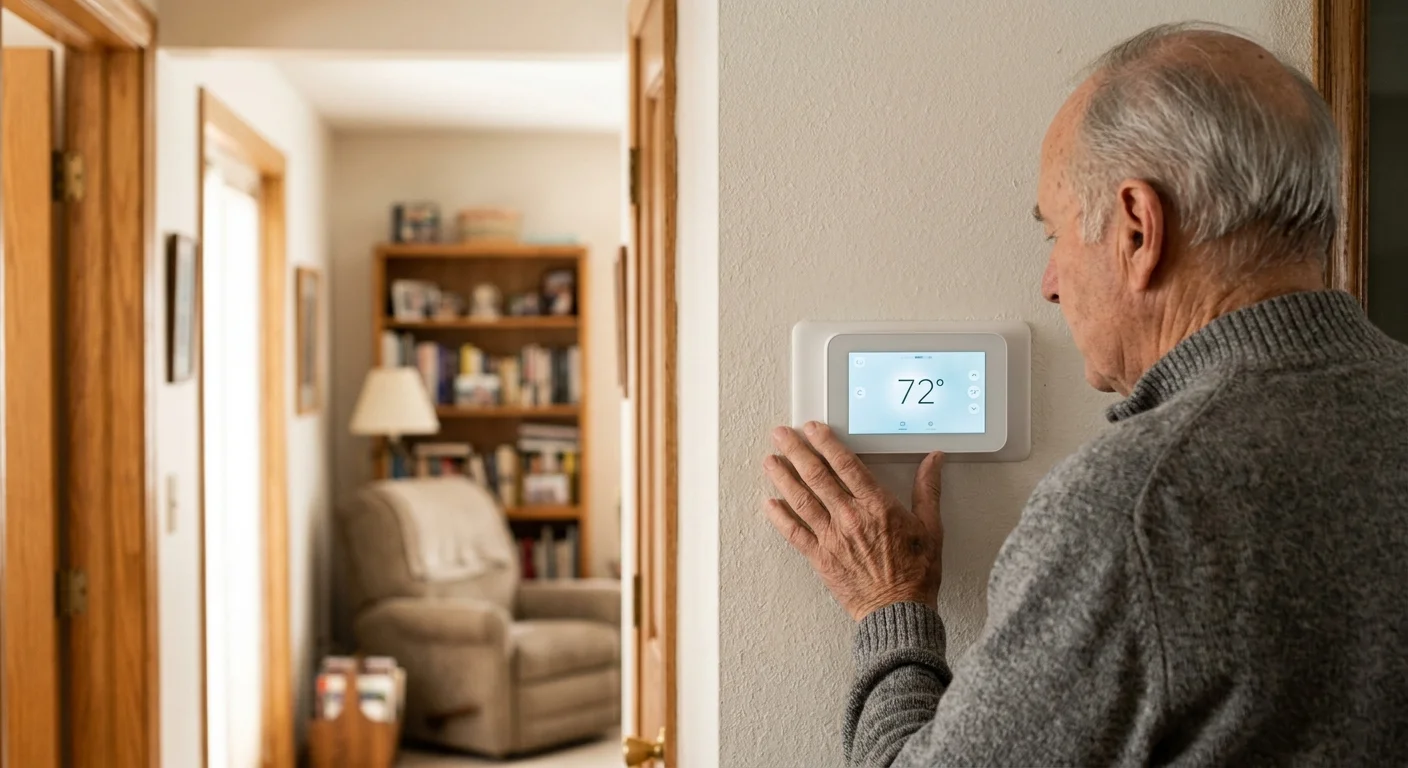
Extreme temperatures are more than just uncomfortable; they are life-threatening. As your body ages, it becomes less efficient at regulating its internal temperature, making you highly susceptible to hypothermia in the winter and heat stroke in the summer. A failing furnace or a broken air conditioning unit is considered a living crisis under several government programs.
The Low Income Home Energy Assistance Program (LIHEAP) is best known for helping seniors pay their monthly utility bills, but it also features a crisis intervention component. If your primary heating or cooling system fails during extreme weather, LIHEAP can fund the emergency repair or outright replacement of your HVAC unit. Additionally, the Weatherization Assistance Program (WAP) frequently inspects heating systems for safety and efficiency. If an inspector determines your furnace is leaking carbon monoxide or operating dangerously, the program will often replace the unit entirely at no cost to you.
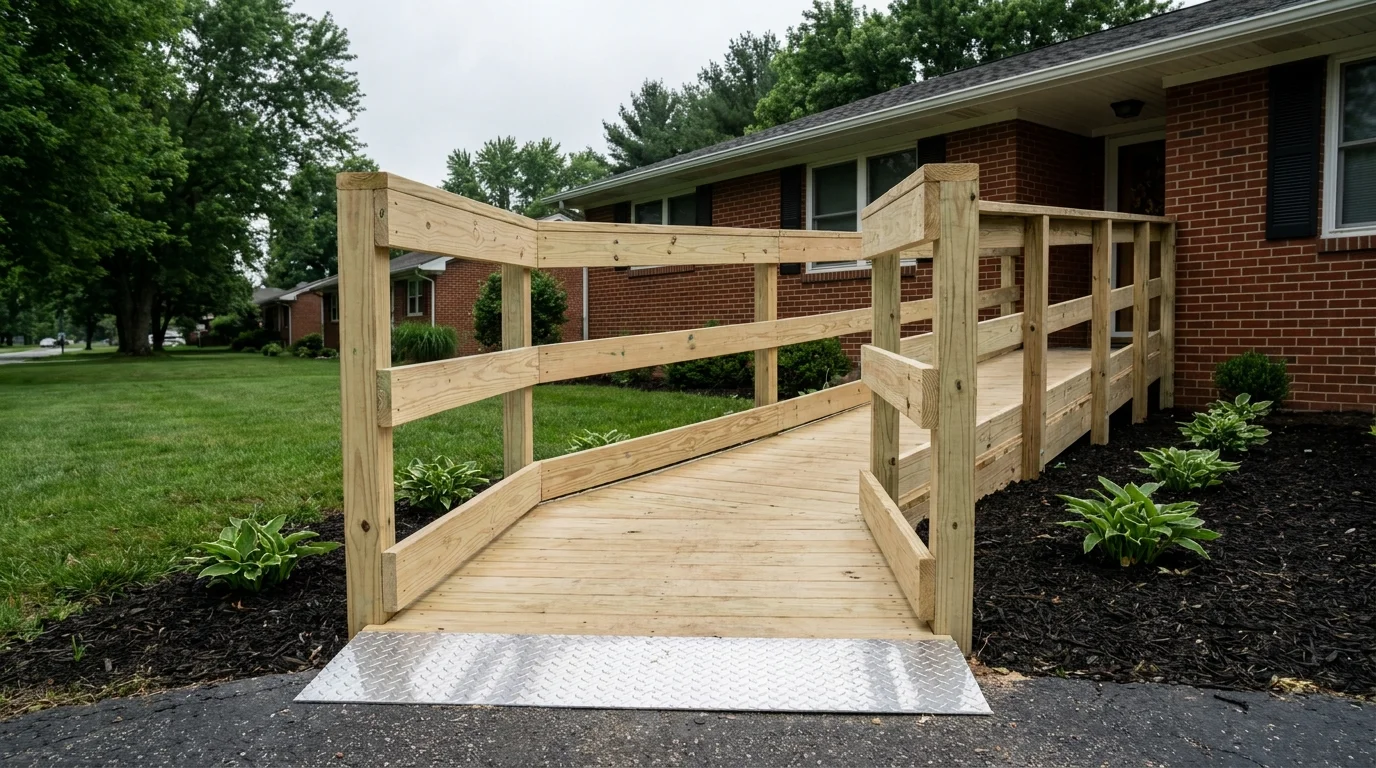
3. Accessibility Modifications and Wheelchair Ramps
Navigating stairs, stepping over high bathtub walls, and fitting mobility devices through narrow doorways become daunting challenges as mobility declines. Adapting your home environment is crucial for maintaining your independence and continuing to age in place safely. Government programs frequently prioritize these physical modifications because they directly prevent costly nursing home admissions.
Funding for accessibility modifications often comes through Medicaid Home and Community-Based Services (HCBS) waivers or programs funded by the Older Americans Act. You can locate your local Area Agency on Aging by visiting the Eldercare Locator to ask about specific local funds for home modifications. Covered improvements typically include:
- Custom-built exterior wheelchair ramps and zero-step entries.
- Widened doorways to accommodate walkers and wheelchairs.
- Bathroom modifications, including roll-in showers, raised toilets, and strategically placed grab bars.
- Stairlifts or platform lifts for multi-story homes.
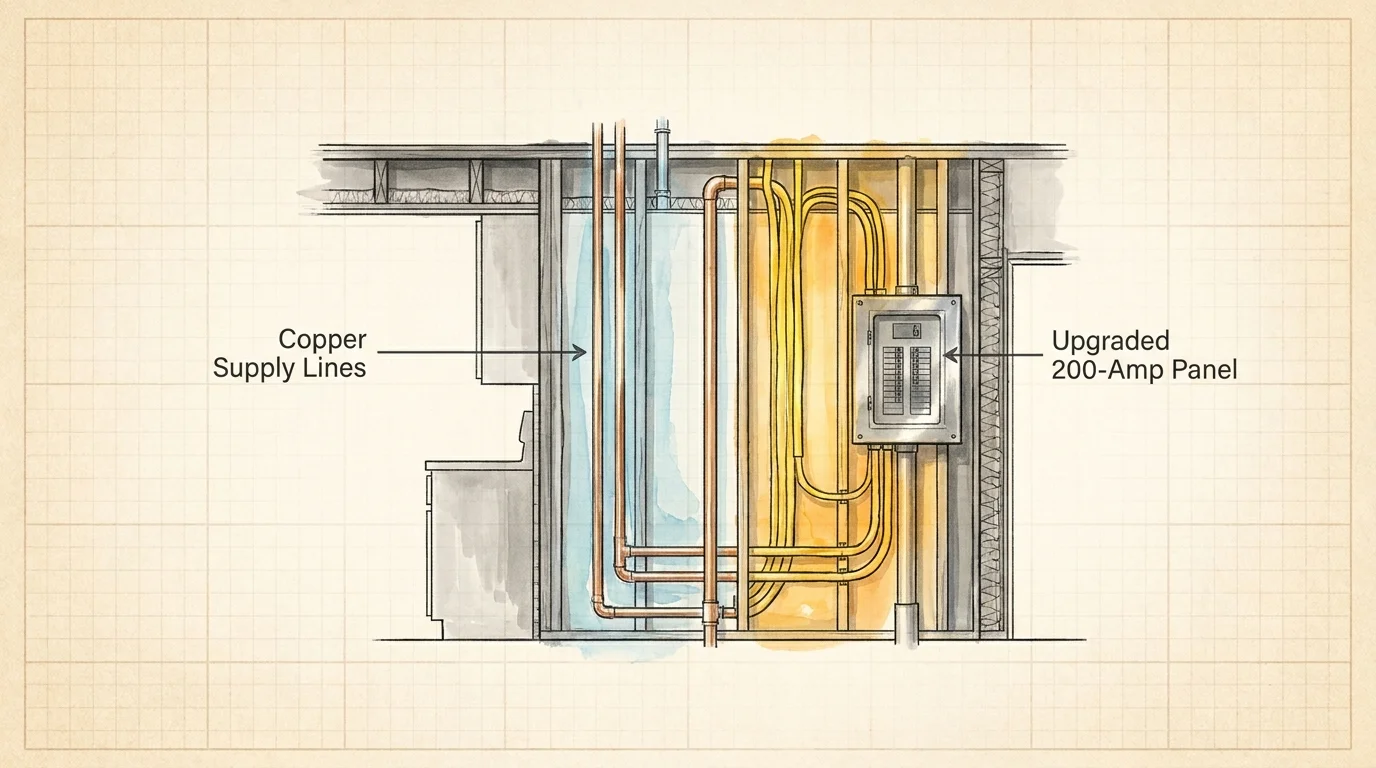
4. Plumbing and Electrical System Overhauls
Hidden behind your walls, outdated plumbing and electrical systems silently deteriorate over decades. Leaking pipes undermine your foundation and promote mold, while antiquated electrical panels, exposed wiring, and knob-and-tube systems drastically increase the risk of catastrophic house fires. Addressing these hidden dangers is a core pillar of state and federal home rehabilitation grants.
Government assistance programs view functional plumbing and safe electricity as basic human rights. Local housing authorities often utilize HUD funding to help older homeowners completely overhaul failing systems. This can involve replacing corroded lead pipes to ensure clean drinking water, upgrading electrical service panels to handle modern medical equipment, and repairing or replacing failing water heaters. If you rely on well water or a septic system, rural USDA programs frequently provide grants to repair or replace these critical utilities when they fail.
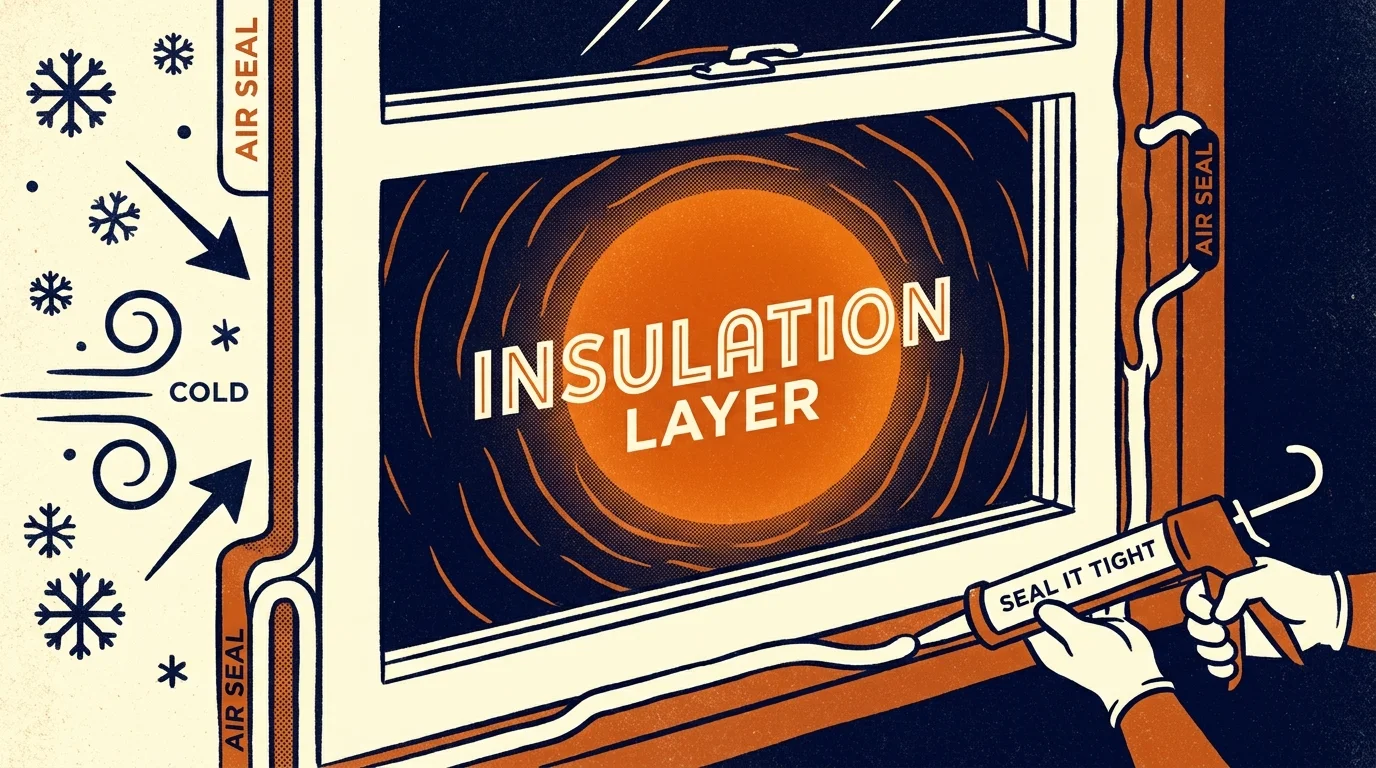
5. Weatherization and Energy Efficiency Updates
Drafty windows, poorly insulated attics, and unsealed doors force your heating and cooling systems to work overtime. This not only creates an uncomfortable living environment but also drives your utility bills to unmanageable levels. The Department of Energy’s Weatherization Assistance Program (WAP) is specifically designed to reduce energy costs for low-income households by increasing the energy efficiency of their homes.
When you qualify for WAP, a professional energy auditor will visit your home to conduct a comprehensive assessment. Based on their findings, contractors will perform various upgrades completely free of charge. You can discover what programs you qualify for by checking Benefits.gov, which outlines the application process for your state. Common weatherization improvements include:
- Blowing high-density insulation into attics, walls, and crawlspaces.
- Applying weather stripping and caulking around doors and windows.
- Repairing or replacing broken windows and exterior doors.
- Insulating water heaters and exposed pipes to retain thermal energy.
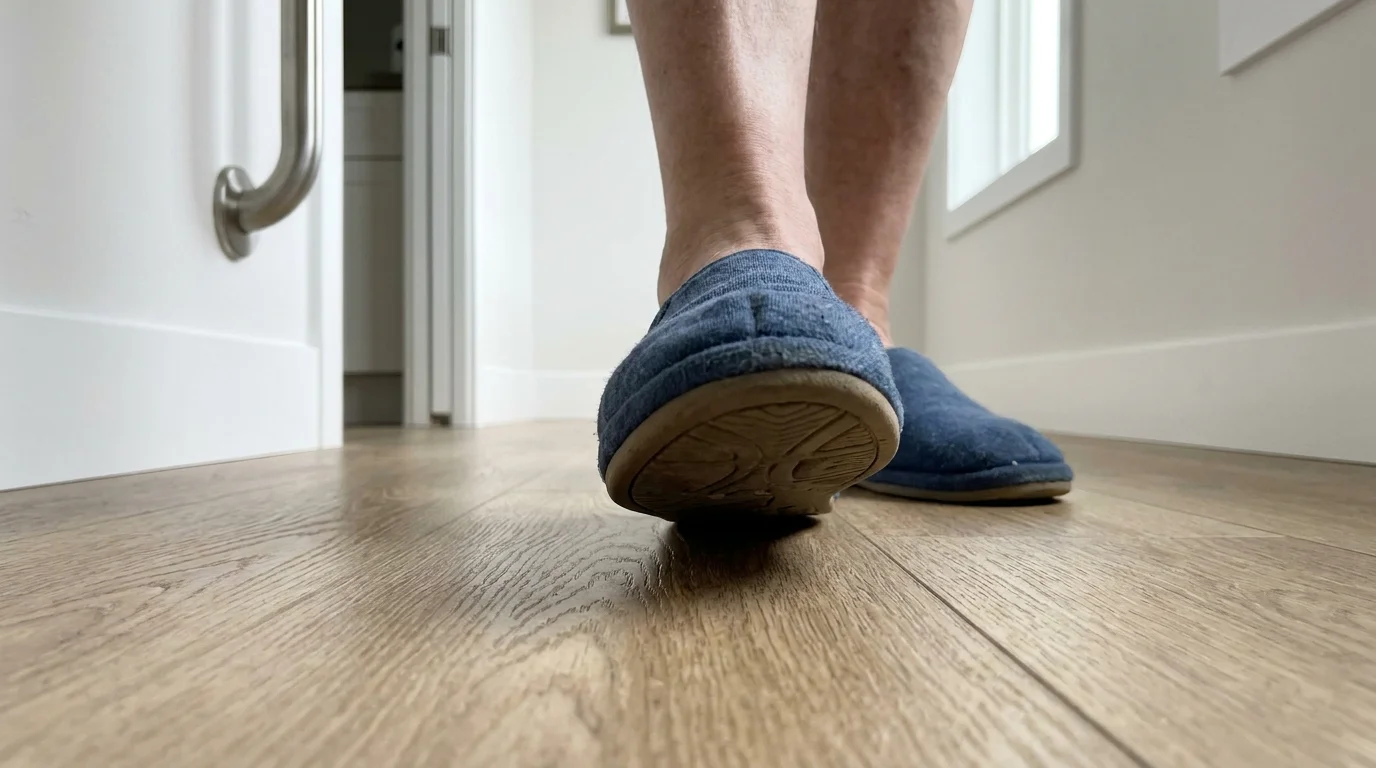
6. Flooring Fixes for Fall Prevention
Inside the home, the floor beneath your feet can be one of the greatest hazards you face. Torn carpets, uneven transitions between rooms, and warped floorboards create significant tripping risks. Research from the Centers for Disease Control and Prevention (CDC) shows that falls are the leading cause of fatal and non-fatal injuries among older adults, often leading to severe hip fractures and traumatic brain injuries.
Because preventing a fall is vastly cheaper and better for your health than treating an injury, home modification grants often cover the cost of replacing hazardous flooring. Programs funded by the Older Americans Act or local CDBG distributions can pay contractors to remove dangerous, bunched-up carpeting and install smooth, slip-resistant flooring. They will also level out uneven subfloors and install threshold ramps to ensure seamless transitions between rooms, allowing for safe passage with a cane or walker.
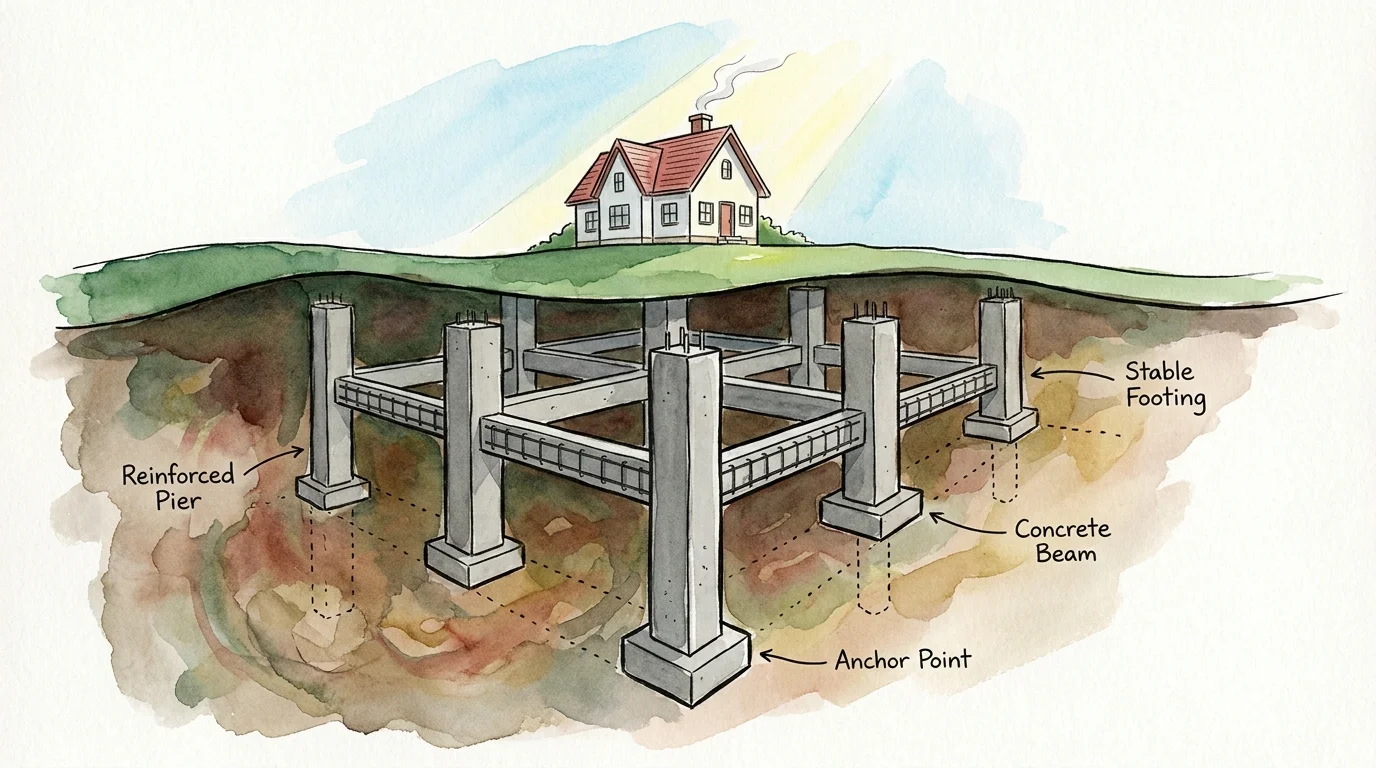
7. Foundation and Structural Stabilization
A home is only as safe as its foundation. Over decades, shifting soil, prolonged water exposure, and pest infestations can compromise the structural integrity of your house. Sagging floors, severely cracked foundations, and rotting support beams are critical emergencies that can eventually render a home uninhabitable.
Major structural repairs require significant capital, making them prime candidates for federal rehabilitation loans and grants. If a home inspector deems your house structurally unsound, programs like the USDA Section 504 grant or specialized HUD rehabilitation funds can be deployed to shore up foundations, replace rotted joists, and repair termite damage. By stabilizing the structure, these programs ensure that your home remains a permanent, safe shelter for the rest of your life.
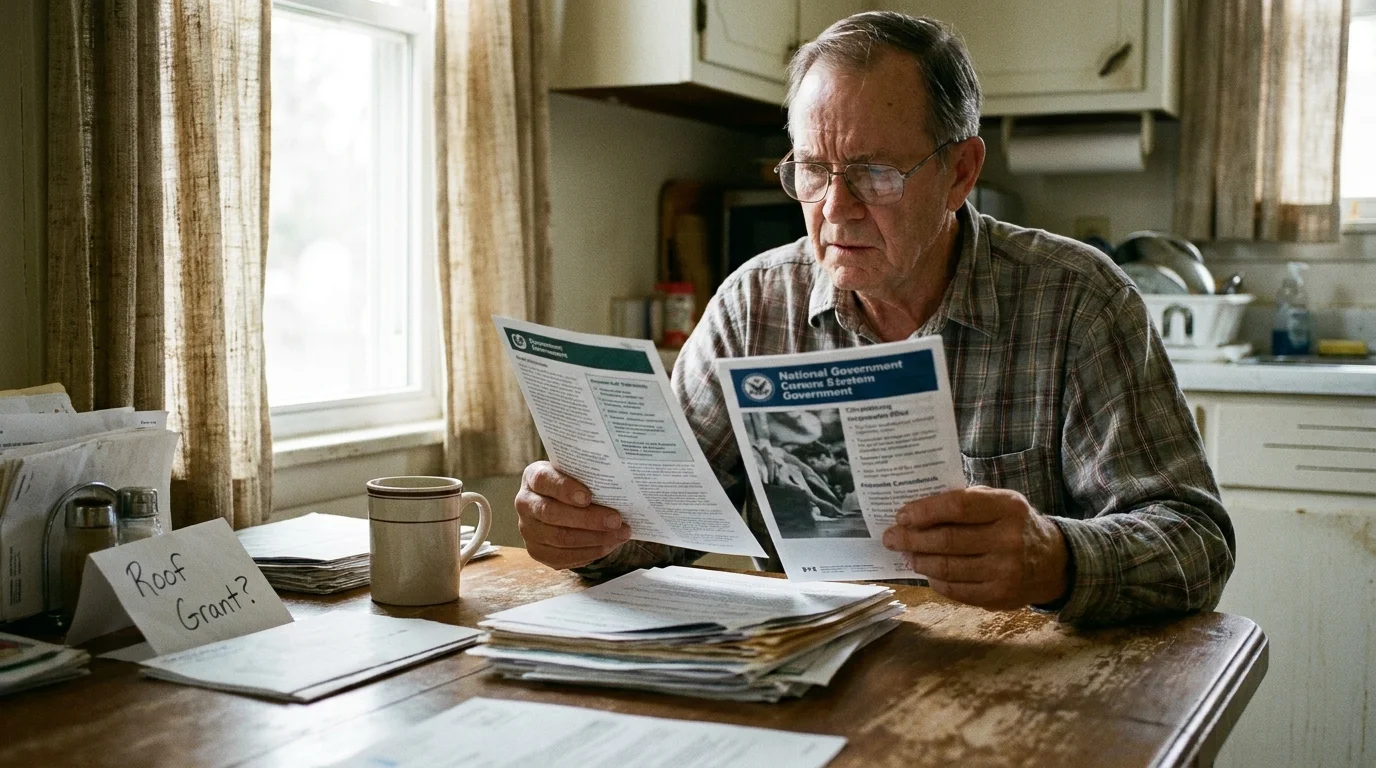
Comparing Key Federal Home Repair Programs
Understanding which program best suits your specific needs will save you time and frustration during the application process. Below is a breakdown of the primary federal funding sources that help seniors repair their homes.
| Program Name | Primary Focus | Assistance Type | General Eligibility |
|---|---|---|---|
| USDA Section 504 | Health & safety hazards, roof repairs, structural fixes | Grants (up to $10,000) and low-interest loans | Age 62+, low income, living in an eligible rural area |
| Weatherization (WAP) | Energy efficiency, insulation, window repair | Free contractor services and materials | Low income, prioritizing seniors 60+ and disabled individuals |
| LIHEAP Crisis Program | Emergency HVAC repair or replacement | Direct payments to contractors/utility providers | Low income, facing an immediate weather-related health crisis |
| HUD CDBG Programs | Comprehensive home rehabilitation and accessibility | Grants or forgivable loans | Administered locally; requirements vary by city/county |
| Older Americans Act (Title III) | Accessibility mods, ramps, grab bars, minor repairs | Grants and direct service provision | Age 60+, targeted toward those in greatest social or economic need |
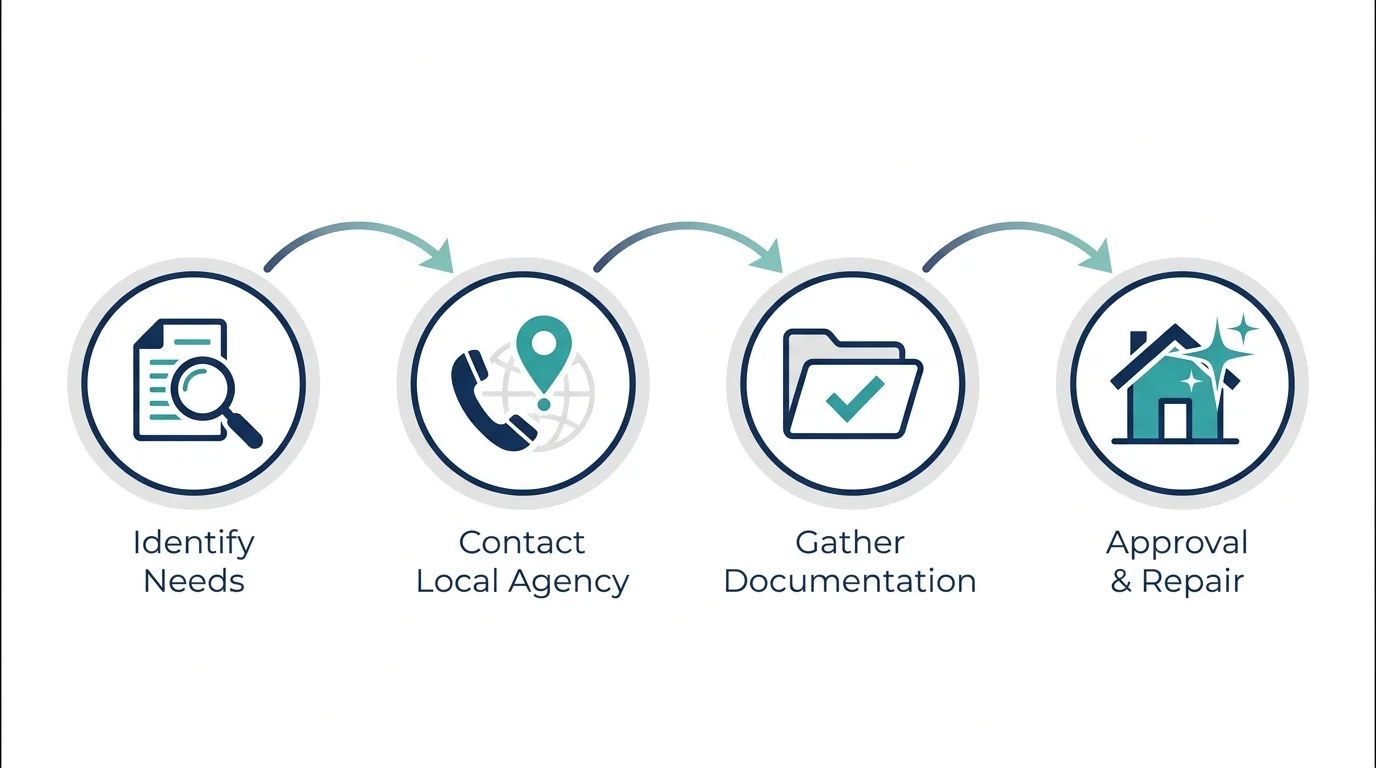
How to Apply for Federal and State Home Repair Grants
Securing government funding requires navigating bureaucratic paperwork, but the process is entirely manageable if you take it one step at a time. Because funding is often distributed on a first-come, first-served basis, it is crucial to act quickly and maintain organized records.
- Identify Your Local Administrators: Federal funds are almost always distributed through local agencies. Start by calling your local Area Agency on Aging or your city’s municipal housing authority. They will know exactly which grant programs currently have open application windows.
- Gather Financial Documentation: Government programs are income-based. Collect your recent tax returns, Social Security award letters, bank statements, and proof of homeownership (such as your deed or property tax bill).
- Obtain Medical Documentation (If Applicable): If you are applying for accessibility modifications or emergency HVAC repairs, ask your doctor for a letter detailing your medical conditions and why the home repair is medically necessary for your safety.
- Complete the Applications: Fill out the required forms thoroughly. If you struggle with the paperwork, ask a family member, a social worker, or a representative at your local senior center to help you review the documents before submission.
- Prepare for the Inspection: Once your application is accepted, the agency will send an inspector to verify the required repairs. Be honest about all the issues in your home; they are there to help you, not to judge your living conditions.
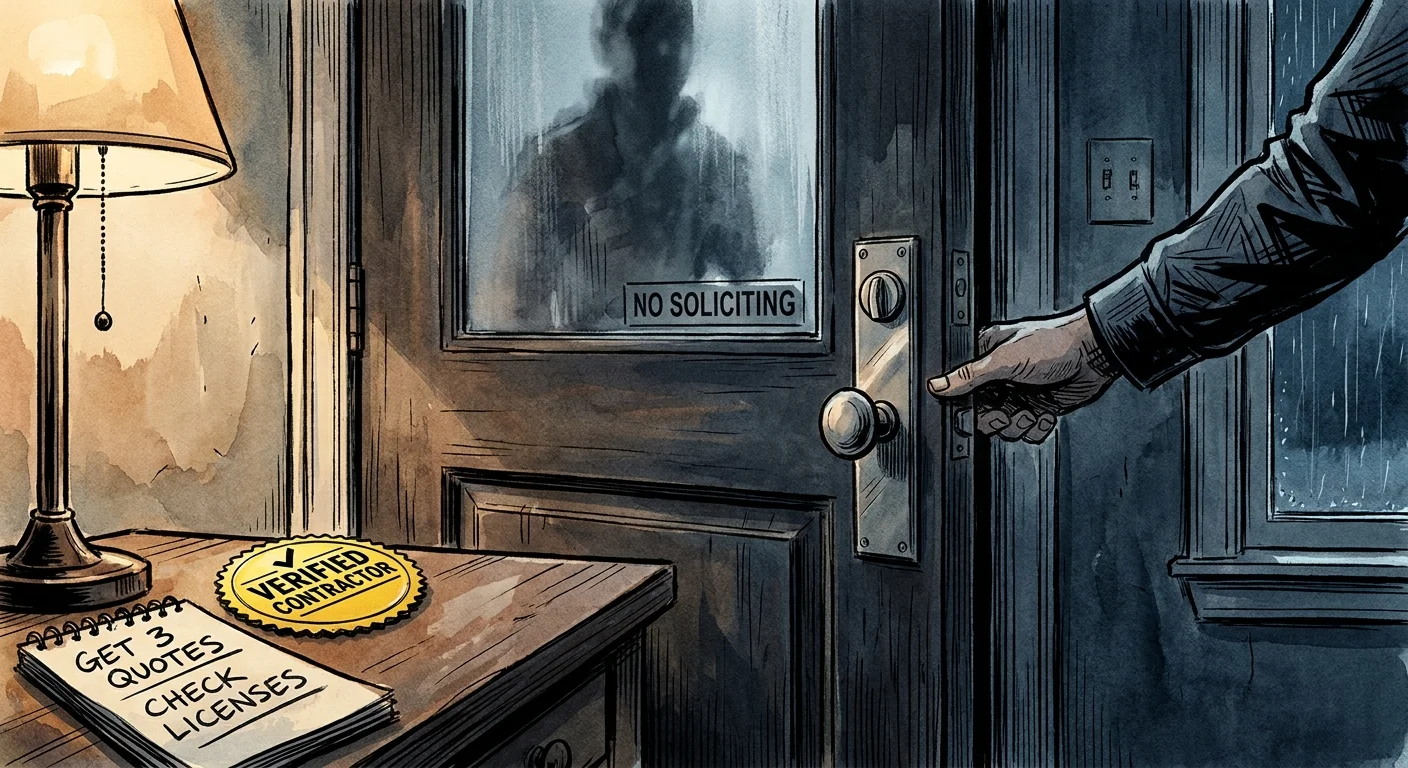
Protecting Yourself from Contractor Scams
Unfortunately, unscrupulous individuals often view older homeowners in need of repairs as easy targets. The Consumer Financial Protection Bureau (CFPB) warns that older adults are frequently targeted by predatory home improvement scams, which can drain your savings and leave your home in worse condition than before.
Always be highly suspicious of contractors who knock on your door uninvited, claiming they noticed a problem with your roof or driveway. Never pay for a home repair entirely in upfront cash, and do not succumb to high-pressure sales tactics demanding immediate signatures. Legitimate government programs will assign vetted, licensed, and insured contractors to your project, or they will provide you with a strict approval process to hire one yourself. If a contractor asks you to take out a high-interest loan against your home equity to pay for repairs, stop communicating with them immediately and consult your local housing authority.
Frequently Asked Questions
Does traditional Medicare pay for home repairs or modifications?
No, Original Medicare does not pay for permanent home repairs or structural modifications like widening doorways or building exterior ramps. However, Medicare Part B may cover certain pieces of Durable Medical Equipment (DME) that help you navigate your home, such as commode chairs or patient lifts, if prescribed by a doctor. Some private Medicare Advantage plans have recently begun offering modest allowances for basic safety modifications, such as installing bathroom grab bars, so you should check your specific plan’s benefits.
Do I have to pay back government home repair grants?
Grants, by definition, do not need to be repaid. However, some local programs utilize “forgivable loans” instead of direct grants. A forgivable loan means that as long as you continue to live in the home for a specified period (often 3 to 5 years), the debt is entirely forgiven. If you sell the house before that period ends, you may be required to pay back a prorated portion of the repair costs.
How long does the application and repair process usually take?
The timeline varies significantly depending on the program, your location, and the urgency of your need. Emergency crisis programs (like a broken furnace in the dead of winter) can sometimes provide relief within 48 hours. Standard grants, such as roof replacements or weatherization, often involve waiting lists and can take anywhere from three months to over a year to complete. This is why you should apply for assistance the moment you notice a problem, rather than waiting for it to become a crisis.
Can I apply for government home repair assistance if I live in a mobile or manufactured home?
Yes, many programs accommodate mobile and manufactured homes, provided you own the home and it serves as your primary residence. The USDA Section 504 program and the Weatherization Assistance Program frequently perform upgrades on manufactured homes. However, you must typically prove ownership of the structure, and sometimes the land it sits on, depending on the specific grant requirements.
Will accepting a home repair grant affect my Social Security or Medicaid benefits?
Generally, home repair grants are paid directly to the approved contractors or service providers, meaning the money never enters your personal bank account. Because it is not counted as direct income, it typically does not affect your standard Social Security retirement benefits. However, if you are receiving need-based assistance like Supplemental Security Income (SSI) or Medicaid, you should confirm with your caseworker, though direct-to-contractor home repairs are usually exempt from asset limits.
For additional senior resources, visit
National Institute on Aging (NIA), Centers for Disease Control and Prevention (CDC), Medicare.gov and National Institute of Mental Health (NIMH).
Disclaimer: The information in this article is for educational purposes only and is not intended to be a substitute for professional financial, legal, or medical advice. Always consult with a qualified expert for advice tailored to your personal situation.




Leave a Reply