
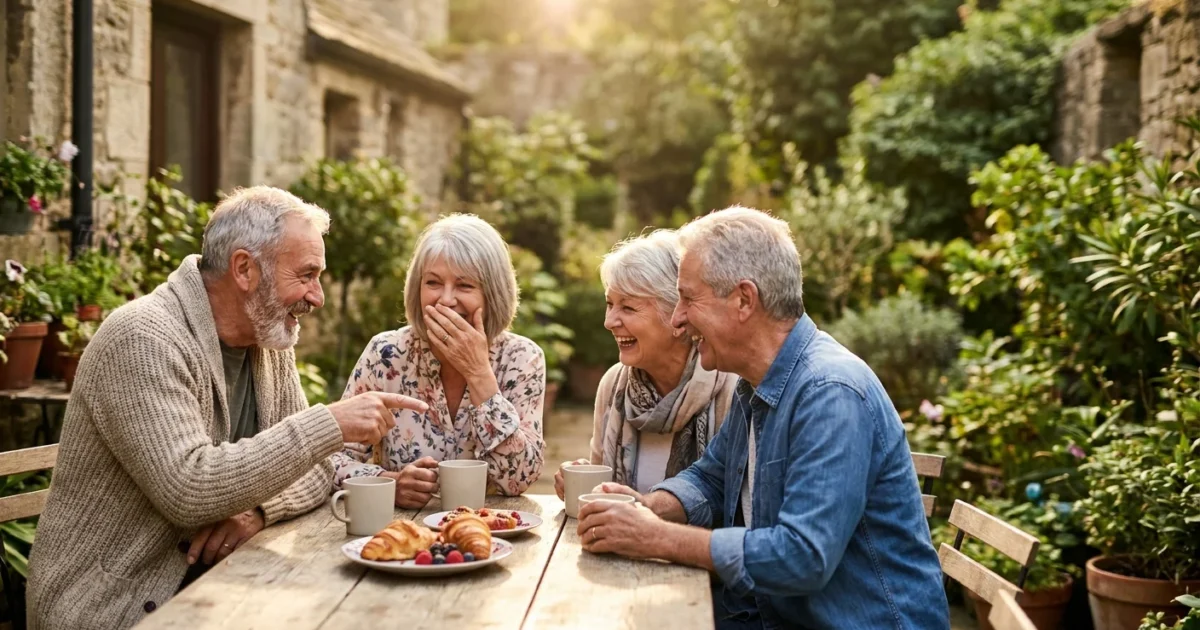
Staying socially active during retirement significantly boosts your physical and mental well-being. Once you leave the daily routine of a workplace, maintaining a vibrant social life requires intentional effort. Local community programs offer fantastic opportunities to build meaningful friendships, discover new hobbies, and stay connected with your neighbors. Whether you want to volunteer, take an exercise class, or share a cup of coffee with peers, plenty of welcoming spaces exist designed specifically for older adults. Exploring these local offerings helps you combat isolation while enriching your daily schedule. Here are nine excellent community programs where you can easily meet new people and actively enhance your retirement lifestyle right in your own neighborhood.
Understanding the Value of Social Connection
Building a new social circle later in life might feel intimidating at first. You might wonder if putting yourself out there is truly worth the effort. The simple answer is yes; staying socially engaged is one of the most powerful things you can do for your overall health.
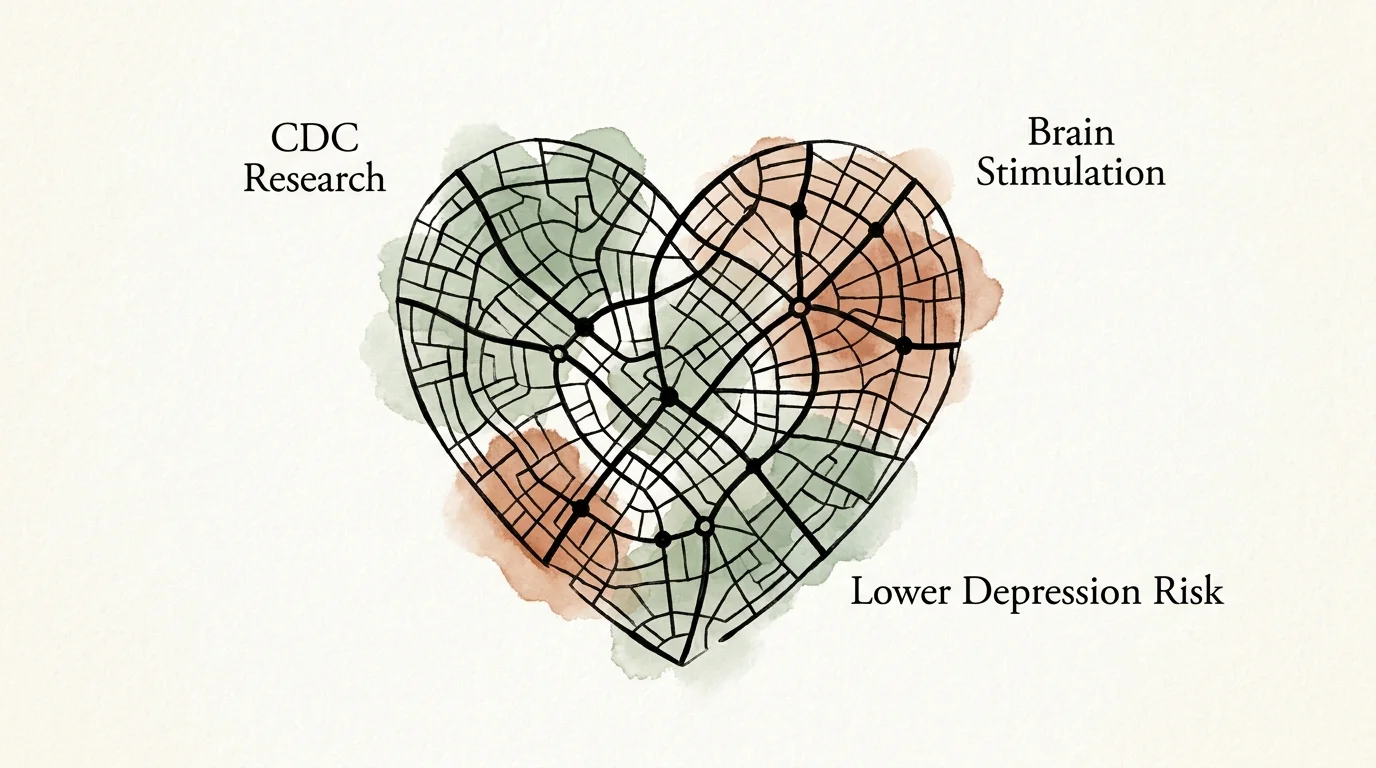
According to research from the Centers for Disease Control and Prevention (CDC), strong social bonds can significantly reduce the risk of dementia and lower your chances of developing depression. When you converse, share laughs, and collaborate with others, you actively stimulate your brain and reduce stress hormones. Beyond the physical health benefits, having a place to go and people to see provides a comforting sense of purpose and structure to your week.
1. Local Senior Centers
Senior centers serve as the ultimate community hub for older adults. Far from the outdated stereotypes of quiet, sleepy rooms, modern senior centers buzz with energy. They function as comprehensive recreation and resource centers tailored entirely to your interests and needs.
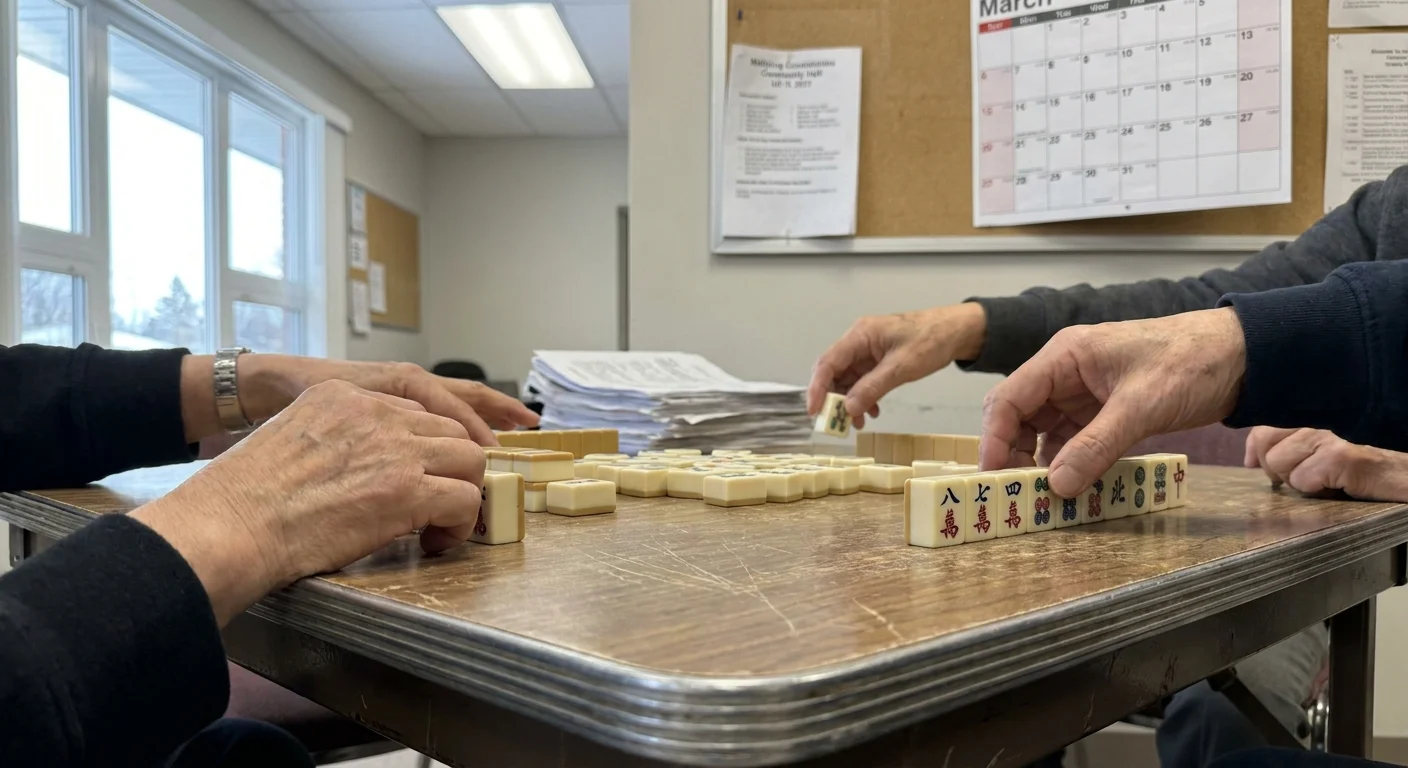
When you visit a local center, you will find a wide variety of activities happening simultaneously. You can join a lively game of Mahjong, take a watercolor painting class, or sign up for a group day trip to a local museum or theater. Because everyone attending is looking to socialize, striking up a conversation feels natural and expected.
If you feel unsure about how to get started, try following these simple steps:
- Call ahead: Ask the front desk for a monthly calendar of events.
- Take a tour: Visit the center during off-peak hours to meet the staff and get a feel for the layout.
- Start small: Attend a low-pressure event, like a morning coffee social or a guest lecture, before committing to a multi-week class.
When you feel ready to explore your neighborhood offerings, the Eldercare Locator is an excellent starting point to find senior centers and agencies near your zip code.
To give you an idea of what to expect, here is a breakdown of typical senior center offerings:
| Activity Category | Typical Programs Offered | Social Benefit |
|---|---|---|
| Creative Arts | Painting, ceramics, choir, knitting circles | Bonding over shared creative struggles and successes. |
| Recreation | Billiards, card games, bingo, local day trips | Lighthearted, fun environments that encourage natural conversation. |
| Health & Wellness | Blood pressure clinics, nutrition lectures | Connecting with peers facing similar aging challenges. |

2. Lifelong Learning Institutes
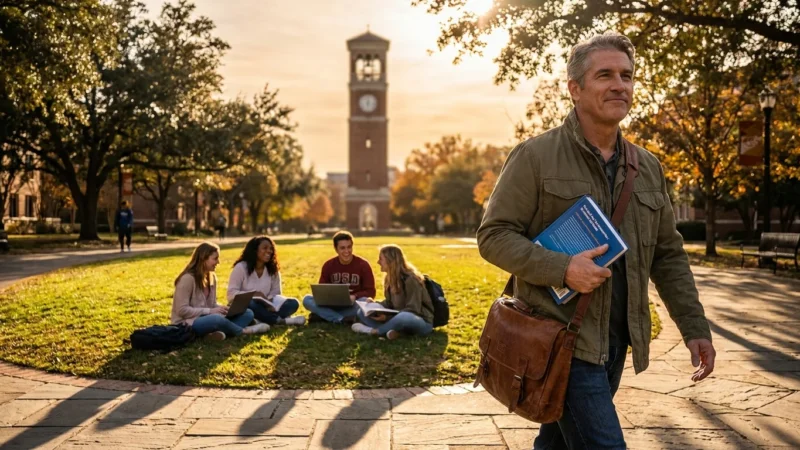
Retirement provides the perfect opportunity to study subjects you never had time for during your working years. Lifelong learning programs allow you to dive into history, literature, foreign languages, or the arts alongside curious, like-minded peers.
Many community colleges and universities host Osher Lifelong Learning Institutes (OLLI) or similar adult education programs. These classes eliminate the stressful parts of school—there are no exams, no grades, and no required homework. Instead, the focus remains entirely on the joy of learning and group discussion.
Engaging your brain in a group setting offers double the benefits. As noted by experts at the National Institute on Aging (NIA), participating in meaningful, mentally stimulating activities can help maintain cognitive function as you age. Sitting in a classroom setting naturally prompts discussions before and after the lecture, making it incredibly easy to invite a classmate to continue the conversation over lunch.

3. Fitness and Wellness Collectives
Joining a group exercise class provides a fantastic, low-pressure way to make new friends. When you show up to the same class every Tuesday and Thursday, you naturally start recognizing familiar faces. Over time, a simple greeting evolves into conversations about family, hobbies, and life.
Many gyms, YMCAs, and community centers offer programs specifically designed for older adults. These classes focus on balance, flexibility, and strength training. Instructors are trained to offer modifications, meaning you can participate safely even if you have mobility limitations. Chair yoga, water aerobics, and indoor mall-walking clubs are particularly popular.
Check if your Medicare Advantage or Medicare Supplement plan includes fitness benefits. Many plans cover the cost of gym memberships through programs like SilverSneakers or Renew Active, allowing you to join these wellness communities at no extra out-of-pocket cost.
4. Volunteer and Mentorship Initiatives
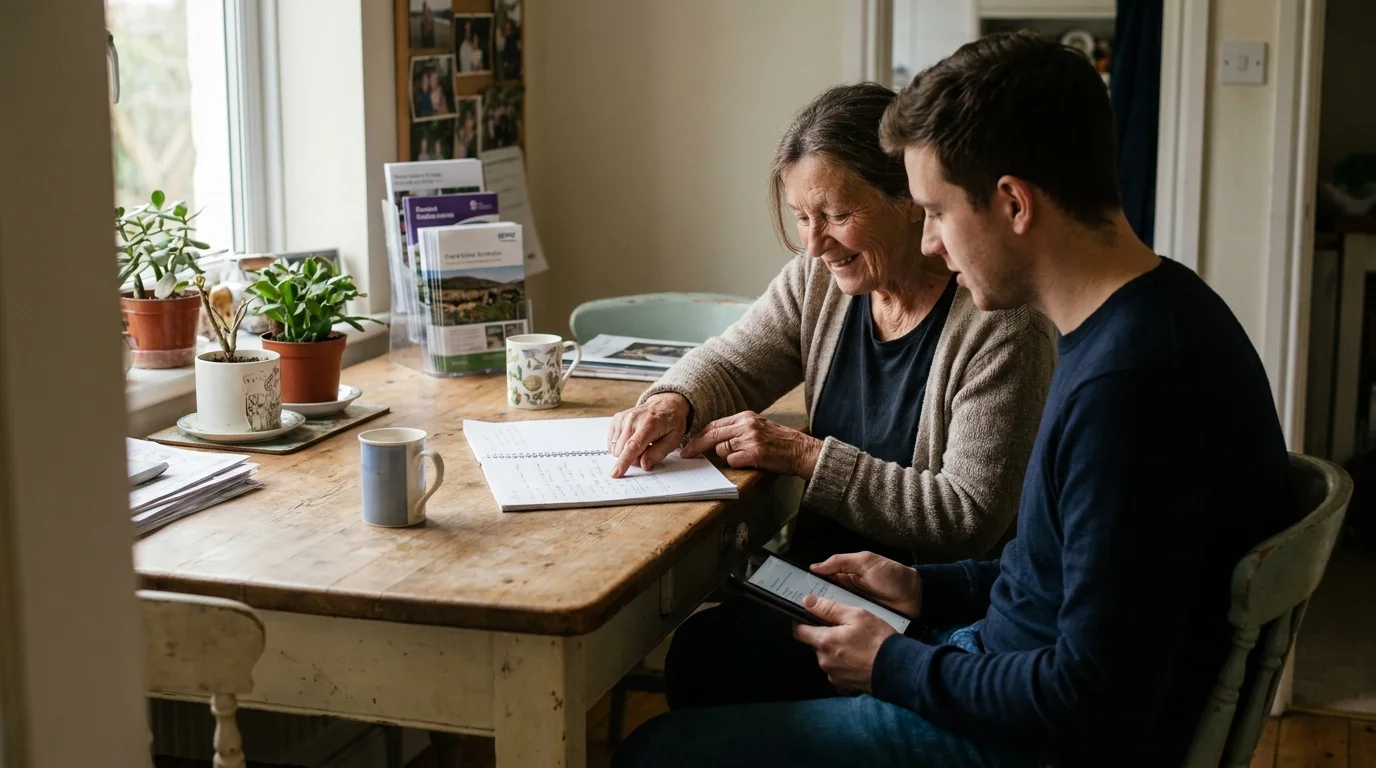
Sharing your time and talents through volunteering creates deep, meaningful bonds with both your community and your fellow volunteers. When you work alongside others toward a shared, positive goal, you forge strong friendships rooted in mutual values.
Organizations across the country constantly seek the wisdom and reliability of older adults. You might consider mentoring local schoolchildren, organizing donations at a food pantry, or guiding tours at a local historical society. Programs like AmeriCorps Seniors offer structured opportunities, such as the Foster Grandparent Program or the Senior Companion Program, which pairs you with other older adults who need assistance with daily tasks.
National networks also provide great local touchpoints. Organizations like AARP frequently host local community groups and sponsor volunteer initiatives that connect older adults with neighborhood advocacy projects.
5. Public Library Meetups and Workshops
Your local public library offers far more than just book lending. Today, libraries serve as vibrant community hubs that host a wide array of free, social events for adults.
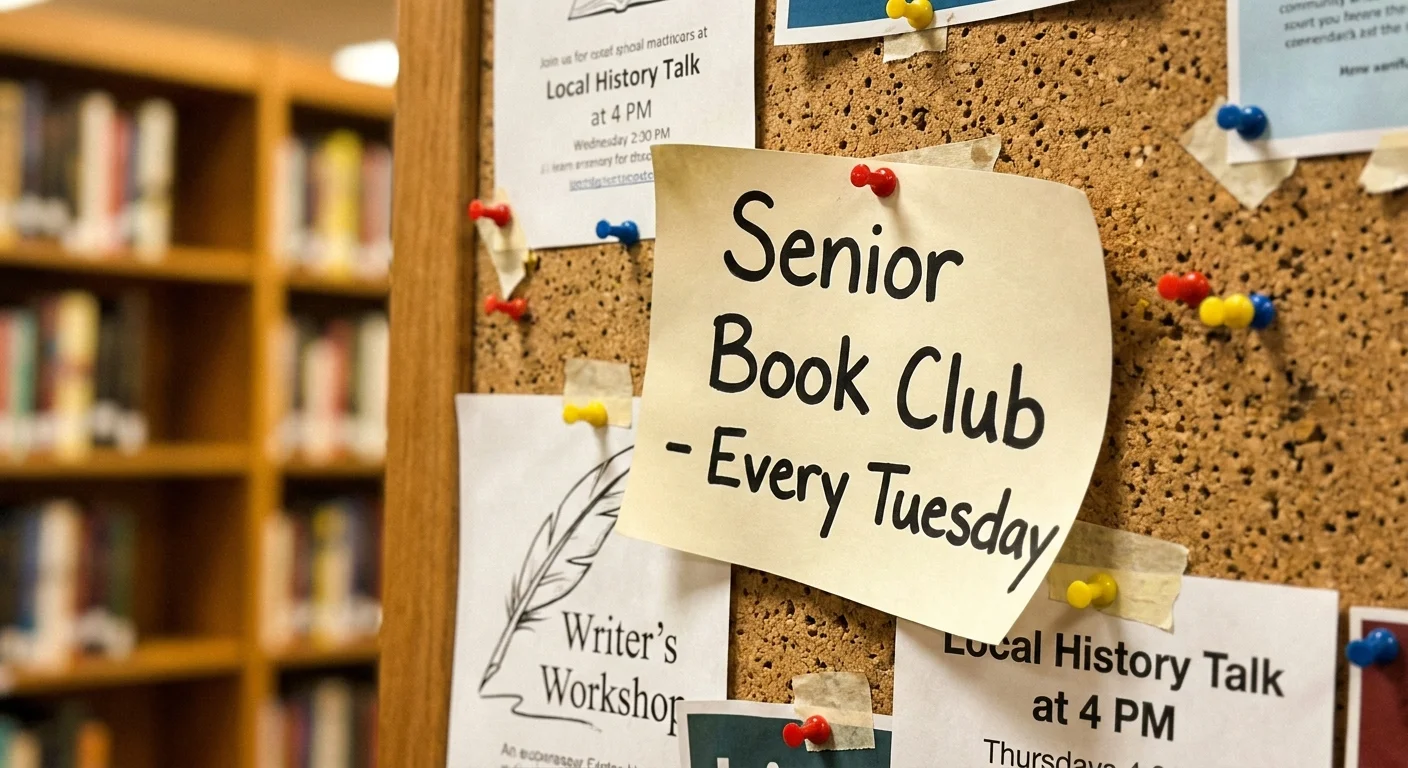
If you prefer a quieter, more relaxed environment, the library is an ideal place to start. Consider joining a monthly book club, where the structured discussion takes the pressure off making small talk. Libraries also frequently host genealogy workshops, local history lectures, movie matinees, and crafting circles.
Because these events are usually free and open to the public, they attract a diverse group of locals. Grab a monthly event calendar from the circulation desk and mark down a few events that catch your eye. Arrive a few minutes early to chat with the librarian and other early arrivals.
6. Congregate Meal Programs
Eating alone every day can easily lead to feelings of isolation and a decline in nutritional health. Congregate meal programs solve both of these issues by providing hot, healthy meals in a group setting.
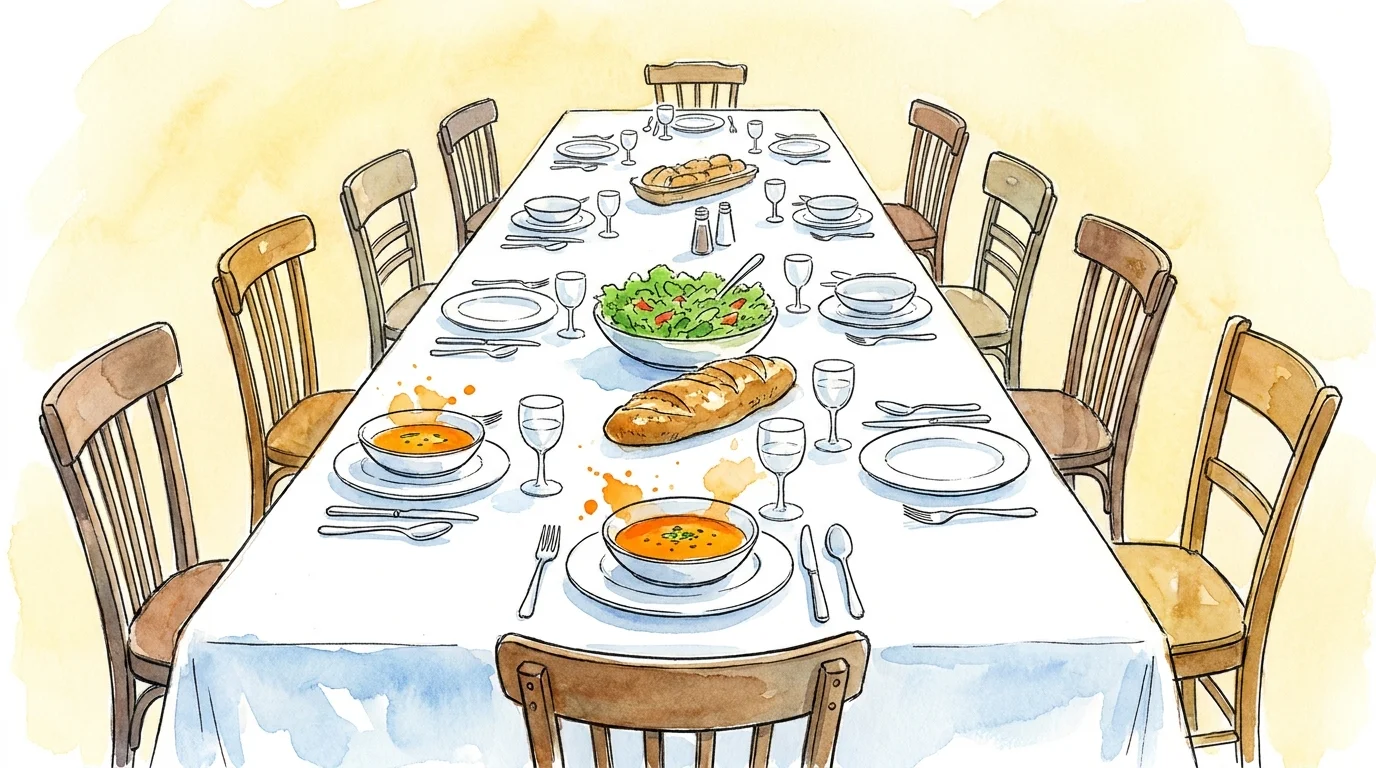
Often hosted in community centers, churches, or senior housing facilities, these programs invite older adults to gather around shared tables for lunchtime meals. The focus extends far beyond the food; these meals act as daily social events where attendees celebrate birthdays, share neighborhood news, and check in on one another.
Funded in part by the Administration for Community Living (ACL), these community dining programs ensure older adults receive nutritious food while enjoying daily conversations. Many sites ask for a small, voluntary donation rather than a fixed price, making this an excellent option if you are living on a strict fixed income.
7. Community Gardening and Outdoor Clubs
If you love spending time outdoors, community gardening projects offer a wonderful way to connect with nature and your neighbors. Many towns maintain shared gardening plots where locals gather to grow vegetables, herbs, and flowers.
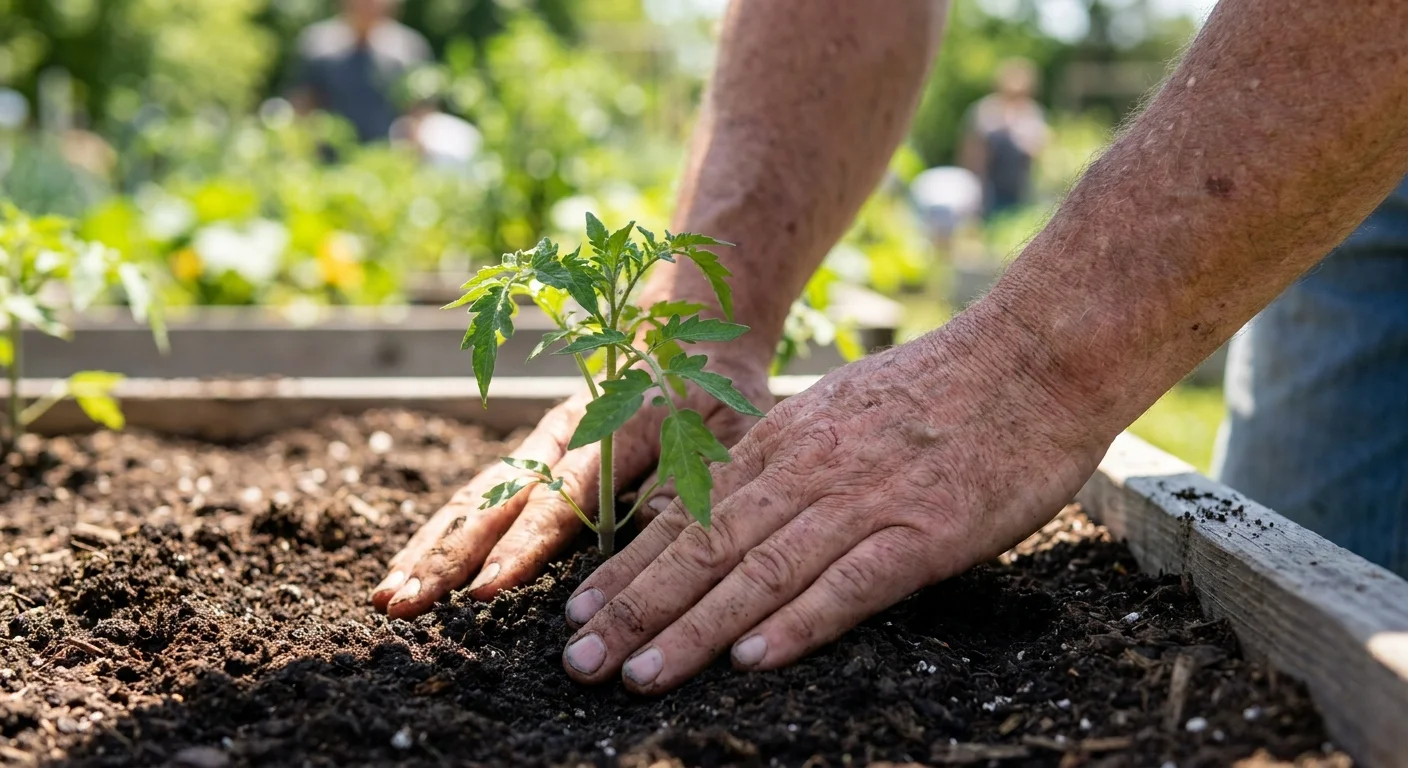
Gardening alongside others provides a unique type of socialization. You work at your own pace, side-by-side with fellow gardeners, chatting about soil types, weather patterns, and tomato yields. It completely removes the awkwardness of formal introductions because you already share an immediate, common interest.
If kneeling or bending poses a challenge, look for gardens that feature raised accessible beds. Alternatively, consider joining a local bird-watching group, a botanical society, or a master gardener extension program. These groups regularly host relaxed outdoor meetups and educational walks.
8. Faith-Based and Civic Organizations
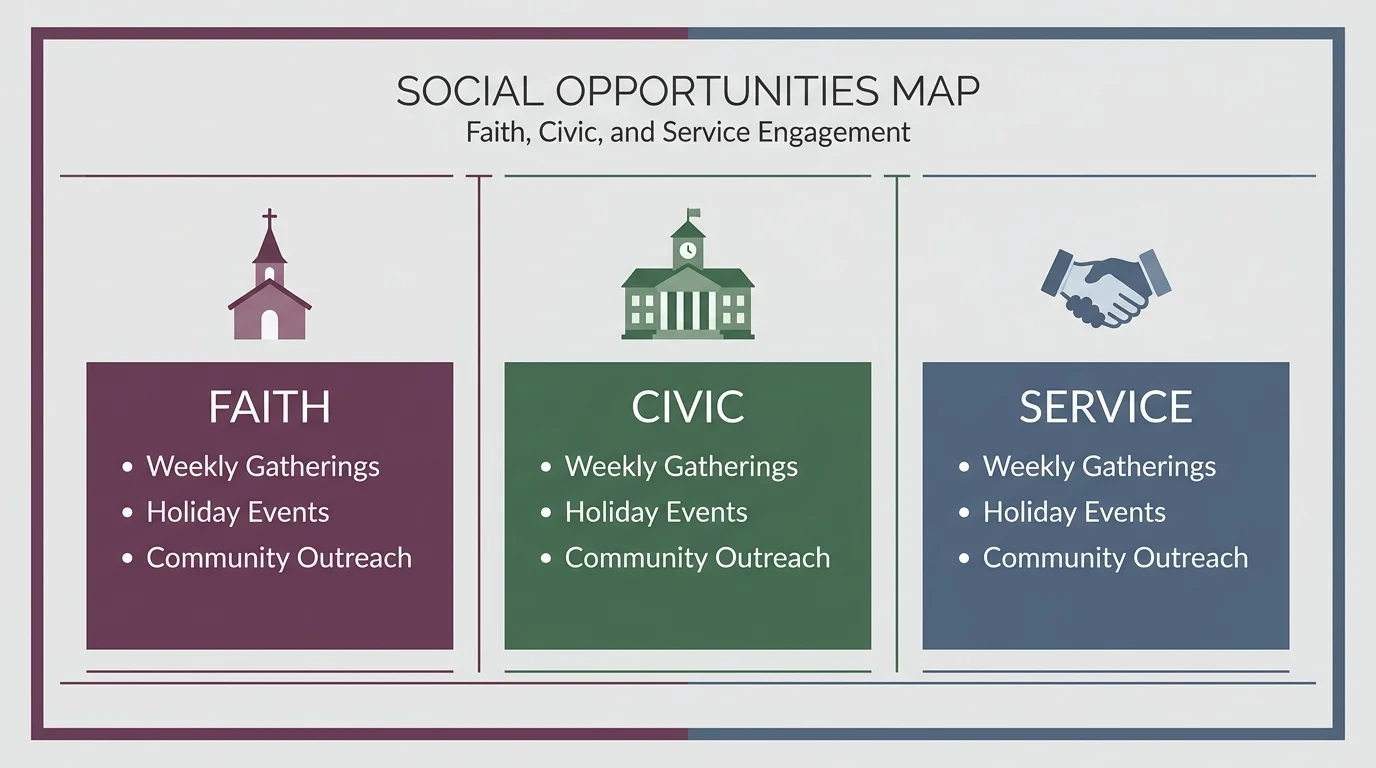
Churches, synagogues, mosques, and temples often foster some of the most tight-knit senior communities available. Many faith-based organizations host specialized “senior ministries” or “prime timer” groups that organize potlucks, local outings, and charity drives.
Even if you are not deeply religious, civic organizations offer similar camaraderie. Groups like the Lions Club, Rotary International, or local veterans’ organizations thrive on the participation of older adults. These groups meet regularly, follow structured agendas, and focus heavily on community service. Joining one of these chapters provides an instant sense of belonging and introduces you to people who care about improving their hometown.

9. Technology and Digital Literacy Classes
Navigating the modern digital world often feels frustrating. However, learning to conquer your smartphone, tablet, or laptop alongside peers turns a frustrating task into a fun, social experience.
Many senior centers, libraries, and high schools offer technology classes specifically designed for older adults. You might learn how to spot online scams, make video calls to your grandchildren, or organize your digital photos.
The classroom environment fosters a wonderful sense of camaraderie. Everyone makes mistakes, presses the wrong buttons, and learns together. You will likely share a few laughs with the person sitting next to you as you both figure out how to navigate social media or send an email attachment.

Overcoming Common Barriers to Joining
Even when you know a program sounds appealing, taking the final step out the door often feels difficult. It is completely normal to face hesitations or logistical hurdles. Here is how you can address some common barriers:
- Transportation issues: If you no longer drive or prefer not to drive at night, ask the program director about transit options. Many senior centers operate their own shuttle buses. Additionally, most counties offer paratransit services that provide door-to-door rides for a minimal fee.
- Financial constraints: Living on a fixed retirement income requires careful budgeting. Fortunately, the vast majority of public library programs, senior center activities, and congregate meals are either entirely free or request only a small suggested donation. Always ask about sliding scale fees or senior discounts for ticketed events.
- Social anxiety: Walking into a room full of strangers feels daunting at any age. To ease your nerves, ask a neighbor or family member to accompany you the first time. You can also call the program coordinator ahead of time, explain that you are new, and ask them to introduce you to a few regular attendees.
Frequently Asked Questions
Are community programs for seniors always free?
Many programs run by local governments, libraries, and nonprofits are completely free. Others, such as specific art classes or organized day trips, may require a small fee to cover materials or transportation. Congregate meal programs usually ask for a voluntary donation, meaning you pay only what you can comfortably afford. Always ask for a pricing schedule before committing.
How do I find transportation to these activities if I no longer drive?
Lack of transportation should not keep you isolated. Start by contacting your local Area Agency on Aging; they can connect you with subsidized senior transit services in your county. Furthermore, many senior centers operate their own minivans to pick up members, and some communities utilize volunteer driver programs to help seniors reach medical and social appointments safely.
What if I have physical limitations that prevent me from joining fitness classes?
Fitness programs designed specifically for seniors emphasize accessibility and safety. Instructors are trained to provide modifications for varying mobility levels. If standing is difficult, you can participate in “chair yoga” or seated strength training. Water aerobics is another excellent option because the water supports your joints while providing resistance. Always consult your doctor before starting a new exercise regimen.
I feel very shy. How can I make attending my first event less intimidating?
It is perfectly normal to feel nervous about meeting new people. Try arriving ten minutes early; it is much easier to chat with the instructor or the first few people who walk in than to enter a crowded room. You can also choose structured activities, like a book club or a computer class, where the focus is on a specific task rather than open-ended socializing.
How can I protect myself from scams when joining local groups?
While community centers and public libraries are safe environments, always remain cautious if a new acquaintance immediately asks for money, personal information, or investment opportunities. Legitimate community programs will never ask for your Social Security number or bank account details to participate in standard social activities. Trust your instincts and report any suspicious behavior to the program coordinator.
For additional senior resources, visit
Eldercare Locator,
AARP,
Alzheimer’s Association and
American Heart Association.
Disclaimer: The information in this article is for educational purposes only and is not intended to be a substitute for professional financial, legal, or medical advice. Always consult with a qualified expert for advice tailored to your personal situation.


Leave a Reply