
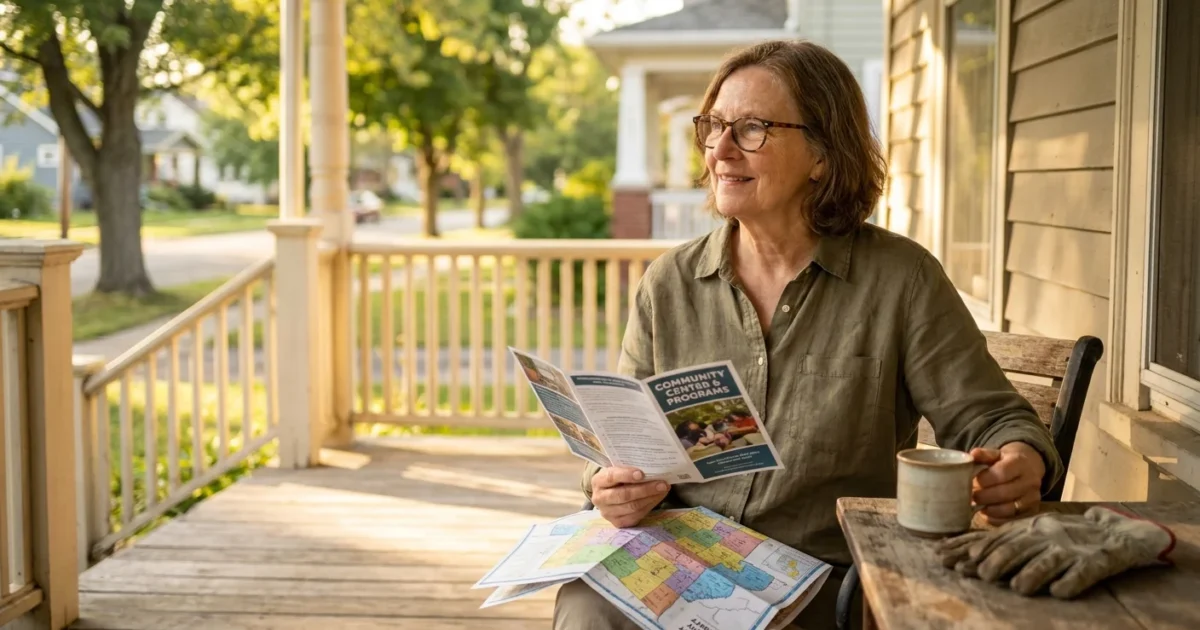
Millions of older adults leave thousands of dollars in valuable local benefits unused every year simply because no one told them these programs exist. You can dramatically reduce your daily living expenses while staying active and engaged by tapping into hidden community perks designed specifically for your demographic. Many municipalities offer substantial subsidies for transportation, utility bills, and wellness programs that fly under the radar. Securing these benefits requires minimal effort once you know exactly where to look. By uncovering these lesser-known resources, you gain access to immediate financial relief, expert services, and enriching local experiences. Discover the specific advantages available in your county and take immediate steps to claim the support you rightfully deserve.
Free and Heavily Discounted Transportation Services
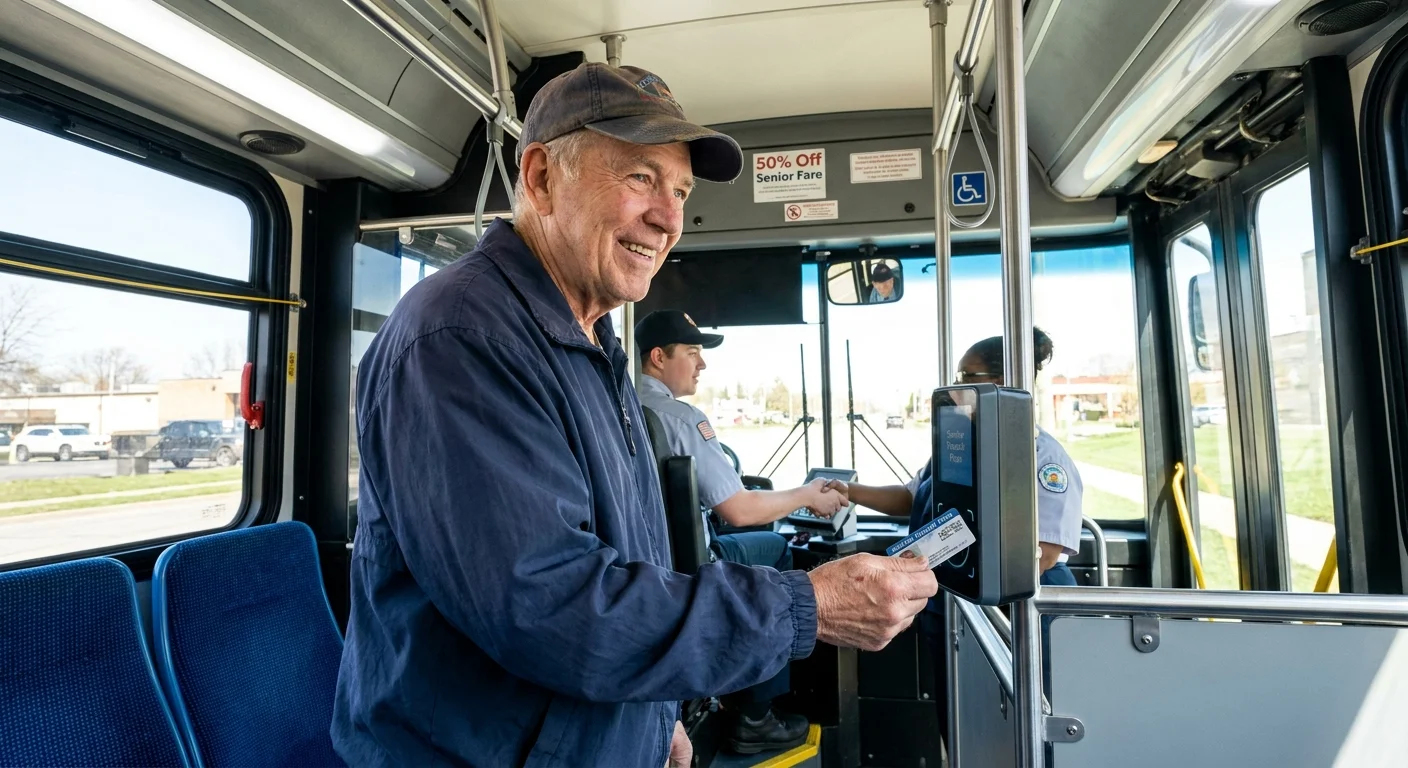
Maintaining your independence often hinges on reliable transportation, yet many older adults unnecessarily spend large portions of their fixed income on rideshares, taxis, or maintaining a personal vehicle. Most local transit authorities offer massive fare reductions—often 50% or more—for riders over the age of 60 or 65. Beyond standard bus or train discounts, communities frequently operate dedicated dial-a-ride or paratransit services that pick you up directly from your home.
According to the Eldercare Locator, a public service of the U.S. Administration on Aging, reliable transportation is one of the most frequently requested services among older adults. Many counties fund volunteer driver networks designed specifically for seniors who need rides to medical appointments, grocery stores, or community centers. These programs often require a simple application and a few days of advance notice to secure a ride.
To access these services, contact your local transit authority or regional mobility manager. Ask specifically about non-emergency medical transportation (NEMT) and shared-ride programs. You will usually need to provide a government-issued ID to prove your age, and some specialized programs may require a brief medical form signed by your doctor.
Property Tax Relief and Utility Assistance Programs
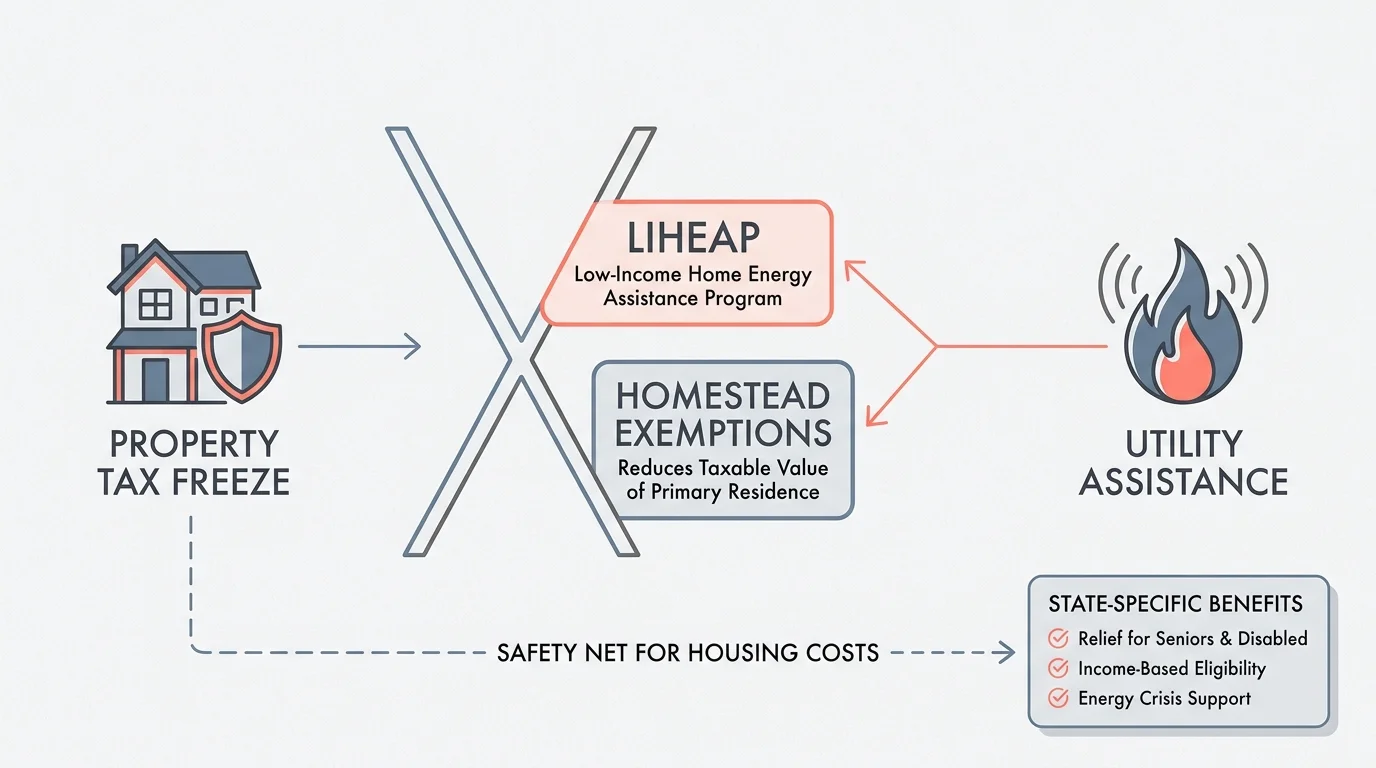
Housing costs often represent the largest monthly expense in retirement. If you own your home, you might be missing out on substantial property tax relief. Many states offer property tax freezes, deferrals, or homestead exemptions exclusively for senior citizens. A property tax freeze locks in your home’s assessed value at a certain age, preventing unexpected tax hikes even if the housing market surges.
Utility assistance is another widely underutilized perk. The Low Income Home Energy Assistance Program (LIHEAP) provides federally funded grants to help cover heating and cooling costs. You can often find these local programs by searching Benefits.gov, the official benefits website of the U.S. government. Furthermore, municipal water and waste management departments frequently offer unadvertised senior discounts.
To claim your housing and utility perks:
- Call your county tax assessor’s office and ask about senior property tax exemptions.
- Review your recent utility bills and call customer service to inquire about senior rates or income-based assistance.
- Check with your local community action agency to apply for weatherization programs that provide free home insulation and energy-efficiency upgrades.

Lifelong Learning and Free College Tuition
Retirement provides the perfect opportunity to study subjects you never had time for during your working years. All 50 states have at least one publicly funded college or university system that waives tuition or offers steep discounts for senior citizens. Depending on the state, these waivers may apply to auditing courses for personal enrichment or earning full degree credits.
Many universities also host Osher Lifelong Learning Institutes (OLLI). These programs are specifically designed for adults aged 50 and older, offering non-credit courses without the pressure of exams or grades. Topics range from art history and literature to computer science and international relations. OLLI memberships typically include access to university libraries, campus events, and special guest lectures.
When applying for these educational benefits, contact the registrar’s office at your local community college or state university. Ask specifically about “senior citizen tuition waivers” or “senior auditing programs.” Keep in mind that you may still be responsible for nominal registration fees, textbooks, or parking passes.

Comprehensive Health and Wellness Memberships
Staying physically active helps manage chronic conditions, improves balance, and boosts mental health. Research from the Centers for Disease Control and Prevention (CDC) shows that regular physical activity can prevent or delay many of the health problems that seem to come with age. Fortunately, you likely do not need to pay out-of-pocket for a gym membership.
Programs like SilverSneakers, Renew Active, and Silver&Fit partner with Medicare Advantage and some Medicare Supplement (Medigap) plans to provide free access to thousands of participating fitness centers nationwide. These programs go beyond basic gym access; they offer specialized group exercise classes tailored to older adults, focusing on flexibility, strength, and fall prevention.
Even if your insurance does not cover a national fitness program, look locally. Municipal recreation centers and local YMCAs consistently offer sliding-scale fees or specialized senior memberships. Many community pools designate specific hours for senior water aerobics, a fantastic low-impact exercise option.
Local Area Agencies on Aging Support Systems
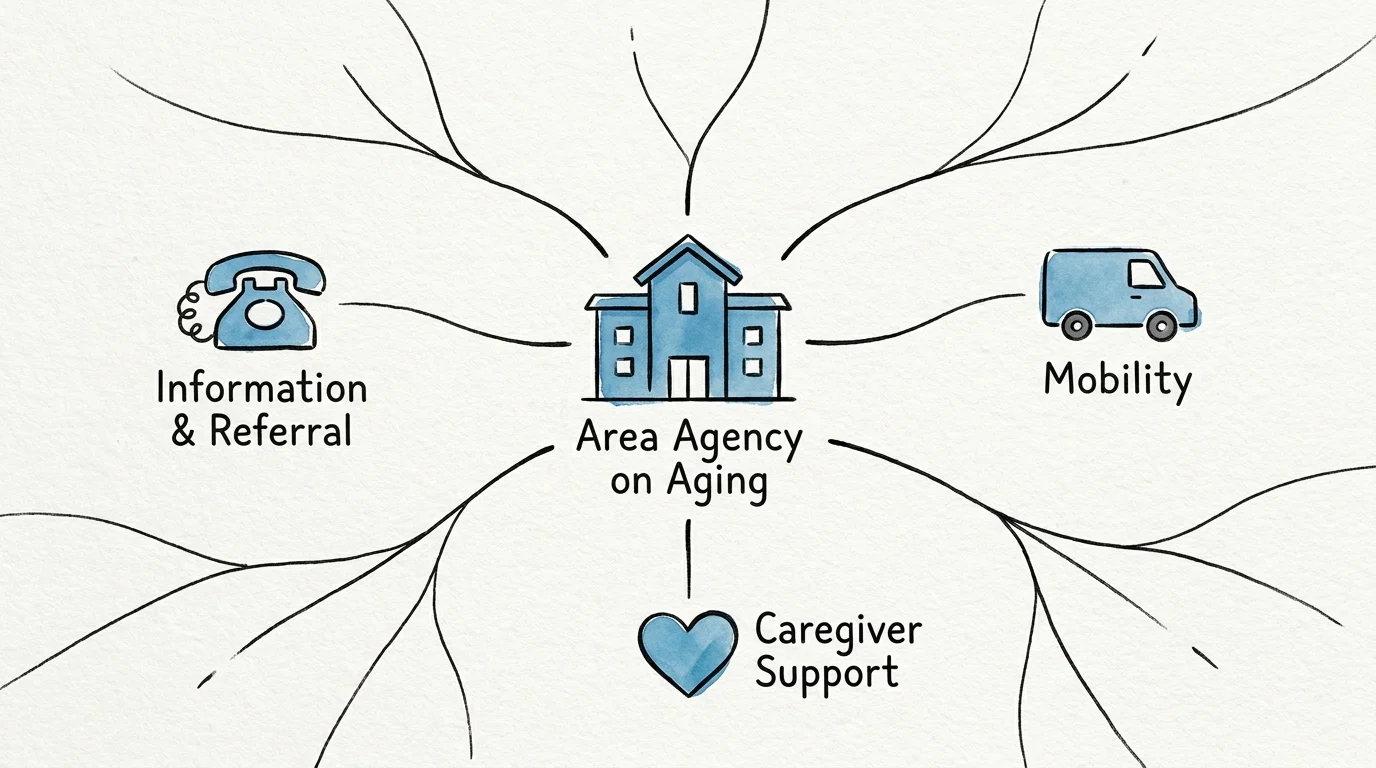
Perhaps the best-kept secret in senior care is the national network of Area Agencies on Aging (AAAs). The Administration for Community Living (ACL) provides oversight and funding for a vast network of local agencies dedicated to helping older adults age in place safely and comfortably.
Your local AAA serves as a centralized hub for aging resources. They offer comprehensive case management, connecting you with services tailored to your specific needs. Many seniors mistakenly believe these agencies only help those in severe financial distress or physical decline, causing them to miss out on preventative support.
| Standard Senior Benefits | Hidden Perks Often Provided by AAAs |
|---|---|
| Basic Medicare information | Personalized State Health Insurance Assistance Program (SHIP) counseling |
| Lists of local nursing homes | Funding for minor home modifications (grab bars, wheelchair ramps) |
| General caregiver advice | Subsidized caregiver respite services and support groups |
| Pamphlets on healthy aging | In-home safety assessments conducted by occupational therapists |
Find your regional agency by calling your county health department or using online eldercare locator tools. Schedule an initial consultation to discover the specific programs funded in your zip code.
Subsidized Nutrition and Meal Delivery Services
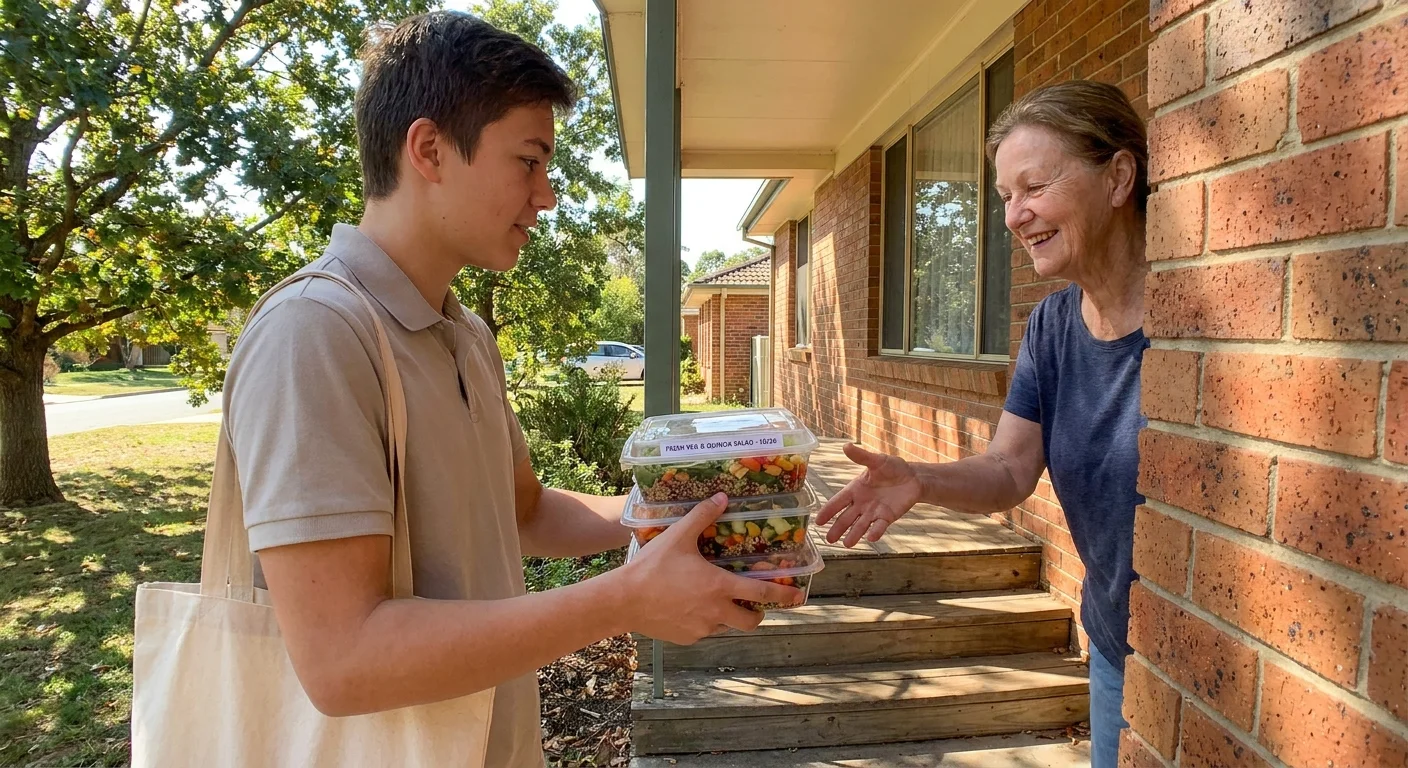
Proper nutrition is foundational to your health, yet the rising cost of groceries makes it difficult for many seniors to maintain a balanced diet. Community nutrition programs offer robust solutions that go far beyond the well-known Meals on Wheels program.
Congregate dining programs operate in senior centers, churches, and community halls across the country. These federally funded programs provide nutritionally balanced hot meals in a social setting, usually for a suggested donation of just a few dollars. No senior is ever turned away for an inability to pay.
Additionally, the Senior Farmers’ Market Nutrition Program provides low-income seniors with coupon booklets that can be exchanged for eligible foods at farmers’ markets, roadside stands, and community-supported agriculture programs. This gives you access to fresh, locally grown fruits, vegetables, honey, and herbs during the harvest season. Reach out to your local senior center to find out when and where these nutritional programs operate in your neighborhood.

State Parks and National Recreation Passes
If you enjoy spending time outdoors, the National Park Service offers one of the greatest values available to U.S. citizens aged 62 and older. The “America the Beautiful” Senior Pass provides access to more than 2,000 federal recreation sites. You can purchase an annual pass for a small fee or invest slightly more for a lifetime pass. This pass not only covers entrance fees but also provides discounts on expanded amenities like camping, swimming, and guided tours.
State parks also offer aggressive discounts. Many states provide free or highly discounted vehicle entry permits for seniors. In some regions, a state park pass includes complimentary fishing licenses or reduced rates for reserving picnic pavilions and cabins. Check your state’s Department of Natural Resources website to understand the exact perks available in your area. Always keep your pass and identification in your glovebox so you are prepared for spontaneous outdoor excursions.
Free Legal and Tax Preparation Assistance
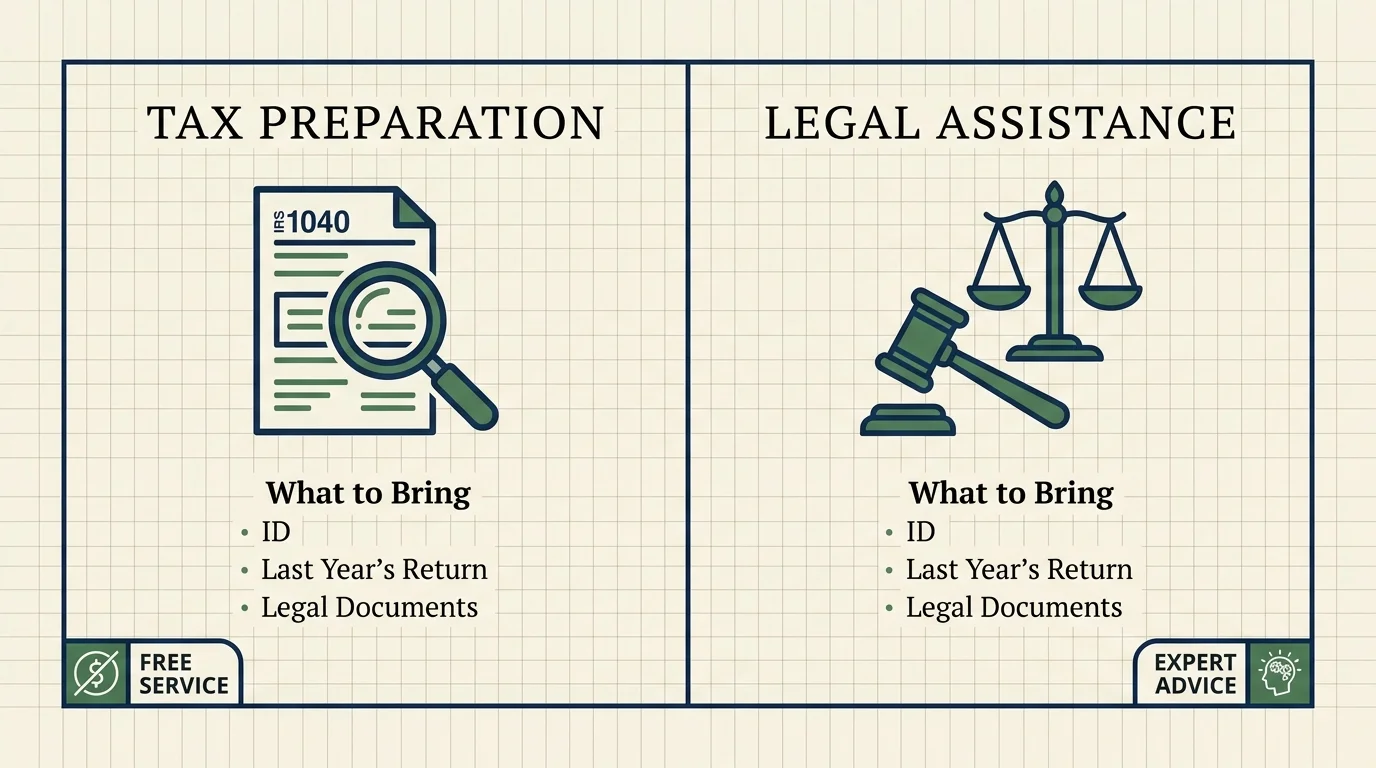
Navigating the tax code and managing estate planning documents can be incredibly stressful. Instead of paying hundreds of dollars for commercial tax preparers or attorneys, you can leverage community programs designed to provide expert assistance free of charge.
The IRS sponsors two crucial programs: Volunteer Income Tax Assistance (VITA) and Tax Counseling for the Elderly (TCE). TCE is specifically designed for taxpayers aged 60 and older. IRS-certified volunteers specialize in questions about pensions, retirement-related issues, and social security benefits. They will prepare and file your basic tax returns for free, ensuring you claim all eligible deductions.
On the legal front, local legal aid societies frequently host senior clinics. Volunteer attorneys can help you draft essential life documents, including:
- Simple wills and testaments
- Durable powers of attorney for finances
- Healthcare directives and living wills
- Guidance on consumer rights and tenant disputes

Technology Grants and Digital Literacy Classes
The modern world requires digital connectivity to access telehealth, communicate with family, and manage finances. Recognizing that seniors often face technology barriers, many community organizations offer resources to bridge the digital divide.
Public libraries are powerhouses for digital literacy. Most library systems offer free, one-on-one technology tutoring sessions where you can bring your smartphone, tablet, or laptop and get help navigating apps, setting up email, or learning how to use video calls. Libraries also frequently loan out mobile Wi-Fi hotspots and tablets for weeks at a time.
National non-profits like Senior Planet (from AARP) host free online and in-person classes focused entirely on older adults. They cover practical skills like recognizing phishing emails, using online banking securely, and protecting your personal data on social media platforms.

Common Scams and Pitfalls to Avoid
While seeking out these community perks, you must remain vigilant. Scammers frequently target older adults by pretending to offer government benefits, grants, or Medicare upgrades. As noted by experts at the Consumer Financial Protection Bureau (CFPB), older adults frequently encounter sophisticated financial scams designed to steal personal information or drain retirement accounts.
A legitimate government agency or community program will never ask you to pay a processing fee to receive a free benefit. If a caller demands payment via gift cards, wire transfers, or cryptocurrency, it is a scam. Furthermore, Medicare representatives will never call you unprompted to ask for your Medicare number or social security number to issue a “new” plastic card.
To protect yourself:
- Always initiate contact yourself using official phone numbers found on government (.gov) websites or verified local directories.
- Never click on links in unsolicited emails or text messages claiming you have qualified for a special senior grant.
- Consult a trusted family member or your local Area Agency on Aging if you receive a confusing offer in the mail.
Frequently Asked Questions
Do I have to be retired to claim senior community perks?
No, employment status generally does not factor into eligibility for most community perks. Benefits are usually based entirely on your chronological age. Depending on the program, eligibility typically begins at age 55, 60, 62, or 65. You can continue working full-time while utilizing discounted transit, education waivers, and recreation passes.
Will accepting local benefits impact my Social Security or Medicare?
Accepting community discounts, such as a state park pass, free tax preparation, or subsidized transportation, has absolutely no negative impact on your federal Social Security or Medicare benefits. These are independent local or state programs designed to stretch your existing income.
How do I prove my eligibility for these programs?
For most age-based programs, a valid driver’s license, state-issued identification card, or passport is sufficient. For income-based assistance (like utility relief or property tax freezes), you will likely need to provide your most recent tax return, a Social Security award letter, or recent bank statements.
Are these perks only available for low-income seniors?
Many programs are universally available regardless of your income. Education waivers, national park passes, Senior in-store discounts, and specialized gym memberships are almost always based purely on age. However, some specific programs, such as property tax freezes or utility assistance, do have household income thresholds.
What if I cannot leave my house to apply for these services?
Most programs now offer online applications, mail-in forms, or phone enrollments specifically to accommodate homebound individuals. Local Area Agencies on Aging often deploy social workers or case managers who can visit your home to help you fill out the necessary paperwork and connect you with services directly.
For additional senior resources, visit
National Institutes of Health (NIH), Centers for Medicare & Medicaid Services (CMS), Social Security Administration (SSA), Consumer Financial Protection Bureau (CFPB) and Administration for Community Living (ACL).
Disclaimer: The information in this article is for educational purposes only and is not intended to be a substitute for professional financial, legal, or medical advice. Always consult with a qualified expert for advice tailored to your personal situation.







Leave a Reply