

Many seniors and their families struggle to find reliable support for daily tasks, healthcare navigation, and companionship, often missing out on a valuable community resource right in their neighborhood. Local churches provide an incredible array of free services designed specifically for older adults, regardless of your religious affiliation or membership status. These community-focused programs bridge the gap when fixed incomes stretch too thin or family caregivers need a break. By tapping into these faith-based networks, you can access free transportation, home repairs, nutritious meals, and vital social connections. Discovering and utilizing these nine often-overlooked church services can significantly improve your quality of life, help you age safely in place, and stretch your monthly budget much further.

1. Volunteer Transportation to Medical Appointments and Errands
Giving up the car keys is one of the most difficult transitions you may face as you age. Losing the ability to drive immediately impacts your independence, making it difficult to attend crucial doctor appointments, pick up prescriptions, or buy groceries. Fortunately, many congregations organize volunteer transportation ministries specifically to help homebound older adults.
These programs typically operate through a network of background-checked volunteers who use their personal vehicles or church-owned passenger vans. Because the service relies on volunteers, you usually need to schedule your ride a few days in advance. The driver will pick you up at your door, wait for you during your appointment, and safely return you home. Some programs even assist you in carrying groceries inside.
Actionable Steps to Secure a Ride:
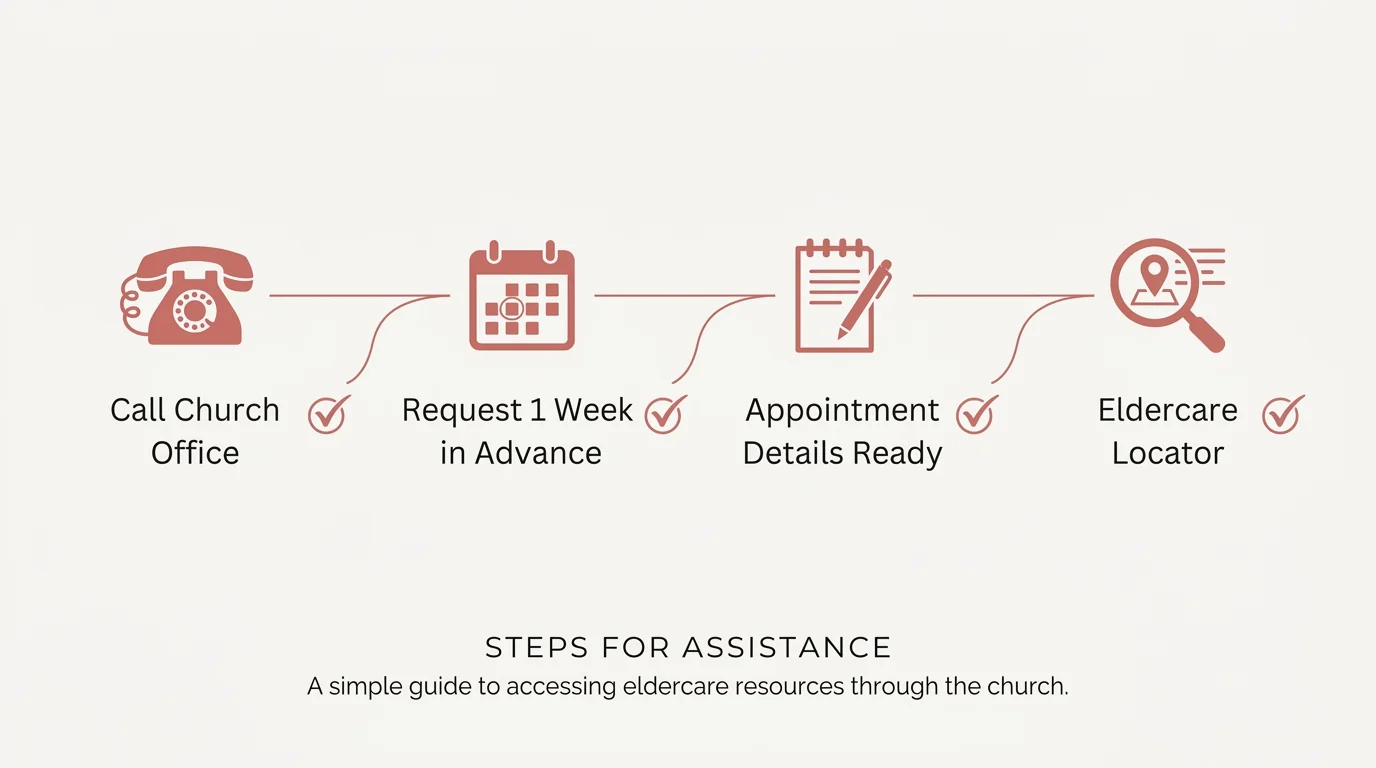
- Call the church office directly and ask if they have a “volunteer driver ministry” or “senior transportation program.”
- Have your appointment details ready, including the exact address, the doctor’s name, and the estimated duration of your visit.
- Request rides at least one week in advance to ensure the coordinator has enough time to find an available volunteer.
- If local church programs are full or unavailable, the Eldercare Locator can help you find alternative local transportation options sponsored by civic organizations.

2. Nutritious Meal Deliveries and Accessible Food Pantries
Maintaining a healthy diet becomes increasingly challenging when you face mobility issues, fatigue, or a tight grocery budget. Churches frequently step in to fill this nutritional gap through various food-based ministries. While government programs exist, church initiatives often provide faster, red-tape-free assistance.
Many congregations host weekly or monthly food pantries where you can pick up fresh produce, canned goods, and household necessities without providing exhaustive financial documentation. Additionally, some churches organize their own version of meal delivery, bringing hot, home-cooked lunches to older adults in the neighborhood. Others host regular “senior luncheons” in their fellowship halls, providing a hot meal alongside valuable social interaction.
| Feature | Church Meal Programs | Government Assistance (e.g., SNAP) |
|---|---|---|
| Application Process | Minimal to none; usually just a phone call or simple form. | Lengthy application requiring proof of income and assets. |
| Wait Time | Immediate assistance; you can often get food the same day. | Can take weeks for approval and benefit distribution. |
| Social Aspect | High; volunteers often chat and check in on your well-being. | None; benefits are loaded onto an electronic card. |
| Dietary Customization | Varies; some volunteers accommodate specific dietary needs. | Complete control over what you purchase at the store. |

3. Minor Home Maintenance and Safety Modifications
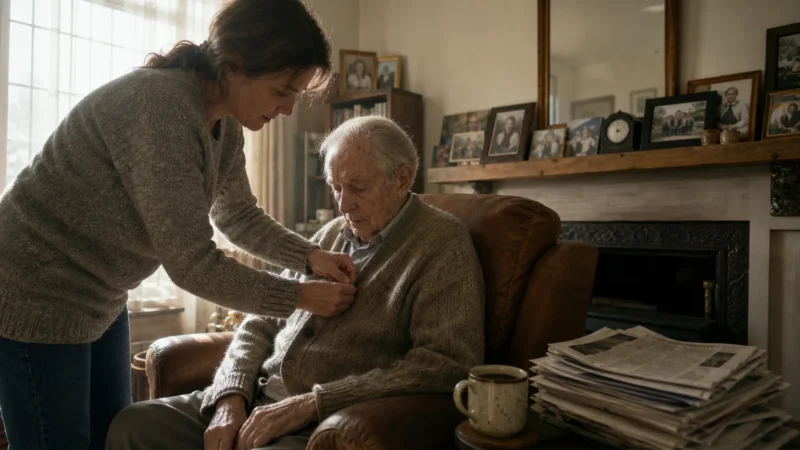
Aging safely in your own home—often called aging in place—requires an environment free of fall hazards and structural issues. However, hiring contractors for minor home repairs on a fixed income is often prohibitively expensive. This is where church youth groups, men’s ministries, and community service teams shine.
The Administration for Community Living (ACL) emphasizes the importance of community support for healthy aging and maintaining home safety. Local church groups frequently organize weekend service projects to help seniors with tasks they can no longer safely manage. These volunteers can handle seasonal yard work, clean out gutters, change hard-to-reach lightbulbs, replace smoke detector batteries, and even paint rooms.
More established church ministries often have skilled tradespeople in their congregation who volunteer to build wheelchair ramps, install grab bars in bathrooms, or fix minor plumbing leaks at no cost to the senior, charging only for the cost of materials—and sometimes covering those as well.

4. Companionship Programs to Combat Social Isolation
Loneliness is not just an emotional burden; it is a severe health risk. According to the National Institute on Aging (NIA), social isolation is linked to higher risks of cognitive decline, depression, weakened immune systems, and heart disease. Many seniors spend days or even weeks without meaningful conversation, especially if family members live far away.
Churches actively combat this epidemic of loneliness through “friendly visitor” or “telephone reassurance” ministries. Volunteers commit to calling or visiting homebound seniors once or twice a week. These check-ins serve a dual purpose: they provide genuine friendship and conversation, and they act as an informal wellness check. If a volunteer notices you are unwell or a hazard has developed in your home, they can alert your family members or local emergency services.

5. Free Caregiver Respite Programs
If you are an adult child caring for an aging parent, or a senior caring for a spouse with dementia, you already know the intense physical and emotional toll caregiving demands. Caregiver burnout is a serious issue that compromises both your health and the quality of care you can provide.
Several progressive churches now offer free or very low-cost respite care programs, sometimes modeled after “Mother’s Day Out” programs but tailored for older adults. For three to four hours a week, you can drop off your loved one in a safe, supervised church environment. Trained volunteers and staff engage the seniors in music therapy, simple crafts, gentle exercises, and socializing.
This dedicated block of time gives family caregivers the freedom to run errands, attend their own medical appointments, or simply go home and take a much-needed nap. Always inquire about the volunteer-to-participant ratio and ask what specific training the volunteers have regarding dementia and mobility issues.
6. Parish Nursing and Health Advocacy
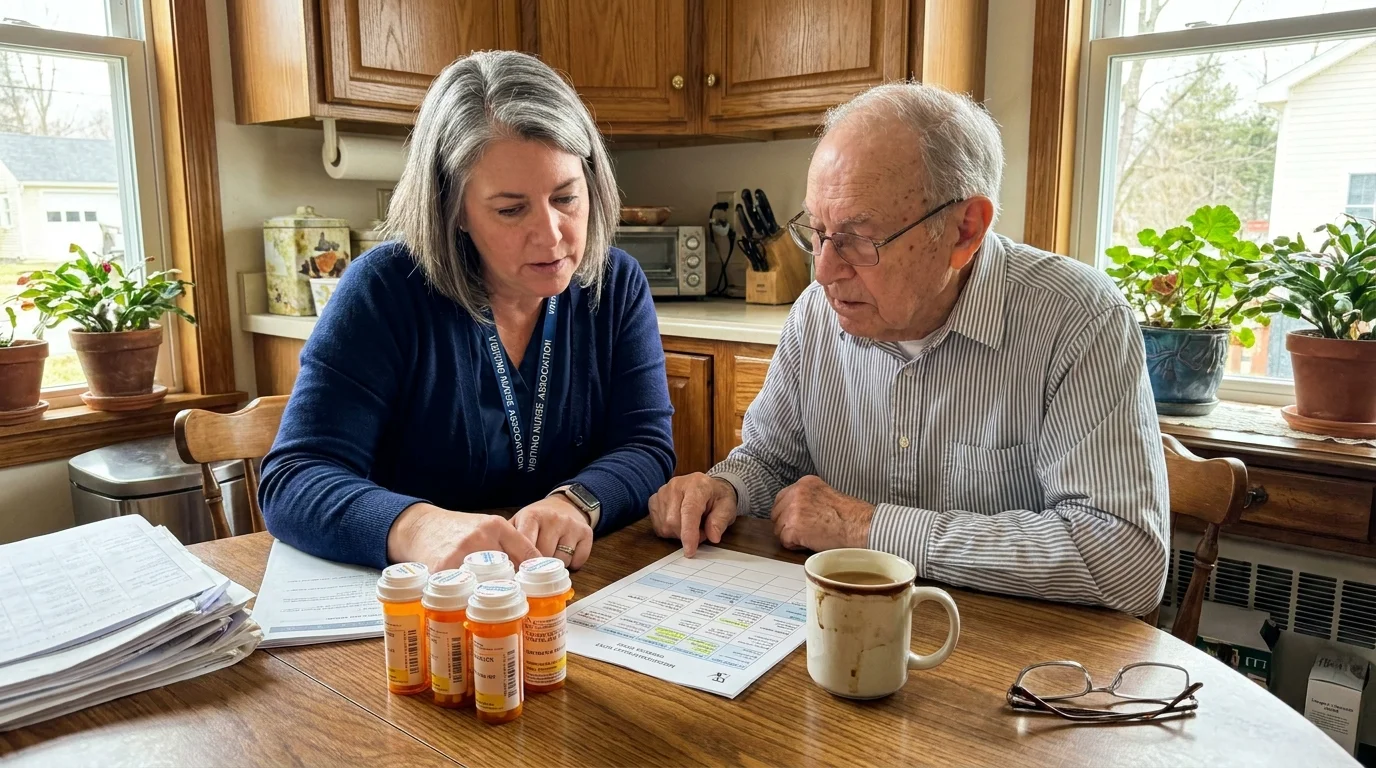
Navigating the modern healthcare system is exhausting. Understanding discharge papers, managing a dozen different prescriptions, and knowing when to call the doctor can overwhelm anyone. Parish nursing—also known as faith community nursing—is a rapidly growing service where licensed Registered Nurses (RNs) volunteer their expertise within a church setting.
While parish nurses do not replace your primary care physician, they act as vital health educators and advocates. They offer free blood pressure screenings after weekend services, help you organize your pill boxes, explain confusing medical jargon from your recent doctor’s visit, and counsel you on nutrition.
Having a medical professional you can casually consult in a non-clinical, relaxed environment helps catch potential health issues—like a sudden spike in blood pressure or an adverse reaction to a new medication—before they escalate into emergency room visits.

7. Specialized Support Groups for Seniors
Retirement and aging bring unique emotional challenges, including the loss of spouses, friends, and sometimes one’s own physical capabilities. Processing these life changes alone can lead to severe depression. Churches are community hubs that host a wide variety of specialized support groups designed to help you navigate these difficult seasons.
The most common free support groups hosted by churches include:
- GriefShare: A structured, weekly support group for individuals who have lost a spouse, child, or close friend.
- Caregiver Support: Safe spaces for those caring for loved ones with Alzheimer’s or chronic illnesses to vent, share resources, and find emotional backing.
- Chronic Pain and Illness Groups: Encouraging environments for seniors dealing with arthritis, cancer, or reduced mobility, focusing on coping strategies and shared experiences.
These groups are usually facilitated by trained counselors or experienced peers. They offer a confidential environment where you can speak openly without fear of burdening your family members.
8. Technology Tutoring and Digital Literacy
The world has rapidly shifted online. From accessing your medical records via patient portals to ordering groceries and video-calling your grandchildren, digital literacy is no longer optional—it is essential. However, the learning curve for smartphones, tablets, and computers can be steep and frustrating.
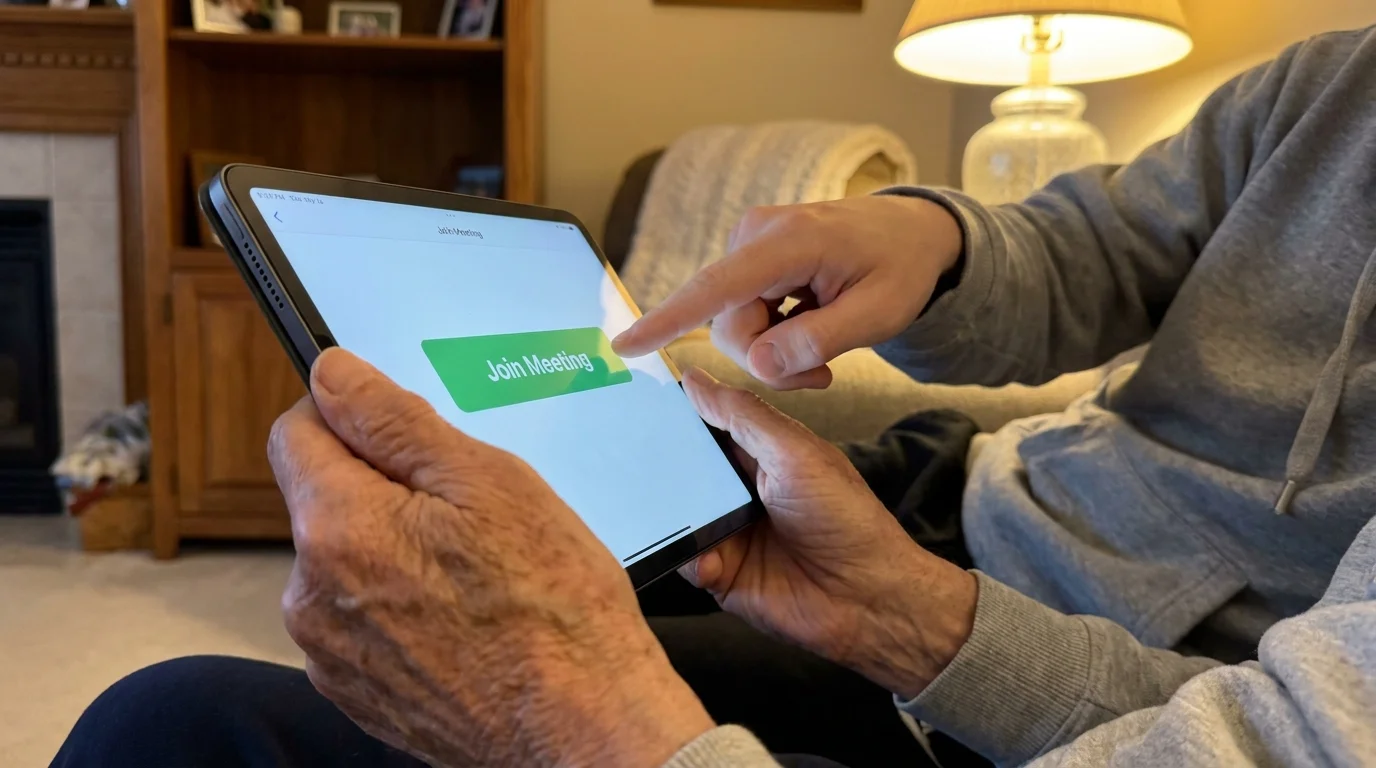
Recognizing this digital divide, many churches pair tech-savvy teenagers or young adult volunteers with seniors for one-on-one technology tutoring. These free sessions are incredibly practical. A volunteer can help you enlarge the font size on your iPad, set up a secure password manager, download a telehealth app for your next doctor’s appointment, or show you how to identify and delete spam emails.
This intergenerational ministry not only solves your immediate technical frustrations but also builds wonderful relationships between the younger and older generations in the community.

9. Emergency Benevolence Funds for Critical Bills
When unexpected expenses arise—such as a sudden car repair, a steep increase in property taxes, or an expensive new prescription—seniors on strict fixed incomes can quickly find themselves facing a financial crisis. To help community members avoid eviction or utility shut-offs, almost all mid-to-large-size churches maintain a “benevolence fund.”
These emergency funds are designed to provide rapid, one-time financial intervention. Instead of handing out cash, the church will typically pay the bill directly to the utility company, landlord, or pharmacy on your behalf. To access these funds, you usually need to call the church office and set up a brief, confidential meeting with a pastor or benevolence committee member.
Bring your shut-off notice, lease agreement, or pharmacy receipt to the meeting. Be honest about your financial situation; these committees are there to help with compassion, not to judge your circumstances.
Common Pitfalls and Troubleshooting When Seeking Assistance
While church resources are immensely helpful, the process of finding and securing this help can come with a few hurdles. One of the biggest obstacles is simply pride. Many seniors feel that accepting help means they are losing their independence or taking resources away from someone who is “worse off.” Remind yourself that these ministries exist precisely because the community wants to support you. Allowing volunteers to help you gives them a fulfilling sense of purpose.
Another challenge is the disjointed nature of church programs. Because they are run by individual congregations rather than a centralized government agency, there is no single directory of services. You may have to call four or five different churches in your zip code before finding the specific program you need.
Finally, always prioritize your financial safety. Scammers frequently target seniors by posing as religious charities offering fake grants or assistance programs. The Consumer Financial Protection Bureau (CFPB) warns seniors to never pay upfront fees, wire money, or provide their Social Security number to secure a supposed community grant. A legitimate church program will never ask for your bank routing number or demand a “processing fee” before helping you.
Frequently Asked Questions
Do I need to be a member of the church to receive these services?
In most cases, no. The vast majority of churches view their senior assistance programs as community outreach ministries. They offer their food pantries, home repair services, and transportation to anyone living in the surrounding neighborhood, regardless of church membership or religious affiliation.
How do I find out which local churches offer these specific programs?
Start by calling the largest churches in your immediate area, as they typically have the volunteer base to sustain these programs. Alternatively, call your local Area Agency on Aging or senior center; their social workers often maintain active lists of local churches that provide reliable senior services, food pantries, and home repair teams.
Are these services truly free, or is a donation expected?
These services are genuinely free. While a church will never turn down a voluntary donation if you insist, volunteers are trained never to ask for money. The funding for these programs comes from the congregation’s internal budgeting and member tithes, specifically earmarked to help the community.
Will volunteers try to convert me or preach to me if I accept their help?
While church volunteers are motivated by their faith, reputable church programs train their volunteers to respect boundaries and serve without strings attached. You might receive a polite invitation to a Sunday service or a holiday concert, but aggressive proselytizing is rarely a condition for receiving practical help like food, rides, or home repairs.
What if the church cannot help me with my specific financial crisis?
If a church’s benevolence fund is depleted or your need exceeds their limit, ask the pastor or office administrator for referrals. Churches network closely with local non-profits, specialized charities, and municipal social services. They can often direct you to local secular agencies or utility company relief programs that you may not have known existed.
For additional senior resources, visit
Benefits.gov,
National Institute on Aging (NIA),
Centers for Disease Control and Prevention (CDC) and
Medicare.gov.
Disclaimer: The information in this article is for educational purposes only and is not intended to be a substitute for professional financial, legal, or medical advice. Always consult with a qualified expert for advice tailored to your personal situation.






Leave a Reply