

Living on a fixed income means every dollar counts, yet unexpected expenses and new hobbies can quickly drain your retirement budget. Instead of purchasing items you might only use once or twice, tapping into local borrowing programs lets you access essential goods without spending a dime. From expensive medical equipment and mobility aids to gardening tools, digital tablets, and museum passes, communities across the country offer robust sharing networks designed specifically to help older adults stay active and independent. Exploring these free resources protects your savings while giving you access to exactly what you need. By shifting from a buying mindset to a borrowing strategy, you keep your home clutter-free and your bank account secure.
Medical Equipment And Mobility Aids
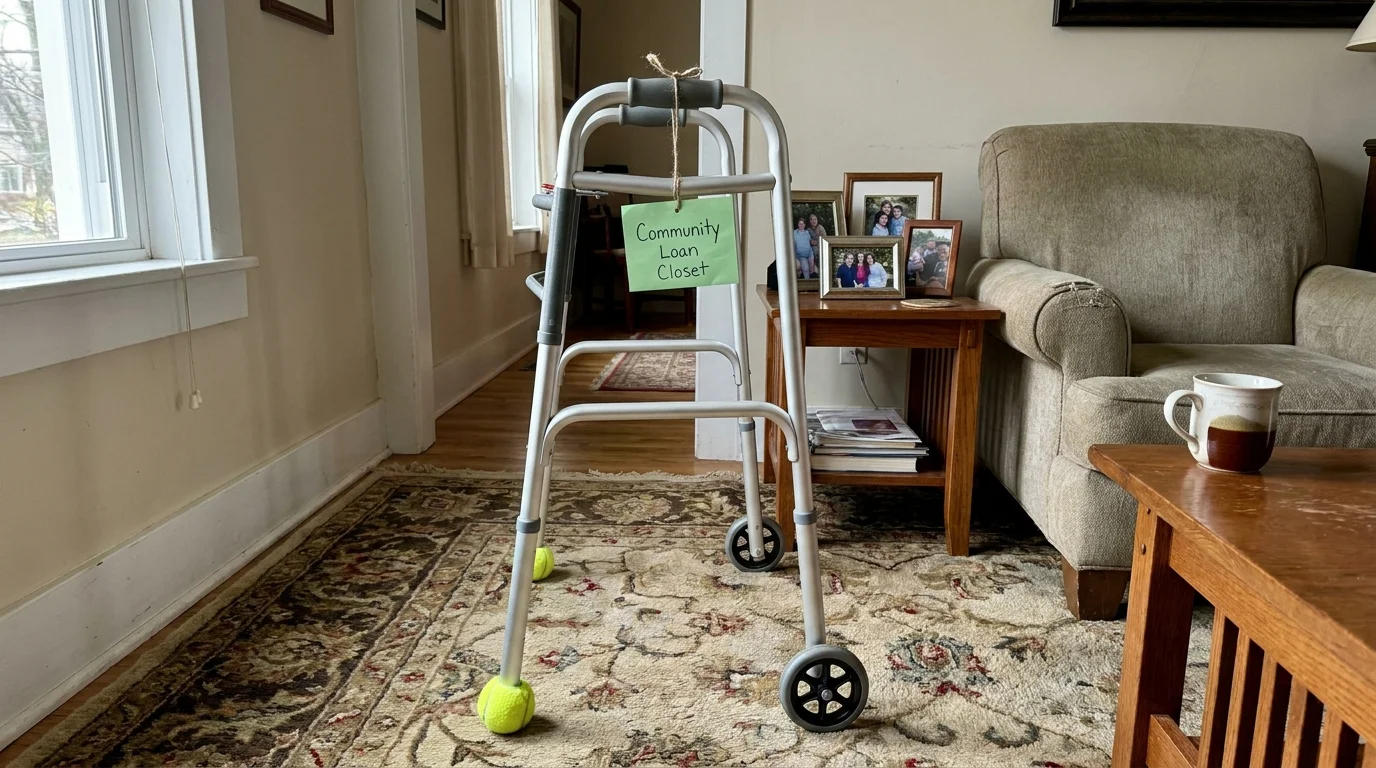
As you age, temporary mobility challenges become more common. Recovering from a knee replacement, a hip surgery, or even a bad fall often requires specialized equipment like walkers, wheelchairs, shower chairs, and commodes. Purchasing these items brand new is incredibly expensive, and Medicare does not always cover the full cost—or it may impose strict limits on how often you can receive new equipment.
Instead of spending hundreds of dollars out of pocket for a shower chair you will only use for six weeks, look for local medical equipment loan closets. These community programs, often run by local charities, religious organizations, or senior centers, collect gently used medical equipment, sanitize it thoroughly, and lend it out for free or a nominal suggested donation.
Borrowing mobility aids not only saves you money but also solves the problem of what to do with the equipment once you recover. You simply return the item so someone else in your community can benefit from it. If you are unsure where to find a loan closet nearby, the Eldercare Locator is an excellent government tool that can connect you to your local Area Agency on Aging, which maintains directories of equipment sharing programs in your specific zip code.
Books, Audiobooks, And Large-Print Media
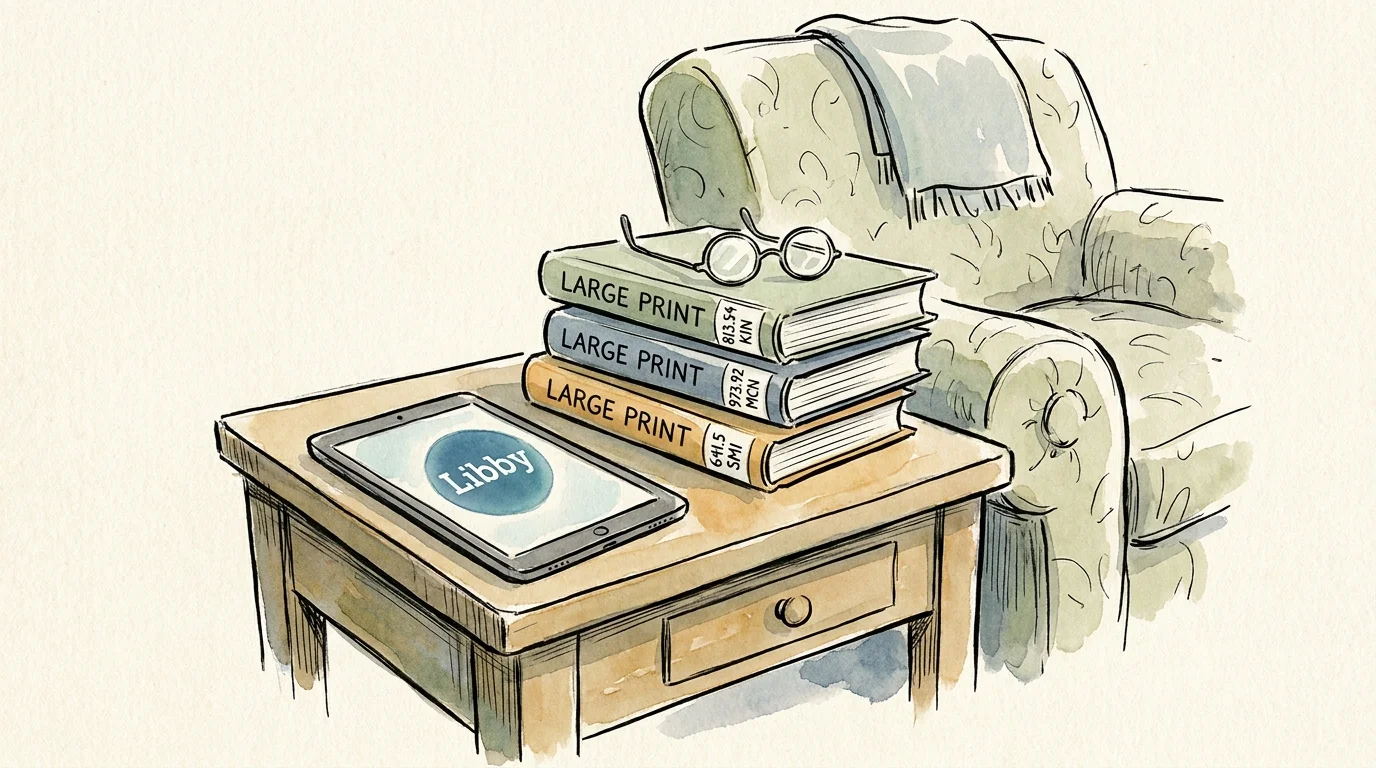
Reading is a wonderful way to relax, stay informed, and keep your mind sharp, but buying new books quickly becomes a costly habit. Furthermore, if you experience vision changes due to cataracts or macular degeneration, standard paperbacks might become difficult to read. Rather than purchasing expensive large-print editions or paying monthly subscription fees for audiobook services, you can borrow everything you need from your local public library.
Modern libraries offer far more than dusty shelves of hardcovers. With a free library card, you gain access to digital lending apps like Libby or Hoopla. These apps allow you to download thousands of audiobooks and digital books directly to your smartphone, tablet, or e-reader. The best part about digital borrowing is that you can customize the reading experience by increasing the font size, changing the background color to reduce glare, or listening to the book narrated by professional voice actors.
If you prefer physical books, libraries actively maintain robust large-print sections. Many libraries also offer homebound delivery services for seniors who have difficulty arranging transportation, ensuring that physical limitations never stand between you and a great story.
Home Repair And Gardening Tools
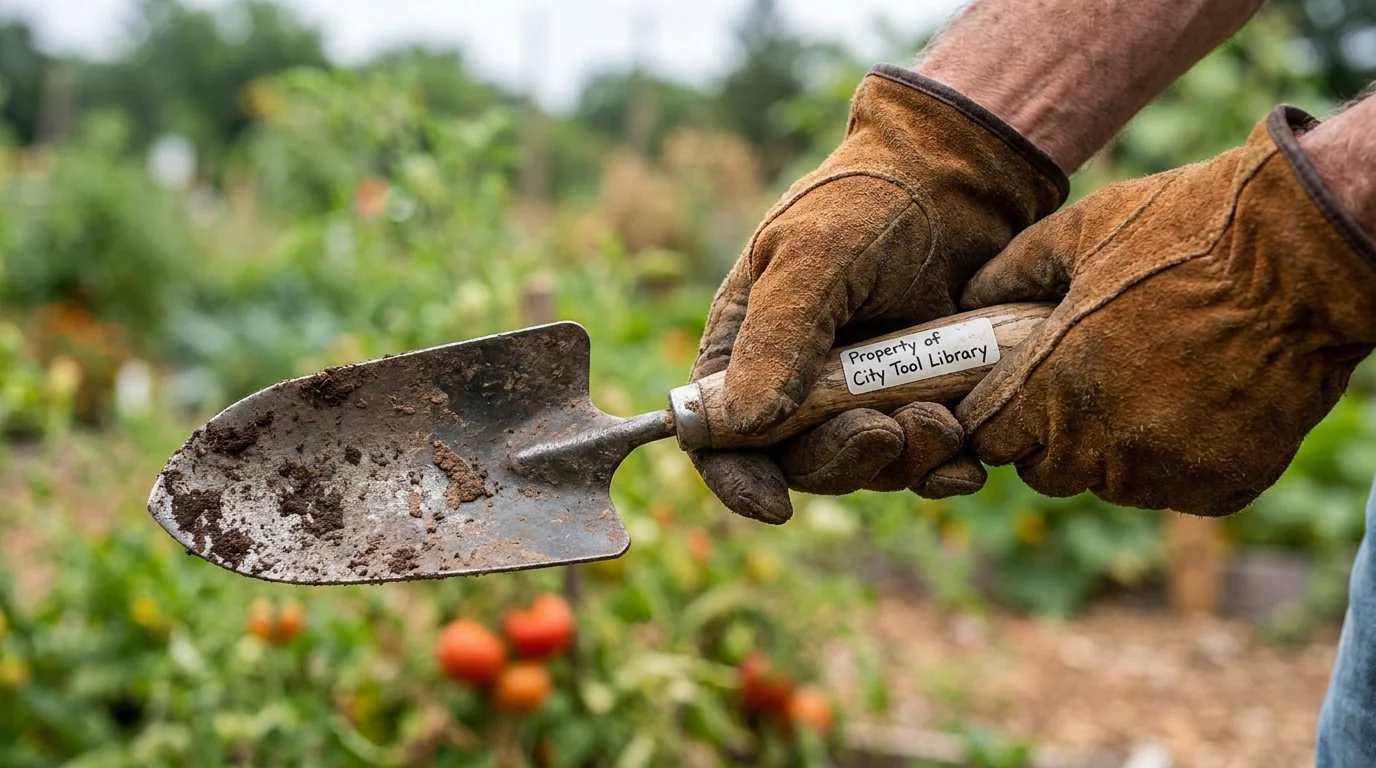
Maintaining a home requires a variety of specialized tools, but you likely do not need to use a power washer, a stud finder, or a heavy-duty hedge trimmer every single day. If you have downsized to a smaller home, condo, or apartment, finding storage space for bulky equipment is a burden. Tool lending libraries are a brilliant community resource that allows you to borrow the exact equipment you need for a weekend project and return it when you are done.
Tool libraries operate just like traditional libraries, but they are stocked with power tools, gardening implements, painting supplies, and hand tools. By borrowing instead of buying, you can keep your living space organized and dramatically reduce your home maintenance costs.
| Tool or Equipment | Average Purchase Cost | Cost to Borrow from Tool Library |
|---|---|---|
| Cordless Power Drill | $60 – $150 | $0 |
| Electric Hedge Trimmer | $50 – $120 | $0 |
| Stud Finder | $20 – $50 | $0 |
| Power Washer | $150 – $300 | $0 |
| Wheelbarrow | $70 – $150 | $0 |
You can find tool libraries by asking your local public library branch or searching online for community tool sheds in your city. Many are funded by neighborhood associations or sustainability nonprofits aiming to reduce community waste.
State Park Passes And Museum Tickets
Staying engaged with your community and spending time outdoors are vital components of healthy aging. The National Institute on Aging (NIA) emphasizes that participating in social and cultural activities helps older adults maintain cognitive function and emotional well-being. However, admission fees for museums, botanical gardens, and state parks can deter you from enjoying these enriching experiences.
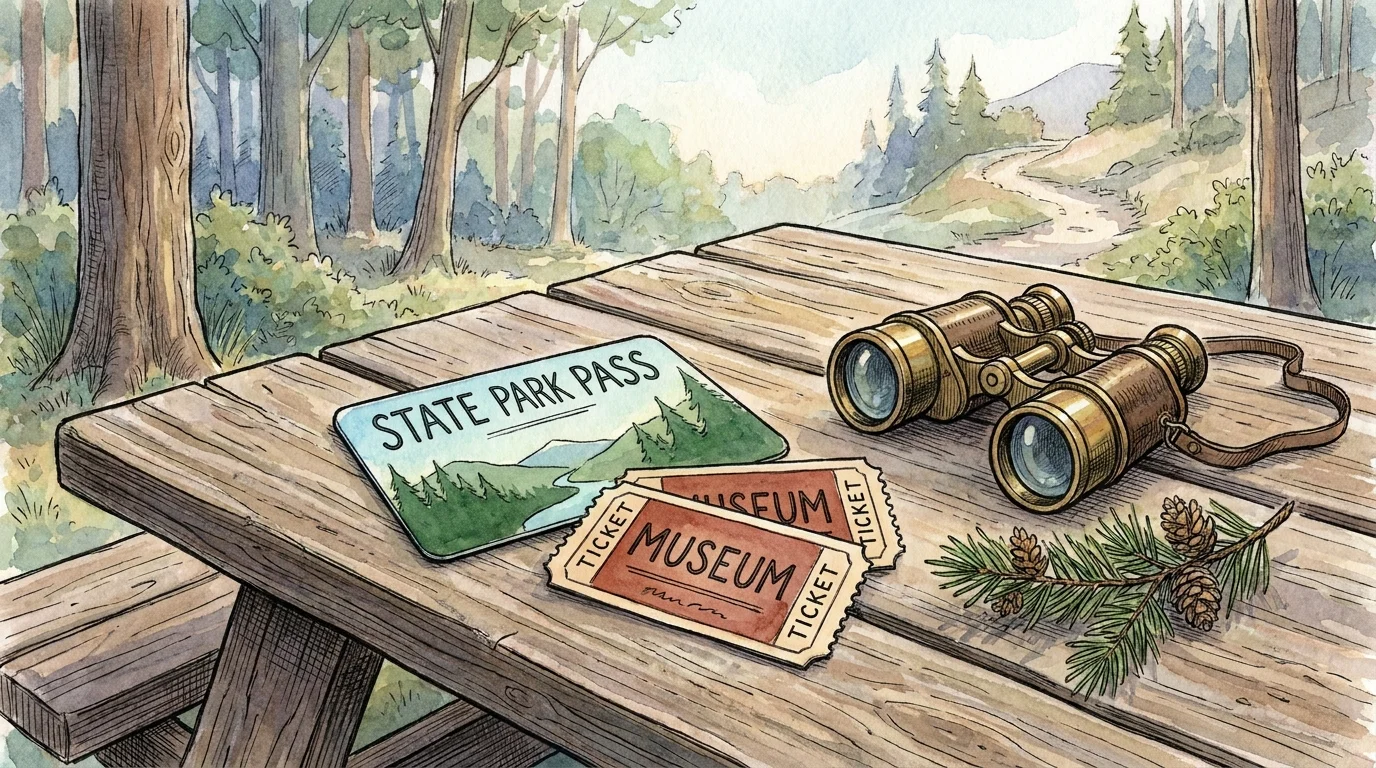
To break down these financial barriers, many public library systems have introduced “culture pass” programs. By presenting your library card, you can check out free admission passes to local historical sites, science centers, art museums, and state or regional parks. These passes typically grant free entry for you and sometimes a guest or your grandchildren, making it highly affordable to plan a family outing.
Because these passes are highly sought after, they often operate on a reservation system. You simply log into your library’s website, select the date you wish to visit a specific attraction, and print the pass or download it to your phone. It is a fantastic way to play tourist in your own city without spending a dime on admission tickets.
Laptops, Tablets, And Wi-Fi Hotspots
Navigating modern life increasingly requires internet access. From scheduling medical appointments to ordering groceries and video chatting with family members, staying connected is essential. Yet, purchasing a new laptop or tablet, coupled with an expensive monthly internet service bill, is out of reach for many seniors on fixed incomes.
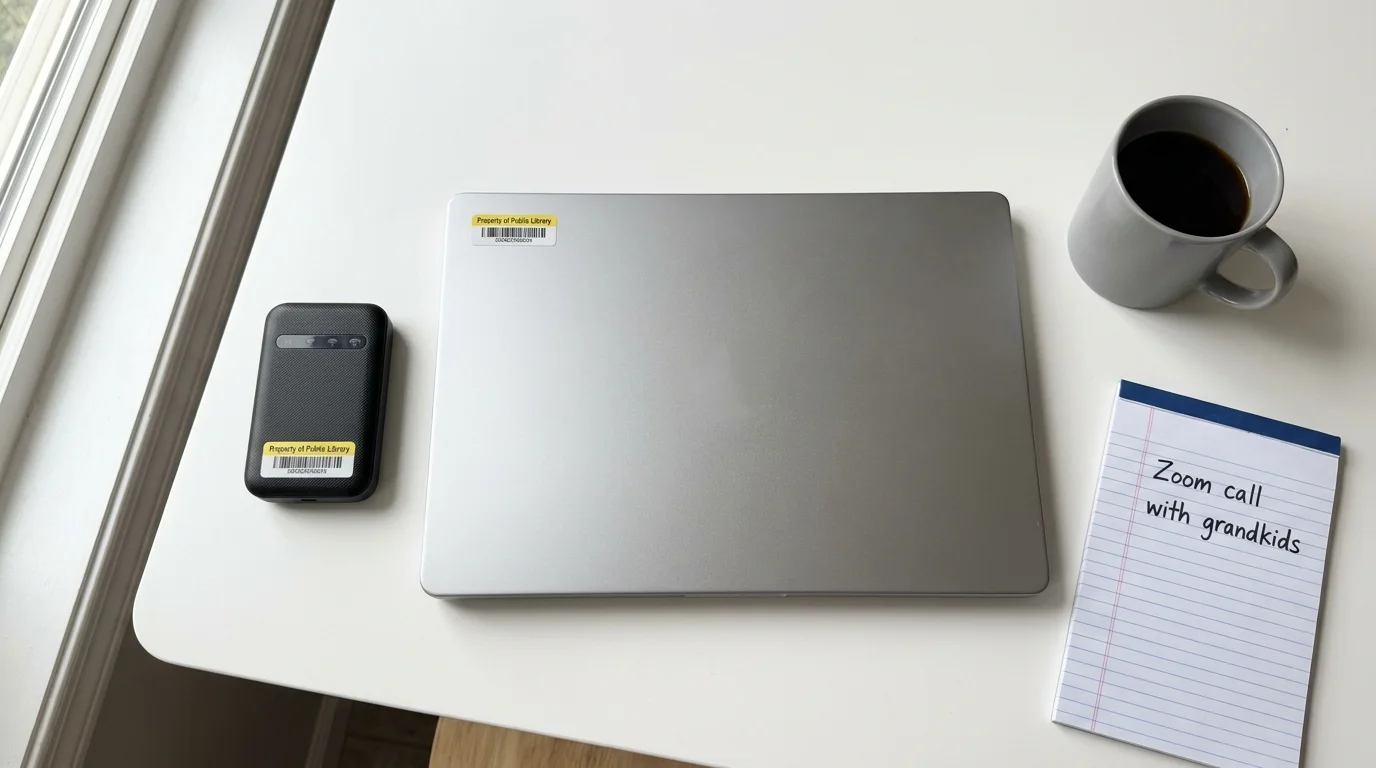
Recognizing this digital divide, community centers, senior centers, and public libraries now offer technology lending programs. You can check out a tablet, a Chromebook, or a laptop for a designated period. This is especially helpful if your personal device breaks down and you need a temporary replacement, or if you simply want to test out a tablet before deciding if you want to buy one for yourself.
Furthermore, many of these programs lend out mobile Wi-Fi hotspots. A hotspot is a small, portable device that provides free internet access to your phone or computer. Borrowing a hotspot allows you to attend telehealth appointments from the comfort of your living room without signing a long-term contract with an internet service provider.

Board Games And Puzzles For Cognitive Health
Keeping your brain active is a critical part of aging gracefully. Challenging your mind with complex tasks helps build cognitive reserve, which can delay the onset of memory issues. The Alzheimer’s Association notes that engaging in mentally stimulating activities, such as playing strategy games or assembling jigsaw puzzles, may help reduce the risk of cognitive decline.
While puzzles and board games are beneficial, they also consume a lot of closet space once completed, and buying new ones frequently adds up. The solution is to borrow them. A growing number of libraries and senior community centers have created game and puzzle exchanges. You can check out a 1,000-piece puzzle, enjoy the process of putting it together over a few weeks, and bring it back in exchange for a new challenge.
Borrowing games is also a smart strategy when hosting family. If your grandchildren are visiting for the holidays, you can borrow age-appropriate board games to keep them entertained without permanently cluttering your home with toys they will outgrow by their next visit.
Kitchen Gadgets And Specialty Bakeware
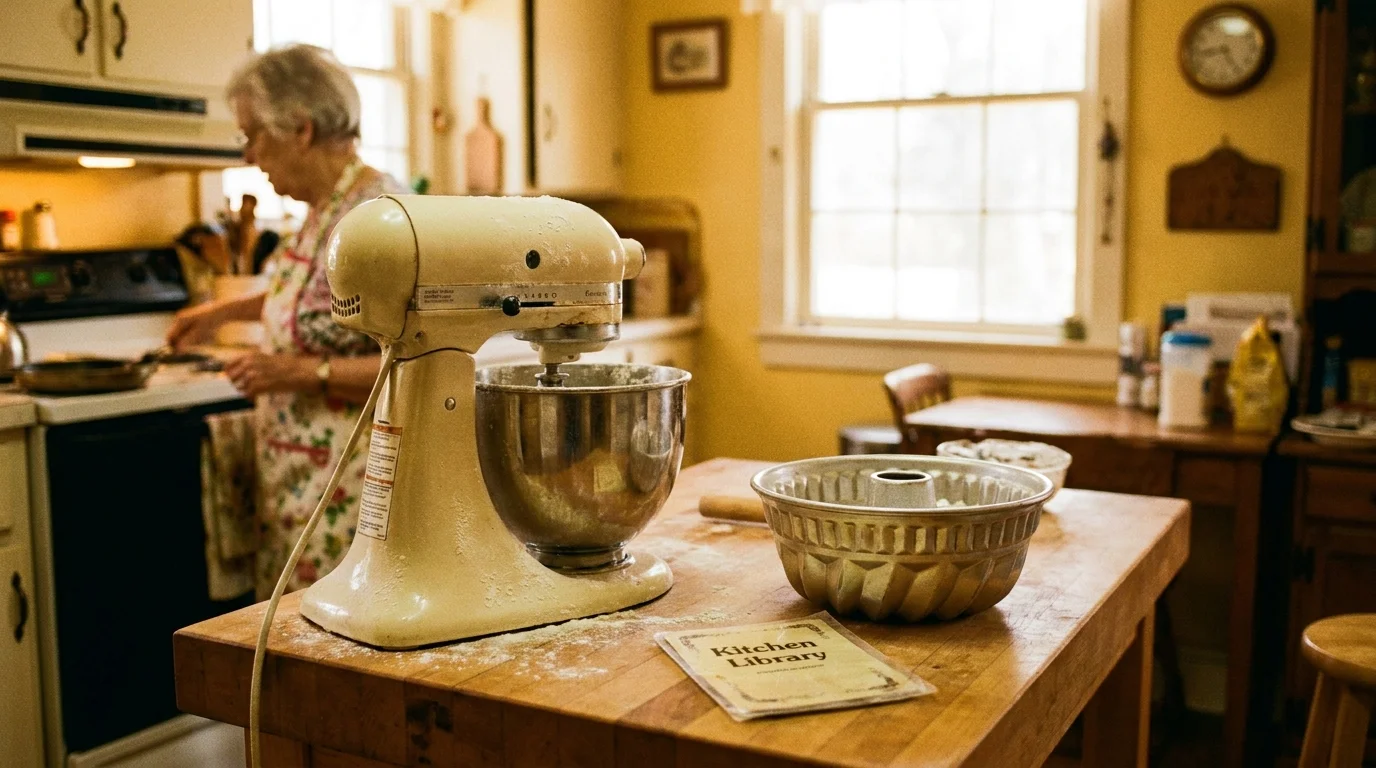
Cooking and baking are joyful ways to express creativity and share love with family and friends. However, some recipes call for highly specific equipment that you might only use once a year. Items like a large roasting pan for Thanksgiving turkey, a specialized novelty cake pan for a grandchild’s birthday, a food dehydrator, or a pasta maker are bulky and expensive.
Before you spend money on a countertop appliance that will gather dust for 364 days of the year, check your local library or community sharing group. The “Library of Things” movement has expanded rapidly, and many local branches now lend out specialty kitchen wares. All items are deeply cleaned between uses.
This borrowing model is incredibly freeing if you have downsized to a smaller kitchen. You gain access to an entire culinary arsenal without needing the cabinet space to store it. You simply borrow the bread maker, bake your loaves, wash the machine, and hand it back.
Musical Instruments For Brain Engagement
Learning to play a musical instrument in your senior years offers profound benefits. It improves fine motor skills, helps combat arthritis stiffness in the fingers, and provides a massive boost to brain plasticity by forcing the mind to process sound, rhythm, and physical movement simultaneously.
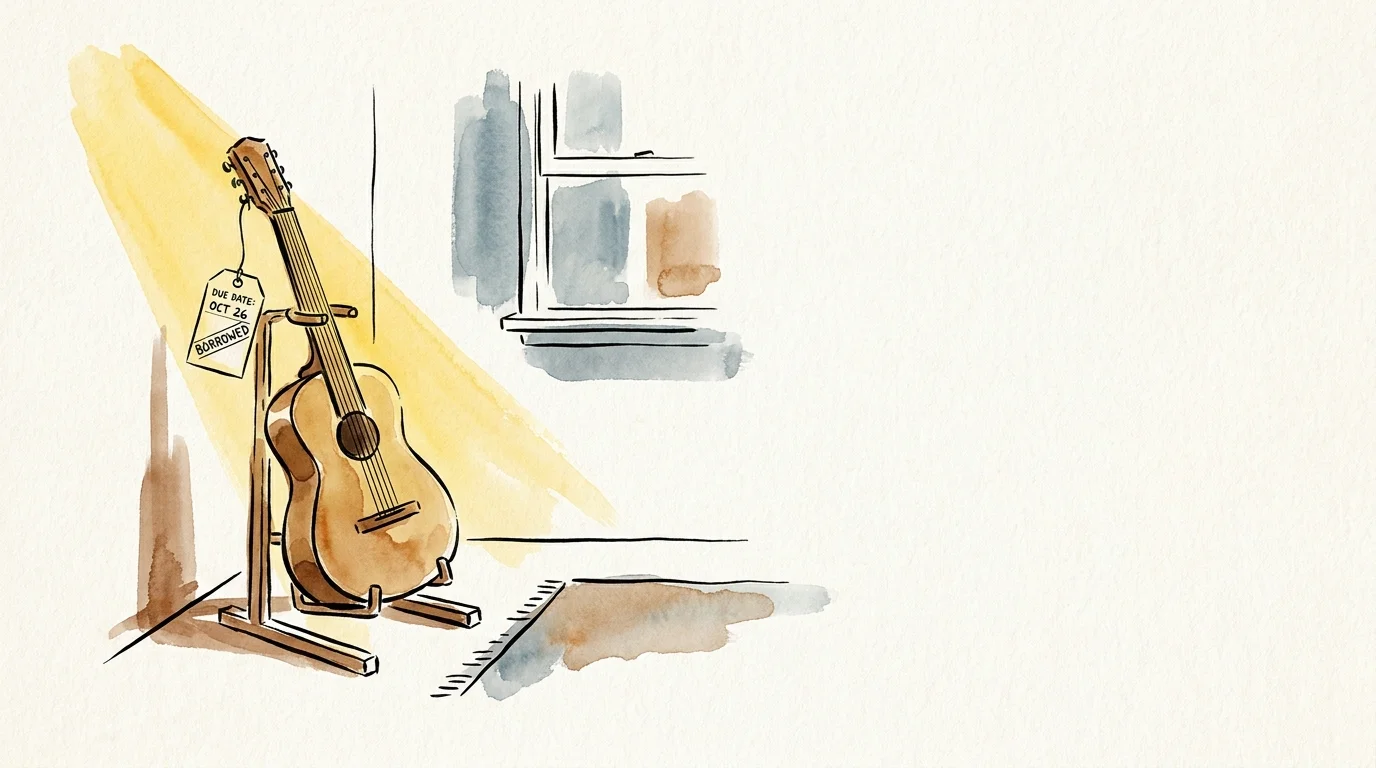
The hurdle for many older adults is the steep upfront cost. A beginner acoustic guitar or an electronic keyboard can cost hundreds of dollars. What if you realize after two weeks that the instrument aggravates your joints, or you simply do not enjoy it?
Many libraries have partnered with local arts organizations to offer instrument lending libraries. You can borrow a ukulele, a violin, a keyboard, or a set of hand drums for a few weeks to see if you enjoy the experience. If the hobby sticks, you can confidently invest in your own instrument later. If it does not, you simply return it with zero financial regret.
Assistive Listening Devices And Tech Accessories
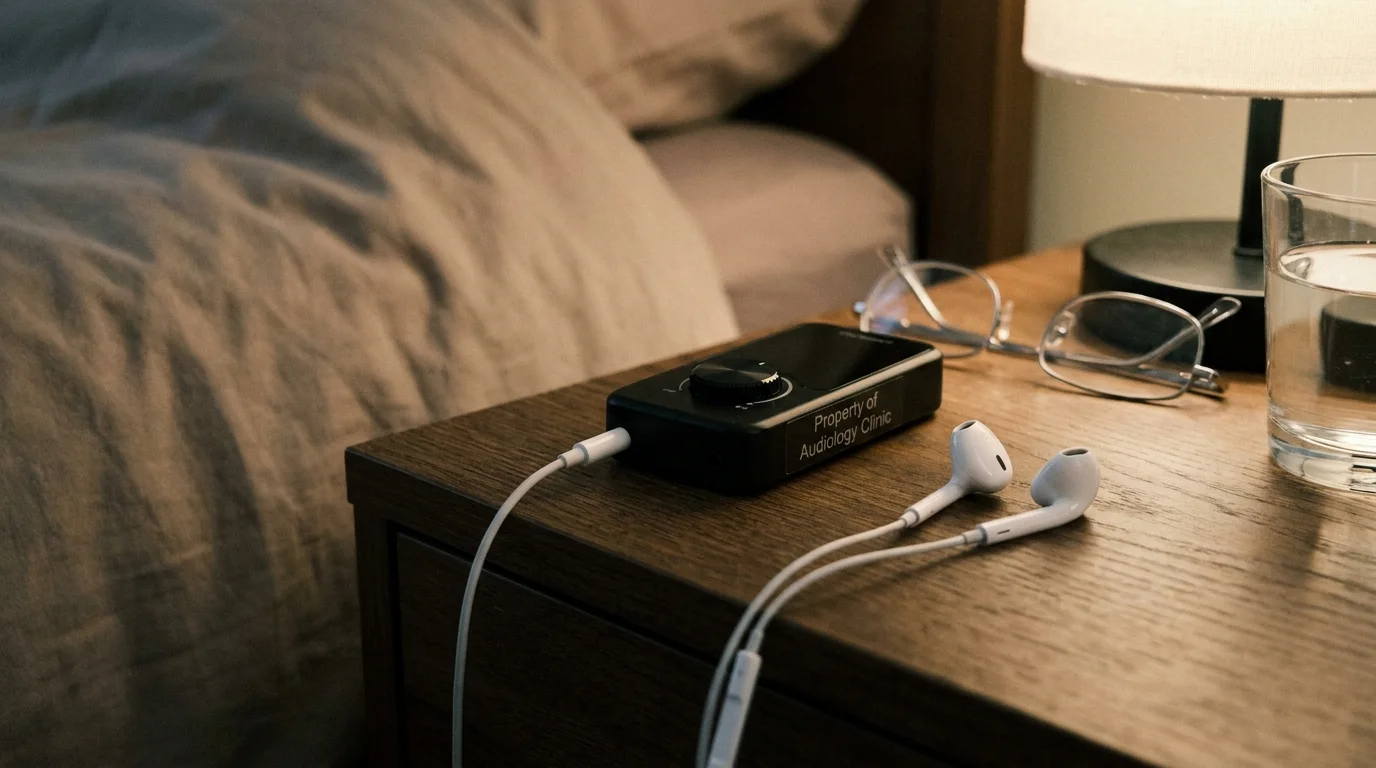
Hearing loss and vision impairment can create feelings of isolation, making it difficult to enjoy television, attend local theater productions, or converse in crowded rooms. A variety of assistive tech accessories exist to help—such as pocket talkers (personal amplifiers), specialized TV headphones, and digital screen magnifiers.
Because these devices must match your specific sensory needs, buying them blind is risky. Thankfully, every state operates an Assistive Technology (AT) Act Program. These state-funded initiatives operate lending libraries that allow seniors and individuals with disabilities to borrow specialized equipment for short-term trials.
By borrowing an amplified telephone or a flashing doorbell signaler for 30 days, you get to test it in your actual home environment. If the device significantly improves your daily life, the program staff can often guide you toward grants or discounts to purchase a permanent unit. This “try before you buy” approach protects you from wasting money on gadgets that overpromise and underdeliver.
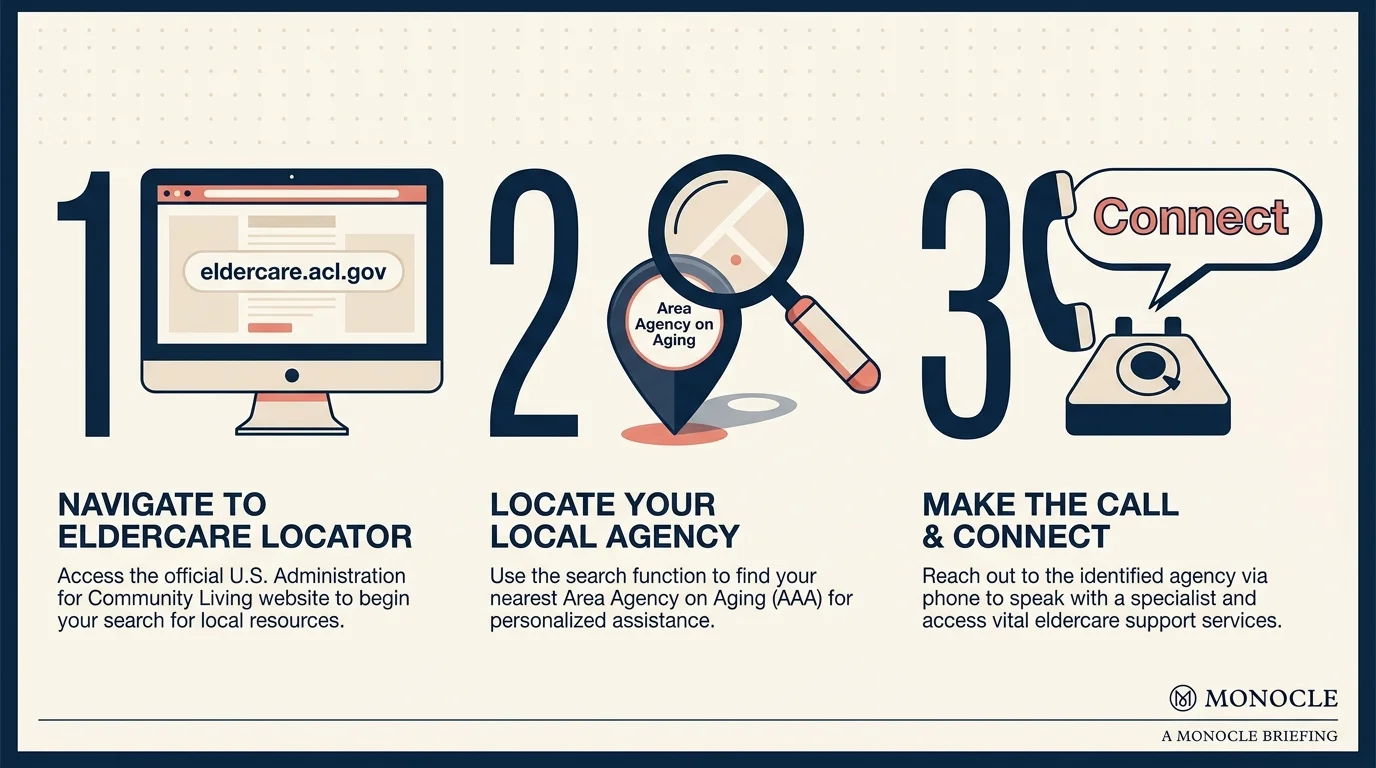
How To Find Borrowing Programs In Your Community
Finding these hidden community gems requires a bit of active investigation, but the payoff is well worth the effort. Follow these practical steps to uncover borrowing resources in your local area:
- Talk to Your Local Librarian: Do not assume your library only carries books. Call or visit the reference desk and explicitly ask, “Do you have a Library of Things, culture passes, or an equipment lending program?” Librarians are eager to share these resources.
- Contact Your Area Agency on Aging (AAA): Your local AAA is a central hub for senior services. They maintain updated lists of medical equipment loan closets, tech lending programs, and transportation services.
- Search Online for Tool Libraries: Open your internet browser and search for “[Your City] tool lending library” or “[Your County] community tool shed.” Many operate independently of the public library system.
- Check with Senior Centers and Faith-Based Organizations: Local community centers and places of worship frequently host informal puzzle exchanges, mobility aid closets, and digital literacy classes that include loaned tablets.
- Use Community Sharing Apps: Neighborhood networks often have active “Buy Nothing” groups where neighbors happily lend each other gardening tools, folding chairs, or specialty bakeware for short-term use.
If you live in a rural area, do not be discouraged. Many state programs and regional libraries offer free mail delivery for specialized items like assistive technology and large-print materials.
Avoiding Scams When Looking For Free Resources
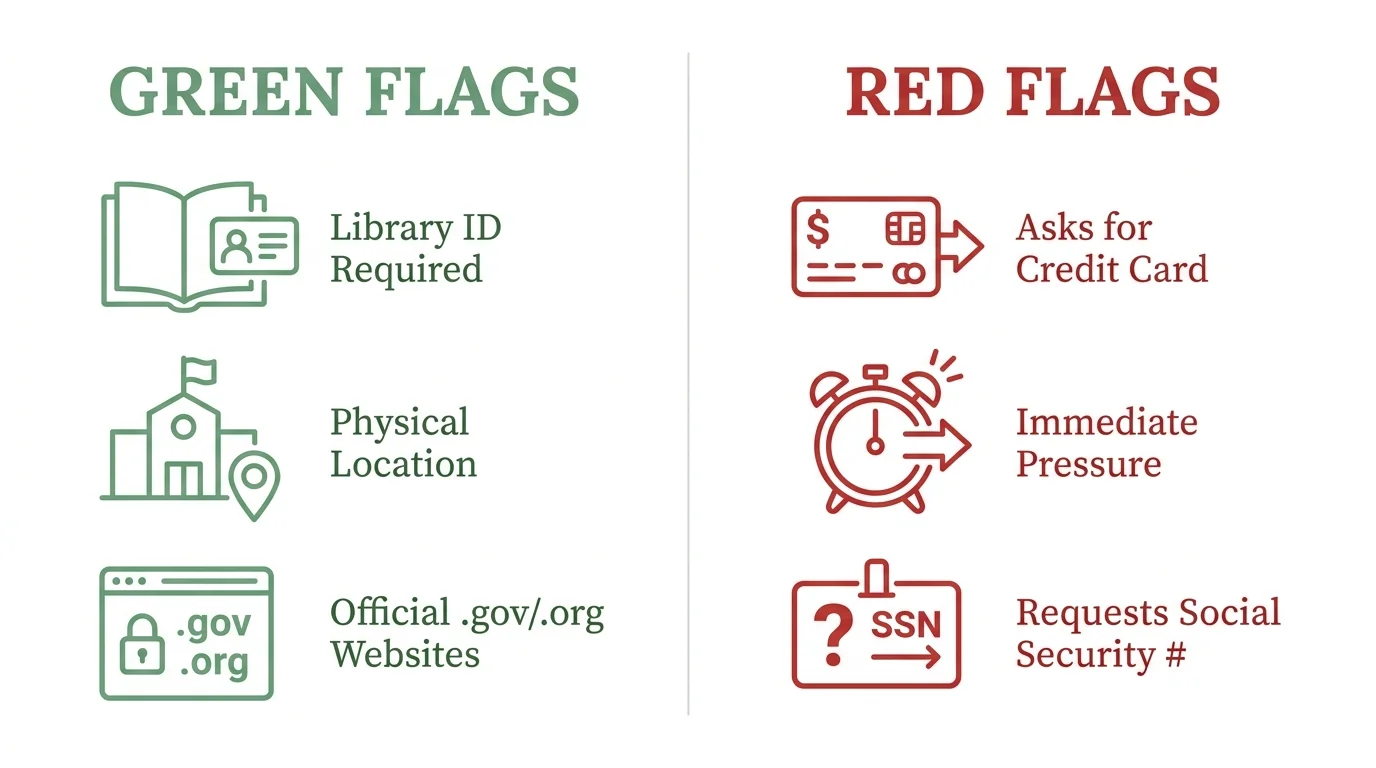
While local borrowing programs are wonderful, the word “free” is often weaponized by scammers targeting older adults. It is vital to protect your personal information and your health benefits when searching for equipment or services.
A prevalent fraud involves telemarketers or online advertisements offering “free” back braces, knee braces, or diabetic supplies. These criminals claim that you can keep the equipment at no cost to you. The catch is that they demand your Medicare number, which they then use to fraudulently bill the government thousands of dollars. The Consumer Financial Protection Bureau (CFPB) frequently warns about scams targeting older adults, emphasizing that you should never give out your Medicare or Social Security number to an unsolicited caller or a random website.
Legitimate borrowing programs, like library initiatives or charity-run loan closets, will never ask for your Medicare number, your Social Security number, or your banking details. They may ask for a local ID or a library card to track the borrowed item, but they will not attempt to bill your health insurance. Always verify the organization’s physical address and reputation in your community before accepting any equipment.
Frequently Asked Questions
Do I need to pay a deposit to borrow from a tool library or Library of Things?
Policies vary by location, but the vast majority of public library programs do not require a cash deposit. You simply use your active library card. However, some independent tool libraries run by nonprofits may ask for a small annual membership fee (such as $20 a year) to cover maintenance costs, though they frequently waive this fee for low-income seniors.
Are borrowed medical mobility aids sanitary to use?
Yes. Reputable medical loan closets take sanitation very seriously. Before a wheelchair, walker, or commode is lent out, volunteers or staff clean the equipment with hospital-grade disinfectants and inspect it for mechanical safety. If you have concerns, you can always give the equipment an extra wipe-down with sanitizing wipes when you bring it home.
How long can I typically keep borrowed items?
Borrowing periods depend heavily on the item and the organization. Library books, puzzles, and kitchen gadgets are usually loaned for two to three weeks. Medical equipment from a loan closet can often be kept for several months, depending on your doctor’s estimated recovery timeline. Always clarify the return date when you pick up the item to avoid late fees.
What happens if I accidentally break an item I borrowed?
Honesty is the best policy. If a borrowed tablet stops working or a gardening tool breaks during normal use, return it to the organization and explain what happened. Most programs account for standard wear and tear and will not penalize you. However, if an item is lost or destroyed due to negligence, you may be asked to cover the replacement cost.
Can I borrow digital devices if I don’t know how to use them?
Absolutely. Many senior centers and libraries that lend tablets or laptops pair the borrowing program with free digital literacy classes. Staff members or volunteers will sit down with you to explain how to turn the device on, connect it to the internet, and navigate basic applications so you feel confident taking it home.
For additional senior resources, visit
Administration for Community Living (ACL),
Eldercare Locator and
AARP.
Disclaimer: The information in this article is for educational purposes only and is not intended to be a substitute for professional financial, legal, or medical advice. Always consult with a qualified expert for advice tailored to your personal situation.






Leave a Reply