
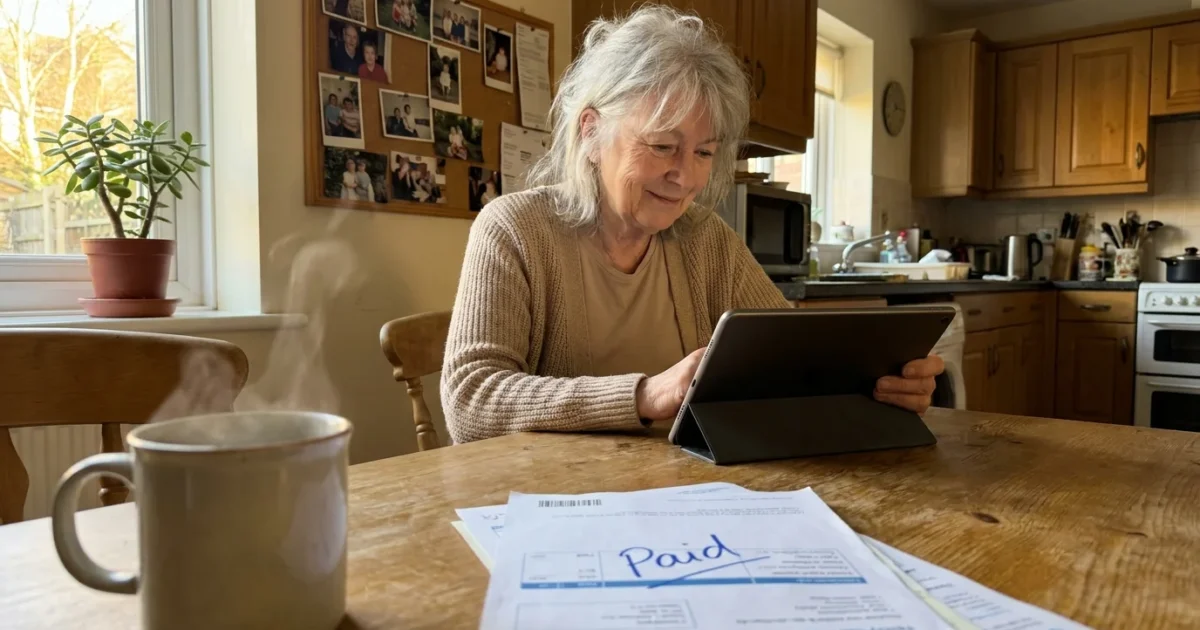
Managing expenses on a fixed retirement income is becoming increasingly difficult as utility bills continue to rise. Keeping your home comfortably warm in the winter and cool in the summer should not mean sacrificing groceries or essential medications. Fortunately, numerous federal, state, and local assistance programs exist specifically to help older adults reduce these heavy financial burdens. Many eligible retirees miss out on thousands of dollars in savings simply because they do not know these resources exist or assume they will not qualify. Exploring these nine overlooked utility assistance programs can provide immediate financial relief, protect your health, and give you much-needed peace of mind each month.
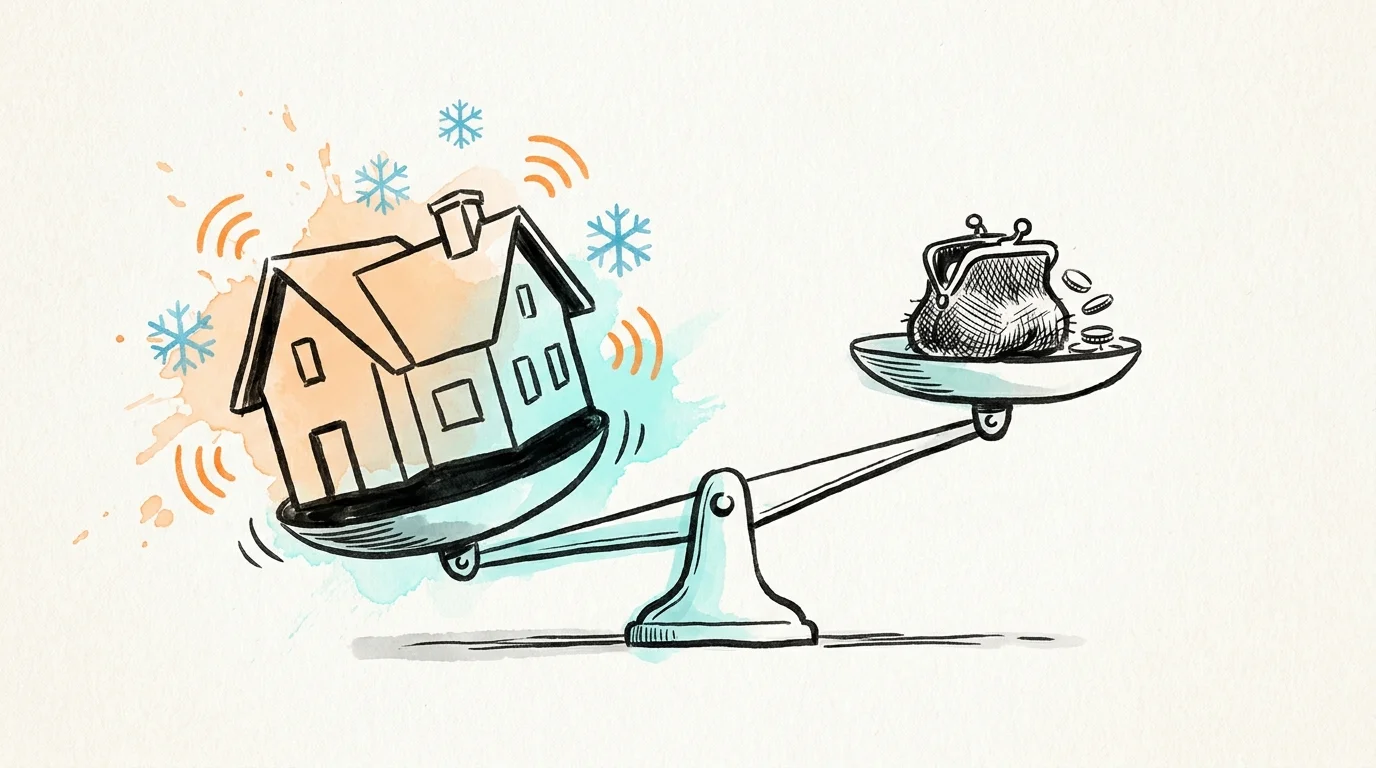
Understanding the Burden of Rising Utility Costs
For many older adults, utility bills represent one of the largest monthly expenses after housing and medical care. Unlike groceries or entertainment, electricity and gas are not optional. As we age, our bodies become more sensitive to extreme temperatures. A poorly heated home in January can lead to respiratory issues or hypothermia, while a home without air conditioning in July carries severe risks of heat exhaustion.
Despite these critical health factors, thousands of older Americans quietly endure dangerous indoor temperatures to keep their bills manageable. You should never have to choose between keeping the lights on and paying for your prescriptions. The government and private organizations recognize this challenge, which is why a network of safety nets exists. The first step to lowering your bills is understanding the programs available to you.
| Program Type | What It Covers | Best For |
|---|---|---|
| Energy Assistance (LIHEAP) | Heating and cooling bills | Seniors needing immediate help with high seasonal energy bills. |
| Weatherization (WAP) | Home insulation, HVAC repairs | Homeowners wanting long-term energy efficiency and savings. |
| Lifeline | Phone and broadband internet | Seniors who need affordable communication for telehealth. |
| Medical Baseline | Higher energy allowance at a lower rate | Seniors using medical devices like CPAP machines or oxygen. |
| Emergency Relief (Charities) | One-time bill payment assistance | Seniors facing unexpected shut-off notices. |
1. The Low Income Home Energy Assistance Program (LIHEAP)
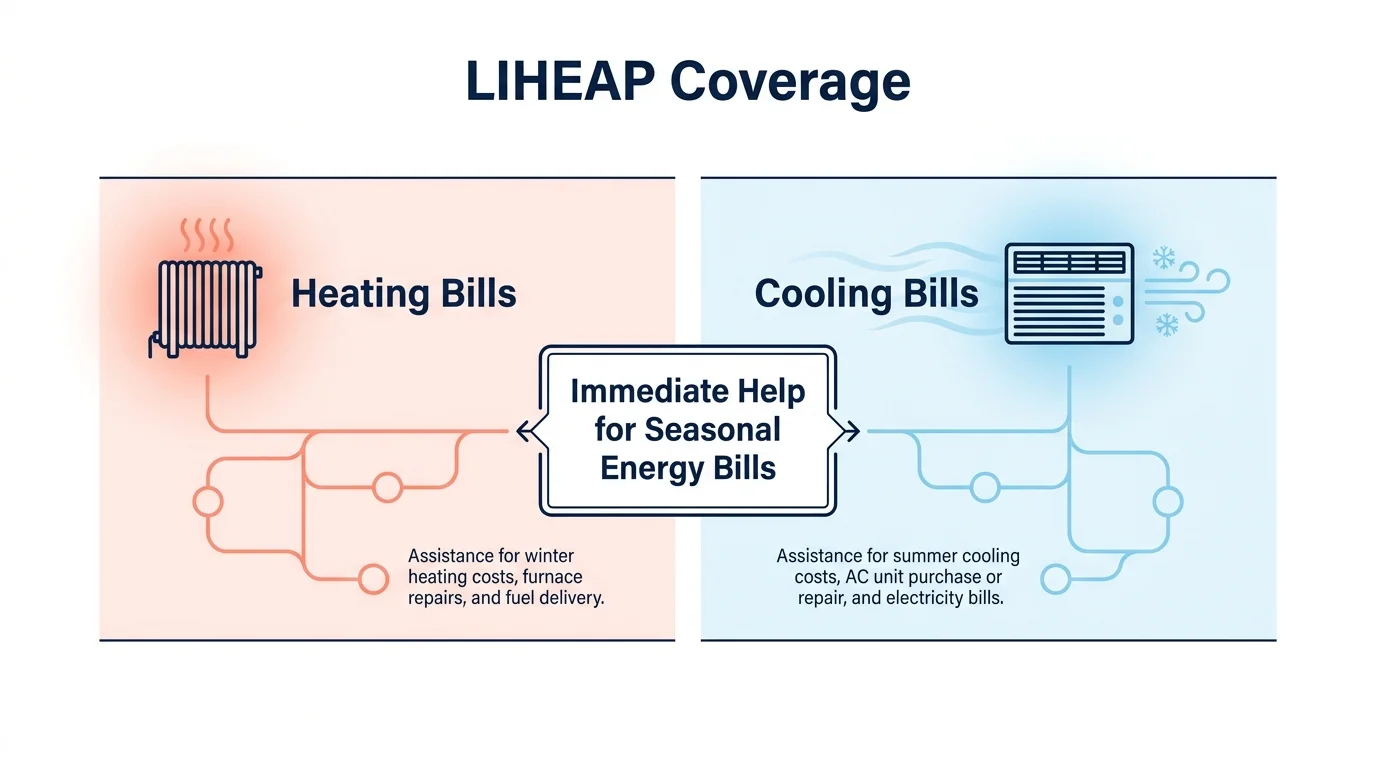
The Low Income Home Energy Assistance Program, commonly known as LIHEAP, is a federally funded program designed to help households manage their energy costs. It is arguably the most powerful tool available for seniors struggling with winter heating or summer cooling bills.
LIHEAP works by issuing a grant that is paid directly to your energy provider on your behalf. This means you do not have to worry about cashing a check or transferring funds; the credit simply appears on your utility statement. The program offers two primary types of help: standard assistance to lower your regular monthly bill, and crisis assistance if you are facing an imminent utility shut-off.
Because LIHEAP is distributed through state governments and local community action agencies, the income limits and application periods vary depending on where you live. Funds for this program often run out before the end of the season, so you should apply as early as possible. To check your eligibility and find your local application office, you can explore the official portal at Benefits.gov, which maintains up-to-date guidelines for federal assistance programs.
2. The Weatherization Assistance Program (WAP)
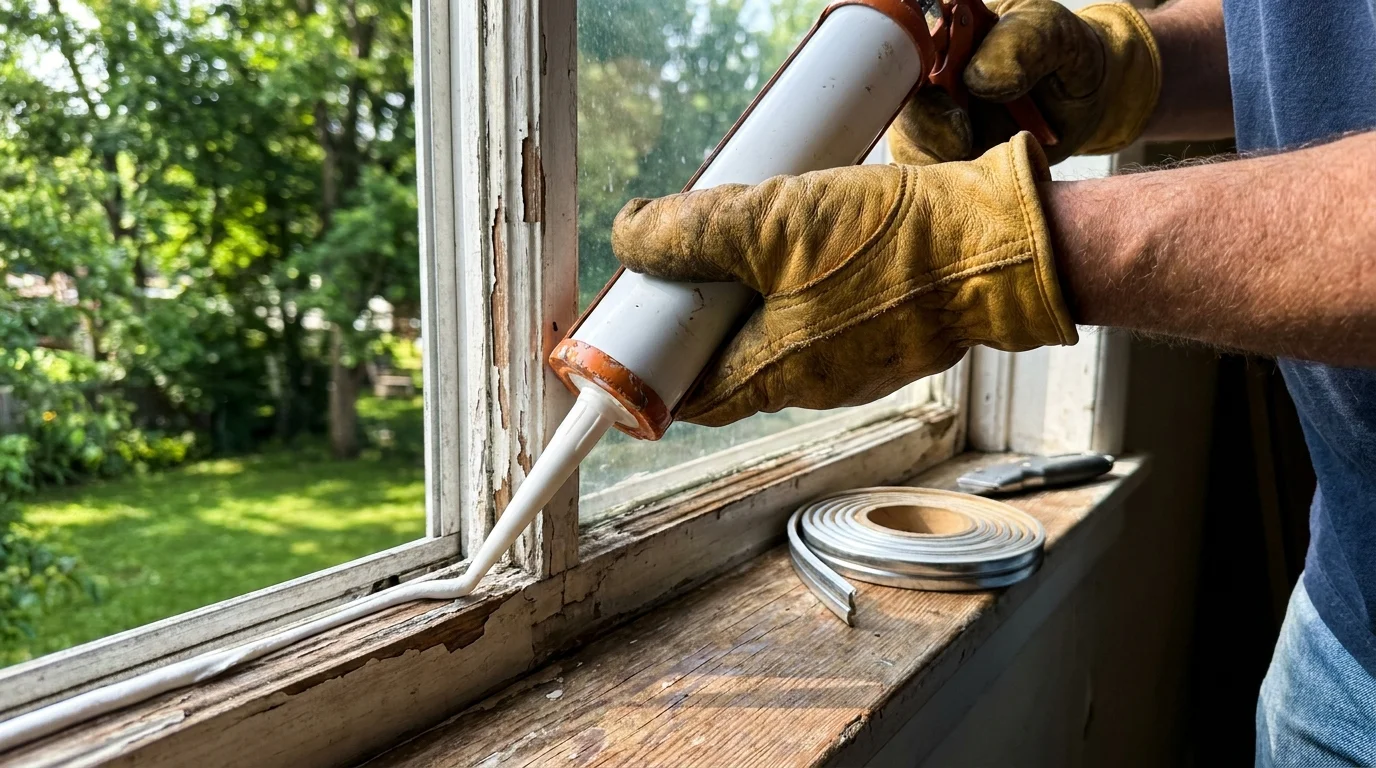
While LIHEAP helps pay your current bills, the Weatherization Assistance Program (WAP) aims to lower your future bills by making your home more energy-efficient. A drafty home wastes energy, forcing your heating and cooling systems to work twice as hard to maintain a comfortable temperature.
If you qualify for WAP, an energy auditor will visit your home to assess where you are losing the most energy. Based on their findings, the program will cover the cost of crucial upgrades entirely for free. These upgrades often include:
- Installing new insulation in your attic, walls, and floors.
- Adding weatherstripping around doors and windows to seal drafts.
- Repairing or replacing old, inefficient furnaces or water heaters.
- Updating to energy-efficient lighting.
Seniors are automatically placed on a priority list for WAP services. Upgrading your home through this program can reduce your energy bills by hundreds of dollars every year, leaving more money in your pocket for other necessities.
3. Lifeline Program for Phone and Internet Access
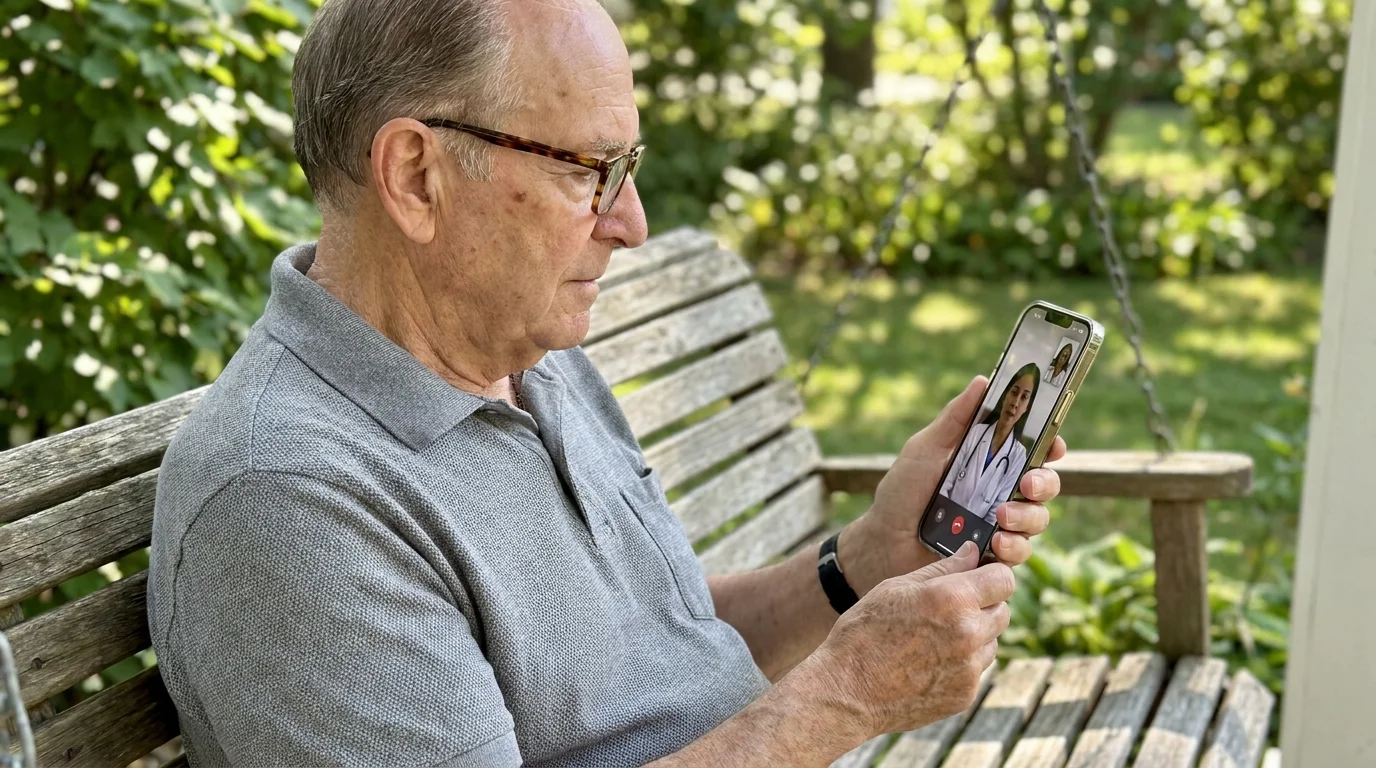
Utilities do not just mean gas, water, and electricity. In today’s digital world, reliable phone and internet services are essential utilities, especially for seniors who rely on telehealth appointments, online banking, and staying connected with distant family members.
The Lifeline program is a Federal Communications Commission (FCC) initiative that provides a monthly discount on phone or internet service for qualifying low-income consumers. Eligible seniors can receive a discount of up to $9.25 per month on their broadband or phone service, and seniors living on recognized Tribal lands can receive a discount of up to $34.25 per month.
If you already participate in Medicaid, Supplemental Security Income (SSI), or a veterans pension program, you automatically qualify for Lifeline. You can apply directly through the National Verifier website or by contacting your current phone or internet provider to see if they participate in the program.

4. Municipal and State Water Assistance Programs
Water bills have steadily increased across the country, creating an unexpected strain for retirees. While the federal Low Income Household Water Assistance Program (LIHWAP) was a temporary measure that has ended in many states, local relief options remain robust.
Most municipal water districts offer their own hardship programs specifically for seniors. These local programs can take several forms:
- Senior Discounts: A flat percentage off your monthly water and sewer bill simply for being over a certain age (often 62 or 65).
- Leak Forgiveness: If a sudden pipe leak caused an astronomical water bill, many districts will forgive the overage if you can prove the leak was repaired.
- Payment Plans: Spreading past-due balances over several months without accruing late fees or risking water shut-off.
Because these programs are hyper-local, you will need to call the customer service number on the back of your water bill and ask directly, “Do you offer any discounts or hardship programs for seniors on fixed incomes?”
5. Direct Utility Provider Discount Programs
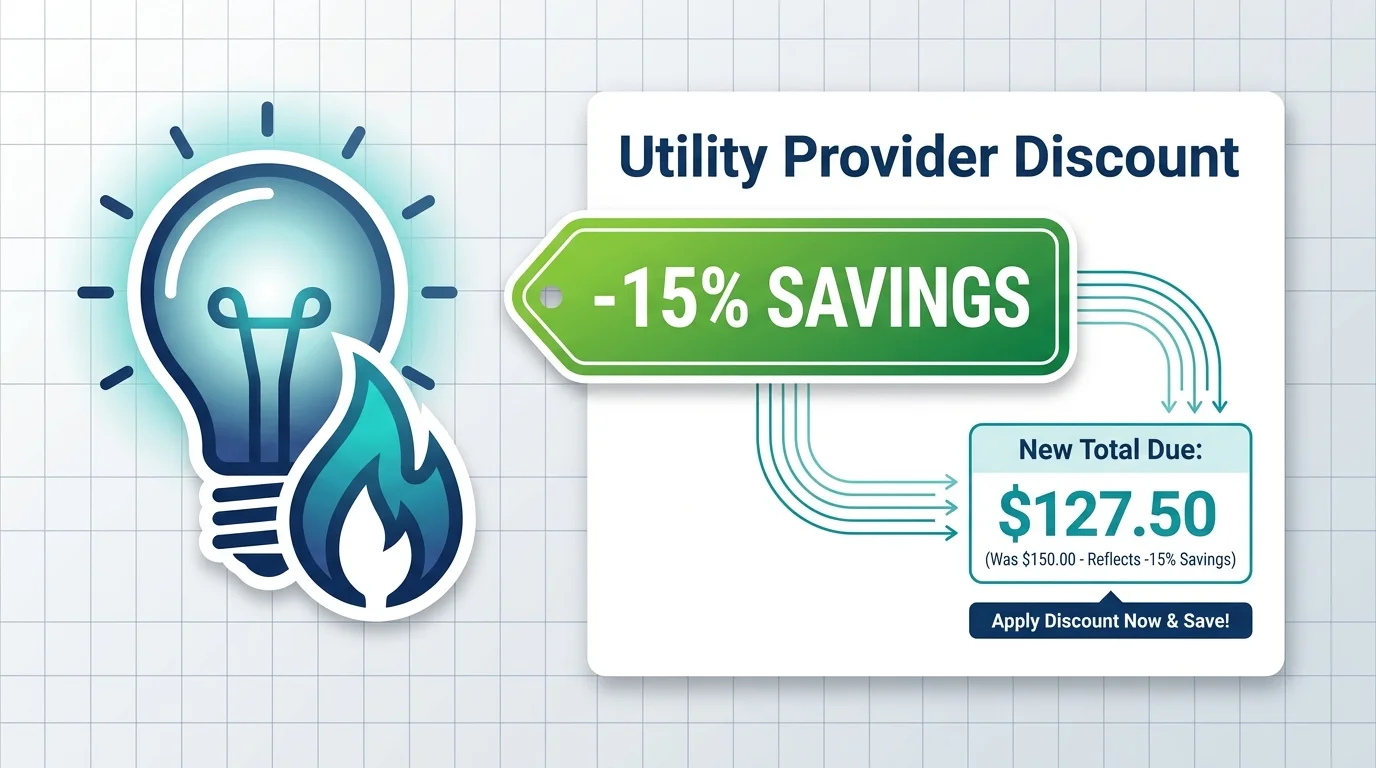
Do not underestimate the power of simply asking your utility company for help. Many major gas and electric companies run their own charitable foundations and discount programs required by state public utility commissions.
For example, in some states, qualifying seniors can receive a 20% to 30% discount on their monthly utility bills through programs like CARE (California Alternate Rates for Energy). Even if you do not qualify for a deep discount, almost all utility providers offer “Budget Billing” or “Levelized Billing.”
Budget billing does not reduce your overall annual cost, but it averages out your payments so you pay the exact same amount every month. This eliminates the shock of a $300 heating bill in January and a $250 cooling bill in August, making it much easier to manage a fixed retirement budget.
6. Medical Baseline Allowance for Essential Equipment
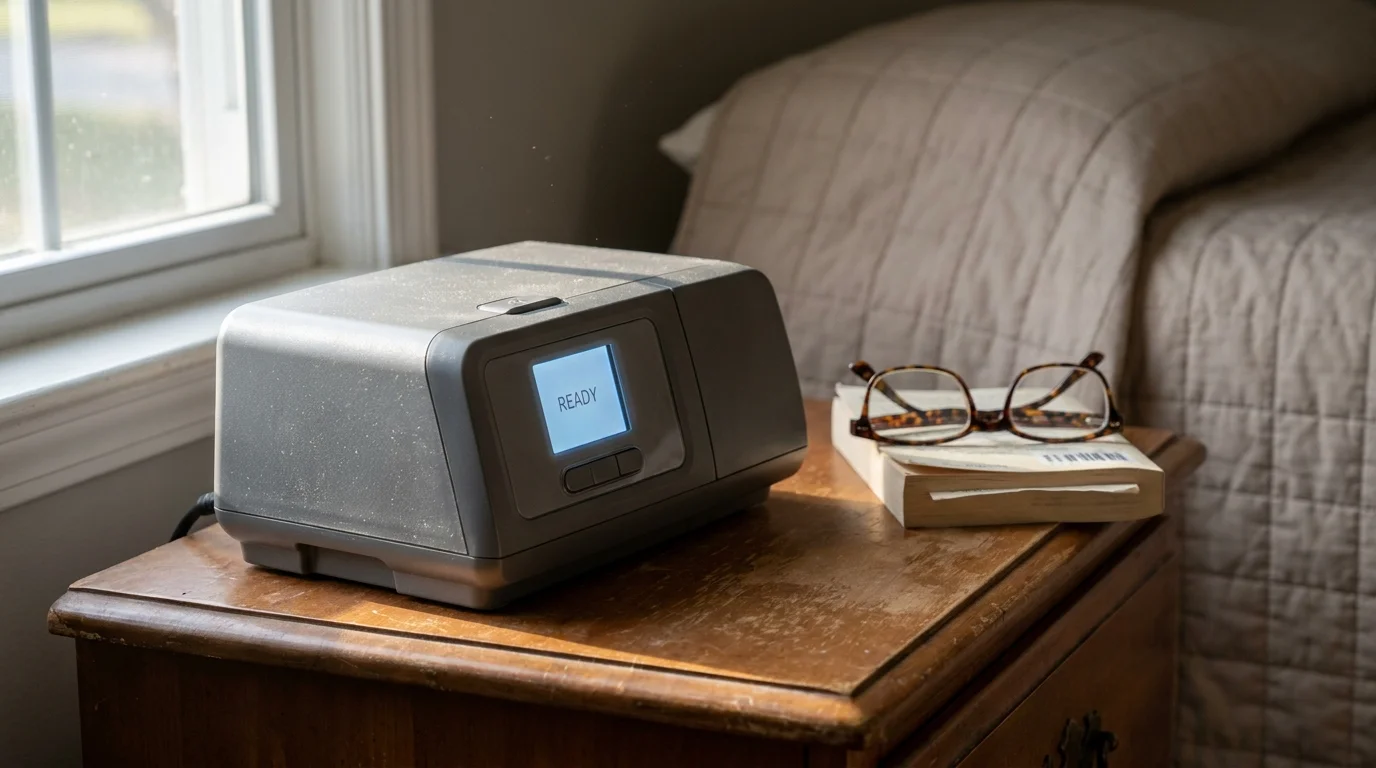
If you have a medical condition that requires the use of electricity-powered equipment, you might be eligible for a Medical Baseline Allowance. This is one of the most overlooked utility programs for older adults.
Utility companies often charge a higher rate for electricity once you exceed a standard “baseline” of usage. If you run a continuous positive airway pressure (CPAP) machine, an oxygen concentrator, a motorized wheelchair, or an electric hospital bed, your energy usage will naturally be higher. A Medical Baseline program provides you with a higher allowance of energy at the lowest possible rate.
Additionally, being on a medical baseline list alerts your utility company that someone in the home depends on electricity for their health. In the event of rolling blackouts or emergency shut-offs, households on the medical baseline list are given priority warnings and are often the first to have their power restored. To apply, you will need a brief form signed by your primary care doctor certifying your need for the equipment.

7. The Salvation Army Utility Relief Programs
When you are facing an immediate crisis—such as a shut-off notice arriving in the mail—government programs like LIHEAP might take too long to process. This is where non-profit organizations step in to bridge the gap.
The Salvation Army operates numerous utility assistance programs across the country, often partnering directly with local energy providers through initiatives like “Share the Warmth.” They can provide one-time emergency grants to pay off arrears and keep your utilities running.
Funding is usually distributed at the local chapter level. Because they operate on donations, funding availability varies throughout the year. If you find yourself in a tight spot, contact your local Salvation Army office; they can often coordinate directly with your utility provider to halt a disconnection while your application is processed.
8. Emergency Funds Through Area Agencies on Aging
The Older Americans Act established a nationwide network designed to support the independence and well-being of seniors. At the heart of this network are the Area Agencies on Aging (AAA).
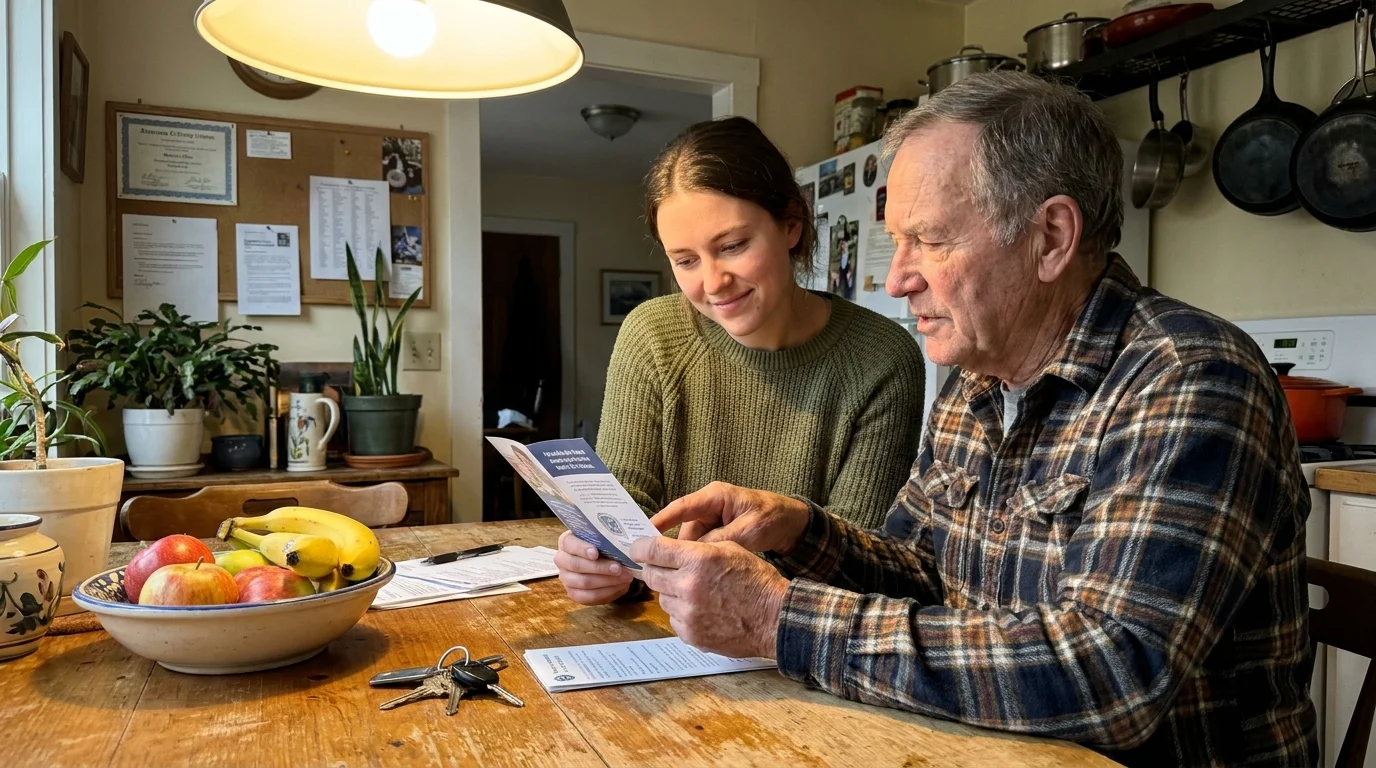
Your local AAA is a central hub for senior resources, and they frequently manage emergency grant funds meant to help older adults stay safely in their homes. If you are struggling with utility bills, home repairs, or even affording groceries, your AAA can connect you with specialized grants that do not require repayment.
According to the Administration for Community Living (ACL), these agencies offer tailored, community-based support that adapts to the specific needs of local seniors. To find the agency serving your specific county or city, you can use the official Eldercare Locator. A quick phone call to their office can open the door to utility assistance, meal deliveries, and transportation services.
9. Local Non-Profit and Faith-Based Charity Funds
Beyond massive national organizations, local charities and faith-based groups are vital resources for seniors needing quick, compassionate assistance. Groups like the Society of St. Vincent de Paul and local community church boards often have “poor boxes” or specific benevolence funds dedicated to helping neighbors keep their lights on.
The Dollar Energy Fund is another excellent non-profit that partners with dozens of utility companies to provide hardship grants. These local charities often have far less red tape and fewer strict application requirements than federal programs. If you are slightly over the income limit for government help but still cannot make ends meet, local charities are often the most flexible and willing to assist based on your actual life circumstances rather than a strict tax bracket.
How to Prepare Your Assistance Application
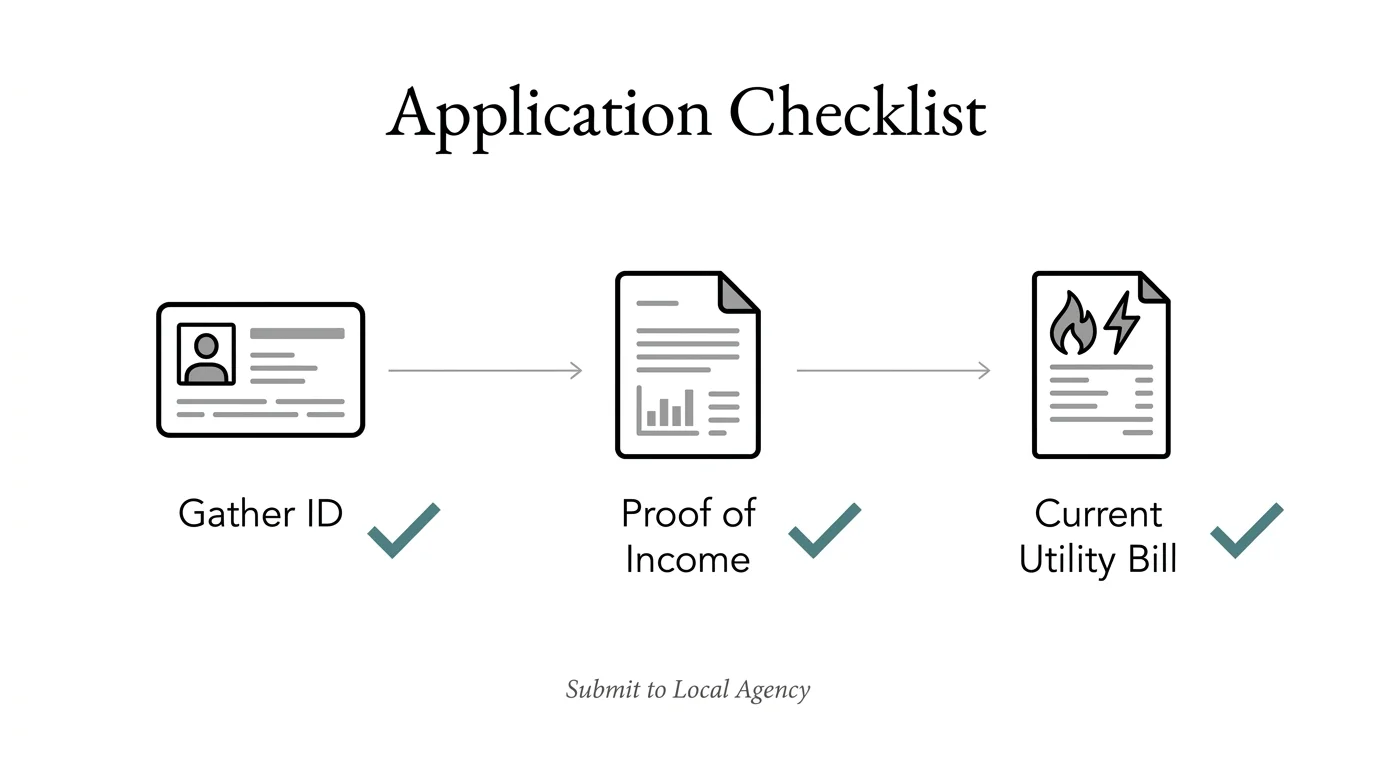
Applying for utility assistance can feel overwhelming, especially when you are asked to provide various forms of documentation. Preparing a dedicated folder with your necessary paperwork ahead of time will make the process much smoother. When reaching out to any of the programs listed above, be prepared to provide:
- Proof of Identity: A state-issued ID, driver’s license, or passport.
- Proof of Income: Your annual Social Security award letter, recent bank statements, or pension statements.
- Current Utility Bills: Your most recent bills showing your account number, the service address, and any past-due balances.
- Shut-off Notices: If you have received a disconnection warning, include it; this often expedites your application for crisis funding.
- Medical Documentation: If applying for a Medical Baseline Allowance, have your doctor’s certification ready.
Do not let the paperwork deter you. Most local community action agencies have caseworkers whose entire job is to help seniors fill out these exact forms. If you need help gathering these documents or filling out an application online, ask a trusted family member or call your local library or senior center for assistance.
How to Spot and Avoid Utility Scams Targeting Seniors
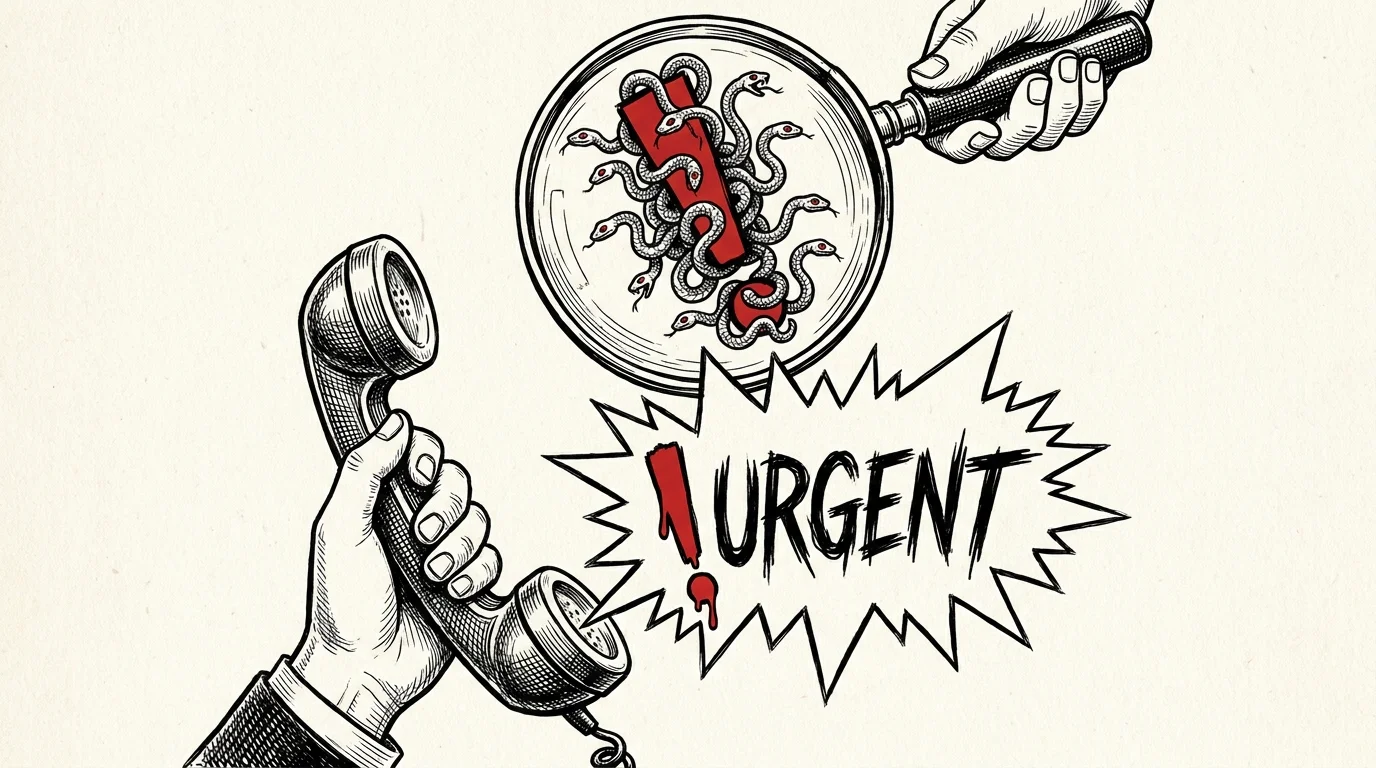
Unfortunately, scammers frequently target older adults by pretending to be utility company representatives. These criminals use sophisticated caller ID spoofing so their phone number appears to be your local energy or water provider. They rely on fear and urgency to steal your money.
The typical scam works like this: You receive a phone call claiming your utility bill is past due and your power will be shut off within the hour unless you pay immediately. The scammer will then demand payment via unconventional methods, such as prepaid gift cards, cryptocurrency, or peer-to-peer payment apps like Zelle or CashApp.
According to the Consumer Financial Protection Bureau (CFPB), legitimate utility companies will never demand payment by gift card or threaten immediate, unannounced shut-offs over the phone. Real utility companies are required by law to send multiple written notices in the mail before terminating your service.
If you receive a threatening call:
- Do not panic. Hang up the phone immediately.
- Do not press any buttons or confirm your personal information.
- Find your most recent utility bill and call the official customer service number printed on it.
- Ask the real representative to check the status of your account.
Protecting your hard-earned money is just as important as finding assistance programs to lower your bills.
Frequently Asked Questions
Will receiving utility assistance affect my Social Security or Medicare benefits?
No. Utility assistance programs like LIHEAP, WAP, and charity grants are considered non-taxable assistance. They do not count as earned income and will not reduce your Social Security checks, impact your Medicare eligibility, or affect your SNAP (food stamp) benefits.
Do I have to own my home to receive weatherization assistance?
No, you do not need to be a homeowner. Renters can also qualify for the Weatherization Assistance Program (WAP) and LIHEAP. However, if you rent, you will need to get written permission from your landlord before the agency can make physical upgrades to the property, such as installing insulation or replacing a furnace.
What if my income is slightly too high for federal programs?
If you are over the income limit for federal programs like LIHEAP, you still have options. Look into your direct utility provider’s hardship programs, as they often have higher income thresholds. Additionally, non-profits like the Salvation Army and local faith-based groups evaluate needs on a case-by-case basis rather than strict federal poverty guidelines.
Can I apply for multiple utility assistance programs at the same time?
Yes, you absolutely can and should. You can receive help from LIHEAP to pay your winter heating bill, enroll in WAP to insulate your home, and sign up for Lifeline to lower your internet bill all at the same time. These programs are designed to work together to provide comprehensive support for seniors.
How often do I need to reapply for these utility programs?
Most utility assistance programs require you to reapply annually to prove you still meet the income requirements. Programs like LIHEAP operate on a seasonal basis, meaning you will need to submit a new application each heating or cooling season. It is a good habit to set a reminder on your calendar each fall to begin your application process.
For additional senior resources, visit
National Institutes of Health (NIH),
Centers for Medicare & Medicaid Services (CMS) and
Social Security Administration (SSA).
Disclaimer: The information in this article is for educational purposes only and is not intended to be a substitute for professional financial, legal, or medical advice. Always consult with a qualified expert for advice tailored to your personal situation.





Leave a Reply