
Going back to school later in life offers a powerful way to stay sharp, meet new people, and explore passions you never had time for during your working years. You do not have to drain your retirement savings to step into a college classroom again. Many top-tier universities and state college systems across the United States legally mandate free or deeply discounted tuition for older adults. Whether you want to officially earn that long-awaited bachelor’s degree or simply audit a fascinating history course for fun, there is a program designed for your stage of life. Exploring these nine specific free college programs can help you successfully launch your next great intellectual adventure without worrying about the high cost of modern tuition.
Why Lifelong Learning Matters for Older Adults
Retirement often brings a sudden abundance of free time. While traveling and relaxing are excellent ways to spend your golden years, many seniors eventually crave intellectual stimulation and structured activities. Returning to a university setting provides a consistent schedule, rigorous mental exercise, and a built-in community of diverse individuals.
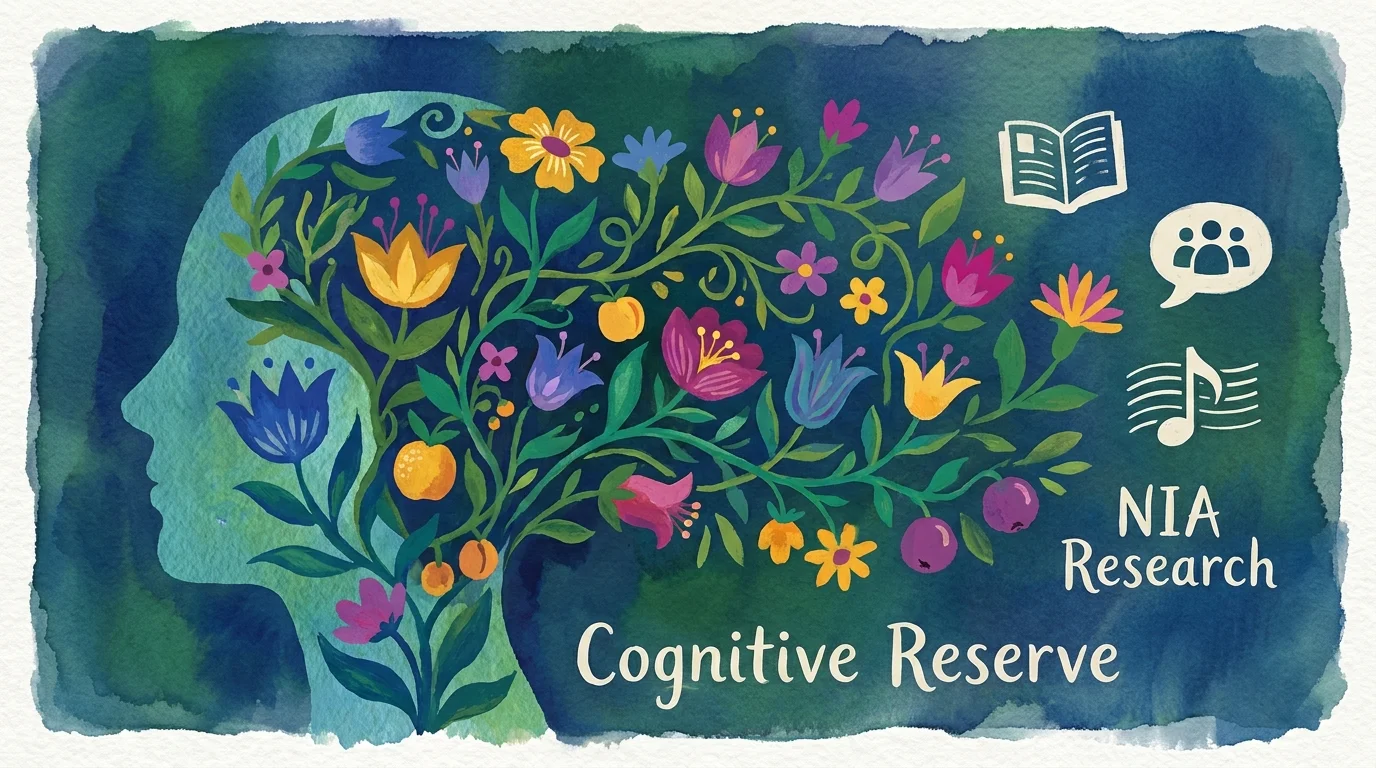
Intellectual engagement is not just a pleasant hobby; it is a critical component of healthy aging. According to the National Institute on Aging (NIA), participating in cognitively stimulating activities—such as learning a new language or taking formal education classes—can help older adults maintain memory skills and potentially delay the onset of cognitive decline. Challenging your brain builds cognitive reserve, which acts as a buffer against the natural aging processes of the mind.
Beyond the cognitive benefits, the college environment naturally combats isolation. Campus life forces you out of your routine. You will engage in spirited debates with younger students, collaborate on projects, and interact with professors who share your specific academic interests. These intergenerational connections foster mutual respect; younger students benefit from your decades of real-world experience, while you gain fresh perspectives on modern culture and technology.
Free College Programs in the South and Mid-Atlantic
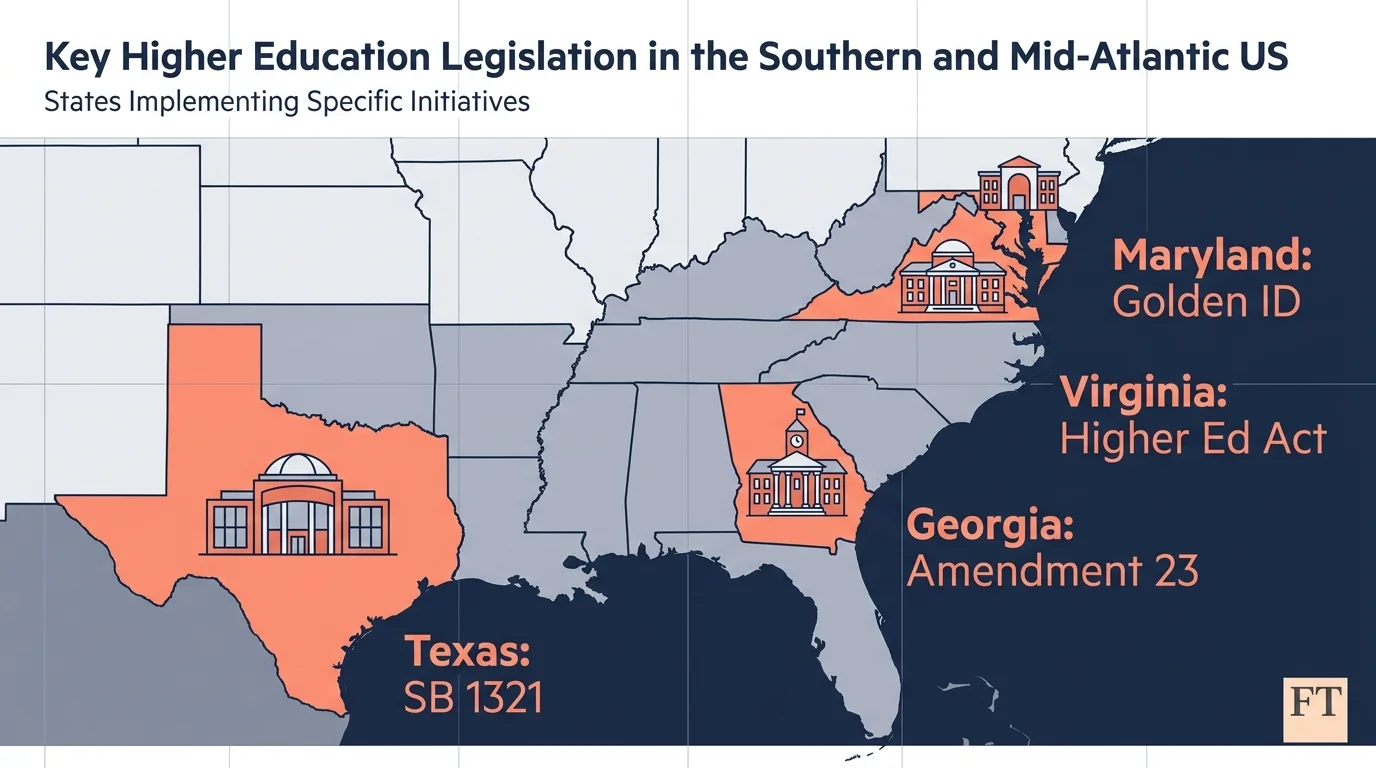
Several states in the southern and eastern United States have passed specific legislation to guarantee educational access for their senior populations. These programs are often mandated at the state level, meaning they apply to dozens of public institutions within the state’s university system.

1. The University System of Georgia (Amendment 23)
Georgia offers one of the most generous educational benefits for seniors in the country. Under a constitutional amendment known as Amendment 23, legal residents of Georgia who are 62 or older can take academic courses at any of the 26 state colleges and universities entirely tuition-free.
Unlike programs in other states that limit seniors to auditing classes, Georgia allows you to fully enroll in degree programs. You can earn a bachelor’s or even a master’s degree without paying tuition. The primary caveat is that enrollment is granted on a space-available basis; you can only register for classes that have empty seats after traditional paying students have registered. You must also meet all standard admission requirements for the institution, which may involve submitting high school or previous college transcripts.

2. University of Texas System (Senate Bill 1321)
Texas provides robust support for lifelong learners through Senate Bill 1321. If you are 65 or older and a resident of Texas, you can take up to six credit hours per semester without paying tuition at public universities across the state. Six credit hours typically equates to two standard college courses per semester.
You can use this waiver for undergraduate or graduate courses, provided you meet the academic prerequisites. Similar to Georgia, the Texas waiver operates on a space-available basis. While tuition is completely waived, you may still be responsible for student fees and laboratory costs, so you should check with the specific university’s bursar office before enrolling.
3. University of Virginia Senior Citizen Higher Education Act
Virginia enacted the Senior Citizen Higher Education Act to ensure that older adults can continue their education regardless of their financial status. Virginia residents who are 60 or older can audit classes—meaning you attend the lectures without taking exams or receiving a grade—completely free of charge, with no income restrictions.
If you want to take courses for academic credit and work toward a degree, the tuition waiver still applies, but it is income-restricted. Your taxable income cannot exceed $23,850 for the year preceding your enrollment. This ensures that the state’s financial resources target seniors on fixed incomes who otherwise could not afford higher education.

4. University of Maryland Golden ID Program
The University of Maryland offers the Golden ID Program for legal state residents who are 60 years of age or older. To qualify, you must be retired and not working more than 20 hours per week.
This program waives tuition for both undergraduate and graduate courses. You have the flexibility to audit courses for personal enrichment or take them for full academic credit. The Golden ID Program is highly respected and deeply integrated into the campus culture, meaning you will find a strong cohort of fellow senior learners. You are also granted access to university facilities, including the massive library system and campus recreation centers.

Tuition-Free Options in the Northeast and Midwest
Institutions in the Northeast and Midwest also boast impressive programs, though they sometimes prioritize either strictly auditing or specifically matriculated degree-seeking seniors.
5. University of Delaware Over-60 Program
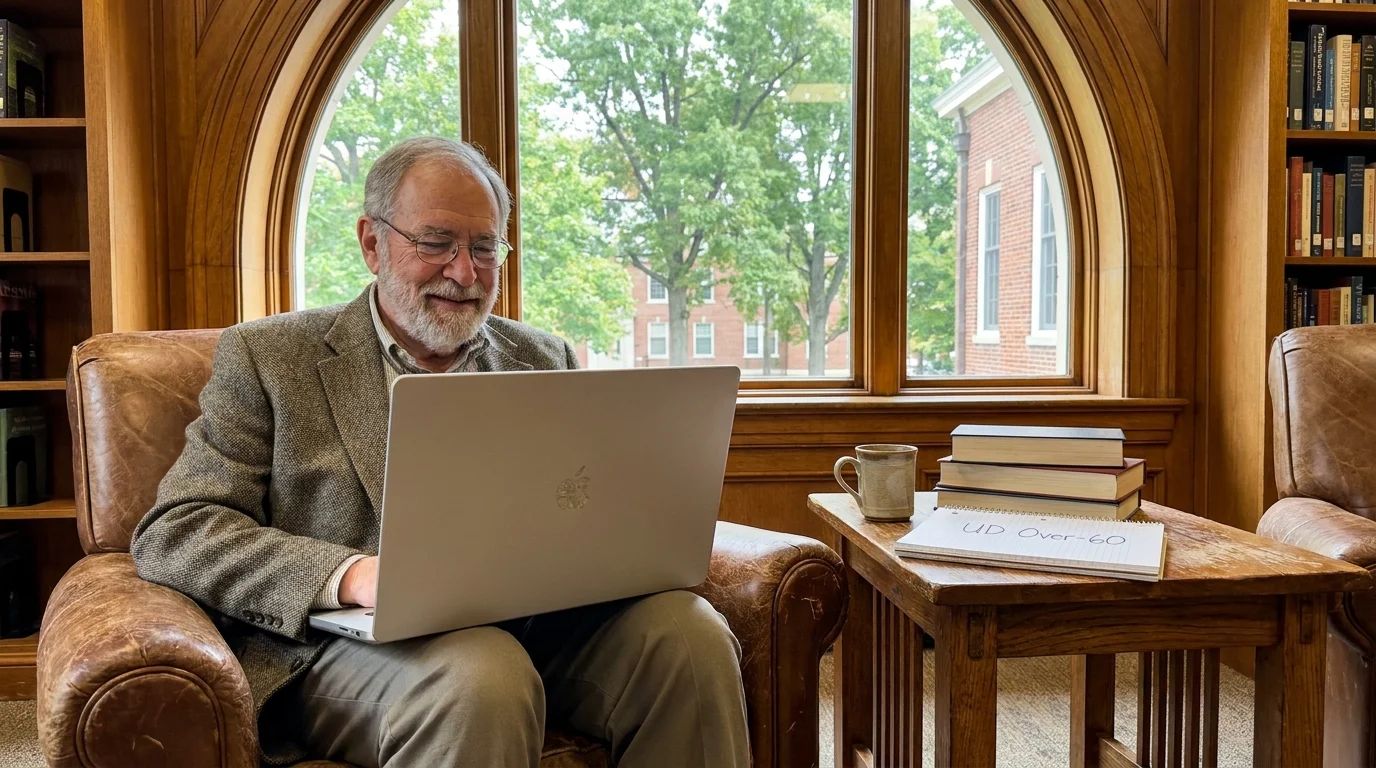
The University of Delaware approaches senior education with a focus on formal degree completion. Their Over-60 Program waives tuition for state residents aged 60 and older who are officially matriculated into an undergraduate or graduate degree program.
This means you cannot simply drop into a single class on a whim; you must apply to the university, be accepted into a specific major, and actively work toward completing that degree. For seniors who have always regretted not finishing college, this program provides the perfect, structured pathway to cross the graduation stage without incurring student debt.

6. Penn State University Go-60 Program
Penn State’s Go-60 Program is designed for Pennsylvania residents aged 60 and older who are retired or working less than half-time. The program waives tuition for both credit and non-credit courses across most of Penn State’s commonwealth campuses.
There are some restrictions to be aware of. The waiver applies strictly to tuition; you must purchase your own textbooks and pay any specific course fees. Furthermore, the Go-60 program operates heavily on a space-available basis, and highly competitive programs—like certain nursing or engineering tracks—may not have seats available for tuition-waiver students.
7. Rutgers University Senior Citizen Audit Program
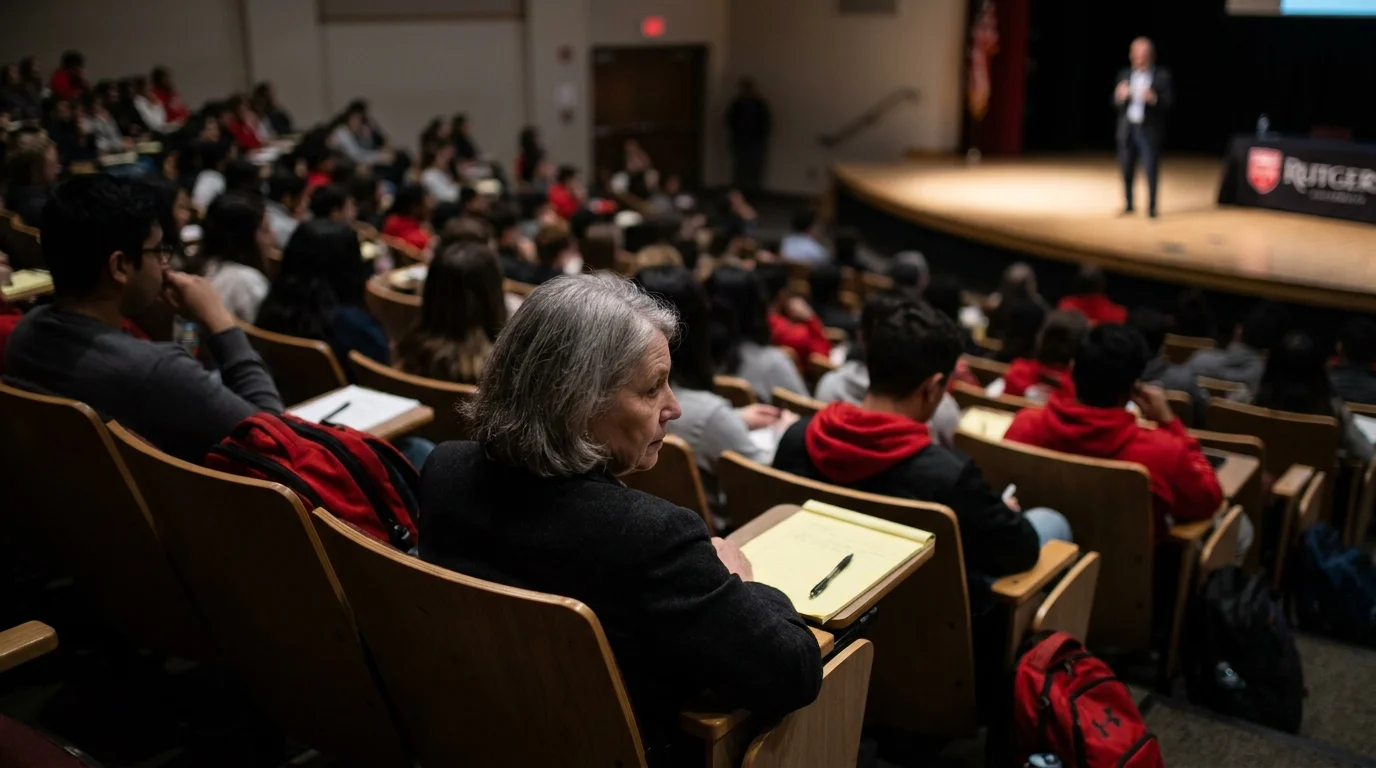
Rutgers, the State University of New Jersey, offers a highly accessible Senior Citizen Audit Program. New Jersey residents aged 62 and older can attend courses on a non-credit, space-available basis at the New Brunswick, Newark, and Camden campuses.
Because this is strictly an auditing program, you will not earn a degree or receive formal grades. However, auditing removes the pressure of midterms and term papers, allowing you to simply absorb the knowledge and participate in class discussions. Rutgers offers an incredibly diverse catalog, making this an excellent choice for seniors interested in niche subjects like art history, philosophy, or political science.
Western State University Offerings for Seniors
The western United States features some of the largest public university systems in the world, and many of these institutions open their doors to older adults.

8. California State University (CSU) Over 60 Program
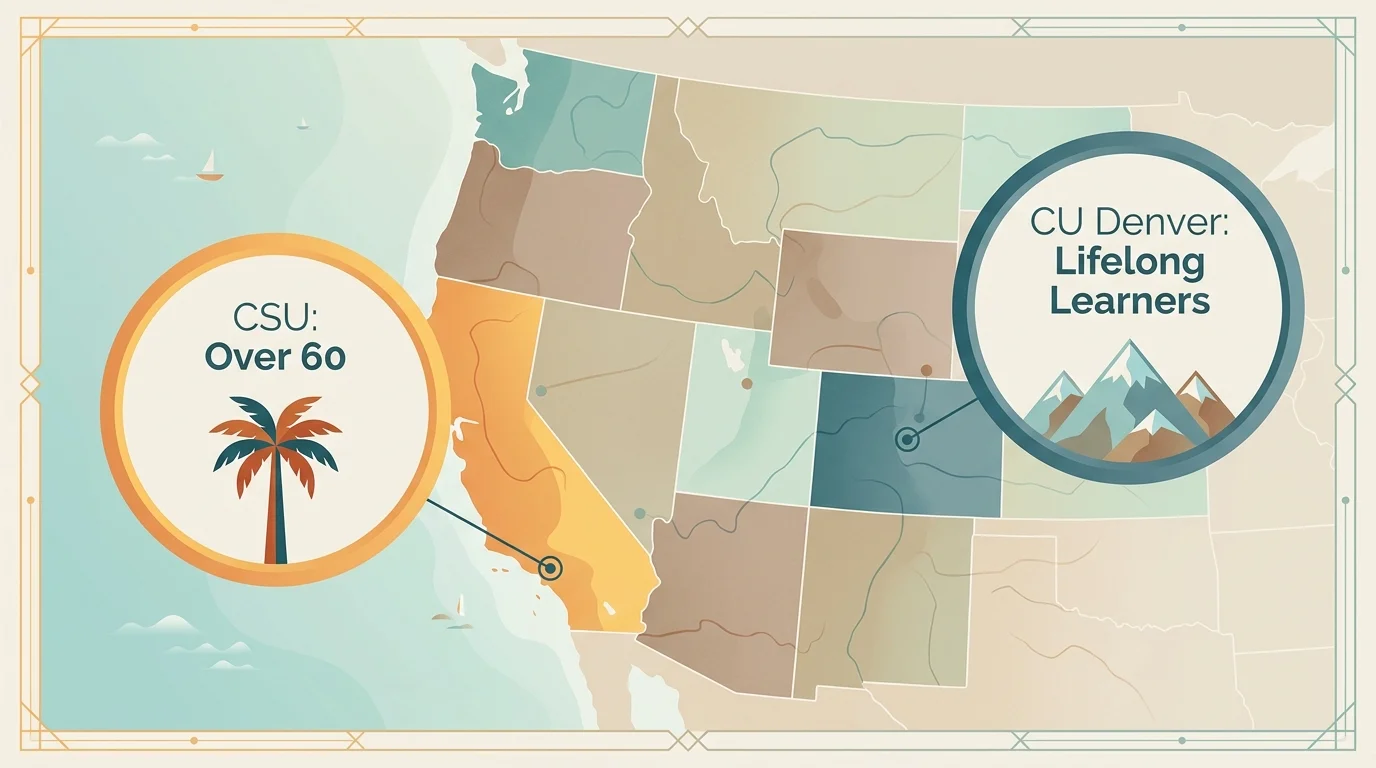
The California State University system—which includes 23 campuses across the state—runs the Over 60 Program. This state-mandated initiative allows California residents aged 60 and older to enroll in regular session undergraduate courses with waived tuition and drastically reduced campus fees.
You can pursue a degree or simply take classes that interest you. However, you must formally apply to the university through the standard admissions process. Because CSU campuses are heavily populated, getting into highly impacted (crowded) majors can be challenging. Working closely with an academic advisor will help you find open classes that fit your interests.
9. University of Colorado Denver Lifelong Learners Program
The CU Denver Lifelong Learners Program allows Colorado residents who are 60 or older to audit courses on a space-available basis. You can attend lectures in the College of Liberal Arts and Sciences without paying traditional tuition rates.
Seniors in this program are not officially enrolled as graded students, which means you do not need to submit formal applications, transcripts, or test scores. You simply review the course catalog, identify a class that has open seats after the standard registration period ends, and secure the professor’s permission to sit in. It is a low-stress, highly enriching way to experience a vibrant downtown campus.
Navigating Hidden Costs and Campus Fees
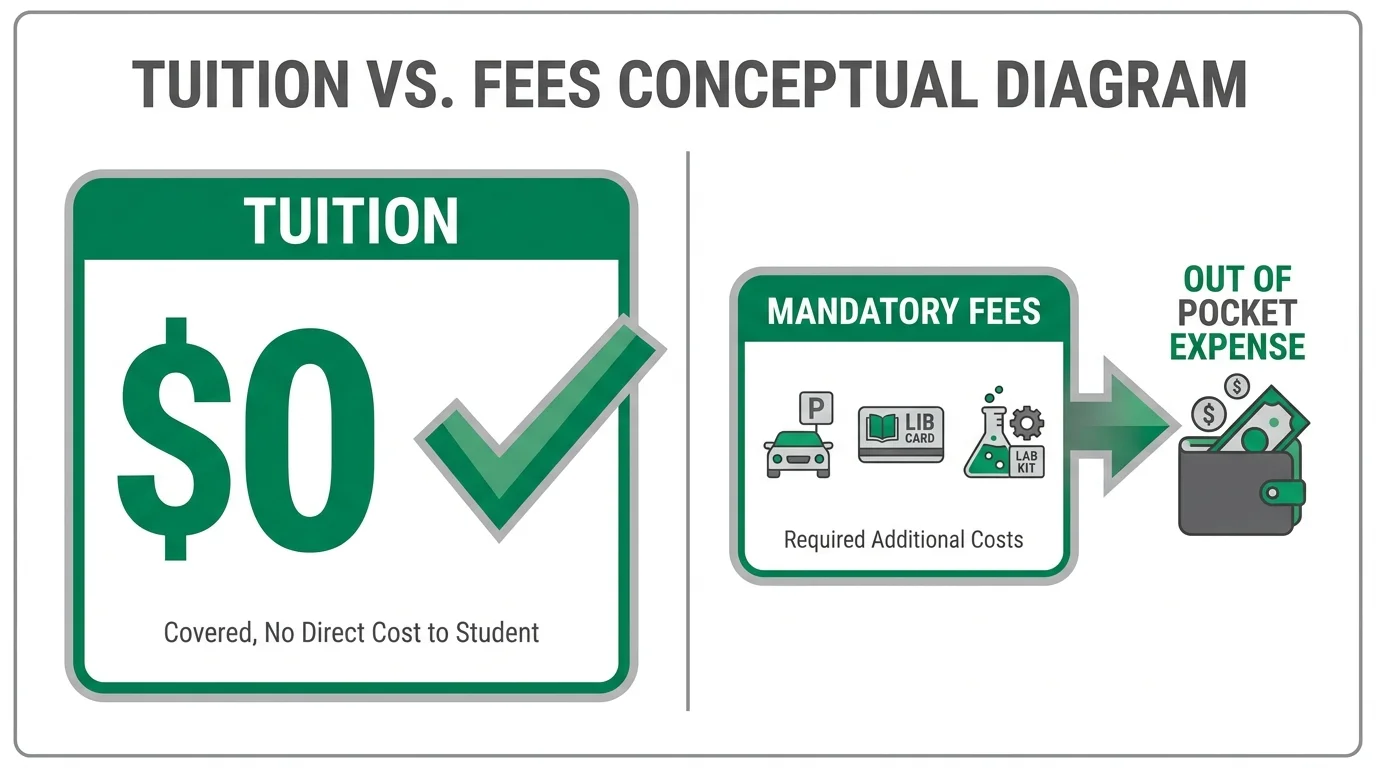
When state laws or university policies waive “tuition,” they are usually referring exclusively to the cost of the academic instruction itself. Unfortunately, modern higher education comes with a variety of administrative and facility fees that are rarely covered by senior waivers. Before you register for a full course load, it is crucial to understand the difference between tuition and auxiliary fees.
If you are living on a strict fixed income, unexpected university fees can disrupt your budget. If you need help managing living expenses while pursuing your education, you can explore state-specific assistance programs through Benefits.gov to ensure your basic needs remain covered.
To help you prepare your educational budget, review the common costs that you may still need to pay out-of-pocket:
| Type of Expense | Typically Covered by Senior Waiver? | Estimated Out-of-Pocket Cost |
|---|---|---|
| Base Tuition (Cost per credit hour) | Yes (100% Waived) | $0 |
| Textbooks and Access Codes | No | $50 – $150 per course |
| Campus Parking Permits | No | $100 – $300 per semester |
| Technology & Facility Fees | Varies (Sometimes reduced) | $25 – $100 per semester |
| Laboratory & Materials Fees | No (Required for science/art) | $30 – $100 per lab |
To minimize these costs, consider renting your textbooks or buying used copies online rather than purchasing them brand new from the campus bookstore. For parking, look into senior discounts on public transit or utilize off-campus parking options if you are capable of a brief walk.

Overcoming Common Senior Student Challenges
Returning to a college campus after a forty-year absence can feel intimidating. The culture, the technology, and the physical demands of campus life have changed drastically. Acknowledging these hurdles is the first step to overcoming them.
- Mastering Educational Technology: Today, almost all courses—even those held entirely in person—rely on digital Learning Management Systems (LMS) like Canvas or Blackboard. You will use these portals to read syllabi, submit assignments, and check announcements. If you are not entirely comfortable with computers, do not panic. Most university libraries offer free IT help desks and tutorials specifically designed to help new students navigate these digital platforms.
- Navigating Campus Bureaucracy: Registering for classes, applying for waivers, and securing a student ID can involve complex paperwork. Approach the admissions and bursar offices with patience. Call ahead to find out exactly which forms you need to prove your age and residency, and ask if there is a specific counselor assigned to adult or non-traditional students.
- Managing Transportation and Mobility: College campuses are notoriously sprawling, and getting from the parking lot to the lecture hall might involve a significant walk. If you have mobility limitations, contact the university’s disability services office. They can arrange for closer parking or accessible seating in lecture halls. If getting to campus proves difficult, the Administration for Community Living (ACL) provides resources to help older adults find local transit options and mobility support services.
- Bridging the Generational Divide: You will likely be the oldest person in the room, which can initially feel isolating. Embrace the difference. According to AARP, intergenerational learning environments enrich the classroom experience for everyone. Do not be afraid to speak up and share your life experiences when they apply to the course material. You will quickly find that younger students and professors alike value the historical context and practical wisdom you bring to theoretical discussions.
Frequently Asked Questions
Do I need to be a state resident to get free tuition?
Yes, almost always. Because these tuition waivers are funded by state taxes, the programs strictly require you to prove legal residency in the state where the university is located. You typically need to have lived in the state for at least one full year prior to enrolling, and you will likely need to show a state-issued driver’s license or voter registration card to qualify.
What is the difference between auditing a class and taking it for credit?
Taking a class for credit means you are functioning as a standard university student: you must complete all homework, take midterm and final exams, and you will receive a permanent letter grade on an official transcript. Auditing a class means you attend the lectures purely for your own personal enrichment. You are not required to take exams or write papers, but you also will not earn college credit toward a degree.
Will returning to school affect my Social Security or Medicare benefits?
No. Simply attending college, whether for credit or as an auditor, has no impact on your Social Security retirement payments or your Medicare eligibility. Your benefits are based on your age and your lifetime earnings record, not your current educational status.
How do I handle online classes if I am not good with computers?
If you prefer to take online classes but lack strong computer skills, start by reaching out to the university’s student support center. They frequently offer orientation sessions that teach you how to log in, mute your microphone on Zoom, and download course materials. You can also ask a tech-savvy family member to walk you through the process the first few times until you build muscle memory and confidence.
Can I earn a full bachelor’s or master’s degree for free?
It depends entirely on the state and the specific university program. States like Georgia, Maryland, and Texas allow seniors to take courses for academic credit, which means you can absolutely accumulate those credits to earn a full degree for free. Other states, like Colorado and New Jersey, restrict their senior programs strictly to auditing, meaning you cannot earn a formal degree through the free waiver.
For additional senior resources, visit
Medicare.gov, National Institute of Mental Health (NIMH), National Institutes of Health (NIH), Centers for Medicare & Medicaid Services (CMS) and Social Security Administration (SSA).
Disclaimer: The information in this article is for educational purposes only and is not intended to be a substitute for professional financial, legal, or medical advice. Always consult with a qualified expert for advice tailored to your personal situation.









Leave a Reply