

Stepping into retirement no longer means leaving the workforce entirely. Finding a second career gives you the perfect chance to boost your fixed income while pursuing passions you delayed during your primary working years. Whether you want to fund extra travel, delay claiming benefits, or simply stay mentally sharp, returning to work on your own terms offers immense value. You hold decades of valuable experience that employers desperately need right now. A fulfilling retirement job allows you to choose flexible hours, remote options, or roles focused entirely on community impact. Explore these ten practical career paths designed specifically for older adults who want to combine purpose with a paycheck.
The Financial and Mental Benefits of Working
Taking on a new job during your retirement years offers profound benefits that extend far beyond a simple paycheck. Work provides a built-in social network, a daily sense of purpose, and an effective way to keep your mind engaged. Transitioning from a high-stress, full-time career to a manageable, fulfilling part-time role gives you the best of both worlds. You gain personal satisfaction without sacrificing your hard-earned freedom.
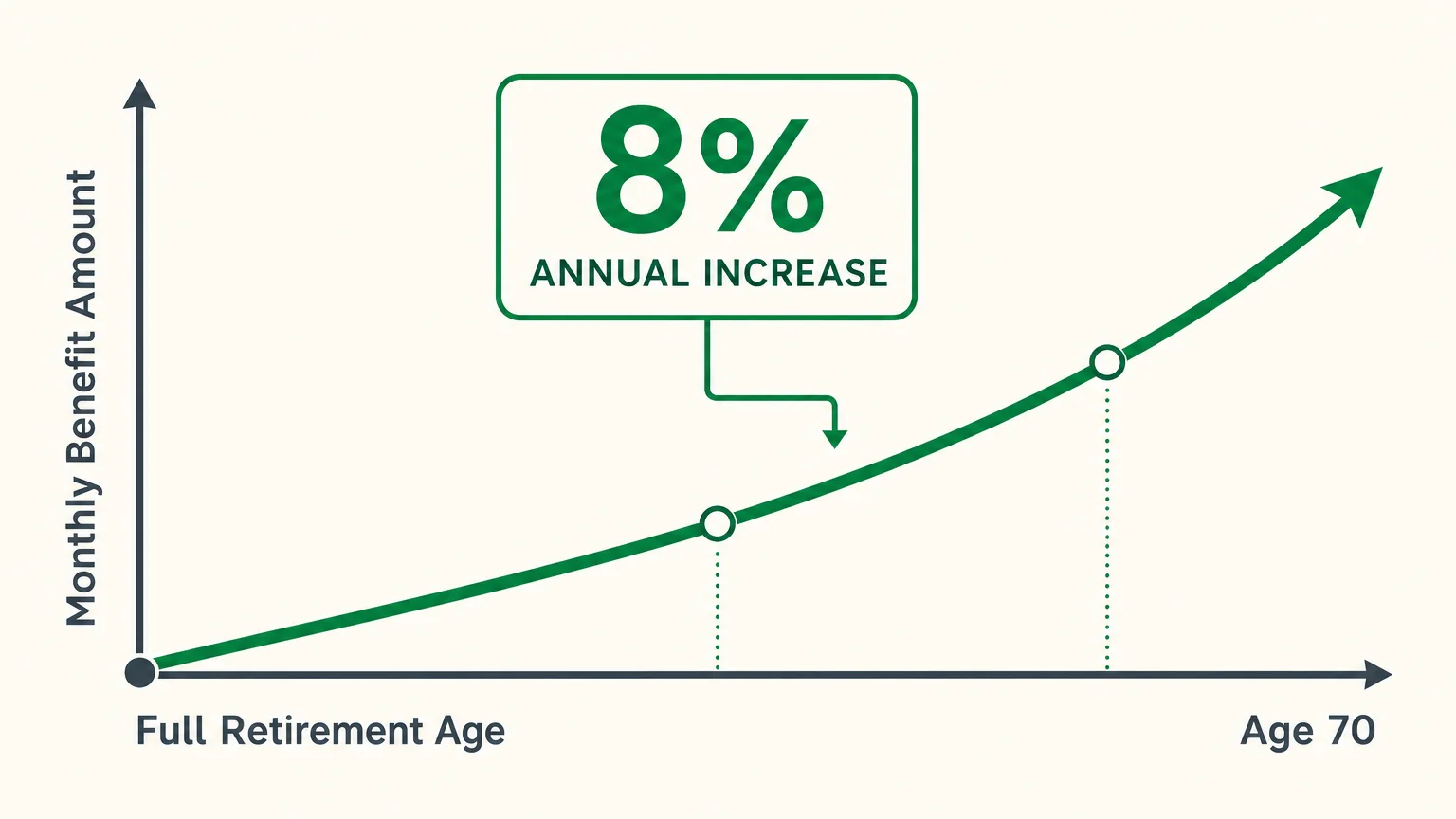
From a financial standpoint, working a few extra years can dramatically improve your long-term security. The extra income allows you to leave your retirement portfolios untouched for a longer period, giving your investments more time to grow. More importantly, continuing to work allows you to delay claiming your Social Security benefits. According to the Social Security Administration (SSA), delaying your claim beyond your full retirement age increases your monthly benefit permanently by 8% for every year you wait, up until age 70.
Furthermore, staying active in the workforce combats the isolation that often accompanies aging. Research from AARP emphasizes that continued social engagement and mental stimulation in the workplace play a major role in maintaining cognitive health. The key is finding a role that fits your lifestyle, physical capabilities, and personal interests.
Second Career Overview Table
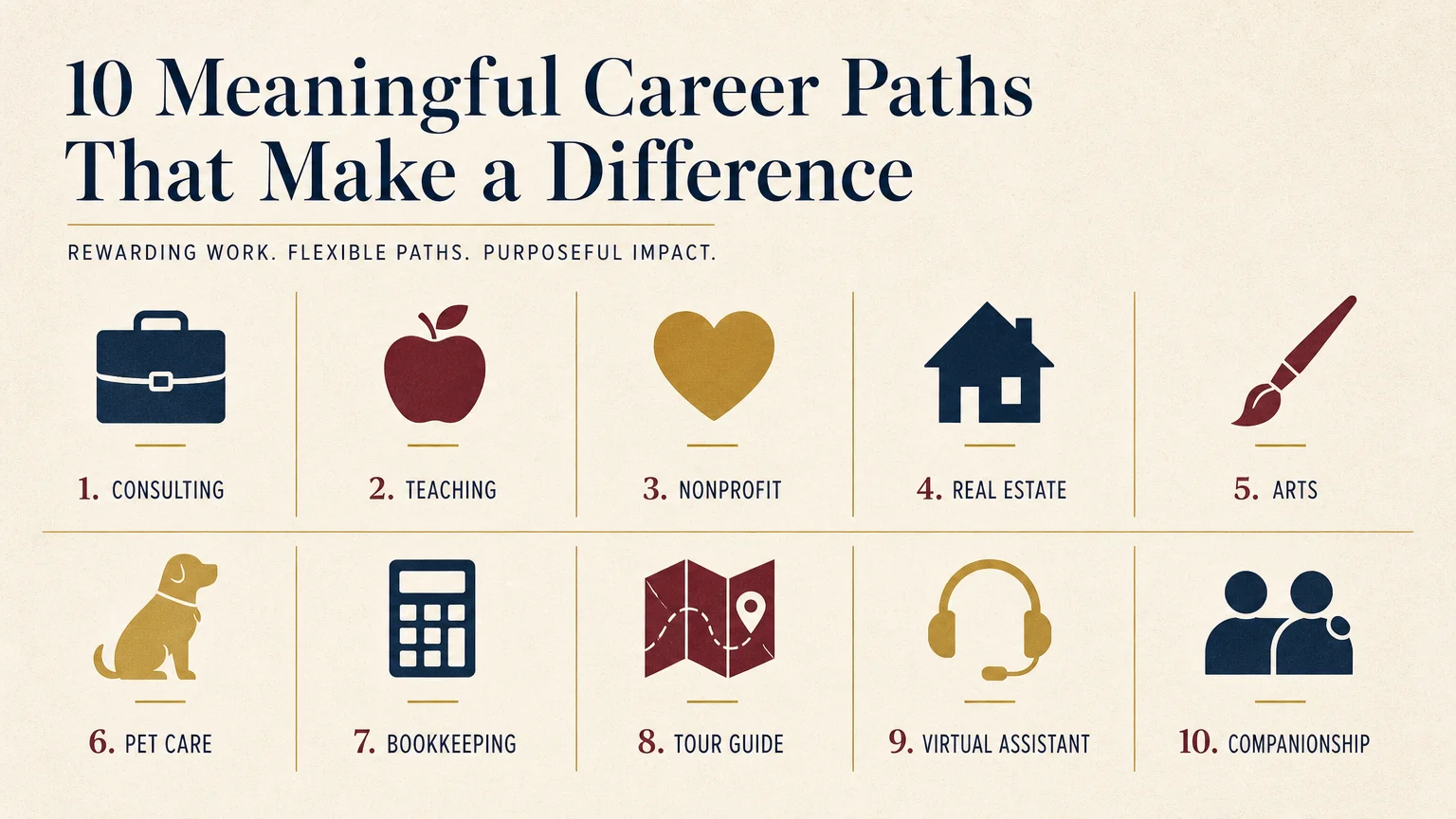
To help you weigh your options quickly, use the comparison table below. It highlights the expected flexibility, earning potential, and the physical demands associated with each career path.
| Career Idea | Schedule Flexibility | Income Potential | Physical Demand |
|---|---|---|---|
| 1. Consulting | High | High | Low |
| 2. Teaching/Tutoring | Medium to High | Medium | Low to Medium |
| 3. Nonprofit Roles | Medium | Low to Medium | Low |
| 4. Real Estate | High | High | Medium |
| 5. Creative Arts | Very High | Variable | Low |
| 6. Pet Care | High | Low to Medium | High |
| 7. Bookkeeping | High | Medium | Low |
| 8. Tour Guide | Medium | Medium | High |
| 9. Virtual Assistant | High | Medium | Low |
| 10. Companionship | High | Low to Medium | Medium |

1. Turn Your Lifetime of Experience into Consulting
If you spent decades mastering a specific industry, you possess a level of expertise that younger companies desperately need. Consulting allows you to package your knowledge and sell it to businesses on your own schedule. Instead of managing a large team or dealing with company politics, you step in to solve specific problems, provide strategic advice, and then step away.
Consulting works well for former executives, engineers, marketers, and human resources professionals. You can start by reaching out to your former employer or tapping into your professional network on platforms like LinkedIn. Since you set your own hourly or project rate, consulting often yields the highest hourly income among second careers. Plus, it requires almost zero upfront investment—all you need is a computer, a phone, and your brain.

2. Guide the Next Generation as a Teacher or Tutor
Passing down knowledge brings immense personal satisfaction. If you enjoy explaining concepts and working with young people, teaching or tutoring serves as an excellent retirement job. You do not necessarily need a formal education degree to get started.
Local school districts frequently experience substitute teacher shortages. Many districts only require a bachelor’s degree and a clean background check. Substitute teaching lets you choose exactly which days you want to work. If you prefer to stay home, consider online tutoring. Platforms exist that connect older adults with students who need help in math, science, or English. You can tutor college students in writing or teach English as a second language to children overseas, all from the comfort of your home office.

3. Find Purpose in Nonprofit and Community Leadership
Many retirees want to spend their later years giving back to causes they care about. Transitioning into the nonprofit sector provides a powerful sense of mission. Charitable organizations, animal shelters, food banks, and environmental groups constantly need experienced professionals to help run their operations smoothly.
Nonprofits often operate on tight budgets and value the diverse skills older workers bring. You might take on a role as a part-time grant writer, a volunteer coordinator, or an event planner. Even if the pay does not match corporate salaries, the emotional reward of improving your community makes this one of the most popular second career choices.

4. Build Flexible Income in Real Estate
Real estate offers incredible flexibility, making it a natural fit for energetic retirees. As a real estate agent, you serve as an independent contractor, meaning you dictate your own hours and decide how many clients you want to take on. You can choose to work part-time, perhaps helping just one or two clients a month buy or sell a home.
Becoming an agent requires taking a pre-licensing course and passing a state exam, which usually takes a few months to complete. If selling homes sounds too demanding, you can explore property management. Many property investors need reliable, level-headed individuals to manage tenant communications, schedule repairs, and collect rent. This path keeps you actively engaged with people and your local community.

5. Monetize Your Hobbies in the Creative Arts
Retirement gives you the gift of time—time to rediscover hobbies you previously neglected. If you love woodworking, painting, knitting, baking, or writing, you can turn these passions into a profitable small business. The internet makes reaching customers easier than ever before.
You can set up an online storefront on websites designed for handmade goods, allowing you to sell your crafts globally. Alternatively, you can rent a booth at local farmer’s markets or weekend craft fairs. Selling your art provides an avenue to socialize with customers while bringing in extra spending money. The best part of this career path is that it never truly feels like work.

6. Stay Active with Pet Care and Dog Walking
For seniors who want to stay physically active and love animals, pet sitting and dog walking offer a delightful second career. Daily walking is excellent for your cardiovascular health, and spending time with animals is proven to lower stress and blood pressure.
You can start by offering your services to neighbors or by signing up on popular pet-sitting apps. These platforms handle the billing and connect you directly with local pet owners. If walking large, energetic dogs poses a physical challenge, you can strictly offer drop-in cat care or host small, older dogs in your own home while their owners travel.
7. Manage Finances as a Part-Time Bookkeeper
If you have an eye for detail and a background in administration or finance, small business bookkeeping is a highly sought-after service. Every small business owner needs help tracking expenses, categorizing receipts, and preparing basic financial reports for tax season.
You can easily perform bookkeeping duties from a home office using cloud-based accounting software. Many retirees take a brief certification course in popular accounting software to refresh their skills. Because businesses need ongoing financial tracking, bookkeeping provides a very steady, reliable stream of part-time income month after month.

8. Share Your Local Knowledge as a Tour Guide
Do you live in a historically rich city, near a national park, or in a bustling tourist destination? Working as a local tour guide allows you to share your passion for history and culture with interested visitors. This role requires excellent storytelling skills, a friendly demeanor, and a willingness to walk or stand for a few hours at a time.
Historical societies, museums, and private tour companies frequently hire older adults because they project authority and possess deep, lifelong knowledge of the area. If leading walking tours is too physically taxing, look into bus tour commentary roles or museum docent positions where you can remain seated while educating the public.

9. Work from Home as a Virtual Assistant
The rise of remote work has created a massive demand for virtual assistants (VAs). Entrepreneurs and busy executives hire VAs to handle administrative tasks they simply do not have time to manage. As a VA, your duties might include answering emails, scheduling meetings, making travel arrangements, or managing basic social media posts.
This is an excellent option if you possess strong computer skills and prefer working from your living room. You control your client load, meaning you can work ten hours a week or thirty, depending on your financial needs. To succeed as a virtual assistant, you should feel comfortable navigating video calls, shared calendars, and digital communication tools.

10. Offer Empathy Through Senior Companionship
Many older adults require light assistance to continue living independently in their homes. Non-medical senior companionship involves spending time with individuals who might be suffering from loneliness or mobility issues. Your tasks typically involve engaging in conversation, playing board games, preparing light meals, or driving them to medical appointments.
Because you understand the aging process, you offer a unique level of empathy that younger caregivers simply cannot match. If you are interested in community-based senior services, the Eldercare Locator is a wonderful resource to find local agencies that hire reliable, compassionate companions. It is a profoundly meaningful way to help others maintain their dignity while earning a steady wage.
Protecting Yourself from Employment Scams
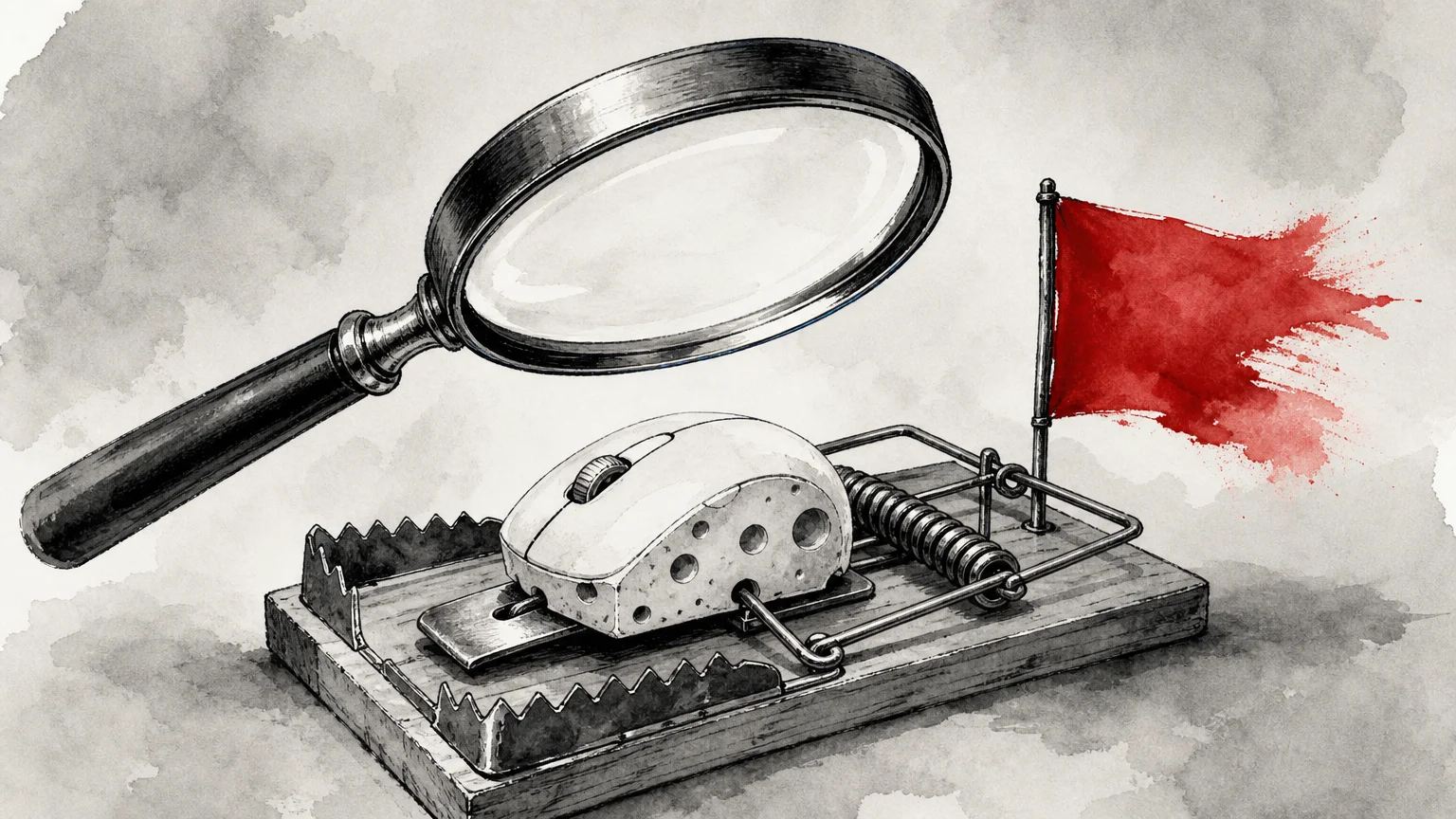
As you begin searching for your second career, you must remain vigilant. Unfortunately, scammers frequently target seniors seeking part-time or remote work. They disguise themselves as legitimate employers on popular job boards, hoping to steal your personal information or your money.
Always trust your instincts. If a job promises unusually high pay for very little effort, it is almost certainly a scam. A common trap is the “advance-fee” scam. In this scenario, a fake employer sends you a large check to purchase home office equipment, instructing you to wire the remaining funds back to their “approved vendor.” The original check will eventually bounce, and the bank will hold you responsible for the wired funds.
According to the Consumer Financial Protection Bureau (CFPB), a legitimate employer will never ask you to pay money to get a job, nor will they charge you for training materials. Never provide your Social Security number or banking details until you have verified the company’s legitimacy and signed official tax documents.
Frequently Asked Questions
Will working a second career reduce my Social Security benefits?
If you have already reached your Full Retirement Age (FRA), you can work and earn as much as you want without any reduction in your Social Security benefits. However, if you claim benefits before reaching your FRA, the Social Security Administration applies an earnings limit. If you earn above that limit, they will temporarily withhold a portion of your benefits. These withheld funds are not lost forever; your monthly benefit will be recalculated and increased once you reach your FRA.
Do I need to go back to college to start a second career?
In most cases, no. Employers value your lifetime of practical experience, reliability, and work ethic more than a recent degree. While some specialized fields might require a brief certification course (such as real estate licensing or bookkeeping software training), you rarely need to commit to a multi-year degree program. Focus on highlighting your existing transferable skills when applying.
How should I format my resume for a retirement job?
Focus your resume on relevance rather than length. You do not need to list every job you have held since the 1980s. Instead, highlight the last ten to fifteen years of your career, emphasizing the specific skills that apply to the new role you want. Use a functional resume format to showcase your expertise, leadership, and adaptability, which helps minimize concerns about age discrimination.
Will working part-time affect my Medicare coverage?
Earning extra income will not cause you to lose your basic Medicare coverage. However, if your new job provides employer-sponsored health insurance, you will need to coordinate those benefits with your Medicare plan. Additionally, if your new career is highly lucrative, significantly increasing your overall income, you might be subject to the Income-Related Monthly Adjustment Amount (IRMAA), which temporarily increases your Medicare Part B and Part D premiums.
Are there remote job options specifically suited for seniors?
Absolutely. The remote work landscape has exploded in recent years. Roles such as virtual assistant, online tutor, freelance writer, customer service representative, and telehealth coordinator are all highly accessible from home. Working remotely is especially beneficial if you face mobility challenges, lack reliable transportation, or simply prefer skipping a daily commute.
For additional senior resources, visit
National Institute of Mental Health (NIMH), National Institutes of Health (NIH), Centers for Medicare & Medicaid Services (CMS) and Social Security Administration (SSA).
Disclaimer: The information in this article is for educational purposes only and is not intended to be a substitute for professional financial, legal, or medical advice. Always consult with a qualified expert for advice tailored to your personal situation.








Leave a Reply