

Air travel in 2026 presents unique opportunities and distinct challenges for older adults seeking comfort, accessibility, and straightforward navigation. Knowing which terminals prioritize your needs can transform a stressful travel day into a seamless start to your vacation. The best U.S. airports now offer dedicated quiet spaces, advanced mobility assistance, and clearly marked walkways that reduce physical strain. In contrast, overcrowded hubs with endless concourses and outdated facilities can quickly exhaust even the most experienced travelers. By carefully selecting your connecting flights and departure cities, you take control of your journey. Understanding current airport rankings empowers you to bypass unnecessary hurdles, maximize your comfort, and focus entirely on the joy of reaching your final destination safely.

What Makes an Airport Truly Senior-Friendly in 2026?
The landscape of air travel in 2026 has evolved significantly. While many terminals boast state-of-the-art technological upgrades, true convenience for older adults comes down to sensible design and accessible amenities. A senior-friendly airport minimizes the physical and mental friction of travel from the moment you step out of your vehicle to the moment you board the aircraft.
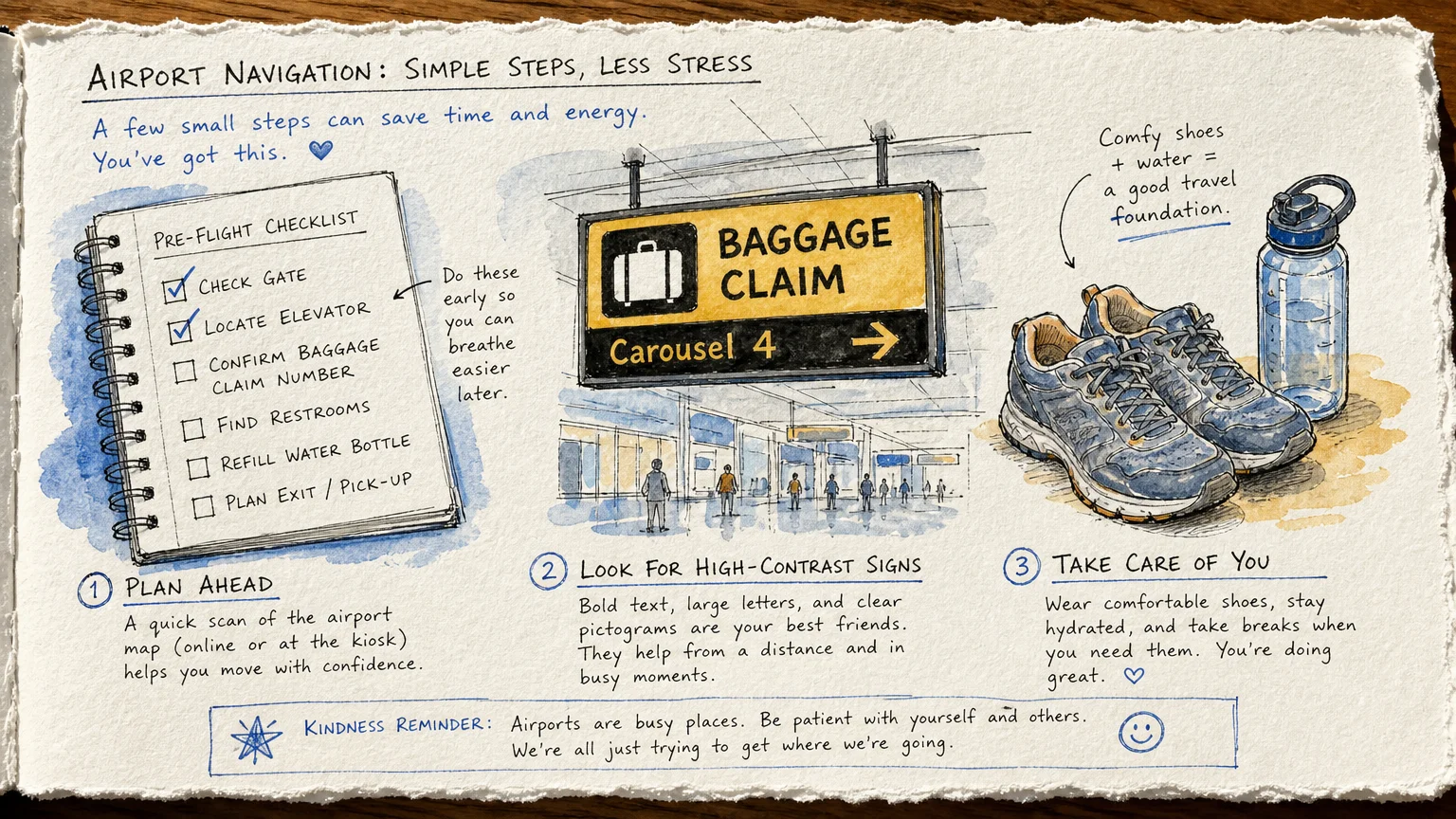
Walking distances remain a primary concern. The most accommodating airports feature compact designs or highly efficient internal transit systems—such as trams or moving walkways—that limit the steps required to reach your gate. Clear, high-contrast signage is equally vital. When you can easily read directions to baggage claim, restrooms, and ground transportation, you avoid unnecessary detours and save your energy.
Restrooms and seating areas also dictate an airport’s livability. You should look for terminals that offer abundant, comfortable seating near the gates, complete with charging stations for your devices and medical equipment. Additionally, frequent and well-maintained restrooms equipped with grab bars and ample space for mobility aids make a significant difference during a long layover.
Finally, human assistance remains irreplaceable. While automated bag drops and digital boarding passes speed up lines for some, the best American airports maintain dedicated staff to assist travelers who prefer or require face-to-face support. Helpful customer service personnel can resolve sudden flight changes much faster than a generic kiosk.
Top-Rated U.S. Airports for Comfort and Accessibility
When planning your travel routes, passing through an efficient and welcoming terminal drastically improves your experience. Recent airport rankings place a heavy emphasis on user experience, and several facilities consistently stand out for accommodating older adults.
| Airport Name | Airport Code | Why It Excels for Older Travelers |
|---|---|---|
| Tampa International Airport | TPA | Features a brilliant hub-and-spoke layout. A central terminal connects to gates via quick monorail rides, drastically reducing walking distances. |
| Portland International Airport | PDX | Renowned for its calming environment, natural lighting, and plush seating. Staff are consistently rated as highly approachable and helpful. |
| Salt Lake City International | SLC | Following recent massive renovations, it offers wide, uncluttered walkways, extensive moving sidewalks, and impeccable directional signage. |
| Minneapolis-St. Paul International | MSP | Offers a dedicated special assistance center, quiet seating zones, and highly efficient electric cart services between distant gates. |
Tampa International Airport frequently tops the list for senior travelers due to its intuitive design. You park or get dropped off at the central hub, take a short elevator ride, and hop on an automated tram directly to your concourse. This completely eliminates the mile-long treks common at other facilities.
Portland International Airport incorporates stress-reducing elements directly into its architecture. The abundance of natural wood, indoor greenery, and quiet zones helps lower travel anxiety. If you have a layover here, you will find comfortable lounge chairs and plenty of accessible dining options that do not require navigating steep stairs or crowded escalators.

Airports to Approach With Caution During Your Travels
Not all terminals have adapted well to the needs of modern travelers. Some of the worst US airports in 2026 suffer from chronic overcrowding, endless construction, and layouts that demand high physical exertion. When possible, you should try to avoid booking connections through these challenging hubs.
Newark Liberty International Airport (EWR) routinely frustrates older adults. Despite recent terminal upgrades, the transitions between different concourses often require exiting security, taking crowded shuttle buses, and re-clearing TSA. The sheer volume of passengers can make securing wheelchair assistance a slow, unpredictable process.
Chicago O’Hare International Airport (ORD) is massive, meaning gate changes—which happen frequently due to weather delays—can force you to walk up to a mile. While O’Hare offers electric carts, the dense crowds often slow these vehicles down, leaving you anxious about missing your connecting flight. The noise levels and frantic pace here are often overwhelming.
Los Angeles International Airport (LAX) presents significant hurdles before you even reach the building. Traffic congestion loops around the terminals can delay your arrival, adding immense stress. Inside, transferring between international and domestic flights usually involves walking outside along crowded sidewalks with your luggage, a demanding task for anyone managing physical limitations.
Hidden Challenges Older Travelers Face at the Terminal
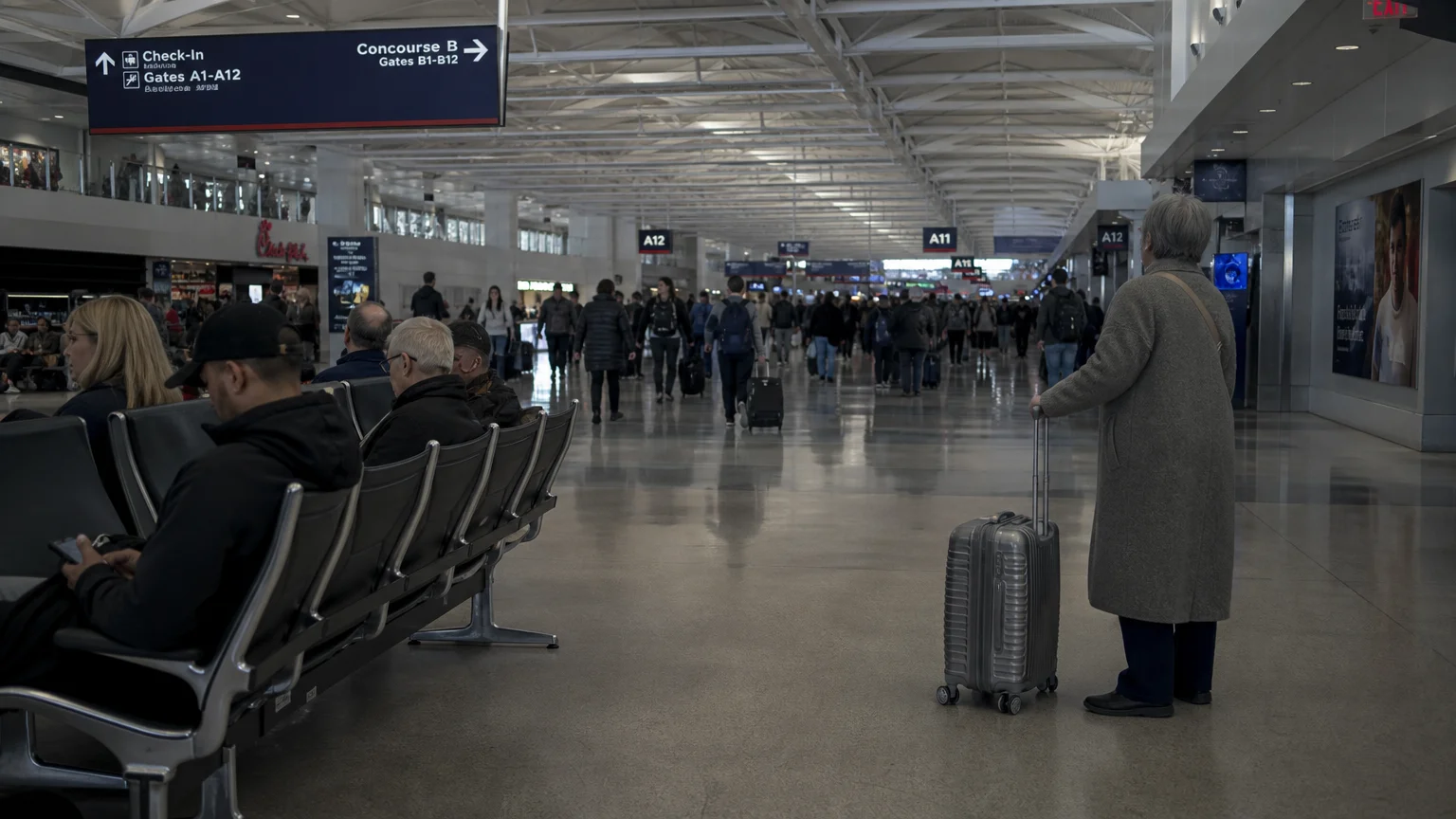
Travel disruptions affect everyone, but older adults often face specific, hidden challenges that younger travelers might not notice. Recognizing these hurdles helps you prepare and advocate for yourself effectively.
The rapid shift toward digital-only services poses a significant barrier. Many airport restaurants in 2026 require you to scan a QR code, order on your smartphone, and pay digitally. If you prefer reading a physical menu or paying with cash, your dining options may be frustratingly limited. Bringing your own snacks or researching terminal restaurants in advance can save you from an empty stomach during a long wait.
Physical stamina is another critical factor. Airports often look deceptively small on a map. A walk from the security checkpoint to your departure gate can easily exceed twenty minutes. Carrying heavy shoulder bags or dragging uncooperative luggage compounds this physical strain. Checking your bags or investing in high-quality, four-wheeled spinner luggage greatly reduces the burden on your back and joints.
Furthermore, climate control inside terminals is notoriously inconsistent. You might sweat while rushing through security, only to freeze while sitting at a drafty gate for two hours. Dressing in light, breathable layers ensures you can adapt to these sudden temperature changes comfortably.
Common Mistakes to Avoid When Booking Your Flights
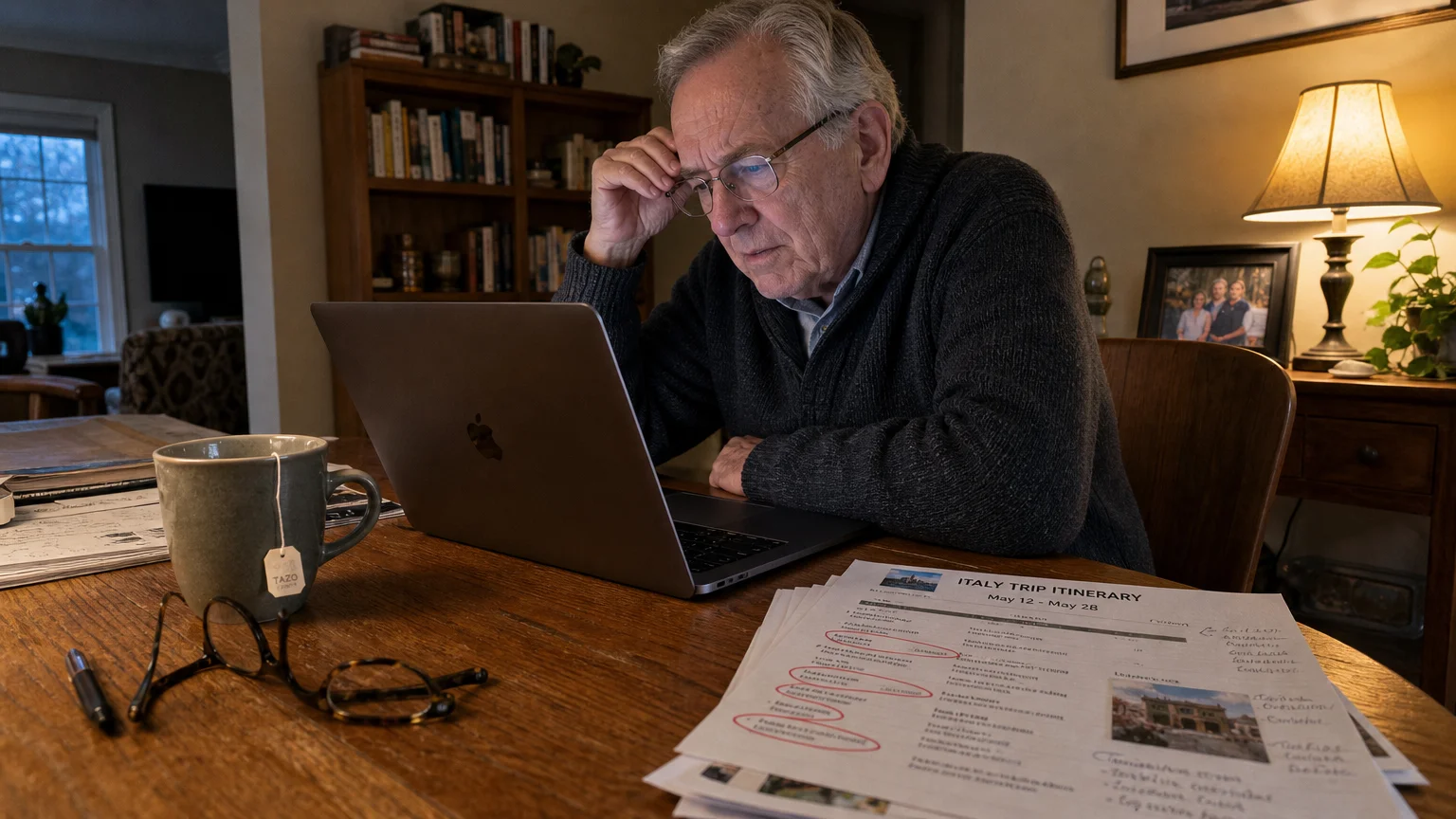
A stress-free airport experience begins weeks before you pack your bags. Simple errors during the booking process can turn a pleasant trip into a logistical nightmare. One of the most common mistakes is booking flights with very tight layovers.
A forty-five-minute connection might seem efficient, but it leaves zero room for delays. If your first flight lands late, or if you need to travel from Terminal A to Terminal C at a large hub, you will likely miss your connection. You should always aim for layovers of at least ninety minutes to two hours. This provides a comfortable buffer for restroom breaks, grabbing a meal, and moving at your own pace.
Another major pitfall is purchasing tickets through third-party discount websites instead of directly from the airline. While you might save a few dollars upfront, third-party bookings often complicate matters if you need to request wheelchair service, change your flight, or seek a refund. Experts at AARP strongly recommend purchasing comprehensive travel insurance and booking directly with airlines to avoid customer service runarounds.
Finally, failing to select your seat at the time of booking can lead to unnecessary discomfort. If you wait until check-in, you might be assigned a middle seat at the back of the plane, far from the restrooms. Paying a little extra to secure an aisle seat near the front allows for quicker boarding and deplaning.
Practical Tips for Navigating Airports With Ease
Taking control of your travel day requires a proactive approach. Arriving at the airport with ample time is the golden rule. For domestic flights, arriving two to three hours before departure allows you to navigate check-in, baggage drop, and security without glancing anxiously at your watch.
You can also expedite your journey by enrolling in trusted traveler programs like TSA PreCheck. This service allows you to keep your shoes, light jackets, and belts on during security screening. You also get to leave your laptop and compliant liquids inside your carry-on bag. The physical relief of not having to unpack and repack your belongings while holding up a line is well worth the enrollment fee.
Consider utilizing luggage delivery services if managing heavy bags is a concern. Several companies now offer door-to-door luggage shipping, picking up your suitcases from your home and delivering them directly to your hotel. Traveling with only a small personal item transforms how you move through crowded terminals.
Research from National Institute on Aging (NIA) emphasizes that reducing anxiety and maintaining a calm pace can significantly improve your overall well-being during stressful events like travel. By utilizing these convenience services, you preserve your energy for the enjoyable parts of your trip.

Understanding Airport Wheelchair and Mobility Services
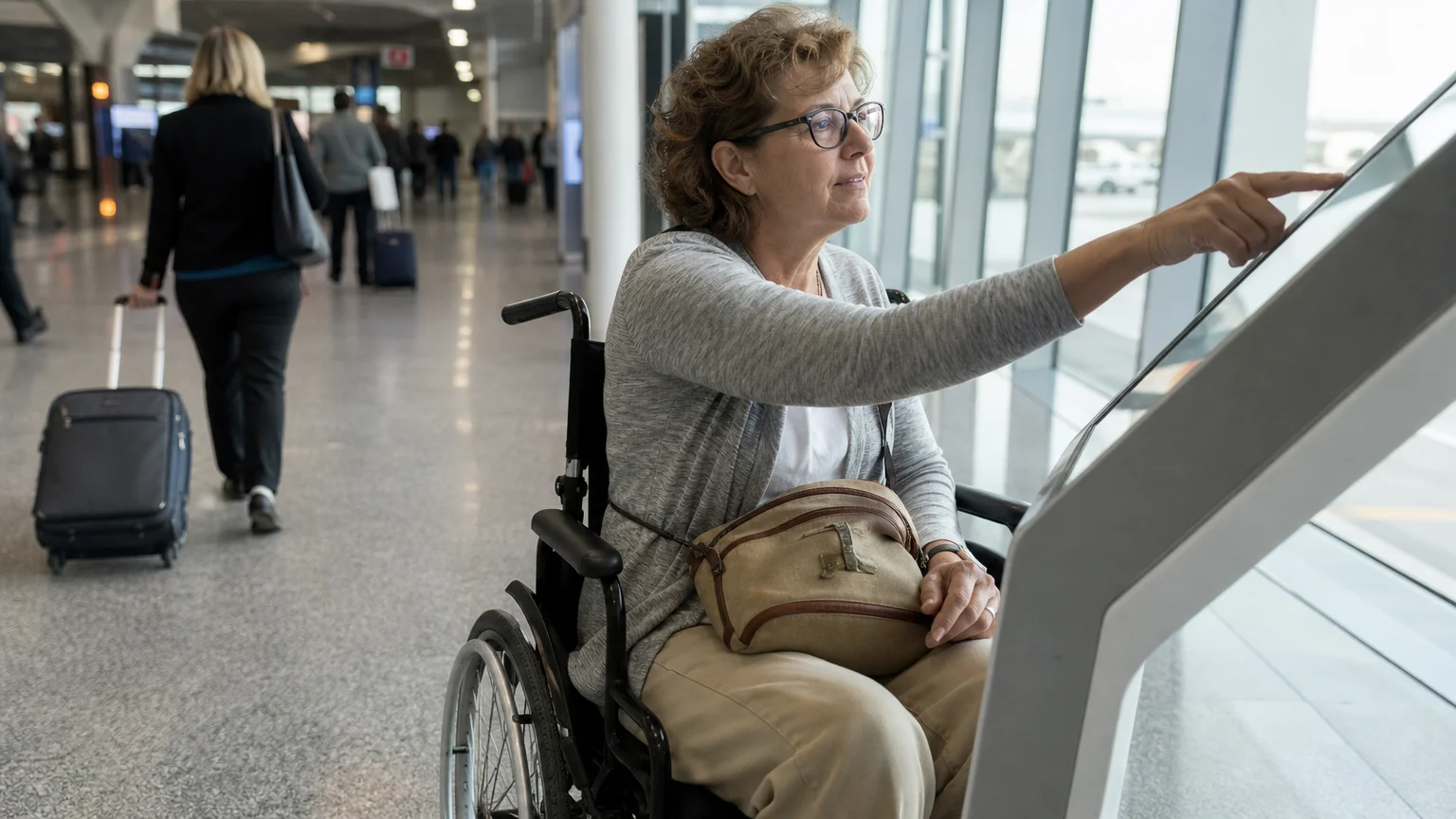
The Air Carrier Access Act mandates that airlines provide free assistance to passengers with disabilities, including older adults who simply cannot walk long distances. You do not need a doctor’s note or a permanent disability to use these services; if you feel unsteady or fatigued by long terminal walks, you are entitled to help.
To ensure a smooth process, you must request wheelchair assistance when you book your ticket. Do not wait until you arrive at the airport. A few days before your flight, call the airline to confirm that the request is firmly attached to your reservation. When you arrive at the terminal, alert the first airline employee you see at the check-in desk.
The service typically covers transportation from the ticket counter, through the security checkpoint, directly to your departure gate. During a layover, an attendant will meet you at the aircraft door and transport you to your next gate.
According to Centers for Disease Control and Prevention (CDC), staying hydrated and managing physical exertion are critical components of maintaining health while traveling. Utilizing a wheelchair or electric cart is a proactive way to protect your health.
Keep in mind that while the service is free, tipping the attendant who pushes your wheelchair is customary in the United States. A tip of five to ten dollars per push is standard and deeply appreciated by the staff.
Managing Health and Medical Needs While Flying
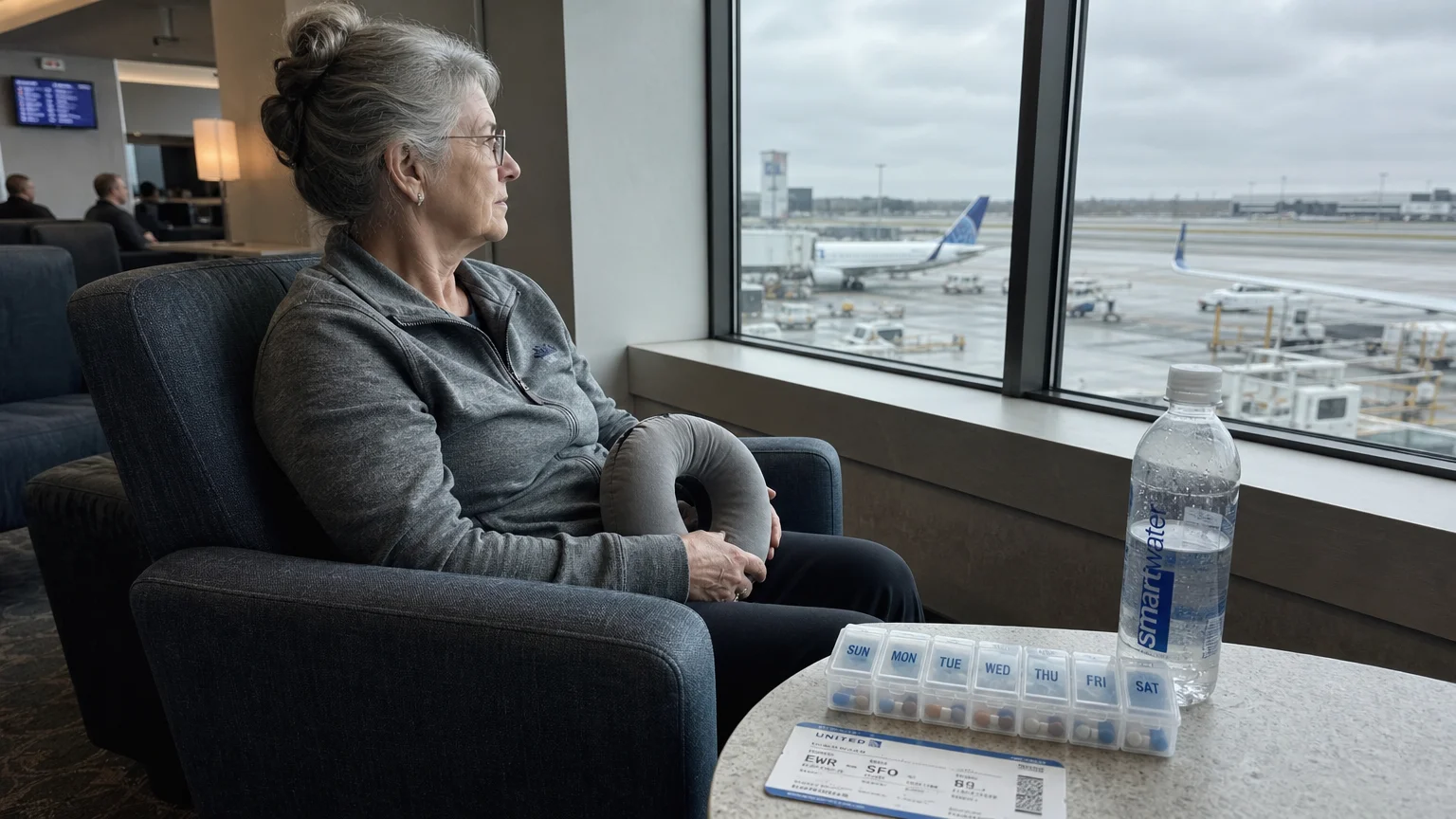
Traveling with medical conditions requires meticulous planning to ensure you remain safe and comfortable. Never pack essential daily medications in your checked luggage. Bags can be delayed or lost, and you must have access to your prescriptions at all times. Keep them in your carry-on bag, ideally in their original, labeled pharmacy bottles to prevent any questions at the security checkpoint.
If you use a medical device, such as a CPAP machine for sleep apnea, know that it does not count toward your carry-on baggage allowance. You can bring it aboard for free. You will need to take the machine out of its case during TSA screening, so packing it somewhere accessible will speed up the process.
Dietary needs also require foresight. Airport food is often heavily processed and loaded with sodium, which can exacerbate certain health conditions. Packing a clear plastic bag with your own healthy snacks—like unsalted nuts, protein bars, or whole fruit—ensures you have safe options available.
Finally, it is vital to know how your health insurance works outside of your home state. Remember to verify your health coverage before leaving your home state; you can use resources on Medicare.gov to understand which services are covered during domestic travel. Original Medicare generally covers you anywhere in the U.S., but Medicare Advantage plans often have strict out-of-network rules you must be aware of before flying.
Frequently Asked Questions
Do I have to pay for wheelchair service at the airport?
No. Under federal law, airlines are required to provide wheelchair assistance free of charge to any passenger who requests it. However, it is customary to tip the attendant pushing your chair. Five to ten dollars is a standard tip for their time and effort.
Can I bring liquid medications through airport security?
Yes. The TSA allows passengers to bring medically necessary liquids, gels, and aerosols in reasonable quantities that exceed the standard 3.4-ounce limit. You must declare these items to the TSA officer at the beginning of the screening process, and they may undergo additional testing.
How much time do I really need for a layover?
For domestic flights, you should book layovers that are at least 90 minutes to two hours long. If you require wheelchair assistance, or if you are flying through a massive hub like Chicago O’Hare or Atlanta, two hours provides a necessary buffer for unexpected delays and slow transit times between gates.
What should I do if my gate changes and I cannot walk fast?
If your gate changes suddenly and you are unable to walk quickly to the new location, immediately locate the nearest airline customer service desk or flag down an airport employee driving an electric cart. Explain your situation clearly. They can arrange for a cart or wheelchair to transport you, and they can contact the new gate to let them know you are on your way.
For additional senior resources, visit
National Institute on Aging (NIA),
Centers for Disease Control and Prevention (CDC) and
Medicare.gov.
Disclaimer: The information in this article is for educational purposes only and is not intended to be a substitute for professional financial, legal, or medical advice. Always consult with a qualified expert for advice tailored to your personal situation.









Leave a Reply