
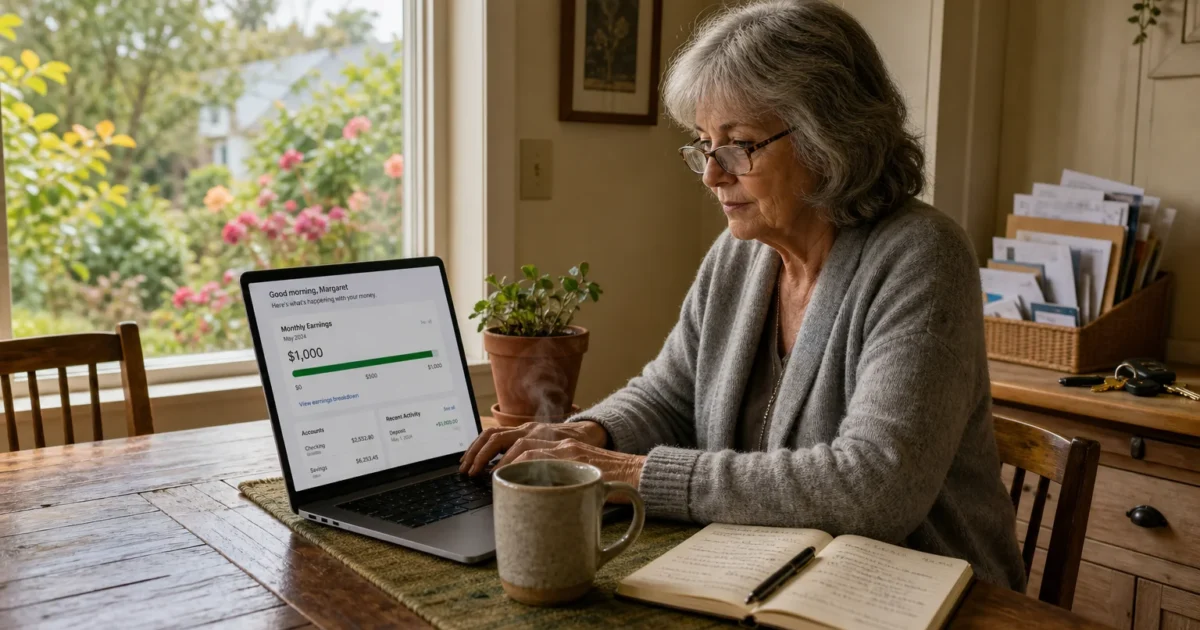
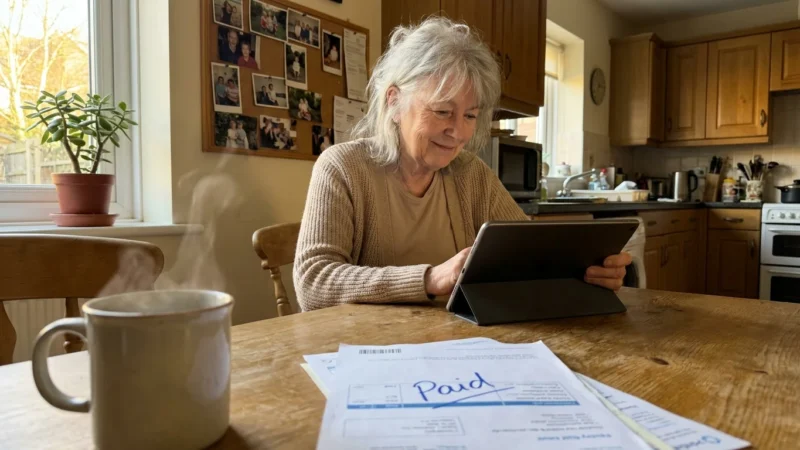
Finding extra cash in retirement does not have to mean standing on your feet for hours or committing to a rigid part-time job. With rising costs stretching fixed incomes, thousands of U.S. seniors are successfully turning their lifetime of skills into flexible, home-based earnings. Whether you want to cover rising utility bills, fund a family vacation, or simply build a more comfortable financial cushion, working from your living room offers the perfect balance of independence and income. By tapping into online platforms, community networks, and your existing expertise, you can realistically generate up to $1,000 extra each month. Let us explore nine proven, low-stress methods that respect your schedule, protect your health, and keep you safe from scams.
Why Home-Based Income Makes Sense for Retirees
Modern retirement looks vastly different than it did a generation ago. While previous generations relied heavily on traditional pensions, today’s older adults often manage a complex mix of Social Security, savings, and investments. Inflation can easily disrupt even the most carefully planned budgets. Exploring retirement income ideas that you can execute from your dining room table provides a practical safety net against rising living costs.
Beyond the clear financial benefits, remaining engaged in part-time work offers profound emotional and mental health advantages. Moving from a busy career to sudden, full-time leisure can sometimes lead to feelings of isolation or a loss of purpose. Setting up a small, home-based venture gives you a reason to wake up with intent, interact with new people, and challenge your brain. According to the National Institute on Aging (NIA), participating in meaningful, mentally stimulating activities can help maintain cognitive function as you age, potentially delaying the onset of memory-related issues.
Working from home also eliminates the physical toll of commuting. You control your thermostat, your seating arrangements, and your schedule. If you have a doctor’s appointment on a Tuesday morning or want to visit your grandchildren on a Friday afternoon, you simply adjust your hours. This unparalleled flexibility makes work from home for retirees the ideal solution for bridging financial gaps without sacrificing your golden years.
High-Payoff Digital and Administrative Roles
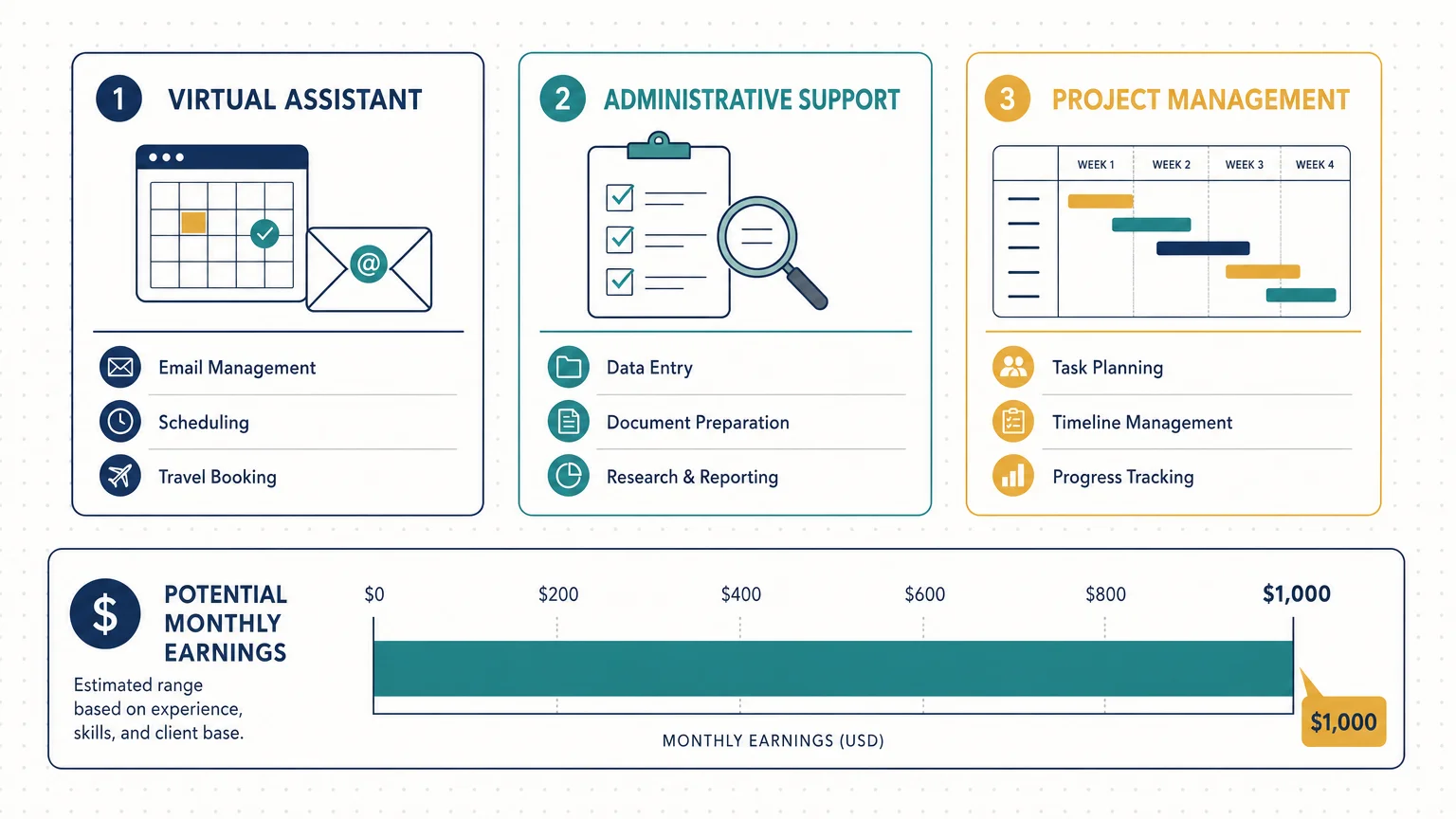
If you spent your career in an office setting, managing people, projects, or paperwork, your skills are in incredibly high demand. Small business owners frequently outsource administrative tasks to reliable, experienced professionals rather than hiring full-time staff.
1. Virtual Assisting and Administrative Support
A virtual assistant (VA) handles the daily operations that keep a business running smoothly. Because you work as an independent contractor, you choose which services to offer. Common tasks include managing email inboxes, scheduling appointments, booking travel arrangements, and organizing digital files. Seniors excel in these roles because decades of workplace experience breed a level of professionalism and reliability that younger workers often lack.
To get started, evaluate the software you already know. If you are comfortable with Microsoft Word, Excel, and basic email platforms, you have the foundation needed to succeed. Many virtual assistants charge between $15 and $25 per hour. Securing just one or two clients who need ten hours of help a week easily pushes you toward that $1,000 monthly goal.
2. Freelance Bookkeeping for Small Businesses
If your background involves accounting, banking, or office management, freelance bookkeeping represents one of the most lucrative retirement side hustles available. Small businesses constantly need meticulous individuals to track expenses, reconcile bank statements, and prepare reports for their tax accountants. You do not need to be a Certified Public Accountant (CPA) to do basic bookkeeping, though attention to detail is non-negotiable.
Most modern bookkeeping happens through cloud-based software like QuickBooks Online. These platforms offer free training and certification programs, allowing you to brush up on your skills before taking on clients. Because bookkeeping requires access to sensitive financial data, business owners highly value the trustworthiness and stability that mature adults bring to the table.
3. Freelance Writing and Proofreading
Every business with a website needs written content. From real estate agencies to gardening centers, companies pay freelancers to write blog posts, newsletters, and website copy. If you have a strong grasp of grammar and enjoy putting words together, freelance writing offers an incredibly flexible way to earn money.
Proofreading is another excellent avenue. Authors, students, and businesses hire detail-oriented readers to catch typos, formatting errors, and grammatical mistakes before publishing their work. You can find these opportunities on freelance marketplaces like Upwork, or by directly pitching your services to local businesses in your community.
Sharing Your Expertise and Knowledge
You have accumulated decades of specialized knowledge, life experience, and patience. Sharing this wisdom with others not only generates extra income for retirees but also provides a deep sense of personal fulfillment.
4. Online Tutoring and Mentoring
You do not need to be a retired school teacher to succeed in online tutoring. Parents constantly seek patient adults to help their children with foundational reading, basic math, and history. Additionally, many college students and young professionals look for mentors to help them refine their public speaking, resume writing, or industry-specific skills.
Platforms designed for online tutoring connect you directly with students via video chat. You dictate your availability, simply logging on when you want to work. Depending on the subject matter and your level of expertise, online tutors generally earn between $15 and $40 per hour.
5. Participating in Focus Groups and Market Research
Companies spend billions of dollars every year trying to understand consumer habits, and they are particularly interested in the purchasing decisions of seniors. Participating in paid focus groups involves sharing your honest opinions on new products, advertising campaigns, or services.
Unlike quick, low-paying online surveys that offer pennies for your time, legitimate market research firms pay substantial amounts for live virtual interviews. You might spend an hour on a video call discussing your preferred brand of coffee or reviewing a new healthcare app, earning anywhere from $50 to $150 per session. While this income stream can be inconsistent, participating in just a few high-paying sessions a month provides a significant boost to your budget.

Monetizing Your Home Space and Daily Routine
Sometimes the smartest side hustles for seniors require very little active labor. If you own your home, you likely possess unused space or a quiet environment that holds significant monetary value for others.
6. In-Home Pet Boarding
While traditional dog walking demands significant physical stamina and carries the risk of falls, in-home pet boarding offers a gentler alternative. When you board a pet, you simply welcome a well-behaved dog or cat into your home while their owners travel. Your primary duties involve feeding the animal, letting them out into your fenced yard, and providing companionship.
Apps like Rover and Wag allow you to set strict parameters. You can specify that you only accept small, senior dogs that require no strenuous exercise. Boarding just one dog at a rate of $40 a night for 25 nights a month easily nets you $1,000, all while enjoying the therapeutic benefits of a furry companion.
7. Renting Out Unused Space or Storage
If you are an empty nester, you likely have more space than you need. The sharing economy has evolved far beyond renting out spare bedrooms to vacationers. Today, you can rent out almost any unused area of your property for passive income.
Neighbors frequently seek secure, local storage options for their boats, RVs, or excess household items. Platforms like Neighbor allow you to list your empty garage, unused driveway, or dry basement as storage space. Once a renter drops off their belongings, you earn a steady monthly fee with practically zero ongoing effort. This is one of the safest, most passive ways to make money from home.

Customer Service and Creative Ventures
If you enjoy chatting with people or working with your hands, there are excellent opportunities that allow you to monetize your hobbies and your communication skills.
8. Remote Customer Support Agent
Major retailers, healthcare networks, and travel agencies rely heavily on remote customer service agents to handle incoming calls and web chats. These companies supply you with the necessary software—and sometimes even the computer equipment—so you can assist customers from your home office.
To succeed in this role, you need a quiet room, a reliable high-speed internet connection, and a friendly phone demeanor. Remote customer service jobs usually require you to commit to scheduled shifts, making this a slightly less flexible option than freelance writing or pet boarding. However, it provides a highly predictable, steady income, with most roles paying between $12 and $18 per hour.
9. Selling Handmade Crafts and Vintage Goods
Retirement offers the perfect opportunity to turn a lifelong hobby into a profitable small business. Whether you knit intricate baby blankets, build wooden birdhouses, or have an eye for finding valuable antiques at estate sales, there is a massive online market for your goods.
Setting up an online storefront through platforms like Etsy or eBay takes only a few hours. By taking clear, brightly lit photographs of your items and writing accurate descriptions, you can reach buyers across the country. If you prefer dealing locally, Facebook Marketplace provides a free, easy-to-use platform for selling heavier items like refurbished furniture without the hassle of shipping.
To help you choose the best path, here is a quick comparison of these popular options:
| Side Hustle | Income Potential | Best Suited For | Primary Requirement |
|---|---|---|---|
| Virtual Assisting | $15 – $25 / hour | Highly organized individuals | Basic computer skills |
| Freelance Bookkeeping | $25 – $40 / hour | Former office/finance workers | Attention to detail |
| Online Tutoring | $15 – $40 / hour | Patient communicators | Subject matter expertise |
| Pet Boarding | $30 – $50 / night | Animal lovers with fenced yards | Pet-friendly home environment |
| Space Rental | $50 – $300 / month | Empty nesters | Unused garage or driveway |
| Market Research | $50 – $150 / session | Opinionated consumers | Willingness to share feedback |

Navigating Common Technology and Health Barriers
It is perfectly normal to feel apprehensive about starting a digital side hustle, especially if you consider yourself less than tech-savvy. You do not need to be a computer programmer to succeed. Most modern freelance platforms and communication tools are designed with intuitive, user-friendly interfaces. Start slowly. Watch free tutorial videos on YouTube to familiarize yourself with tools like Zoom, Google Docs, or invoicing software. Many local libraries and community centers also offer free computer literacy classes specifically tailored for older adults.
Protecting your physical health while working from home is equally critical. Staring at a screen for hours or sitting in an unsupportive chair will quickly exacerbate arthritis, back pain, or vision issues. Treat your home workspace with care:
- Invest in ergonomics: Purchase a chair that supports your lower back and position your monitor at eye level to prevent neck strain.
- Protect your eyes: Follow the 20-20-20 rule. Every 20 minutes, look at an object 20 feet away for 20 seconds. Consider buying inexpensive blue-light-blocking glasses to reduce eye fatigue.
- Pace yourself: The beauty of a retirement side hustle is that you are the boss. Break your tasks into small, manageable chunks, and take frequent breaks to stretch and walk around your home.
How to Protect Yourself From Work-From-Home Scams
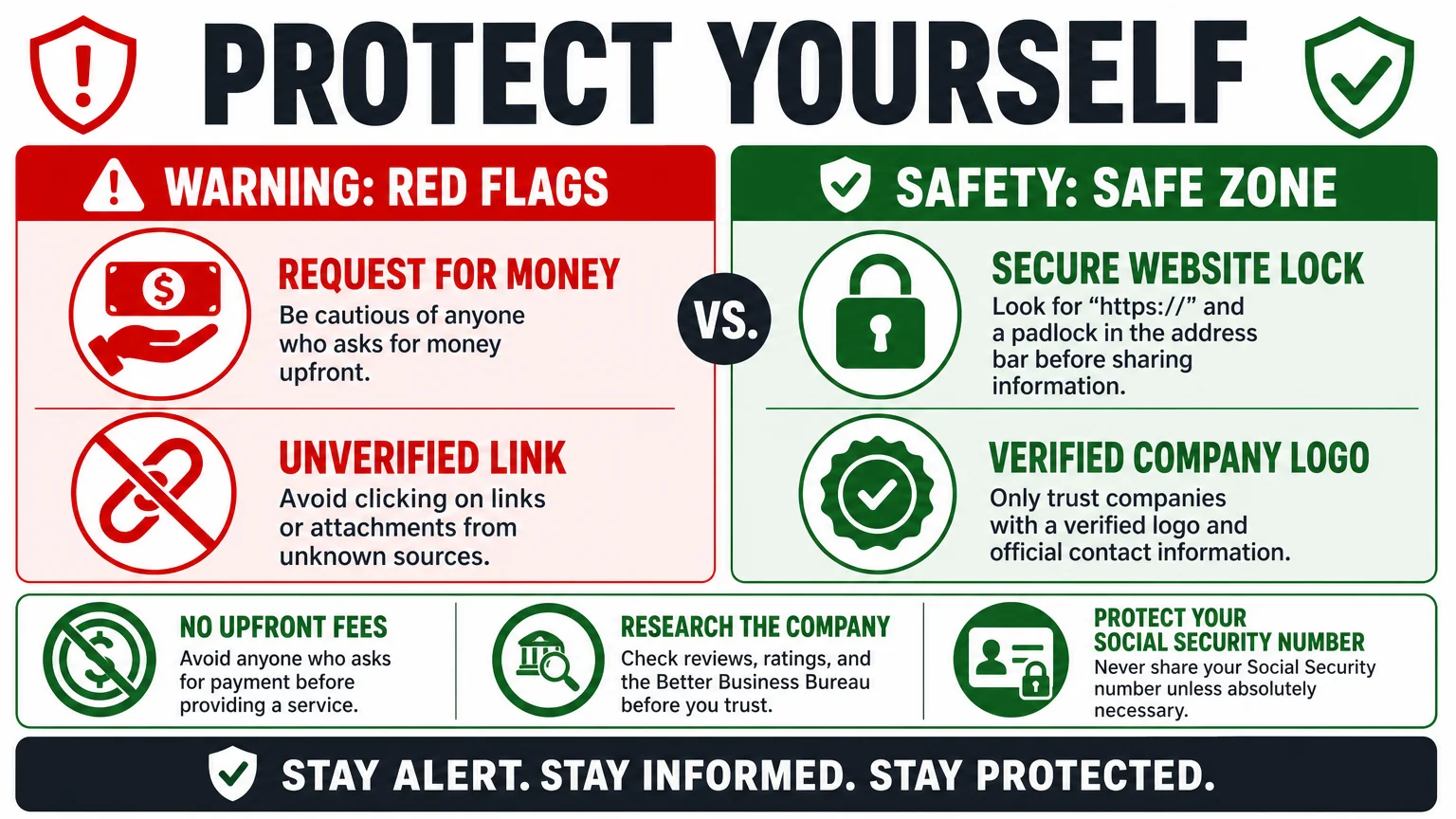
Unfortunately, the promise of easy money from home attracts sophisticated fraudsters. Because seniors often possess substantial retirement savings, they are prime targets for these malicious schemes. Protecting your identity and your bank account must be your top priority when exploring new income streams.
As noted by experts at the Consumer Financial Protection Bureau (CFPB), scammers frequently target older adults with fake job offers that require upfront fees or personal banking details. A legitimate employer or client will never ask you to pay them for the privilege of working. Be highly suspicious of any job listing that guarantees a massive income for minimal effort. If an opportunity sounds too good to be true, it almost certainly is.
Watch out for the common “overpayment scam.” In this scenario, a fake client hires you for a task and sends you a check for far more than your agreed-upon rate. They will ask you to deposit the check and wire the excess funds back to them or to a “supplier.” A few days later, the original check will bounce, and the money you wired away will be gone forever. To stay safe, only accept payments through secure, established platforms like PayPal, direct bank transfers from verified companies, or the payment systems built into official freelance websites.
Frequently Asked Questions
Will earning extra money affect my Social Security benefits?
This is a major concern for many seniors, but the rules are highly favorable once you reach a certain age. According to the Social Security Administration (SSA), if you have reached your full retirement age, you can earn as much as you want without reducing your benefits. If you have not yet reached your full retirement age, there is an annual earnings limit. If you earn more than that limit, the SSA will temporarily withhold a portion of your benefits. Always check the current year’s limits on the official SSA website before taking on heavy workloads.
Do I have to pay taxes on my side hustle income?
Yes. If you operate as an independent contractor, freelancer, or gig worker, the Internal Revenue Service (IRS) considers you self-employed. You must report your earnings and pay self-employment taxes, which cover your Social Security and Medicare contributions. It is a smart practice to set aside roughly 20% to 25% of your side hustle earnings in a separate savings account so you are fully prepared when tax season arrives.
Will earning extra money increase my Medicare premiums?
For most retirees earning an extra $1,000 a month, Medicare premiums remain unaffected. However, if your combined household income rises above certain high-income thresholds, you may be subject to the Income-Related Monthly Adjustment Amount (IRMAA), which increases your Part B and Part D premiums. Check with Medicare.gov to review the current income brackets if you have concerns about IRMAA surcharges affecting your healthcare costs.
How many hours a week do I actually need to work to make $1,000?
The time commitment depends entirely on your hourly rate. If you offer virtual assisting or freelance bookkeeping services at $25 per hour, you only need to work 40 hours a month—or roughly 10 hours a week—to reach your $1,000 goal. If you opt for lower-paying customer service roles at $15 per hour, you will need to dedicate about 16 hours a week. Passive income strategies, like renting out storage space or pet boarding, require far fewer active hours.
Do I need to form a formal business entity, like an LLC, to start?
In most cases, you do not need to form a Limited Liability Company (LLC) immediately. You can legally begin working as a “sole proprietor” using your own name and Social Security Number for tax purposes. However, if you are providing services that carry higher risks, or if your business grows substantially, forming an LLC can offer valuable protection for your personal assets. Consult a local tax professional or small business advisor for guidance specific to your situation.
For additional senior resources, visit
Centers for Medicare & Medicaid Services (CMS), Social Security Administration (SSA), Consumer Financial Protection Bureau (CFPB), Administration for Community Living (ACL) and Eldercare Locator.
Disclaimer: The information in this article is for educational purposes only and is not intended to be a substitute for professional financial, legal, or medical advice. Always consult with a qualified expert for advice tailored to your personal situation.








Leave a Reply