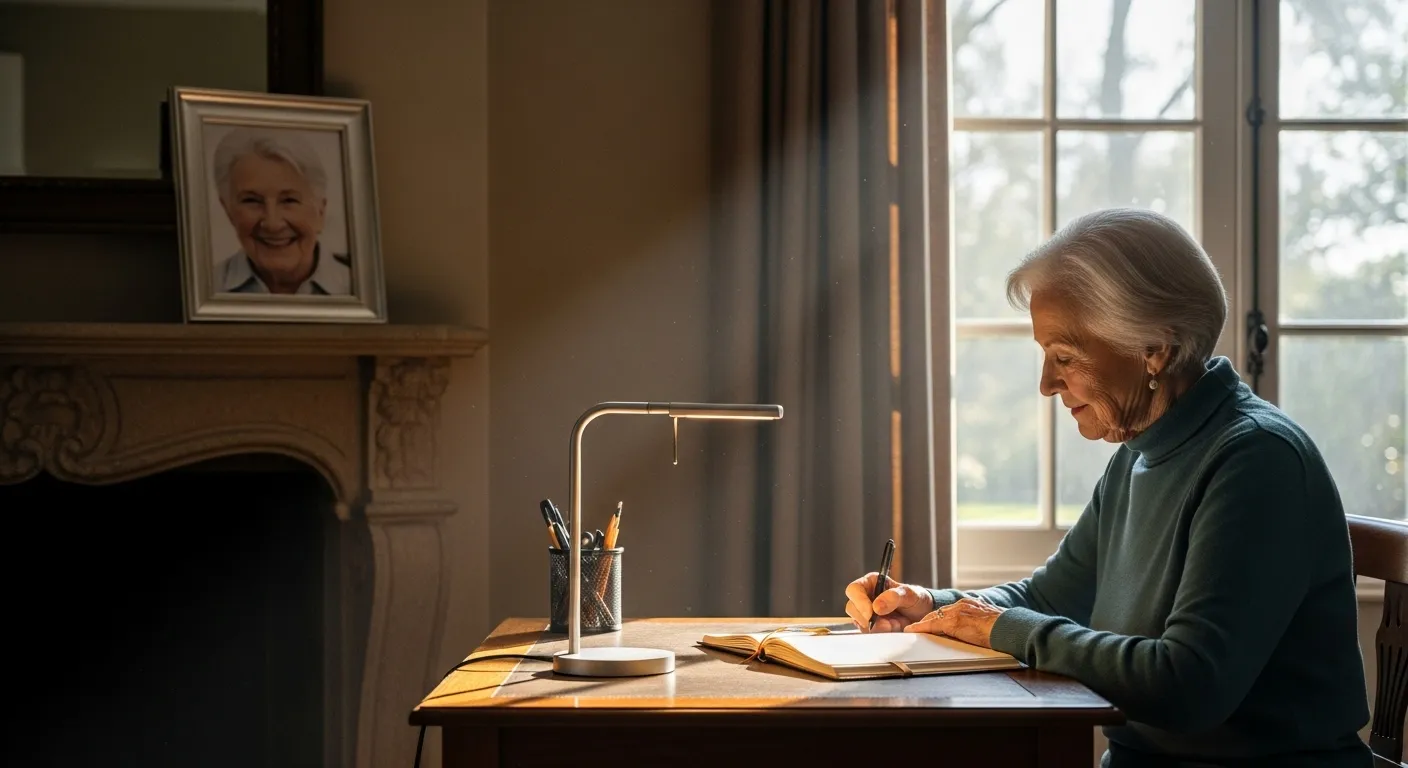
Helpful Resources for Seniors
Helpful Resources for Seniors Navigate life's next chapter with confidence
  • Home
  • Lifestyle
  • Well-Being
  • Finance

Healthy Sleep Routines for Seniors: Wake Up Rested

September 8, 2025 · Well-Being

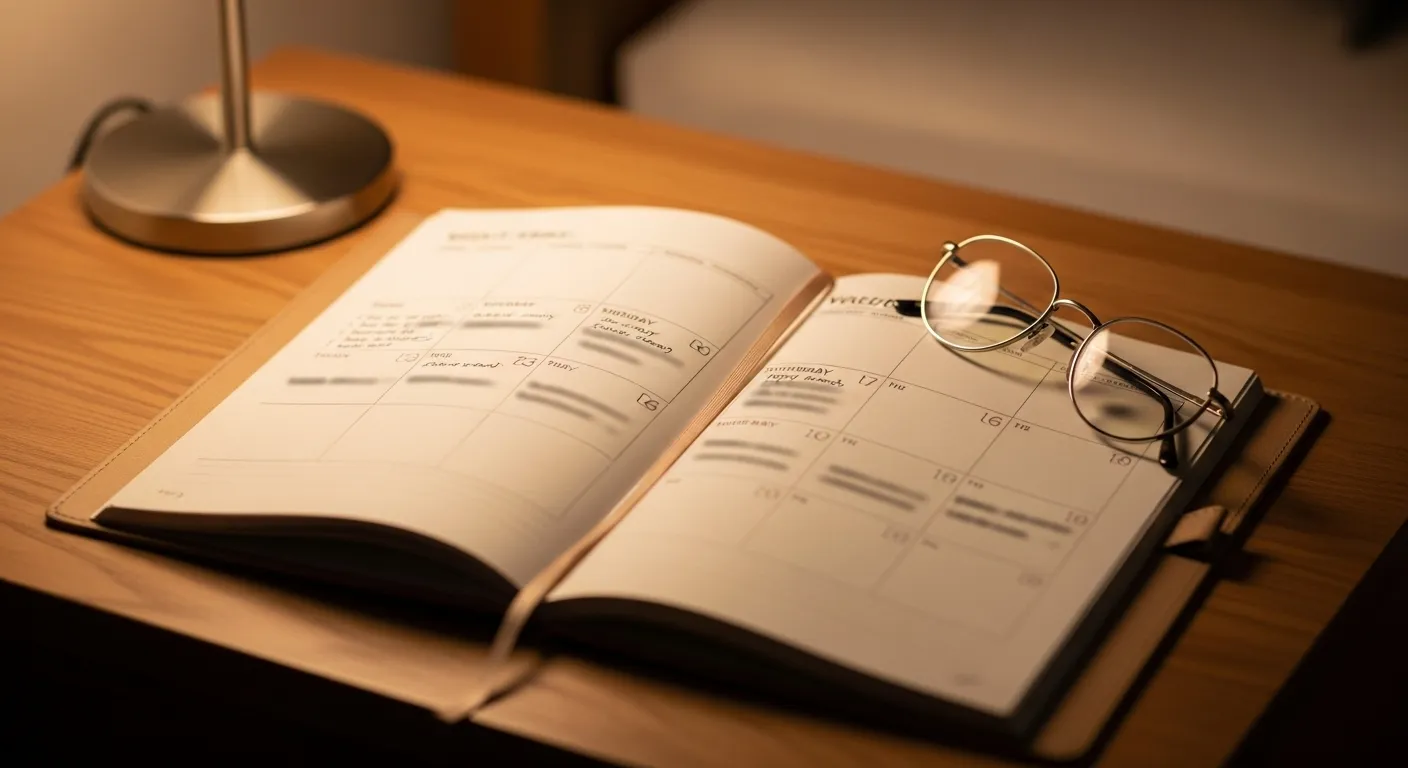
A close-up of a weekly planner and reading glasses on a nightstand, lit by a soft lamp, suggesting a consistent bedtime routine.

A Step-by-Step Guide to Building a Better Sleep Routine Safely

Creating a healthy sleep routine is about sending consistent signals to your body and brain that it’s time to wind down and rest. This doesn’t happen overnight, but with patience and a few simple adjustments, you can pave the way for more restful nights. Here are safe, practical steps you can take.
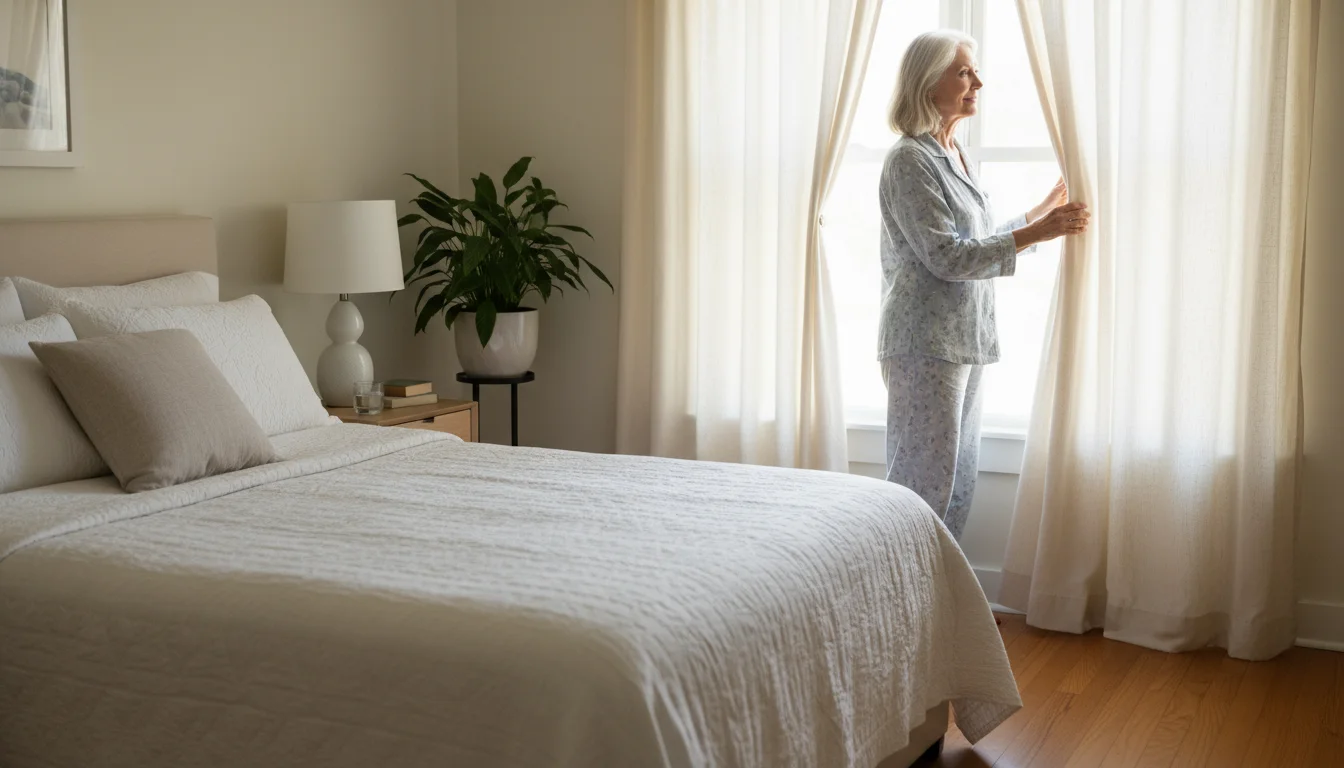
A senior woman in a sunlit bedroom, opening linen curtains, looking refreshed with a contented smile as morning light streams in.
Starting the day right with a consistent morning routine.

1. Set a Consistent Sleep Schedule

Your body has an internal 24-hour clock called the circadian rhythm, which thrives on consistency. Going to bed and waking up at the same time every day—even on weekends—is the single most important step you can take to regulate this clock.

  • Choose Your Times: Pick a bedtime and wake-up time that allows for 7-9 hours of sleep.
  • Stick to It: Try to stay within a 30-minute window of these times each day. If you stay up late one night, it’s better to get up at your usual time the next morning rather than sleeping in, as this helps reset your clock faster.
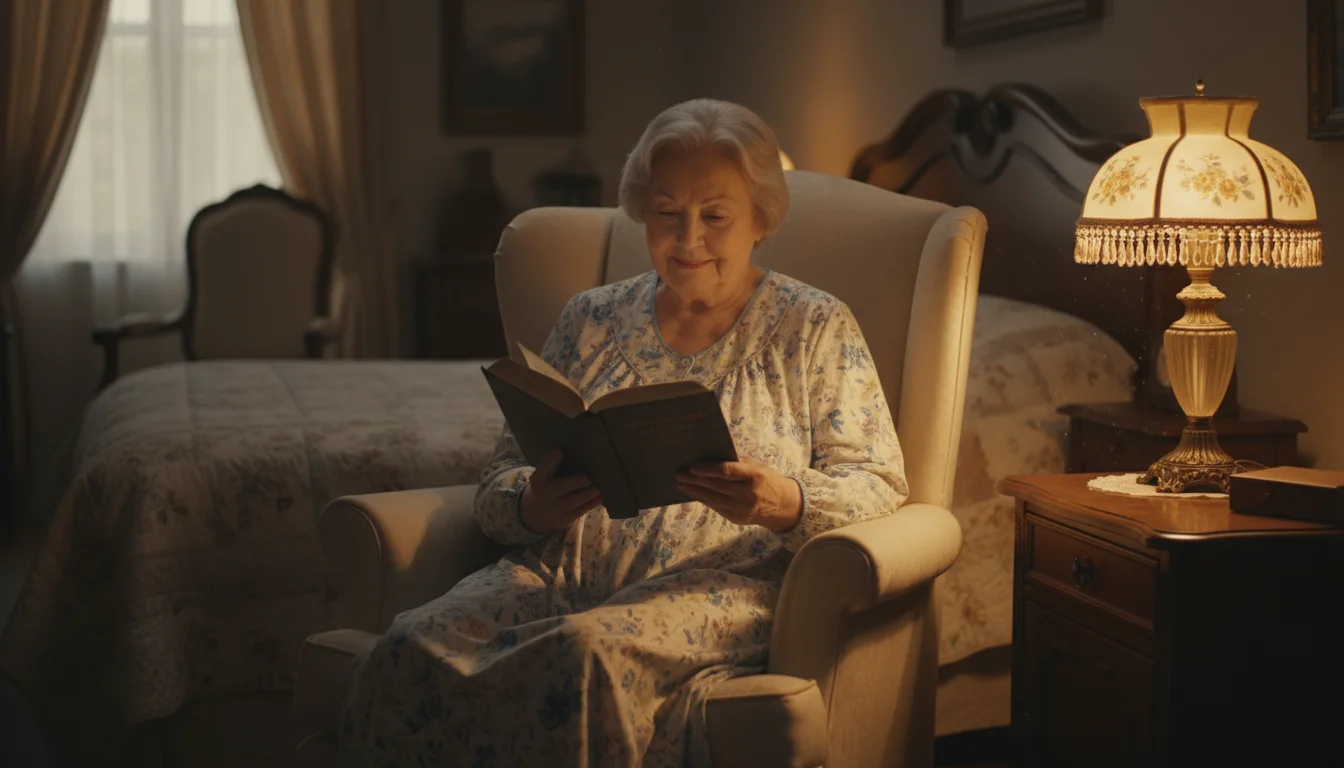
An older woman in a nightgown reads a physical book by a soft lamp in a cozy, dimly lit bedroom. A turned-off smartphone is on the nightstand.
Enjoying a quiet read, winding down before a restful night’s sleep.

2. Create a Relaxing Bedtime Ritual

A bedtime ritual is a set of activities you do in the 30-60 minutes before bed to signal to your body that it’s time to transition from an active state to a restful one. This ritual should be calming and enjoyable.

  • Unplug from Screens: The blue light from TVs, computers, tablets, and smartphones can suppress melatonin, the hormone that controls your sleep-wake cycle. Turn them off at least an hour before bed.
  • Take a Warm Bath: A warm bath or shower can be very relaxing. The subsequent drop in your body temperature after you get out also helps trigger sleepiness. Be sure your bathroom is safe with non-slip mats to prevent falls.
  • Read a Book: Choose a physical book or an e-reader without a bright backlight. Avoid thrillers or suspenseful stories that might be too stimulating.
  • Listen to Calming Music or an Audiobook: Soft, instrumental music, nature sounds, or a soothing audiobook can help quiet a busy mind.
  • Practice Gentle Stretches or Deep Breathing: Simple, gentle stretches can relieve muscle tension. Deep breathing exercises—inhaling slowly through your nose and exhaling slowly through your mouth—can calm your nervous system. Always check with your doctor before starting any new physical activity.
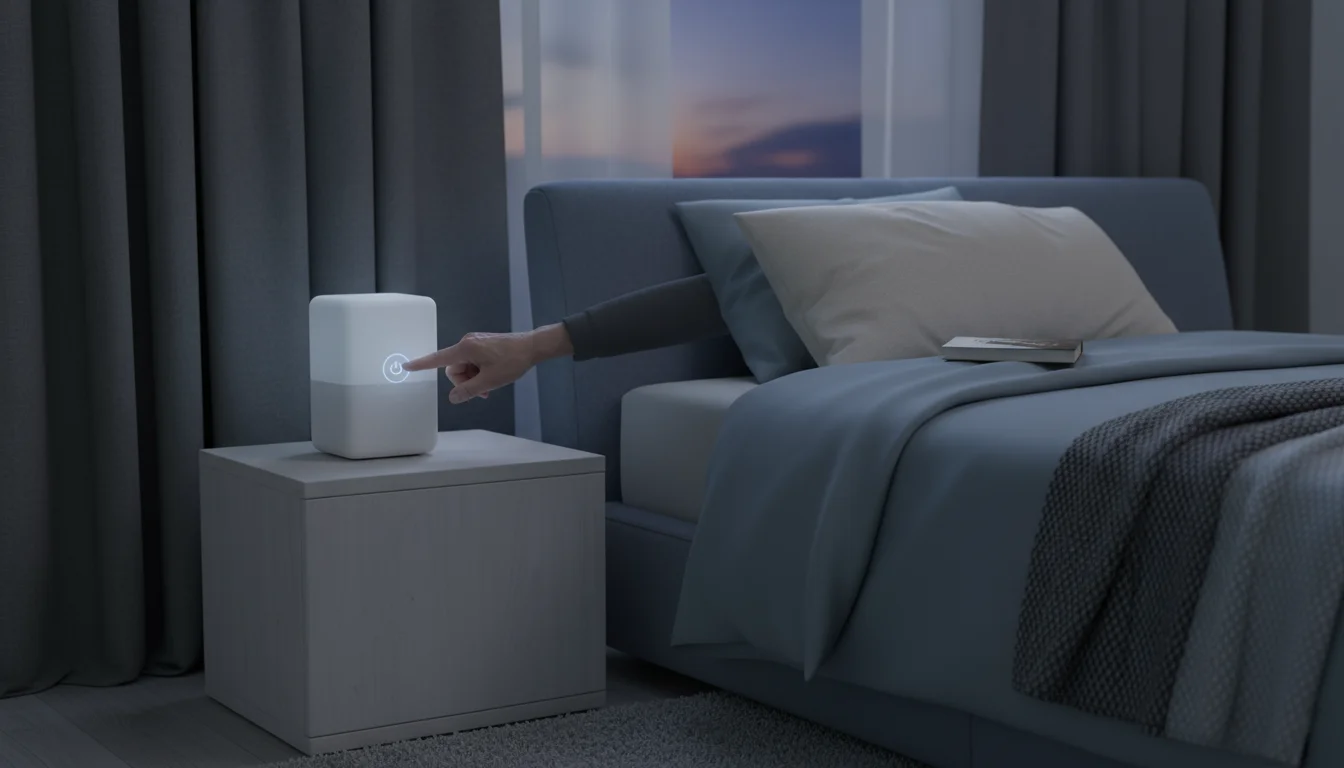
A senior hand activates a white noise machine on a nightstand in a dim bedroom with blackout curtains drawn.
Setting the scene for a perfectly quiet and dark night’s sleep.

3. Optimize Your Bedroom Environment

Your bedroom should be a sanctuary for sleep. This means making it cool, dark, quiet, and comfortable. These are powerful insomnia solutions that cost nothing.

  • Keep It Cool: Most people sleep best in a cool room, typically between 60 and 67 degrees Fahrenheit.
  • Make It Dark: Use blackout curtains, shades, or an eye mask to block out light. Even small amounts of light from streetlamps or digital clocks can disrupt sleep.
  • Ensure It’s Quiet: If noise is an issue, consider using a fan for white noise, earplugs, or a white noise machine to drown out disruptive sounds.
  • Reserve Your Bed for Sleep: Avoid working, eating, or watching TV in bed. This helps your brain associate your bed with sleep and intimacy only.

A senior woman in comfortable activewear takes a gentle morning walk on a sunlit park path, dappled by tree shadows.
Starting the day with a refreshing walk and sunshine.

4. Pay Attention to Daytime Habits

What you do during the day has a significant impact on how well you sleep at night.

  • Get Some Sunlight: Exposure to natural light, especially in the morning, helps keep your body’s internal clock on a healthy sleep-wake cycle. Try to spend at least 15-30 minutes outdoors each morning.
  • Be Physically Active: Regular physical activity can promote deeper sleep. However, try to avoid strenuous exercise within three hours of bedtime, as it can be stimulating. A gentle walk after dinner is a great option.
  • Watch What You Eat and Drink: Avoid large meals, caffeine (from coffee, tea, soda, and chocolate), and alcohol close to bedtime. Caffeine can stay in your system for many hours. While alcohol might make you feel sleepy at first, it disrupts sleep later in the night. A light, healthy snack like a banana or a small bowl of oatmeal is a better choice if you’re hungry.
  • Be Smart About Naps: If you need to nap, try to keep it short (20-30 minutes) and take it in the early afternoon. Napping for too long or too late in the day can interfere with your ability to fall asleep at night.

Pages: 1 2 3 4 5 6

Share this article

Facebook Twitter Pinterest LinkedIn Email

Leave a Reply Cancel reply

Your email address will not be published. Required fields are marked *

Search

Latest Posts

  • An ink and watercolor illustration of a retired couple chatting with a local at a coastal European cafe, enjoying a sunny morning. 15 Cheap European Retirement Havens Where You'll Have No Language Barrier
  • FBI’s World Cup Ticket Scam Warning FBI’s World Cup Ticket Scam Warning
  • A retiree in a gray cardigan sits at her sunlit kitchen table working on a laptop with a $1,000 earnings balance visible. 9 Smart Ways Retirees Are Earning Up to $1K Per Month From Home
  • A senior couple walks calmly through a bright, modern airport terminal filled with sunlight and plants. America's Best and Worst Airports for Travelers in 2026
  • A senior couple sits at their kitchen table, calmly reviewing a planning binder together in soft morning light. 8 Ways to Ease Burial Costs
  • A senior woman works on her laptop at a sunny kitchen table, representing a fulfilling second career in retirement. 10 Second Career Ideas for Retirees
  • A woman gently helping her elderly father button his sweater in a sunlit, authentic living room with a documentary photography aesthetic. 10 Programs Designed for Caregiving Support
  • Ink and watercolor illustration of a house key, a grocery basket, a lightbulb, and a stethoscope on a cream paper background. 6 Financial Aid Programs You May Qualify For (Check Here!)
  • A serene mixed-media collage featuring a pressed lily, vintage paper, and soft watercolor textures in sage and cream tones. 9 Charities That Help With Funeral Costs in 2026
  • An older man sitting peacefully in his sunlit living room, representing the comfort and dignity of aging in place independently. 5 Support Programs Designed for Seniors Living Alone

Newsletter

Get the latest posts delivered to your inbox.

Related Articles

An elderly person peacefully petting a small dog in a sunlit room.

The Benefits of Pet Therapy for Seniors

Table of Contents 1. Reduce Feelings of Loneliness and Isolation 2. Boost Your Mood and…

Read More →
A smiling senior woman stands in a bright living room, watering her collection of indoor plants.

Bone Health 101: How to Prevent Osteoporosis

Table of Contents Introduction: Prioritizing Your Health with Stronger Bones Understanding the Health Benefits (and…

Read More →
A wide shot of a bright living room where a senior woman sits smiling peacefully in an armchair by a window.

The Best Meditation Practices for Stress-Free Aging

A Step-by-Step Guide to Meditating Safely Getting started with meditation is simple. There is no…

Read More →
A smiling senior woman stands in a bright room next to a table with a jigsaw puzzle in progress, illuminated by natural window light.

How to Cope With Empty Nest Syndrome in Your 60s

A Step-by-Step Guide to Coping with the Empty Nest Safely Navigating this transition is a…

Read More →
An older woman thoughtfully examining a supplement bottle in a bright pharmacy.

3 Supplements Your Doctor Wishes You’d Stop Taking

Learn why doctors warn seniors against taking high-dose vitamin E, calcium pills, and St. John's…

Read More →
A close-up of a smiling senior woman's face, looking healthy and happy in natural, soft lighting by a window in her home.

How to Build a Senior Emergency Preparedness Kit

Table of Contents Introduction: Prioritizing Your Health with an Emergency Kit Understanding the Health Benefits…

Read More →
A pair of walking shoes and a water bottle sit on a doormat by a front door, bathed in bright morning light, ready for a daily walk.

Health Benefits of Walking 5,000+ Steps a Day

Table of Contents Introduction: Prioritizing Your Health with Every Step Understanding the Health Benefits (and…

Read More →
A person peacefully asleep in a cool, dark bedroom, sunlight illuminating part of the room.

How to Improve Sleep After 60

Table of Contents Understanding Why Your Sleep Has Changed Step 1: Build a Powerful Daily…

Read More →
A partially completed jigsaw puzzle and a pair of reading glasses on a wooden table in soft natural light.

Cognitive Health Boosters: 10 Fun Brain Activities for Seniors

10 Fun and Safe Brain Activities to Try Today Here are ten accessible and enjoyable…

Read More →
Helpful Resources for Seniors Helpful Resources for Seniors

Navigate life's next chapter with confidence

Inedit Agency S.R.L.
Bucharest, Romania

contact@helpfulresourcesforseniors.com

Explore

  • Home
  • About Us
  • Editorial Policy
  • Privacy Policy
  • Terms and Conditions
  • Subscribe
  • Unsubscribe
  • Contact
  • Request to Know
  • Request to Delete
  • CA Private Policy

Categories

  • Finance
  • Lifestyle
  • Well-Being

© 2026 Helpful Resources for Seniors. All rights reserved.