

05 Unwarranted Anxiety or Cold Sweats
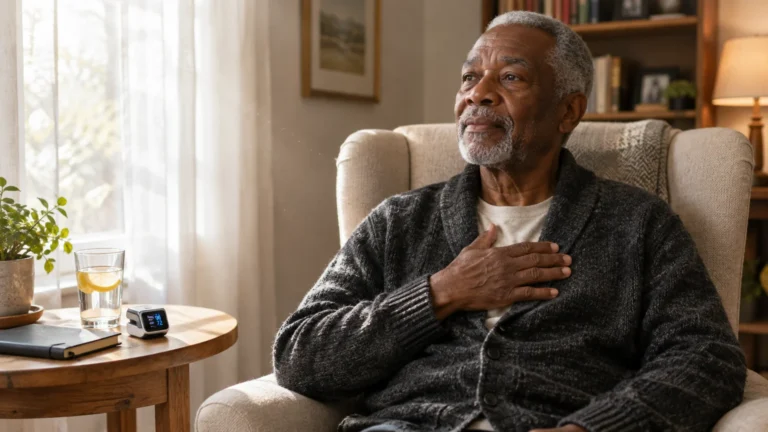
Your body has an intuitive, deeply ingrained survival mechanism. When your heart struggles to function, your nervous system recognizes the immediate threat to your life and triggers a fight-or-flight response.
This massive release of adrenaline and other stress hormones can manifest as a profound, inexplicable sense of anxiety or impending doom.
Many women who have suffered heart attacks report feeling completely panicked or deeply unsettled in the hours leading up to the event, even if nothing stressful was happening around them.
You might feel a sudden urge to pace the room, a racing heart rate, or an overwhelming feeling that something terrible is about to happen.
Because older women frequently deal with life transitions, caregiving stress, or generalized anxiety, doctors and patients alike sometimes mistakenly attribute this symptom to a panic attack.
Alongside this emotional distress, the surge of adrenaline forces your blood vessels to constrict and your sweat glands to activate. You might break out in a sudden, drenching cold sweat, even if you are sitting in a cool room.
This is not the gradual warmth of a menopausal hot flash; a cardiac cold sweat feels clammy, chilling, and immediate. If you suddenly feel a wave of intense, unprovoked anxiety paired with cold, clammy skin, call for emergency medical help immediately.

How to Differentiate Normal Aging from Cardiac Symptoms
Because many of these warning signs overlap with normal aging or chronic, non-threatening conditions, evaluating your symptoms objectively is crucial. Use the following comparisons to help you decide when a symptom crosses the line from a minor annoyance into a medical emergency.
| Symptom Category | Normal Aging or Common Ailment | Potential Heart Attack Warning |
|---|---|---|
| Fatigue | Gradual tiredness after a long day of physical activity or poor sleep; improves with rest. | Sudden, crushing exhaustion that prevents you from doing basic tasks; does not improve with a nap. |
| Shortness of Breath | Feeling winded after climbing multiple flights of stairs or lifting heavy boxes; recovers quickly upon sitting. | Gasping for air while resting, watching TV, or lying in bed; accompanied by a tight feeling in the chest. |
| Upper Body Pain | Aching back or neck that worsens when you press on the muscle or twist your spine; history of arthritis in the joint. | Dull, persistent pressure in the jaw, neck, or between the shoulder blades that remains constant no matter how you move. |
| Indigestion / Nausea | Heartburn that begins after eating spicy or acidic foods; responds well to over-the-counter antacids. | Sudden, intense nausea or burning feeling unrelated to recent meals; antacids provide absolutely no relief. |
| Sweating / Anxiety | A menopausal hot flash that makes you feel flushed and warm; normal worry over a specific life event. | A sudden, clammy cold sweat paired with an intense, unprovoked feeling of dread or impending doom. |
Whenever you review your symptoms, always look at the full picture. A heart attack rarely presents with just one mild sign.
You will usually experience a combination of these symptoms, such as jaw pain paired with profound fatigue, or sudden indigestion paired with a cold sweat.
Trust your intuition—if a symptom feels unusually severe or entirely out of character for your body, do not ignore it.



Ignore my previous request for a printable copy of the article about warning signs of a heart attack. I was able to find a printing method. Thank you for a wonderful and informative article.