

The Top 10 Healthy Morning Habits for Senior Wellness
Here are ten simple yet powerful morning habits you can begin incorporating into your life. The key is to start with one or two that feel most appealing and manageable, and then gradually build from there. Each habit is designed with senior wellness tips in mind, prioritizing safety and accessibility.

1. Hydrate Before You Caffeinate
After a long night’s sleep, your body is naturally dehydrated. Reaching for a glass of water before your morning coffee or tea is one of the kindest things you can do for your health. Proper hydration is essential for nearly every bodily function, including regulating body temperature, lubricating joints, and helping your kidneys and liver flush out waste products. For seniors, staying hydrated is especially critical as the sense of thirst can diminish with age, increasing the risk of dehydration.
How to do it safely: Keep a glass or a water bottle on your bedside table as a visual reminder. Take slow, small sips as you sit on the edge of your bed, allowing your body to wake up gently. You do not need to drink a huge amount at once; six to eight ounces is a perfect start. If you find plain water unappealing, try adding a small squeeze of lemon for flavor. This simple act kickstarts your metabolism and helps rehydrate your cells, preparing your body for the day ahead.

2. Gentle Stretching and Movement
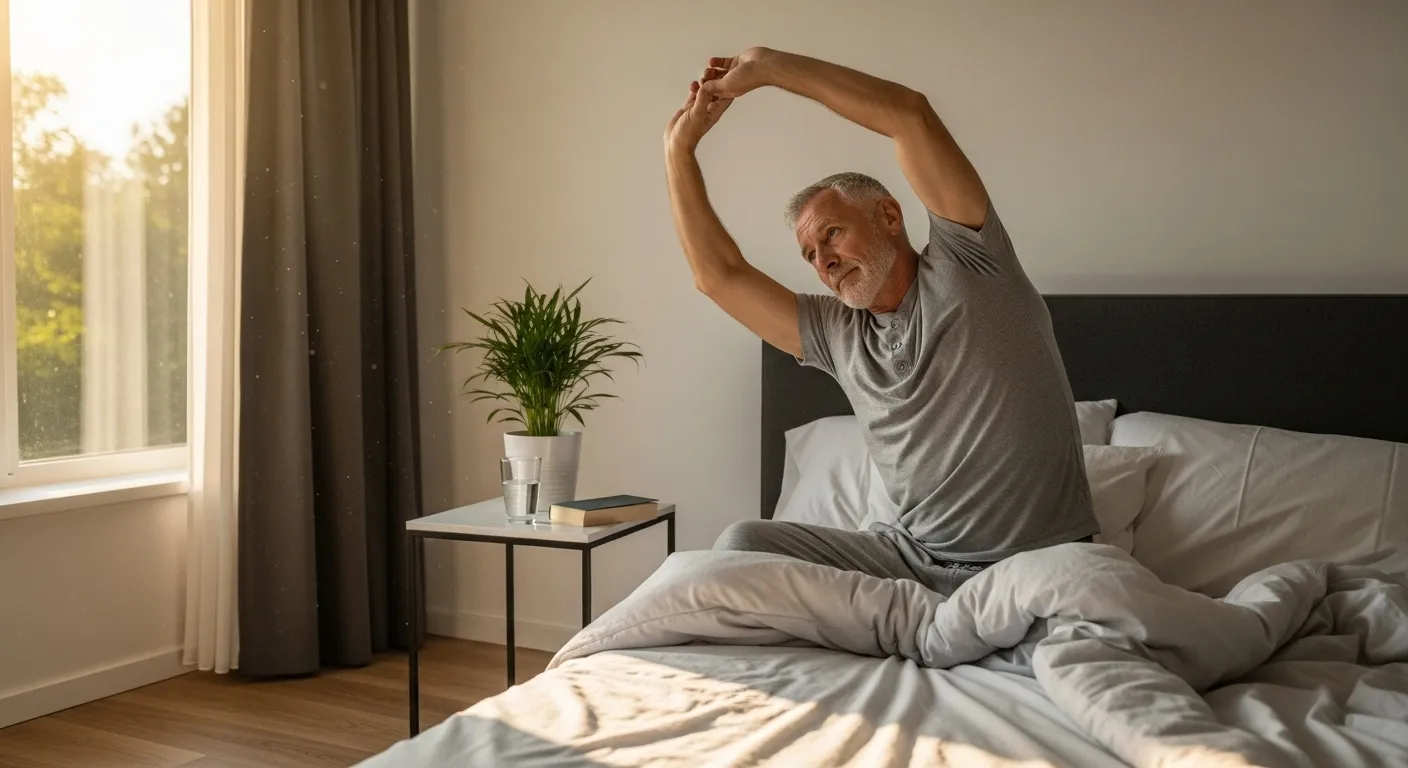
Morning stiffness is a common complaint, but you can ease into your day with gentle movements performed right in bed or from a sturdy chair. This practice helps to increase blood flow to your muscles and joints, improve flexibility, and reduce the risk of falls by waking up your body’s sense of balance. The goal is not a strenuous workout, but a gentle awakening.
How to do it safely: While still lying in bed, start with simple ankle circles, rotating your feet clockwise and then counter-clockwise ten times each. Then, gently point and flex your feet. You can also bring one knee toward your chest at a time, holding for 15-20 seconds without straining. Once you are sitting on the edge of the bed, perform some gentle neck rolls, dropping your chin to your chest and slowly rolling your head from one shoulder to the other. Never force a stretch; it should feel gentle and relieving, not painful.

3. Practice a Moment of Mindfulness
The morning offers a quiet window to calm your mind before the day’s activities begin. Mindfulness is simply the practice of paying attention to the present moment without judgment. It can help reduce stress, lower blood pressure, and improve focus. You do not need any special equipment or experience to benefit from it.
How to do it safely: Find a comfortable seated position, either in your bed or in a supportive chair with your feet flat on the floor. Close your eyes or soften your gaze. Place your hands on your lap and simply bring your attention to your breath. Notice the sensation of the air entering your nostrils and filling your lungs, and the feeling of it leaving your body. When your mind wanders, as it naturally will, gently guide it back to your breath. Start with just one or two minutes and gradually increase the time as you feel comfortable. For additional mental health support and resources, you can consult the National Institute of Mental Health (NIMH).

4. Fuel Your Body with a Protein-Rich Breakfast
What you eat for your first meal sets your energy levels for the entire day. Skipping breakfast or opting for sugary, low-nutrient foods can lead to a mid-morning crash and fatigue. A breakfast rich in protein is particularly important for seniors because it helps maintain muscle mass, which is crucial for strength and mobility. Protein also helps you feel full and satisfied, preventing unhealthy snacking later.
How to do it safely: Aim for about 20-30 grams of protein. Excellent options include eggs (scrambled, boiled, or as an omelet with vegetables), Greek yogurt, or oatmeal mixed with nuts, seeds, or a scoop of protein powder. Cottage cheese with fruit is another wonderful choice. If you have dietary restrictions or difficulty chewing, consider a high-quality protein shake or a smoothie with a protein source like yogurt or silken tofu.

5. Review Your Medications and Daily Plan
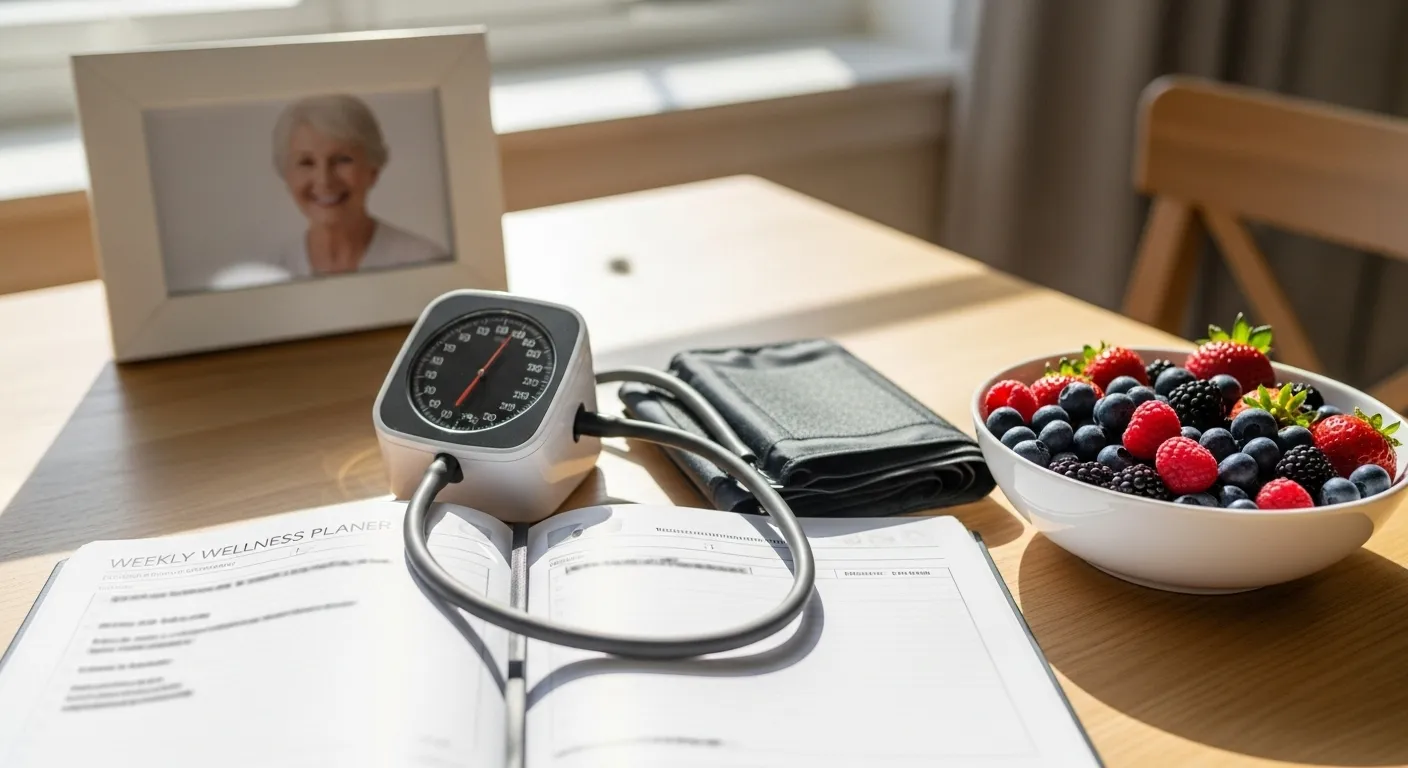
A clear mind is one of the benefits of a calm morning, making it the perfect time to handle important details like medications. Adhering to a medication schedule is vital for managing chronic conditions. Use this time to organize your pills for the day, ensuring you take the correct doses at the correct times. A weekly pill organizer can be an invaluable tool for this.
How to do it safely: Keep your medications and a glass of water in a designated, well-lit spot. Cross-reference your pills with your doctor’s prescription list to avoid errors. After organizing your medication, take a moment to look at your calendar. Knowing what your day holds—whether it’s a doctor’s appointment, a visit with family, or a quiet day at home—can reduce anxiety and give you a sense of purpose and control.

6. Embrace Natural Light
Sunlight does more than just brighten a room; it helps regulate your body’s internal clock, or circadian rhythm. Exposing yourself to natural light shortly after waking tells your body it is time to be alert and energetic. This can improve your mood, boost your focus, and even help you sleep better at night. It is also one of the primary ways our bodies produce Vitamin D, which is essential for bone health.
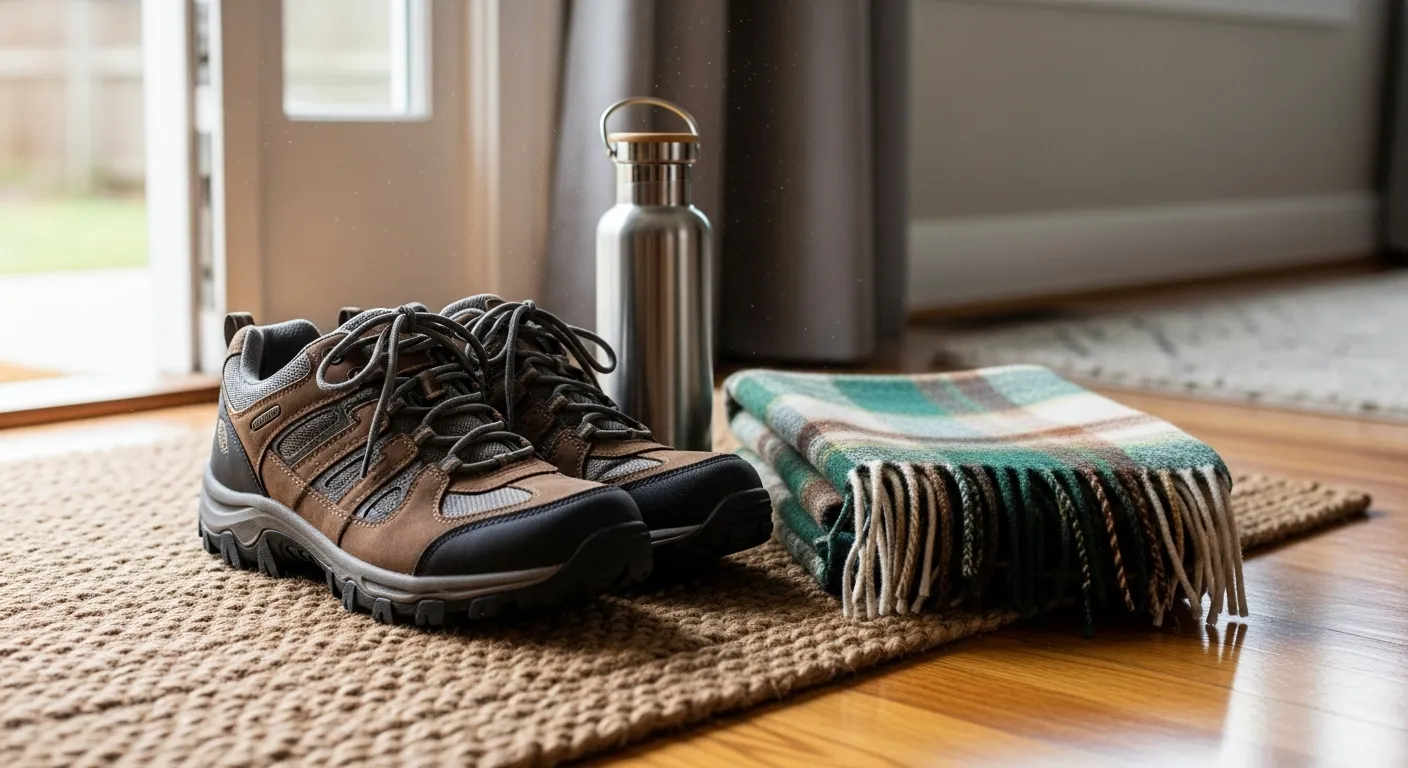
How to do it safely: Simply open your blinds or curtains as soon as you get up. If possible, spend 10-15 minutes sitting by a sunny window while you drink your water or eat your breakfast. If the weather is pleasant and you feel steady on your feet, you might even step outside onto a porch or patio for a few minutes. Be sure to wear appropriate footwear and use any necessary mobility aids.

7. Engage Your Brain for a Few Minutes
Just as your body needs to warm up, so does your brain. Spending a few minutes on a mentally stimulating activity can help sharpen your cognitive skills and keep your mind agile. This is a key part of healthy routines for long-term brain health and can be a very enjoyable part of your morning.
How to do it safely: Choose an activity you genuinely enjoy. This could be a crossword puzzle, Sudoku, or a word search. Reading a chapter of a book or an article in the newspaper is another excellent option. The goal is gentle stimulation, not a stressful test. This habit helps maintain cognitive function and can be a delightful and peaceful way to ease into your day.

8. Cultivate an Attitude of Gratitude
Focusing on what you are thankful for is a powerful way to foster a positive outlook. A gratitude practice can shift your focus from aches and pains or worries to the good things in your life, no matter how small. Studies have shown that gratitude can improve mood, reduce feelings of depression, and enhance overall life satisfaction.
How to do it safely: This habit requires no physical effort. While you are sitting quietly, simply think of three specific things you are grateful for. It could be the comfort of your bed, the taste of your morning tea, a sunny day, or a kind word from a friend. Some people find it helpful to write these down in a small notebook, creating a “gratitude journal” they can look back on. This simple mental exercise can have a lasting positive effect on your emotional well-being.

9. Incorporate Light Physical Activity
Once you have hydrated, stretched, and had a good breakfast, your body may be ready for some light physical activity. Regular activity is one of the cornerstones of healthy aging. It strengthens your heart, improves balance, builds bone density, and boosts your mood. A short morning session can energize you for the rest of the day.
How to do it safely: Always consult your doctor before starting any new exercise program. A great morning activity could be a slow, 10-minute walk around your home or, if it is safe, your neighborhood. Chair exercises are another fantastic option; you can find guided videos online designed for seniors. The key is to listen to your body and never push through pain. Authoritative health information for seniors is provided by the National Institute on Aging (NIA) and the Centers for Disease Control and Prevention (CDC).

10. Connect with Another Person
Social connection is as important to your health as diet and exercise. Loneliness can have a significant negative impact on both mental and physical health. Starting your day with a positive social interaction can combat feelings of isolation and foster a sense of belonging.
How to do it safely: Connection can take many forms. It could be a brief phone call to a child or a friend just to say good morning. You could send a text message or an email to a grandchild. Even a friendly chat with a neighbor while getting the mail counts. This small act of reaching out reinforces your social bonds and reminds you that you are part of a community.
[HelpfulResourcesforSeniors.com]






Leave a Reply