
Losing a spouse brings profound emotional grief alongside urgent financial decisions. Navigating widow social security benefits can feel overwhelming during such a vulnerable time, yet understanding your options ensures you secure the full financial support you deserve. Social Security rules for widows offer unique flexibilities—including the ability to switch between survivor benefits and your own earned retirement benefit—that can significantly increase your lifelong monthly income. Whether you are currently preparing your financial strategy or adjusting to life on a single income, knowing how these regulations operate helps you avoid costly errors. This comprehensive guide outlines exact eligibility criteria, strategic claiming timelines, working limits, and essential steps to protect your financial independence.
Understanding How Social Security Survivor Benefits Work
Social Security survivor benefits provide dedicated monthly cash income to surviving spouses based on the earnings history of the deceased worker. When a married individual passes away, the surviving spouse becomes eligible to collect a percentage of the deceased worker’s primary benefit. According to the Social Security Administration (SSA), survivor benefits help buffer the severe financial disruption that occurs when a household transitions from two incomes to one.
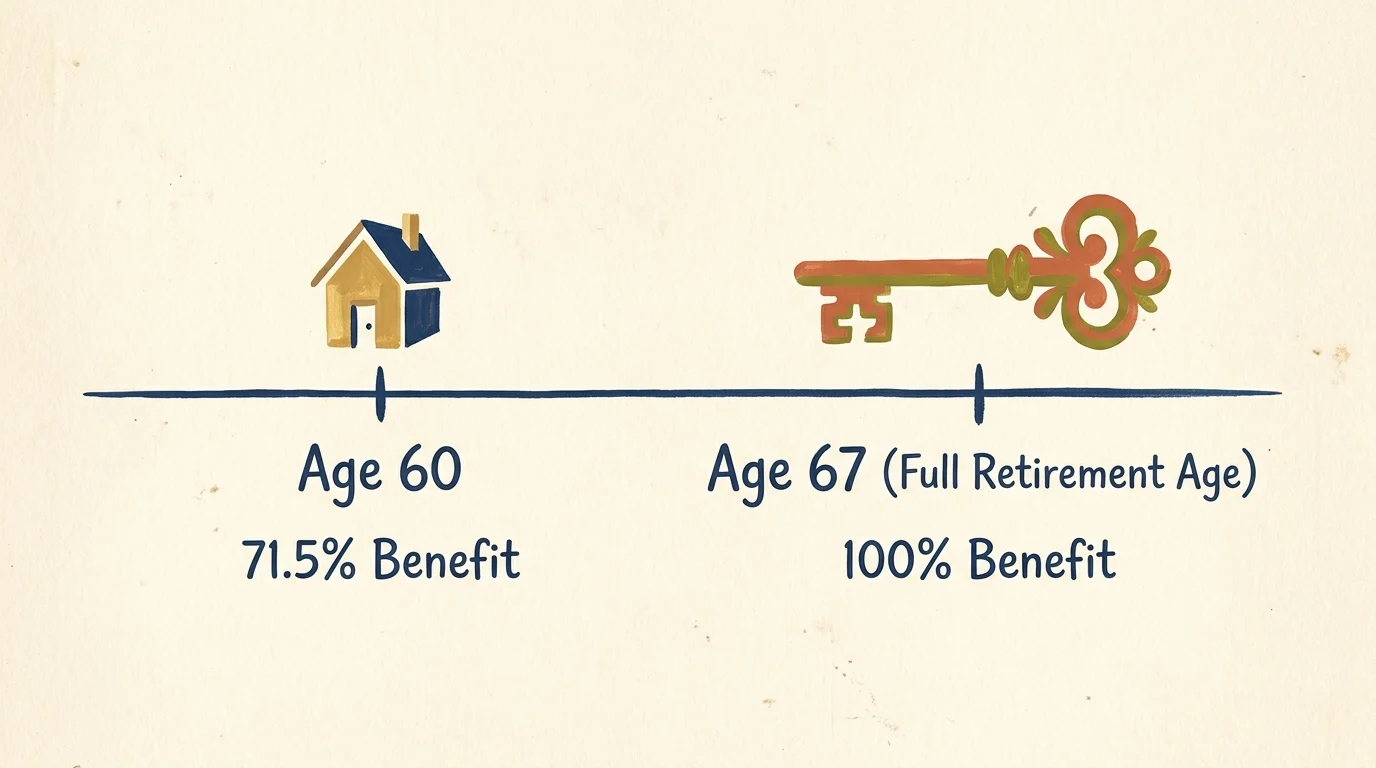
The exact monthly payment you receive depends directly on your age at the time you claim benefits and the baseline benefit amount your deceased spouse earned. If you wait until you reach your Full Retirement Age (FRA)—which ranges between age 66 and 67 depending on your birth year—you receive 100% of your deceased spouse’s benefit amount. If you claim benefits as early as age 60, the payment amount reduces permanently to 71.5% of the baseline figure.
For context, following a 2.8% cost-of-living adjustment (COLA), the average monthly Social Security benefit for an aged, nondisabled surviving spouse sits at approximately $1,930.79 per month. While this benefit offers vital support, household expenses rarely drop by half when a spouse dies. Housing costs, property taxes, utilities, and insurance premiums usually remain identical. Consequently, understanding how social security survivor benefits widow regulations calculate your monthly payout becomes vital for managing your ongoing living expenses.
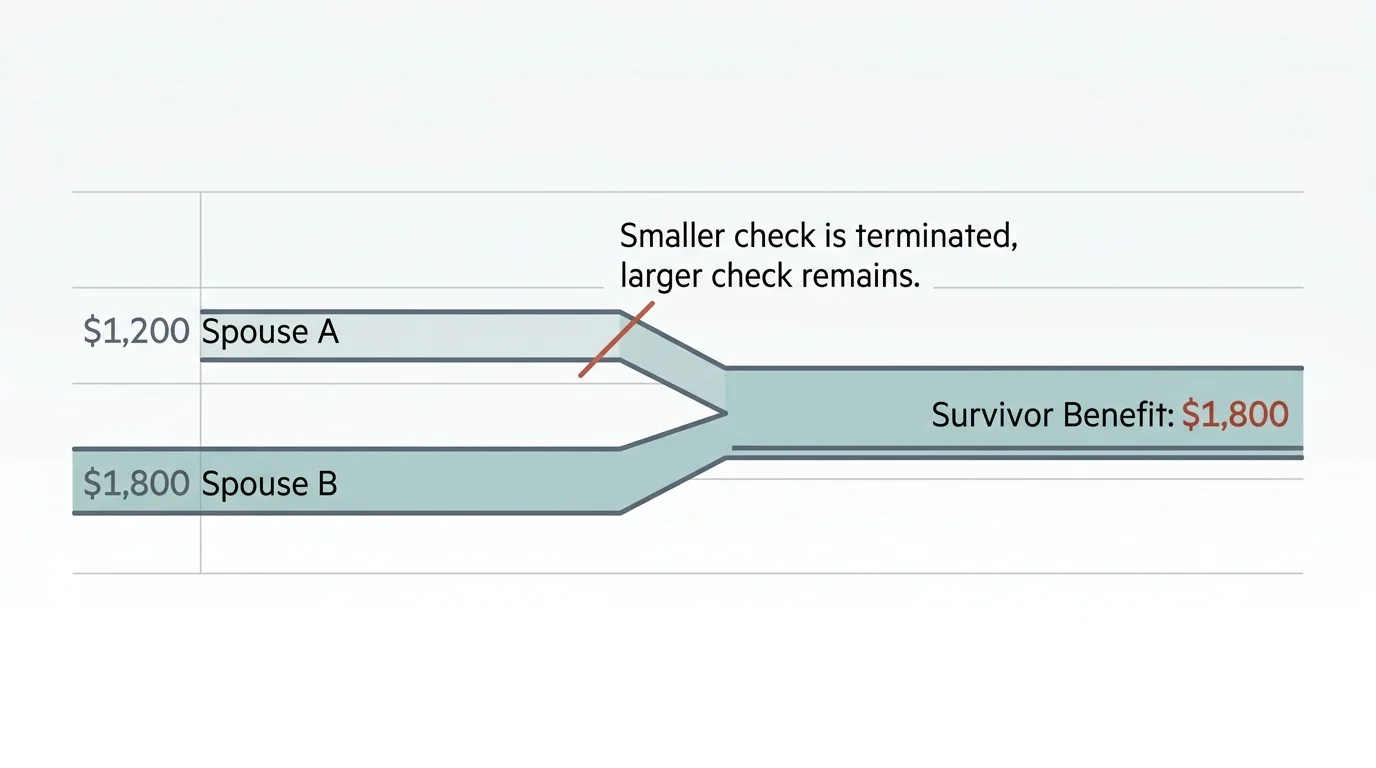
It is equally important to realize that Social Security does not combine both checks into a single payment. If both you and your spouse were receiving Social Security benefits prior to their passing, the Social Security Administration will terminate the smaller of the two monthly payments. You then receive the larger check amount moving forward. If your spouse had not yet claimed benefits, your survivor payout calculation relies on the full benefit amount your spouse had earned up to their date of death.
Key Eligibility Rules for Widows and Widowers
Qualifying for social security for widows requires meeting specific age, marital status, and duration criteria. Social Security rules for widows mandate that you must satisfy these foundational requirements before filing an application:
- Duration of Marriage: In most situations, you must have been legally married to your deceased spouse for at least 9 continuous months prior to their death. Exceptions to this 9-month rule exist if the death was accidental, occurred in the line of military duty, or if you had a child together.
- Minimum Age Threshold: You can claim reduced widow social security benefits starting at age 60. If you have a qualifying disability, you can claim benefits as early as age 50.
- Caring for Dependent Children: If you care for a child of the deceased spouse who is under age 16 or disabled, you can receive survivor benefits at any age without waiting to reach age 60.
- Divorced Surviving Spouses: If you are divorced from the deceased worker, you can still claim widowed spouse benefits if your marriage lasted at least 10 full years. The same age thresholds apply, and your claim will not reduce the benefit amounts available to the deceased worker’s current surviving family.
Meeting these eligibility hurdles allows you to access financial support through your late spouse’s work record. However, you must also carefully examine how timing affects your lifetime benefit trajectory before submitting a formal application.
How Remarriage Impacts Your Survivor Payments
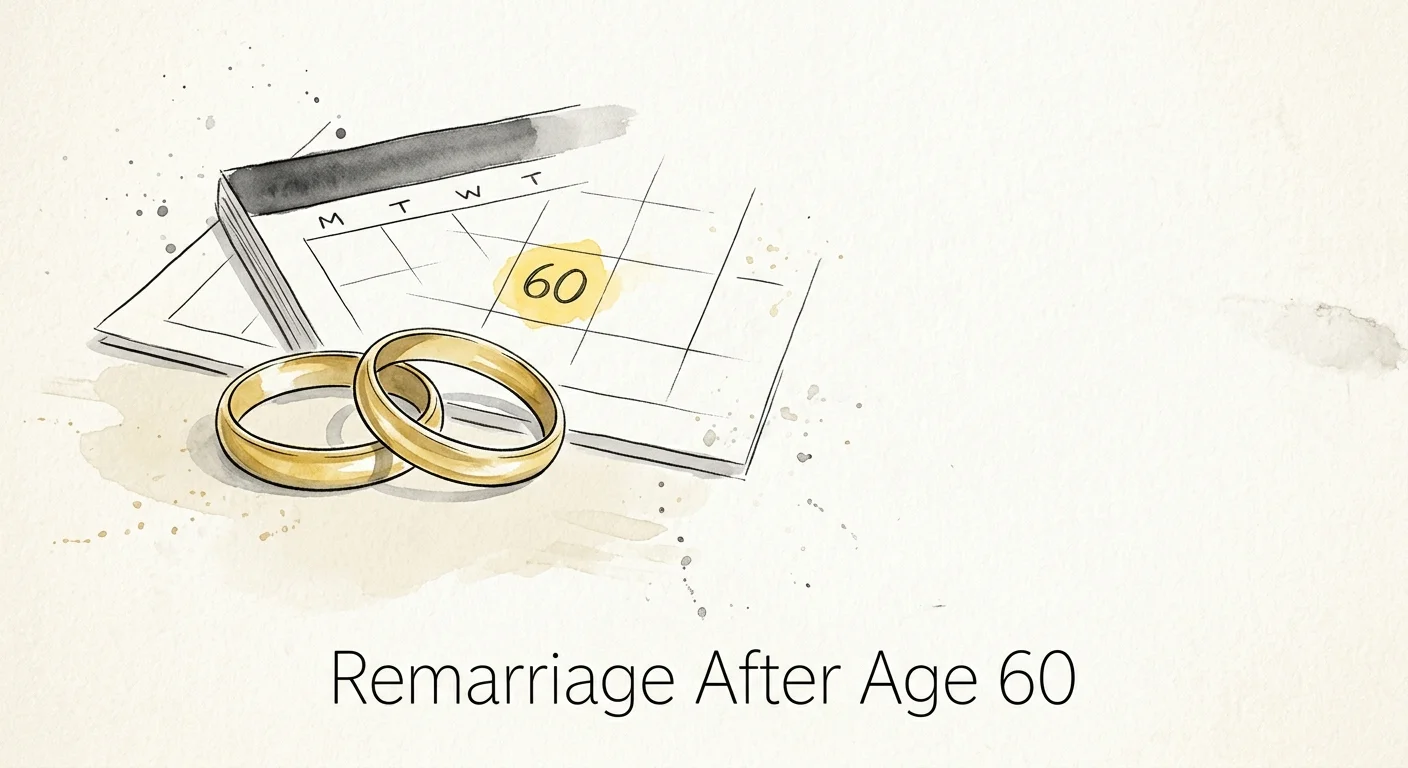
Remarriage represents one of the most misunderstood areas within Social Security regulations. Many widows fear that entering a new marriage will automatically strip them of their survivor benefits. The reality depends entirely on the exact age at which you remarry.
If you remarry before reaching age 60 (or age 50 if you are disabled), you generally forfeit your right to receive social security survivor benefits widow payments based on your late spouse’s earnings record. As long as that subsequent marriage remains intact, you cannot collect survivor benefits from your former husband or wife. However, if that later marriage ends through death, divorce, or annulment, your eligibility for survivor benefits on the prior record reopens.
If you remarry at age 60 or older (or age 50 if disabled), your new marriage has zero negative impact on your entitlement to survivor benefits. You will continue receiving your monthly survivor check without interruption or penalty. Furthermore, after one year of your new marriage, you gain the right to compare your survivor benefit against a spousal benefit derived from your new spouse’s work record. The Social Security Administration will automatically ensure you receive whichever check pays the higher monthly dollar amount.
Consider this practical scenario: Sarah lost her husband at age 55. At age 61, she decides to remarry. Because Sarah waited until after her 60th birthday to remarry, she retains full entitlement to collect her late husband’s Social Security survivor benefit. Had she remarried at age 59, she would have lost access to those payments entirely until or unless her second marriage concluded.
Maximizing Your Income with Strategic Claiming Options
One of the most valuable advantages available to widows is an exemption from the Social Security “deemed filing” rules. Under standard retirement guidelines, when you apply for your own retirement benefit, you are legally deemed to apply for spousal benefits at the same time. However, Congress specifically exempted survivor benefits from this constraint.
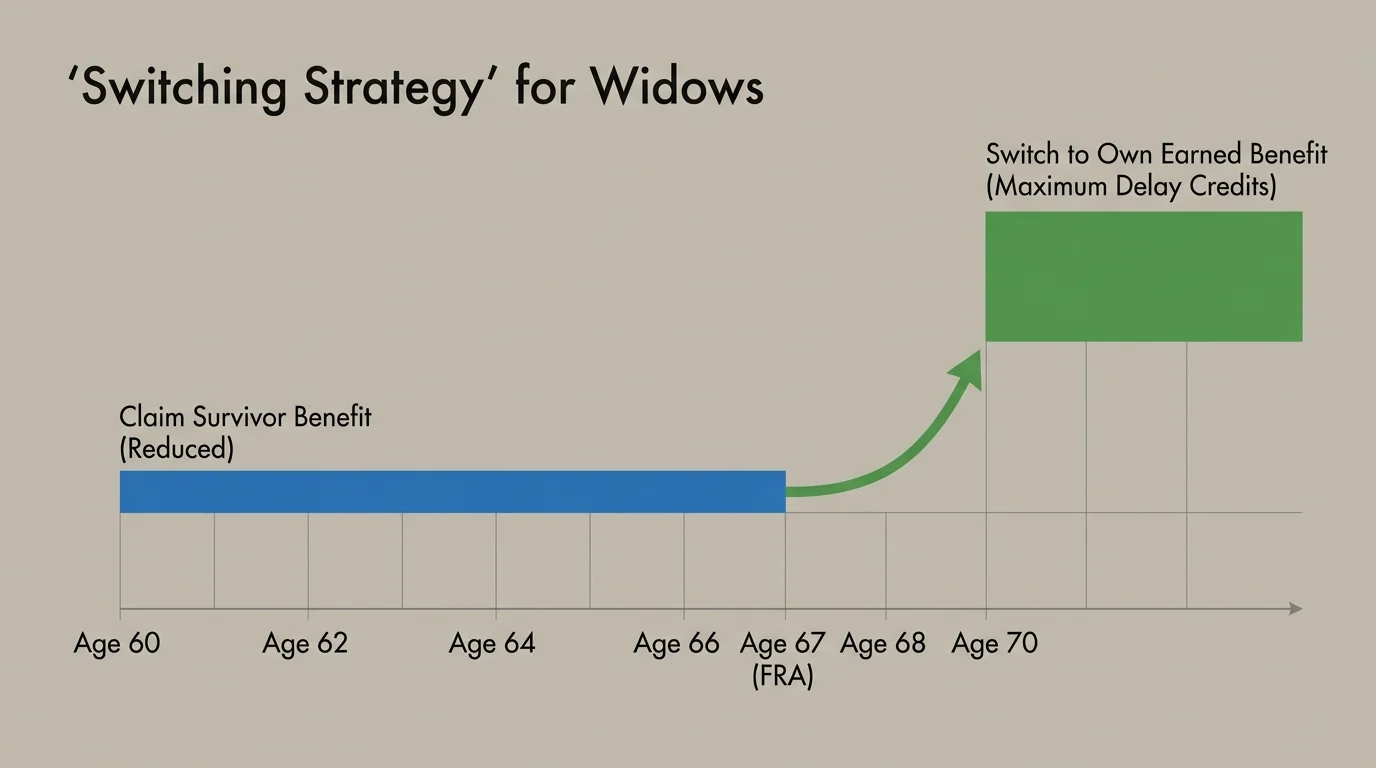
This exception allows you to claim survivor benefits and personal retirement benefits at completely separate times. You can intentionally claim one benefit type first while allowing the second benefit type to grow untouched over time.
Two primary strategy pathways exist for widowed retirees:
- Claim Survivor Benefits First, Switch to Personal Benefits Later: You can claim survivor benefits as early as age 60 (at a reduced rate). Meanwhile, your personal retirement benefit continues to grow by approximately 8% per year past your Full Retirement Age due to delayed retirement credits. At age 70, when your personal benefit hits its absolute maximum, you switch from the survivor benefit to your own higher personal benefit.
- Claim Personal Benefits First, Switch to Survivor Benefits Later: If your personal work history yields a relatively small check, you can claim your personal retirement benefit at age 62. This provides immediate income while your survivor benefit grows without early-claiming penalties. Once you reach your Full Retirement Age, you switch to the survivor benefit to collect 100% of your late spouse’s benefit check for the rest of your life.
Research from the Consumer Financial Protection Bureau (CFPB) underscores how strategic claiming decisions drastically affect long-term retirement security. Selecting the wrong timeline can cause you to permanently surrender tens of thousands of dollars over the course of your retirement years.
To illustrate the power of this exemption, review the comparison table below showing how a hypothetical widow (Mary) can structure her benefits based on different claiming strategies:
| Claiming Strategy | Action at Age 60–62 | Action at Age 66–67 (FRA) | Action at Age 70 | Long-Term Result |
|---|---|---|---|---|
| Strategy A: Standard Early Claim | Claims Survivor Benefit at age 60 (71.5% rate) | Takes no action | Takes no action | Locks in a permanently reduced survivor check for life. |
| Strategy B: Survivor First, Personal Later | Claims Survivor Benefit at age 60 ($1,400/mo) | Allows personal benefit to accumulate credits | Switches to maximum Personal Benefit ($2,200/mo) | Generates early cash flow while optimizing income after age 70. |
| Strategy C: Personal First, Survivor Later | Claims Personal Benefit at age 62 ($1,100/mo) | Switches to full Survivor Benefit ($2,000/mo) | Takes no action | Provides initial income while protecting full survivor payout at FRA. |
Working While Receiving Benefits: Earnings Test Limits
Many surviving spouses choose to remain in the workforce, whether for financial stability, mental engagement, or healthcare coverage. If you decide to claim widow social security benefits before reaching your Full Retirement Age while continuing to work, you must navigate the Social Security Retirement Earnings Test.
If your annual wage or self-employment income exceeds statutory limits, the Social Security Administration temporary withholds a portion of your monthly benefit checks. These earnings test rules adjust annually for inflation:
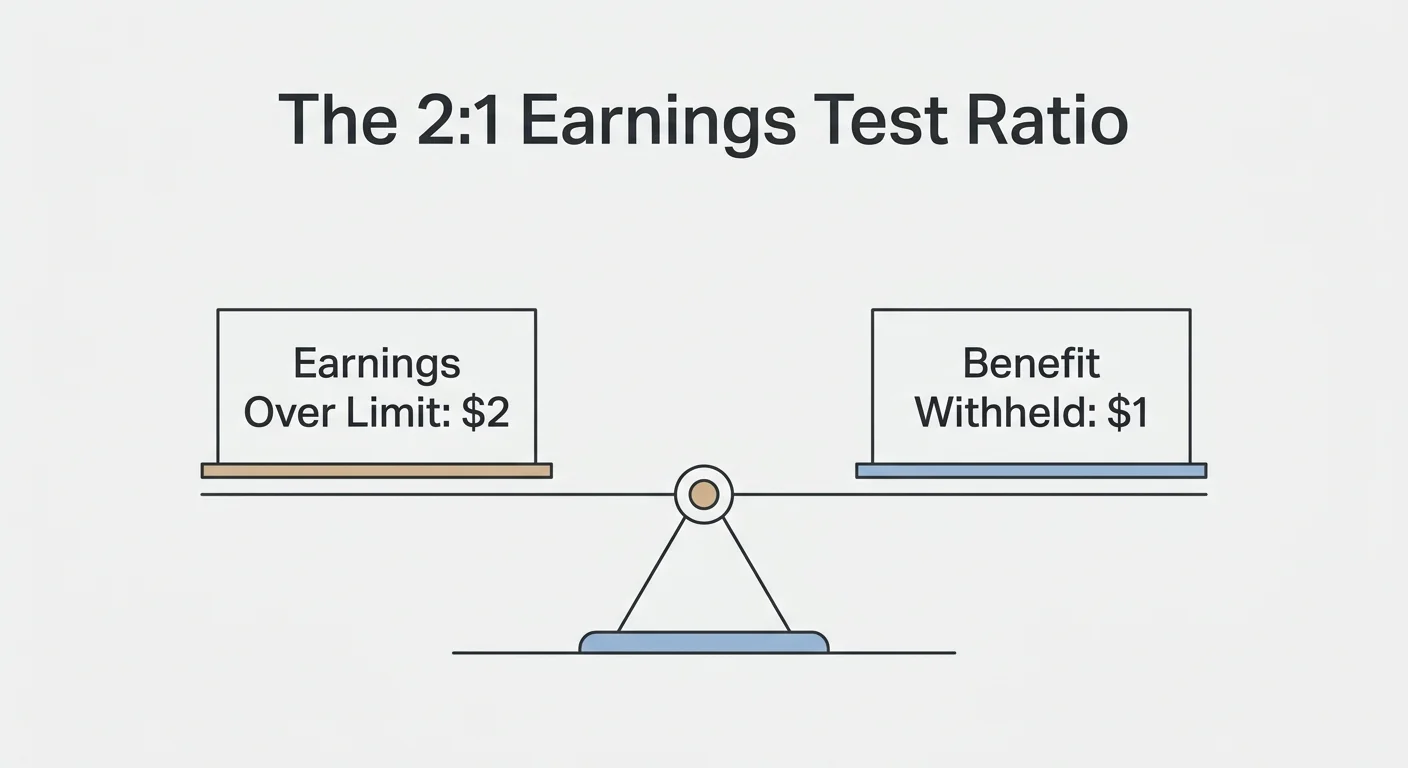
- Under Full Retirement Age (Entire Year): The annual earnings limit is $24,480. If you earn more than $24,480, Social Security withholds $1 in benefits for every $2 you earn above the limit.
- Year Reaching Full Retirement Age: During the months leading up to your FRA birthday month, the earnings limit rises substantially to $65,160. Social Security withholds $1 in benefits for every $3 you earn above $65,160.
- Month Reaching Full Retirement Age and Beyond: The earnings test disappears completely. You can earn an unlimited amount of income from working without incurring any withholding on your Social Security check.
It is essential to recognize that withheld benefits are not permanently lost. Once you reach your Full Retirement Age, the Social Security Administration recalculates your monthly benefit upward to account for the payments that were withheld during your working years. Nevertheless, earning a high income while collecting survivor benefits prior to FRA can cause unexpected cash flow disruptions if you do not plan ahead.
Step-by-Step Guide to Applying for Survivor Benefits
Applying for widowed spouse benefits requires direct interaction with the Social Security Administration. Unlike standard retirement benefits, you generally cannot complete a survivor benefit application online. You must complete the process via telephone or during an in-person appointment at a local Social Security field office.
Guidance from Benefits.gov indicates that preparing proper documentation in advance streamlines the filing experience and prevents unnecessary delays. Follow this step-by-step roadmap when you are ready to file:
- Report the Death Promptly: In most cases, the funeral director handling services will report your spouse’s death to Social Security if you provide their Social Security number. However, you should contact Social Security directly to verify that the report was submitted properly.
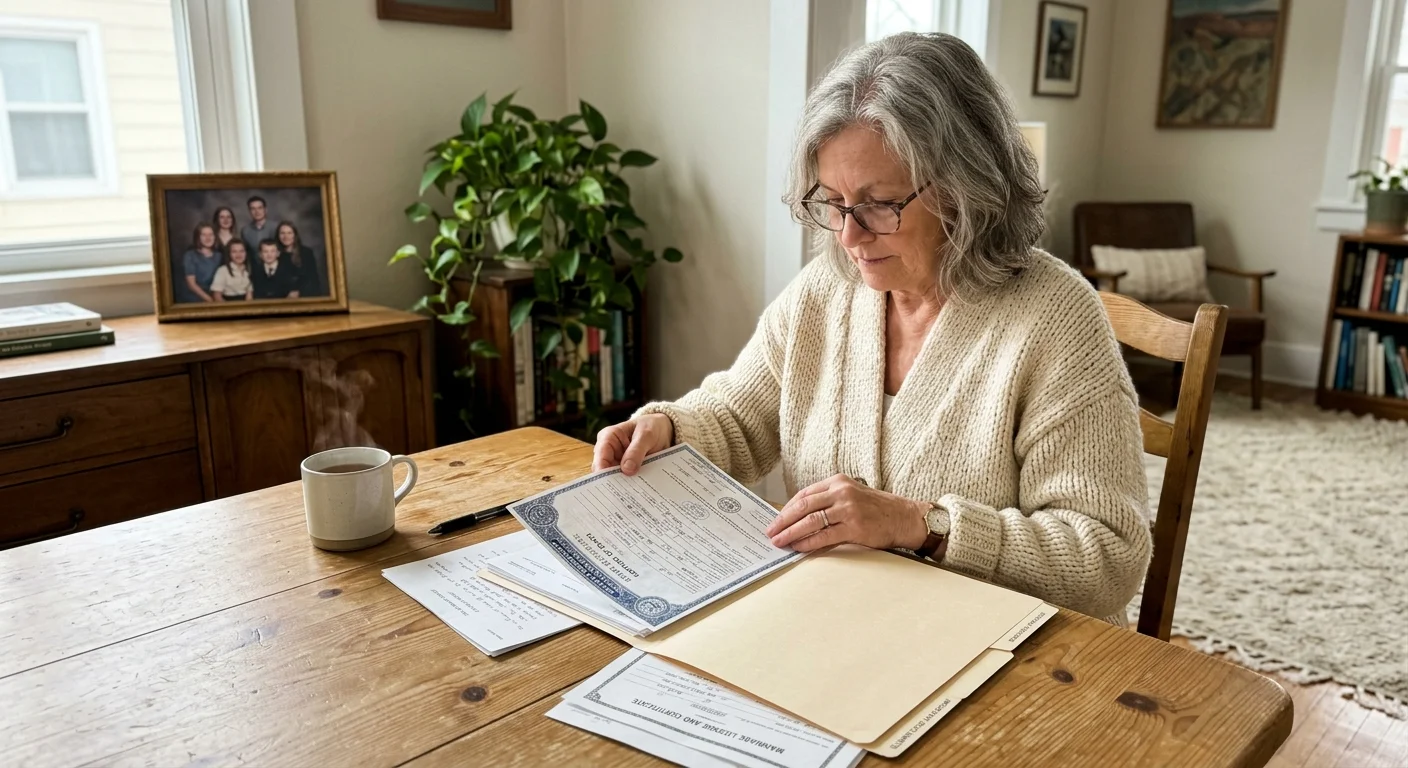
- Gather Required Documentation: Before your appointment, assemble official copies or original versions of the following items:
- Your spouse’s certified death certificate
- Your marriage certificate
- Your original birth certificate and proof of citizenship
- Divorce decrees (if filing as a surviving divorced spouse)
- Most recent W-2 forms or tax returns (if self-employed)
- Social Security numbers for yourself and your late spouse
- Direct deposit banking details (routing and account numbers)
- Schedule an Appointment: Call the national Social Security hotline at 1-800-772-1213 (TTY 1-800-325-0778) between 8:00 AM and 7:00 PM, Monday through Friday, to schedule a telephone interview or in-person visit.
- Review Claiming Strategy Options with the Representative: During your application interview, explicitly state that you want to explore all available claiming options. Ask the representative to run side-by-side calculations comparing your survivor benefit against your personal retirement benefit at various filing ages.
- Apply for the One-Time Lump-Sum Death Payment: Ensure you request the $255 one-time lump-sum death payment. This specific payment goes to a surviving spouse who was living in the same household as the deceased worker at the time of death.
Common Social Security Pitfalls to Avoid
Navigating financial policy during bereavement creates severe mental stress. Unfortunately, missing key nuances in social security rules for widows can lead to irreversible financial losses. Avoid these four common pitfalls:
1. Assuming Survivor Benefits Start Automatically
Social Security almost never converts your spousal benefit or independent record into a survivor benefit automatically. Except in rare circumstances where you are already collecting spousal benefits on your deceased partner’s record at FRA, you must proactively apply for survivor benefits. If you delay filing, you may permanently lose out on retroactively owed monthly payments.
2. Filing at Age 60 While Earning High Wages
Filing for widow social security benefits at age 60 causes a permanent 28.5% reduction in your baseline survivor payout. If you also earn wages above the $24,480 limit, Social Security will withhold most or all of your benefits. You endure the lifetime penalty of early filing without receiving the current cash flow you expected.
3. Remarrying Just Before Age 60
If you plan to remarry, pay close attention to the calendar. Remarrying at age 59 years and 11 months will disqualify you from receiving survivor benefits on your late spouse’s record. Delaying your wedding date by just a few weeks until after your 60th birthday protects your ongoing right to those payments indefinitely.
4. Forgetting to Switch to Your Personal Benefit at Age 70
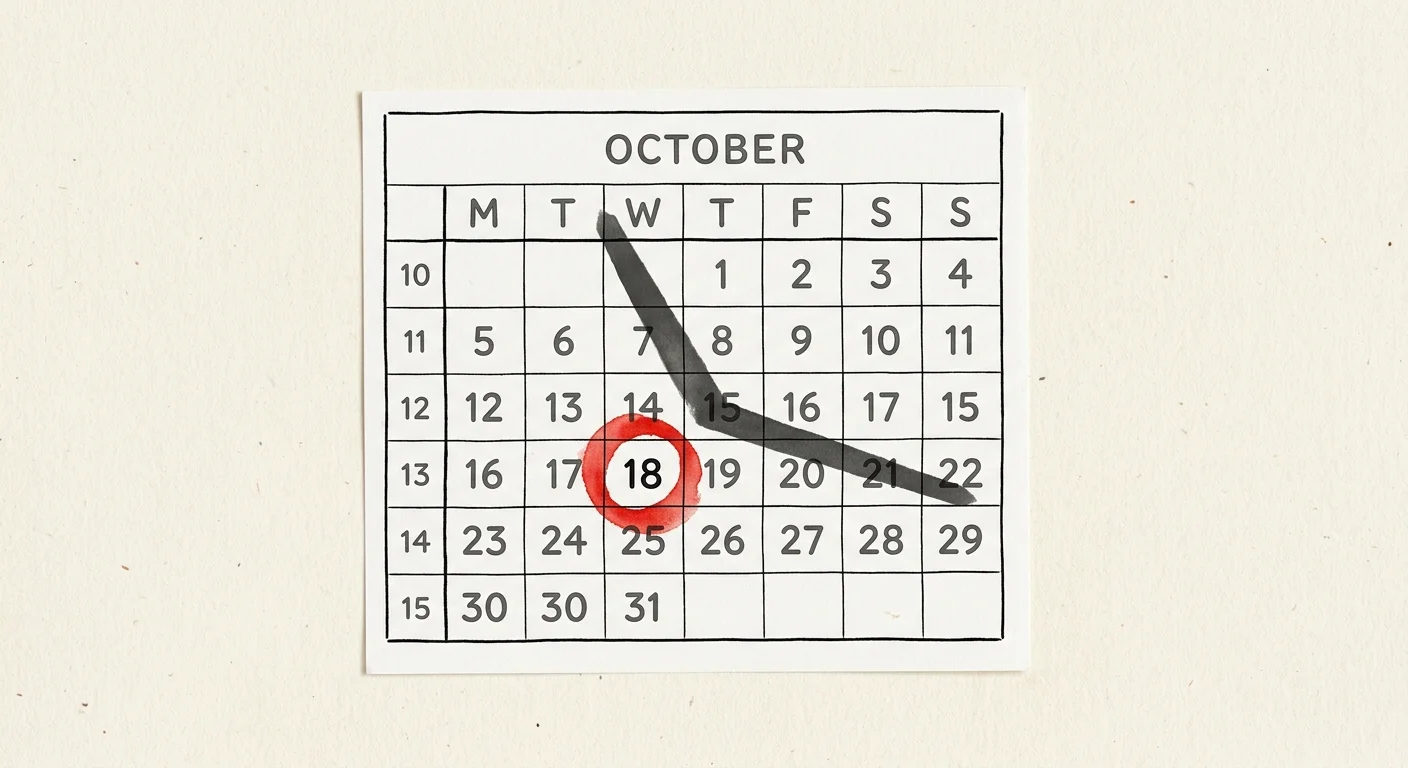
If you elect to claim survivor benefits first while leaving your personal retirement account to grow, mark your 70th birthday clearly on your calendar. Social Security will not automatically transition you to your higher personal benefit at age 70. You must contact the agency directly to submit a new claim and claim your higher monthly amount.
Frequently Asked Questions
Can I collect my own Social Security retirement benefit and my late spouse’s survivor benefit at the exact same time?
No. The Social Security Administration does not allow beneficiaries to “double dip” by combining full checks from both records into one combined payout. Instead, Social Security pays you an amount equal to whichever benefit is higher. However, you can claim one benefit type first and switch to the other benefit type later if that strategy increases your long-term income.
What happens if my late spouse claimed Social Security early at age 62?
If your spouse claimed early retirement benefits before reaching their Full Retirement Age, their monthly payment was permanently reduced. Consequently, your maximum survivor benefit is capped at the amount your spouse was receiving at the time of death (or 82.5% of their Primary Insurance Amount, whichever is higher). This cap is known as the survivor benefit limit rule.
Will claiming widow survivor benefits affect my Medicare coverage or premiums?
Claiming survivor benefits does not negatively alter your Medicare eligibility or coverage. When you reach age 65, you become eligible for Medicare Part A and Part B regardless of whether you are drawing survivor benefits or personal retirement benefits. If you already receive Social Security payments, your Medicare Part B premiums will automatically be deducted directly from your monthly Social Security check.
Are Social Security survivor benefits considered taxable income?
Survivor benefits follow the exact same income tax rules as regular Social Security retirement benefits. Depending on your total combined gross income—which includes your adjusted gross income, non-taxable interest, and half of your annual Social Security benefits—you may pay federal income tax on up to 50% or 85% of your survivor benefit amount.
Can I receive survivor benefits if my late spouse died before ever claiming Social Security?
Yes. If your spouse died prior to filing for Social Security retirement, you remain fully eligible for survivor benefits as long as your spouse worked enough quarters to be fully insured (generally 40 credits, or 10 years of work). Social Security calculates your survivor benefit based on the full Primary Insurance Amount your late spouse earned up to the date of death.
For additional senior resources, visit
Administration for Community Living (ACL),
Eldercare Locator,
AARP and
Alzheimer’s Association.
Disclaimer: The information in this article is for educational purposes only and is not intended to be a substitute for professional financial, legal, or medical advice. Always consult with a qualified expert for advice tailored to your personal situation.








Leave a Reply