

Maintaining a safe, comfortable home becomes challenging when age-related mobility changes coincide with tight retirement budgets. Critical structural fixes, aging roofs, and hazardous steps can quickly threaten your independence if funding is out of reach. Fortunately, federal, state, and local governments provide specialized home repair assistance seniors can rely on to make essential modifications without draining their savings. Low-income home repair grants and low-interest loans cover vital tasks ranging from wheelchair ramp installation to complete heating system repairs. Understanding these programs allows you to access thousands of dollars in funding, safeguard your health, reduce monthly utility costs, and comfortably age in place in the community you love.
Federal USDA Section 504 Home Repair Grants and Loans
The U.S. Department of Agriculture (USDA) administers one of the most generous direct financial aid initiatives for rural older adults: the Section 504 Single Family Housing Repair program. This program provides targeted financial aid to eliminate safety hazards and make homes accessible for older adults living on limited incomes.
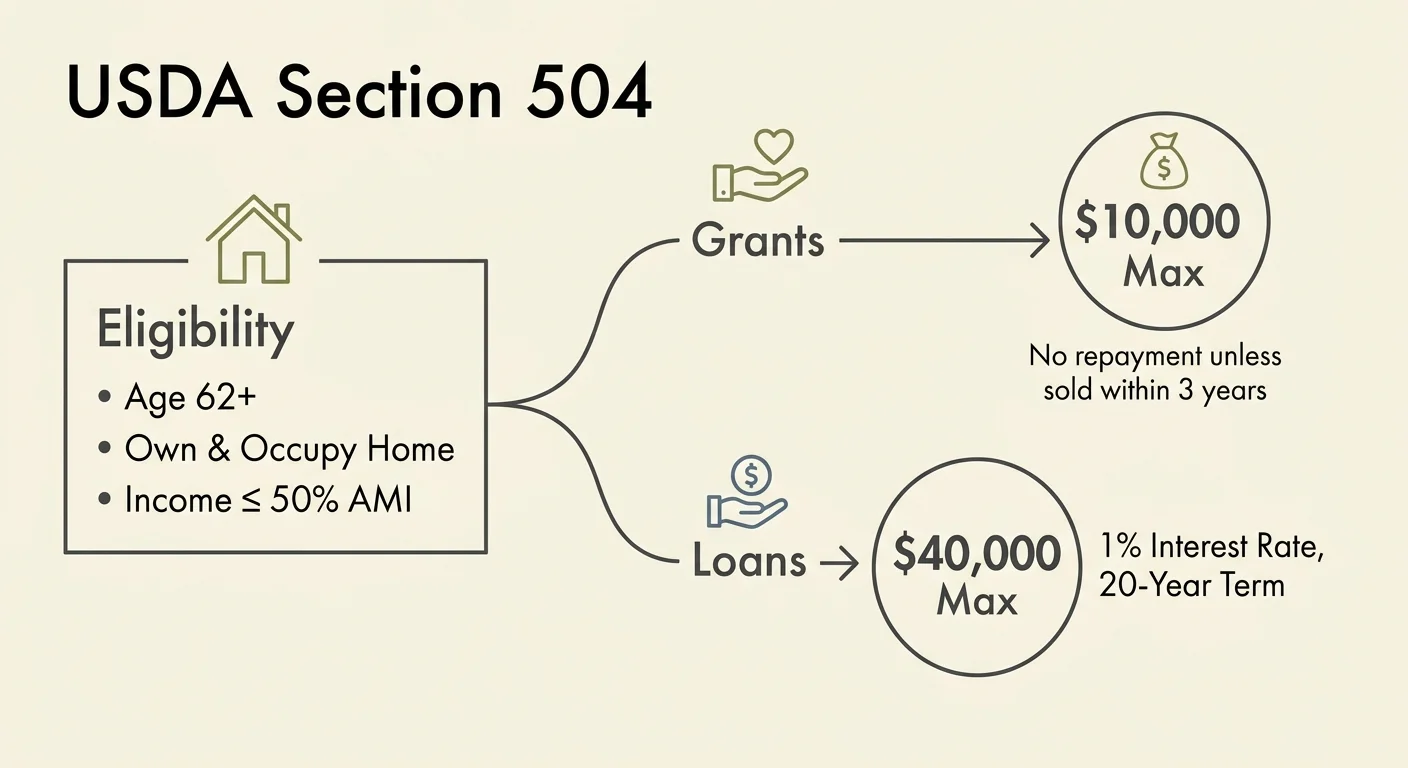
To qualify for low-income home repair grants under Section 504, you must meet specific criteria set by the federal government:
- Age Requirement: You must be 62 years of age or older to receive a grant.
- Home Ownership: You must own and occupy the home as your primary residence.
- Credit Access: You must demonstrate an inability to obtain affordable credit elsewhere.
- Income Limits: Household income cannot exceed the county’s “very low” income limit, which is generally set at or below 50% of the Area Median Income (AMI).
Section 504 offers flexible funding structures tailored to what your household budget can comfortably support. For seniors who cannot afford loan repayments, the program provides a direct grant of up to a $10,000 lifetime maximum. If your property sits in a presidentially declared disaster area, that lifetime maximum limit increases to $15,000. These grants must be used specifically to remove health and safety hazards or to repair and modernize your home—such as replacing a leaky roof, installing a wheelchair ramp, fixing unsafe electrical systems, or plumbing overhauls.
If your budget permits minor monthly payments, low-income homeowners of any age can also access loans up to $40,000. The USDA fixes these loans at a remarkably low 1% interest rate with a generous 20-year repayment term. In many cases, homeowners combine a loan and a grant to secure up to $50,000 in total assistance ($55,000 in designated disaster areas) for extensive structural repairs.
One critical rule governs USDA grants: you do not have to repay grant funds unless you sell or transfer ownership of the property within 3 years of receiving the funding. If you remain in your home for at least 36 months after the repairs finish, the grant is forgiven entirely. To check local rural eligibility maps and income thresholds, you can search official resources listed on Benefits.gov or contact your local USDA Rural Development service center.
The Weatherization Assistance Program (WAP) for Energy Savings
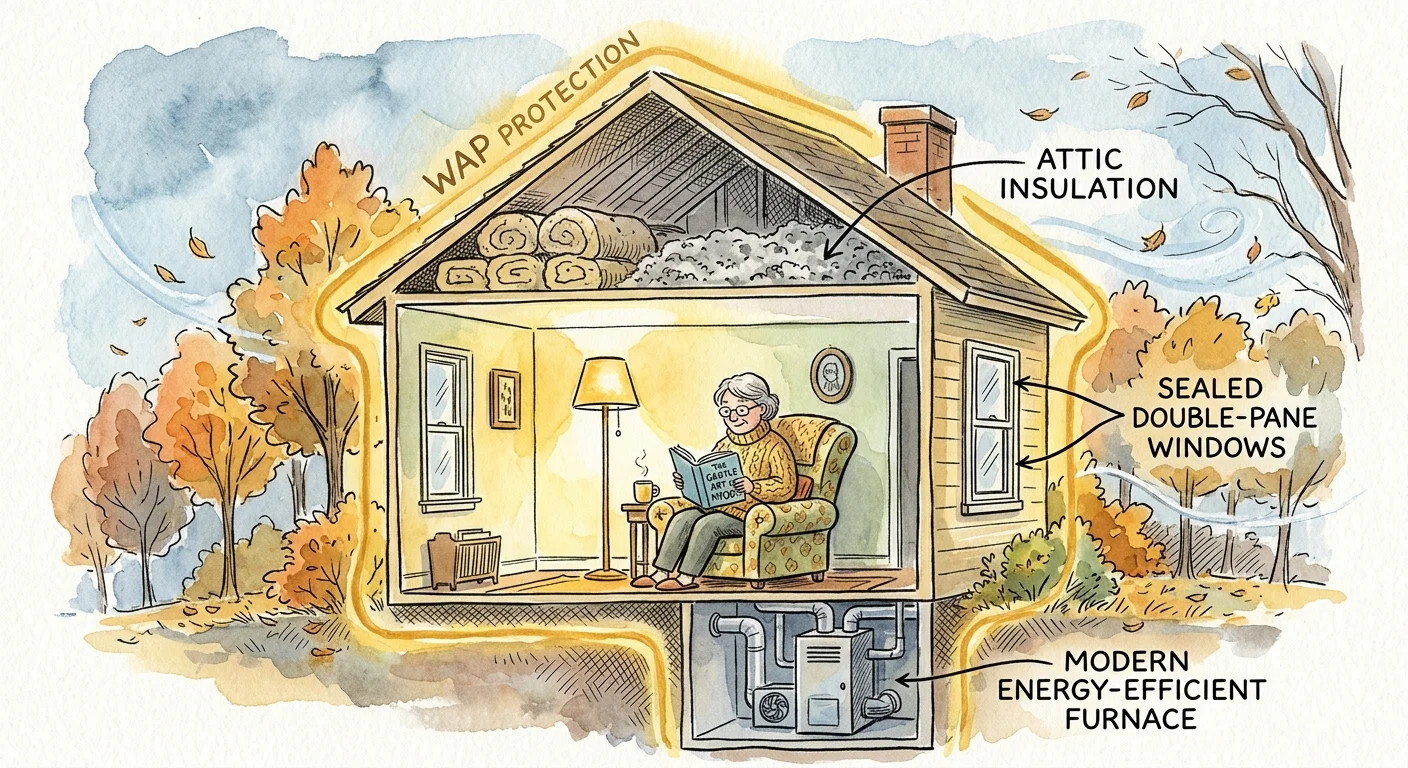
Rising heating and cooling bills pose a severe financial strain when you live on a fixed income. Drafty windows, poor insulation, and outdated furnaces force heating systems to work overtime, inflating monthly expenses and creating unsafe indoor temperatures. The U.S. Department of Energy (DOE) created the Weatherization Assistance Program (WAP) to address these exact challenges.
The DOE funds state energy offices, which then distribute grants to local community action agencies. These senior home improvement programs focus on permanent energy-efficiency measures rather than cosmetic fixes. Standard weatherization repairs include adding high-grade attic and wall insulation, sealing air leaks around doors and windows, repairing or replacing broken heating and cooling systems, and insulating water heaters.
Eligibility for weatherization assistance seniors apply for hinges on income thresholds tied directly to the Federal Poverty Level (FPL):
- Income Ceiling: Your household income must be at or below 200% of the Federal Poverty Level.
- 1-Person Household Threshold: Gross annual income up to $31,920.
- 2-Person Household Threshold: Gross annual income up to $43,280.
- Automatic Qualification: If you or a member of your household receives Supplemental Security Income (SSI) or Temporary Assistance for Needy Families (TANF), you qualify automatically regardless of other income calculations.
Once approved, a certified energy auditor conducts a comprehensive assessment of your home using specialized diagnostic tools, such as blower-door tests and thermal imaging cameras, to identify structural heat loss. Professional contractors then perform the necessary energy upgrades at absolutely no cost to you.
The financial relief provided by weatherization is significant and long-lasting. Data from the DOE reveals that weatherization services save participating low-income households an average of $372 or more per year in overall energy costs. These savings recur year after year, freeing up valuable financial resources for groceries, prescription medications, and personal care.
HUD Community Development Block Grants and Local Programs
The U.S. Department of Housing and Urban Development (HUD) provides federal funds directly to city, county, and state governments through Community Development Block Grants (CDBG) and the HOME Investment Partnerships Program. Local municipalities design custom home repair assistance seniors can use to resolve immediate health, safety, and housing code violations.
Because local housing authorities manage these grants, exact eligibility guidelines and available funding amounts vary depending on where you live. However, HUD sets general parameters requiring applicants to fall within low-to-moderate-income limits, typically defined as earning at or below 80% of your county’s Area Median Income (AMI).
Municipal CDBG programs frequently offer several forms of financial assistance:
- Emergency Repair Grants: Small, fast-tracked grants ranging from $2,500 to $7,500 designed to fix immediate hazards—such as a burst main water pipe, an unsafe electrical panel, or a broken water heater.
- Deferred Payment Loans: Zero-interest loans that require no monthly payments. The loan balance gradually decreases over a set residency period (usually 5 to 10 years) and is completely forgiven if you remain in the home.
- Code Compliance Grants: Targeted funding to resolve municipal code violations that could otherwise lead to city fines or property liens.
Local CDBG funds prioritize repairs that preserve the structural integrity of the home and allow older adults to remain safely independent. Approved projects often include complete roof replacements, structural foundation repairs, handicap-accessible bathroom conversions, exterior ramp construction, and electrical system overhauls.
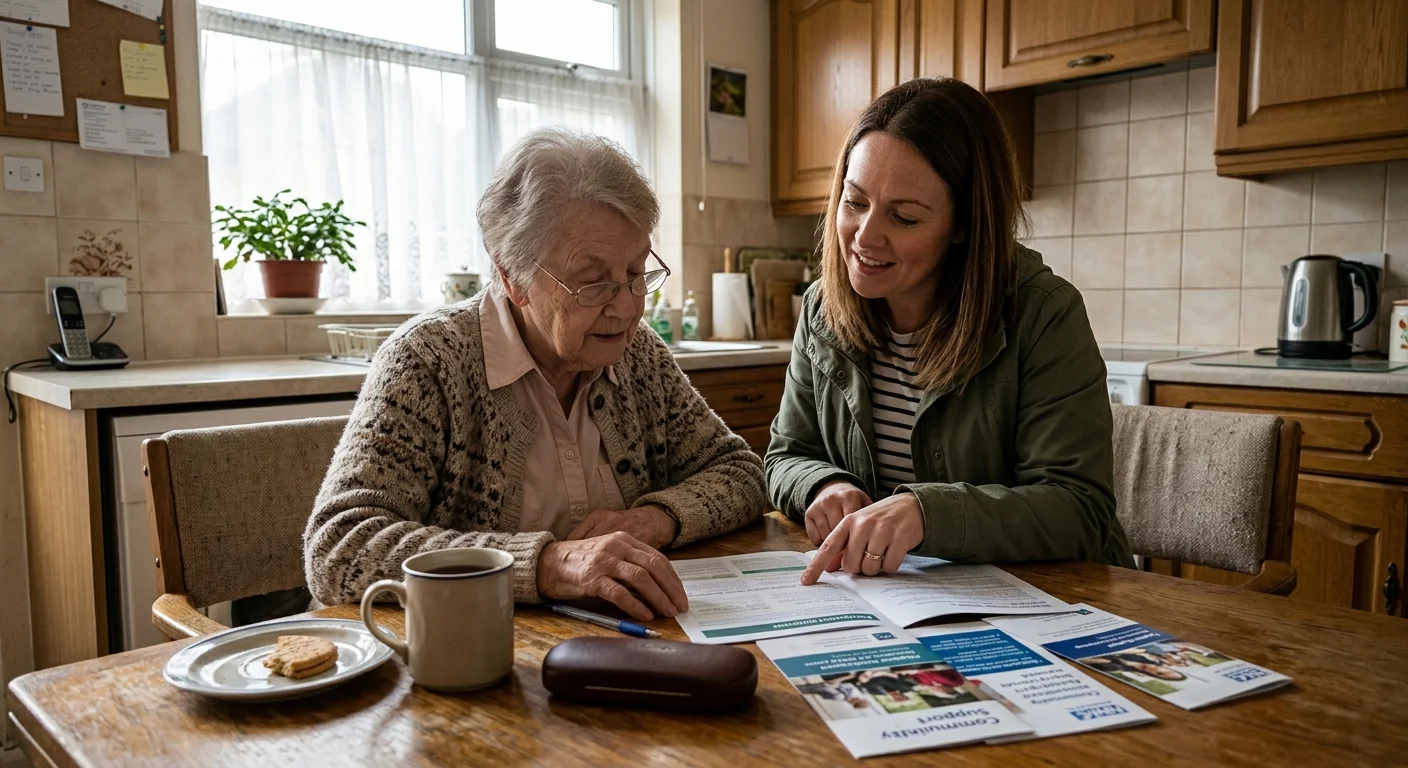
To discover CDBG-funded repair opportunities in your municipality, contact your county housing office or speak directly with an eldercare specialist. Finding local CDBG programs is easiest when you connect with your regional Area Agency on Aging through the Eldercare Locator, a public service dedicated to connecting older adults with local assistance programs.
Nonprofit Initiatives and Aging in Place Safety Modifications
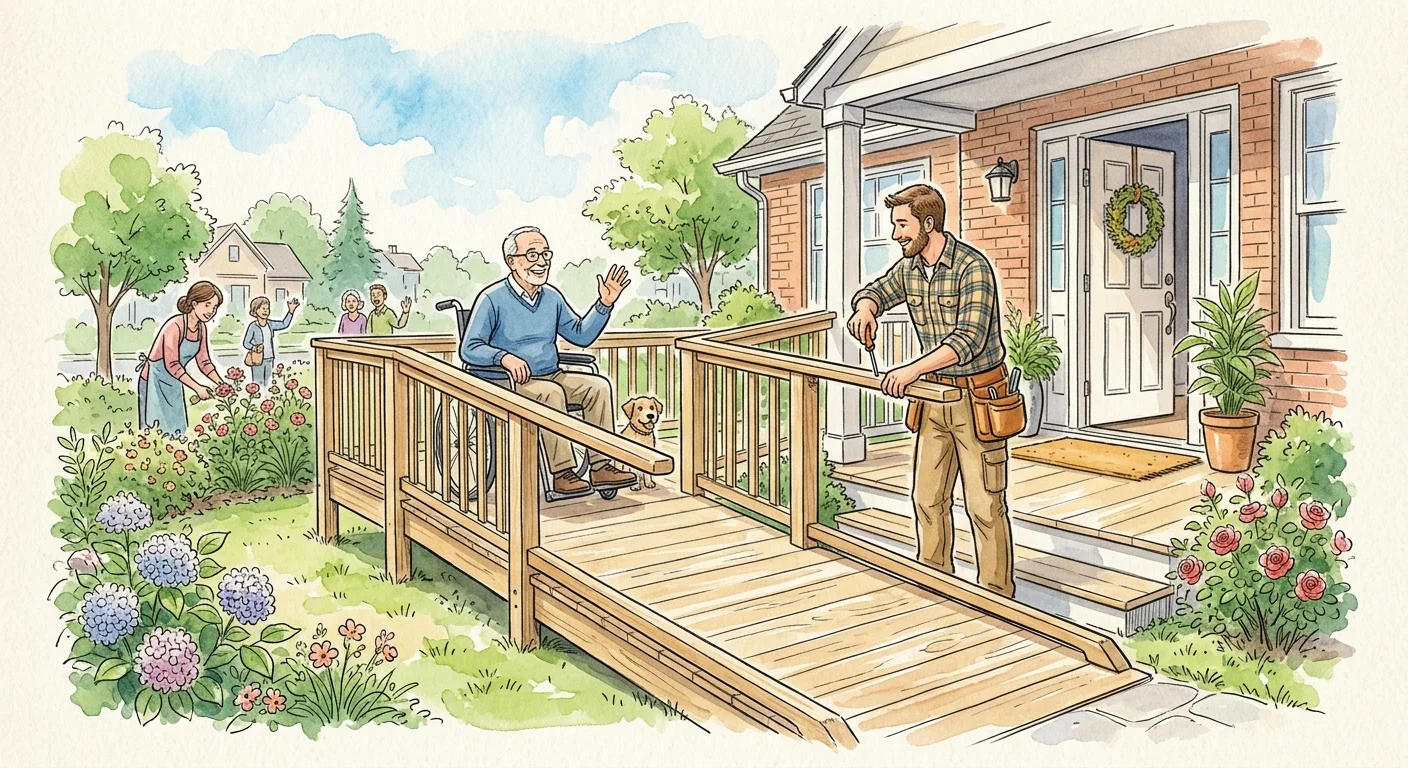
Government funding covers large structural projects, but non-profit organizations fill vital gaps by providing free home repairs for elderly homeowners who need physical accessibility modifications and home maintenance. National organizations working through local affiliates bring volunteer labor, donated building supplies, and skilled tradespeople directly to your doorstep.
Rebuilding Together operates as one of the nation’s premier non-profit housing modification networks. Through its signature Safe at Home program, the organization delivers home safety assessments and targeted repairs designed to eliminate fall risks and improve functional mobility. Habitat for Humanity runs a similar initiative called the Critical Home Repair Program, which offers subsidized exterior and interior repairs for low-income homeowners.
The demand for non-profit home repair assistance among older Americans is substantial, as shown by organizational impact statistics:
- Demographic Focus: 76% of households served nationwide by Rebuilding Together include a resident aged 65 or older.
- Fall History Before Repairs: Program evaluations show that 45% of served seniors experienced a fall or dangerous close call in the 6 months prior to receiving home modifications.
- Safety Impact After Repairs: After receiving home safety repairs, nearly 70% of seniors reported feeling they had little to no risk of falling in their homes.
- Aging in Place Confidence: Following targeted home modifications, 91% of participants felt confident in their ability to continue living independently in their homes, up from 82% prior to the repairs.
Typical non-profit safety projects include replacing steep steps with modular aluminum ramps, installing secure grab bars in bath enclosures, converting high-walled bathtubs into walk-in showers, widening narrow doorways to accommodate walkers or wheelchairs, improving indoor stair lighting, and adding lever-style door handles for arthritis relief.
According to health guidelines from the Centers for Disease Control and Prevention (CDC), preventing falls through environmental home modifications stands as one of the single most effective strategies for maintaining long-term physical independence. By removing physical barriers inside your residence, these free and low-cost non-profit programs significantly reduce emergency room visits and healthcare costs associated with accidental injuries.
Comparing Key Senior Home Improvement Programs
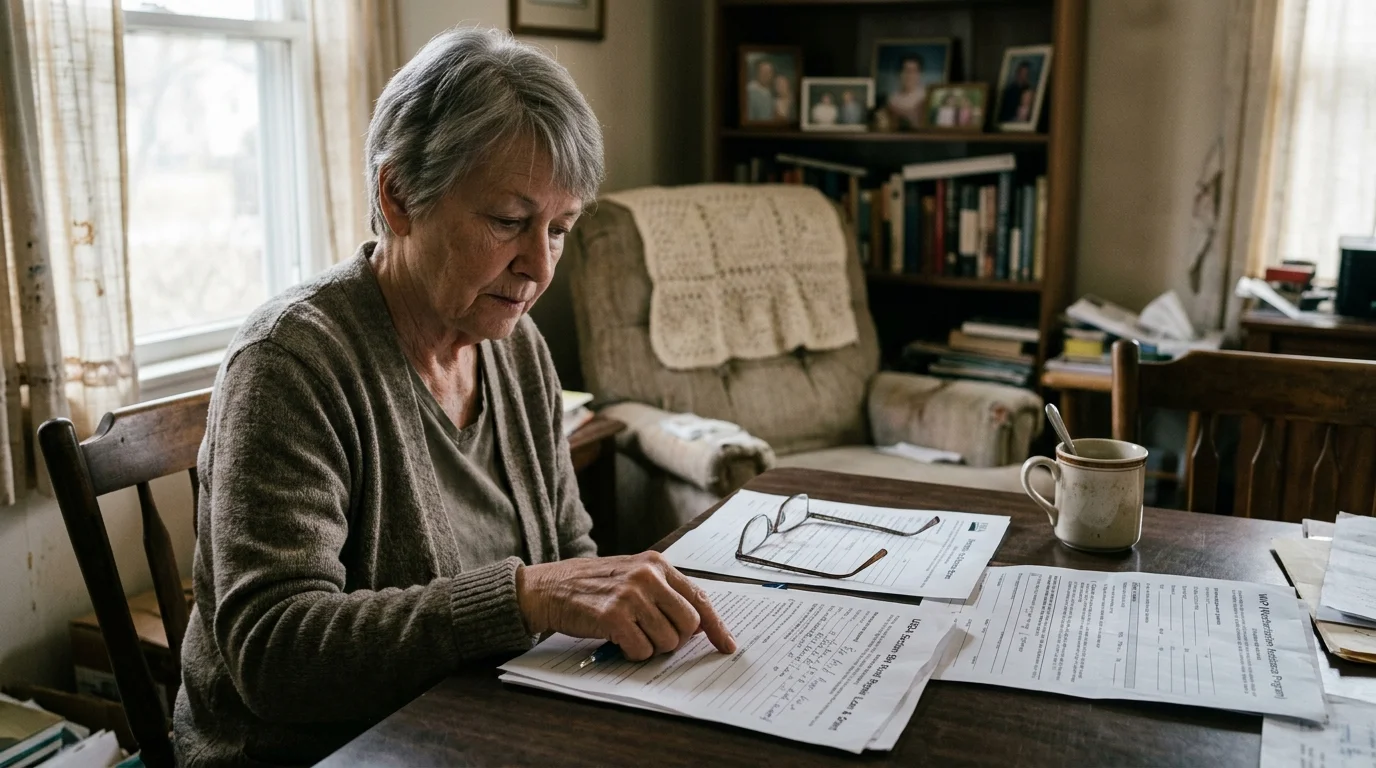
Selecting the right program depends on your geographic location, your specific repair needs, and your overall household income. To help you evaluate your options quickly, the table below compares the primary home repair programs available to low-income older adults across the United States.
| Program Name | Primary Eligibility | Maximum Assistance | Repayment Terms | Best Used For |
|---|---|---|---|---|
| USDA Section 504 Direct Grants | Age 62+; Very low income (≤ 50% AMI); Rural location | Up to $10,000 lifetime grant ($15,000 in disaster zones) | No repayment required unless home is sold within 3 years | Removing health hazards, fixing roofs, installing ramps |
| USDA Section 504 Loans | Low income; Rural homeowner; Ability to make minor payments | Up to $40,000 low-interest loan | 1% fixed interest rate repaid over 20 years | Major structural repairs, plumbing, heating overhauls |
| DOE Weatherization Assistance (WAP) | Income ≤ 200% FPL or receiving SSI/TANF benefits | Average of $6,000–$10,000 in energy upgrades | 100% Free grant; No repayment ever required | Insulation, air sealing, furnace repair/replacement |
| HUD CDBG / HOME Local Grants | Low-to-moderate income (≤ 80% AMI); Urban/suburban areas | Varies locally ($2,500 to $25,000+) | Direct grants or deferred loans forgiven after 5–10 years | Code violations, major roof leaks, bathroom conversions |
| Rebuilding Together / Nonprofits | Low-income seniors; Veterans; Disabled homeowners | Varies based on local volunteer capacity | 100% Free charitable assistance; No repayment | Grab bars, ramp installation, minor safety repairs |
Step-by-Step Guide to Applying for Repair Assistance
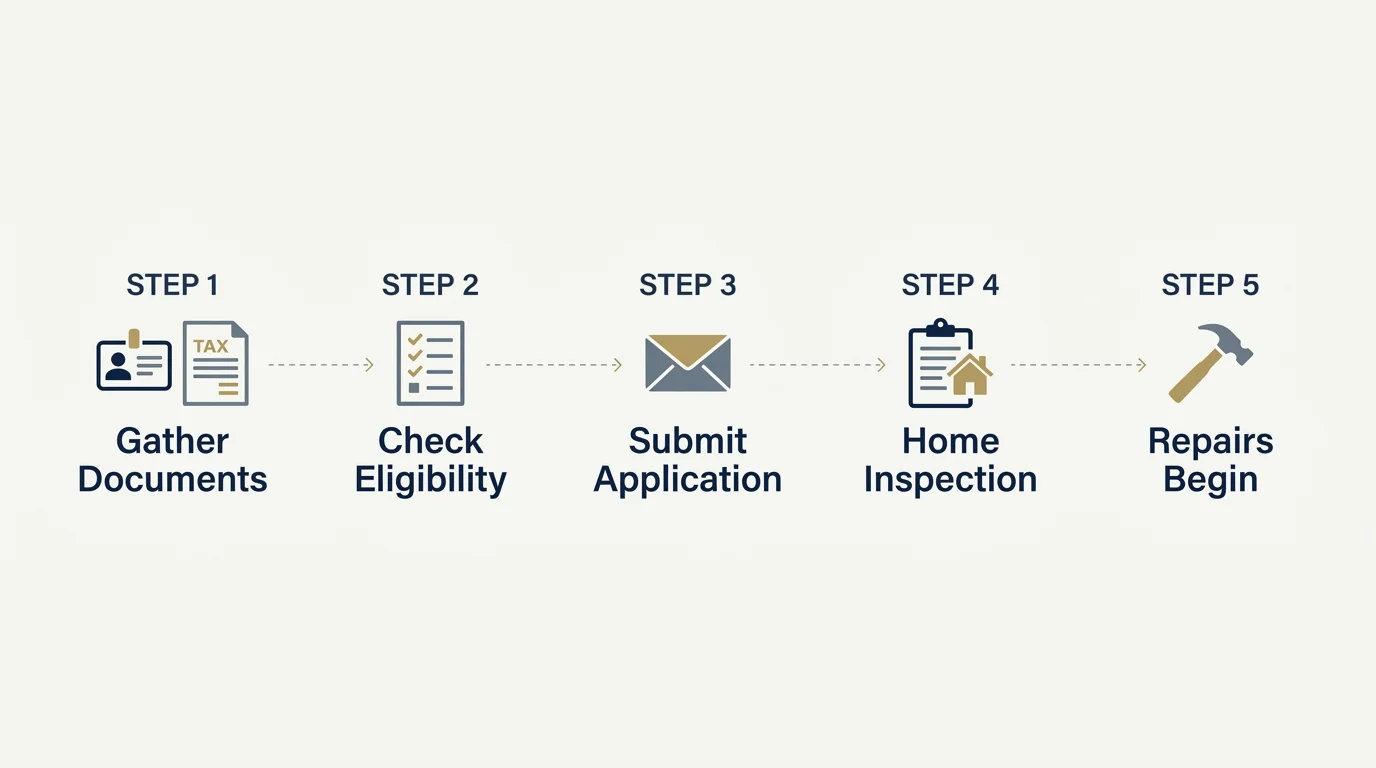
Navigating government forms and application portals requires patience and organization. Following a systematic approach ensures your application moves smoothly through administrative reviews without unnecessary delays.
- Document Your Repair Priorities: Walk through your home and write down every health, safety, and energy hazard. Take clear, well-lit photographs of damaged areas—such as sagging ceilings, rotted floorboards, exposed electrical wiring, or broken porch steps. Focus on issues that threaten safety or mobility, as agencies prioritize structural hazards over cosmetic updates.
- Gather Financial and Personal Documentation: Assemble all required paperwork before filling out applications. Most funding programs require proof of age (driver’s license, birth certificate), proof of home ownership (property deed, real estate tax receipt, or current mortgage statement), household income verification (Social Security award letters, pension statements, recent federal tax returns, 2 to 3 months of bank statements), and utility bills showing current occupancy.
- Locate Local Program Administrators: Contact your local Area Agency on Aging, municipal housing authority, or regional Community Action Agency. Ask specifically to speak with a housing counselor or eldercare specialist who manages senior home improvement programs.
- Submit Applications and Schedule Inspections: Fill out the required program forms completely. Once administrators verify your income eligibility, they will schedule a professional home inspection. An official housing inspector will visit your property to verify safety concerns, measure rooms, and write an official scope of work.
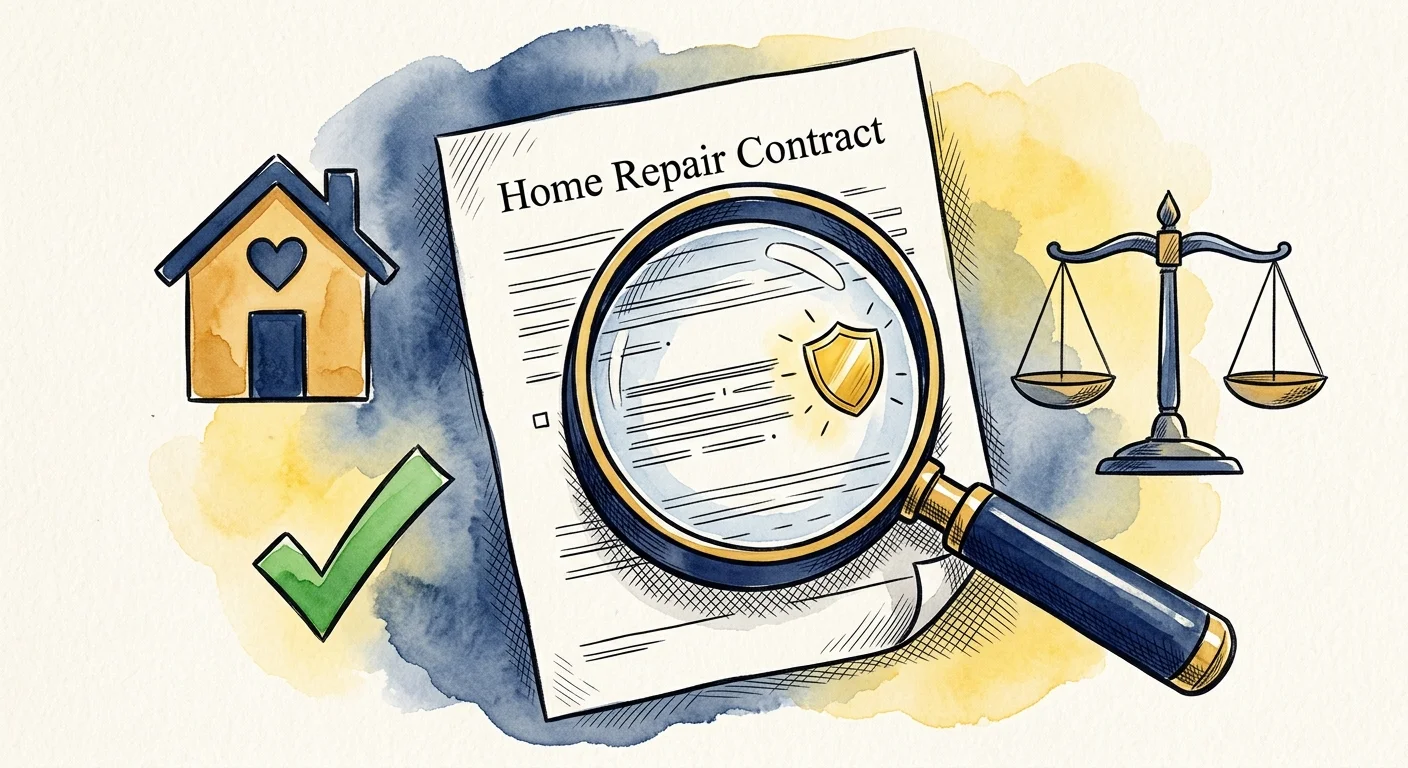
- Review Contracts and Approve Work: Review the proposed work order carefully before signing authorization documents. Ensure the contract clearly lists all agreed-upon repairs, provides detailed project timelines, and explicitly states that funding comes directly from grant or low-interest loan awards. Never allow a contractor to begin work until you receive written approval from the administering agency.
Protecting Yourself from Contractor Scams and Financial Pitfalls
Fixing home hazards should bring peace of mind, but low-income seniors often become primary targets for dishonest contractors and predatory lenders. Fraudulent actors take advantage of urgent repair needs, using high-pressure tactics to trick homeowners into signing high-interest financial agreements or accepting substandard workmanship.
Protect your savings and your property by recognizing common warning signs of home repair fraud:
- Unsolicited Door-to-Door Salespeople: Be wary of contractors who knock on your door claiming they “just finished a job down the street” and noticed your roof needs immediate work. Legitimate government and non-profit grant programs rarely solicit clients door-to-door.
- Demands for Large Upfront Cash Payments: Reputable contractors working through established assistance programs do not demand complete payment in cash before starting work. Official grant programs pay contractors directly through structured escrow accounts after work passes inspection.
- High-Pressure High-Interest Loan Offers: Avoid contractors pushing fast high-interest personal loans, finance contracts, or predatory home equity arrangements to cover project costs.
- Incomplete Contracts: Never sign a contract with blank spaces, missing price breakdowns, or unclear descriptions of materials. Dishonest workers can fill in those blank sections later with higher pricing or unfavorable terms.
Before hiring any independent tradesperson, verify that they carry active liability insurance, possess valid state trade licenses, and maintain positive standing with local consumer protection offices. To protect your home equity against predatory lending schemes, review consumer guidance from the Consumer Financial Protection Bureau (CFPB).
Frequently Asked Questions
Do home repair grants count as taxable income or affect my SSI benefits?
No, federal and local home repair grants generally do not count as taxable income on your federal income tax return. Furthermore, because government repair assistance pays contractors directly to modify your real estate rather than giving you direct cash, receiving repair assistance does not count as liquid assets or income for Supplemental Security Income (SSI), Medicaid, or SNAP eligibility calculations.
Can mobile or manufactured home owners qualify for senior home repair grants?
Yes, many programs assist owners of mobile and manufactured homes, provided you own the home and occupy it as your primary residence. The DOE Weatherization Assistance Program routinely serves manufactured housing for energy-efficiency upgrades. USDA Section 504 programs can also fund mobile home repairs if the home sits on a permanent foundation owned by the applicant or located in an approved long-term park arrangement.
What happens to a USDA Section 504 grant if I must sell my home early?
USDA Section 504 grants contain a 3-year retention agreement. If you sell your home, transfer the title, or cease living in the home within 36 months of receiving grant funds, you must repay the grant amount. However, once you live in the home for 3 full years following completion of the project, the grant obligation expires completely and converts into 100% forgiven aid.
Are repair grants available if I rent my home instead of owning it?
Most home repair grants require property ownership because funding invests directly into real estate value. However, renters can access certain modifications. The Weatherization Assistance Program (WAP) allows work on rental properties if the landlord provides written consent and agrees not to raise the rent due to the energy improvements. Non-profit organizations may also install temporary, removable safety items—such as shower grab bars or portable aluminum ramps—with landlord approval.
How long does the approval process take for senior home repair programs?
Timeline length varies significantly depending on funding availability and local application backlogs. Emergency repair programs managed through city CDBG funds can clear urgent structural hazards within 1 to 3 weeks. However, larger federal grants like the USDA Section 504 program or DOE Weatherization typically take between 2 to 6 months from initial application to contractor deployment. Applying early before severe winter or summer weather begins ensures timely service.
For additional senior resources, visit
National Institutes of Health (NIH), Centers for Medicare & Medicaid Services (CMS), Social Security Administration (SSA), Consumer Financial Protection Bureau (CFPB) and Administration for Community Living (ACL).
Disclaimer: The information in this article is for educational purposes only and is not intended to be a substitute for professional financial, legal, or medical advice. Always consult with a qualified expert for advice tailored to your personal situation.








Leave a Reply