Common Claiming Pitfalls and Emerging Senior Scams
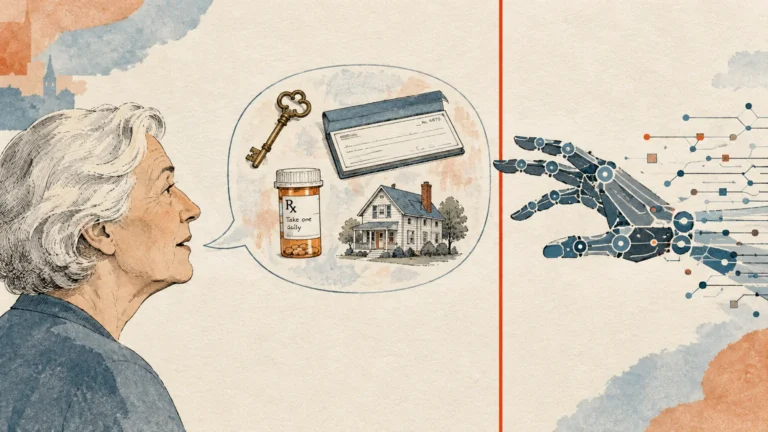
Navigating retirement benefits can feel overwhelming, making older adults vulnerable to missteps and predatory schemes. Protecting your nest egg requires awareness of both strategic errors and active fraud.
One frequent mistake involves claiming early simply out of fear that program funds will disappear. While long-term insolvency discussions dominate the news, panic-claiming locks you into a permanent 30% reduction.
Another error involves ignoring the taxability of your Social Security benefits. Up to 85% of your benefits can become subject to federal income taxes if your combined income exceeds standard thresholds.
Beyond planning mistakes, you must also defend yourself against aggressive scammers exploiting recent headlines. Criminals frequently use news about federal legislation to trick seniors into revealing personal data.
Scammers often impersonate federal agents over the phone, claiming President Trump signed orders cutting benefits immediately. They may demand that you verify your direct deposit details or face account suspension.
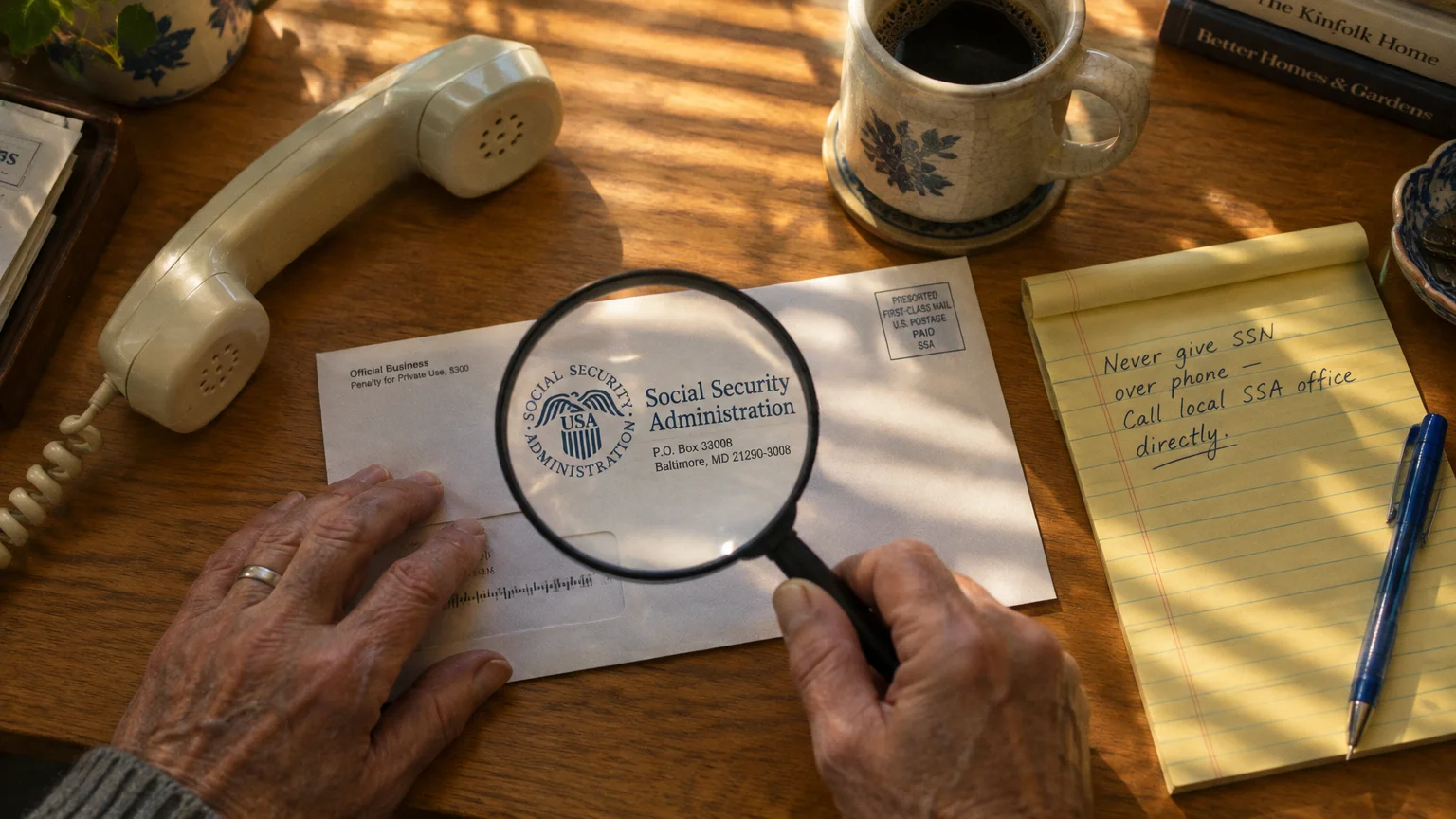
Remember that the Social Security Administration never calls unprompted to threaten benefit cancellation. Federal agencies do not demand payment via wire transfers, gift cards, or cryptocurrency.
Consumer protection specialists urge vigilant defense against fraudulent schemes. Official advisories from the Consumer Financial Protection Bureau (CFPB) emphasize that you should never provide your Social Security number to cold callers.
If you receive a suspicious call or letter, hang up and contact your local Social Security office directly. Reporting suspicious communications protects you and shields fellow seniors throughout your community.