

In this guide8 sections
- 1. Schedule Your Comprehensive Dilated Eye Exam
- 2. Get Screened for the “Silent Thief”: Glaucoma
- 3. Assess for the Cloudiness of Cataracts
- 4. Monitor for Age-Related Macular Degeneration (AMD)
- 5. Check for Signs of Diabetic Retinopathy
- 6. Review and Update Your Eyeglass or Contact Lens Prescription
- 7. Share Your Full Health Picture with Your Eye Doctor
- 8. Plan for a Year of Eye-Healthy Habits
Your vision is one of your most precious assets. It connects you to the world, to your loved ones, and to the activities that bring you joy.
As we journey through our senior years, it’s natural for our eyes to change. The good news is that with proactive care and regular checkups, you can take powerful steps to protect your sight, maintain your independence, and continue living life to the fullest.
Think of your annual eye exam as more than just a vision test for new glasses. It’s a vital health screening that can detect serious conditions long before you notice any symptoms.
This yearly appointment is your opportunity to partner with your eye doctor to safeguard your vision for the years to come.
Here is a clear, supportive guide to the most important things you and your eye doctor should check every single year. Let’s walk through them together.

01 Schedule Your Comprehensive Dilated Eye Exam
The Tip: Make a comprehensive, dilated eye exam a non-negotiable part of your annual health routine.
The ‘Why’: A standard vision screening that just checks for glasses is not enough. A dilated exam is the gold standard for senior eye health because it allows your doctor to see the full, detailed picture of what’s happening inside your eye.
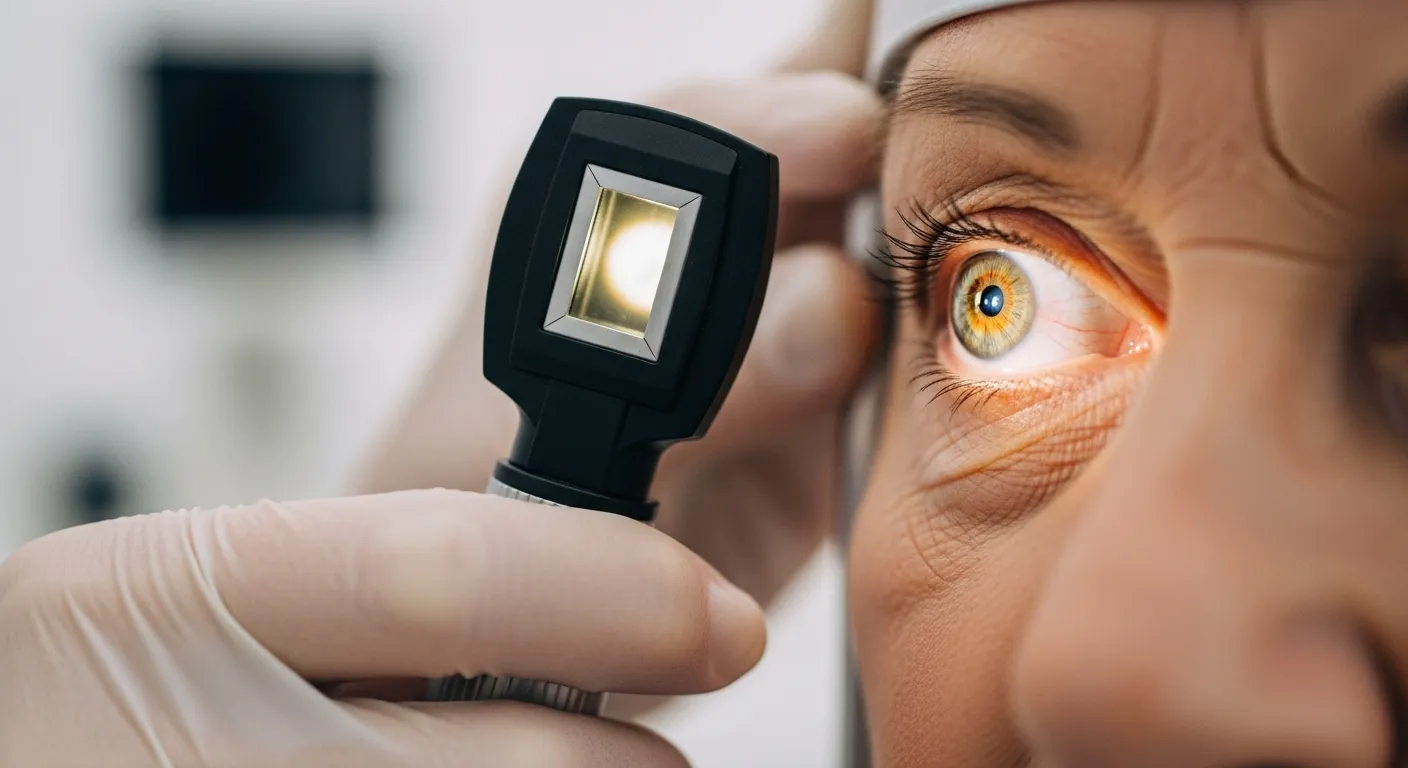
By using special drops to temporarily widen your pupils, your eye doctor can get a clear view of your retina, optic nerve, and blood vessels.
This is the single most effective way to spot the early signs of serious age-related eye conditions like glaucoma, macular degeneration, and diabetic retinopathy.
The ‘How’:
– Find an eye doctor you trust—either an optometrist (OD) or an ophthalmologist (MD).
– When you call to book your appointment, specifically ask for a “comprehensive dilated eye exam.”
– Plan ahead for your appointment. The dilating drops will make your eyes sensitive to light and your vision blurry for a few hours afterward.
Arrange for a friend or family member to drive you home, and don’t forget to bring a pair of sunglasses to wear on the way out.

02 Get Screened for the “Silent Thief”: Glaucoma
The Tip: Ensure your annual eye exam includes a thorough screening for glaucoma.
The ‘Why’: Glaucoma is one of the leading causes of blindness in seniors, and it’s often called the “silent thief of sight” for a good reason.
It slowly and painlessly damages the optic nerve—the vital cable that sends information from your eye to your brain. In its most common form, it has no symptoms in the early stages.
People often don’t realize their vision is changing until significant, irreversible damage has already occurred. An annual screening can detect the subtle changes in eye pressure or optic nerve health that signal glaucoma, allowing for early treatment to save your sight.
The ‘How’:
– During your exam, your doctor will perform a few simple, painless tests. One common test is tonometry, which measures the pressure inside your eye.
This might be the famous “puff of air” test or a gentle touch with a tool after numbing drops are applied.
– Your doctor will also visually inspect your optic nerve during the dilated portion of the exam, looking for any signs of damage.
– If you have a family history of glaucoma or are of African American or Hispanic descent, your risk is higher. Be sure to mention this to your doctor, as they may recommend more frequent checks.

03 Assess for the Cloudiness of Cataracts
The Tip: Ask your doctor to check the clarity of your lenses for any signs of cataracts.
The ‘Why’: If you’ve noticed that your vision is becoming blurry, colors seem faded, or you’re experiencing more glare from headlights at night, you might be developing cataracts.
A cataract is a clouding of the natural lens inside your eye, and it’s an incredibly common part of aging. While the word “cataract” can sound intimidating, the reality is that it’s a highly treatable condition.
Identifying cataracts early allows you and your doctor to monitor their progression and decide on the best time for treatment, which can dramatically restore clear, vibrant vision.
The ‘How’:
– Your doctor can easily spot cataracts during a standard slit-lamp exam (where you rest your chin on a support while the doctor looks at your eye through a microscope) and the dilated exam.
– Keep a small journal of any vision changes you experience. Note things like: “It’s harder to read the newspaper,” or “The streetlights look like starbursts at night.”
Share these notes with your doctor.
– If a cataract is found, treatment doesn’t always have to be immediate. In the early stages, a stronger glasses prescription and brighter lighting can help.
If it starts to interfere with your daily life (like driving or reading), your doctor will discuss cataract surgery—a safe and routine procedure that replaces the cloudy lens with a clear, artificial one.

04 Monitor for Age-Related Macular Degeneration (AMD)
The Tip: Your annual checkup must include an evaluation for AMD, and you can monitor your vision for changes at home between visits.
The ‘Why’: Age-related macular degeneration (AMD) is a leading cause of vision loss for people over 50. It affects the macula, the tiny central part of your retina that’s responsible for sharp, straight-ahead vision needed for reading, driving, and recognizing faces.
While it rarely causes complete blindness, it can severely impact your quality of life. Early detection is crucial because treatments are available that can slow the progression of the disease, especially the more aggressive “wet” form of AMD.
The ‘How’:
– Your doctor will look for signs of AMD during your dilated eye exam. They may see tiny yellow deposits called drusen, which are an early sign.
– Your doctor may give you an Amsler grid to use at home. This is a simple chart of straight lines that looks like graph paper with a dot in the middle.
– To use the Amsler grid: Wear your reading glasses, cover one eye, and look at the central dot from about 12-15 inches away. Note if any of the lines appear wavy, blurry, or are missing.
Repeat with the other eye. Do this once a week.
If you notice any changes, call your eye doctor right away. This simple weekly check is a powerful tool for early detection.

05 Check for Signs of Diabetic Retinopathy
The Tip: If you have diabetes, an annual dilated eye exam isn’t just a good idea—it’s absolutely essential for your health.
The ‘Why’: Diabetes can affect your entire body, including the small blood vessels in your eyes. Diabetic retinopathy occurs when high blood sugar levels damage these vessels in the retina.
In the early stages, there are often no symptoms, but as it progresses, it can lead to vision loss and blindness. The good news is that managing your diabetes and getting an annual eye exam can reduce your risk of severe vision loss by 95%.
Your eye doctor can spot changes long before you can, allowing for timely intervention.
The ‘How’:
– Tell your eye doctor that you have diabetes and provide the name of the primary doctor who helps you manage it. Your eye doctor can share their findings with your primary care team, which helps create a complete picture of your health.
– The best way to prevent diabetic retinopathy is to manage your blood sugar, blood pressure, and cholesterol levels.
– The dilated eye exam is the only way for your doctor to see the tiny blood vessels at the back of your eye to check for leaks, swelling, or other damage. Make this appointment a top priority every single year.
06 Review and Update Your Eyeglass or Contact Lens Prescription
The Tip: Even small changes in your vision require an updated prescription to keep you safe and comfortable.
The ‘Why’: Our vision naturally changes over time. A prescription that was perfect two years ago might now be causing subtle eye strain, headaches, or blurry vision that you’ve just gotten used to.
An accurate, up-to-date prescription is about more than just reading a book comfortably. It’s a critical safety tool.
It helps you read medication labels correctly, see steps and curbs clearly to prevent falls, and drive with confidence, especially at night. This simple update can immediately improve your daily quality of life.
The ‘How’:
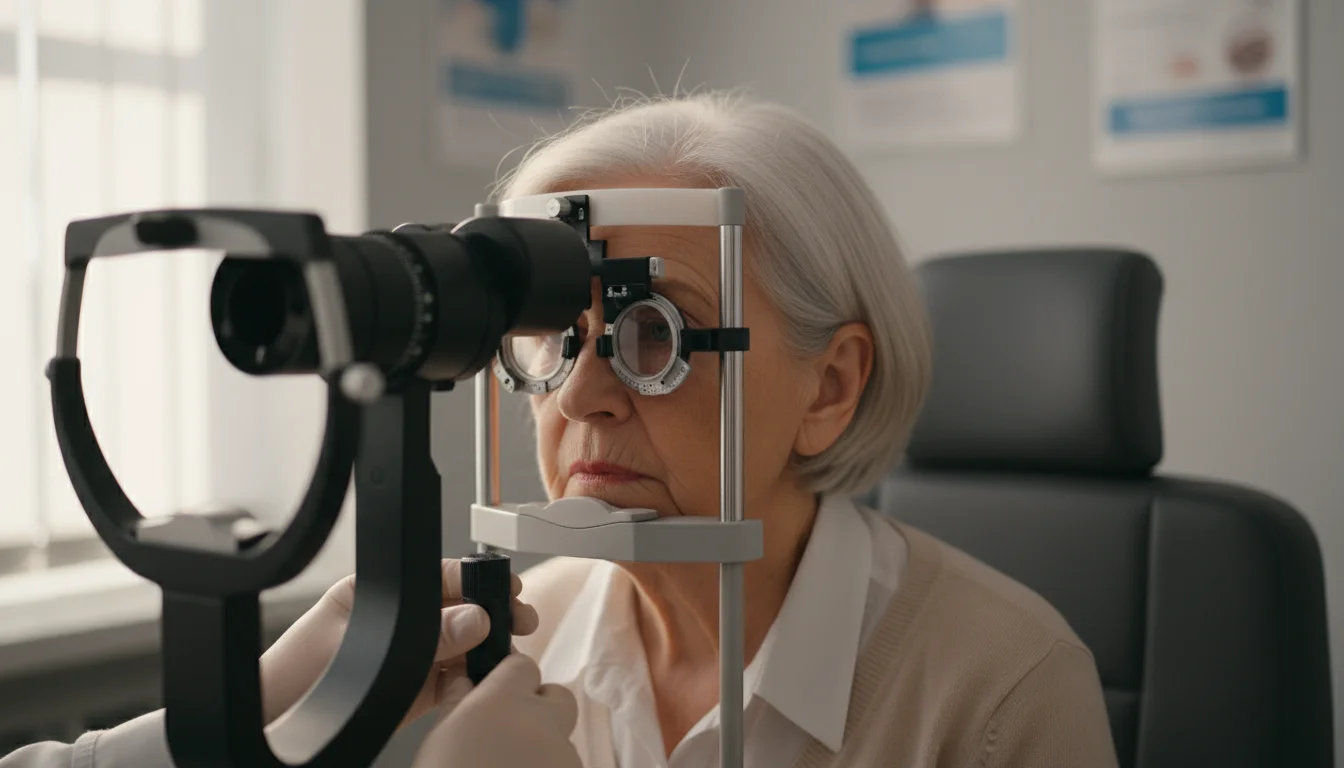
– During your exam, your doctor will perform a refraction test. This is where you look through a device (a phoropter) and tell the doctor which of two lenses is clearer (“which is better, one or two?”).
This helps pinpoint your exact prescription.
– Be honest about your lifestyle. Do you use a computer a lot?
Do you enjoy hobbies like sewing or woodworking? Do you drive at night?
Your answers will help your doctor recommend the best type of lenses for you, such as bifocals, progressives, or glasses specifically for computer use.
– Don’t be tempted to use over-the-counter “readers” as a substitute for a proper exam. They can’t correct for astigmatism or differences between your two eyes, and they won’t detect the serious health issues we’ve discussed.

07 Share Your Full Health Picture with Your Eye Doctor
The Tip: Treat your eye doctor as a key part of your overall healthcare team by providing them with a complete list of your health conditions and medications.
The ‘Why’: Your eyes are windows to your overall health. Many systemic conditions—like high blood pressure, rheumatoid arthritis, and even high cholesterol—can have signs that show up in the eyes.
Furthermore, many common medications (for everything from allergies to arthritis) can have side effects that affect your vision, such as causing dry eye or increasing your sensitivity to light.
Giving your eye doctor the full picture allows them to connect the dots and provide the most informed care possible.
The ‘How’:
– Before your appointment, make a simple list of two things: 1) All of your current medical conditions, and 2) All medications you take, including prescription drugs, over-the-counter medicines, vitamins, and supplements.
– Bring this list with you to your exam and give it to the technician or doctor at the beginning of your visit.
– If you’ve had any recent health changes or started a new medication since your last visit, be sure to mention it specifically. Your eye doctor needs to know.

08 Plan for a Year of Eye-Healthy Habits
The Tip: Use your annual visit as a chance to discuss lifestyle habits with your doctor and create a simple plan to protect your vision all year long.
The ‘Why’: What you do every day matters. Simple choices about nutrition, sun protection, and exercise can have a profound impact on your long-term eye health.
Partnering with your doctor to create a practical plan empowers you to be an active participant in your own care. It turns your annual visit from a passive checkup into a proactive planning session for a healthier future.
The ‘How’:
– Talk Nutrition: Ask your doctor about eye-healthy foods. They will likely recommend a diet rich in leafy greens (like spinach and kale), colorful fruits and vegetables, and fish high in omega-3 fatty acids (like salmon).
– Discuss UV Protection: Confirm that your everyday glasses and sunglasses offer 100% UVA and UVB protection. Wearing sunglasses and a wide-brimmed hat when outdoors is one of the best ways to protect against cataracts and other sun-related eye damage.
– Manage Digital Eye Strain: If you use a computer or tablet, talk to your doctor about the “20-20-20” rule: every 20 minutes, look at something 20 feet away for at least 20 seconds. This simple habit can reduce eye fatigue.
A friendly and important reminder: Your health is your own unique journey. The information here is meant to be a supportive guide, but it is not a substitute for professional medical advice. Always consult with your doctor or a qualified healthcare provider before making any significant changes to your health routine.
For expert guidance on senior health and finance, visit Administration for Community Living (ACL), Eldercare Locator and AARP.
|
Fact-Checked Content
Our editorial team reviews all content for accuracy and updates it regularly. Learn about our editorial process →
|