

Navigating complex legal matters during retirement shouldn’t strain your fixed income or create unwanted stress. Whether you need help drafting a durable power of attorney, appealing a denied healthcare claim, or resolving a debt dispute, free legal aid for seniors provides crucial protection without breaking your budget. Federal programs like the Older Americans Act ensure that retirees aged 60 and older can access specialized civil legal assistance regardless of their wealth. Understanding your rights, eligibility rules, and local legal aid resources empowers you to safeguard your health, assets, and independence. This guide breaks down everything you need to know to secure reliable, free legal help today.
Understanding Free Legal Aid for Seniors
Legal challenges can surface unexpectedly during retirement, often carrying significant financial and emotional consequences. Civil legal aid services connect older adults with licensed attorneys, paralegals, and legal advocates who defend your rights in non-criminal matters. These services help you protect your home, income, healthcare benefits, and personal autonomy.
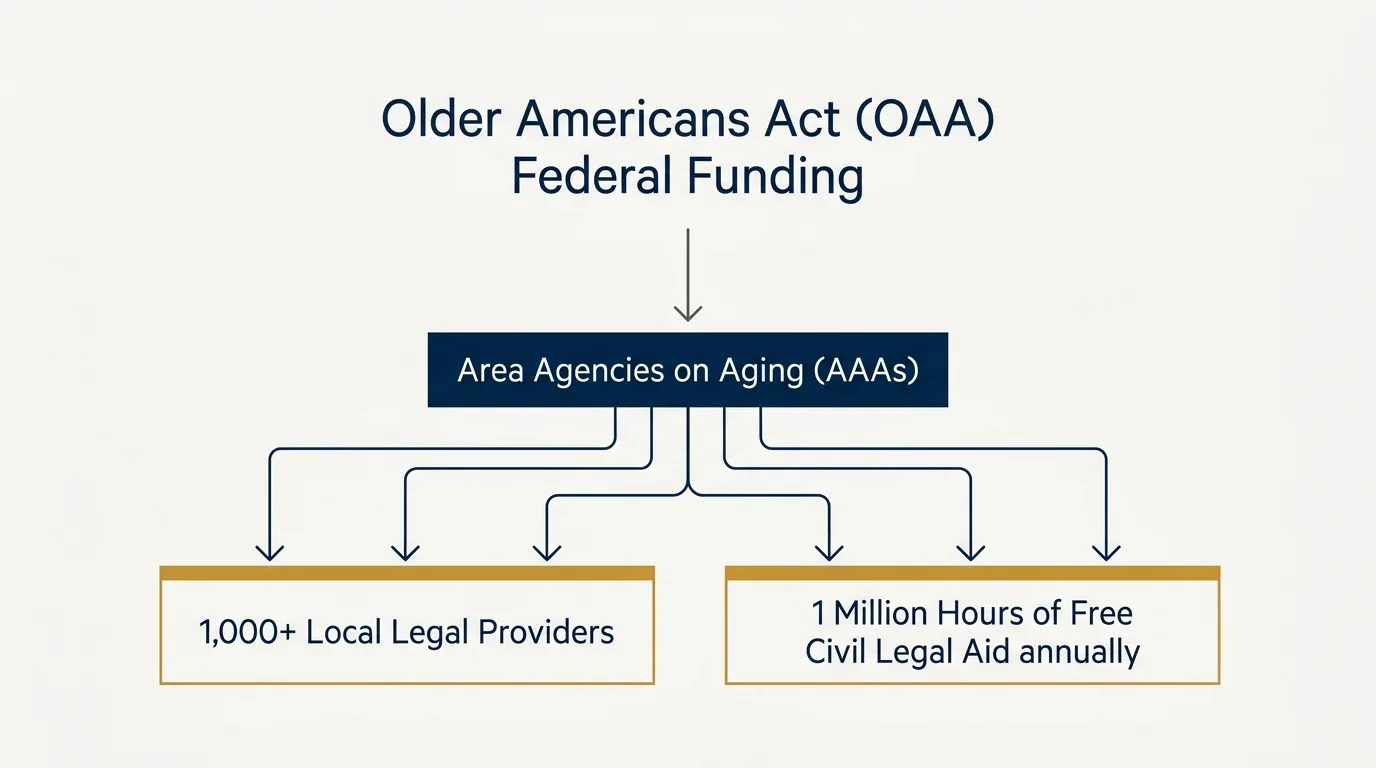
Federal funding drives much of the civil legal help available to older Americans. Under Title III-B of the Older Americans Act (OAA), federal funds flow directly to local Area Agencies on Aging (AAAs) to support civil legal assistance for adults aged 60 and older. Across the United States, approximately 1,000 OAA-funded legal service providers deliver roughly 1 million hours of civil legal assistance to seniors every year.
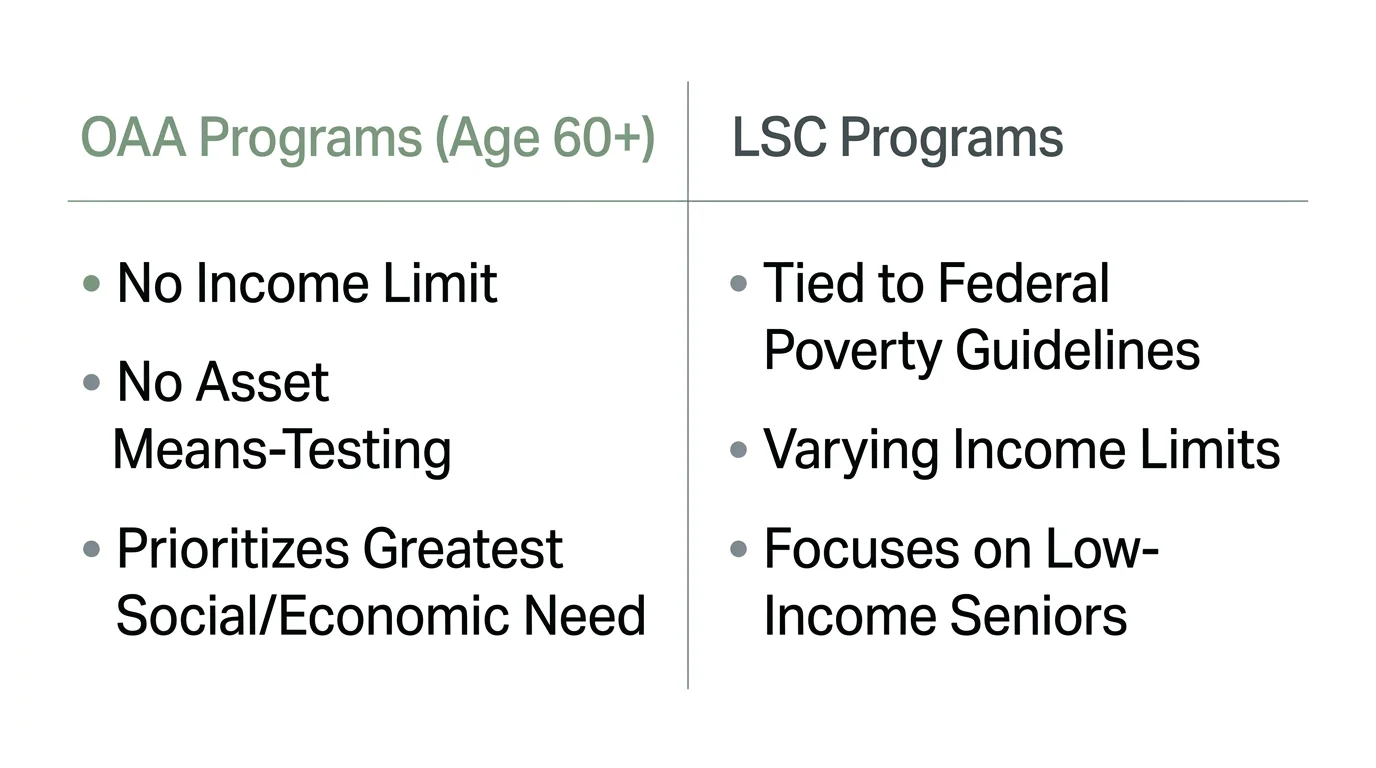
A crucial feature of OAA-funded programs is that services are not means-tested; providers cannot deny you assistance solely based on your income or financial assets, nor can they mandate full financial disclosure as a prerequisite for legal support. According to the Administration for Community Living (ACL), these programs prioritize older adults with the greatest economic or social need, ensuring that vulnerable retirees receive dedicated legal advocacy regardless of wealth.
A second major pillar of support comes from Legal Services Corporation (LSC) funding. LSC-funded organizations operate under specific income guidelines linked to the Federal Poverty Guidelines (FPL). While LSC rules differ from OAA regulations, both streams work together across the country to form a robust network of free legal aid for seniors.
The Justice Gap: Why Senior Legal Assistance Matters
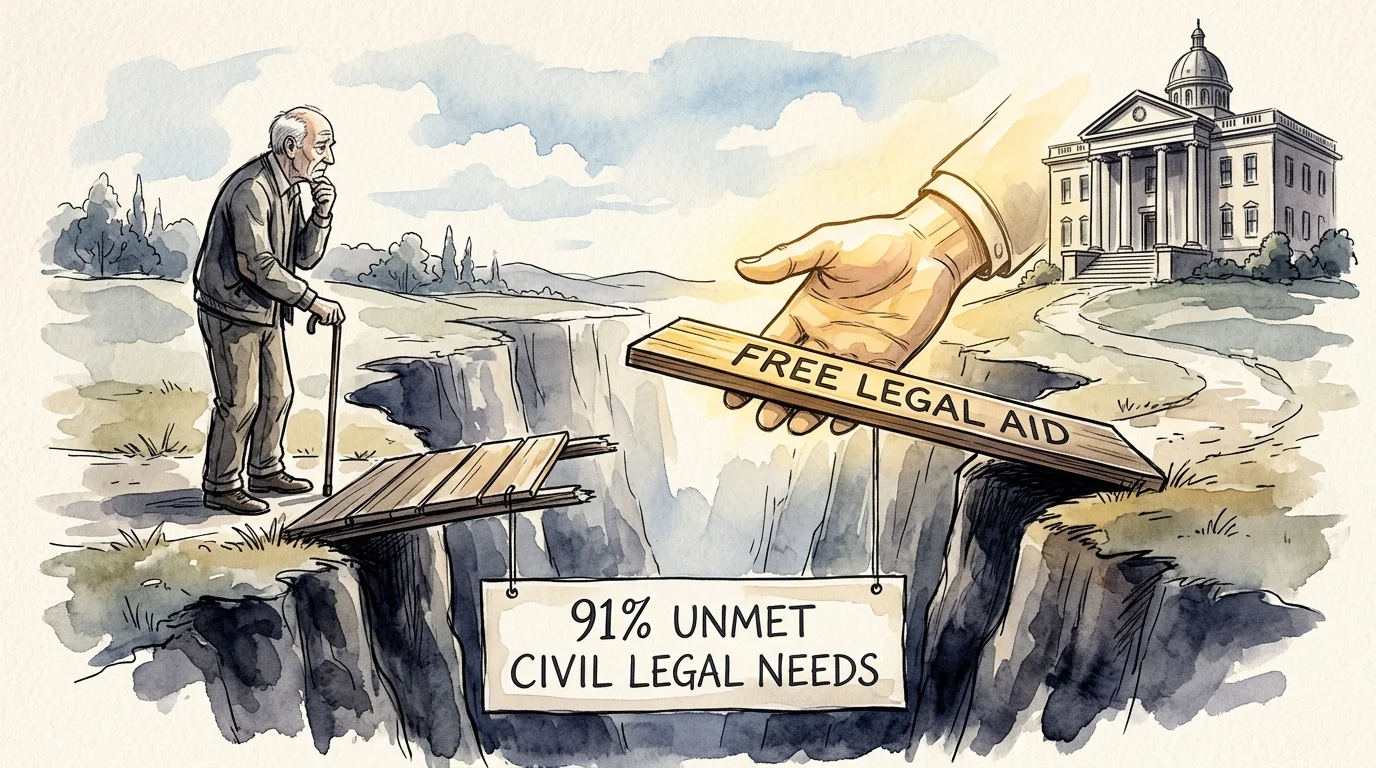
Despite available federal programs, many retirees face what legal experts call the “Justice Gap”—the vast difference between the civil legal needs of seniors and the resources available to meet them. Studies on legal access reveal that low-income older adults receive inadequate help, or no help at all, for 91% of their civil legal issues. This shortfall leaves millions of retirees vulnerable to financial exploitation, illegal housing evictions, and improper benefit denials.
Civil legal issues among retirees are remarkably common. Research shows that 70% of low-income senior households experience at least one civil legal problem each year, while 31% face five or more distinct issues annually. Because retirees usually rely on fixed incomes—such as Social Security payments, pensions, or personal savings—unresolved legal problems can jeopardize their long-term financial security.
The civil legal challenges facing older Americans generally fall into three major categories:
- Consumer Issues (43%): Unfair debt collection practices, predatory lending, billing disputes, home repair scams, and financial fraud targeting retirement accounts.
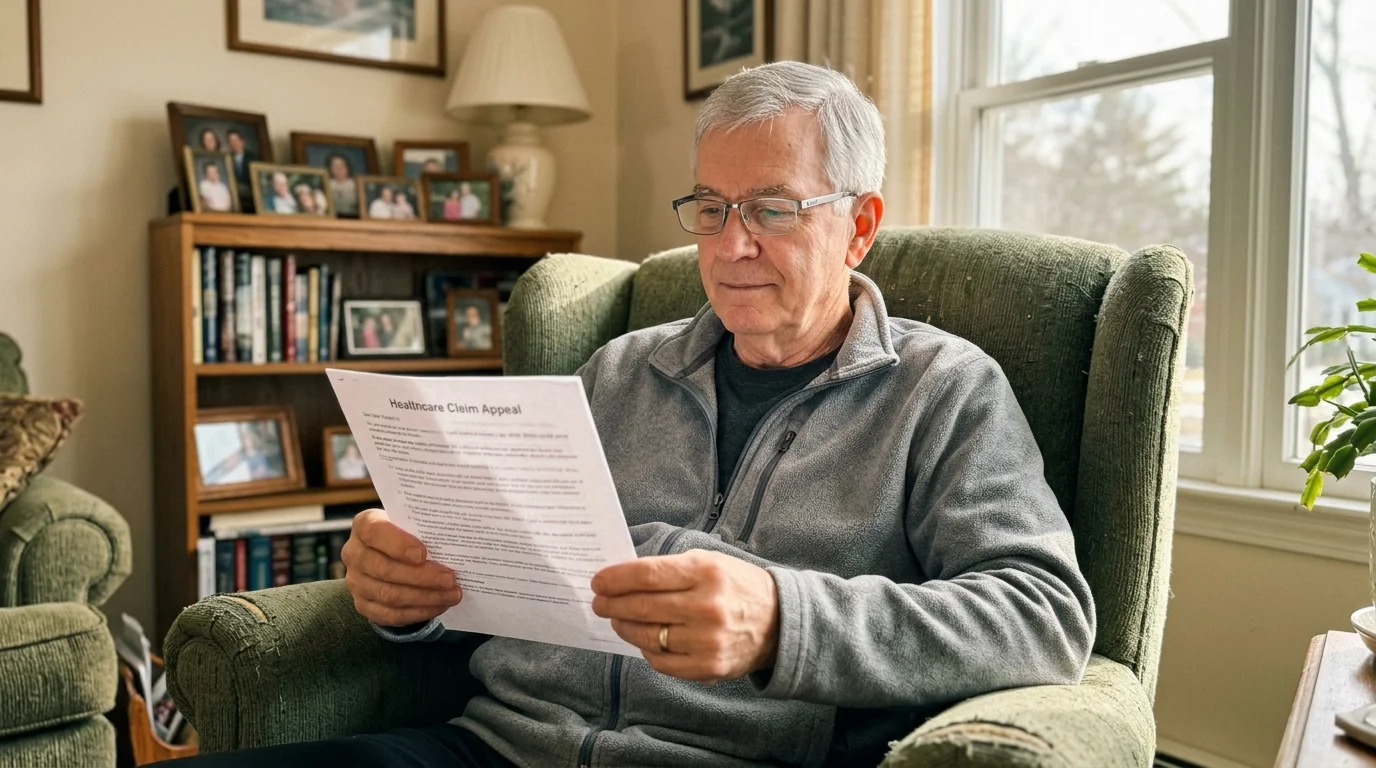
- Healthcare Disputes (37%): Denials of coverage under Medicare or Medicaid, nursing home discharge disputes, home healthcare benefit cutoffs, and medical debt collection.
- Income Maintenance (29%): Appeals regarding Social Security benefits, Supplemental Security Income (SSI) reductions, pension disputes, and disability claim rejections.
Research from the Consumer Financial Protection Bureau (CFPB) confirms that aggressive debt collection practices and improper benefit suspensions pose major threats to older consumers. Access to dedicated senior legal assistance programs helps balance the scales, giving you expert representation when dealing with powerful banks, landlords, or government agencies.
Key Legal Issues Covered by Elder Law Help
Senior legal assistance programs focus specifically on non-criminal civil matters that directly impact your safety, finances, and self-determination. Understanding which legal issues qualify for free assistance saves you time and ensures you reach the appropriate legal experts.
Elder law experts generally provide direct support in five core areas: advance directives, housing security, public benefit appeals, protection against abuse, and elder rights advocacy. For example, an attorney can help you draft a Durable Power of Attorney (DPOA) to designate a trusted relative to manage your financial affairs if you become incapacitated. Similarly, legal aid attorneys help draft living wills and healthcare proxies so your medical treatment preferences are respected.
However, free legal aid programs operate under federal guidelines that limit their scope. They cannot handle “fee-generating” cases—lawsuits where a private lawyer would typically represent you for a percentage of the financial award, such as personal injury claims or car accident cases. Furthermore, civil legal aid offices do not handle criminal defense, commercial business representation, or complex tax planning structures.
| Legal Category | Covered Civil Legal Aid Matters | Excluded Legal Matters |
|---|---|---|
| Estate & Planning | Durable Power of Attorney, Healthcare Proxies, Living Wills, Simple Wills | Complex Living Trusts, Asset Protection Schemes, High-Value Tax Planning |
| Housing Rights | Eviction Defense, Foreclosure Prevention, Habitability Issues, Public Housing Appeals | Real Estate Development, Landlord Property Disputes, Commercial Leases |
| Public Benefits | Social Security Appeals, Medicare/Medicaid Denials, Food Stamps (SNAP), SSI Claims | Private Commercial Contract Disputes, Corporate Law |
| Consumer Protection | Debt Collection Defense, Predatory Loan Resolution, Identity Theft Recovery | Fee-Generating Personal Injury Suits, Traffic Violations |
| Personal Autonomy | Guardianship Defense, Elder Financial Abuse Restraining Orders | Criminal Defense Proceedings, Traffic Court Defense |
Navigating Legal Aid Eligibility for Seniors
Determining your eligibility for legal assistance depends on which federal funding source powers the local legal program you contact. Because different programs operate under distinct statutory rules, understanding these variations helps you find the right assistance quickly.
Under Title III-B of the Older Americans Act, legal aid eligibility seniors must navigate is refreshingly straightforward: you must be 60 years of age or older. Income level is not a strict barrier to receiving basic services, advice, or legal education under OAA funding. Instead, local providers prioritize services for older individuals with the greatest economic need—such as those living at or near the poverty line—as well as those with significant social needs, including rural residents, minority seniors, and individuals with limited English proficiency.
In contrast, programs funded through the Legal Services Corporation apply specific financial limits based on federal income benchmarks. For baseline LSC eligibility, household income must not exceed 125% of the Federal Poverty Guidelines. For a single-person household, 125% FPL is $19,950 per year (approximately $1,662.50 per month). However, exceptions allow assistance up to 200% FPL ($31,920 per year for an individual) if you face substantial financial hardships, such as high medical expenses or debt payments.
To streamline your application process and demonstrate your situation clearly, gather the following documents before reaching out to a legal assistance provider:
- Proof of Age and Identity: A state driver’s license, government-issued photo ID, or birth certificate showing you are age 60 or older.
- Proof of Household Income: Your most recent Social Security benefit statement, pension statement, tax return, or bank statements (required for LSC-funded programs).
- Medical and Debt Documentation: Unpaid medical bills, pharmacy receipts, or debt notices if you need an income limit exception based on financial hardship.
- Legal Papers and Correspondence: Eviction notices, court summonses, collection letters, or formal benefit denial letters from government agencies.
- Written Timeline: A brief, chronological list summarizing the events leading up to your legal issue, including key dates and names of involved parties.
According to Benefits.gov, reviewing federal assistance requirements and organizing your paperwork beforehand significantly accelerates the intake process when applying for low-income and senior service programs.

How to Find Free Legal Services as a Retiree
Locating trustworthy free legal services retirees can rely on is easy once you know where to search. Several national and state resources connect older adults directly with vetted legal professionals.
Start by contacting your local Area Agency on Aging. Every county and municipality in the United States is served by an AAA that manages Title III-B senior legal assistance programs. These agencies either employ staff attorneys dedicated to senior cases or partner with trusted local non-profit legal aid organizations.
You can also use nationwide directory tools to find localized assistance immediately:
- Contact the Eldercare Locator: You can connect with localized community services through the Eldercare Locator, a public service of the U.S. Administration on Aging. Calling their toll-free hotline at 1-800-677-1116 or searching their online database directs you to legal resources in your specific zip code.
- Reach Out to State Senior Legal Hotlines: Many states operate specialized toll-free legal hotlines exclusively for seniors. These hotlines offer immediate phone advice from licensed attorneys for issues like debt collection, tenancy disputes, and advance directives.
- Locate Legal Services Corporation Providers: Visit the national LSC directory online to locate non-profit legal aid offices operating in your county. These offices regularly assist lower-income retirees with housing, benefits, and civil defense matters.
- Explore Law School Clinics and Pro Bono Programs: Many law schools operate elder law clinics where law students handle senior legal issues under the close supervision of experienced law professors. Additionally, local bar associations host “Volunteer Lawyers Projects” that connect retirees with private attorneys working pro bono (free of charge).
- Engage Directly with Public Benefit Agencies: If your issue involves Social Security payments or disability benefit appeals, contacting official channels early is critical. As noted by the Social Security Administration (SSA), you have specific rights to legal representation during administrative appeals, but strict filing deadlines apply.
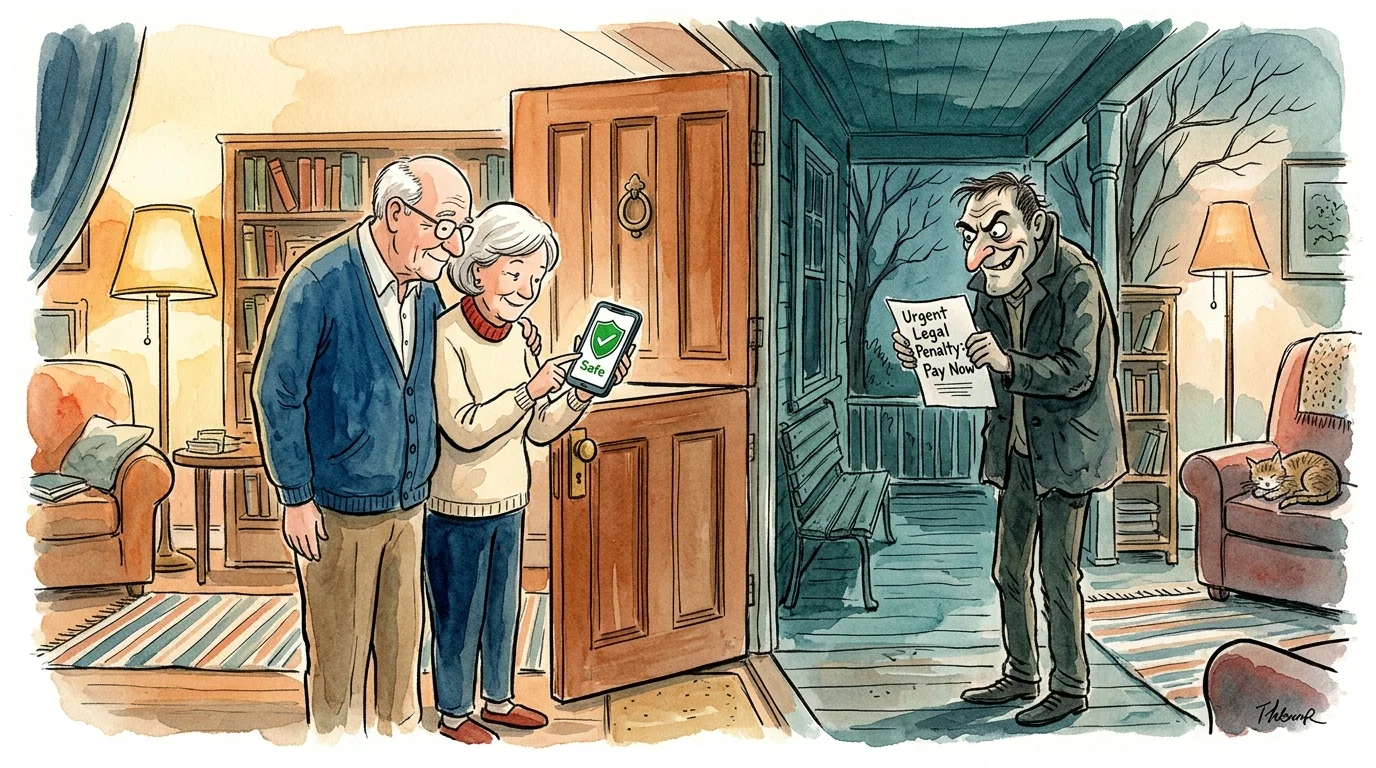
Common Mistakes and Legal Scams to Avoid
Protecting your rights means avoiding common missteps and staying vigilant against dishonest operators who target seniors facing legal difficulties. Financial predators frequently prey on retirees’ fears of losing their homes, savings, or independence.
One frequent mistake is waiting too long to address a legal issue. Many administrative procedures—such as appealing a denied Medicare claim or challenging a Social Security benefit overpayment notice—have strict 60-day deadlines. If you ignore a notice or delay contacting an attorney, you can forfeit your right to appeal, regardless of how valid your claim is.
Watch out for common legal scams and deceptive practices targeting retirees:
- Living Trust Mills: Salespeople posing as “estate planning experts” sell expensive, standardized living trust packages to retirees who only need a simple, low-cost power of attorney or living will. These packages often cost thousands of dollars and provide little real benefit.
- Deed Theft and Equity Scams: Fraudulent companies offer “mortgage assistance” or promise to help resolve property tax back-payments, only to trick homeowners into signing over their property deeds.
- Paid “Senior Advocate” Services: Private entities sometimes charge upfront fees to connect seniors with public legal aid or benefit applications. Official OAA legal assistance and legal aid intake services are always free to access.
- Ignoring Court Summonses: Failing to respond to debt collection lawsuits or eviction notices often results in default judgments against you, allowing creditors to garnish bank accounts or order property vacate dates automatically.
Always verify an individual’s credentials before sharing personal financial data or signing legal agreements. Legitimate legal aid attorneys are registered with your state’s bar association and never charge high upfront administrative fees for free senior legal assistance programs.
Frequently Asked Questions
Can I get free legal aid if my income is above the poverty line?
Yes, you can often receive free legal assistance even if your income exceeds the Federal Poverty Guidelines. Programs funded under Title III-B of the Older Americans Act serve adults aged 60 and older without strict income restrictions. While priority is given to seniors with significant economic or social need, these programs do not turn away individuals based on income alone. Additionally, LSC-funded legal aid programs allow exceptions up to 200% of the poverty level for retirees dealing with high medical debt or financial hardship.
Will free legal aid help me write a will or set up a trust?
Free legal aid programs regularly help retirees draft essential estate planning documents, including Durable Power of Attorney designations, healthcare proxies, and living wills. Many legal aid programs also prepare basic last wills and testaments for lower-income seniors. However, legal aid organizations generally do not create complex living trusts or handle multi-million-dollar estate planning, as those services fall outside the scope of charitable civil legal help.
What is the difference between an elder law attorney and a legal aid attorney?
A legal aid attorney works for a non-profit organization or government-funded entity, providing free civil legal assistance to eligible lower-income individuals or seniors under federal grants. An elder law attorney is a private practitioner specializing in senior legal issues—such as Medicaid planning, trusts, and probate. Private elder law attorneys charge hourly rates or flat fees for their services, whereas legal aid attorneys provide their services at no cost to eligible clients.
Can legal aid represent me in a criminal court case?
No, civil legal aid programs do not handle criminal defense matters, traffic violations, or municipal infractions. Federal funding rules limit legal aid organizations exclusively to civil (non-criminal) cases, such as housing disputes, debt defense, benefit appeals, and advance directives. If you are accused of a crime and cannot afford a private defense attorney, the court will assign a public defender to represent you in criminal proceedings.
What should I do if my local legal aid office declines my case?
If a local legal aid office cannot accept your case due to limited resources, conflicting interests, or case coverage limits, ask them for a referral to partner organizations. You can request contact information for local volunteer lawyer networks, state bar association pro bono panels, or university legal clinics. Additionally, your local Area Agency on Aging can help connect you with alternative elder law help resources operating in your area.
For additional senior resources, visit
Centers for Disease Control and Prevention (CDC), Medicare.gov, National Institute of Mental Health (NIMH) and National Institutes of Health (NIH).
Disclaimer: The information in this article is for educational purposes only and is not intended to be a substitute for professional financial, legal, or medical advice. Always consult with a qualified expert for advice tailored to your personal situation.








Leave a Reply