

Navigating retirement finances on a fixed income can feel overwhelming, but you do not have to hire an expensive fee-only advisor to get expert guidance. Federal agencies, trusted non-profit organizations, and nationwide volunteer networks offer comprehensive, confidential, and completely free financial counseling tailored specifically for older adults. Whether you need help adjusting your monthly budget, optimizing Medicare coverage, reducing high-interest credit card debt, or preparing your annual taxes, these no-cost programs exist to safeguard your hard-earned savings. Learning how to access these certified professionals gives you direct control over your financial security without sacrificing your nest egg.
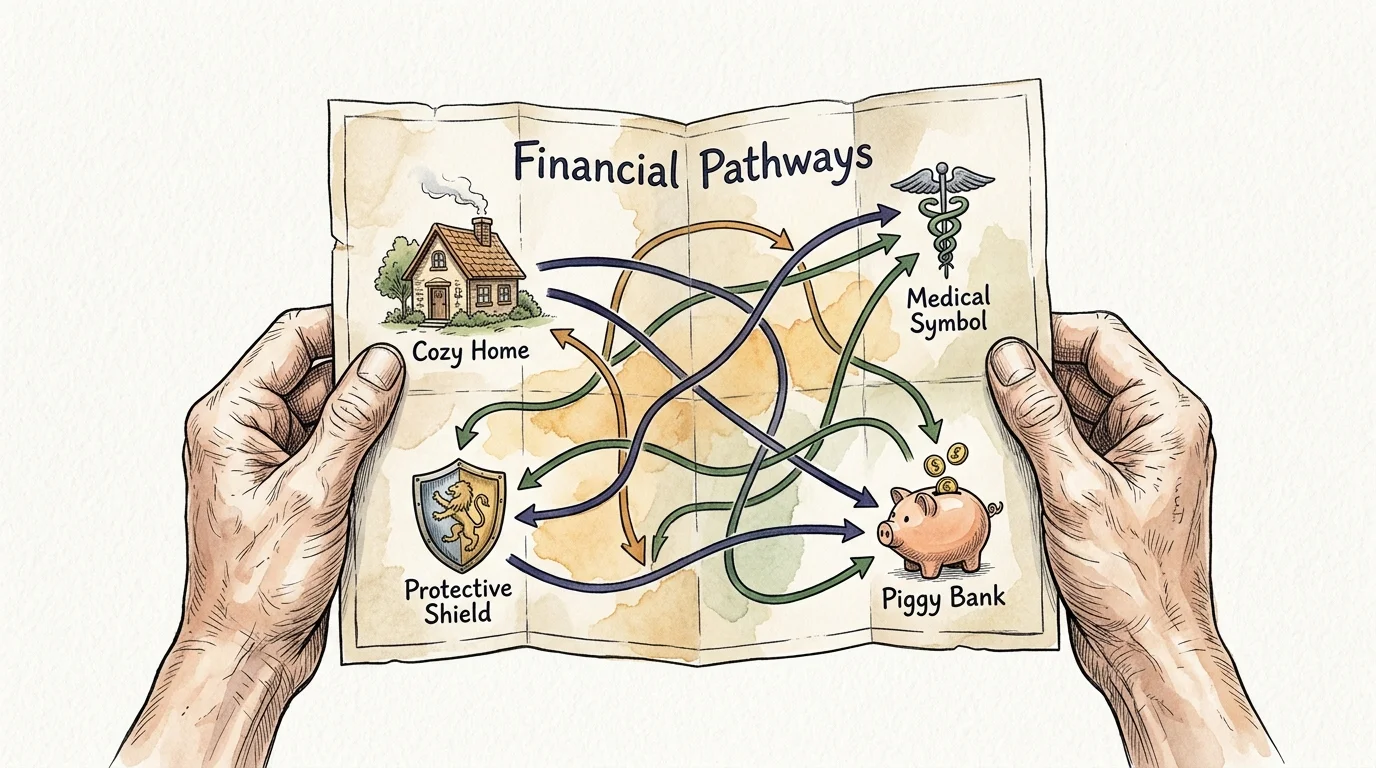
Unlocking Free Financial Counseling in Your Golden Years
Transitioning from a regular paycheck to living on retirement savings, Social Security, or a pension represents a major life shift. Inflation, unexpected healthcare bills, and shifting market conditions can quickly strain even the most carefully crafted budget. Many retirees assume that professional financial advice requires thousands of dollars in advisory fees or commission-based investments; however, numerous high-quality resources offer top-tier guidance at zero cost.
Free financial counseling programs do not operate like sales offices. Certified counselors and volunteer specialists working within public and nonprofit networks do not sell annuities, push specific mutual funds, or take commissions. Instead, they focus entirely on your personal well-being—helping you stretch your income, eliminate costly debt, secure public benefits, and protect your estate from predatory practices.
Securing free retirement financial advice allows you to address immediate financial hurdles while creating long-term stability. Whether you want to review your monthly cash flow or lower your prescription drug costs, understanding where to look gives you an immediate advantage.
Free Tax Preparation through IRS-Sponsored TCE and VITA Programs
Tax laws change frequently, and managing taxation in retirement can get confusing quickly. Deciding how to report Required Minimum Distributions (RMDs), calculating taxable Social Security benefits, and deducting out-of-pocket medical expenses often cause unnecessary stress during tax season. Fortunately, the IRS funds specialized programs to ensure older adults do not pay high tax preparation fees or make costly filing mistakes.
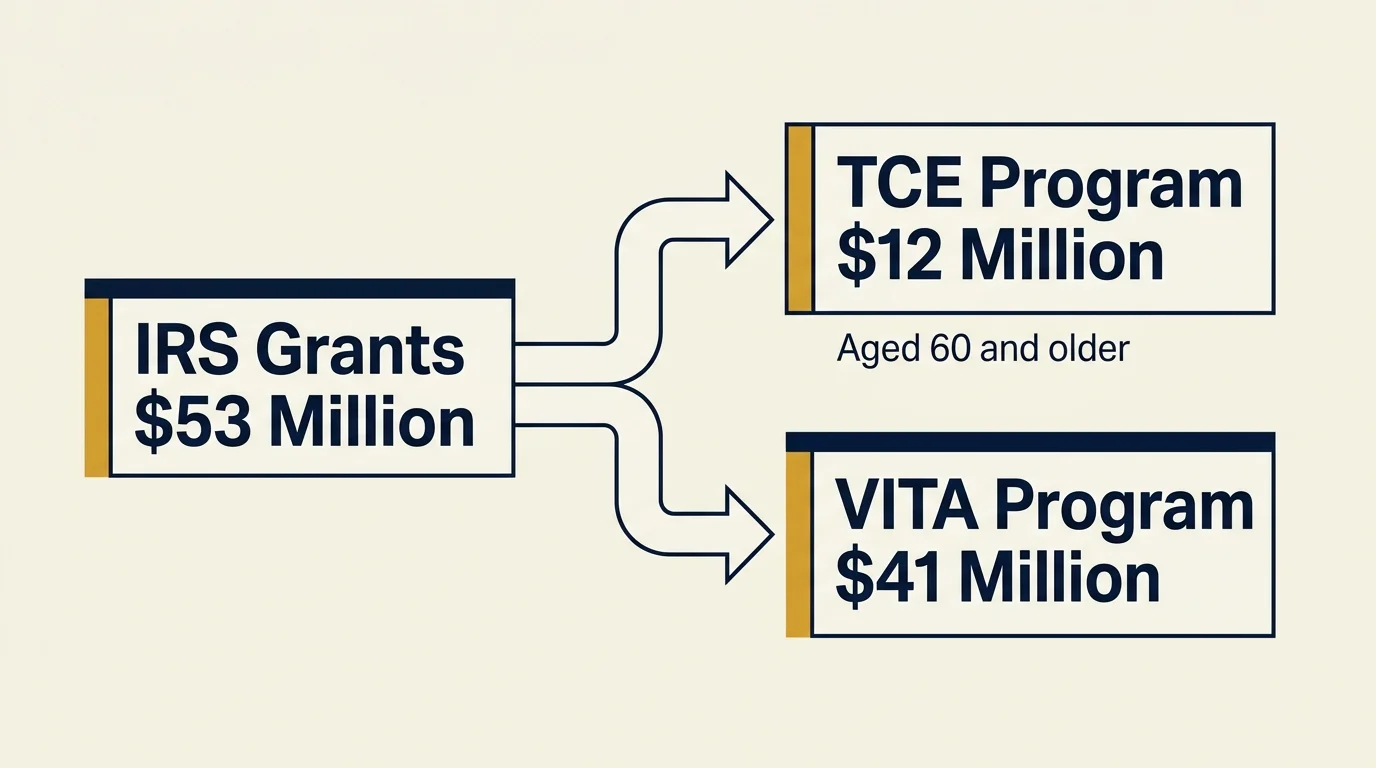
The Tax Counseling for the Elderly (TCE) program provides free tax assistance primarily to individuals aged 60 and older. In 2026, the IRS awarded $53 million in federal grants ($12 million specifically dedicated to TCE and $41 million for Volunteer Income Tax Assistance, or VITA) across 363 community organizations nationwide. These funds support certified volunteers who specialize in senior-specific tax issues, including retirement pensions, military annuities, capital gains, and healthcare deductions.
Community partners—such as the AARP Foundation’s Tax-Aide program—administer many of these TCE sites in local libraries, senior centers, and community facilities from February through April. Volunteers undergo strict IRS training and testing every year to remain certified.
| Feature | Tax Counseling for the Elderly (TCE) | Commercial Tax Preparation Services |
|---|---|---|
| Cost | 100% Free | $200 – $600+ per return |
| Preparer Expertise | IRS-Certified volunteers trained in senior tax laws | Paid tax preparers (varying credentials) |
| Target Focus | Retirement income, RMDs, pensions, medical deductions | General public and business tax filing |
| Conflict of Interest | None (no products or services sold) | May attempt to cross-sell financial products |
By using TCE or VITA programs, you keep hundreds of dollars in your pocket while ensuring full compliance with federal and state tax codes. Most sites offer both walk-in and appointment-based scheduling options throughout the tax season.

Navigating Health Costs with State Health Insurance Assistance Programs (SHIP)
Healthcare costs represent one of the largest budget items for retirees. Choosing between Original Medicare, Medicare Advantage plans, prescription drug plans (Part D), and Medigap supplemental policies can feel like trying to solve a puzzle without all the pieces. Making the wrong choice can cost you thousands of dollars annually in unnecessary premiums, high copays, or coverage gaps.
State Health Insurance Assistance Programs (SHIP) solve this problem by providing free, unbiased, one-on-one Medicare counseling. Funded directly by the U.S. Administration for Community Living (ACL), the SHIP network includes over 12,500 trained staff members and volunteers operating across 2,200 local sites nationwide. Together, they serve more than 65 million Medicare-eligible seniors and family caregivers every year.
SHIP counselors do not sell insurance, nor do they receive referral fees from insurance companies. Their sole job is to help you compare plans objectively based on your exact prescription list, preferred doctors, and personal budget. A single annual consultation during the Medicare Open Enrollment Period (October 15 through December 7) can help you uncover significant savings.
- Prescription Optimization: Counselors input your medications into Medicare’s comparison tools to identify plans with the lowest out-of-pocket costs.
- Subsidy Screening: They screen you for cost-saving programs like Extra Help (Low Income Subsidy) and Medicare Savings Programs (MSPs) that pay your Part B premiums.
- Appeals Assistance: If your insurance plan denies coverage for a necessary procedure or medication, SHIP volunteers guide you through the official appeals process.

Uncovering Local Support Through Area Agencies on Aging
If you need comprehensive senior financial planning resources beyond tax and health insurance guidance, your local Area Agency on Aging (AAA) is the ultimate gateway. Established under the Older Americans Act, this national network of over 600 local agencies connects older adults to vital community-based financial assistance, nutrition programs, and legal aid.
You can locate your regional office by contacting the Eldercare Locator, a public service of the U.S. Administration for Community Living, at 1-800-677-1116. Local agencies employ trained benefits specialists who sit down with you to review your complete financial picture and identify programs designed to lighten your cost of living.
Your local Area Agency on Aging can connect you with several essential resources:
- Property Tax Relief: Many states and counties offer property tax freezes, deferrals, or homestead exemptions for senior homeowners living on modest incomes.
- Utility Payment Assistance: Specialized programs—such as the Low-Income Home Energy Assistance Program (LIHEAP)—help pay heating and cooling bills during extreme weather seasons.
- Food & Nutrition Benefits: Counselors assist with applications for Supplemental Nutrition Assistance Program (SNAP) benefits and local meal-delivery initiatives.
- Legal Aid Services: Free or low-cost legal assistance programs help you draft basic wills, powers of attorney, and healthcare directives without standard attorney fees.
To explore federal, state, and private benefit programs on your own, you can also search Benefits.gov, an official site that cross-references your age, location, and income to display every assistance program you qualify for.
Restructuring Debt Safely with Nonprofit Credit Counseling Services
Carrying high-interest credit card debt or medical bills into retirement can create severe financial anxiety. When living on a fixed income, minimum monthly payments take money away from essentials like food, prescription drugs, and utilities. Unscrupulous debt-settlement companies frequently target seniors with promises of erasing debt overnight; however, these commercial scams often charge exorbitant upfront fees and leave your credit rating ruined.
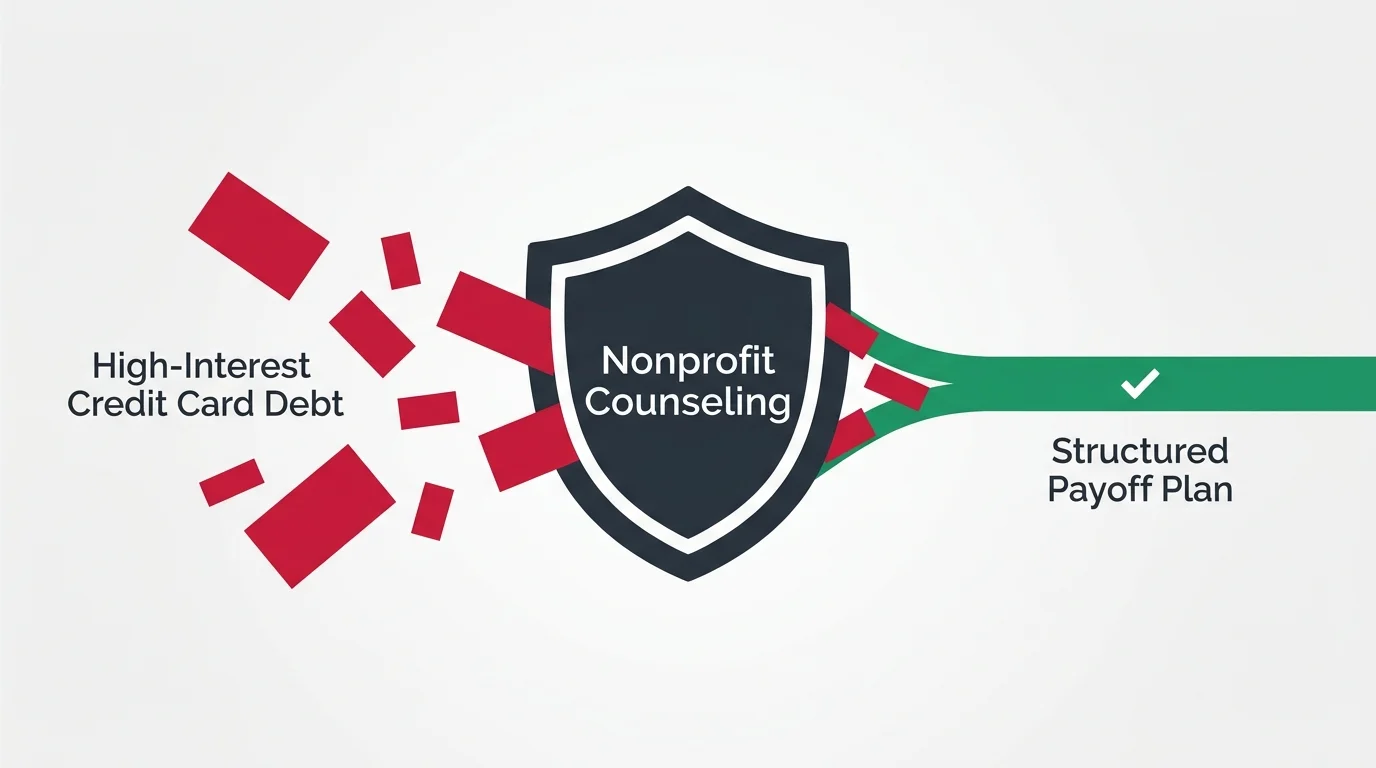
Legitimate, nonprofit credit counseling retirees can rely on comes from agencies affiliated with the National Foundation for Credit Counseling (NFCC). Representing over 70 member agencies operating across hundreds of local offices, NFCC-certified counselors offer free initial budget and debt consultations to help you regain control.
According to consumer guidance from the Consumer Financial Protection Bureau (CFPB), working with an accredited nonprofit counseling agency helps you examine your income, prioritize debt payments, and build a realistic monthly household spending plan without risking your financial security.
If your credit card debt proves overwhelming, a nonprofit credit counselor can enroll you in a formal Debt Management Plan (DMP). Under a DMP, the agency negotiates directly with your credit card issuers to lower interest rates (often from 25% or higher down to single digits), waive late fees, and consolidate your debt into a single monthly payment. You pay off your principal balance safely within three to five years while preserving your retirement accounts from liquidation.

Accessing Pro Bono Certified Financial Planners
When facing complex financial decisions—such as managing retirement withdrawals, handling the loss of a spouse, or adjusting to unexpected medical diagnoses—access to a professional financial planner is invaluable. However, professional financial planners often charge hourly rates exceeding $250 or require minimum invested assets of $250,000 or more. This excludes many low-to-moderate-income retirees who need guidance the most.
To bridge this gap, organizations like the Foundation for Financial Planning (FFP) fund and organize pro bono initiatives across the country. Through dedicated grant programs and platforms like ProBonoPlannerMatch.org, FFP connects volunteer Certified Financial Planner™ (CFP®) professionals with older adults who need fiduciary guidance at no cost.
Unlike financial salespeople, CFP® professionals providing pro bono advice operate under a strict fiduciary standard; they must place your financial interests first. During a pro bono counseling session, a volunteer CFP® professional can help you:
- Align Cash Flow: Build practical budgeting help for retirees to ensure monthly expenses match predictable retirement income.
- Optimize Social Security Claims: Analyze your eligibility options to maximize lifetime benefit amounts. Guidance from the Social Security Administration (SSA) highlights that delaying your benefit claim past full retirement age increases your annual payout by up to 8% per year until age 70.
- Manage Retirement Withdrawals: Create a disciplined withdrawal strategy across taxable and tax-deferred accounts to reduce unnecessary income taxation.
- Evaluate Emergency Funds: Structure cash reserves to handle sudden home repairs, vehicle maintenance, or medical expenses without accumulating credit card debt.

Protecting Equity with HUD-Approved Housing and Reverse Mortgage Counseling
For many retirees, home equity represents their single largest financial asset. When cash flow gets tight, older homeowners often consider tap-in solutions like home equity loans, HELOCs, or Home Equity Conversion Mortgages (HECMs)—commonly known as reverse mortgages. While reverse mortgages allow seniors aged 62 and older to convert equity into cash without monthly mortgage payments, they are complex financial products that carry unique risks, upfront fees, and tax implications.
To protect older adults from predatory lending, federal regulations require anyone considering a reverse mortgage to complete mandatory counseling with an independent housing counselor approved by the U.S. Department of Housing and Urban Development (HUD). This requirement ensures you receive objective, neutral advice before signing any binding loan contracts.
HUD-approved housing counseling agencies provide objective financial evaluations that cover critical areas:
- Loan Mechanics & Fees: Counselors break down origination fees, mortgage insurance premiums, compounding interest charges, and long-term repayment conditions.
- Alternative Options: They review lower-cost alternatives, such as local property tax deferral programs, state-funded home repair grants, or refinancing options.
- Impact on Heirs: Counselors explain how a reverse mortgage impacts your estate, outlining what happens to the home balance when you pass away or relocate to an assisted living facility.
- Ongoing Responsibilities: They confirm that you understand your duty to pay real estate taxes, hazard insurance, and property maintenance costs to avoid loan default.

Spotting Financial Scams and Red Flags Targeting Seniors
While genuine, high-quality financial counseling exists at zero cost, bad actors frequently target older adults with deceptive marketing tactics. Fraudsters often disguise high-commission investment presentations or outright scams as “free educational seminars” or “complimentary dinner consultations.” Protecting your financial security requires recognizing the warning signs that separate accredited non-profit advisors from predatory salespeople.
Keep these red flags in mind whenever you evaluate financial advice options:
- Upfront Fees for “Free” Programs: Legitimate government-funded programs (like SHIP, TCE, VITA, and AAAs) never charge money, demand donations, or ask for your bank account information.
- High-Pressure Sales Tactics: Be wary of any advisor who insists you must sign contracts immediately, buy an annuity right away, or move money out of existing accounts without giving you time to review documents with a trusted family member.
- Guaranteed Investment Returns: Legitimate financial planners never guarantee high returns with “zero risk.” Unusually high guaranteed returns are classic indicators of fraudulent investment schemes.
- Requests for Personal Account Access: Never give a financial counselor direct online access to your bank accounts, online passwords, or Social Security card details during an initial contact phase.
- Unaccredited Organization Names: Always check if a counseling agency belongs to recognized networks, such as the National Foundation for Credit Counseling (NFCC), the HUD Housing Counselor Directory, or the IRS TCE network.
Step-by-Step Guide to Preparing for Your Counseling Session
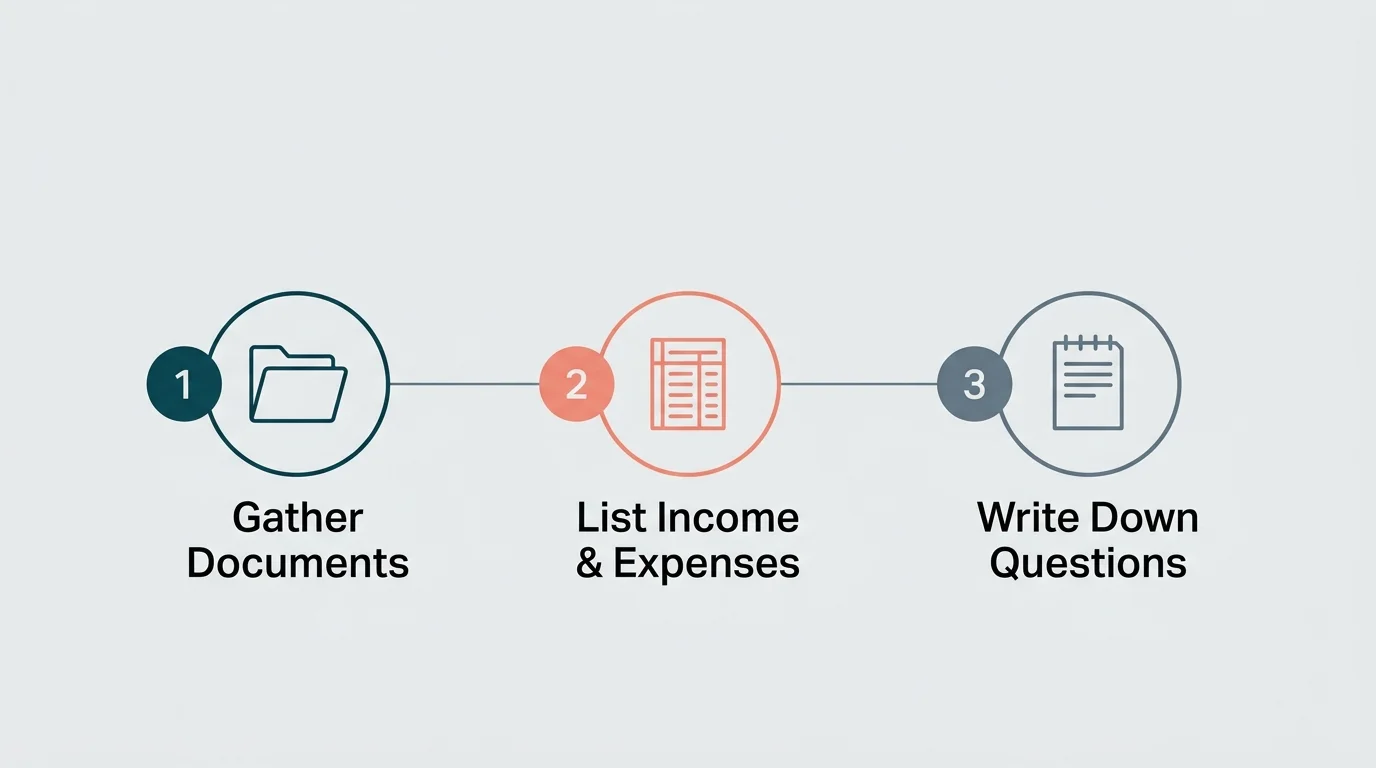
Preparing thoroughly for a financial counseling session helps you get the most value out of your meeting. Gathering your paperwork and defining your primary goals beforehand allows the counselor to focus directly on personalized, actionable solutions.
- Organize Financial Documents: Collect recent income statements (Social Security benefit letters, pension stubs), tax returns from the past two years, monthly bank statements, and recent utility bills.
- Compile Debt and Asset Information: Make a list of all outstanding debts—including credit cards, medical balances, and auto loans—along with current balances and interest rates. Gather statements for any savings, checking, or IRA accounts.
- Document Monthly Expenses: Track your actual spending over the past 30 to 60 days. Group your expenses into categories such as housing, healthcare, food, transportation, insurance, and personal care.
- Write Down Specific Questions: Clearly outline what you want to achieve. For example: “How can I lower my monthly prescription drug spending?” or “What is the safest way to pay off $8,000 in credit card debt on my Social Security income?”
- Verify the Agency’s Credentials: Ensure the service provider holds valid certification from an official entity (such as the IRS, HUD, NFCC, or your local Area Agency on Aging) before sharing personal details.
Frequently Asked Questions
Are these financial counseling services really 100% free?
Yes. Government-sponsored programs like SHIP, Tax Counseling for the Elderly (TCE), VITA, and Area Agencies on Aging receive federal funding to provide completely free services. Nonprofit credit counseling agencies offer initial budget and debt consultations at no charge, although minor, regulated administrative fees may apply if you choose to enroll in a formal Debt Management Plan.
How do pro bono financial planners differ from commercial financial advisors?
Pro bono financial planners act as fiduciary volunteers through non-profit programs like the Foundation for Financial Planning. They do not sell insurance, manage assets for fees, or charge hourly rates. Commercial advisors, by contrast, charge fees, manage assets for a percentage, or earn commissions by selling financial products.
Will using a nonprofit credit counseling service damage my credit score?
No. Simply meeting with an NFCC-certified counselor to review your budget or explore debt relief options has zero impact on your credit score. If you choose to enter a Debt Management Plan, accounts enrolled in the plan may be temporarily noted on your report, but systematically paying down your principal debt improves your credit rating over time.
What should I do if a counselor tries to sell me a financial product?
If anyone claiming to offer free community counseling attempts to sell you annuities, life insurance policies, or high-risk investments, end the session immediately. Legitimate public benefit counselors and accredited pro bono advisors do not sell commercial financial products.
Can family members or trusted caregivers attend these counseling sessions with me?
Yes, absolutely. Having a trusted family member, adult child, or legal representative join your appointment is encouraged. An extra pair of eyes and ears helps ensure all information is noted accurately, helping you implement financial strategies with total confidence.
For additional senior resources, visit
Medicare.gov, National Institute of Mental Health (NIMH) and National Institutes of Health (NIH).
Disclaimer: The information in this article is for educational purposes only and is not intended to be a substitute for professional financial, legal, or medical advice. Always consult with a qualified expert for advice tailored to your personal situation.









Leave a Reply