
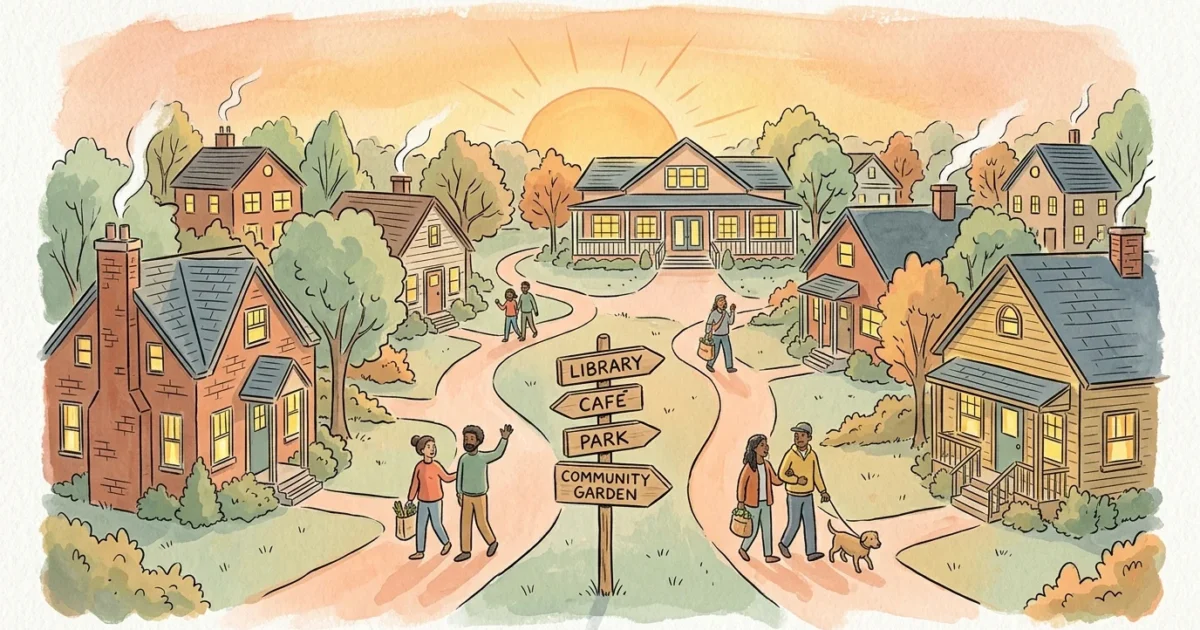
Managing expenses on a fixed income can present severe financial strain, especially when unexpected heating bills, home repairs, or health costs arise. Fortunately, local Community Action Agencies offer powerful safety nets designed to keep older adults independent, safe, and financially stable in their own homes. Across the country, these community organizations deliver vital assistance programs—ranging from home energy support and job training to nutritious meals and transportation. Understanding the full spectrum of services offered by community action agencies empowers you to access free local resources tailored to your exact needs. This practical guide breaks down eight core services available through your local agency, along with clear steps to qualify and apply today.
Understanding Community Action Agencies
Congress established Community Action Agencies (CAAs) through the Economic Opportunity Act of 1964 as a cornerstone of the national War on Poverty. Today, over 1,000 local Community Action Agencies form a nationwide network that reaches 99% of American counties. These non-profit and public organizations receive foundational support through the federal Community Services Block Grant (CSBG), administered by the U.S. Department of Health and Human Services. Rather than taking a one-size-fits-all approach, each local agency tailors its support services to address the distinct economic challenges present within its specific service area.
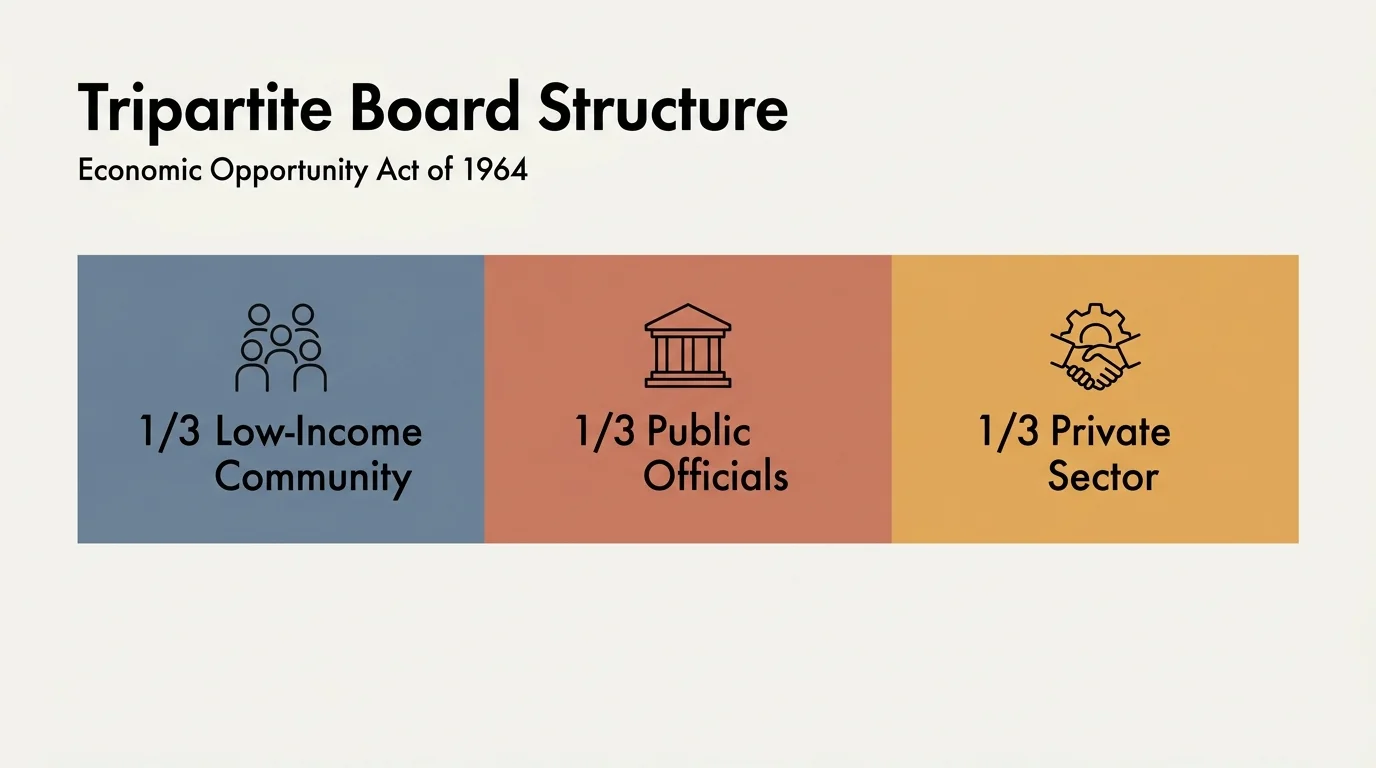
Federal law mandates a unique administrative model for every Community Action Agency: the tripartite board structure. Under this rule, a local CAA board must consist of three equal parts: at least one-third low-income community members, one-third elected public officials or their designated representatives, and up to one-third private sector leaders. This setup guarantees that local residents directly participate in decisions regarding community action agency resources. For older adults, this structure ensures that local assistance programs for seniors reflect real neighborhood challenges, such as rising utility bills or limited public transit.
Unlike specialized charitable programs that address single issues, local agencies evaluate your overall situation. According to the Administration for Community Living (ACL), local supportive service networks enable older adults to remain independent in their homes and communities. When you visit a local agency, staff members assess your household needs holistically, connecting you to energy support, food programs, and tax preparation under one umbrella.

1. Home Energy Assistance and Free Weatherization
Utility costs consume a major share of a fixed retirement budget; extreme temperatures can create dangerous living conditions if you cannot afford adequate heating or cooling. Local agencies deliver two essential federal energy programs designed to keep your home comfortable while lowering your monthly utility payments.
The Low-Income Home Energy Assistance Program (LIHEAP) provides direct financial assistance to pay heating and cooling bills. Operating across every state, LIHEAP aids more than 6 million low-income households annually. Depending on your state, LIHEAP can provide direct bill credits to your utility company, emergency fuel deliveries during severe winter cold, or cooling assistance during summer heatwaves. Additionally, federal regulations allow states to transfer up to 15%—and up to 25% with an approved waiver—of their LIHEAP grant allocations directly into home weatherization programs.
The Weatherization Assistance Program (WAP), funded by the U.S. Department of Energy (DOE) and administered locally by CAAs, provides free long-term energy conservation upgrades. Eligibility generally covers households earning up to 200% of the Federal Poverty Level, with priority given to seniors aged 60 and older. Professional technicians conduct a detailed home energy audit, followed by targeted improvements such as:
- Installing high-efficiency attic, wall, and floor insulation;
- Sealing drafty windows, exterior doors, and attic hatches;
- Repairing or replacing unsafe or non-functional heating and cooling systems;
- Installing energy-efficient LED light bulbs and low-flow water fixtures.
These permanent upgrades yield substantial relief for your wallet; WAP energy improvements produce an average annual savings of $372 per household on utility bills. Before applying, you can research eligibility criteria for various federal benefit programs on Benefits.gov to ensure you have necessary documentation ready.
2. Paid Job Training for Seniors (SCSEP)
If you want or need to re-enter the workforce after age 55, overcoming age bias and outdated technical skills can feel daunting. Local agencies frequently serve as host locations or administrators for the Senior Community Service Employment Program (SCSEP). Authorized under the Older Americans Act and funded through the U.S. Department of Labor, SCSEP stands as the nation’s premier job-training initiative dedicated exclusively to low-income older job seekers.
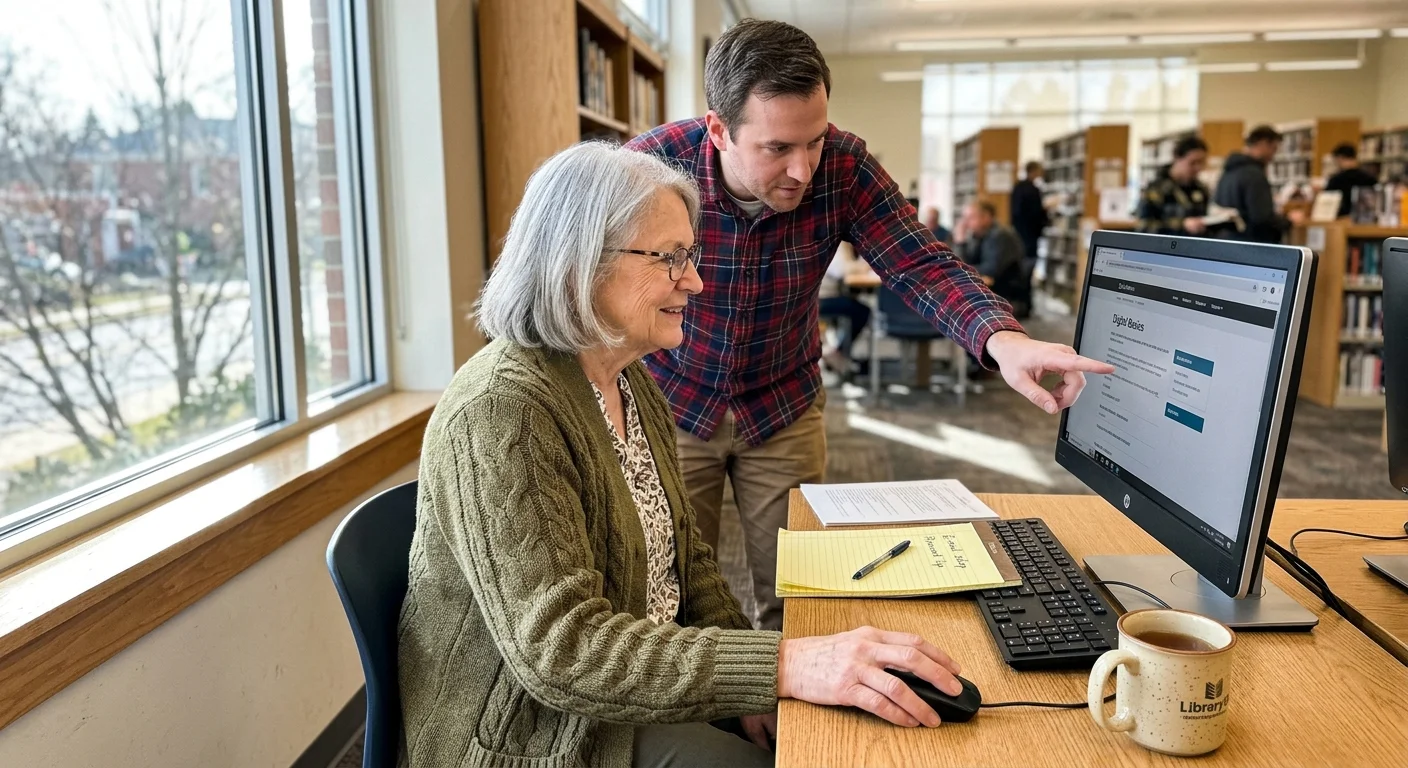
To qualify for SCSEP, you must be age 55 or older, currently unemployed, and living with a household income at or below 125% of the Federal Poverty Level. The program pairs your career goals and personal preferences with part-time work-training opportunities averaging 20 hours per week. Participants build practical skills while working at non-profit host organizations, government offices, libraries, schools, or senior centers. You gain practical workplace experience while earning the highest applicable federal, state, or local minimum wage.
SCSEP provides individualized supportive services alongside paid work experience, including:
- Basic computer literacy and technology instruction;
- Resume creation, interview preparation, and job search coaching;
- Placement assistance transitioning into permanent, unsubsidized employment;
- Professional development workshops tailored to mature workers.
This initiative helps mature job seekers remain financially secure, build social connections, and contribute valuable skills back to their local communities.
3. Home Repairs and Housing Stabilization
Maintaining a home becomes increasingly challenging as physical mobility changes and home maintenance costs rise. Community Action Agencies help seniors age in place safely by funding critical home repairs, structural modifications, and emergency housing interventions.
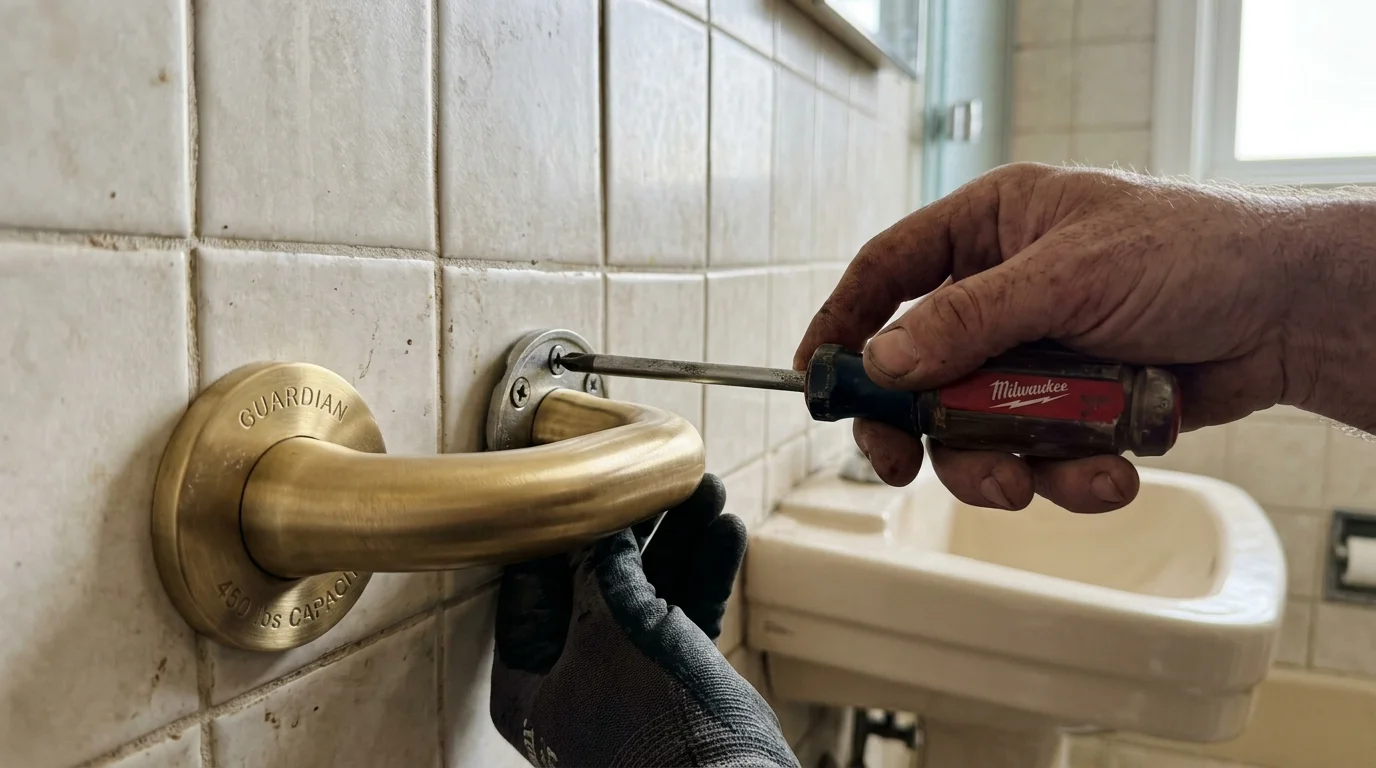
Accessibility modifications represent one of the most requested free services from local agencies. Standard home layouts often include barriers that increase fall risks for older adults. Local agency repair teams assess structural hazards and install essential safety modifications at no cost to eligible senior homeowners. Common accessibility upgrades include:
- Constructing sturdy wheelchair ramps and entryway handrails;
- Installing interior grab bars in bathrooms and shower stalls;
- Widening doorways to accommodate walkers or wheelchairs;
- Replacing high-threshold bathtubs with step-in shower conversions.
Beyond accessibility, agencies frequently operate emergency housing repair funds to fix critical structural or utility failures. If your water heater bursts, roof develops severe leaks, or main furnace fails during mid-winter, your local CAA can provide emergency repair grants to address immediate health hazards. For low-income senior renters facing eviction or sudden rent hikes, agency counselors can also provide temporary rental assistance to maintain stable housing.

4. Food Pantries and Nutrition Assistance
Nutritious food is essential for managing chronic medical conditions and preserving overall health, yet rising food costs force many older Americans onto tight budgets. Local agencies offer comprehensive food security initiatives to ensure you never have to choose between buying medicine or purchasing groceries.
Many agencies operate emergency food pantries on-site, offering fresh produce, pantry staples, dairy products, and specialized dietary items tailored to older adults. For homebound seniors who cannot visit a pantry due to physical limitations or transportation barriers, agencies frequently coordinate mobile food deliveries or partner with local home-delivered meal organizations.
CAAs also simplify access to broad public food benefits. Agency specialists guide you step-by-step through the enrollment process for the Supplemental Nutrition Assistance Program (SNAP), helping eliminate complex paperwork hurdles. Furthermore, many local agencies distribute vouchers for the Senior Farmers’ Market Nutrition Program, giving eligible seniors free funds to purchase locally grown, fresh fruits and vegetables from community markets throughout the summer and autumn months.
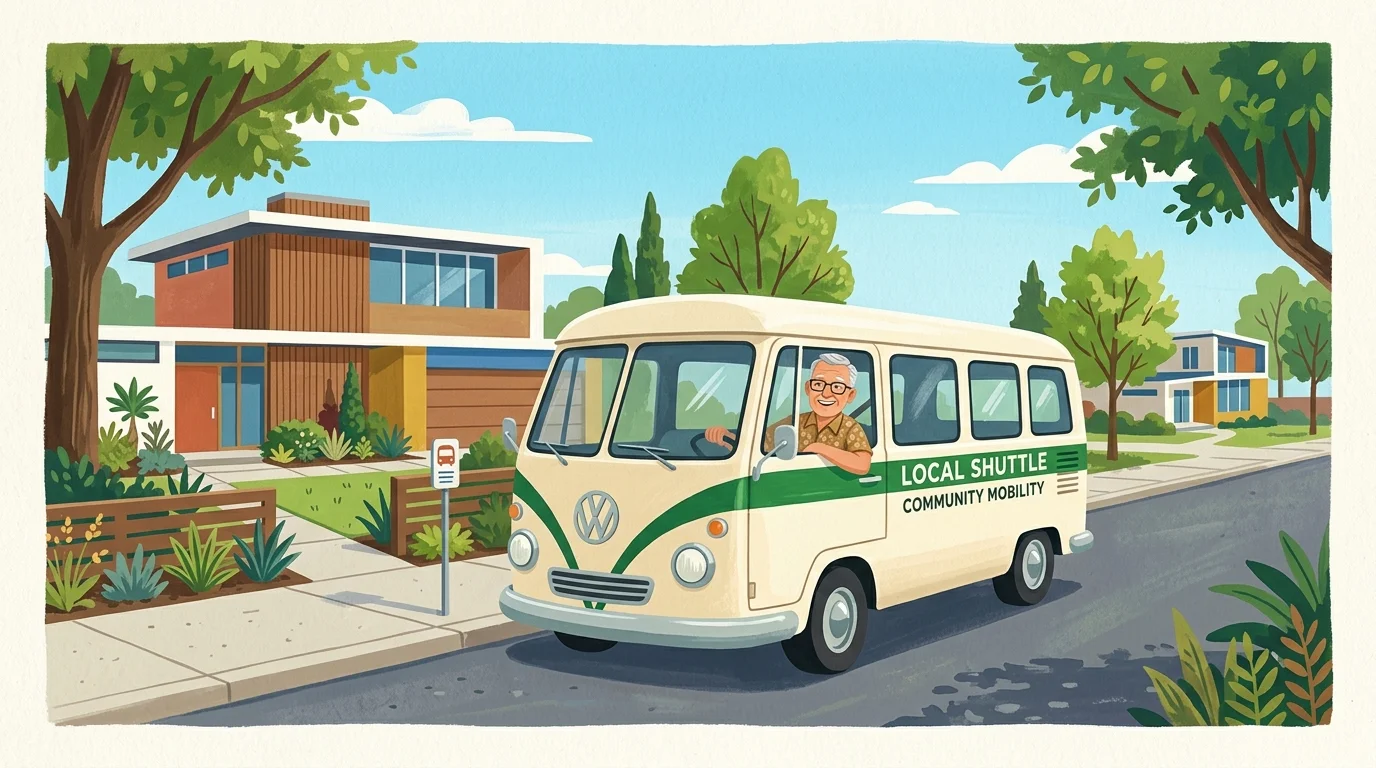
5. Senior Transportation and Mobility Support
Surrendering a driver’s license or lacking access to a reliable vehicle can lead to social isolation, skipped medical appointments, and difficulty running everyday errands. Community Action Agencies close this gap by operating free or heavily subsidized transportation services designed specifically for older adults and individuals with limited mobility.
Agency transit initiatives vary according to geographic area, but they typically provide scheduled door-to-door shuttle services or volunteer driver programs. You can arrange advance rides for vital weekly tasks, including:
- Primary care and specialist medical appointments;
- Prescription pickups at local pharmacies;
- Grocery shopping trips and bank visits;
- Daily meal programs at local senior centers.
In rural communities where public transportation options are sparse, agency-sponsored door-to-door vans offer crucial connections to distant regional hospitals and specialized medical centers. Drivers are trained to assist passengers with mobility aids, ensuring you travel safely and punctually to every commitment.

6. Free Tax Preparation and Financial Counseling
Navigating changing tax codes can prove confusing and expensive, particularly when managing pension distributions, Social Security benefits, or required minimum distributions (RMDs). Paying commercial tax preparers hundreds of dollars takes money away from basic living expenses. Community Action Agencies solve this issue by operating Volunteer Income Tax Assistance (VITA) sites during tax season.
IRS-certified VITA volunteers complete and electronic-file federal and state income tax returns for free. These trained specialists understand senior-specific tax rules, ensuring you claim every tax credit or deduction for which you qualify, such as property tax relief credits or medical expense deductions. As noted by the Consumer Financial Protection Bureau (CFPB), receiving unbiased financial guidance helps older adults protect their life savings against unfair practices and predatory services.
In addition to seasonal tax prep, CAAs offer year-round financial literacy programs. Certified counselors work with you one-on-one to create manageable monthly budgets, manage credit card debt, apply for reverse mortgage counseling, and protect against identity theft or financial fraud.

7. Case Management and Caregiver Support
Unraveling the complicated maze of public benefits, medical paperwork, and community support systems can overwhelm older adults and family caregivers. Local agency caseworkers provide centralized, compassionate coordination to simplify this process.
When you contact a CAA, a caseworker conducts a complete intake evaluation to identify your goals and challenges. They establish an individualized care plan, directly enrolling you into agency programs or connecting you with partner agencies. Caseworkers assist with multi-step applications, schedule follow-up appointments, and conduct regular checks to verify that your services continue without interruption.
Caregivers also benefit from these supportive structures. Research highlighted by the National Institute on Aging (NIA) emphasizes that structured caregiver support significantly reduces stress and prevents burnout among family members caring for aging relatives. Local agencies offer respite care relief, funding temporary professional home aides so family caregivers can rest, take care of personal errands, or attend support group meetings.
8. Health Screenings and Prescription Help
Preventive health care and prescription drug costs can place heavy burdens on fixed retirement budgets. Local agencies collaborate with community health clinics and public health departments to bring preventive care directly into neighborhood centers.
Agencies sponsor free health screenings and educational wellness workshops targeting common age-related conditions. On-site health services frequently feature:
- Routine blood pressure and diabetic blood glucose monitoring;
- Vision and hearing screening clinics;
- Annual seasonal flu and pneumonia vaccination clinics;
- Fall prevention workshops and strength training classes.
Additionally, agency benefit counselors help low-income Medicare beneficiaries apply for key cost-saving programs. They guide you through enrollment for Medicare Savings Programs (MSPs)—which cover Medicare Part B premiums—and the Extra Help program, which lowers prescription drug co-pays under Medicare Part D. In emergency situations where you cannot afford life-sustaining medications, agencies can deploy short-term prescription voucher funds to cover urgent pharmacy bills.
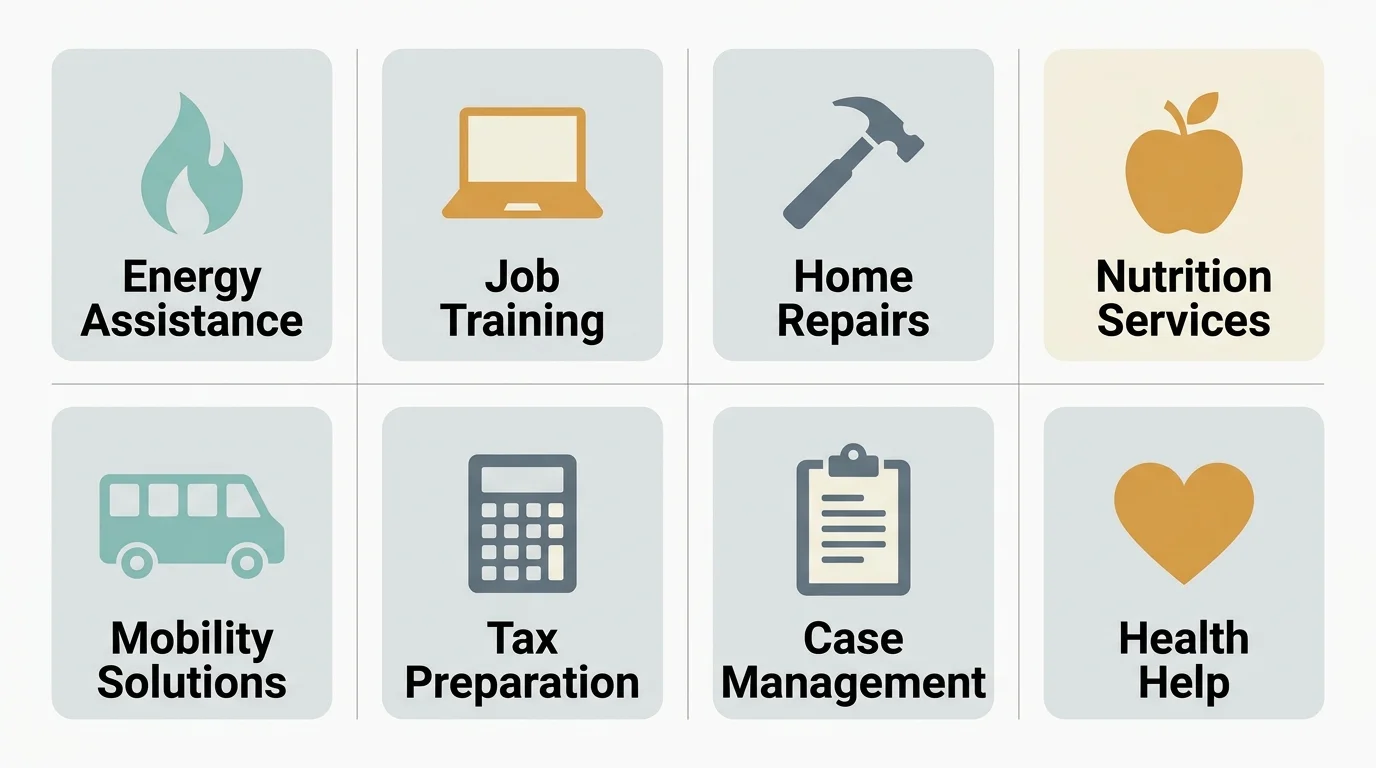
Summary of Community Action Programs
The table below provides a quick side-by-side comparison of primary agency programs, basic eligibility criteria, and direct benefits provided to older adults.
| Program / Service | Target Audience & Eligibility | Core Benefits to Seniors |
|---|---|---|
| Weatherization Assistance (WAP) | Income typically up to 200% Federal Poverty Level; priority for 60+ | Free home energy insulation, heating repair; average $372/year bill savings |
| Low-Income Energy Assistance (LIHEAP) | Low-income renters and homeowners needing utility support | Direct cash credits for heating and cooling bills; emergency fuel assistance |
| Senior Employment (SCSEP) | Unemployed adults 55+ earning at or below 125% Poverty Level | Paid 20 hr/wk skill training at host sites; paid minimum wage while training |
| Home Modification & Repair | Low-income senior homeowners needing structural safety repairs | Free wheelchair ramp installation, grab bar mounting, furnace repairs |
| Tax Preparation (VITA) | Low-to-moderate income seniors seeking reliable tax filings | Free IRS-certified tax return preparation and e-filing; credit optimization |
| Case Management & Caregiver Support | Older adults needing service navigation or family caregivers | Comprehensive needs assessments, respite care funding, benefit application help |

Application Pitfalls and Scam Protection
Although Community Action Agencies offer powerful support systems, applying for assistance requires careful attention to detail. Many seniors fail to receive services simply due to preventable paperwork mistakes or common misunderstandings regarding program guidelines.
Avoid assuming that owning a home or earning a small pension disqualifies you from receiving local assistance programs for seniors. Many assistance programs use generous eligibility caps or exclude primary residence value when assessing household assets. Another common error is submitting incomplete applications. Energy and home repair programs require specific documentation, such as proof of household income, recent utility bills, and proof of homeownership or lease agreements. Omitting a single required document can stall your application for weeks, moving you down the waiting list.
Be vigilant against scammers who target seniors seeking financial assistance. Fraudulent operators set up deceptive websites or make cold calls pretending to represent government agency representatives. Keep these crucial protection rules in mind:
- No application fees: Legitimate Community Action Agencies NEVER charge money to process applications, run background checks, or grant benefit awards.
- No payment for priority processing: Anyone demanding payment or gift cards to “expedite” your grant application is attempting a scam.
- Verify agency credentials: Never share sensitive personal details like your Social Security number or bank account information over unverified phone calls or untrusted websites. Contact your county government offices or local Area Agency on Aging to confirm the official physical address and telephone number of your local CAA.
Frequently Asked Questions
How do I find the local Community Action Agency serving my county?
You can locate your official local agency through national directory tools online or by telephone. Visit the official National Community Action Partnership online directory, or call the federal Eldercare Locator service at 1-800-677-1116. Additionally, dialing 211 on your phone connects you to local community resource operators who can provide immediate contact information for your designated agency.
Are services provided by Community Action Agencies completely free?
Yes, core services provided by local agencies—such as weatherization upgrades, tax preparation, case management, and energy assistance—are provided completely free of charge to income-eligible participants. Programs receive federal, state, and local grant funding to ensure low-income seniors incur zero out-of-pocket costs.
Can I receive energy bill assistance (LIHEAP) and home weatherization (WAP) at the same time?
Yes, you can enroll in both programs simultaneously. LIHEAP provides immediate bill payment assistance for heating and cooling costs, whereas WAP delivers long-term physical efficiency upgrades to your home. Applying for LIHEAP through your local agency often automatically qualifies or prioritizes your household for weatherization services.
What documents must I prepare when applying for agency programs?
While requirements vary slightly depending on the program, you should assemble photo identification, Social Security cards for household members, proof of household income (such as Social Security benefit statements, pension statements, or recent tax returns), copies of recent utility bills, and your home lease or deed.
Does owning my home disqualify me from receiving housing or energy assistance?
No, owning your home does not disqualify you. In fact, major programs like the Weatherization Assistance Program (WAP) and emergency home repair initiatives specifically serve low-income homeowners to help them preserve their property equity and maintain safe, healthy living environments.
For additional senior resources, visit
Alzheimer’s Association,
American Heart Association,
Benefits.gov,
National Institute on Aging (NIA) and
Centers for Disease Control and Prevention (CDC).
Disclaimer: The information in this article is for educational purposes only and is not intended to be a substitute for professional financial, legal, or medical advice. Always consult with a qualified expert for advice tailored to your personal situation.









Leave a Reply