
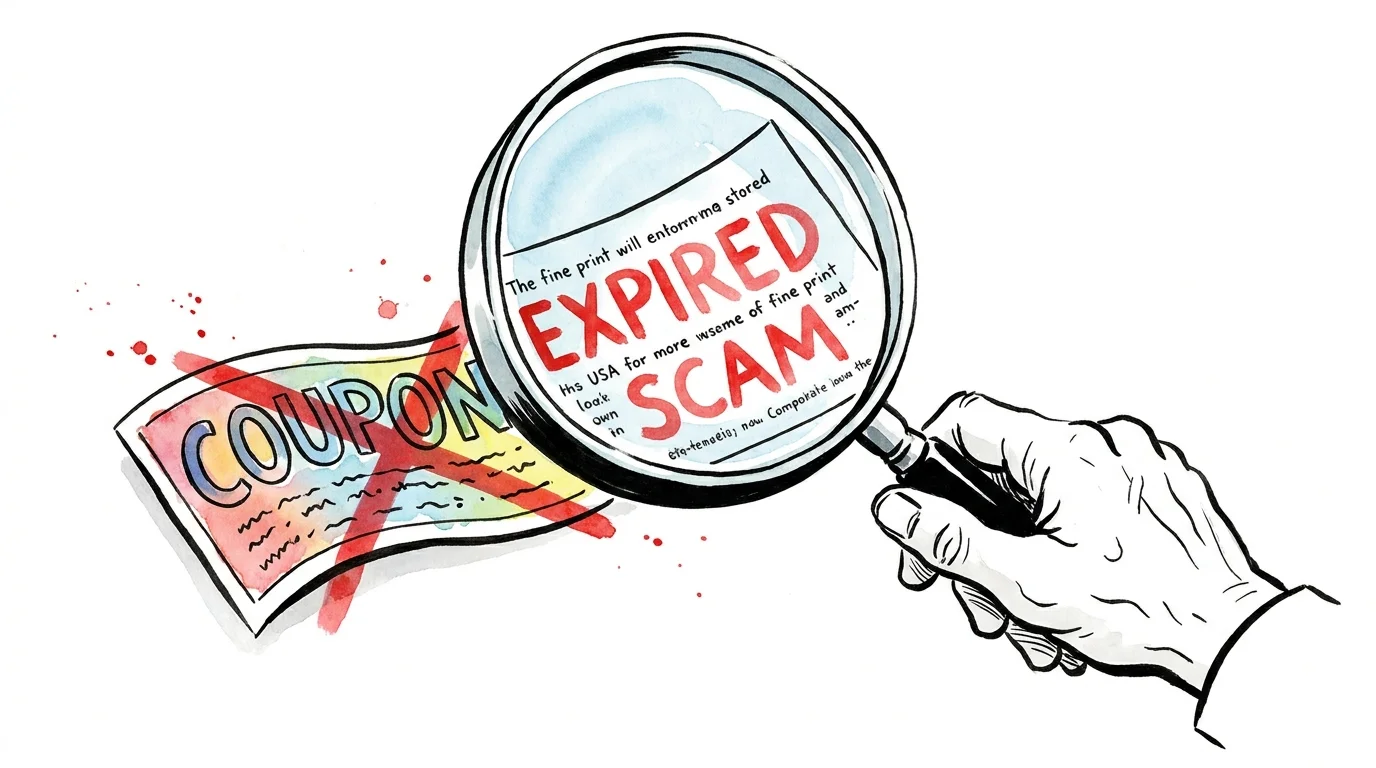
Grocery Shopping Mistakes And Scams To Avoid
While grocery stores offer incredible benefits, you must remain vigilant to protect your fixed income from common pitfalls and emerging retail scams. Awareness prevents frustration at the checkout line and protects your personal information.
- Assuming Discounts Apply to Everything: The biggest mistake shoppers make is assuming the 10% senior discount covers the entire cart. State laws and store policies generally exclude alcohol, tobacco, dairy products (like milk), lottery tickets, and prescription copays from percentage-off discounts. Always review your receipt to understand exactly what items triggered the discount.
- Falling for Third-Party Delivery Scams: Scammers frequently target seniors with fake text messages claiming an “Instacart” or “Walmart Grocery” delivery failed, asking you to click a link and enter your credit card to reschedule. Grocery chains will never ask for your credit card information via a text message to release a delayed order. Always verify the status of your delivery by calling the store directly.
- Overbuying to Meet Delivery Minimums: Many stores waive delivery fees if you spend over $35. However, if you only need $15 worth of groceries, adding $20 of perishable items you cannot eat before they spoil wastes more money than simply paying the $9.95 delivery fee. Stick to shelf-stable pantry items if you need to pad your cart to meet a minimum threshold.
- Ignoring the Unit Price: Do not let a bright yellow “Sale” tag fool you. Sometimes a “Buy 2, Get 1 Free” offer on small packages still costs more per ounce than simply buying one large family-size package. Always look at the unit price (the cost per ounce or pound) printed in small type on the shelf tag to determine the true value of the deal.
Frequently Asked Questions
How do I prove my age to receive a senior grocery discount?
Most cashiers require a valid, government-issued photo ID featuring your date of birth, such as a driver’s license, state identification card, or passport. Once you verify your age at the customer service desk for the first time, many stores will update your loyalty account profile so you never have to show your ID for the discount again.
Will my grocery store help me if I cannot use their digital coupon app?
Yes, customer service representatives are trained to assist shoppers who do not use smartphones or computers. Bring the weekly store circular to the customer service desk before you start shopping, point out the digital deals you want, and ask the representative to manually apply those specific discounts to your store loyalty card.
Are senior discounts stackable with manufacturer coupons?
In most cases, yes. Grocery stores usually apply your manufacturer coupons and store-issued coupons to the individual items first. Then, the register calculates your overall senior discount percentage based on the remaining eligible subtotal. Always present your physical coupons to the cashier before you pay.
Does Medicare cover any groceries or over-the-counter items at the supermarket?
Original Medicare does not cover standard groceries. However, if you have a Medicare Advantage (Part C) plan, you may receive a monthly or quarterly Over-The-Counter (OTC) benefit card. You can use these prepaid cards at participating grocery store pharmacies to purchase eligible health items like vitamins, pain relievers, toothpaste, and sometimes even healthy food options.
What should I do if my local store discontinued its senior discount day?
If your store eliminates its flat-rate senior discount, schedule a polite conversation with the store manager. Voice your concern and ask if they offer alternative programs for older adults, such as waived curbside pickup fees or specialized pharmacy savings. Additionally, shift your focus to maximizing their standard loyalty rewards program, which often yields greater savings than a flat 5% discount when used strategically.
For additional senior resources, visit
Alzheimer’s Association,
American Heart Association,
Benefits.gov,
National Institute on Aging (NIA) and
Centers for Disease Control and Prevention (CDC).
Disclaimer: The information in this article is for educational purposes only and is not intended to be a substitute for professional financial, legal, or medical advice. Always consult with a qualified expert for advice tailored to your personal situation.





I don’t qualify for these specials because I am on disability and not Social security, witch I feel that is unfair to people that are on disability we can not work we don’t get SNAP nothing, we need help just as much as all the other people.
Great tips on saving at the Grocery Store! Thank you, Darlene
Most of this nobody is eligible for would like to see the percentage that qualified, when they applied.